
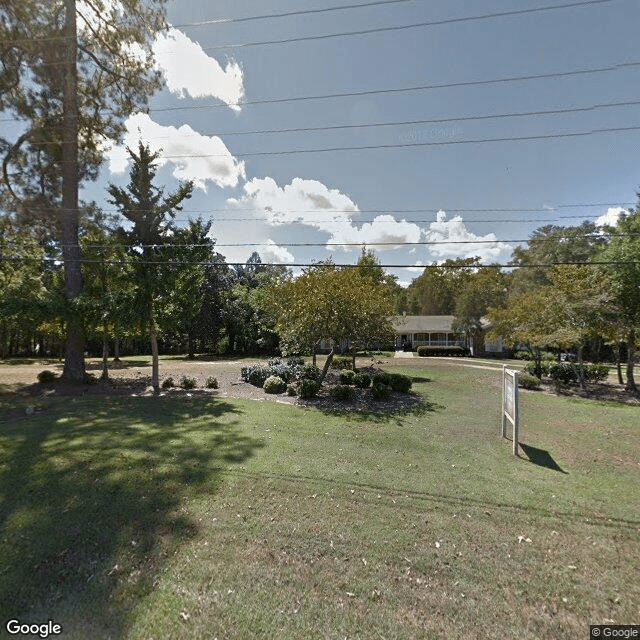
849 Mcdonough Road, Jackson, GA 30233
For more information about senior living options: (866) 208-4318
Autumn Village Alzheimer Care Costs & Pricing
Autumn Village Alzheimer Care offers a semi-private room at a competitive monthly rate of $2,500, which is notably lower than the average costs in both Newton County and the state of Georgia. In Newton County, similar accommodations average around $2,725, while the statewide average stands at approximately $2,529. This pricing strategy positions Autumn Village as an attractive option for families seeking quality Alzheimer's care without exceeding their budget. By providing a more affordable alternative while maintaining essential care services, Autumn Village emphasizes its commitment to enhancing the well-being of residents in a nurturing environment.
| Floor plans | Autumn Village Alzheimer Care | Newton County | Georgia |
|---|---|---|---|
| Semi-Private | $2,500 | $2,725 | $2,529 |
Memory care communities with a similar price nearby
-
About the same

Sunny Grove
$2,500 / month20.2 miles away -
from -$400 / mo

God's Angel Personal Care Home LLC
$2,100 to $2,600 / month19.6 miles away -
from -$200 / mo
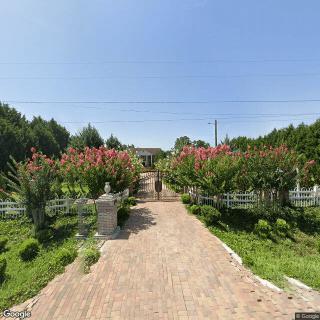
Golden Retreat at McDonough
$2,300 to $2,800 / month15.6 miles away -
from +$490 / mo
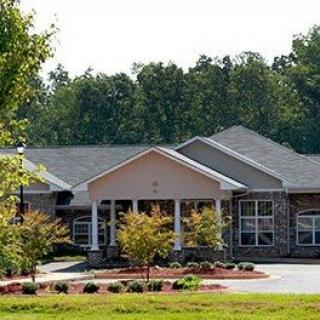
Gardenias
$2,990 to $3,990 / month19.3 miles away -
from -$300 / mo

Royal Personal Care Home
$2,200 / month18.7 miles away
Overall Review of Autumn Village Alzheimer Care
Pros
 Things are going fantastic at Covenant of Golden Age Care.
- Her health seems to be improving since she has been there, and she seems to be very happy.
Review
Autumn Village Alzheimer Care in Jackson, GA is best suited for families seeking a dementia-focused environment where safety, predictable routines, and targeted cognitive engagement are the cornerstone of daily life. This setting is ideal for residents with Alzheimer’s disease or related dementias who benefit from close supervision, structured schedules, and staff trained to manage memory-care needs. The strongest signal from available feedback is that when the right dementia-care structure is in place, health can improve and mood can brighten, with families expressing clear satisfaction with the care provided. That combination, health improvement paired with resident happiness, is a practical, compelling indicator for choosing a memory-care-focused community in this area.
That said, some families may want to consider alternatives. If a loved one requires more intensive medical management, hospital-level oversight, or continuous skilled nursing that exceeds what a memory-care unit typically provides, traditional skilled-nursing facilities or larger continuum communities may be a better fit. For residents who still insist on a high degree of independence, or for households with tighter budgets that demand greater flexibility, exploring other options outside a dementia-specific program could prevent mismatches between needs and services. In short, Autumn Village is a strong choice for dementia-focused care, but not every level of medical complexity or lifestyle preference will align.
The available positive signal is meaningful: the review notes health improvements and a happy resident, paired with a high degree of family satisfaction. Those pros address some of the most common anxieties families carry about memory care, namely, that care won’t translate into meaningful well-being or that the resident will become disengaged. When health and mood improve under dedicated memory-care programming, the payoff can outweigh worries about routine or independence. However, the evidence is limited, consisting of a single favorable testimonial. That means the strength of the overall impression hinges on the credibility of one account rather than a broad, multi-resident track record.
From a practical standpoint, expect the environment to emphasize safety, routine, and purposeful engagement. Dementia-focused programs typically feature secured layouts, memory-enhancing activities, regular health monitoring, and staff who understand dementia behavior and communication. The positive outcome described in the testimonial is consistent with what family members look for: a calm, engaging day that supports both function and emotional well-being. Without explicit data on staffing consistency, activity variety, and long-term trajectories, though, one should temper optimism with a request for concrete, measurable details during tours.
Prospective families should prioritize a disciplined tour and information-gathering process. Key questions should center on staff-to-resident ratios, the level of dementia-specific training, and the consistency of caregiving teams across shifts. Clarify how care plans are created, updated, and communicated to families, and probe the coordination with medical professionals for ongoing health management. Pricing transparency is essential, understand what is included, what may incur extra charges, and how costs may change as care needs evolve. Observing a typical day and speaking with current residents and their families can provide the clearest read on whether the atmosphere and routines align with the loved one’s preferences.
In the final assessment, Autumn Village Alzheimer Care presents a credible, well-suited option for families prioritizing dementia-specific care in Jackson. For residents whose primary goals are health stability and happiness within a secure, structured environment, this type of setting can deliver meaningful, tangible benefits. Yet the decision should be anchored in due diligence: verify staffing consistency, demand transparent pricing, and compare against alternatives that offer different levels of medical oversight or program variety. When the care plan centers on cognitive support, safety, and daily engagement, Autumn Village should be on the shortlist, and only after confirming a precise fit to the loved one’s medical needs, daily routines, and family expectations.
 17 resident community capacity
 Assisted Living
 Board and Care Home
 Memory Care
 Cable or satellite TV
 Dining room
 Fully furnished
 Garden
 Housekeeping services
 Move-in coordination
 Outdoor space
 Telephone
 Wi-Fi/high-speed internet available
 24-hour supervision
 Activities of daily living assistance
 Ambulatory care
 Assistance with bathing
 Assistance with dressing
 Assistance with transfers
 Diabetes diet
 Diabetic care
 Incontinence care
 Meal preparation and service
 Medication management
 Special dietary restrictions
 Transportation arrangement (medical)
 Transportation to doctors appointments
 8 Important Indicators That Memory Care May Be Necessary
 Delving into the Inner World of Dementia: Insights into Thoughts and Awareness
 Five Subtle Dementia Indicators to Observe: An In-Depth Guide to Understanding “Does My Mom Have Dementia?”