For more information about senior living options: (866) 208-4318
3.5 from 33 reviews
5 stars
17
4 stars
4
3 stars
0
2 stars
2
1 stars
10
Grier Manor Costs & Pricing
Grier Manor offers a compelling value for residents seeking affordable living arrangements in comparison to the wider market in both Henry County and the state of Georgia. For a one-bedroom unit, Grier Manor charges just $540 per month, significantly lower than the county's average of $1,997 and the state's average of $3,412. Similarly, the two-bedroom option at Grier Manor is priced at $633, again presenting a stark contrast to Henry County's average of $2,794 and Georgia's average of $3,921. These competitive rates highlight Grier Manor's commitment to providing accessible housing solutions without compromising on quality or community.
Floor plans
Grier Manor
Henry County
Georgia
1 Bedroom
$540
$1,997
$3,412
2 Bedrooms
$633
$2,794
$3,921
Senior living communities with a similar price nearby
from -$40 / mo
Safe Care Homes Group
4.7 from 70 reviews
$500 to $800 / month
20.3 miles away
from +$36 / mo
Norman Berry Village
4 from 58 reviews
$576 to $690 / month
23.6 miles away
from +$85 / mo
Ashton Walk Apartments
3.7 from 58 reviews
$625 to $740 / month
18.5 miles away
Overall Review of Grier Manor
common15 reviews mention this
Communication and management are mixed
Residents describe both responsive help and repeated difficulty getting in touch with management.
Some residents and families praise specific managers for professional help, good communication, and quick follow-through when issues come up. Others report not getting phone calls returned or receiving replies after reaching out by phone, email, or web messages. A separate review also calls out broader management concerns and tenant complaints. Overall, experiences with contacting management vary widely from person to person.
caveat3 reviews mention this
Safety and cameras raise concerns
Safety-related reviews cite problems with cameras and building security.
Residents mention a need for security and cameras to make the building more secure. Multiple reviews also describe serious safety breakdowns tied to security cameras not working, including fears about who can enter and worries about physical safety. Another review adds that the main entrance and exit doors were reportedly broken and left open. These themes point to security as a recurring area of concern in residentsā€™ accounts.
common2 reviews mention this
Clean apartments are frequently noted
Several residents say their apartments are clean.
A couple of reviews specifically call out cleanliness, including clean apartments and a generally well-kept feel. Other residents focus on comfort and day-to-day satisfaction rather than cleanliness, but the direct cleanliness mentions reinforce that this is at least one area that some people notice. For anyone considering the community, it may be worth asking how cleanliness is handled day to day.
common2 reviews mention this
Maintenance responsiveness stands out
Residents mention a maintenance process that can resolve issues quickly.
One resident describes reporting a refrigerator noise problem and getting a replacement unit delivered after the issue resurfaced. Another long-term resident says they had a great maintenance system during their time there. While not everyone comments on maintenance, these reviews align around being able to get problems handled.
common4 reviews mention this
Comfort and a quieter atmosphere
Reviews commonly describe the community as comfortable and peaceful.
Several residents describe the community as small, relaxing, and focused on a sense of peace and comfort. Some also mention enjoying the atmosphere and looking forward to peaceful time in the community. One review also characterizes it as a small neighborhood. Even with the safety-related caveats, these accounts suggest that day-to-day comfort is a consistent theme for some residents.
How we summarize
Counts show how many written reviews mention each theme; a review can touch several themes, and only frequently mentioned themes are displayed.
Features
Types of Care
Active Adult Communities (55+)
Pets
Cats allowed
Dogs allowed
Transportation
William B Hartsfield-Atlanta International (22 miles away)
Nearby Places of Interest
This part of McDonough, Georgia offers a variety of amenities and services that cater to senior living needs. There are several restaurants within a short distance, including Fusion Restaurant & Bar for dining options. Places of worship such as South Point Fellowship and McDonough Presbyterian Church provide opportunities for spiritual fulfillment. Pharmacies like Fred's Pharmacy and CVS Pharmacy are conveniently located for medication needs. Additionally, cafes like Leo's Cafe and Starbucks offer places to socialize and relax. For healthcare, there are physician offices like McDonough Internal Medicine PC and Resurgens Orthopaedics nearby. Transportation is also easily accessible with Enterprise Rent-A-Car located within 1.2 miles. Overall, this area provides a well-rounded environment with essential services for seniors looking to settle in McDonough, Georgia.
Restaurants
Fusion Restaurant & Bar (0.4 miles)
Sonic Drive-In (0.4 miles)
Red Orchid Thai Cuisine (0.5 miles)
Sakura Hibaldi Sushi Buffet (1.5 miles)
Jj Fish & Chicken (1.5 miles)
Krystal (1.5 miles)
IHOP (1.5 miles)
Places of Worship
South Point Fellowship (0.7 miles)
McDonough Presbyterian Church (2.1 miles)
Wesley Way United Methodist Church (3.2 miles)
St James the Apostle Catholic Church (3.6 miles)
Hope Evangelical Lutheran Church (5.6 miles)
Southpoint Fellowship Church (6 miles)
Pharmacies
Fred's Pharmacy (0.7 miles)
CVS Pharmacy (1.6 miles)
Walgreens (1.8 miles)
Walgreens (2.1 miles)
CVS Pharmacy (3 miles)
CVS Pharmacy (3.4 miles)
Health Mart Pharmacy (3.7 miles)
Cafes
Leo's Cafe (0.8 miles)
Queen Bee Coffee Company (1.4 miles)
Starbucks (1.8 miles)
Starbucks (2.1 miles)
Ding Tea McDonough (2.1 miles)
Starbucks (5.3 miles)
Physicians
McDonough Internal Medicine PC (1 miles)
Resurgens Orthopaedics (1.4 miles)
Frank Lockwood MD (1.4 miles)
Reliance Family Care (2.4 miles)
Eagles Landing Family Practice - McDonough Kelly Road Office (2.7 miles)
Grier Manor offers a compelling value for residents seeking affordable living arrangements in comparison to the wider market in both Henry County and the state of Georgia. For a one-bedroom unit, Grier Manor charges just $540 per month, significantly lower than the county's average of $1,997 and the state's average of $3,412. Similarly, the two-bedroom option at Grier Manor is priced at $633, again presenting a stark contrast to Henry County's average of $2,794 and Georgia's average of $3,921. These competitive rates highlight Grier Manor's commitment to providing accessible housing solutions without compromising on quality or community.
Compassionate, attentive respite care with strong caregiver rapport, tailored routines, and clear family communication.
Westbury Mcdonough
Mcdonough, GA
4.5 from 131 reviews
Friendly, caring staff with engaging activities and accessible amenities.
Duncan Walk
Mcdonough, GA
Fully furnished apartments with restaurant-style dining, meals, and comprehensive care services (24-hour supervision, ADL assistance, medication management) plus engaging activities.
Heritage of McDonough
McDonough, GA
4.1 from 25 reviews
$650 to $725 / month
Very affordable pricing versus local averages.
Medicrest Home Care
McDonough, GA
5 from 3 reviews
Exceptional, compassionate in-home care with strong value for money.
Oakgrove
Mcdonough, GA
4.8 from 22 reviews
Comprehensive assisted living with 24/7 supervision, medication management, and transportation to appointments.
Benton House Of Stockbridge
Stockbridge, GA
4.3 from 39 reviews
$3,450 to $5,250 / month
Caring staff, clean, and engaging environment.
Care And Respect Home Care
Hampton, GA
Personalized care with 24-hour supervision and medical appointment transportation.
Nonmedical home care provides assistance with daily activities and companionship for individuals wishing to maintain independence and quality of life at home, without medical intervention. Its growing popularity is driven by an aging population, the need for supportive environments for recovery, and the emotional benefits of caregiver companionship, while costs vary based on service frequency and location.
Maintaining cognitive fitness through engaging in various brain games, both traditional and digital, is crucial for seniors as it enhances memory retention, problem-solving abilities, and emotional well-being while helping to protect against age-related decline. A holistic approach that includes diverse activities, physical exercise, a balanced diet, and social interaction further supports mental health and cognitive function.
The article outlines strategies for keeping seniors' minds active through brain games and apps, highlighting the importance of cognitive exercises, social engagement, and a healthy lifestyle in combating cognitive decline. It emphasizes the benefits of various types of games and offers practical tips for maintaining mental wellness through enjoyable activities while acknowledging their limitations.
Get PricingAsk A QuestionSchedule A TourContact Senior Advisor
By clicking submit, you agree to our Partner's Terms of Use. You
also consent to receive calls and texts, which may be autodialed, from our Partner. Your consent is not a condition to
using our Partner's service. Please visit our Partner's Privacy Policy for information about their privacy practices.

 Active Adult Communities (55+)
 Cats allowed
 Dogs allowed
 William B Hartsfield-Atlanta International (22 miles away)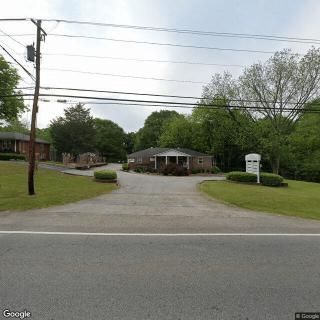
 Compassionate, attentive respite care with strong caregiver rapport, tailored routines, and clear family communication.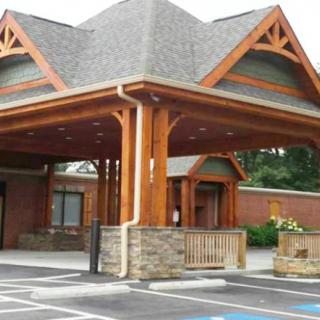


 Exploring Nonmedical Home Care: Understanding Services, Costs, and Financial Approaches
 Engaging Brain Games and Innovative Apps to Keep Senior Minds Active
 Effective Strategies for Keeping Seniors' Minds Active: A Deep Dive into Brain Games and Apps