Residents describe a secured building that helps them feel safer.
Several reviewers mention the facility as secure, including comments about safety for patients as part of the lived experience. Others also tie that sense of safety to feeling reassured about their loved one’s wellbeing during visits or after admission.
common25 reviews mention this
Staff warmth and attentiveness
Staff friendliness and attentiveness come up repeatedly in reviews.
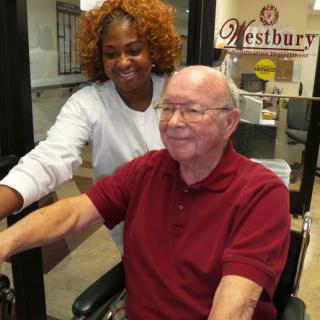
Across reviews, families describe staff who greet visitors, respond respectfully, and provide hands-on help. Many mention communication with families and a sense that residents are treated with kindness and dignity, especially from nursing, therapy, and housekeeping teams.
common4 reviews mention this
Activities keep residents engaged
Residents get ongoing activities that help them stay engaged.
Reviewers describe a steady schedule of activities, including resident participation and organized daily programming. One reviewer specifically highlights the activities coordinator’s creativity and reliability, and another mentions that their loved one enjoys being kept active with others.
caveat4 reviews mention this
Food quality is mixed
Some reviews describe dining quality as disappointing.
While some families say meals are well-received or even a standout, others complain that the food is unappetizing or not good. The result in reviews is inconsistent dining feedback, with praise for particular meals sitting alongside stronger complaints.
caveat5 reviews mention this
Care response issues and odors
A recurring concern involves slow responses to basic needs.
Some reviewers report delays or missed responses when residents call for help, including issues described with call-button alerts and staffing responsiveness. Several also raise cleanliness and odor concerns, including urine-related problems, which compounds dissatisfaction beyond just scheduling or communication.
How we summarize
Counts show how many written reviews mention each theme; a review can touch several themes, and only frequently mentioned themes are displayed.
Features
Housing
210 resident community capacity
Types of Care
Skilled Nursing Facility
Amenities
Air-conditioning
Beauty salon
Cable or satellite TV
Computer center
Dining room
Fitness room
Fully furnished
Gaming room
Garden
Housekeeping services
Kitchenette
Move-in coordination
Outdoor space
Private bathrooms
Restaurant-style dining
Small library
Telephone
Wellness center
Wi-Fi/high-speed internet available
Transportation
William B Hartsfield-Atlanta International (21 miles away)
Community operated transportation
Transportation arrangement
Transportation arrangement (non-medical)
Transportation to doctors appointments
Care Services
12-16 hour nursing
24-hour call system
24-hour supervision
Activities of daily living assistance
Assistance with bathing
Assistance with dressing
Assistance with transfers
Diabetes diet
Meal preparation and service
Medication management
Mental wellness program
Special dietary restrictions
Dining
Diabetes diet
Special dietary restrictions
Activities
Community-sponsored activities
Concierge services
Fitness programs
Planned day trips
Resident-run activities
Scheduled daily activities
Nearby Places of Interest
Cafes
Queen Bee Coffee Company (0.4 miles)
Leo's Cafe (1.2 miles)
Starbucks (1.7 miles)
Ding Tea McDonough (2.3 miles)
Starbucks (2.4 miles)
Starbucks (6.3 miles)
Starbucks (6.3 miles)
Pharmacies
CVS Pharmacy (0.9 miles)
Walgreens (1.1 miles)
Fred's Pharmacy (1.3 miles)
Walgreens (1.8 miles)
CVS Pharmacy (3.3 miles)
CVS Pharmacy (3.7 miles)
Walgreens (4.6 miles)
Places of Worship
South Point Fellowship (1.1 miles)
McDonough Presbyterian Church (1.4 miles)
St James the Apostle Catholic Church (2.6 miles)
Wesley Way United Methodist Church (3 miles)
Hope Evangelical Lutheran Church (5.9 miles)
Physicians
Frank Lockwood MD (1.3 miles)
Resurgens Orthopaedics (1.3 miles)
Reliance Family Care (1.3 miles)
McDonough Internal Medicine PC (1.4 miles)
Eagles Landing Family Practice - McDonough Kelly Road Office (1.8 miles)
The Eyecare Place (3.4 miles)
Eagle's Landing Family Practice (3.4 miles)
Restaurants
Captain D's (1.3 miles)
Jj Fish & Chicken (1.3 miles)
Sakura Hibaldi Sushi Buffet (1.4 miles)
Sonic Drive-In (1.4 miles)
Fusion Restaurant & Bar (1.4 miles)
IHOP (1.4 miles)
Red Orchid Thai Cuisine (1.5 miles)
Transportation
Enterprise Rent-A-Car (1.8 miles)
U-Haul Mobility & Storage at Eagles Landing (5.8 miles)
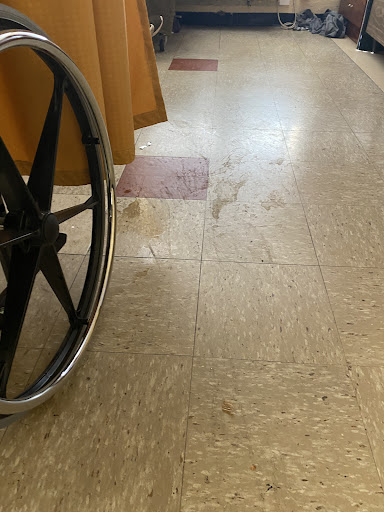
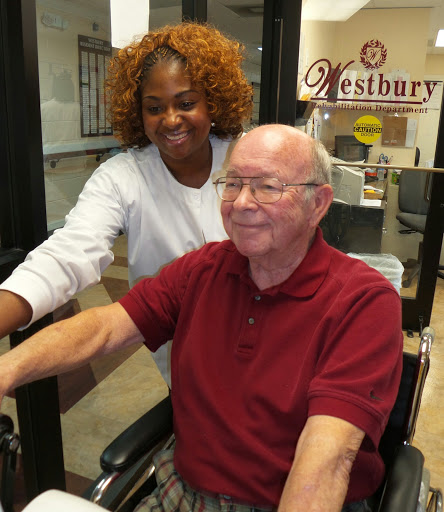
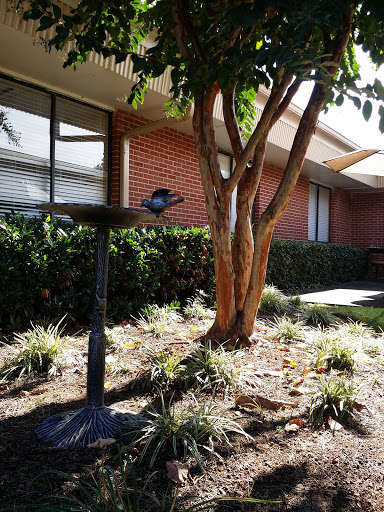
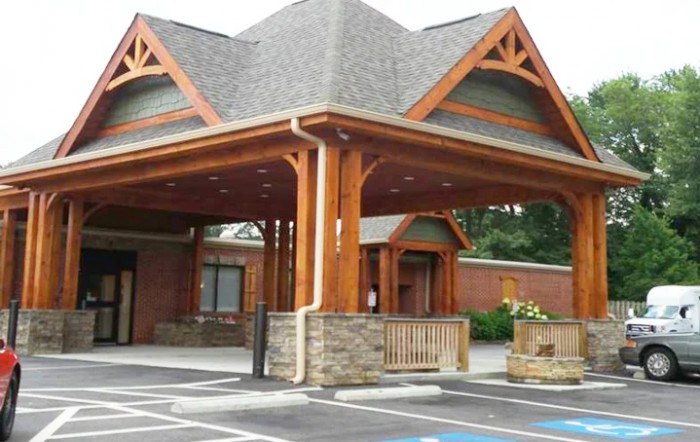
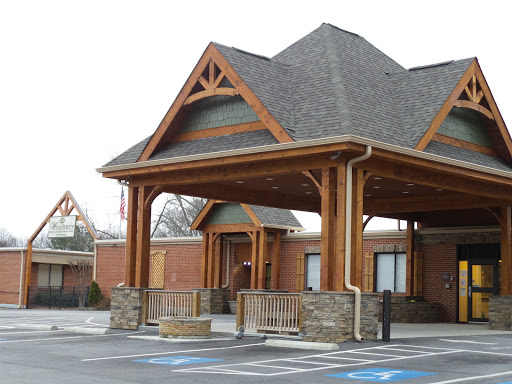
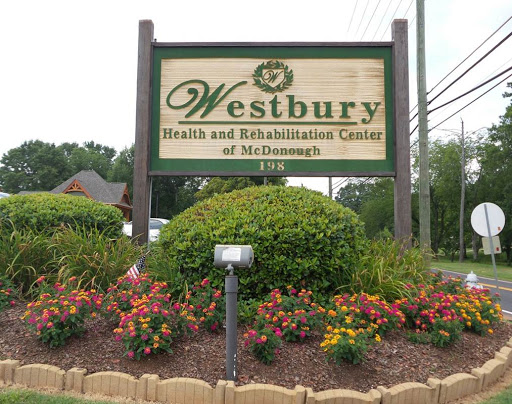
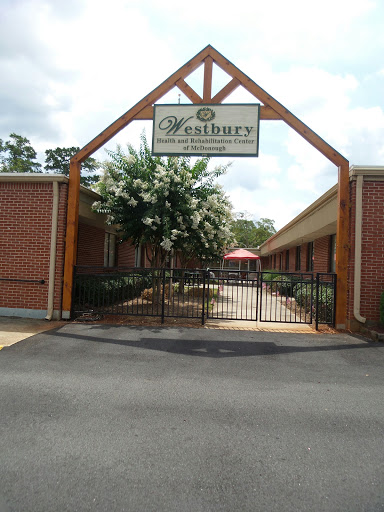
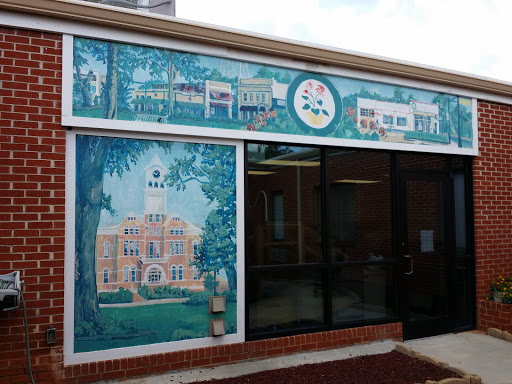
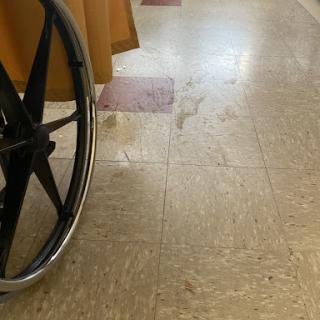
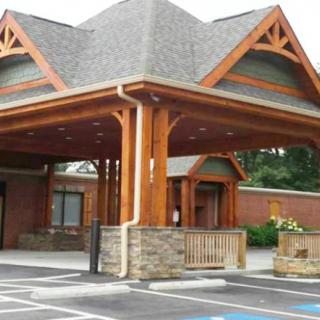
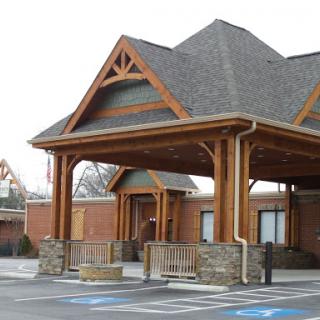
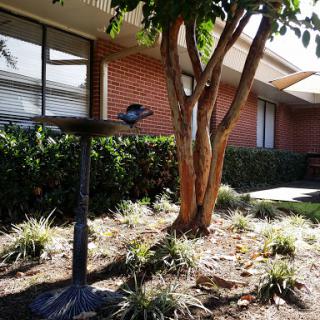
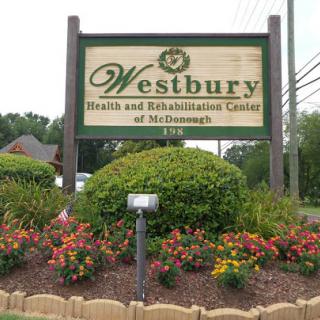
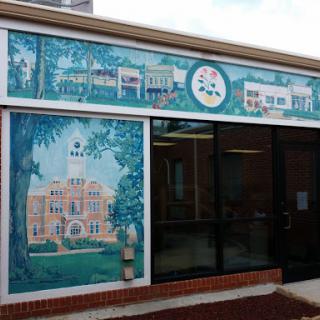
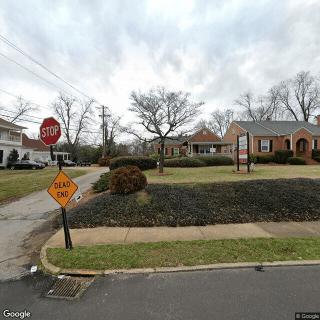
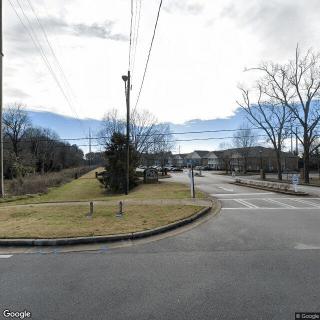
Westbury Mcdonough on seniors.fyi includes 8 photos including images showing building, landscaping, entrance, architecture, wheelchair, interior, outdoor, rehabilitation, and more.
Nearby Communities
Gateway Healthcare Agency
McDonough, GA
3.7 from 6 reviews
Compassionate, attentive respite care with strong caregiver rapport, tailored routines, and clear family communication.
Heritage of McDonough
McDonough, GA
4.1 from 25 reviews
$650 to $725 / month
Very affordable pricing versus local averages.
Medicrest Home Care
McDonough, GA
5 from 3 reviews
Exceptional, compassionate in-home care with strong value for money.
Grier Manor
McDonough, GA
3.5 from 33 reviews
$540 to $633 / month
Some residents report a satisfactory experience and positive management.
Deluxe Personal Care Home
Mcdonough, GA
3.5 from 2 reviews
Small, personalized care in a homelike setting.
Shelly's Wright Choice
Mcdonough, GA
Warm, welcoming assisted living with strong caregiver support and broad local amenities.
Benton House Of Stockbridge
Stockbridge, GA
4.3 from 39 reviews
$3,450 to $5,250 / month
Caring staff, clean, and engaging environment.
Lovely Care
Stockbridge, GA
4.3 from 21 reviews
Caring staff; clean facility; good meals.
Care And Respect Home Care
Hampton, GA
Personalized care with 24-hour supervision and medical appointment transportation.
The Sandwich Generation comprises adults managing the dual responsibilities of caring for aging parents and raising children, leading to significant emotional, logistical, and financial challenges. This situation is exacerbated by longer life expectancies and cultural expectations, necessitating effective coping strategies and support resources to alleviate caregiver stress and burnout.
The article highlights eight essential assistive devices that improve the independence and safety of older adults, addressing issues related to mobility, balance, vision, hearing, and dexterity. It emphasizes the importance of proper selection guided by healthcare professionals to enhance seniors' quality of life while allowing them to age in place.
The article offers detailed guidance on the financial complexities of nursing home care, covering costs, payment methods, and alternative funding strategies while emphasizing the importance of proactive planning and legal considerations for individuals and families making care decisions.
Get PricingAsk A QuestionSchedule A TourContact Senior Advisor
By clicking submit, you agree to our Partner's Terms of Use. You
also consent to receive calls and texts, which may be autodialed, from our Partner. Your consent is not a condition to
using our Partner's service. Please visit our Partner's Privacy Policy for information about their privacy practices.


 210 resident community capacity
 Skilled Nursing Facility
 Air-conditioning
 Beauty salon
 Cable or satellite TV
 Computer center
 Dining room
 Fitness room
 Fully furnished
 Gaming room
 Garden
 Housekeeping services
 Kitchenette
 Move-in coordination
 Outdoor space
 Private bathrooms
 Restaurant-style dining
 Small library
 Telephone
 Wellness center
 Wi-Fi/high-speed internet available
 William B Hartsfield-Atlanta International (21 miles away)
 Community operated transportation
 12-16 hour nursing
 24-hour call system
 Activities of daily living assistance
 Assistance with bathing
 Assistance with dressing
 Assistance with transfers
 Diabetes diet
 Medication management
 Mental wellness program
 Special dietary restrictions
 Concierge services
 Planned day trips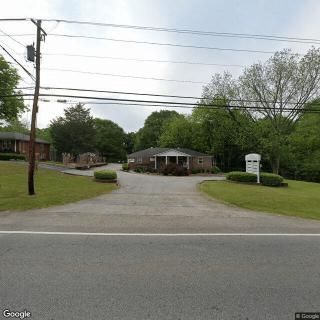
 Compassionate, attentive respite care with strong caregiver rapport, tailored routines, and clear family communication.




 Understanding the Sandwich Generation: Stress and Responsibilities for Multigenerational Caregivers
 8 Essential Assistive Devices for Older Adults
 Navigating the Financial Road to Nursing Home Care: In-Depth Guidance and Resources