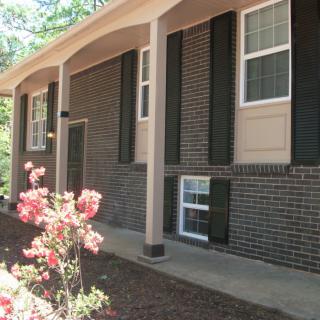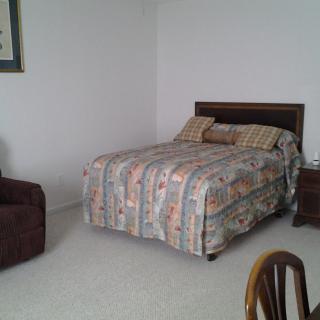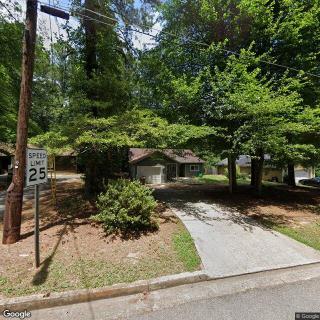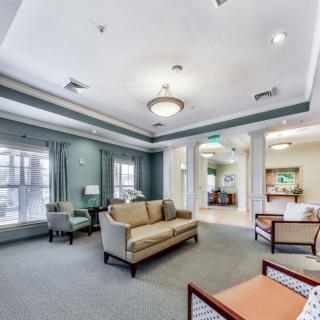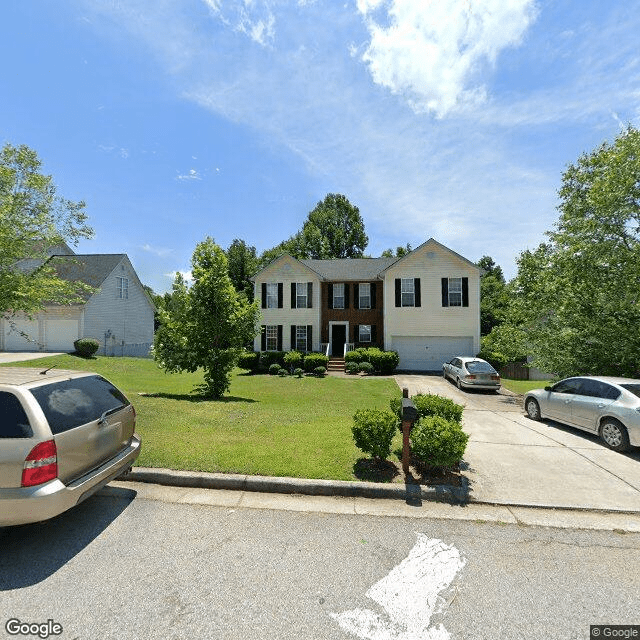
Evelyn Personal Care Home in Jonesboro, GA

Save
Evelyn Personal Care Home

Evelyn Personal Care Home in Jonesboro, GA

Information last verified:

33 Nina Ct, Jonesboro, GA 30238

For more information about senior living options: (844) 490-3973

3 from 4 reviews
5 stars
0
4 stars
2
3 stars
1
2 stars
0
1 stars
1

Evelyn Personal Care Home Costs & Pricing

Evelyn Personal Care Home offers competitive pricing for its services compared to both Fayette County and the broader state of Georgia. The monthly cost for a semi-private room at Evelyn is $1,500, significantly lower than the county average of $2,236 and the state average of $2,529. For those seeking more privacy, Evelyn's private rooms are priced at $2,500, which is closely aligned with Fayette County's average of $2,493 but notably less than Georgia's higher average of $2,864. Additionally, studio accommodations at Evelyn are offered at $2,500, providing a more affordable option compared to the county's average of $3,530 and the state's rate of $3,520. Overall, Evelyn Personal Care Home presents a financially attractive alternative for individuals in need of personal care services while maintaining a commitment to quality living conditions.

Floor plansEvelyn Personal Care HomeFayette CountyGeorgia
Semi-Private$1,500$2,236$2,529
Private$2,500$2,493$2,864
Studio$2,500$3,530$3,520

Overall Review of Evelyn Personal Care Home

Pros

  • pro The staff are very nice to residents and their families.
  • pro The facility is a spotless community.
  • pro It has adequate staff and many activities.
  • pro Evelyn Personal Care Home is appreciated by families.

Cons

  • pro The reviewer states that staff are very rude and do not keep track of where residents go, raising safety concerns for Alzheimer's patients.
  • pro The reviewer reports a staff member was very rude and kept addressing the caller as "man" after being given their name.
  • pro The reviewer questions whether this facility should care for a loved one, implying it is not suitable.

Review

Evelyn Personal Care Home in Jonesboro, GA, is best suited for seniors who want a small, home-like setting with a steady, friendly staff, a clean environment, and a calendar filled with activities. It appears well-matched for residents who don’t require intensive memory-care services and for families that prize caregivers who know residents by name and foster a warm, day-to-day routine. The experiences of long-term residents, one family noting a father has been there for three years and that staff are notably kind, suggest a level of stability and relational care that benefits those who value consistent, personal attention. For families seeking reassurance that staff will engage with both resident and kin in a respectful, approachable way, this community offers a compelling fit.

However, potential buyers should scrutinize variations in service quality and safety, especially for residents with cognitive challenges. A single report of a staff member described as rude and unclear about a resident’s location raises questions about general safety protocols and communication. When Alzheimer's or memory issues are present, reliable tracking, transparent handoffs, and proactive care coordination become non-negotiables; if those elements feel inconsistent, alternatives with stronger dementia-focused programs and stricter accountability may be prudent.

On the upside, the facility earns praise for cleanliness and a well-maintained environment. A spotless campus, together with adequate staffing and a robust slate of activities, helps maintain dignity and engagement for residents who enjoy social and mental stimulation. The positive tone from families about how the staff interact with loved ones signals a welcoming culture, where residents are treated with warmth and respect. For seniors who thrive in a busy, community-oriented setting and for families who want visible evidence of daily activity and routine, these are substantial benefits that can offset the stress of relocation.

Yet, the most consequential concerns stem from a single, troubling account of miscommunication and perceived staff rudeness. A caregiver’s failure to accurately confirm a resident’s whereabouts, coupled with a claim about where the person is, either at the facility or in the hospital, suggests gaps in record-keeping and supervision. Such lapses matter greatly for individuals with memory impairment, where a moment’s confusion can become a safety risk. The fear that Alzheimer’s residents might be less securely tracked should prompt any prospective family to demand concrete policies around resident location tracking, wander management, and clear escalation procedures.

The pros, cleanliness, approachable staff, and a structured activities calendar, do mitigate some risk by creating a stable, pleasant daily life and a home-like atmosphere. These strengths help counterbalance turnover fears and the challenge of finding a setting that feels like home. However, the weight of the reported incident cannot be dismissed; it undermines trust in daily operations and makes it essential to verify front-line supervision, staff training, and quality assurance measures before committing. In practice, the decision hinges on whether the strength of the environment and person-centered tone can coexist reliably with stronger safeguards around cognitive-care residents.

Prospective families should conduct a thorough, hands-on visit with a focus on safety and daily routines. Request to meet the administrator and direct caregivers, observe how staff communicate with residents and families, and review policies on memory-care support, wandering, incident reporting, and care planning. Ask to see real schedules, activity logs, and a resident tracking process, and seek recent examples of how staff handled a memory-care challenge. If dementia care needs are prominent or if clear accountability is lacking, alternatives with dedicated memory-care units or higher staffing transparency may offer greater peace of mind. For those drawn to a warm, community-centric setting with a clean environment, Evelyn Personal Care Home remains a viable option, provided that thorough due diligence confirms consistent, respectful operations and robust safeguards for residents with cognitive needs.

Features

Housing

  • 5 resident community capacity 5 resident community capacity

Types of Care

  • Assisted Living Assisted LivingAssisted living facilities provide crucial support and care for seniors who may need help with daily tasks such as medication management, bathing, and meal preparation. These communities offer a safe and comfortable environment where seniors can maintain their independence while receiving the assistance they need to thrive in their golden years.
  • Board and Care Home Board and Care HomeBoard and care homes provide a smaller, more intimate setting for seniors who require assistance with daily tasks but do not need the level of care offered by a nursing home. They offer personalized care, meals, and social activities in a homelike environment, ensuring that seniors receive individualized attention and support in their golden years.
  • Day Program Day ProgramDay programs are important for seniors because they provide a safe and supportive environment where older adults can socialize, engage in activities, receive assistance with daily tasks, and access valuable resources and services. These programs help prevent isolation and loneliness, promote mental and physical well-being, and offer a sense of purpose and community for seniors.
  • Memory Care Memory CareMemory care is crucial for seniors as it provides specialized support and services for individuals with dementia or Alzheimer's disease. These programs offer a safe and secure environment where residents receive personalized care, cognitive stimulation, and help with daily activities. Memory care helps seniors maintain their independence, quality of life, and dignity while also providing peace of mind for their families.

Amenities

  • Activities on-site Activities on-siteActivities on-site are important for seniors because they provide opportunities for socialization, mental stimulation, physical activity, and overall well-being. Engaging in activities can help seniors stay active, maintain their independence, and improve their quality of life.
  • Bath tubs Bath tubsBath tubs are important for seniors because they provide a safe and relaxing way to bathe, helping to prevent slips and falls while promoting independence and overall well-being.
  • Cable or satellite TV Cable or satellite TVCable or satellite TV is important for seniors because it provides entertainment, news, and companionship, helping to combat loneliness and boredom. It also offers a wide range of programming options tailored to different interests and preferences.
  • Devotional services on-site Devotional services on-siteDevotional services on-site provide seniors with spiritual support and a sense of community, as well as an opportunity for reflection and guidance during their senior living experience. This can promote emotional well-being and connection to others, leading to a more fulfilling and enriching lifestyle in their later years.
  • Dining room Dining roomDining rooms are important for seniors as they provide a space for socialization, connection, and nutritious meals. They offer opportunities for residents to bond over shared meals, foster a sense of community, and promote healthy eating habits. Dining rooms also ensure that seniors have access to well-balanced meals tailored to their dietary needs and preferences.
  • Fully furnished Fully furnishedFully furnished senior living communities are important for seniors because they provide convenience, comfort, and a hassle-free moving experience. Seniors can easily settle into their new living space without the stress of having to buy and move furniture. This allows them to focus on enjoying their new home and community.
  • Garden GardenGardens are important for seniors as they provide a peaceful and therapeutic environment for relaxation, physical activity, and socialization. Being in nature has been shown to reduce stress, improve mood, and promote overall well-being. Gardens also offer opportunities for seniors to engage in gardening activities, which can improve mobility, flexibility, and cognitive function. Additionally, gardens create a sense of community and connection with others who share a passion for plants and outdoor spaces.
  • Housekeeping services Housekeeping servicesHousekeeping services are important for seniors because they help maintain a clean and safe living environment, promote independence, and reduce the risk of accidents or illnesses. Additionally, having assistance with household chores can alleviate physical strain and allow seniors to focus on other aspects of their well-being.
  • Indoor common areas Indoor common areasIndoor common areas are crucial for seniors as they provide a space for socialization, recreation, and community engagement, promoting overall well-being and reducing feelings of isolation and loneliness.
  • Move-in coordination Move-in coordinationMove-in coordination is important for seniors because it helps ease the transition into their new living environment. It ensures that all logistics, such as packing, organizing movers, and setting up utilities are taken care of, allowing seniors to focus on settling in and adjusting to their new home. Having a smooth move-in process can alleviate stress and anxiety, making the transition smoother and more enjoyable for seniors.
  • Outdoor common areas Outdoor common areasOutdoor common areas are important for seniors as they provide a space for socialization, physical activity, and relaxation. Being outside in nature can improve mood and overall well-being, while also encouraging movement and engagement with others. These spaces can help combat feelings of isolation and promote a sense of community among residents.
  • Outdoor space Outdoor spaceOutdoor spaces are important for seniors as they provide opportunities for physical activity, social interaction, exposure to natural light and fresh air, and a sense of connection to nature. Having access to outdoor spaces can improve overall well-being and quality of life for older adults living in senior communities.
  • Private PrivatePrivacy is important for seniors as it allows them to maintain their independence, dignity, and sense of control over their own lives. It also gives them the space and freedom to relax, reflect, and engage in activities that bring them joy and fulfillment. Creating private spaces within senior living facilities is crucial for promoting overall well-being and quality of life.
  • Respite or short term stays offered Respite or short term stays offeredRespite or short term stays provide seniors with a temporary solution when their regular caregiver is unavailable, offering them the opportunity to receive additional care and support during times of need, while also giving caregivers a chance to rest and recharge.
  • Telephone TelephoneTelephones are important for seniors as they provide a lifeline for communication with loved ones, emergency services, and healthcare providers. They offer a sense of security and independence, enabling seniors to stay connected and access assistance when needed.
  • Wi-Fi/high-speed internet available Wi-Fi/high-speed internet availableWi-Fi/high-speed internet is important for seniors to stay connected with loved ones, access online resources, and participate in virtual activities to combat feelings of loneliness and isolation. It also allows them to easily manage healthcare needs, access entertainment, and engage in lifelong learning opportunities.

Transportation

  • William B Hartsfield-Atlanta International (10 miles away) William B Hartsfield-Atlanta International (10 miles away)

Care Services

  • 24-hour supervision 24-hour supervision24-hour supervision is important for seniors to ensure their safety, well-being, and access to immediate assistance in case of emergencies or health issues. This constant support provides peace of mind for both seniors and their loved ones, allowing them to age in place with dignity and security.
  • Activities of daily living assistance Activities of daily living assistanceActivities of daily living assistance are important for seniors because they provide essential support with tasks such as eating, bathing, dressing, and mobility. This assistance helps seniors maintain their independence, dignity, and overall quality of life as they age.
  • Ambulatory care Ambulatory care"Ambulatory care services provide essential medical support and treatment to seniors without requiring hospitalization, allowing them to maintain their independence and quality of life while managing chronic conditions or receiving routine medical care."
  • Assistance with bathing Assistance with bathingAssistance with bathing is crucial for seniors as it helps maintain personal hygiene, prevents infections, and ensures their overall well-being and comfort. It also provides a sense of dignity and independence for seniors who may struggle with this task on their own.
  • Assistance with dressing Assistance with dressingAssistance with dressing is important for seniors because it helps maintain their independence, promotes personal hygiene, prevents accidents and injuries, and improves overall quality of life. This service ensures that seniors can continue to dress comfortably and confidently, despite any physical limitations they may have.
  • Assistance with transfers Assistance with transfersAssistance with transfers is crucial for seniors as it helps prevent falls and injuries, maintains their independence, and ensures they can safely navigate their living environment. It also provides peace of mind for both seniors and their loved ones.
  • Coordination with health care providers Coordination with health care providersCoordination with health care providers is crucial for seniors to ensure proper medical care, medication management, and overall well-being. This collaboration helps prevent overlapping treatments, track progress more effectively, and provide comprehensive support tailored to individual needs.
  • Diabetes diet Diabetes dietA diabetes diet is crucial for seniors as it helps manage blood sugar levels, reduce risks of complications, and improve overall health and well-being. By following a balanced and nutritious diet tailored to their specific needs, seniors can better control their diabetes and enhance their quality of life.
  • Diabetic care Diabetic careDiabetic care is crucial for seniors as they are more susceptible to developing diabetes due to aging and other health conditions. Proper management of diabetes can help prevent complications such as heart disease, vision loss, and nerve damage, improving the overall quality of life for seniors in senior living communities.
  • High acuity care High acuity careHigh acuity care is important for seniors because it provides specialized medical attention and support for individuals with complex medical needs. This level of care ensures that seniors receive the appropriate treatment and assistance to maintain their health and quality of life as they age.
  • Incontinence care Incontinence careIncontinence care is essential for seniors to maintain their dignity, hygiene, and overall quality of life. By addressing incontinence issues promptly and effectively, seniors can enjoy a sense of independence and comfort in their daily activities.
  • Meal preparation and service Meal preparation and serviceMeal preparation and service are crucial for seniors as they may have limited mobility or energy to cook nutritious meals. Having access to healthy and convenient food options can ensure they are getting the proper nutrition needed to maintain their overall health and well-being.
  • Medication management Medication managementMedication management is crucial for seniors to ensure they are taking the right medications at the correct dosages and times. This helps prevent adverse drug interactions, reduces the risk of medication errors, and promotes overall health and well-being. Proactive management also allows for adjustments as needed based on changing health conditions or new prescriptions.
  • Special dietary restrictions Special dietary restrictionsSpecial dietary restrictions are important for seniors because age-related changes in metabolism and health conditions can make it difficult for their bodies to process certain foods. By following a diet tailored to their specific needs, seniors can maintain their overall health and well-being, manage chronic conditions, and reduce the risk of complications such as malnutrition or food interactions with medications.
  • Transportation arrangement (medical) Transportation arrangement (medical)Transportation arrangements for medical purposes are essential for seniors as they may have difficulty driving themselves to appointments or accessing public transportation. Having reliable and safe transportation options ensures that seniors can receive timely medical care and maintain their health and well-being.
  • Transportation to doctors appointments Transportation to doctors appointmentsTransportation to doctors' appointments is crucial for seniors as it ensures they have access to necessary medical care and support for their health needs. Without reliable transportation, seniors may struggle to attend important appointments, leading to potential delays in treatment and health complications. Providing transportation services helps seniors maintain their overall well-being and quality of life.

Dining

  • Diabetes diet Diabetes dietA diabetes diet is crucial for seniors as it helps manage blood sugar levels, reduce risks of complications, and improve overall health and well-being. By following a balanced and nutritious diet tailored to their specific needs, seniors can better control their diabetes and enhance their quality of life.
  • Kosher KosherKosher options are important for seniors because they adhere to dietary laws that are significant to many Jewish individuals, providing them with peace of mind and an opportunity to maintain their cultural traditions and beliefs while living in a senior living community.
  • Meals provided Meals provided"Meals provided" are crucial for seniors in assisted living communities as it ensures they have access to nutritious, balanced meals without the stress of meal planning and preparation. This can help promote overall health and well-being for seniors who may have limited mobility or cognitive abilities.
  • Special dietary restrictions Special dietary restrictionsSpecial dietary restrictions are important for seniors because age-related changes in metabolism and health conditions can make it difficult for their bodies to process certain foods. By following a diet tailored to their specific needs, seniors can maintain their overall health and well-being, manage chronic conditions, and reduce the risk of complications such as malnutrition or food interactions with medications.
  • Vegetarian VegetarianA vegetarian diet is important for seniors because it can help lower the risk of chronic diseases, maintain a healthy weight, and provide essential nutrients needed for aging bodies. Additionally, plant-based diets are often easier on digestive systems and can contribute to overall well-being in older adults.

Activities

  • Activities on-site Activities on-siteActivities on-site are important for seniors because they provide opportunities for socialization, mental stimulation, physical activity, and overall well-being. Engaging in activities can help seniors stay active, maintain their independence, and improve their quality of life.
  • Community-sponsored activities Community-sponsored activitiesCommunity-sponsored activities are important for seniors as they provide opportunities for social interaction, mental stimulation, and physical activity. These activities can help improve overall well-being, combat loneliness and isolation, and promote a sense of belonging and purpose among older adults.
  • Devotional activities on-site Devotional activities on-siteDevotional activities on-site provide seniors with a sense of community, spiritual fulfillment, and emotional support, promoting overall well-being and a positive sense of purpose in their lives.
  • Scheduled daily activities Scheduled daily activitiesScheduled daily activities are important for seniors because they provide structure, socialization, mental stimulation, and physical activity. Engaging in regular activities can improve overall well-being and quality of life for seniors living in a community setting.

Description

Evelyn Personal Care Home in Jonesboro, GA is a warm and inviting assisted living community that offers a variety of care options to meet the unique needs of each resident. With a focus on personalized care, our dedicated staff provides assistance with activities of daily living such as bathing, dressing, and transfers. We also offer coordination with health care providers to ensure our residents receive the best possible medical care.

Our community is equipped with all the amenities needed to make our residents feel comfortable and at home. Each room is fully furnished and includes cable or satellite TV, telephone, and Wi-Fi/high-speed internet access. Residents can enjoy the beauty of nature in our garden and outdoor common areas, or relax indoors in our spacious indoor common areas. Housekeeping services are provided to ensure a clean and tidy environment.

At Evelyn Personal Care Home, we understand that maintaining proper nutrition is crucial for overall well-being. Our dining program offers delicious meals that cater to special dietary restrictions including kosher, vegetarian, and diabetic diets. Our professional staff prepares and serves meals daily, ensuring that residents receive balanced and nutritious food.

We believe in promoting an active lifestyle for our residents by providing a range of activities for social engagement. Community-sponsored activities allow residents to connect with others in meaningful ways while scheduled daily activities provide mental stimulation and entertainment. Devotional services are also available on-site for those who wish to engage in spiritual activities.

Our location is conveniently situated near various amenities including cafes, parks, pharmacies, physicians' offices, restaurants, places of worship, and theaters. This allows residents easy access to essential services and ensures they remain connected to the local community.

Whether it's short-term respite stays or long-term memory care needs, Evelyn Personal Care Home is committed to providing compassionate care tailored to each individual resident's needs. We invite you to visit our community and experience the warm and caring environment that sets us apart.

Nearby Places of Interest

This area of Jonesboro, Georgia is a convenient and diverse community with easy access to essential amenities. There are multiple pharmacies nearby, including CVS and Walgreens, as well as various healthcare providers such as primary care physicians and specialty clinics like the Breast Health Clinic. Residents can enjoy a variety of dining options ranging from fast food chains like Wendy's and Chick-Fil-A to vegan options at Slutty Vegan. For relaxation, there are cafes like Panera Bread and Starbucks within a short drive. Outdoor enthusiasts can explore nearby parks like McCurry Park for leisurely walks or picnics. Additionally, there are theaters for entertainment and hospitals like Southern Regional Health System and Children's Healthcare of Atlanta for medical needs. Overall, this area offers a mix of amenities that cater to different lifestyles making it a suitable choice for senior living.

Pharmacies

  • CVS Pharmacy (1.4 miles)
  • CVS Pharmacy (2.3 miles)
  • Walgreens (2.6 miles)
  • Heart Pharmacy (4.6 miles)
  • Walgreens (4.8 miles)
  • CVS Pharmacy (5 miles)
  • CVS Pharmacy (6 miles)

Physicians

  • Breast Health Clinic (2.2 miles)
  • Harsch & Osborne Md Pc (2.2 miles)
  • Southeast Primary Care (2.2 miles)
  • Primary Medical Care PC (3.2 miles)
  • Southside Internal Medicine PC (3.5 miles)
  • Children 1st Pediatrics (3.9 miles)
  • Atlanta Heart Associates (4.7 miles)

Restaurants

  • Slutty Vegan (2.5 miles)
  • Club Sugar Bush (2.5 miles)
  • Wendy's (3.2 miles)
  • Hardee's (4 miles)
  • Taco Bell (4.2 miles)
  • Chick-Fil-A (4.2 miles)
  • Andy's Frozen Custard (4.2 miles)

Places of Worship

  • New Macedonia Baptist Church (3.1 miles)
  • Whitewater Church (7.6 miles)

Cafes

  • Panera Bread (3.5 miles)
  • Eat More Korean (5.6 miles)
  • Starbucks (6.4 miles)

Parks

  • McCurry Park (3.6 miles)
  • Creel Park (6.9 miles)
  • Forest Park Recreation & Parks (8 miles)

Theaters

  • Cinemark Tinseltown 17 And Xd (3.7 miles)
  • AMC Southlake 24 (5.3 miles)

Hospitals

  • Labor & Delivery (5.1 miles)
  • Southern Regional Health System (5.1 miles)
  • Piedmont Fayette Hospital (7.7 miles)
  • Children's Healthcare of Atlanta (7.7 miles)

Frequently Asked Questions

How much does it cost to live at Evelyn Personal Care Home in Jonesboro, GA?
Where is Evelyn Personal Care Home?
Does Evelyn Personal Care Home provide care for residents with dementia or Alzheimer's disease?

Nearby Communities

  • Club View Home

    Club View Home

    Riverdale, GA

     
    $4,600 to $5,050 / month

    pro Fully furnished with comprehensive care, activities, and outdoor spaces.

  • Lovely Home Care

    Lovely Home Care

    Riverdale, GA


    pro Fully furnished units with comprehensive care, dining, and on-site amenities.

  • Home Of Peace And Tranquility

    Home Of Peace And Tranquility

    Riverdale, GA

    3.5 from 2 reviews
     

    pro Personalized 24-hour supervision with comprehensive daily living support and convenient on-site amenities.

  • So Fresh N So Clean PCH II

    So Fresh N So Clean PCH II

    Jonesboro, GA

     
    $1,800 to $2,000 / month

    pro Competitive pricing (semi-private $1,800; private $2,000) vs Fayette County and Georgia averages.

  • Victoria's Tender Touch Personal Care Home

    Victoria's Tender Touch Personal Care Home

    Jonesboro, GA


    pro Convenient access to healthcare, pharmacies, parks, and social venues.

  • Ike House

    Ike House

    Jonesboro, GA


    pro 24/7 supervision with comprehensive care (ADL assistance, medication management, diabetes diet, and transportation to medical appointments).

  • Azalea Estates of Fayetteville

    Azalea Estates of Fayetteville

    Fayetteville, GA

    4.5 from 77 reviews
    $3,800 to $4,975 / month

    pro Welcoming staff, abundant activities and amenities, and well-maintained grounds.

  • Palms of Lake Spivey

    Palms of Lake Spivey

    Lake Spivey, GA

    4.2 from 63 reviews
    $2,700 to $3,500 / month

    pro Friendly staff, strong activity program, and spacious, well-maintained apartments.

  • Hope Center Memory Care

    Hope Center Memory Care

    Fayetteville, GA

    4.4 from 99 reviews
    $4,250 to $5,750 / month

    pro Compassionate, knowledgeable staff with clean facilities, engaging activities, and uniform units that ease transitions.

Related Resources

  • does my mom have dementia quiz5 Early Indicators of Dementia and What You Can Do

    The content outlines five key early indicators of dementia, including significant memory loss and confusion about time and place, while emphasizing the need for professional evaluation and emotional support for both individuals showing symptoms and their caregivers. It encourages family members to monitor these signs closely and use online quizzes for initial awareness.

  • when should someone with dementia go into a care home8 Important Indicators That Memory Care May Be Necessary

    The article highlights eight indicators that a loved one with dementia may require specialized memory care, emphasizing the emotional and logistical challenges families encounter in this decision. It discusses signs such as difficulties with daily tasks, safety concerns, and caregiver burnout, suggesting that memory care facilities can provide the necessary support and structured environments for those experiencing cognitive decline.

  • what do dementia patients think aboutDelving into the Inner World of Dementia: Insights into Thoughts and Awareness

    Dementia, primarily caused by Alzheimer's disease but also linked to other conditions, leads to cognitive decline impacting memory and daily functioning, with individuals experiencing varied awareness of their impairments. Despite memory loss, emotional connections persist, enabling responses to familiar stimuli, highlighting the need for caregivers to provide compassionate support that recognizes both limitations and retained emotional depth.