

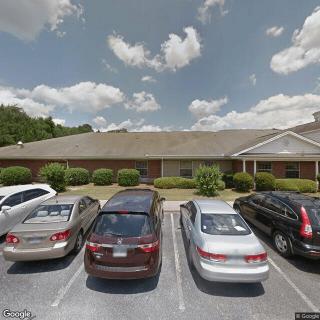
11230 Highway 278, Covington, GA 30014
For more information about senior living options: (866) 208-4318
La Vida Heavenly Arms Pch Costs & Pricing
La Vida Heavenly Arms PCH offers competitive pricing for its residential care services, particularly when compared to both Walton County and the broader state of Georgia. For semi-private accommodations, residents can expect to pay $1,300 per month, significantly lower than the county average of $2,304 and the state average of $2,529. Similarly, for private rooms, the monthly rate is set at $1,800, which is again more affordable compared to Walton County's average of $2,643 and Georgia's statewide average of $2,864. This pricing structure highlights La Vida Heavenly Arms PCH's commitment to providing quality care at accessible rates for families seeking supportive living options in a loving environment.
| Floor plans | La Vida Heavenly Arms Pch | Walton County | Georgia |
|---|---|---|---|
| Semi-Private | $1,300 | $2,304 | $2,529 |
| Private | $1,800 | $2,643 | $2,864 |
Assisted Living communities with a similar price nearby
-
from +$200 / mo
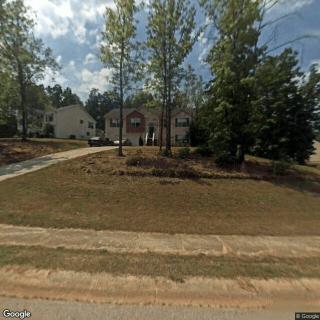
Candler Ridge II
$1,500 to $2,000 / month12.1 miles away -
from +$200 / mo

Optimum Care Home
$1,500 to $2,500 / month16.6 miles away -
from -$100 / mo
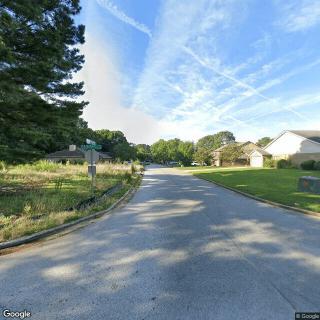
Ruby's Personal Home Care
$1,200 to $1,500 / month10.6 miles away -
from +$200 / mo
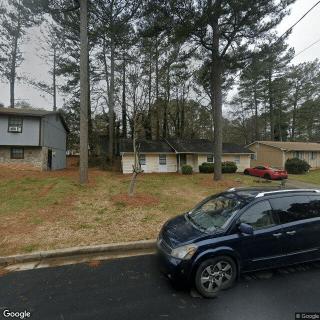
Cornerstone Care Of Georgia II
$1,500 / month21.7 miles away -
from +$200 / mo
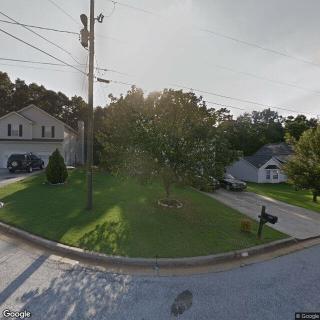
Glennie's Personal Care Home
$1,500 to $1,800 / month22.9 miles away
Overall Review of La Vida Heavenly Arms Pch
Pros
 The staff at Palm Shade Villa are patient and knowledgeable in caring for individuals with Alzheimer's.
- Palm Shade Villa feels like a home away from home, with a warm and inviting energy.
- Everyone there is treated like family, and the atmosphere appears effortless.
- The staff love what they do and truly care about the wellbeing of the clients.
- Palm Shade Villa specializes in caring for patients who struggle with dementia and Alzheimer's.
- It is a secure facility, giving residents peace of mind that they won’t wander.
- The residents are treated like family and staff celebrate birthdays and holidays.
- The reviewer is very pleased with Palm Shade Villa and would highly recommend it.
Cons
 The reviewer felt totally disrespected by a staff member after asking a question.
Review
For Covington families evaluating La Vida Heavenly Arms Pch, this model is best for those who want a dementia-focused, small-scale, home-like environment where personal attention and a secure setting are non-negotiable. The strongest signal from the pattern in the related, memory-care–driven settings is that residents fare better when staff know them by name, celebrate small milestones, and provide one-on-one engagement. This approach preserves dignity, reduces anxiety, and creates a sense of belonging that larger campuses often struggle to sustain. In short, it’s ideal for families prioritizing safety, consistency, and intimate daily routines over splashy amenities.
Those who may want to consider alternatives are families seeking robust clinical oversight, a wide range of on-site medical services, or the kinds of specialty programs found in larger, memory-care campuses. If 24/7 nursing coverage, specialized therapy suites, structured group itineraries, or more expansive social calendars are essential, a bigger facility may better meet those needs. Similarly, when families anticipate complex medical management or frequent hospital-level interventions, a setting with larger staff pools and formal care pathways may reduce friction and delays. In such cases, look beyond a small-home model.
The core advantages of this dementia-focused, home-like approach largely offset the main drawbacks when real-world operations stay aligned with expectations. Pros include a secure environment that minimizes wandering, patient and knowledgeable staff who understand memory impairment, and a culture where residents are treated like family. The intimate, one-on-one attention can deliver meaningful moments of connection that larger centers struggle to replicate. Celebrations, birthdays, and holiday meals contribute to a sense of normalcy and belonging, which in turn supports mood and engagement. However, the occasional negative staff interaction can puncture trust, signaling the need for consistent training, oversight, and a responsive leadership team to sustain quality.
Transitions into this caregiving model tend to be smoother when the setting emphasizes relationship-building and family involvement. Families report that residents appear settled quickly, with staff making concerted efforts to create a familiar routine and predictable day-to-day life. The security and closeness of a smaller home-like setting also help reduce caregiver stress, since staff can observe subtle shifts in cognition or mood and respond promptly. The trade-off is that activities and services may be less varied than those at larger communities, and medical oversight can be more limited. Prospective residents should weigh the comfort and continuity of a familiar environment against the potential need for broader clinical resources.
When evaluating La Vida Heavenly Arms Pch or any similar option, ask pointed questions to verify alignment with the model’s strengths. What is the staff-to-resident ratio during peak hours and overnight? What dementia-specific training do care staff receive, and how is that training refreshed? How are daily schedules structured, and what is the typical cadence of meaningful activities? How does the facility handle medical emergencies, on-site nursing coverage, and coordination with external providers? What concrete steps are taken to maintain a warm, family-like atmosphere, and how are concerns about resident respect or mood addressed? Understanding these factors will reveal whether the home-like model can consistently deliver the personal care and security that these reviews imply.
The bottom line is that for families prioritizing dementia-focused, intimate care in a secure, homelike setting, this approach offers compelling value. The strongest features, personal attention, real caregiver-resident connections, and a culture that feels like “family”, tend to translate into calmer days, fewer behavioral challenges, and greater peace of mind for loved ones and their families. The key caveat is ensuring steady, respectful interactions and reliable medical oversight; when these align, the model’s advantages far outweigh the trade-offs. If the resident thrives on routine, individualized engagement, and a small-community feel, this is a prudent, confident choice to pursue.
 6 resident community capacity
 Assisted Living
 Board and Care Home
 Activities off-site
 Bath tubs
 Beautician on-site
 Cable or satellite TV
 Devotional services off-site
 Dining room
 Fully furnished
 Garden
 Housekeeping services
 Indoor common areas
 Move-in coordination
 Outdoor common areas
 Private
 Private bathrooms
 Respite or short term stays offered
 Telephone
 Wi-Fi/high-speed internet available
 24-hour supervision
 Assistance with bathing
 Assistance with dressing
 Assistance with transfers
 Diabetes diet
 Diabetic care
 High acuity care
 Meal preparation and service
 Medication management
 Special dietary restrictions
 Transportation arrangement (medical)
 Transportation to doctors appointments
 When to Transition from Assisted Living to Memory Care: Key Indicators, Steps, and Finding the Right Community
 Assisted Living and Memory Care: Understanding Their Core Differences
 Beyond the Bingo Hall: 50+ Enriching Activities for Seniors in Assisted Living