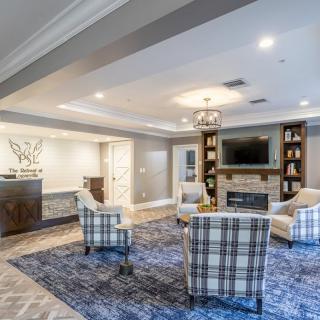
Social Circle Nursing & Rehab Center

Save
Social Circle Nursing & Rehab Center Social Circle Nursing & Rehab Center

Social Circle Nursing & Rehab Center

671 North Cherokee Road, Social Circle, GA 30025

For more information about senior living options: (844) 490-3973

3.8 from 28 reviews
5 stars
19
4 stars
0
3 stars
0
2 stars
2
1 stars
7

Skilled Nursing Facility

Social Circle Nursing & Rehab Center Costs & Pricing

At Social Circle Nursing & Rehab Center, the monthly cost for a private room is $4,300. This figure significantly exceeds both the average costs in Walton County, which stands at $2,643, and the broader state average of $2,864 in Georgia. Such a difference may reflect the center's specialized services and amenities designed to enhance the quality of care for residents. While this higher price point may be a consideration for families seeking long-term care options, it also highlights the potential value offered by Social Circle Nursing & Rehab Center in terms of personalized attention and enhanced living conditions compared to local and state averages.

Floor plansSocial Circle Nursing & Rehab CenterWalton CountyGeorgia
Private$4,300$2,643$2,864

Overall Review of Social Circle Nursing & Rehab Center

Pros

  • pro The staff at Social Circle is patient and well-trained in handling dementia-related challenges.
  • pro They provide structure while preserving residents' dignity and freedom.
  • pro The facility feels like a place of healing.
  • pro The transition to Social Circle was seamless thanks to the thoughtful staff.
  • pro The environment is calm, welcoming, and feels like a community.
  • pro The meals are well-balanced and nutritious.
  • pro The therapy team is top-notch and helps residents regain strength.
  • pro The staff treat residents like family and genuinely care about their well-being.

Cons

  • pro The nurses barely cared, and the food was absolutely terrible, described as a "hell hole."
  • pro They were lied to about insurance coverage and had to lie in their own bed while nurses slept.
  • pro The first impression was poor: there was no front door code, no receptionist, and staff ignored visitors.
  • pro There was no air conditioning, rooms were very small, the TV didn't work, and there were no chairs for visitors, making it feel like a prison.
  • pro A patient did not receive promised therapy; staff indicated improvement but nothing was done, leading to frustration.
  • pro The care for a family member was described as subpar, with sores left untreated that worsened to sepsis; staff were labeled lazy and money-driven.
  • pro A reviewer stated they would give negative five stars and would not recommend the facility.

Review

A broad tapestry of experiences surrounds Social Circle Nursing and Rehab, weaving together stories of real warmth, genuine care, and also sharp warnings about gaps that can leave families anxious. Several accounts describe memory care and long-term care as places where patients are treated with empathy and professionalism. Reviewers consistently highlight staff who handle dementia-related challenges with patience, offering structure that preserves dignity and, at the same time, allows residents to maintain a sense of freedom. In these narratives, the facility feels like a place of healing, where quality of life can improve for loved ones who need steady, compassionate supervision.

Many families express deep gratitude for the staff's warmth and responsiveness. One loved one's grandmother is said to call the team her angels, a reflection of the trust and affection that develop when caregivers respond quickly and treat residents with respect. Across multiple voices, the caregiver team is described as patient, thorough, and attentive, with medication management handled carefully and routines that are regular and meaningful. The impression is that, when well staffed and well led, the day-to-day life of residents is organized around safety, dignity, and gentle, consistent care.

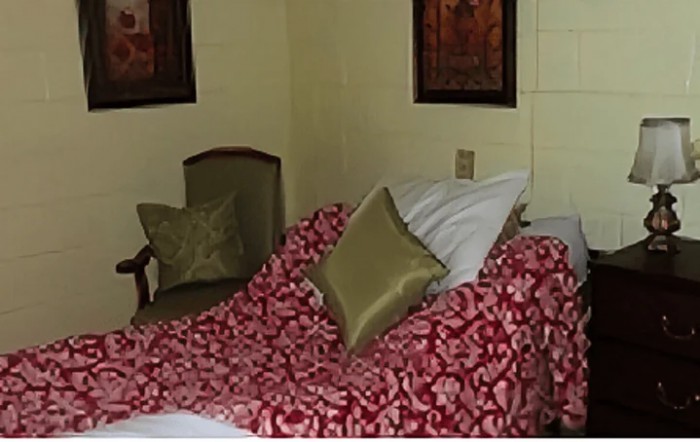
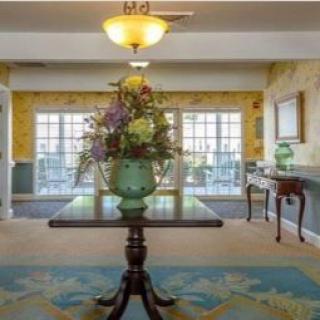
Visitors also paint Social Circle as a place where the environment itself supports well-being. Cleanliness, cheerful appearances, and rooms that feel comfortable and well-kept recur in the glowing notes. Families speak highly of the atmosphere and of staff who greet visitors warmly, grasping the importance of social interaction for residents. The therapy teams - occupational, physical, and speech - are praised for their knowledge, approachability, and collaboration with families to help residents regain independence and maintain communication. The result, according to these accounts, is a sense that residents are seen, heard, and actively engaged in meaningful daily activities.

The transition into Social Circle is, for several families, a smooth and welcoming experience. The care team makes sure new residents feel included from day one, and the overall environment is described as calm, community-centered, and nurturing. Rooms are noted as comfortable and tidy, with staff regularly checking in for care and for companionship. The emphasis on meals, activities, and resident involvement helps create a sense of belonging, suggesting that for many families, Social Circle is a place where the loved one's daily life continues with dignity and purpose.

There is strong praise for the overall tone of care when families reflect on rehab and recovery phases. The environment is described as peaceful and welcoming, with an emphasis on a community feel. Family members report that therapy teams work with residents consistently and compassionately, and that progress - whether in strength, mobility, or mood - can be meaningful enough to support a resident's goal of returning home or remaining in a familiar setting longer than anticipated. In these narratives, the care teams are seen not only as clinicians but as partners in the resident's ongoing quality of life.

Yet, the picture is not uniformly positive. Several reviewers recount experiences that cast serious doubt on the level of care and attention. A few talk about subpar care for a family member, describing moments when needs seemed unmet and care appeared rushed or inconsistent. One account emphasizes that the staff's attentiveness to a roommate's requests and overall quality of care left much to be desired, coloring the experience with frustration and disappointment. These voices recognize the potential for excellent care but insist that the reality was not aligned with that standard.

Other accounts point to issues with communication and logistics. Families describe difficulty with insurance information, delays in receiving clear answers, and perceptions of disorganization around admission or ongoing treatment plans. Front-door access and orientation receive criticism, with reports of having trouble entering the facility, a lack of on-site reception, and confusion about where to go for guidance. Negative comments include concerns about the facility's environment during hot days, improvised services (such as TVs that aren't functioning), and small room sizes that leave visitors feeling cramped. When these tensions arise, they undermine confidence in what should be a trustworthy, supportive setting.

The most severe and troubling notes concern safety and harm. At least one account alleges that a family member developed wounds that worsened into a serious infection, with accusations that staff were indifferent or more focused on financial considerations than patient welfare. This stark narrative - describing perceived laziness, neglect, and a grim outcome - serves as a powerful reminder of the stakes involved in elder care. It stands in stark contrast to the more hopeful stories and highlights the need for rigorous oversight, transparent communication, and consistent, high-quality clinical care.

Taken together, the collection of experiences captures a facility that can be a source of real strength and relief for many families, while also revealing critical gaps that can produce fear, frustration, and harm for others. The positive voices emphasize a culture of warmth, dignity, and professional care - especially in memory care and rehabilitation - where residents feel valued and supported. The negative accounts, meanwhile, underscore the necessity of reliable staffing, clear information, timely therapies, and meticulous attention to safety and comfort. For families evaluating Social Circle Nursing and Rehab, these perspectives together illustrate that outcomes are highly individualized and heavily dependent on staffing patterns, communication practices, and the specific care team assigned to a resident.

Features

Housing

  • 65 resident community capacity 65 resident community capacity

Types of Care

  • Skilled Nursing Facility Skilled Nursing FacilitySkilled Nursing Facilities are crucial for seniors as they provide round-the-clock medical care, rehabilitation services, and assistance with daily activities. These facilities ensure that seniors receive the specialized care they need to maintain their health and well-being as they age.

Amenities

  • Air-conditioning Air-conditioningAir conditioning is important for seniors as they are more vulnerable to heat-related illnesses and may have underlying health conditions that make it difficult for them to regulate their body temperature. It helps to keep them comfortable, safe, and healthy in hot weather.
  • Beauty salon Beauty salonBeauty salons are important for seniors because they provide a space for them to feel pampered, socialize, and maintain their personal grooming and hygiene. Regular visits to a beauty salon can help boost seniors' self-esteem and overall well-being.
  • Cable or satellite TV Cable or satellite TVCable or satellite TV is important for seniors because it provides entertainment, news, and companionship, helping to combat loneliness and boredom. It also offers a wide range of programming options tailored to different interests and preferences.
  • Computer center Computer centerA computer center is essential for seniors as it provides access to technology, communication tools, and resources that can enhance their daily lives. It allows them to stay connected with loved ones, engage in online activities, and learn new skills, ultimately promoting socialization and mental stimulation.
  • Dining room Dining roomDining rooms are important for seniors as they provide a space for socialization, connection, and nutritious meals. They offer opportunities for residents to bond over shared meals, foster a sense of community, and promote healthy eating habits. Dining rooms also ensure that seniors have access to well-balanced meals tailored to their dietary needs and preferences.
  • Fitness room Fitness roomHaving a fitness room in a senior living community is essential for seniors to stay active, maintain their physical health, and improve their overall well-being. Regular exercise can help prevent falls, reduce the risk of chronic diseases, and promote mental sharpness. It also provides social opportunities for residents to connect with others and enjoy a sense of community.
  • Fully furnished Fully furnishedFully furnished senior living communities are important for seniors because they provide convenience, comfort, and a hassle-free moving experience. Seniors can easily settle into their new living space without the stress of having to buy and move furniture. This allows them to focus on enjoying their new home and community.
  • Gaming room Gaming roomGaming rooms are important for seniors as they provide a fun and engaging environment for socializing, cognitive stimulation, and physical activity. Games can improve memory, problem-solving skills, and overall mental well-being while fostering friendships and reducing feelings of isolation.
  • Garden GardenGardens are important for seniors as they provide a peaceful and therapeutic environment for relaxation, physical activity, and socialization. Being in nature has been shown to reduce stress, improve mood, and promote overall well-being. Gardens also offer opportunities for seniors to engage in gardening activities, which can improve mobility, flexibility, and cognitive function. Additionally, gardens create a sense of community and connection with others who share a passion for plants and outdoor spaces.
  • Housekeeping services Housekeeping servicesHousekeeping services are important for seniors because they help maintain a clean and safe living environment, promote independence, and reduce the risk of accidents or illnesses. Additionally, having assistance with household chores can alleviate physical strain and allow seniors to focus on other aspects of their well-being.
  • Kitchenette KitchenetteKitchenettes are important for seniors living in senior living communities because they provide the convenience and independence of being able to prepare simple meals and snacks in the comfort of their own living space. This can help promote a sense of autonomy and well-being for seniors, allowing them to maintain some level of control over their dietary choices and daily routines.
  • Move-in coordination Move-in coordinationMove-in coordination is important for seniors because it helps ease the transition into their new living environment. It ensures that all logistics, such as packing, organizing movers, and setting up utilities are taken care of, allowing seniors to focus on settling in and adjusting to their new home. Having a smooth move-in process can alleviate stress and anxiety, making the transition smoother and more enjoyable for seniors.
  • Outdoor space Outdoor spaceOutdoor spaces are important for seniors as they provide opportunities for physical activity, social interaction, exposure to natural light and fresh air, and a sense of connection to nature. Having access to outdoor spaces can improve overall well-being and quality of life for older adults living in senior communities.
  • Private bathrooms Private bathroomsPrivate bathrooms are important for seniors in senior living communities because they provide independence, dignity, and comfort. Having a private bathroom allows seniors to maintain their personal hygiene routines without the need for assistance, promoting a sense of autonomy and privacy. Additionally, private bathrooms help prevent the spread of infections and provide a safe and clean environment for seniors to navigate safely.
  • Restaurant-style dining Restaurant-style diningRestaurant-style dining is important for seniors because it allows them to enjoy delicious, nutritious meals in a social and upscale setting. This enhances their dining experience, promotes healthy eating habits, and fosters socialization with fellow residents, ultimately contributing to their overall well-being and quality of life.
  • Small library Small librarySmall libraries are important for seniors as they provide access to a variety of reading materials, including books, newspapers, and magazines. This can help stimulate their minds, keep them engaged, and provide a sense of community through book clubs and other social activities. Additionally, reading has been shown to improve cognitive function and overall mental well-being in older adults.
  • Telephone TelephoneTelephones are important for seniors as they provide a lifeline for communication with loved ones, emergency services, and healthcare providers. They offer a sense of security and independence, enabling seniors to stay connected and access assistance when needed.
  • Wellness center Wellness centerWellness centers are important for seniors because they offer a variety of programs and services that promote physical, mental, and emotional well-being. These centers provide opportunities for exercise, socialization, education, and relaxation, helping seniors maintain their overall health and quality of life.
  • Wi-Fi/high-speed internet available Wi-Fi/high-speed internet availableWi-Fi/high-speed internet is important for seniors to stay connected with loved ones, access online resources, and participate in virtual activities to combat feelings of loneliness and isolation. It also allows them to easily manage healthcare needs, access entertainment, and engage in lifelong learning opportunities.

Transportation

  • Community operated transportation Community operated transportationCommunity operated transportation is crucial for seniors as it provides them with the means to access essential services, social activities, and medical appointments. It allows seniors to maintain their independence and quality of life by ensuring they can participate in activities outside of their homes. Additionally, community-operated transportation services offer a safe and reliable way for seniors to travel without having to rely on family or friends for assistance.
  • Transportation arrangement Transportation arrangementTransportation arrangements are crucial for seniors as they may face challenges with driving, mobility, or access to public transportation. Having reliable transportation services ensures that seniors can easily attend appointments, social activities, and maintain their independence and quality of life.
  • Transportation arrangement (non-medical) Transportation arrangement (non-medical)Transportation arrangements are essential for seniors as they provide access to essential services, activities, and social interactions outside the home. This service helps maintain independence, mobility, and overall well-being for seniors who may have limited transportation options.
  • Transportation to doctors appointments Transportation to doctors appointmentsTransportation to doctors appointments is crucial for seniors as it ensures they have access to necessary medical care and support, promoting their health and well-being. It allows them to receive timely treatment, monitor existing conditions, and address any new health concerns efficiently. Additionally, transportation services can help seniors maintain their independence and quality of life by enabling them to stay connected with their healthcare providers.

Care Services

  • 12-16 hour nursing 12-16 hour nursing12-16 hour nursing care is crucial for seniors in order to ensure around-the-clock monitoring, timely medication administration, and prompt response to any health concerns or emergencies. This level of care helps to promote the overall well-being and safety of seniors living in senior living communities.
  • 24-hour call system 24-hour call system24-hour call systems are important for seniors because they provide peace of mind and immediate assistance in case of emergencies. This technology ensures that help is always available, promoting safety and security for elderly individuals living alone or in assisted living facilities.
  • 24-hour supervision 24-hour supervision24-hour supervision is important for seniors to ensure their safety, well-being, and access to immediate assistance in case of emergencies or health issues. This constant support provides peace of mind for both seniors and their loved ones, allowing them to age in place with dignity and security.
  • Activities of daily living assistance Activities of daily living assistanceActivities of daily living assistance are important for seniors because they provide essential support with tasks such as eating, bathing, dressing, and mobility. This assistance helps seniors maintain their independence, dignity, and overall quality of life as they age.
  • Assistance with bathing Assistance with bathingAssistance with bathing is crucial for seniors as it helps maintain personal hygiene, prevents infections, and ensures their overall well-being and comfort. It also provides a sense of dignity and independence for seniors who may struggle with this task on their own.
  • Assistance with dressing Assistance with dressingAssistance with dressing is important for seniors because it helps maintain their independence, promotes personal hygiene, prevents accidents and injuries, and improves overall quality of life. This service ensures that seniors can continue to dress comfortably and confidently, despite any physical limitations they may have.
  • Assistance with transfers Assistance with transfersAssistance with transfers is crucial for seniors as it helps prevent falls and injuries, maintains their independence, and ensures they can safely navigate their living environment. It also provides peace of mind for both seniors and their loved ones.
  • Diabetes diet Diabetes dietA diabetes diet is crucial for seniors as it helps manage blood sugar levels, reduce risks of complications, and improve overall health and well-being. By following a balanced and nutritious diet tailored to their specific needs, seniors can better control their diabetes and enhance their quality of life.
  • Meal preparation and service Meal preparation and serviceMeal preparation and service are crucial for seniors as they may have limited mobility or energy to cook nutritious meals. Having access to healthy and convenient food options can ensure they are getting the proper nutrition needed to maintain their overall health and well-being.
  • Medication management Medication managementMedication management is crucial for seniors to ensure they are taking the right medications at the correct dosages and times. This helps prevent adverse drug interactions, reduces the risk of medication errors, and promotes overall health and well-being. Proactive management also allows for adjustments as needed based on changing health conditions or new prescriptions.
  • Mental wellness program Mental wellness programMental wellness programs are essential for seniors as they promote cognitive stimulation, emotional support, and social engagement. These programs help prevent isolation, depression, and cognitive decline, ultimately enhancing the overall quality of life for older adults.
  • Special dietary restrictions Special dietary restrictionsSpecial dietary restrictions are important for seniors because age-related changes in metabolism and health conditions can make it difficult for their bodies to process certain foods. By following a diet tailored to their specific needs, seniors can maintain their overall health and well-being, manage chronic conditions, and reduce the risk of complications such as malnutrition or food interactions with medications.

Dining

  • Diabetes diet Diabetes dietA diabetes diet is crucial for seniors as it helps manage blood sugar levels, reduce risks of complications, and improve overall health and well-being. By following a balanced and nutritious diet tailored to their specific needs, seniors can better control their diabetes and enhance their quality of life.
  • Special dietary restrictions Special dietary restrictionsSpecial dietary restrictions are important for seniors because age-related changes in metabolism and health conditions can make it difficult for their bodies to process certain foods. By following a diet tailored to their specific needs, seniors can maintain their overall health and well-being, manage chronic conditions, and reduce the risk of complications such as malnutrition or food interactions with medications.

Activities

  • Community-sponsored activities Community-sponsored activitiesCommunity-sponsored activities are important for seniors as they provide opportunities for social interaction, mental stimulation, and physical activity. These activities can help improve overall well-being, combat loneliness and isolation, and promote a sense of belonging and purpose among older adults.
  • Concierge services Concierge servicesConcierge services are essential for seniors as they provide assistance with daily tasks and errands, enhance their quality of life by offering convenience and personalized care, and promote a sense of safety and security.
  • Fitness programs Fitness programsFitness programs are crucial for seniors as they help improve strength, flexibility, balance, and overall well-being. Staying active can reduce the risk of chronic diseases, improve mental health, and enhance quality of life in older adults.
  • Planned day trips Planned day tripsPlanned day trips are important for seniors because they offer opportunities for socialization, mental stimulation, and physical activity. They provide a change of scenery and help seniors stay engaged and connected to their community, promoting overall well-being and quality of life.
  • Resident-run activities Resident-run activitiesResident-run activities are important for seniors as they encourage social interaction, creativity, and a sense of autonomy. These activities empower seniors to stay engaged and active in their community while fostering meaningful connections with their peers.
  • Scheduled daily activities Scheduled daily activitiesScheduled daily activities are important for seniors because they provide structure, socialization, mental stimulation, and physical activity. Engaging in regular activities can improve overall well-being and quality of life for seniors living in a community setting.

Description

Social Circle Nursing & Rehab Center is an assisted living community located in the charming town of Social Circle, GA. Our community offers a wide range of amenities and care services to ensure our residents' comfort and well-being.

For our residents' convenience and enjoyment, we have a beauty salon where they can pamper themselves, as well as cable or satellite TV in their rooms for entertainment. We also provide community-operated transportation for outings and appointments, and a computer center for staying connected with loved ones.

Our dining room offers restaurant-style dining with special dietary restrictions taken into consideration, ensuring that each resident's nutritional needs are met. In addition, our fully furnished accommodations feature private bathrooms and kitchenettes for added convenience.

To enhance our residents' socialization and recreational experiences, we have a gaming room, small library, and outdoor space where they can relax and enjoy nature. We also offer a fitness room for those who want to stay active. Additionally, our wellness center provides mental wellness programs to support our residents' emotional well-being.

At Social Circle Nursing & Rehab Center, our care services include 24-hour call systems and supervision to ensure the safety of our residents at all times. Our dedicated staff is available to provide assistance with daily activities such as bathing, dressing, and transfers. Medication management is also provided to ensure proper medication administration. We cater to special dietary restrictions and offer diabetes diets when needed.

Residents can enjoy a variety of activities organized by our concierge services team such as fitness programs, planned day trips, resident-run activities, and scheduled daily activities to keep them engaged and entertained.

Our location is convenient with parks, pharmacies, physicians' offices, restaurants, and places of worship all nearby. We also assist with transportation arrangements when necessary.

At Social Circle Nursing & Rehab Center, we strive to create a comfortable home-like environment where residents receive personalized care while enjoying an active lifestyle surrounded by supportive staff members and engaging amenities.

Nearby Places of Interest

Physicians

  • Doud, Forrest Dr - Doud J Forrest, MD, PC (0.2 miles)
  • Hemotology & Oncology of NE Ga (8.1 miles)
  • Diagnostic Radiology Imaging (8.2 miles)
  • Northeast Cardiology (8.2 miles)
  • Kidney Hypertension Clinic (8.2 miles)
  • Athens Geriatrics & Internal Medicine (8.2 miles)
  • Monroe Ent (8.2 miles)

Restaurants

  • Hot Rod's Diner (0.5 miles)
  • Willy's Mex Mex Grill (0.7 miles)
  • Krispy Krunchy Chicken (6.1 miles)
  • Caboose (6.4 miles)
  • Yesterdays Cafe (6.4 miles)
  • Chili's Grill & Bar (7.5 miles)
  • McDonald's (7.5 miles)

Places of Worship

  • Southern Baptist Convention (0.6 miles)
  • Church At The Grove - Social Circle Campus (1 miles)
  • Rockdale Baptist Church East Campus (3.5 miles)
  • Union Spring Baptist Church (5 miles)
  • Grace Truth Foundation (6.5 miles)
  • Centennial Baptist Church (8.1 miles)
  • Calvary Baptist Church (8.9 miles)

Pharmacies

  • Social Circle Pharmacy And Supplies (0.9 miles)
  • Fred's Pharmacy (1.4 miles)
  • Carmichael's Pharmacy (8.3 miles)
  • Walgreens (8.7 miles)
  • CVS Pharmacy (8.7 miles)
  • Carmichael Drug-Curbside Pick Up Available (9.1 miles)
  • Walgreens (9.4 miles)

Parks

  • Walton Fish Hatchery (3.4 miles)
  • Hard Labor Creek State Park (5.8 miles)
  • Childer’s Park (8.8 miles)

Transportation

  • U-Haul (6.6 miles)
  • U-Haul Moving & Storage (6.8 miles)
  • Covington Municipal Airport (CVC) (8.3 miles)

Hospitals

  • Walton-Morgan Unlimited Service (6.7 miles)
  • Walton Regional Medical Center, Human Resources (8.1 miles)
  • Walton Medical Center (8.3 miles)
  • Piedmont Newton (8.9 miles)

Cafes

  • Panera Bread (8.9 miles)

Frequently Asked Questions

How much does it cost to live at Social Circle Nursing & Rehab Center in Social Circle, GA?
Where is Social Circle Nursing & Rehab Center?

Nearby Communities

  • The Gardens of Social Circle

    The Gardens of Social Circle

    Social Circle, GA

    3.1 from 44 reviews
    $1,850 to $2,950 / month

    pro Clean, well-kept and nicely decorated facility with helpful staff.


  • James Personal Care

    James Personal Care

    Social Circle, GA

    3.8 from 28 reviews
     

    pro Peaceful assisted living setting with convenient access to parks, pharmacies, restaurants, a physician's office, and places of worship.

  • Georgia Mentor - Puppy Chase

    Georgia Mentor - Puppy Chase

    Social Circle, GA


    pro Small, intimate community with personalized care.

  • Caring Hearts II

    Caring Hearts II

    Monroe, GA

    3 from 2 reviews
    $2,000 to $2,400 / month

    pro Well-maintained home with a spacious semi-private room and friendly owners.

  • La Vida Heavenly Arms Pch

    La Vida Heavenly Arms Pch

    Covington, GA

    3.6 from 5 reviews
    $1,300 to $1,800 / month

    pro Competitive pricing for private and semi-private rooms, notably lower than Walton County and Georgia averages.

  • Merryvale Assisted Living

    Merryvale Assisted Living

    Oxford, GA

    4.6 from 101 reviews
    $3,100 to $5,550 / month

    pro Caring staff and engaging activities in a welcoming, family-like environment.

  • Oaks at Ashton Hills

    Oaks at Ashton Hills

    Covington, GA

    4.5 from 39 reviews
    $4,025 to $6,200 / month

    pro Clean facility with friendly staff, engaging activities, and spacious apartments.

  • Riverside Health Care Center

    Riverside Health Care Center

    Covington, GA

    3.2 from 29 reviews
     

    pro Friendly staff, effective rehabilitation services, and a clean, well-maintained facility.

  • The Retreat at Loganville

    The Retreat at Loganville

    Loganville, GA

    4.3 from 139 reviews
    $2,475 to $3,825 / month

    pro Clean, welcoming community with attentive staff and engaging activities.

Related Resources

  • fecal incontinenceFecal Incontinence in Older Adults: A Comprehensive Guide

    Fecal incontinence, prevalent among older adults, arises from factors like weakened pelvic muscles and nerve damage, significantly affecting well-being and social interactions. Diagnosis involves clinical evaluation and tests to inform tailored treatments, while caregivers and preventive measures can aid in managing the condition effectively.

  • anticipatory griefRecognizing the Journey: Understanding and Navigating Anticipatory Grief

    Anticipatory grief is an emotional response to the impending loss of a loved one, characterized by complex emotions such as sadness and anger, and involves navigating stages similar to those identified by Kübler-Ross. Coping strategies are vital for managing this process, emphasizing compassionate communication, self-care, and support groups while recognizing the cultural influences on grieving.

  • adult day careEncouraging Participation in Adult Day Care: A Guide to Supporting a Hesitant Parent

    Adult day care programs offer essential support and activities for older adults, yet many hesitate to participate due to concerns about independence and stigma. To alleviate these apprehensions, families should facilitate open discussions, explore financial resources, suggest trial visits, and collaborate with healthcare providers to highlight the benefits of such services for both the participants and their caregivers.