The Gardens of Social Circle Costs & Pricing
The Gardens of Social Circle offers competitive pricing for its residents, particularly when compared to both Walton County and the broader state of Georgia. For instance, the cost of a semi-private room at The Gardens is $1,850 per month, significantly lower than the county average of $2,304 and the state average of $2,529. Similarly, studio apartments are priced at $2,000, which is considerably more affordable than Walton County's rate of $3,410 and Georgia's statewide average of $3,520. Even for one-bedroom suites, The Gardens maintains an attractive rate at $2,950 compared to Walton County's $3,301 and Georgia's average of $3,412. These pricing advantages reflect a commitment to providing quality care within a supportive community while remaining mindful of financial accessibility for seniors and their families.
| Floor plans | The Gardens of Social Circle | Walton County | Georgia |
|---|
| Semi-Private | $1,850 | $2,304 | $2,529 |
| Studio | $2,000 | $3,410 | $3,520 |
| 1 Bedroom | $2,950 | $3,301 | $3,412 |
Memory care communities with a similar price nearby
-
from +$150 / mo

Omni Adult Day Care
$2,000 to $3,000 / month
21.6 miles away
-
from -$350 / mo
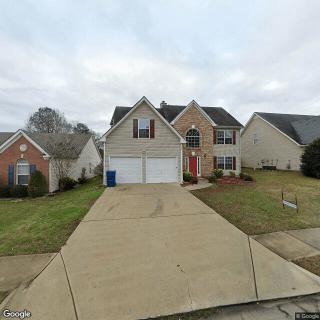
Harmony Home Care
$1,500 to $2,100 / month
17.6 miles away
-
from -$75 / mo
Senior Living At Mercy's Point
$1,775 to $1,875 / month
23.7 miles away
-
from +$150 / mo
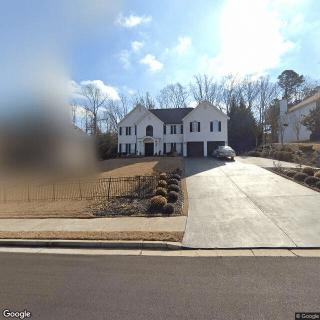
Mali's Personal Care Home
$2,000 to $2,500 / month
23.9 miles away
-
from +$250 / mo

God's Angel Personal Care Home LLC
$2,100 to $2,600 / month
14.5 miles away
Overall Review of The Gardens of Social Circle
differentiator
5 reviews mention this
Memory care is a flashpoint
Memory care support is a major concern residents’ families raise, especially for dementia needs.
Some families praised the memory care unit, including compassionate attendants and activities residents could enjoy. Others said the facility was not equipped to manage dementia or Alzheimer’s, describing gaps in monitoring, missing care documentation, and problems they believed led to declines. The community offers specialized memory care programming and is set up to provide assistance with medication, meals, and daily living support that families specifically depend on. Because experiences vary widely in the reviews, it’s important to ask detailed questions about how dementia routines are handled and tracked.
common
8 reviews mention this
Food quality feels inconsistent
Dining reviews are mixed, ranging from very good meals to reports of residents being underfed or served poorly.
Several residents and families described the food positively, including comments that it was especially good or well-liked by residents in memory care. At the same time, other reviews used strong negative language about meal quality and adequacy, including claims of residents being left waiting, not getting meals, or being served in ways families found concerning. The community offers restaurant-style dining and room service, and it lists support for special dietary restrictions and meals provided. Given the split feedback, families may want to confirm how diabetic and other dietary needs are monitored and served day to day.
common
4 reviews mention this
Activities and live entertainment stand out
Residents are regularly described as having plenty to do, including live music and scheduled activities.
Reviews frequently mention residents participating in organized activities, with some specifically calling out live musical performances in memory care and residents dancing. Families also described outings and community-sponsored events, along with a general sense that there is always something happening. The community provides scheduled daily activities, games, fitness programs, resident-run activities, and live musical performances as options. This suggests activities are a consistent part of daily life, though the overall care experience still varies by reviewer.
caveat
6 reviews mention this
Accountability and safety concerns recur
Safety and incident accountability are repeatedly criticized in reviews.
Multiple reviews allege serious breakdowns, including reports of injuries, unexplained bruises, delayed responses, missing or incomplete incident documentation, and lack of clear answers to families. Some reviewers also describe residents being mistreated by other residents and say they were not properly contacted. The community’s care services include a 24-hour call system and medication management, along with assistance for bathing, dressing, transfers, and meal preparation—so families likely look for those supports to translate into reliable day-to-day monitoring. Because these are recurring concerns in the reviews, it’s worth asking how incidents are documented, communicated to families, and handled when other residents’ behavior is involved.
common
4 reviews mention this
Care can feel compassionate
Several families describe attentive, encouraging care from staff members.
Some reviews praise compassionate care and note that attendants in the memory care unit were caring and supportive. There are also comments about staff going beyond expectations, helping residents acclimate, and providing encouragement during therapy. At the same time, other reviewers describe rude management or staffing problems, indicating that service quality is not consistent across experiences. When considering the community, families may want to ask who provides day-to-day support and how staffing continuity is maintained for the level of care needed.
How we summarize
Counts show how many written reviews mention each theme; a review can touch several themes, and only frequently mentioned themes are displayed.

 50 resident community capacity
 1-bedroom apartments
 Assisted Living
 Memory Care
 Respite Care
 Cats allowed
 Dogs allowed
 Activities off-site
 Bath tubs
 Beautician on-site
 Cable or satellite TV
 Devotional services off-site
 Dining room
 Financing advice
 Full kitchen
 Fully furnished
 Garden
 Guest parking
 Housekeeping services
 Indoor common areas
 Laundry
 Move-in coordination
 Outdoor common areas
 Overnight guests
 Party space
 Restaurant-style dining
 Small library
 Telephone
 Wheelchair accessible showers
 Wi-Fi/high-speed internet available
 Transportation & parking
 24-hour call system
 Ambulatory care
 Assistance with bathing
 Assistance with dressing
 Assistance with transfers
 Diabetes diet
 Diabetic care
 Hospice care
 Incontinence care
 Medication management
 Mental wellness program
 Physical therapy
 Special dietary restrictions
 Arts and crafts
 Book club
 Educational speakers / life long learning
 Fitness programs
 Games
Games Live musical performances
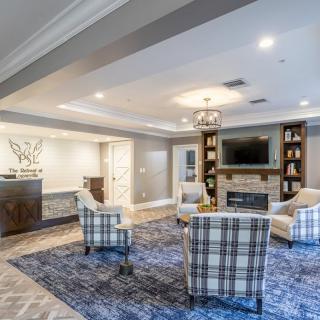
 Extensive amenities and private, furnished rooms.



 Assisted Living and Memory Care: Understanding Their Core Differences
 Choosing the Right Senior Care: A Detailed Exploration of Assisted Living and Nursing Homes
 Safeguarding Your Memory Through the Golden Years: Eight Ways to Preserve Cognitive Health