
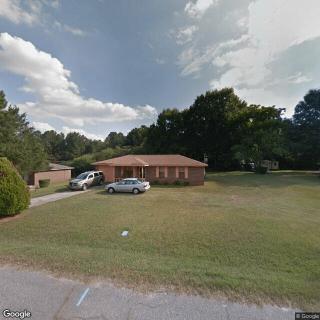
101 Wilti Road, Locust Grove, GA 30248
To contact a resident: (770) 227-3171
For more information about senior living options: (866) 208-4318
Zion Center Mission Costs & Pricing
The Zion Center Mission presents a compelling value for those seeking accommodation, with its monthly costs set at $1,800 for both private rooms and studio units. When compared to the broader market in Spalding County, where similar private accommodations average around $2,606, and studios reach approximately $3,156, the Zion Center offers significant savings. Additionally, when looking at state averages in Georgia - $2,864 for private rooms and $3,520 for studios - the affordability of the Zion Center becomes even more pronounced. This makes it an attractive option for residents seeking quality housing without the hefty price tag typically associated with the surrounding area.
| Floor plans | Zion Center Mission | Spalding County | Georgia |
|---|---|---|---|
| Private | $1,800 | $2,606 | $2,864 |
| Studio | $1,800 | $3,156 | $3,520 |
Memory care communities with a similar price nearby
-
from +$300 / mo

God's Angel Personal Care Home LLC
$2,100 to $2,600 / month22.4 miles away -
About the same
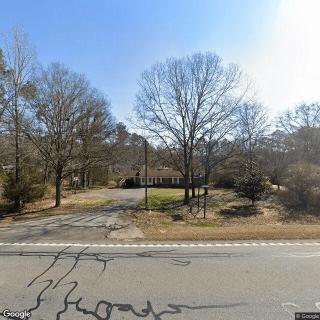
Palmshade Villa AL
$1,800 to $2,400 / month17.4 miles away -
About the same

Palm Shade Villa
$1,800 to $2,300 / month23.5 miles away -
About the same
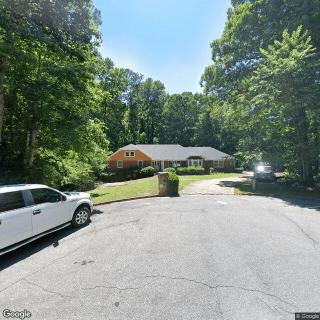
Champion Care House I
$1,800 to $2,000 / month21.6 miles away -
from -$300 / mo
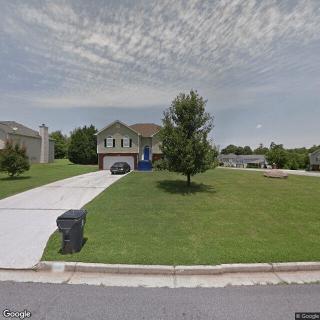
Lampley Care Personal Care Home
$1,500 to $1,900 / month24.7 miles away
Overall Review of Zion Center Mission
Cons
 The reviewer would give 0 stars if possible.
- A man in a white car was unprofessional and threatened to call the police over the reviewer’s parking in front of the church.
- The parking cones were placed far from the sidewalk, making them hard to see when entering.
- The reviewer notes there was no sign indicating the spaces were reserved.
- The reviewer claims they were targeted because of their race and discourages others from going to this so-called church, calling it a joke.
Review
Zion Center Mission in Locust Grove, GA appears best suited for seniors who want a small, faith-centered environment where daily life can feel like a close-knit community rather than a large, institutional campus. The available public feedback is limited but shows a mixed picture: one highly positive voice and at least one critical account, yielding an overall 3.0 rating from two reviews. For families prioritizing a warm, spiritually grounded setting and personal attention, this center can be a good fit, provided expectations align with a smaller scale and a strong faith-based context. For those who demand consistently polished operations and fully predictable professionalism, this option may not meet the mark.
Those weighing alternatives should be mindful of the credibility gap implied by the sparse, divergent reviews. The single negative account highlights concerns about staff behavior, including a claim of unprofessional conduct and even threats to involve police, along with mentions of perceived bias and parking/logistics that lack clear signage. Even if this reflects one incident, it signals potential gaps in staff training, governance, and resident-rights protections. Families seeking dependable day-to-day interactions, transparent policies, and a straightforward visitor experience should consider facilities with documented histories of professional conduct and well-defined rules.
The positives that can come from a small, faith-oriented setting do matter. A leaner campus often means easier access to frequent check-ins, more personal connections with staff, and programming that can be tailored to residents’ spiritual and social needs. For residents who value community worship, regular fellowship, or a shared values framework, those elements have real, meaningful impact on quality of life. When coupled with genuine warmth from caregivers and a familiar, predictable routine, these advantages can offset the absence of high-end amenities. However, the weight of care quality and staff consistency can quickly tip the balance if trust erodes.
The strongest cons revolve around trust, safety, and policy clarity. The most serious red flag in the public narrative is the suggestion of unprofessional staff behavior and a confrontational approach to residents or visitors. Add to that concerns about bias and confusing parking practices, and the core risk becomes not just dissatisfaction, but a threat to dignity and security. In senior care, reliable communication, respectful treatment, and transparent, easy-to-follow procedures are non-negotiable. When those elements appear unstable, the appeal of a smaller, faith-forward environment diminishes quickly, especially for families who must manage safety and day-to-day caregiving.
To move from impression to informed decision, prospective residents should take concrete steps. Schedule an on-site visit with a precise agenda: observe daily interactions between staff and residents, inquire about training, resident rights protections, and how complaints are handled. Confirm the level of care offered, emergency responsiveness, medication management, and safety features. Request current licensing information and speak with current residents or families about real-life routines and satisfaction. Clarify parking and visitor policies to ensure they align with practical needs. Compare with other local assisted living options that publish transparent performance data and have consistent references to reassure families about care quality and workplace culture.
Ultimately, Zion Center Mission may be a viable choice for families who prize a close-knit, faith-infused atmosphere and can verify ongoing improvements in staff professionalism and governance. The potential emotional and spiritual benefits of a small church-aligned community are meaningful for the right resident, but only if credible oversight and consistent conduct back those benefits. For families where those assurances are not readily verifiable, expanding the search to better-documented, professionally managed options is the prudent course. The decision should hinge on proven staff reliability, clear policies, and the resident’s alignment with the community’s values and routines.
 Board and Care Home
 Memory Care
 Private
 Ambulatory care
 Diabetic care
 High acuity care
 Incontinence care
 Medication management
 Small, intimate setting (4 residents) with comprehensive care, meals, housekeeping, transport, activities, and nearby doctors and dining options.




 Five Subtle Dementia Indicators to Observe: An In-Depth Guide to Understanding “Does My Mom Have Dementia?”
 Dementia, Paranoia, and Caregiver Guidance: Understanding the Connection
 Engaging Memory Care Activities That Enhance Quality of Life