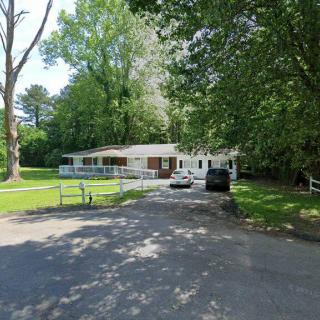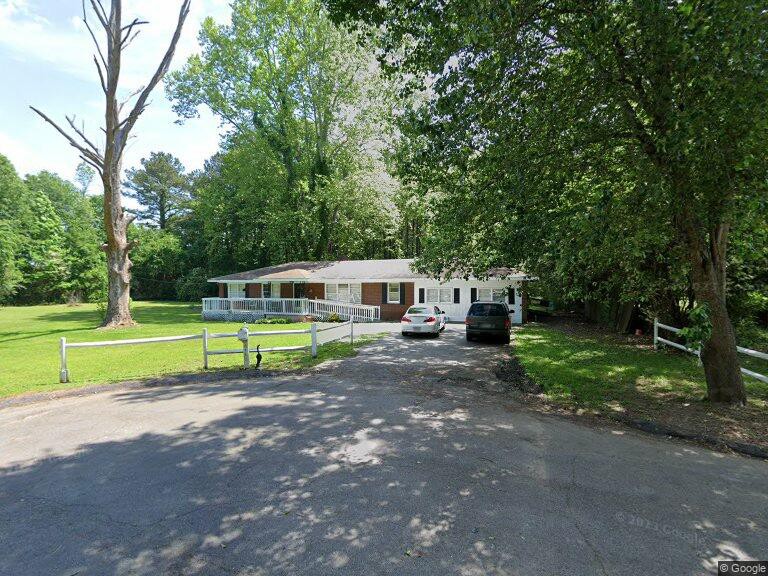
6420 Bennett Drive, Rex, GA 30273
For more information about senior living options: (866) 208-4318
Sunset Nellee's Costs & Pricing
At Sunset Nellee's, the cost for a one-bedroom unit is set at $1,300 per month, positioning it as an attractive option within the local housing market. When compared to Henry County, where similar accommodations average around $1,997 per month, Sunset Nellee's offers a significant saving of nearly $700. Furthermore, this residence remains competitively priced against the broader context of Georgia, where one-bedroom apartments can reach upwards of $3,412. This favorable pricing structure not only highlights Sunset Nellee's commitment to affordability but also underscores its appeal for those seeking comfortable living without overstretching their budgets.
| Floor plans | Sunset Nellee's | Henry County | Georgia |
|---|---|---|---|
| 1 Bedroom | $1,300 | $1,997 | $3,412 |
Assisted Living communities with a similar price nearby
-
from +$200 / mo
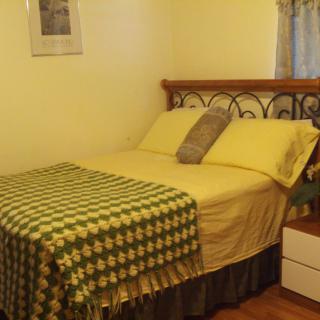
Lend A Hand Personal Care Home
$1,500 to $2,000 / month4.4 miles away -
from +$200 / mo
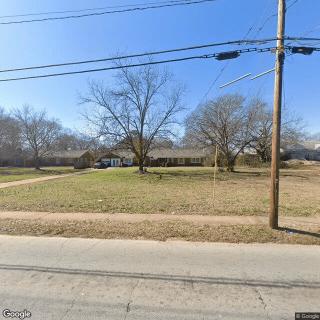
Joy's Manor Pch
$1,500 to $4,000 / month12.4 miles away -
from +$204 / mo

Wesley Woods Towers
$1,504 to $2,973 / month15.7 miles away -
from +$200 / mo

The Gardens of Magnolia Trails Phase III
$1,500 / month18.8 miles away -
from -$100 / mo
Ruby's Personal Home Care
$1,200 to $1,500 / month17.8 miles away
Overall Review of Sunset Nellee's
Pros
 It is a great facility.
- Her aunt was a client for eight years and was well cared for.
- She was always happy during visits.
- Sunset Nellee Personal Care Home is recommended.
Review
Sunset Nellee's Personal Care Home in Rex, GA is best suited for seniors who want a small, home-like setting where care feels personal and consistently attentive. The single-rich data point suggests a resident culture built on individualized attention, with long-tenured residence as a tangible sign of stability. This community serves those who value familiar faces guiding daily routines, easy family visitation, and a living environment that resembles a family setting more than a corporate campus. For residents who thrive on steady, uninterrupted contact with caregivers and a calm, predictable pace, Sunset Nellee's offers a compelling fit.
However, potential residents should explicitly consider alternatives if certain care needs or expectations exist. This is a personal care home, which typically implies a lighter medical footprint than a skilled nursing facility and less breadth of on-site medical oversight than larger assisted living campuses. If a loved one requires around-the-clock nursing, advanced medical management, or specialized programs (for example, memory care with structured cognitive therapies), larger communities or facilities dedicated to those needs may be more appropriate. Similarly, families that seek extensive social programming, transportation options, or a wide array of amenities might find the landscape at a smaller home less expansive.
The clear strength highlighted by the available feedback is the quality of daily care and the emotional well-being of the resident. The aunt’s eight-year residency and the observer’s report that she was “always happy when visited” point to a caregiving team that delivers continuity, warmth, and a sense of safety. These pros matter deeply in decision-making because they translate into reduced anxiety for families and a more positive quality of life for residents. In a setting like Sunrise Nellee’s, the ability to forge enduring relationships with caregivers often compensates for fewer bells and whistles, delivering genuine peace of mind.
That said, the absence of multiple voices in the data means the full range of cons remains unproven in public feedback. Prospective families should anticipate the trade-offs common to small personal care homes: fewer on-site nurses, a more focused scope of services, and potentially fewer structured activities or transportation options compared to bigger communities. The offset comes in the form of intimate supervision, highly personalized routines, and the likelihood of caregivers who know residents well enough to anticipate needs before they arise. By weighing these factors, families can decide whether the intimate, homey approach aligns with their loved one’s health status and lifestyle.
A practical decision framework is essential. If the priority is a nurturing, long-term home where a resident feels known and valued day in and day out, Sunset Nellee's stands out as a strong option. The combination of a caring atmosphere and a favorable resident mood supports stability and emotional well-being, which is often the hardest part of aging at home or in a more impersonal setting. Conversely, if medical acuity, memory-specific programming, or high-demand activities and transportation are non-negotiables, it makes sense to explore other communities with broader clinical staffing and specialized tracks.
In sum, Sunset Nellee's Personal Care Home is a prudent choice for families seeking a small, intimate setting that prioritizes genuine caregiver-resident relationships and long-term comfort. It shines where personal attention and a home-like ambience matter most, and where a resident can thrive with consistent, compassionate care. For those with higher medical needs or those seeking a wider spectrum of services and amenities, it is wise to compare with larger facilities or memory-care-focused options. A careful on-site visit, detailed care plan review, and conversations with current staff and residents will reveal whether the fit is ideal.
 6 resident community capacity
 Assisted Living
 Board and Care Home
 Cable or satellite TV
 Dining room
 Fully furnished
 Garden
 Housekeeping services
 Move-in coordination
 Outdoor space
 Telephone
 Wi-Fi/high-speed internet available
 William B Hartsfield-Atlanta International (9 miles away)
 24-hour supervision
 Activities of daily living assistance
 Assistance with bathing
 Assistance with dressing
 Assistance with transfers
 Diabetes diet
 Meal preparation and service
 Medication management
 Special dietary restrictions
 Transportation arrangement (medical)
 Transportation to doctors appointments

 Assisted Living Support for Veterans: A Complete and Detailed Overview
 Exploring the Contrasts Between Assisted Living and Skilled Nursing
 8 Key Indicators That Suggest It May Be Time to Transition from Assisted Living to Skilled Nursing Care