
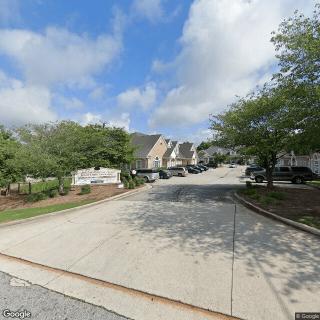
964 South Main Street, Conyers, GA 30012
For more information about senior living options: (866) 208-4318
Overall Review of Magnolia House Senior Living
Pros
 They are grateful to the staff for taking such wonderful care of their Aunt Christa.
- They miss all of you.
- They appreciate the staff's care over the years.
Cons
 The office staff member had a very nasty attitude.
- The experience was awful.
- They forced a patient to withdraw from opioids after five years.
- The reviewer wouldn’t send their dog there.
Review
Magnolia House Senior Living in Conyers, GA is best suited for families that prize a home-like environment where caregivers can build long-standing relationships with residents. The strongest signal from the community’s narrative is the capacity for steady, personal attention: a relative notes that Aunt Christa lived there for five years and received “wonderful care” from the staff, leaving the family grateful and connected. For residents who thrive on consistency, familiarity, and ongoing family engagement, Magnolia House can be a reliable choice. Yet the overall impression is mixed, with contrasting reviews that warn about administrative missteps and uneven experiences. This is not a one-note facility; it operates in a space where care quality can be strong, but experiences can diverge depending on who is encountered and when.
Those who may want to consider alternatives are families prioritizing strict professional boundaries and ironclad ethical safeguards. If a prospective resident requires highly consistent front-office conduct, transparent staffing policies, or assurance that medical decisions will be made with explicit consent and patient autonomy, other communities should be explored. The impact of a single staff interaction on the overall experience can be meaningful here, and the anecdotes point to the possibility of abrasive communication from administration that families cannot overlook. In short, Magnolia House can work for some, but not for those who demand flawless execution and unwavering protocol.
On the pro side, Magnolia House demonstrates tangible caregiver dedication. The aunt’s five-year residency and the family’s expressed gratitude signal that staff can form meaningful, steady relationships with residents, something that greatly improves daily life for seniors who rely on routine and personal warmth. When caregivers are invested, meals, activities, and daily routines become more than chores; they become a lifeline. The absence of broad complaints about activities or safety in the positive account leaves room to believe the community can deliver consistent daily care once trust is established. For families seeking a trusted, familiar staff presence, these elements represent meaningful advantages.
However, two reviews tilt the balance toward caution. One account describes a negative first impression, the office personnel with a harsh, unwelcoming tone during an employment inquiry. That kind of interaction can seed doubt about governance and responsiveness. More seriously, another account alleges coercive medical pressure: the resident was made to withdraw from opioids prescribed for advanced cancer. If accurate, that crosses a hard line concerning autonomy and appropriate medical management, raising urgent questions about oversight, consent, and the staff’s training around pain control and end-of-life care. These are not minor grievances; they touch core expectations families have about safety, respect, and patient rights.
Do the positives offset the negatives? They can for families who already know and trust the staff and who prioritize the emotional bond between residents and caregivers. The long-term residency and evident care translate into stable routines, familiar faces, and a sense of belonging that many seniors crave. Yet the gravity of the reported medical coercion and rough front-office demeanor cannot be dismissed. For such families, the risk of ethical missteps or inconsistent administrative support may outweigh the comfort of known caregivers. The prudent path is to pursue a candid, in-depth conversation with administration about pain-management policies, consent practices, and staff training, and to verify how complaints are handled and what improvements have occurred since those reviews.
Bottom line: Magnolia House works best for families seeking a warm, relationship-driven environment where a resident can settle into a familiar care team for years, provided there is confidence in governance and medical oversight. Those who demand strict professionalism, flawless communication, and unwavering adherence to patient rights should evaluate alternatives or press for concrete assurances before committing. A visit focused on interactions with staff, targeted questions about care planning, pain management, and consent policies will reveal whether Magnolia House can be trusted to support a loved one through aging with dignity.
 24 resident community capacity
 Assisted Living
 Respite Care
 Beauty salon
 Cable or satellite TV
 Dining room
 Fully furnished
 Garden
 Housekeeping services
 Kitchenette
 Move-in coordination
 Outdoor space
 Restaurant-style dining
 Small library
 Telephone
 Wi-Fi/high-speed internet available
 William B Hartsfield-Atlanta International (24 miles away)
 24-hour call system
 Activities of daily living assistance
 Assistance with bathing
 Assistance with dressing
 Assistance with transfers
 Diabetes diet
 Medication management
 Mental wellness program
 Special dietary restrictions






 Assisted Living Support for Veterans: A Complete and Detailed Overview
 Exploring the Contrasts Between Assisted Living and Skilled Nursing
 8 Key Indicators That Suggest It May Be Time to Transition from Assisted Living to Skilled Nursing Care