
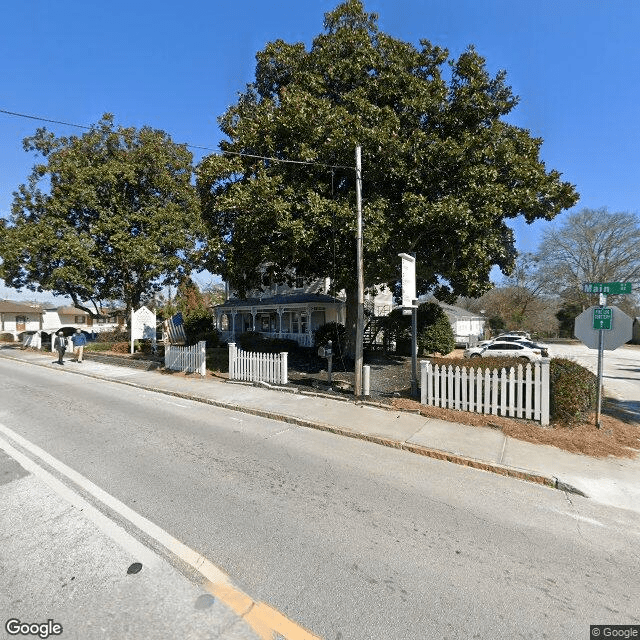
964 S Main St, Conyers, GA 30012
To contact a resident: (770) 285-4947
For more information about senior living options: (866) 208-4318
The Magnolias Of Conyers Costs & Pricing
The Magnolias of Conyers offers competitive pricing for its residents compared to the broader market in Walton County and across the state of Georgia. For a semi-private room, residents can expect to pay $1,800 per month, significantly lower than the county average of $2,304 and the state average of $2,529. Similarly, for a one-bedroom suite, the cost at The Magnolias is $2,800, which again stands out favorably against Walton County's average of $3,301 and Georgia's statewide average of $3,412. These figures highlight The Magnolias of Conyers as an appealing option for those seeking quality senior living accommodations at a more accessible price point.
| Floor plans | The Magnolias Of Conyers | Walton County | Georgia |
|---|---|---|---|
| Semi-Private | $1,800 | $2,304 | $2,529 |
| 1 Bedroom | $2,800 | $3,301 | $3,412 |
Memory care communities with a similar price nearby
-
from +$300 / mo
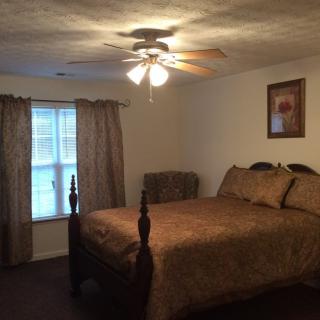
Abiding Care Home
$2,100 / month12.7 miles away -
from +$200 / mo

Omni Adult Day Care
$2,000 to $3,000 / month21.6 miles away -
from -$300 / mo
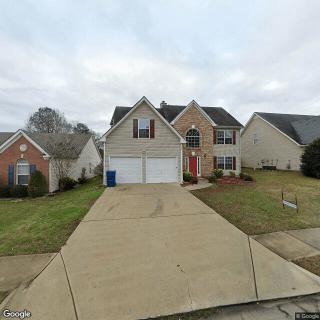
Harmony Home Care
$1,500 to $2,100 / month14.3 miles away -
from +$301 / mo

Brighton Gardens of Buckhead
$2,101 to $5,370 / month23.1 miles away -
About the same
Senior Living At Mercy's Point
$1,775 to $1,875 / month19.3 miles away
Overall Review of The Magnolias Of Conyers
Pros
 The staff is exceptional.
- The rooms are perfect size.
- Magnolia was a very nice and homelike atmosphere.
- Magnolia was extremely helpful and accommodating and sensitive to my family's needs.
- The people were awesome and they answered all of our questions.
- They went out of their way to accommodate us.
- The facility was nice.
Cons
 The rooms will not accommodate oversized furniture comfortably.
- The office clerk had a very nasty attitude.
- The experience was awful.
- They forced the patient to withdraw from opiates after five years.
- The patient has advanced cancer and would not send their dog there.
- The community was depressing to him.
- The halls were dark.
- The community was not a good fit for his father.
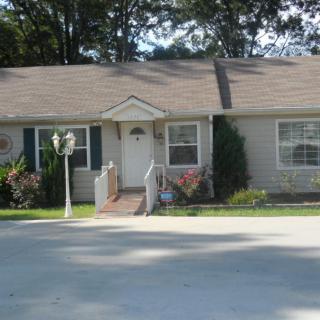
- There was rooted wood on the front porch and peeling paint on the exterior, giving a very bad first impression.
- The exterior appeared repainted and not particularly pretty.
Review
The Magnolias Of Conyers is best suited for seniors who want a warm, home-like setting backed by consistently attentive caregiving and reliable daily support. It works well for residents who need help with routine tasks, monitoring, and companionship but do not require intensive medical interventions. Families prioritizing personal touch over upscale prestige will find the environment comforting and familiar, with security and daily assistance woven into ordinary life. The rooms are described as appropriately sized for typical furnishings, making it feasible to create a recognizable home ambiance; however, the layout does not accommodate oversized furniture comfortably. In short, this community serves practical, comfort-focused care backed by a committed staff.
Still, some families will want alternatives. The same care ethos may not compensate for practical gaps, especially when room dimensions matter or when a brighter, more modern aesthetic is preferred. Exterior curb appeal and interior ambiance have been noted as less inviting, peeling paint on the porch and darker hallways can color first impressions and ongoing mood. There are reports of uneven customer-service experiences at the front desk, which can undermine confidence even when caregivers are praised. Most critically for some families, one account alleges a medically troubling interaction involving withdrawal from long-term medication, signaling a need for thorough inquiry into pain management and medical oversight before committing. For residents with higher medical needs or strong preferences for a contemporary, uplifting environment, other options may be more suitable.
On the upside, the Magnolias earns credibility through consistent praise of the caregiving staff. Several accounts highlight compassionate, attentive support for relatives, including long-tenured care that left families grateful for daily assistance. The atmosphere is repeatedly described as homelike, with security and comfortable rooms reinforcing a sense of normalcy in everyday routines. This combination, dedicated personnel, reliable routines, and a cozy setting, translates into dependable day-to-day life, a meaningful advantage for families navigating the transition to assisted living.
Nevertheless, the reviews do not present a uniformly positive picture. Aesthetics and mood matter, and the facility’s exterior appearance and interior lighting have drawn critique. A visitor’s observation that the halls felt depressing despite attentive staff underscores how environment can shape resident experience. Another reviewer suggested the community might not be a good fit for a particular family member, highlighting that fit matters as much as care quality. Taken together, these cues imply that while care can be excellent, the physical ambiance and impression management can impede satisfaction, particularly for residents who prize a brighter, more uplifting environment around the clock.
Evaluating the balance of strengths and drawbacks yields a nuanced verdict. The Magnolias Of Conyers can offset some shortcomings through its frontline caregiving strength, genuinely homey vibe, and dependable safety. Yet certain red flags cannot be ignored: a reported negative bedside interaction at the front desk and troubling medical anecdotes cast doubt on consistency in care and oversight. The building’s appearance and mood also influence resident well-being, potentially counteracting otherwise solid daily support. For families, the decision hinges on whether steady, compassionate care outweighs concerns about ambiance and a few interpersonal hiccups. In other words, care quality becomes the decisive factor when weighing risk.
Practical next steps point toward diligent, probing due diligence. Arrange multiple visits with a focus on staff consistency, training, and how medical decisions are documented and reviewed; request recent care plans and references from current residents; inspect room configurations to confirm furniture fit; and ask about ongoing improvements to common areas and exterior. If care quality and a homelike routine are the top priorities, Magnolias Of Conyers can be a strong fit, provided the family feels confident in the staff approach and medical oversight. For those seeking a brighter aesthetic, more modern surroundings, or tighter control of medical protocols, exploring alternatives in the Conyers area is prudent.
 Assisted Living
 Day Program
 Memory Care
 Bath tubs
 Beautician on-site
 Indoor common areas
 Outdoor common areas
 Respite or short term stays offered
 Wheelchair accessible showers
 William B Hartsfield-Atlanta International (24 miles away)
 Ambulatory care
 Diabetic care
 Incontinence care
 Medication management
 Kosher

 Guiding Your Journey: Understanding Power of Attorney for Elderly Parents
 22 Remarkable Caregiver Support Groups Available Online and In-Person
 Understanding Medicaid Coverage for Assisted Living: A Comprehensive Guide