

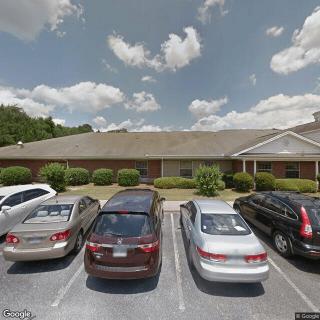
1255 Commercial Drive Suite A, Conyers, GA 30094
To contact a resident: (770) 602-0500
For more information about senior living options: (866) 208-4318
Overall Review of FirstLight Homecare
Pros
 The team is great.
- Cassandra and Tonika are trailblazers in elder care.
- They make caregiving easier and leave clients' families very happy.
- They are caring and consistently meet their promises.
- The nurses from First Light Home Care are very professional, and Ms. Tina keeps care coordinated.
- The FirstLight Homecare staff have consistently impressed and fully satisfied in companionship for Alzheimer's patients.
- First Light provided timely help, and their caregivers were kind to the aunt, with their guidance aiding decisions.
- The service offers positive value and sensible pricing.
Cons
 The place was a mess, with rude staff and pay described as unacceptable; no one tried to help, and they only demanded what they wanted.
- The agency was described as by far the least professional the reviewer had used for their dad, with late alerts about a fall and a caregiver change, leaving the loved one at the mercy of the caregiver’s emotions.
- The reviewer felt the aides were not impressive; there was nothing particularly impressive about them, even though they completed the job.
- Communication was seen as needing improvement, with scheduling requiring multiple emails back and forth instead of simple arrangements.
- The reviewers indicated they no longer worked with the agency because they believed it wasn’t good.
Review
FirstLight Homecare in Conyers, GA is best suited for families that want a responsive, compassionate in-home care option focused on elderly relatives or stroke survivors who primarily need companionship, daily living support, and practical monitoring. The strongest value shows up when caregivers like Cassandra and Tonika quickly establish trust and deliver thoughtful, person-centered care that improves a loved one’s mood and daily comfort. For households that want a “can-do” team mobilized with a single call, and that appreciate caregivers who are comfortable addressing cognitive or mobility challenges, this agency can be a reliable fit, especially during transitions from hospital to home or for ongoing dementia-friendly companionship.
That clarity, however, comes with caveats. Alternatives should be considered by families prioritizing strict reliability, flawless communication, and predictable scheduling. Several reviews flag issues around professionalism and communication gaps, including delays in alerting families after a fall, or reliance on the owner’s capacity rather than a consistently staffed system. The portrayal of rude interactions and inconsistent contact points suggests that, in high-stress scenarios or when precise continuity is required, this agency may fall short of expectations. For families needing guaranteed, 24/7 live-in coverage or a rigid, transparently documented schedule, these gaps become decisive.
The pros here can offset the cons when the caregiving relationship is strong and the needs are more about warmth, practical help, and responsive support. The best reviewers point to aides who show up prepared, with a calm, professional demeanor, and a willingness to tailor care to dementia or post-stroke needs. Availability, one call and help is on the way, matters greatly for urgent or last-minute caregiving challenges. When the objective is to keep a loved one safe at home, with caregivers who communicate well during visits and provide periodic reassurance to families, these positives can outweigh uneven administrative performance, particularly for short-term or intermittent care demands.
Yet the friction noted in several reviews remains a meaningful consideration. The “messiness” of operations, perceptions of rude staff, and back-and-forth scheduling chatter underscore real tensions between intent and execution. For families juggling medical appointments, medication supervision, and sensitive dementia care, such inconsistencies can amplify stress rather than reduce it. The tension isn’t about care quality in every encounter, but about the reliability of the system that deploys caregivers and communicates changes. Those who cannot tolerate sporadic updates or last-minute shifts should proceed with caution and anticipate having to build contingencies.
To maximize chances of a smooth experience, approach is practical and proactive: lock in a primary caregiver with a defined backup plan; request direct lines to supervisors or the owner for urgent, non-routine changes; document all scheduling needs in writing and confirm them in a follow-up call or message; specify weekend or holiday coverage needs upfront and confirm three days in advance. If a long-term, consistent presence is essential, inquire about live-in options and the agency’s track record with steady assignments. Establish expectations clearly in writing, including escalation steps if a caregiver is unavailable or a change is required on short notice.
Bottom line: FirstLight Homecare represents a viable choice for families seeking immediate, compassionate, in-home support for elderly relatives or stroke survivors, with strong anecdotes about caregiver warmth and practical assistance. It works best when the need is flexible, the family can tolerate occasional communication hiccups, and there is a premium on quick caregiver deployment and dementia-friendly companionship. For those who require unwavering scheduling discipline, flawless communication, and guaranteed continuity of care, alternatives, especially those featuring more structured processes, larger staffing, or explicit live-in options, should be on the short list. This agency earns trust where the human touch is decisive and the episodic scheduling risk is manageable.
 William B Hartsfield-Atlanta International (23 miles away)






 Senior Move Management: Understanding the Role, Value, and Associated Costs
 Weight Training for Seniors: Building Strength and Vitality
 Understanding the Sandwich Generation: Stress and Responsibilities for Multigenerational Caregivers