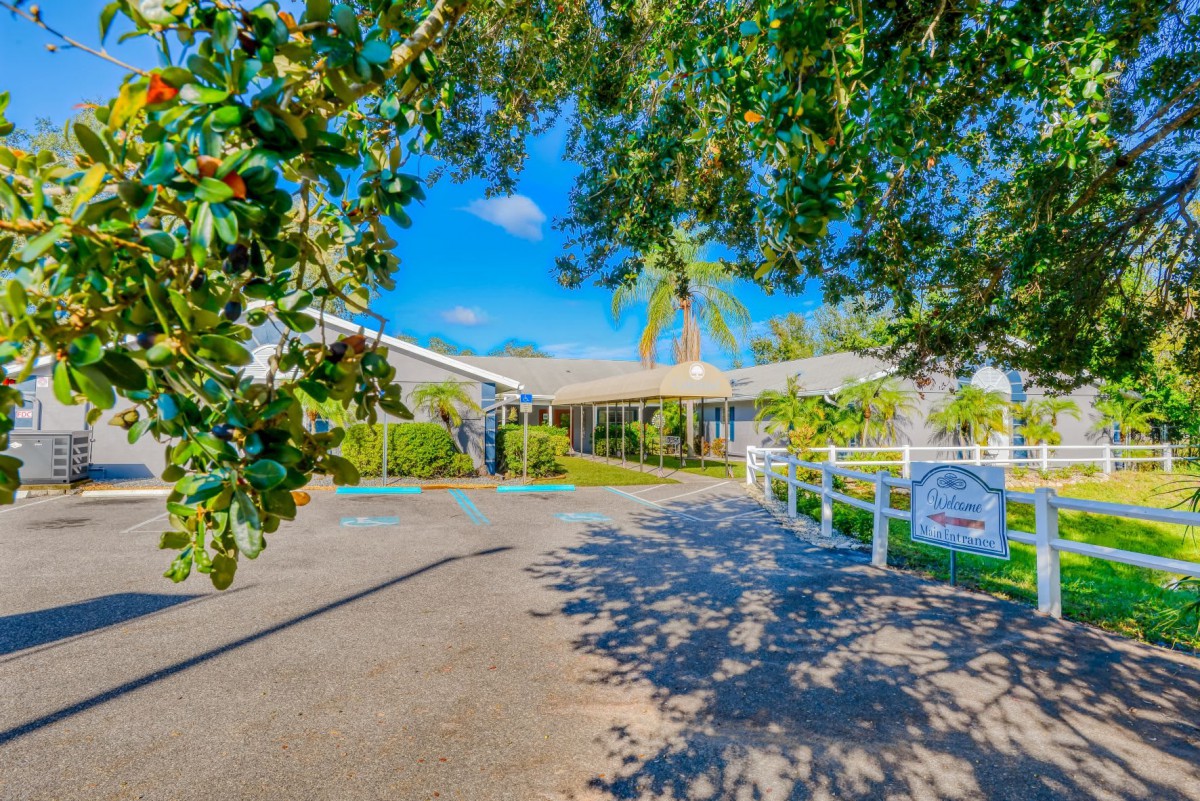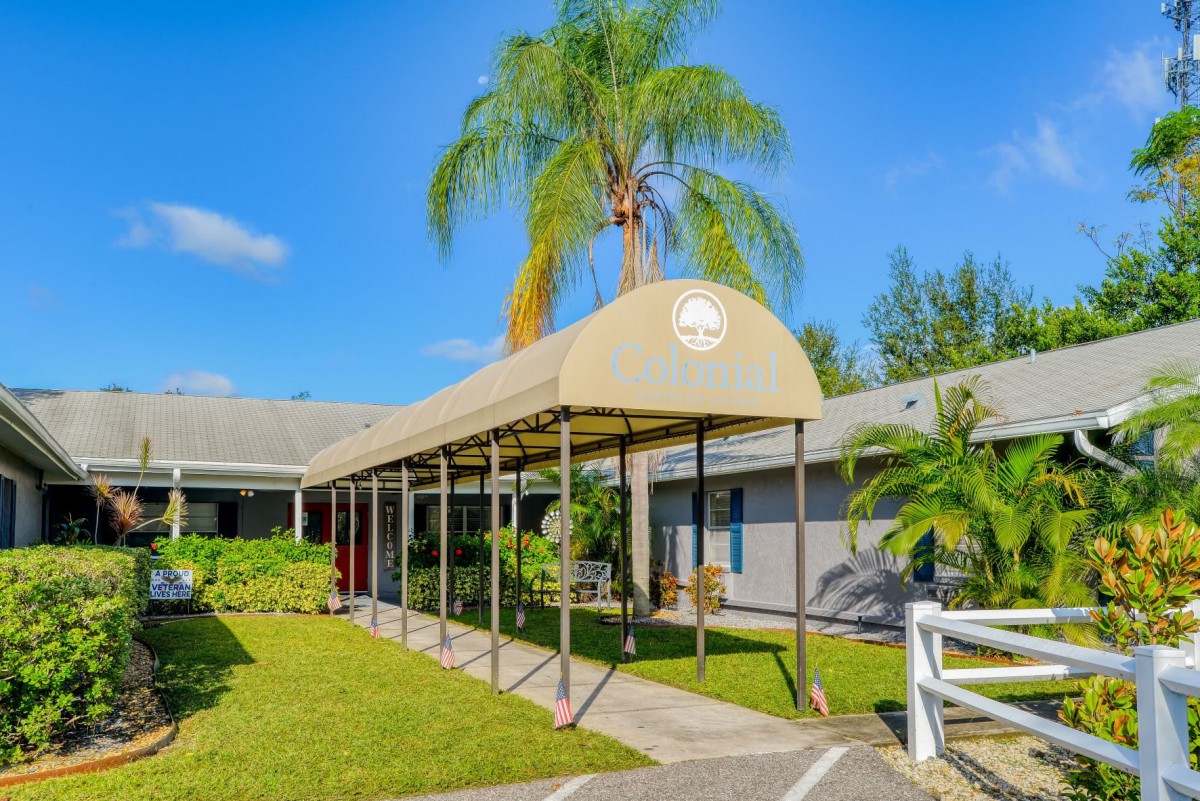

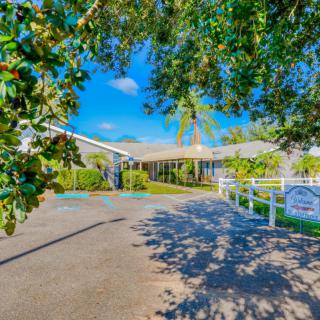

11722 North 17th Street, Tampa, FL 33612
For more information about senior living options: (866) 208-4318
Colonial Assisted Living of Tampa Costs & Pricing
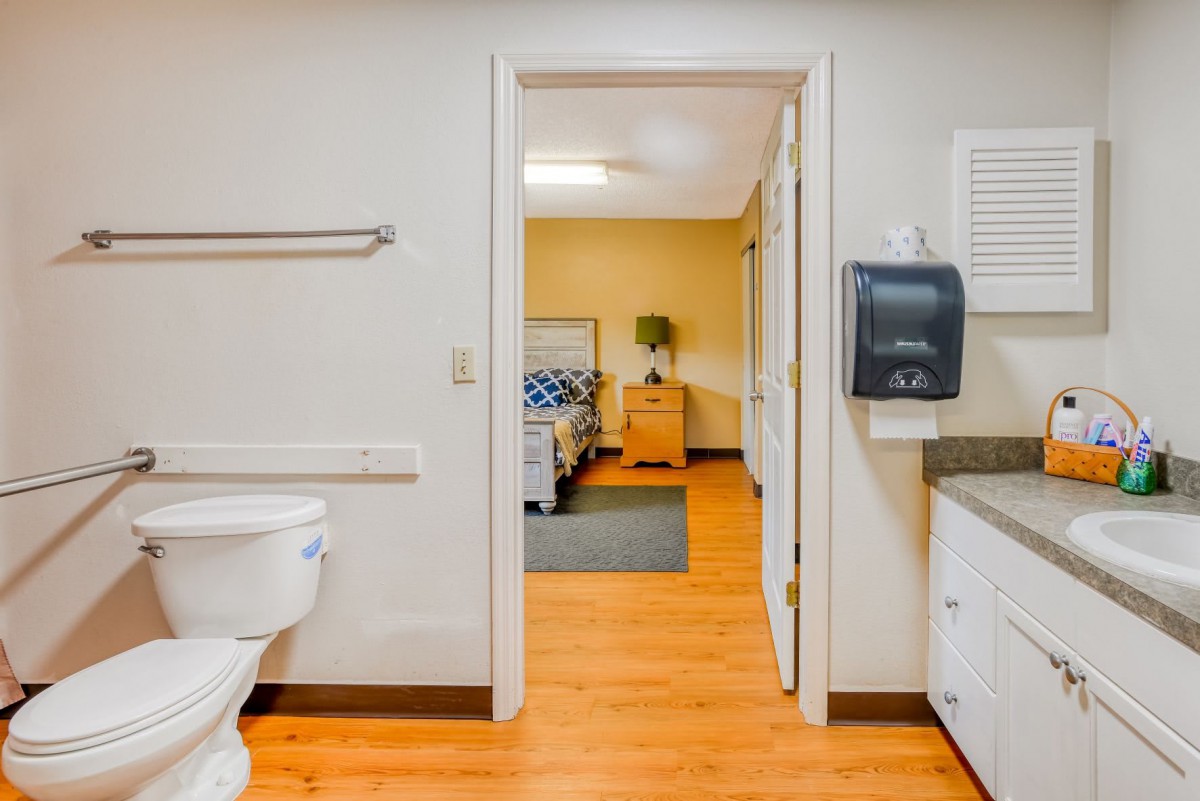
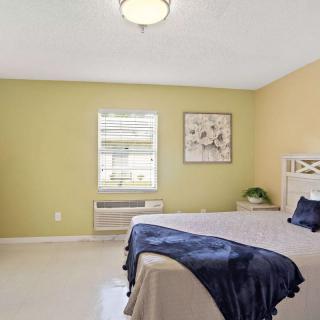
Colonial Assisted Living of Tampa offers competitive pricing for its services, particularly when considering the costs associated with both Hillsborough County and the broader state of Florida. For a semi-private room, residents can expect to pay $3,000 per month, which is notably lower than the county average of $3,096 and the state average of $3,009. In contrast, a studio room at Colonial is priced at $4,000 per month; while this figure exceeds both the county's average of $3,685 and the state's average of $3,823, it reflects the premium amenities and personalized care that residents receive in this nurturing environment. Overall, Colonial Assisted Living provides options that cater well to different needs while maintaining affordability compared to local averages in shared accommodations.
| Floor plans | Colonial Assisted Living of Tampa | Hillsborough County | Florida |
|---|---|---|---|
| Semi-Private | $3,000 | $3,096 | $3,009 |
| Studio | $4,000 | $3,685 | $3,823 |
Overall Review of Colonial Assisted Living of Tampa
Pros
 They felt the facility offered everything they hoped for in a well-kept environment with good staff.
- They praised the new property updates and described the staff as professional, making residents feel welcomed and at home.
- They described the team as engaging and optimistic about the upgrades, and appreciated that affordability would be maintained while the building's appeal and coziness were enhanced.
- They noted that recent changes moved smokers away from the front and that interior and exterior upgrades would make the facility feel more homey.
- They called the facility an awesome place for loved ones, highlighting safety, security, engagement, and affordability as key advantages.
- They would highly recommend the facility and appreciated its active Facebook presence with resident activities and health articles.
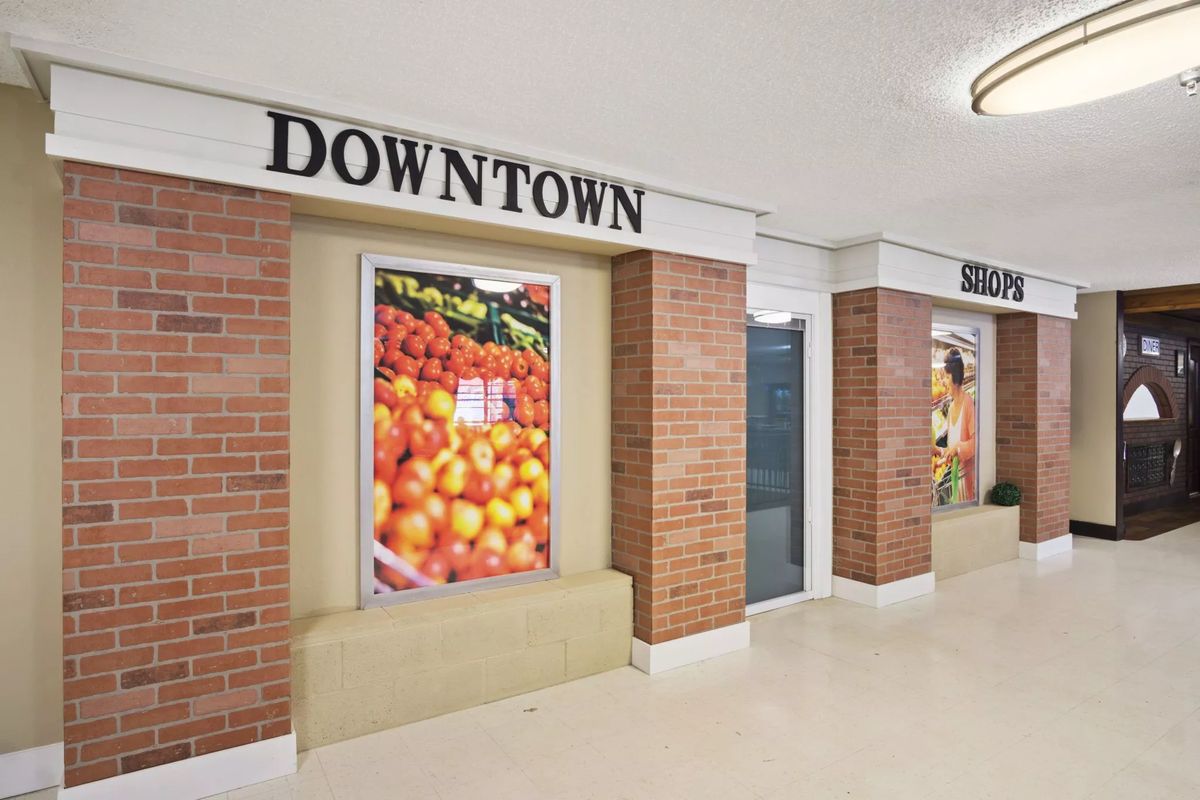
- They also noted the location's proximity to stores, adding convenience.
Cons
 The cousin’s calls to management after the ownership change went unanswered for weeks.
- The Med Tech reportedly implied the cousin was lying and did not take her concerns seriously.
- The medication was changed to something that did not work for the cousin without any notification to the family.
- The management change appeared to disregard residents’ needs, leading to more conflict and a sense that no one was in charge.
- There were complaints about a urine odor and the quality of the food.
- The facility smelled of tobacco and felt bare, not at all homey.
Review
Colonial Assisted Living of Tampa is best suited for families seeking an affordable, socially active option for a loved one who values a welcoming staff and a building that is visibly improving. The community shines for residents who want daily engagement, karaoke, casual events, and a sense of belonging, without paying a premium. The combination of friendly front-line staff, a convenient location near shopping, and ongoing updates makes it a practical choice for those prioritizing value and interaction over pristine, hotel-like polish.
However, families should consider alternatives if consistent leadership and reliable, proactive communication are non-negotiable. Several reviews point to a breakdown in responsiveness after a change in management, with calls going unreturned and questions about care unanswered. When medication changes are implemented without notice or input from family or medical power of attorney, trust erodes quickly. For someone who requires meticulous oversight, or a resident who thrives on clear, steady governance, this facility may fall short.
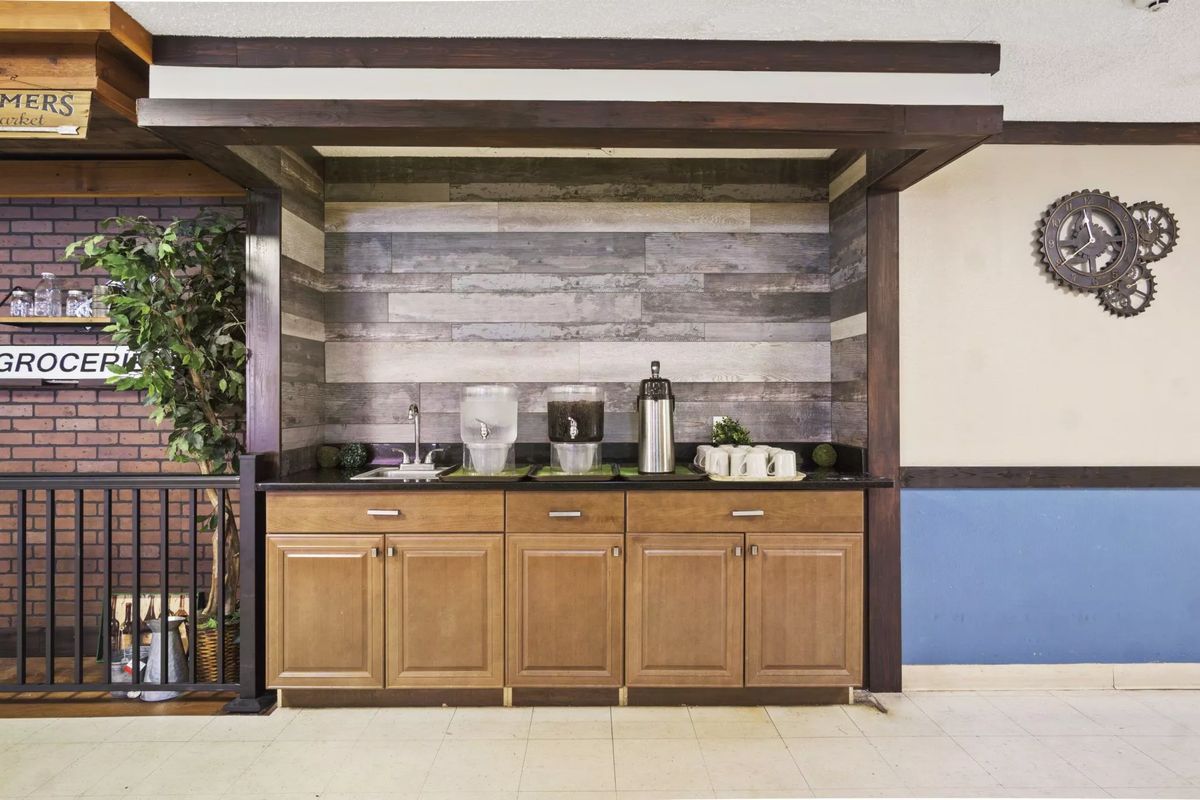
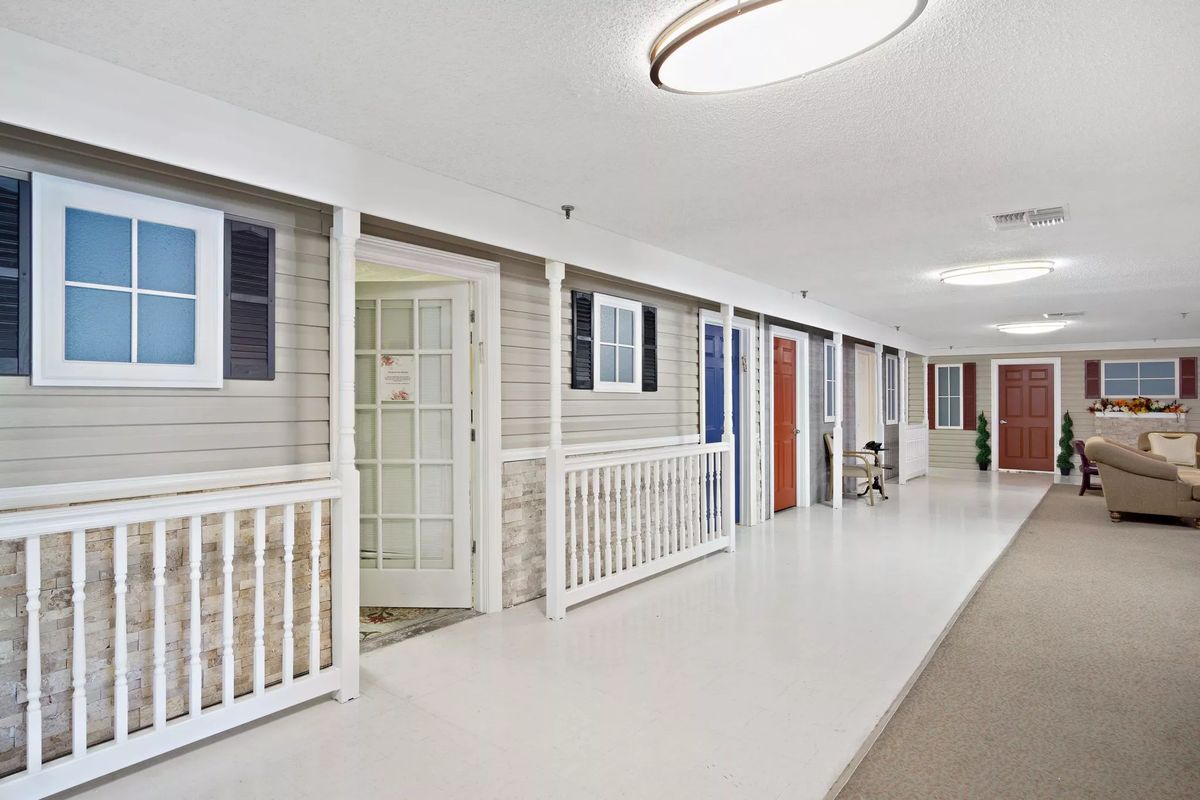
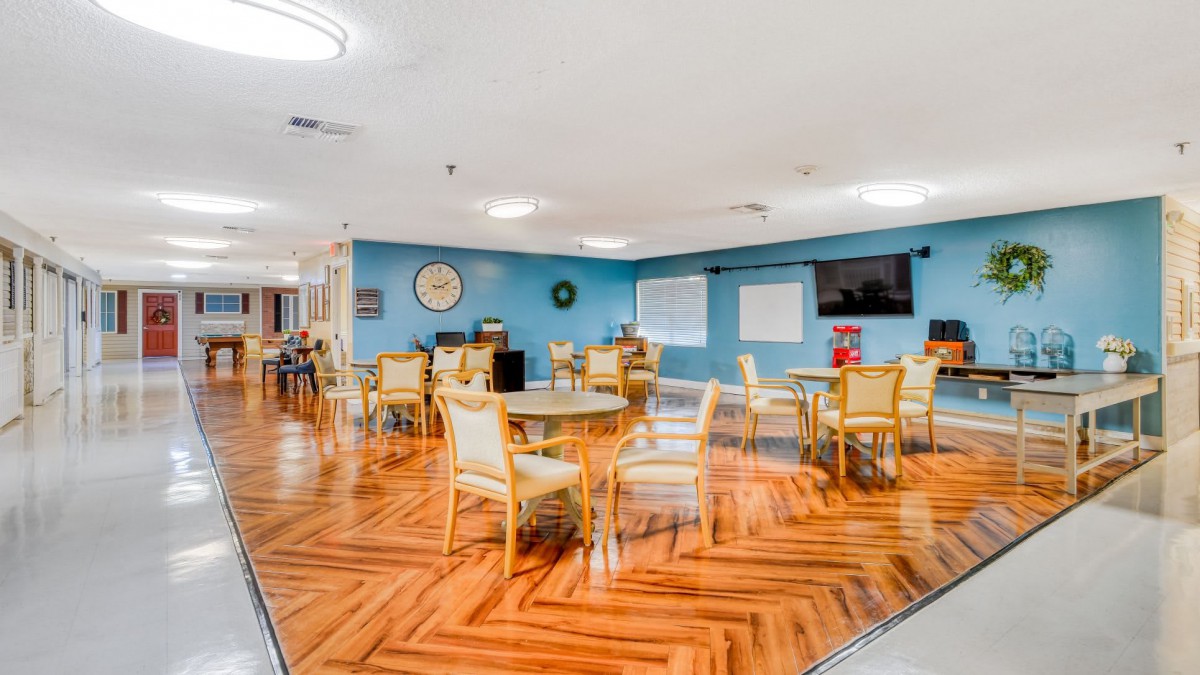
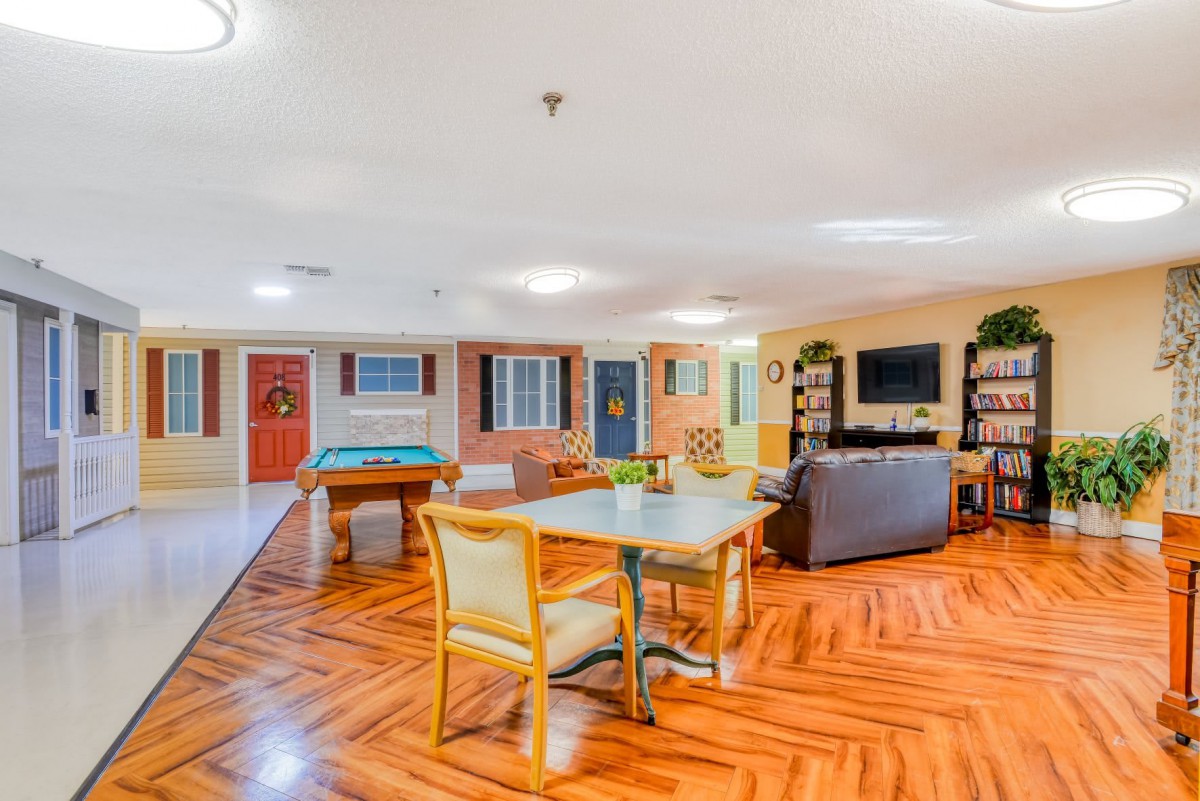
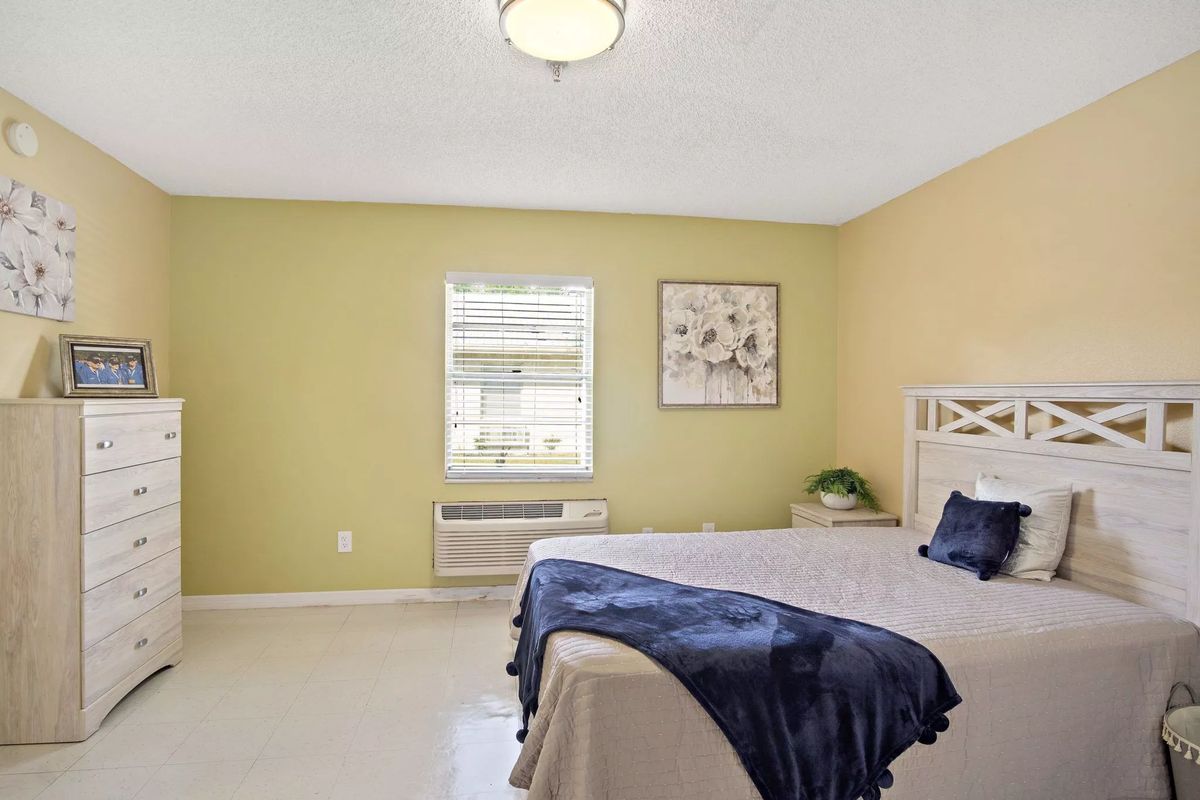
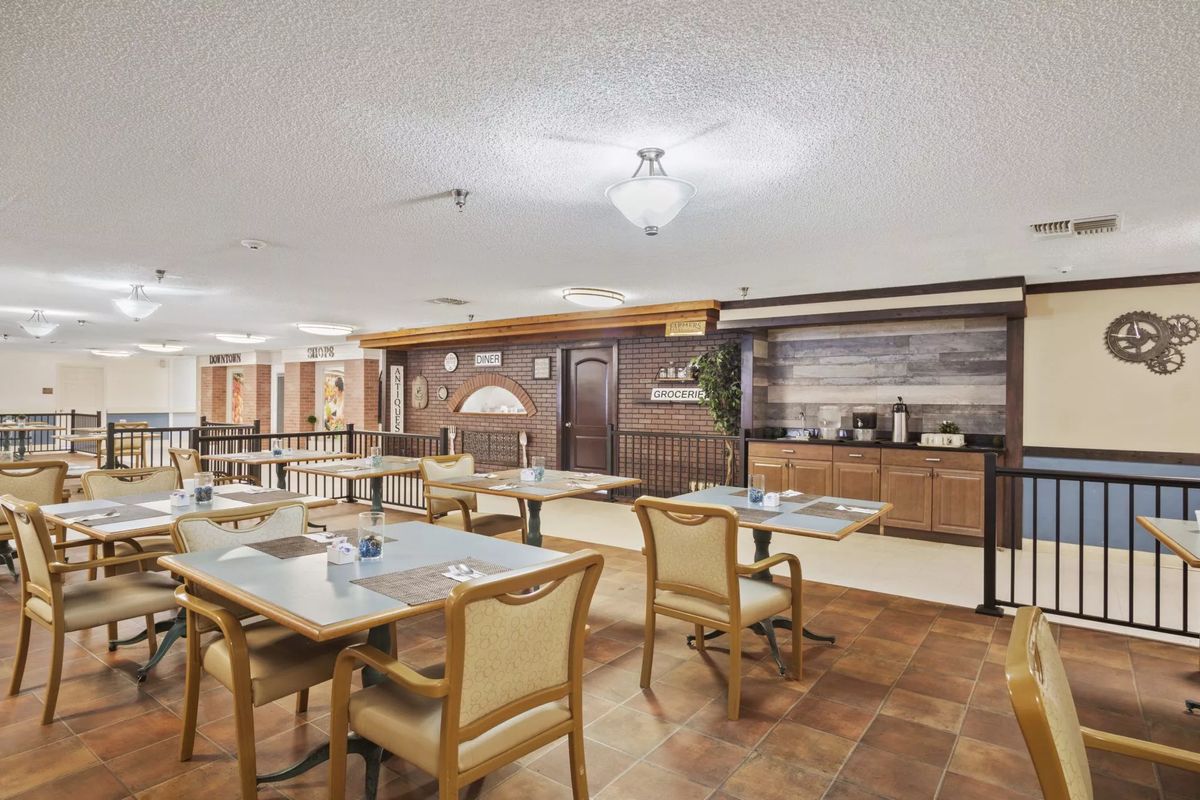
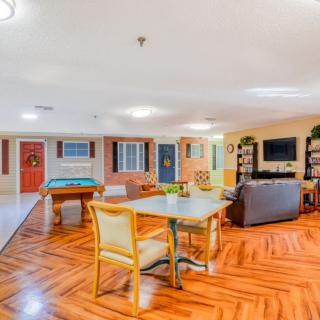
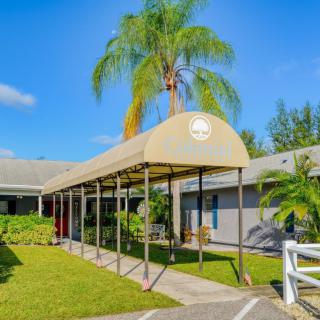
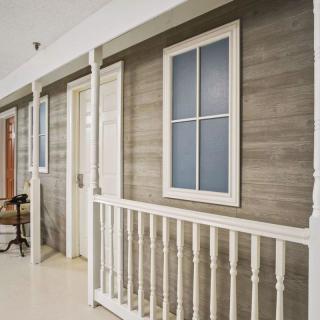
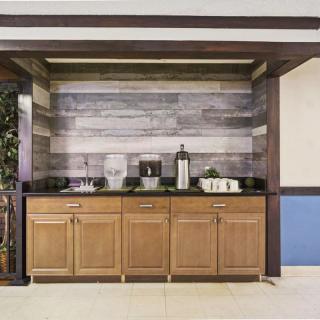
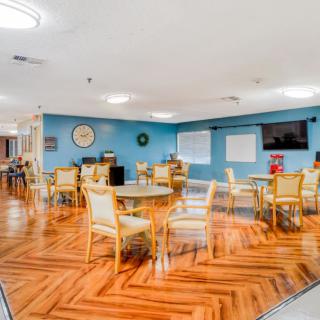
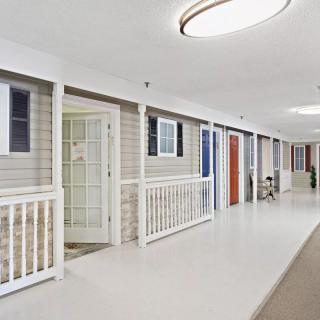
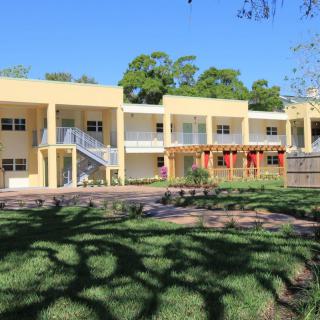
On the plus side, the upgrades and reputation among staff merit attention. The building’s interior and exterior renovations aim to create a cozier, more home-like atmosphere, and the relocation of the smoking area reduces entryway odors. Staff across shifts are described as professional and welcoming, with an executive director who is engaging and optimistic about improvements. The affordability angle is repeatedly cited as a major draw, making this option attractive for families balancing cost with social opportunities. Resident happiness in observed moments, structured activities, group outings, and communal meals, supports the claim that daily life can be fulfilling here.
Yet these strengths are tested by the more serious drawbacks. Management turnover appears to have disrupted continuity of care and the emotional fabric of the community, with residents and families reporting friction and a sense that leadership is not fully present. The most troubling issues include medication changes without notification and a perception that the care team lacks listening to residents’ concerns. Environmental factors crop up as well: reports of urine odor and, in some accounts, persistent tobacco odors; claims that the facility feels more like a nursing home than an assisted living setting; concerns about dining quality and overall ambiance. These factors collectively diminish the home-like feel for some residents, despite ongoing renovations.
To move forward confidently, prospective families should anchor their decision in practical steps. Demand a direct, accessible point of contact with the administrator and a clear chain of responsibility for care decisions. Obtain a detailed plan for medication management, including how changes are communicated and who approves them, with written confirmation to families and medical power of attorney. Schedule visits during different times to observe staffing, noise, and interaction, and speak with current residents about day-to-day life. Clarify dining options and odor controls, and verify the status of ongoing renovations. If stability or a stronger emphasis on clinical oversight is essential, compare with facilities that demonstrate consistent leadership and a proven track record in communication.
Bottom line: Colonial Assisted Living of Tampa works well for cost-conscious families who want an active, engaged community and are comfortable with a facility undergoing visible upgrades. It is less suitable for those who cannot tolerate inconsistent communication, abrupt care changes, or ambiguous oversight of medications. In such cases, alternatives with steadier management, stronger odor control, and a more consistently home-like environment should be pursued.
 116 resident community capacity
 Assisted Living
 Activities on-site
 Air-conditioning
 Beautician on-site
 Cable or satellite TV
 Computer center
 Devotional services off-site
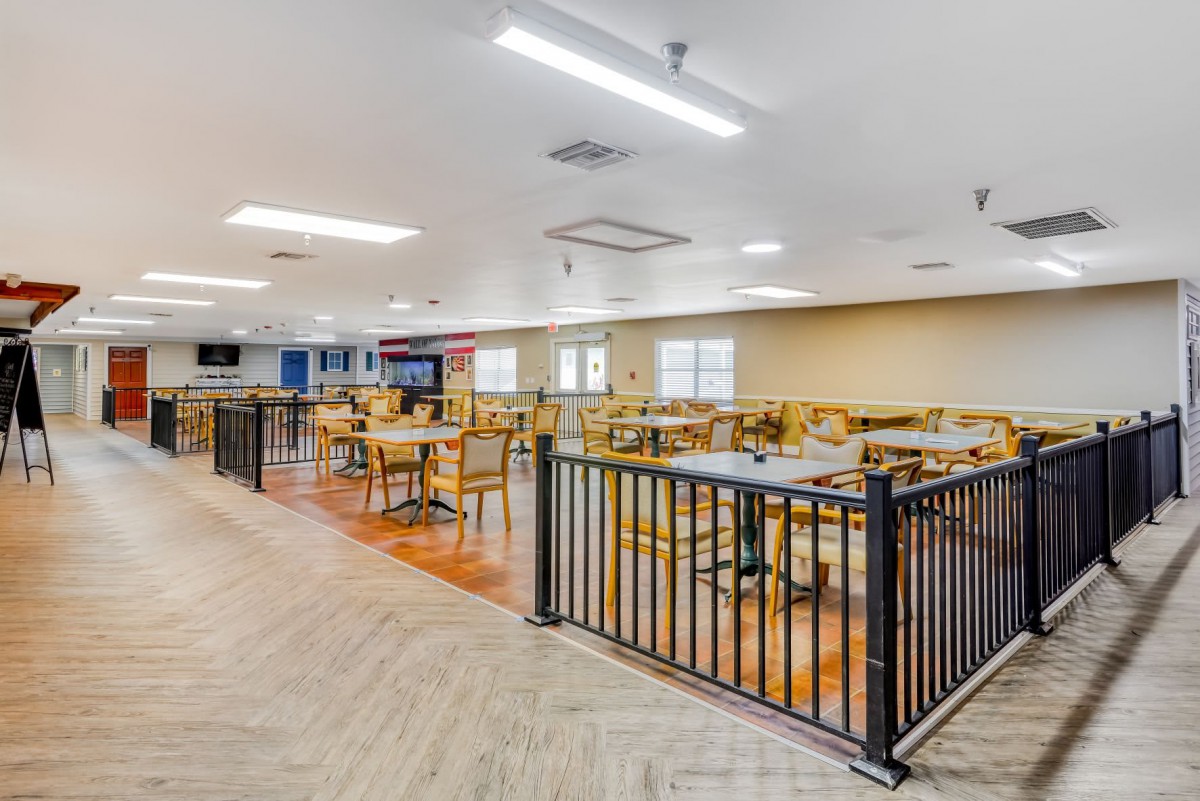
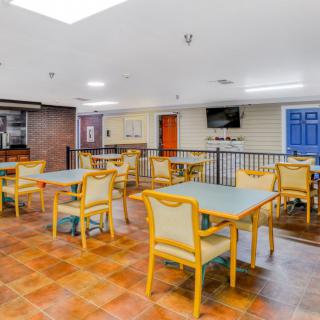
 Dining room
 Fitness room
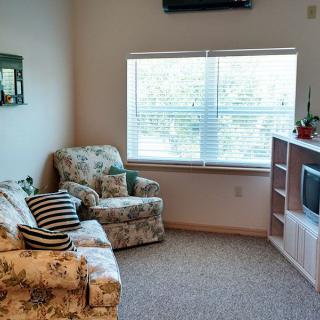
 Fully furnished
 Gaming room
 Garden
 Ground floor units
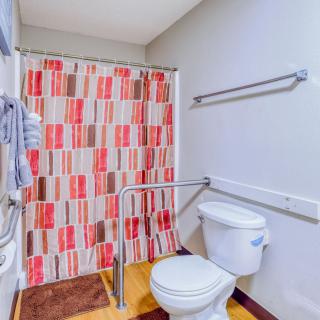
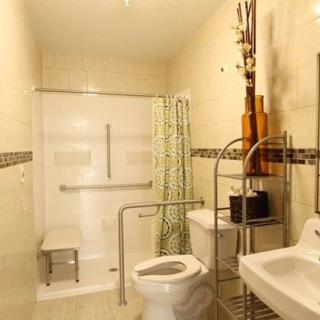
 Handicap accessible
 Housekeeping services
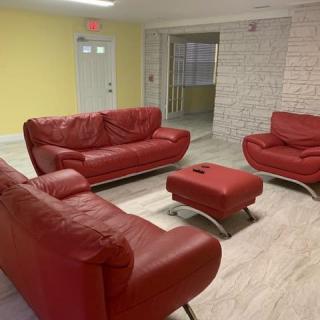
 Indoor common areas
 Kitchenette
 Move-in coordination
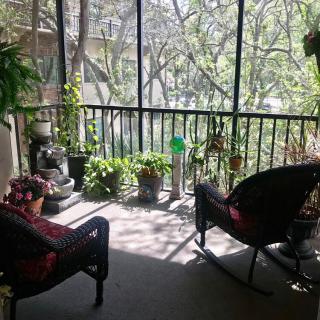
 Outdoor space
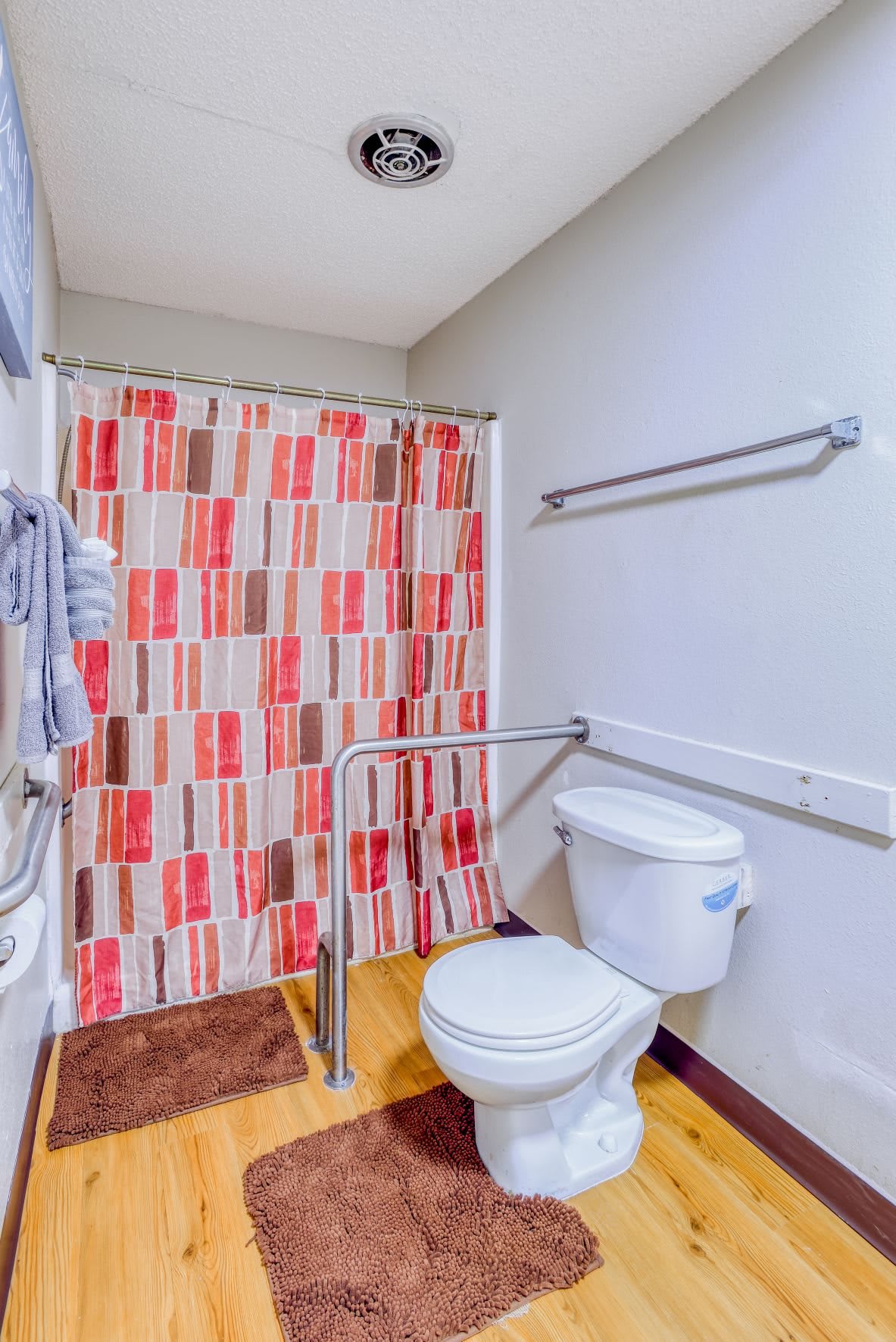
 Private bathrooms
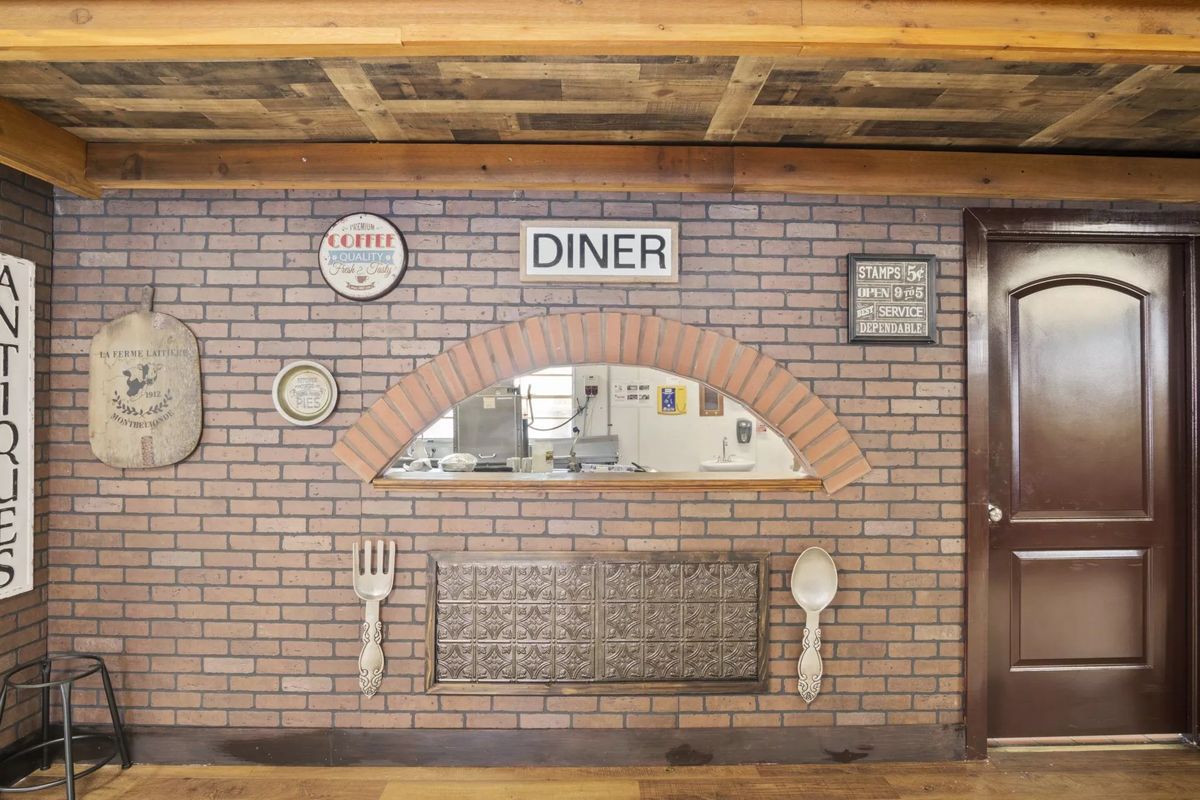
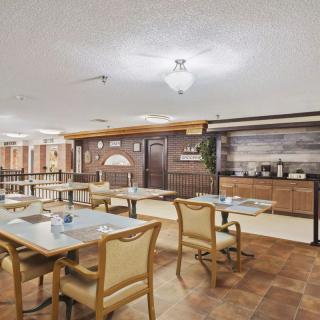
 Restaurant-style dining
 Small library
 Telephone
 Wellness center
 Wi-Fi/high-speed internet available
 Tampa International (8 miles away)
 Community operated transportation
 24-hour call system
 Ambulatory care
 Assistance with bathing
 Assistance with dressing
 Assistance with transfers
 Diabetes diet
 Diabetic care
 Incontinence care
 Medication management
 Special dietary restrictions
 Art classes
 Concierge services
 Day trips and outings
 Karaoke
 Pet-focused programs
 Sensory-based programs
 Trivia games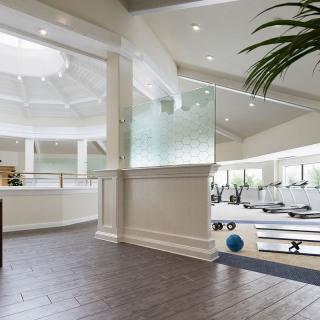



 Medicare Coverage for Assisted Living: An In-Depth Exploration
 Choosing the Right Senior Care: A Detailed Exploration of Assisted Living and Nursing Homes
 Understanding the True Cost of Assisted Living in 2025: A Comprehensive Guide