
4064 South West 51St Street, Fort Lauderdale, FL 33314
For more information about senior living options: (866) 208-4318
Overall Review of The Eden Inn
Pros
 The Eden Inn feels like home with a warm, family atmosphere.
- The staff are spectacular and caring.
- The house is immaculate.
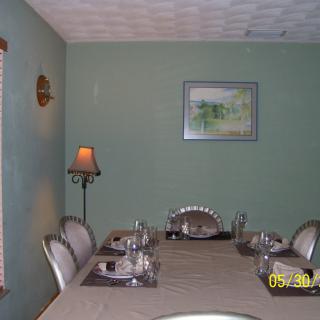
- Meals are home-cooked and served in the dining room.
- Visitors are welcomed and allowed generous visitation time.
- Residents reportedly become lucid and happy after staying there.
Cons
 She went in there catatonic from dementia and lots of drugs.
Review
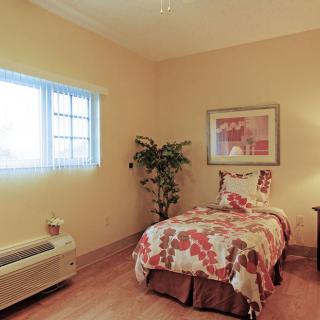
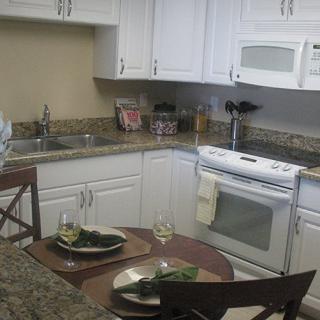
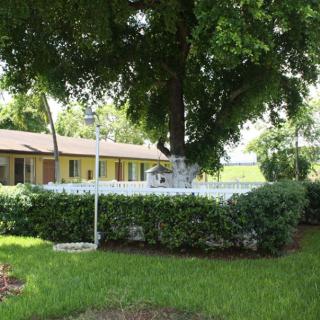
The Eden Inn in Fort Lauderdale is best suited for families seeking a small, home-like assisted living option where a resident can thrive on personal attention, routine familiarity, and easy family involvement. With roughly ten residents in a converted private home, the setting feels intimate rather than institutional. Bedrooms with en-suite baths, a common dining room, and a kitchen where meals are prepared in a familiar, neighborly rhythm create an atmosphere that substitutes for traditional facility bells and alarms with a sense of daily life that resembles a well-run family home. It appeals to those who prize warmth, a calm pace, and strong relationships with caregivers and fellow residents.
Those who may want to consider alternatives fall into a few practical categories. If a loved one requires robust, round-the-clock medical oversight, highly structured memory-care programming, or access to a broad slate of on-site therapies, a larger community with formal nursing staff and memory-care wings will likely serve better. Families seeking highly standardized activities, documented care plans, or more pronounced privacy options may also find the Eden Inn less aligned with expectations. Finally, if proximity to specialized facilities or a more modern, resort-style environment matters, shopping around for larger campuses could yield a closer fit.
The strongest positives at The Eden Inn center on human factors that significantly impact daily life. The staff come across as genuinely caring and attentive, described as spectacular by visitors who experienced close, family-like interactions. The house is kept immaculate, reinforcing a sense of dignity and respect in everyday routines. Meals are home-cooked and served in a dining room setting, which supports social dining and easier mealtime engagement. Importantly, the environment encourages visiting, with generous visitor time that helps families stay connected and involved in care decisions. These elements collectively translate into a culture where residents feel valued, engaged, and part of a familiar routine rather than custodial care in a sterile setting.
The reviews also point to meaningful, albeit anecdotal, outcomes that matter in practical decision-making. One family notes a loved one with dementia who arrived in a frail, medicated state becoming lucid and happier during their time at The Eden Inn. While personal experiences vary and are not a guarantee, this narrative underscores that the intimate, home-forward approach can yield noticeable improvements in mood, orientation, and engagement for residents who respond to routine, individualized attention. This potential upside, paired with a low-stress, family-friendly atmosphere, offers a compelling contrast for families who value day-to-day quality of life and emotional well-being.
On the flip side, the intimate scale of The Eden Inn does imply constraints. The small, private-home model inherently limits access to on-site nursing resources and formal, specialized care that larger assisted living campuses routinely provide. There may be fewer scheduled, structured activities, fewer licensed professionals on hand around the clock, and fewer dedicated memory-care programs than a dedicated memory-care facility would offer. Families should weigh whether the level of medical and cognitive-support aligns with the resident’s current needs and future trajectory. If escalating care requirements are anticipated, this is a critical area to verify during visits and conversations.
For families weighing options, a practical approach is essential. In-person visits should focus on staffing patterns, responsiveness to medications, and the availability of nursing support when emergencies arise. Ask about how meals and daily routines can be tailored to evolving preferences, what memory-care strategies are employed, and how family involvement is integrated into care planning. Proximity to extended family, flexibility with visiting hours, and the overall security of the home environment are also important considerations. The Eden Inn rewards families who value a steady, affectionate ambiance and hands-on care, but families should confirm that the level of medical oversight matches the resident’s needs as those needs evolve. If warmth, intimacy, and consistent human connection are the top priorities, The Eden Inn stands out as a strong, practical choice; if formal medical oversight and structured dementia programming are non-negotiables, it may be prudent to explore alternatives.
 8 resident community capacity
 Assisted Living
 Board and Care Home
 Respite Care
 Cable or satellite TV
 Dining room
 Fully furnished
 Garden
 Housekeeping services
 Move-in coordination
 Outdoor space
 Telephone
 Wi-Fi/high-speed internet available
 Fort Lauderdale-Hollywood International (3 miles away)
 24-hour supervision
 Activities of daily living assistance
 Assistance with bathing
 Assistance with dressing
 Assistance with transfers
 Diabetes diet
 Meal preparation and service
 Medication management
 Special dietary restrictions
 Transportation arrangement (medical)
 Transportation to doctors appointments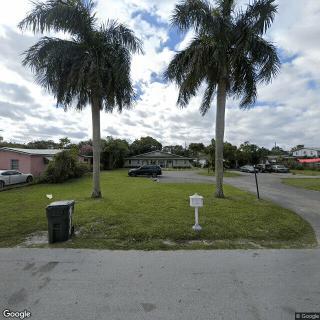




 Is Assisted Living Deductible on Your Taxes? Understanding the Complexities of Assisted Living Expenses and Deductions
 Assisted Living Support for Veterans: A Complete and Detailed Overview
 Exploring the Contrasts Between Assisted Living and Skilled Nursing