
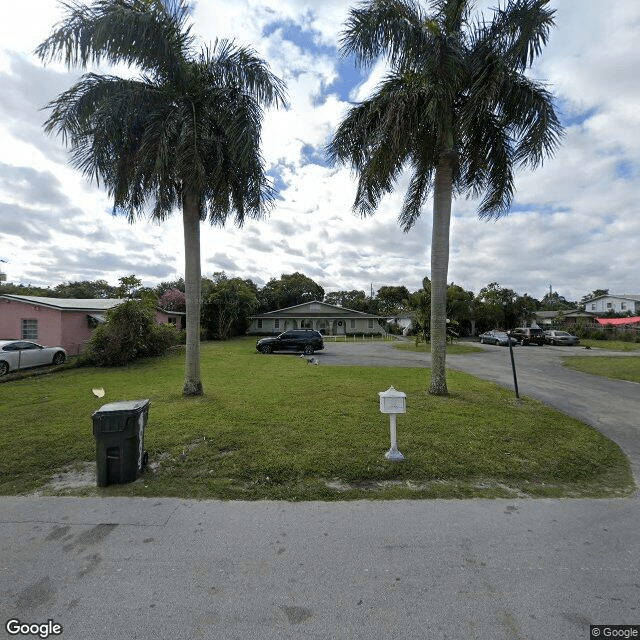
4064 SW 51 Street, Dania Beach, FL 33314
To contact a resident: (954) 347-7495
For more information about senior living options: (866) 208-4318
The Eden Inn Assisted Living Facility Costs & Pricing
The Eden Inn Assisted Living Facility offers a semi-private room at a competitive rate of $2,895 per month. This cost is slightly lower than the average in Broward County, which stands at $2,902, and also below the statewide average of $3,009 for similar accommodations. By choosing The Eden Inn, residents can benefit from quality care and supportive services while enjoying some financial advantages relative to the broader market. This pricing reflects the facility's commitment to providing accessible assisted living options without compromising on the essential services necessary for a comfortable and dignified lifestyle.
| Floor plans | The Eden Inn Assisted Living Facility | Broward County | Florida |
|---|---|---|---|
| Semi-Private | $2,895 | $2,902 | $3,009 |
Memory care communities with a similar price nearby
-
from +$105 / mo
LB Solution Care Group Homes
$3,000 / month7.1 miles away -
from -$495 / mo
Ana's Assisted Living Facility
$2,400 / month5.0 miles away -
from -$395 / mo
Anne Adult Family Care Home
$2,500 / month4.1 miles away -
from +$355 / mo
Aston Gardens at Parkland Commons
$3,250 to $5,805 / month17.3 miles away -
from -$195 / mo
Flamingo Assisted Living
$2,700 to $4,500 / month4.4 miles away
Overall Review of The Eden Inn Assisted Living Facility
Pros
 The owner is empathetic, caring, and loving to patients.
- Food is made in house and is healthy and delicious.
- The mom gained seven pounds in her first three months there.
- They go out of their way to make patients happy, taking them to a restaurant once a month.
- The mom is very happy there.
- Great food, clean facilities, and loving staff.
- The Eden Inn staff were spectacular, the house was immaculate, and meals were home-cooked.
- Everyone was like family and it felt like being home.
- It is the best place ever, a private home with about ten people.
Cons
 The facility's location was too far away to be a feasible option for them.
Review
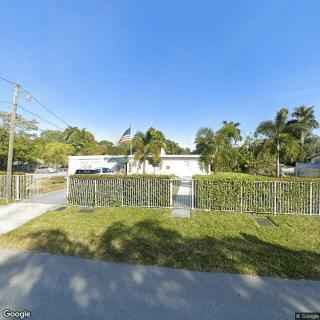
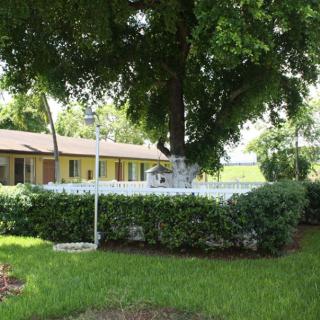
The Eden Inn Assisted Living Facility in Dania Beach is best suited for families seeking a small, home-like environment where care feels intimate and consistently personal. With roughly ten residents, the setting operates more like a private home than a campus, and the owner-led team delivers daily warmth, steady routines, and visible pride in meals and companionship. Residents benefit from in-house, wholesome cooking and regular social touches, such as monthly restaurant outings, that keep days engaging without the bustle of a larger community. For families prioritizing safety, familiarity, and sustained personal attention over scale, this Eden Inn profile is a strong match.
Alternatives to consider are necessary for those who need robust medical oversight, formal memory-care programming, or a larger, more traditional campus. The same intimate scale that fosters belonging can limit the breadth of activities, specialized staff coverage, and quick access to on-site therapy or 24/7 clinical support. Distance also becomes a practical hurdle for many families; several reviews note the home’s location is far from some loved ones, complicating visits and coordination of care. In short, residents who require comprehensive care infrastructure or proximity to a particular neighborhood may want to explore other options.
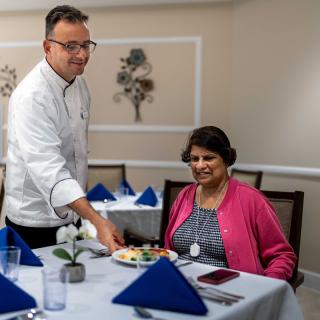
Key strengths pulse through the operation: the owner and manager are repeatedly described as empathetic and attentive, while staff are consistently praised as loving and clean. In-house meals are not just sustenance but a point of pride, noted as healthy and delicious, with tangible benefits to residents’ well-being, one case cites seven pounds gained in three months. The small, house-like setting makes daily life feel personal rather than transactional, and staff willingness to tailor experiences, such as taking residents to a restaurant, helps sustain appetite, mood, and social connection. The neighborhood feel and unpretentious charm translate into steady happiness for residents, including dementia cases that respond to consistent, kind, familiar care.
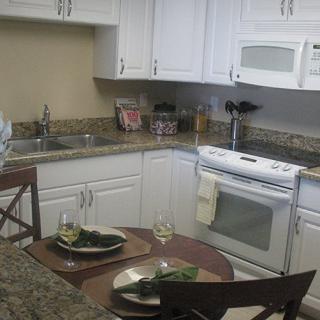
Notable caveats center on scale and logistics. Eden Inn operates as a private home with about ten residents and a layout that blends bedrooms, shared spaces, and several bathrooms, including some en-suite options. That arrangement nurtures comfort and close supervision through proximity but can limit privacy in practice and concentrates daily routines within a single footprint. Some families will encounter the distance barrier and question whether the home-style model provides enough clinical rigor or structured programming for evolving needs. The absence of a large care team or campus amenities may feel constraining for those who expect a more conventional assisted living environment or a clear path to higher-level care.
But the positives meaningfully balance the trade-offs. For families prioritizing connection and warmth, the Eden Inn’s combination of empathetic leadership, home-cooked meals, small, attentive staff, and routine social outings outweigh the downsides. The homelike atmosphere fosters trust and continuity, reducing the stress that accompanies transitions. The anecdotal note of a resident moving from catatonia toward lucidity in a small setting underscores how the right environment can stabilize mood, encourage appetite, and sustain dignity for certain stages of cognitive decline. In this balance, quality of life gains traction where larger facilities may feel impersonal or impinging.
The practical takeaway is clear: Eden Inn excels for households seeking a tightly knit, hands-on, neighborly atmosphere where staff know residents well, meals feel like home, and social outings add texture to everyday life. It is particularly compelling for someone who values intimate attention and a sense of belonging and does not require extensive on-site therapies or formal memory-care protocols. Those weighing options should consider whether a larger campus with broader medical resources, more structured programming, or closer proximity to family is essential. For the right profile, Eden Inn delivers meaningful, daily quality of life through care that feels less like a facility and more like a supportive family home.
 Board and Care Home
 Day Program
 Memory Care
 Private
 Wheelchair accessible showers
 Fort Lauderdale-Hollywood International (3 miles away)
 Ambulatory care
 Diabetic care
 Medication management

 Are Dementia and Alzheimer's Disease Lethal? A Comprehensive Exploration
 Exploring the Power of Reminiscence Therapy for Individuals With Dementia
 An In-Depth Look at Reminiscence Therapy in Dementia Care