MiCasa Senior Living offers competitive pricing for its senior living accommodations when compared to both Broward County and state averages. For a semi-private room, residents can expect to pay $3,500 per month, which is notably higher than the county average of $2,902 and slightly above the state average of $3,009. If one opts for a one-bedroom suite at MiCasa, the cost rises to $6,000 per month, significantly surpassing both Broward County's average of $3,651 and Florida's statewide average of $3,864. While the costs are above these market benchmarks, they reflect the enhanced services and amenities that MiCasa provides to ensure a vibrant and supportive living environment for seniors.
Floor plans
MiCasa Senior Living
Broward County
Florida
Semi-Private
$3,500
$2,902
$3,009
1 Bedroom
$6,000
$3,651
$3,864
Memory care communities with a similar price nearby
Residents and families repeatedly describe staff as kind, attentive, and responsive.
Across the reviews, residents and families highlight staff warmth and attentiveness, including caregivers who notice individual needs and keep families in the loop. Several reviewers specifically mention being able to reach someone quickly and getting prompt answers when questions come up. A few families also describe how the management team stays available during day-to-day needs and communication.
differentiator12 reviews mention this
Care and oversight feel secure
The community’s secure, memory-care setting is a major reason families feel at ease.
Many reviewers describe the setting as clean, comfortable, and designed for safety, with specific attention to dementia and Alzheimer’s needs. Multiple reviews mention security features and monitoring within the building, and families connect that oversight to feeling reassured. For couples with different care needs, at least one reviewer says the community was able to care for both assisted living and memory care requirements.
common10 reviews mention this
Meals and a chef are praised
Residents and families often mention flavorful, well-prepared meals.
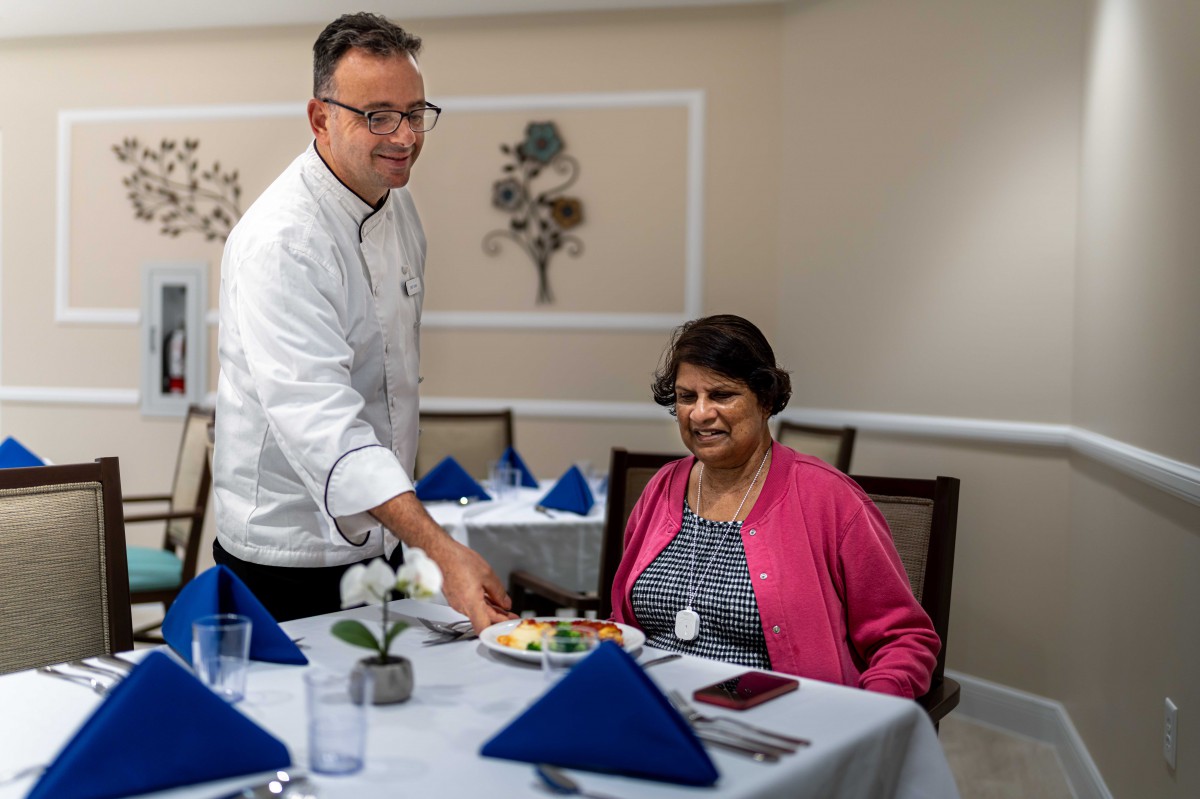
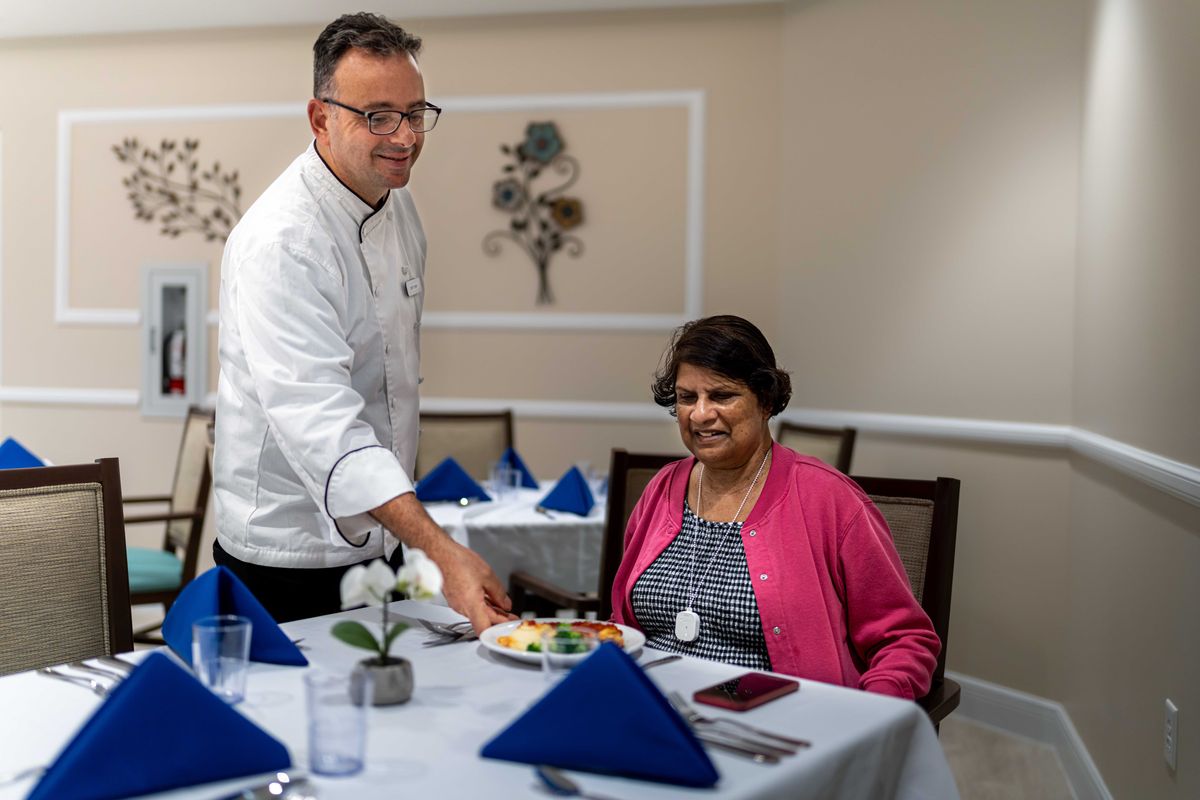
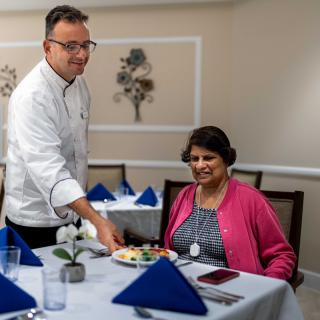
Dining comes up often as a positive, with reviewers describing nutritious meals, variety, and a chef preparing fresh food. Some families say they could see meal prep during a tour, and others note that their loved one enjoyed the food. One review also raises a concern about meal quality, but the majority of comments treat dining as a strength.
common3 reviews mention this
Spanish communication is important
Reviews point to Spanish-English communication as a key factor.
Several reviewers appreciate Spanish-speaking staff or the ability to communicate effectively with residents and families. At least one family calls out that it mattered for their mother, and another mentions bilingual communication being available. There is also at least one negative review related to a language or communication experience, so it’s clear this topic has mixed outcomes for different families.
caveat3 reviews mention this
Some families flag staffing limits
A few reviews raise concerns about staffing and follow-through.
While most feedback is positive, a small number of reviewers describe staffing shortages or gaps in attention during care routines. One review alleges missed help with toileting and limited physical activity support, while another describes the overall care experience as undermined by staffing and qualification concerns. These are the only recurring negative points that relate to day-to-day coverage rather than the facility’s cleanliness.
caveat2 reviews mention this
Pricing feels high to some
Several families describe the community as expensive.
At least two reviewers say the community is pricey or expensive, which aligns with the listing’s positioning above local and state benchmarks. In the reviews, cost concerns show up alongside positive comments about cleanliness and care, suggesting families felt the value proposition uneven depending on expectations. Prospective residents may want to confirm what’s included for their specific needs before committing.
How we summarize
Counts show how many written reviews mention each theme; a review can touch several themes, and only frequently mentioned themes are displayed.
Features
Housing
44 resident community capacity
Types of Care
Assisted Living
Memory Care
Amenities
Activities off-site
Activities on-site
Beauty salon
Cable or satellite TV
Devotional services off-site
Devotional services on-site
Dining room
Fully furnished
Garden
Housekeeping services
Indoor common areas
Kitchenette
Laundry
Move-in coordination
Outdoor common areas
Outdoor space
Respite or short term stays offered
Telephone
Wheelchair accessible showers
Wi-Fi/high-speed internet available
Transportation
Fort Lauderdale-Hollywood International (5 miles away)
Miami International (16 miles away)
Care Services
24-hour call system
24-hour supervision
Activities of daily living assistance
Ambulatory care
Assistance with bathing
Assistance with dressing
Assistance with transfers
Coordination with health care providers
Dementia waiver
Diabetes diet
Diabetic care
Hospice waiver
Incontinence care
Meal preparation and service
Medication management
Mental wellness program
Mild cognitive impairment
Special dietary restrictions
Specialized memory care programming
Transportation arrangement (medical)
Transportation to doctors appointments
Dining
Diabetes diet
Gluten-free
Guest meals
International cuisine
Low / no sodium
Meals provided
No Sugar
Organic
Professional chef
Restaurant style dining
Special dietary restrictions
Vegan
Vegetarian
Activities
Activities on-site
Art classes
Brain fitness
Community-sponsored activities
Cooking classes
Day trips and outings
Devotional activities offsite
Devotional activities on-site
Educational speakers / life long learning
Gardening club
Karaoke
Resident-run activities
Scheduled daily activities
Stretching classes
Trivia games
Wine tasting
Languages Spoken
English
Hebrew
Spanish
Nearby Places of Interest
This part of Hollywood, Florida offers a convenient and diverse range of amenities within close proximity. With a variety of dining options such as Subway, Wendy's, Denny's, and Chick-Fil-A nearby, residents have easy access to satisfying meals. Additionally, multiple pharmacies including Walgreens and CVS are available for any medical needs. For healthcare services, reputable hospitals like Joe DiMaggio Children's Hospital and Memorial Hospital Pembroke are just a short distance away. Seniors can also enjoy the outdoors at nearby parks like Topeekeegee Yugnee Park and Poinciana Park. Transportation options include North Perry Airport of Broward County and JetBlue Airways Terminal for any travel needs. Overall, this area provides a convenient and well-rounded living environment for seniors looking to settle down in Hollywood.
Restaurants
Subway (0.4 miles)
Wendy's (2.5 miles)
Denny's (2.6 miles)
McDonald's (2.6 miles)
IHOP (2.8 miles)
Marky S Hard Rock (2.8 miles)
Chick-Fil-A (3.7 miles)
Pharmacies
Walgreens (1.1 miles)
Walgreens (1.8 miles)
CVS Pharmacy (1.9 miles)
CVS Pharmacy (2.5 miles)
Winn-Dixie (2.6 miles)
Walgreens (3.1 miles)
CVS Pharmacy (3.2 miles)
Hospitals
Joe DiMaggio Children's Hospital (1.9 miles)
Memorial Hospital Pembroke (2.6 miles)
Memorial Hospital West (6.3 miles)
Physicians
Comprehensive Health & Wellness Center, P.A. (2 miles)
MiCasa Senior Living offers competitive pricing for its senior living accommodations when compared to both Broward County and state averages. For a semi-private room, residents can expect to pay $3,500 per month, which is notably higher than the county average of $2,902 and slightly above the state average of $3,009. If one opts for a one-bedroom suite at MiCasa, the cost rises to $6,000 per month, significantly surpassing both Broward County's average of $3,651 and Florida's statewide average of $3,864. While the costs are above these market benchmarks, they reflect the enhanced services and amenities that MiCasa provides to ensure a vibrant and supportive living environment for seniors.
The array of features offered by MiCasa Senior Living is designed to create a supportive environment for residents with dementia or Alzheimer's disease, significantly enhancing their quality of life. The 24-hour supervision ensures that residents are always monitored and can receive immediate assistance when needed, promoting safety and security. Assistance with daily living tasks such as bathing, dressing, and transfers not only fosters independence but also helps maintain dignity. Engaging in brain fitness activities and specialized memory care programming stimulates cognitive function, while the mental wellness program addresses emotional health, effectively reducing feelings of isolation or anxiety. Coordination with healthcare providers ensures comprehensive medical oversight, complemented by medication management that minimizes errors and supports adherence. Tailored meal preparation accommodates nutritional needs, while incontinence care provides necessary support without compromising comfort. Lastly, transportation arrangements facilitate access to medical appointments, ensuring continuity of care for residents experiencing mild cognitive impairment or more advanced stages of dementia.
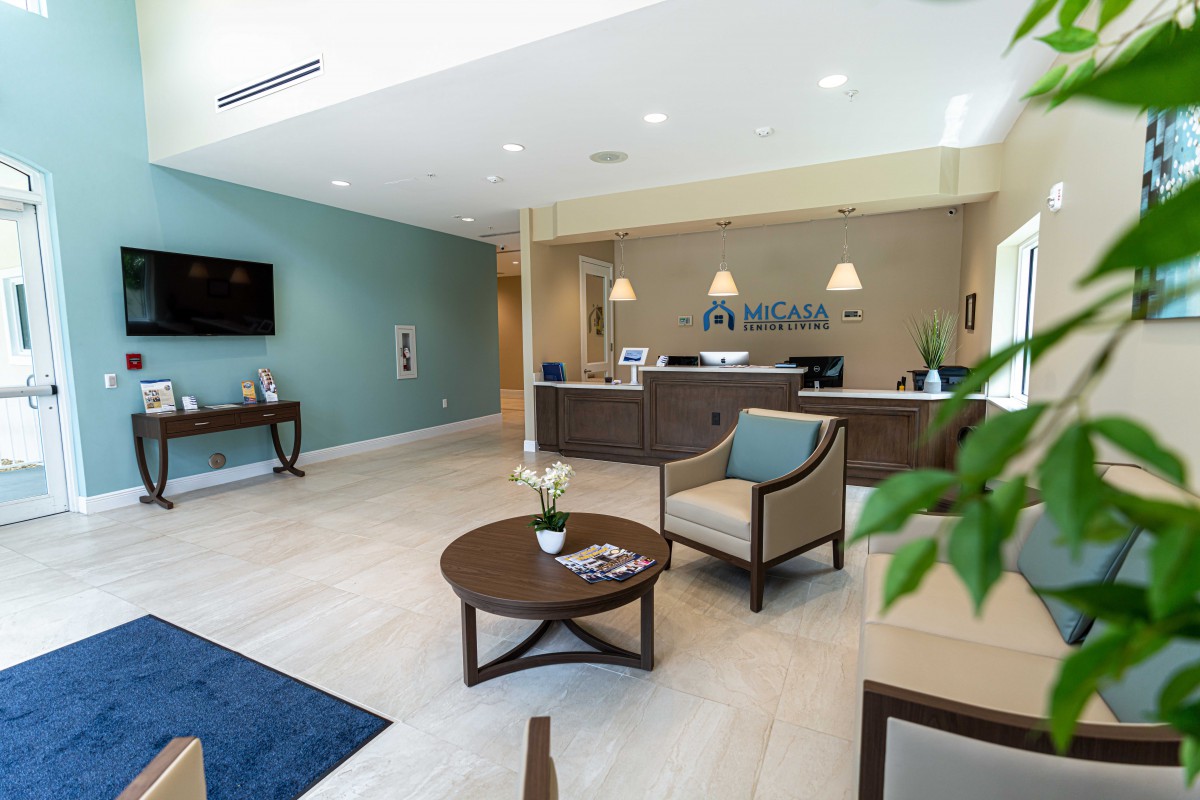
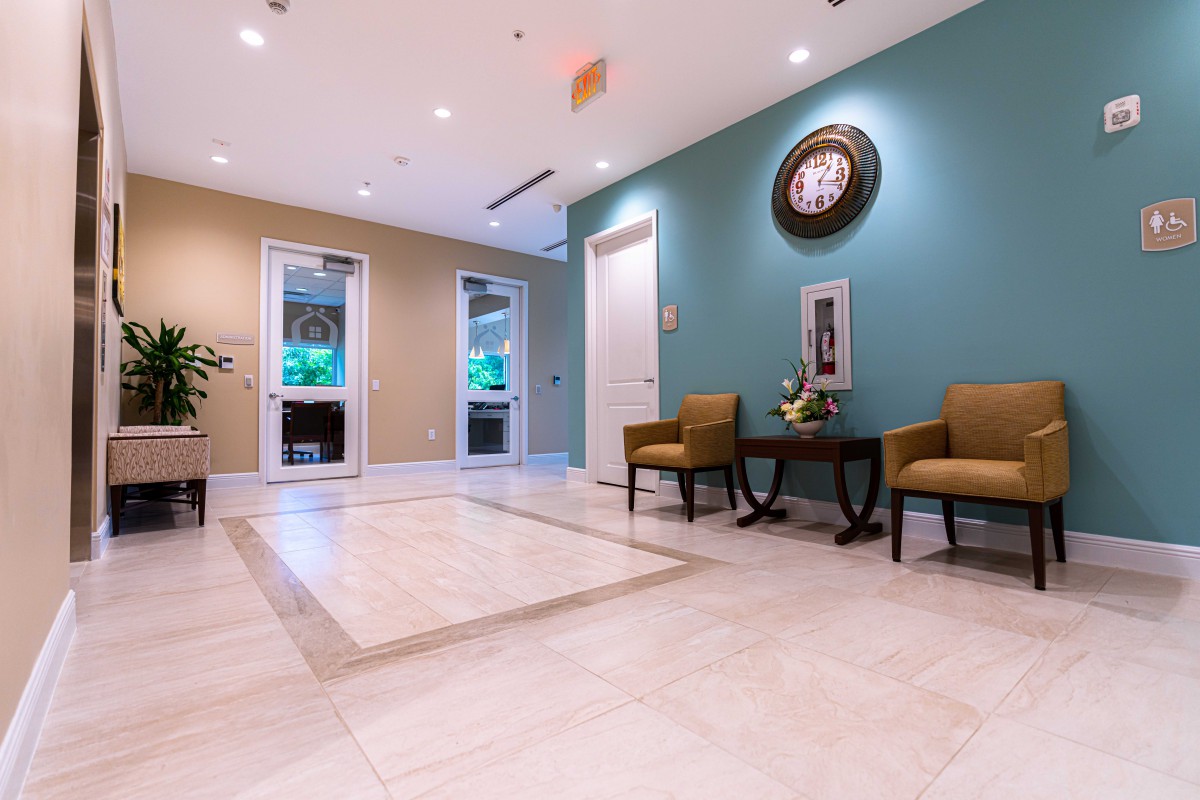
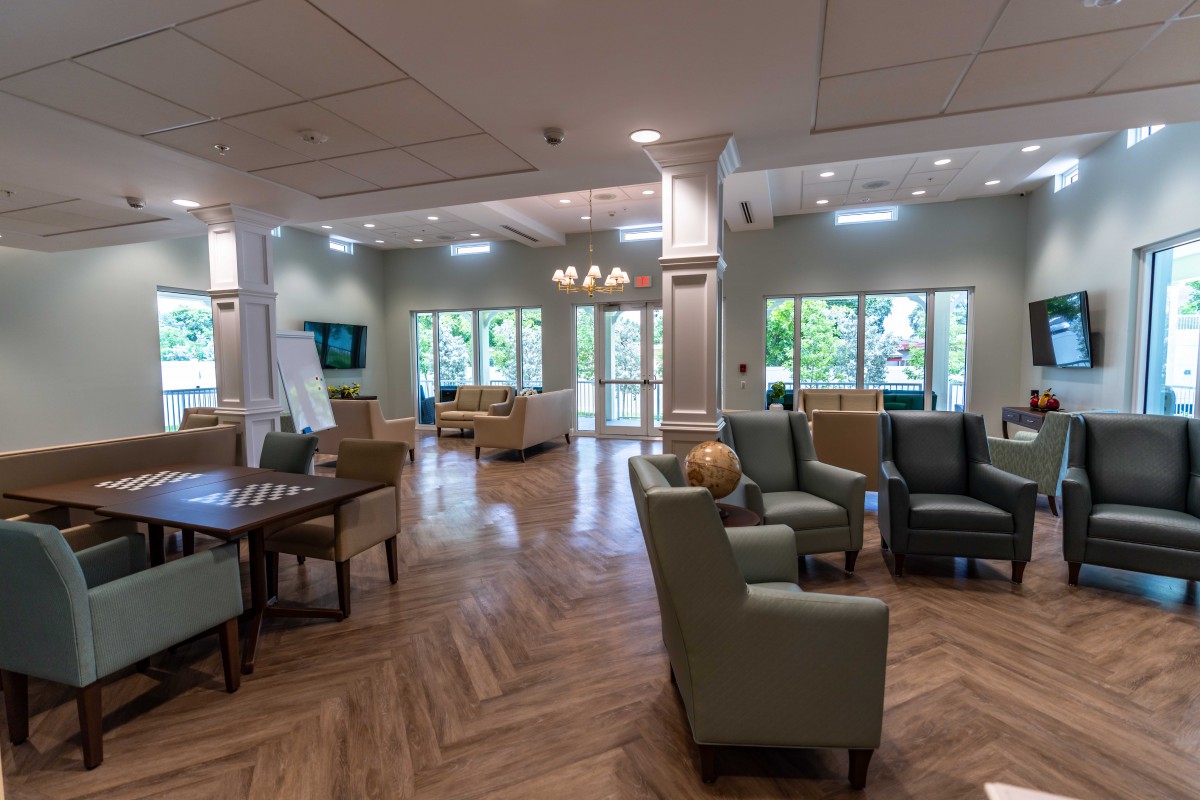
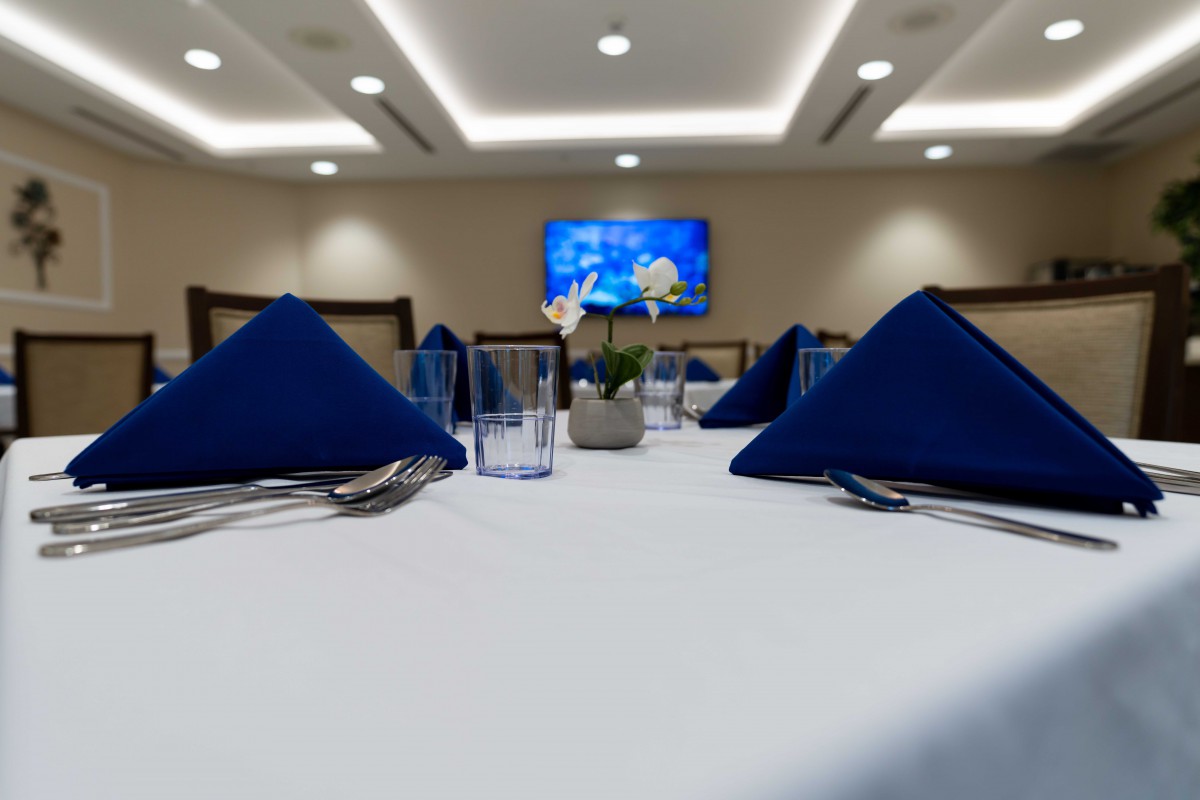
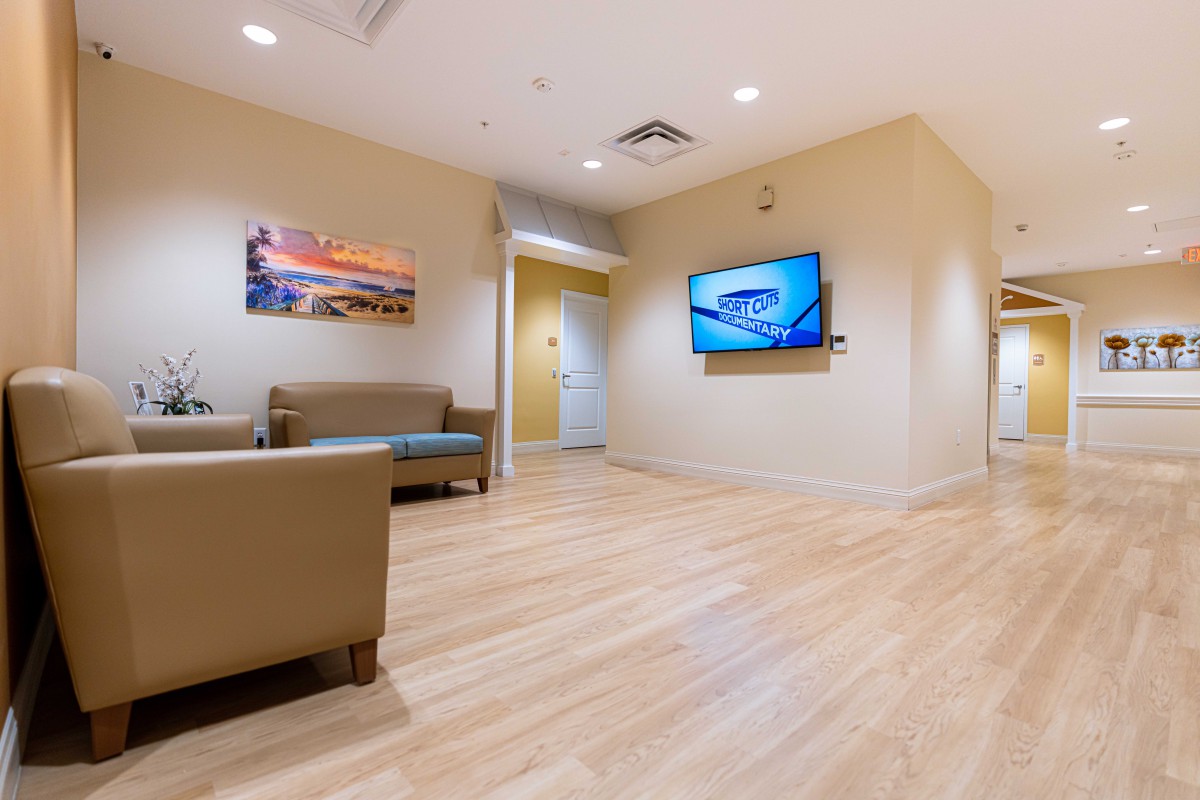
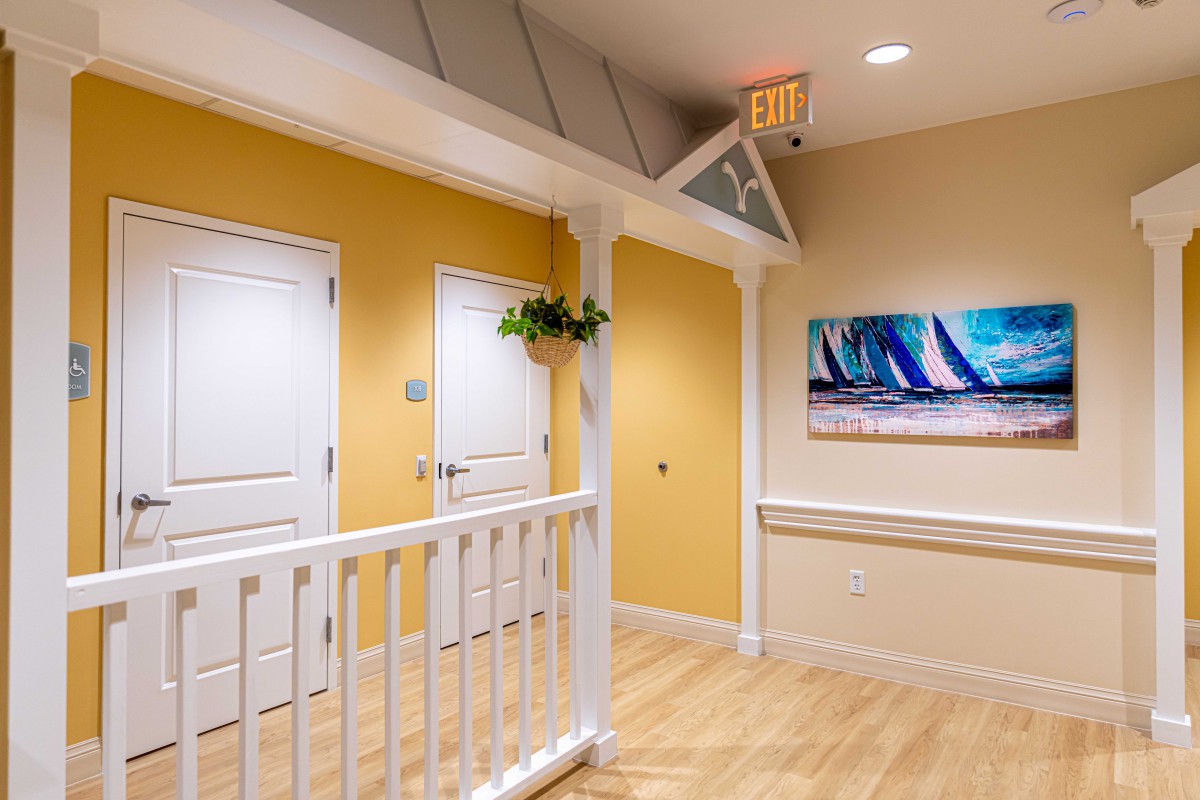
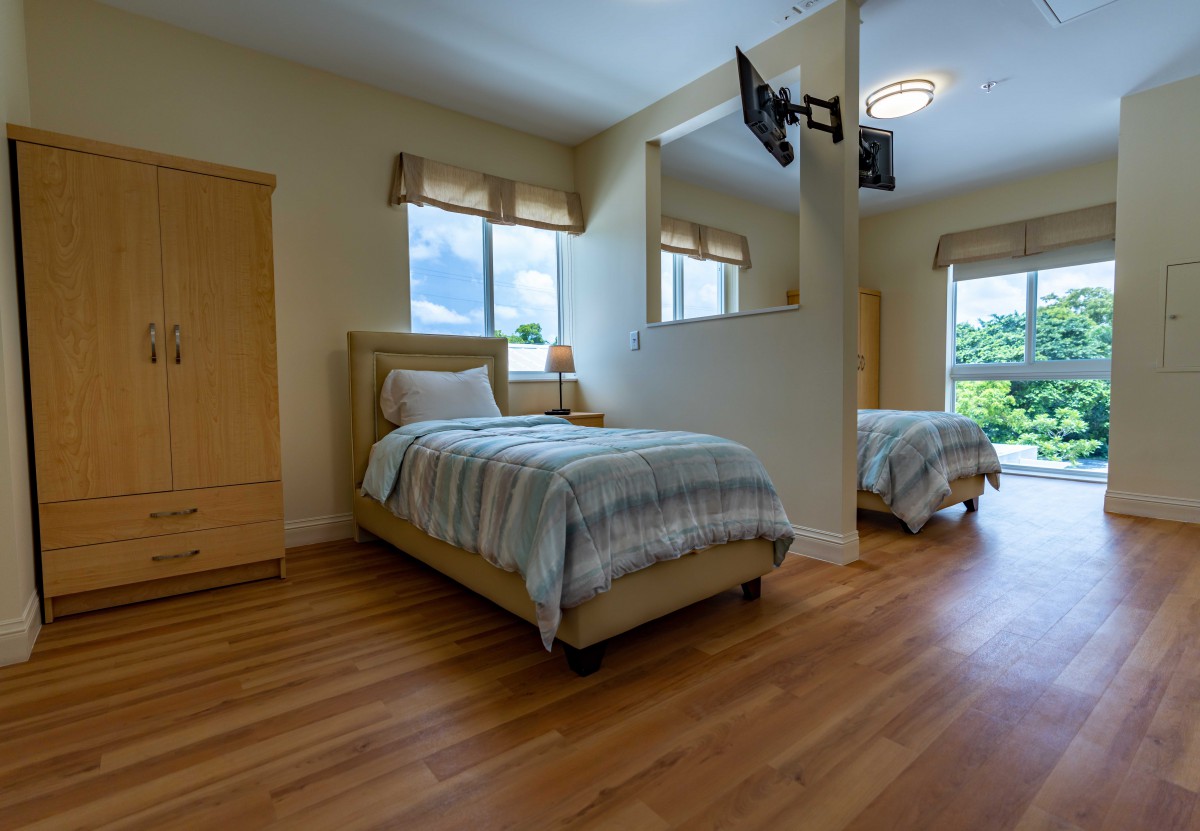
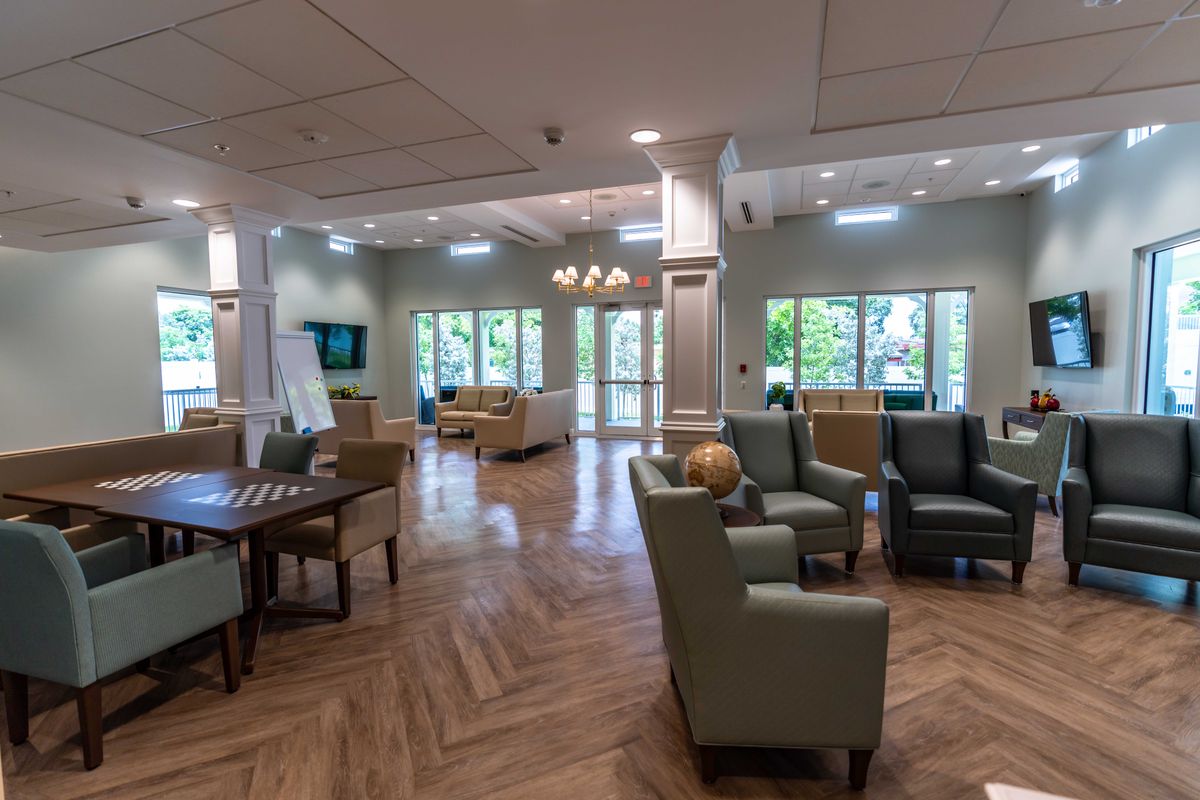
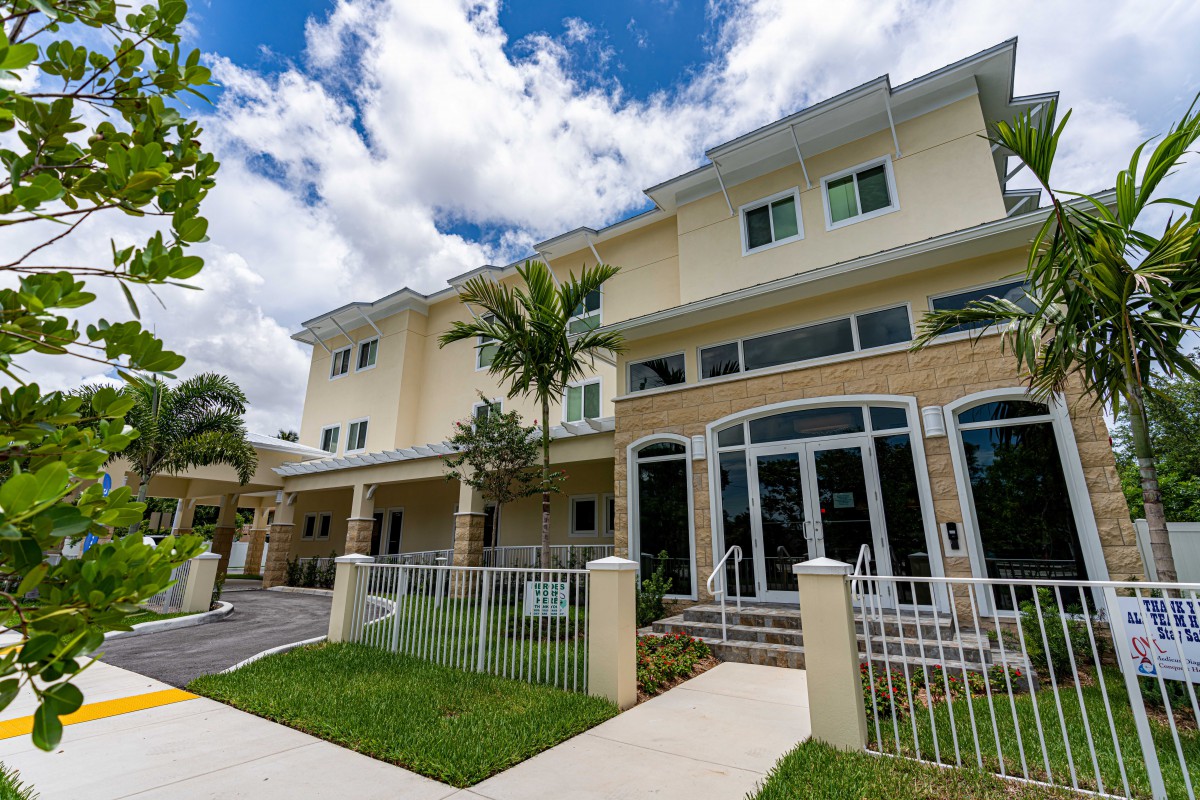
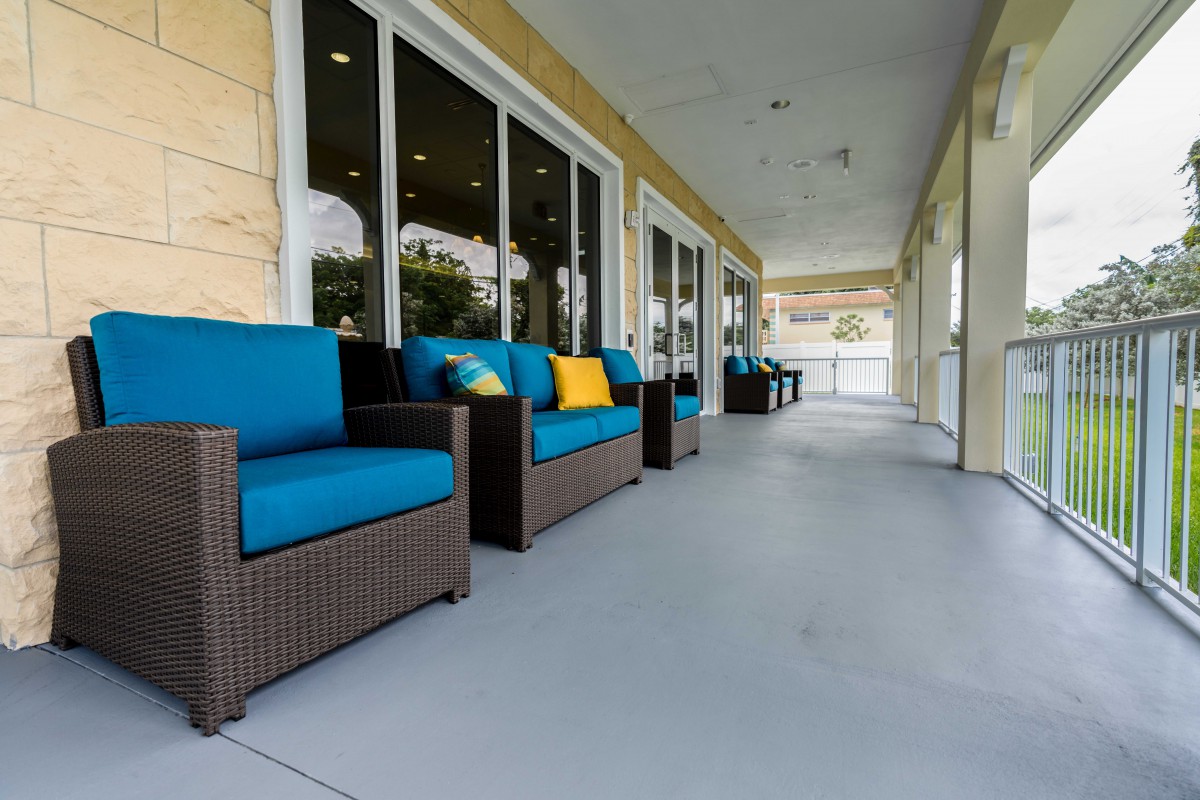
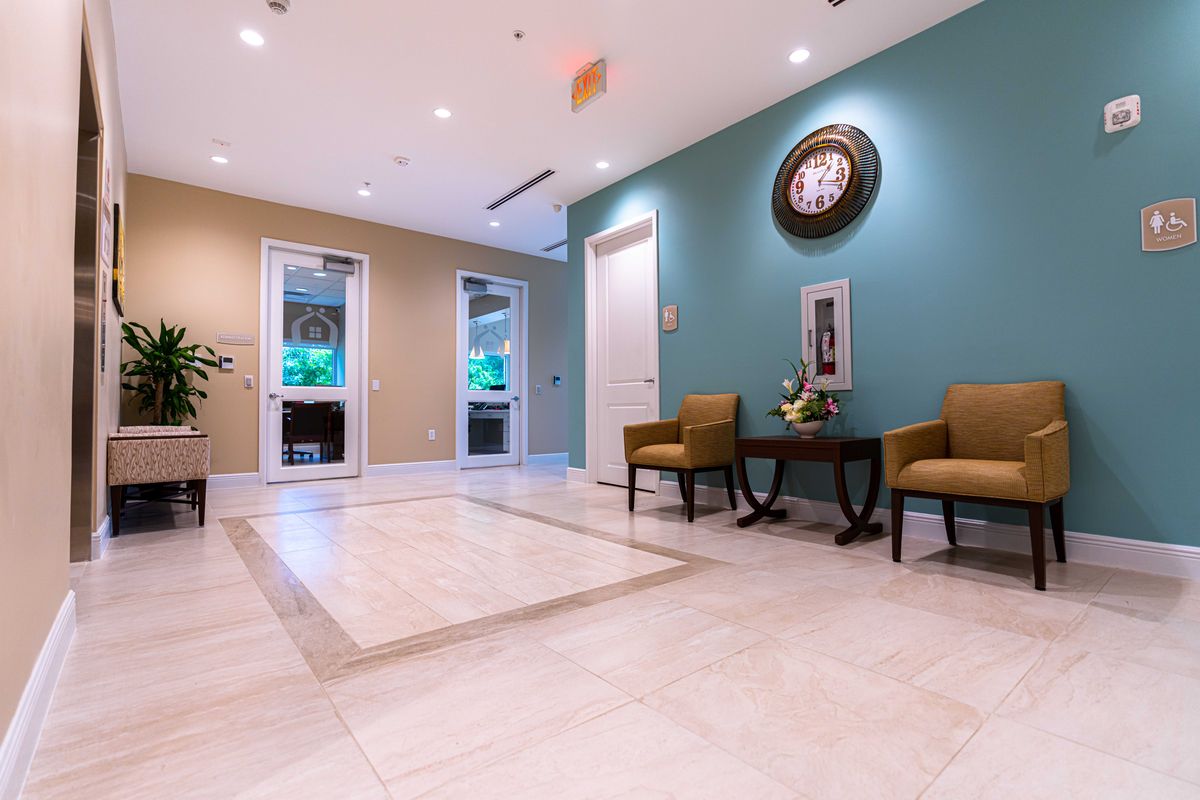
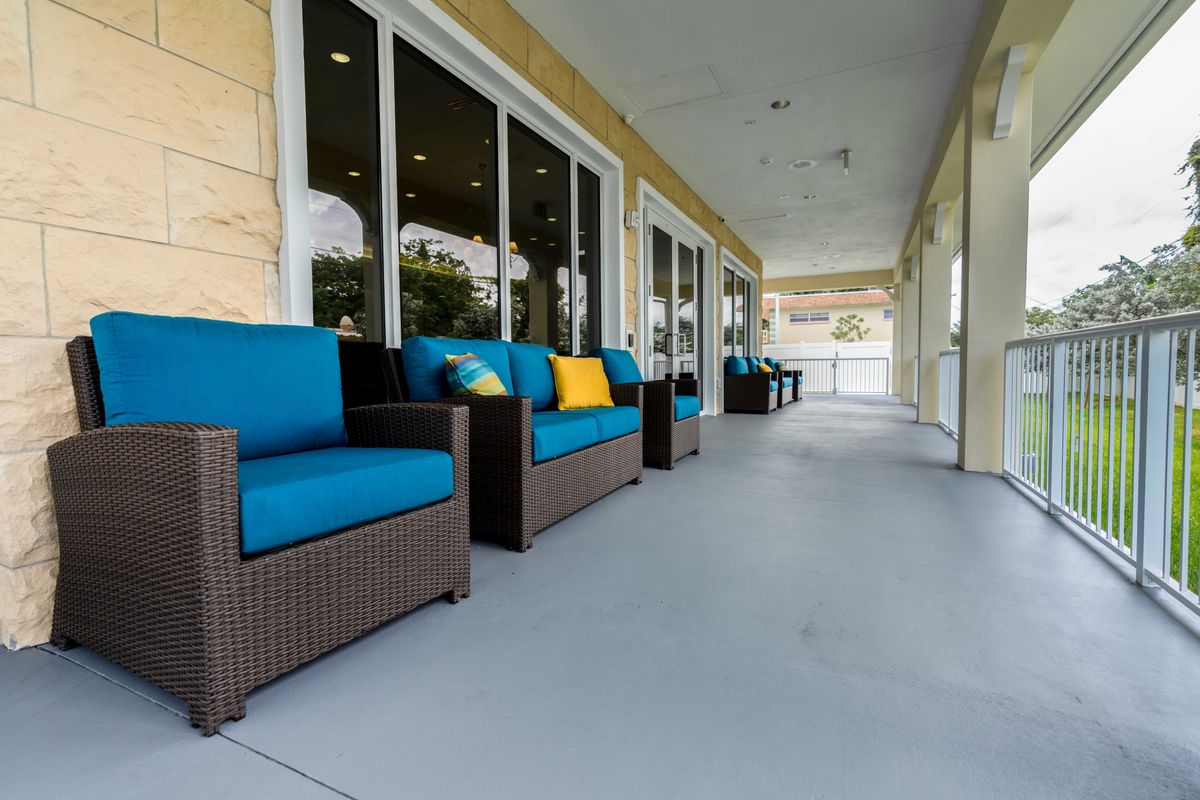
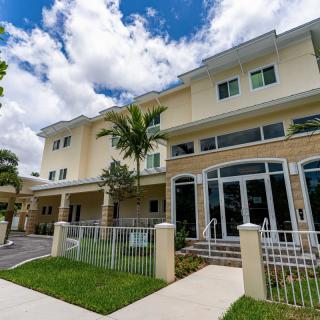
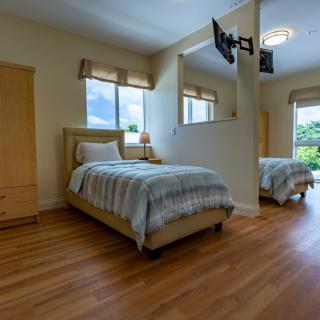
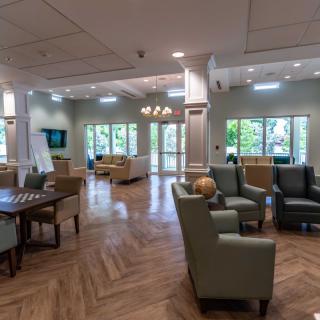
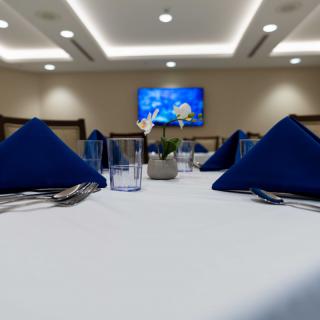
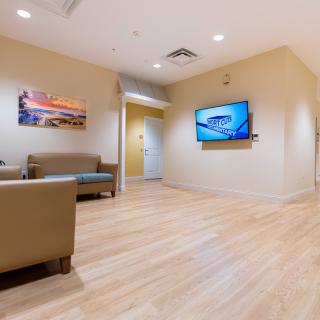
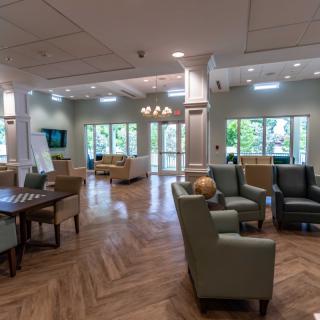
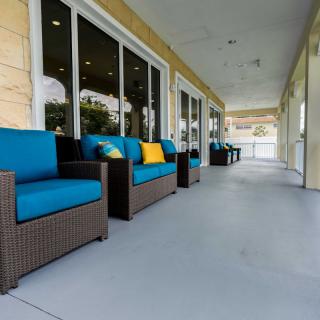
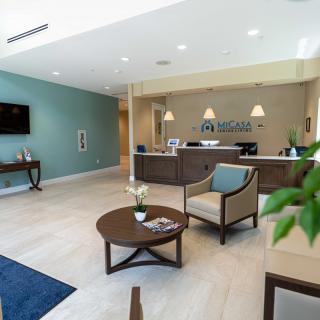
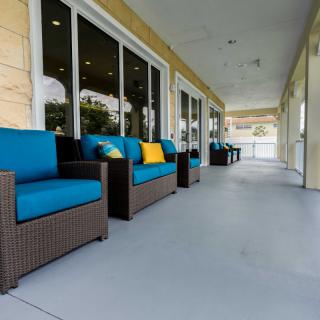
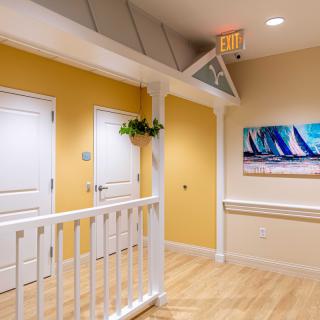
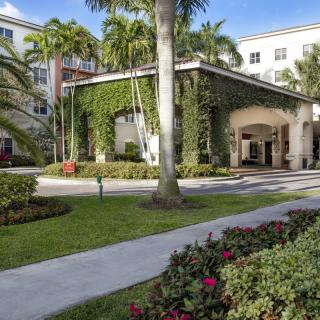
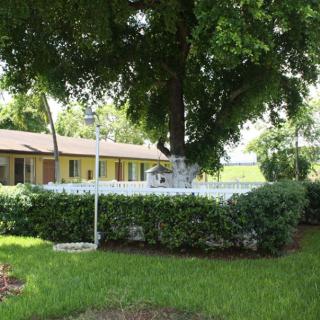
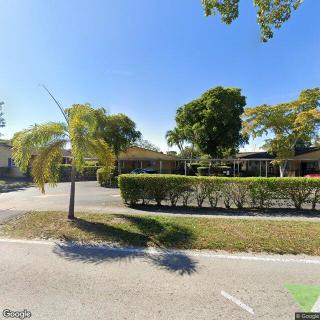
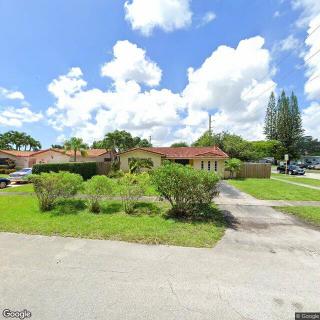
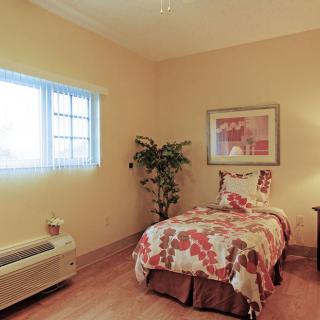
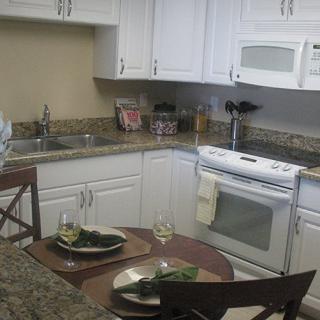
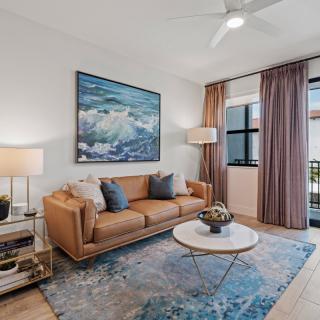
MiCasa Senior Living on seniors.fyi includes 19 photos including images showing dining, interior, decor, lobby, seating area, cooking, television, chandelier, and more.
Nearby Communities
Sheri-Jo Retirement Garden
Hollywood, FL
Excellent access to nearby amenities (cafes, parks, pharmacies, restaurants) and healthcare facilities in a tranquil Hollywood setting.
Avalon Park Retirement
Hollywood, FL
3.9 from 14 reviews
$2,300 to $2,800 / month
Caring, friendly staff delivering quality care at an affordable price.
Avalon Park Retirement Residence
Hollywood, FL
3.9 from 17 reviews
Friendly, attentive staff and clean, comfortable rooms.
A Loving Care Retirement Home
Hollywood, FL
4.6 from 8 reviews
Excellent access to dining, parks, pharmacies, and hospitals nearby.
All Dunn Assistant Living
Hollywood, FL
4 from 20 reviews
Inviting, home-like atmosphere with helpful, knowledgeable staff.
The England's Place
Hollywood, FL
3.9 from 55 reviews
Intimate setting with personalized attention (6-bed capacity).
Emerald Park Retirement
Hollywood, FL
3.2 from 74 reviews
$2,695 to $3,495 / month
Clean, well-maintained facility with friendly staff and engaging activities.
Five Star Premier Residences of Hollywood
Hollywood, FL
4.5 from 189 reviews
$3,160 to $4,235 / month
Friendly, attentive staff in a clean, well-maintained community with engaging activities and spacious apartments.
The Residences at Monterra Commons
Cooper City, FL
4.5 from 64 reviews
$2,340 to $2,937 / month
Competitive pricing for 1- and 2-bedroom units relative to Broward County and Florida averages, with extensive on-site amenities and activities.
Dementia, including Alzheimer’s disease, is often mischaracterized in terms of lethality as it leads to complications that can be fatal rather than being a direct cause of death; it causes a progressive decline in cognitive and physical health, making patients vulnerable to infections and other health crises. Effective management of nutrition, hydration, and communication is crucial in patient care, with palliative care becoming vital in advanced stages to enhance comfort and quality of life while caregivers play a key role amidst the challenges posed by the disease.
Reminiscence therapy helps individuals with dementia recall past memories through structured discussions and meaningful objects, enhancing mood, relationships, and sense of identity while celebrating their lives. It can be practiced in formal settings or at home, requiring sensitivity to personal histories and cultural backgrounds.
Reminiscence therapy is a structured method for older adults, especially those with dementia, to share life stories using prompts and sensory cues, fostering emotional well-being, social engagement, and self-identity. It aims to improve quality of life by enhancing interpersonal connections and cognitive stimulation while requiring careful facilitation to avoid distressing memories.
Get PricingAsk A QuestionSchedule A TourContact Senior Advisor
By clicking submit, you agree to our Partner's Terms of Use. You
also consent to receive calls and texts, which may be autodialed, from our Partner. Your consent is not a condition to
using our Partner's service. Please visit our Partner's Privacy Policy for information about their privacy practices.





 44 resident community capacity
 Assisted Living
 Memory Care
 Activities off-site
 Beauty salon
 Cable or satellite TV
 Devotional services off-site
 Dining room
 Fully furnished
 Garden
 Housekeeping services
 Indoor common areas
 Kitchenette
 Laundry
 Move-in coordination
 Outdoor common areas
 Respite or short term stays offered
 Telephone
 Wheelchair accessible showers
 Wi-Fi/high-speed internet available
 Fort Lauderdale-Hollywood International (5 miles away)
 24-hour call system
 Ambulatory care
 Assistance with bathing
 Assistance with dressing
 Assistance with transfers
 Diabetes diet
 Diabetic care
 Hospice waiver
 Incontinence care
 Meal preparation and service
 Medication management
 Mental wellness program
 Special dietary restrictions
 Transportation arrangement (medical)
 Transportation to doctors appointments
 Art classes
 Brain fitness
 Cooking classes
 Day trips and outings
 Educational speakers / life long learning
 Karaoke
 Stretching classes
 Trivia games
 Wine tasting
 English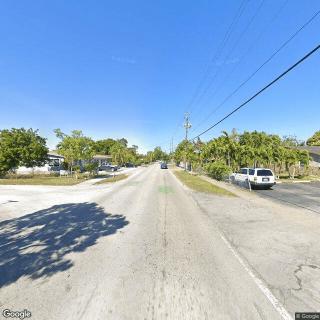
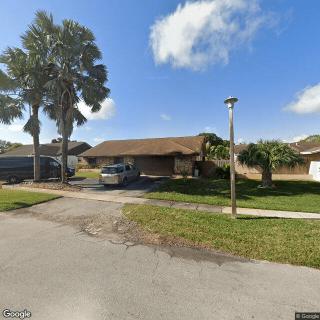
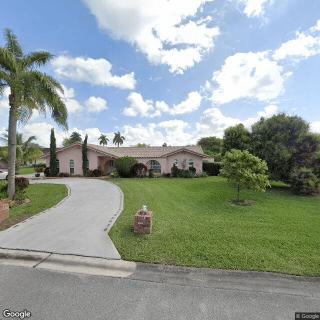
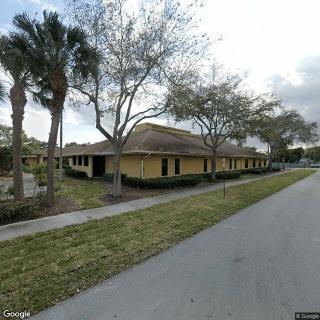
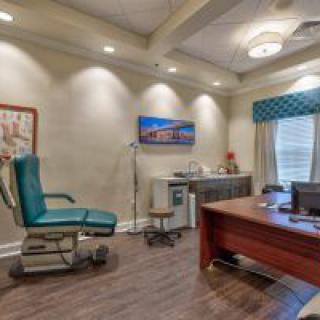
 Excellent access to nearby amenities (cafes, parks, pharmacies, restaurants) and healthcare facilities in a tranquil Hollywood setting.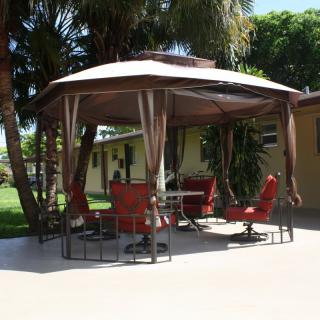

 Are Dementia and Alzheimer's Disease Lethal? A Comprehensive Exploration
 Exploring the Power of Reminiscence Therapy for Individuals With Dementia
 An In-Depth Look at Reminiscence Therapy in Dementia Care