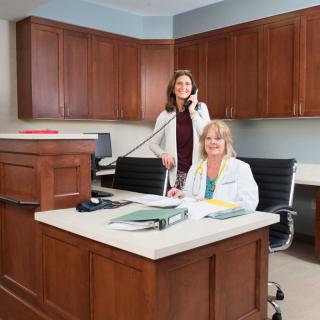
Residents and visitors repeatedly describe staff as friendly, helpful, and caring.
Across the reviews, people describe staff who are polite, pleasant, and easy to ask for help. Multiple comments also mention nurses and caregivers being attentive and supportive, including when families were worried about care needs. A few reviews also contrast positive day-to-day interactions with moments when communication or follow-through felt lacking.
common22 reviews mention this
Cleanliness and upkeep stand out
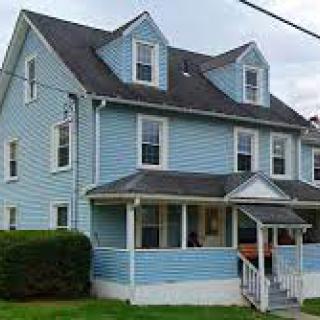
The facility’s cleanliness and maintenance are a frequent point of praise.
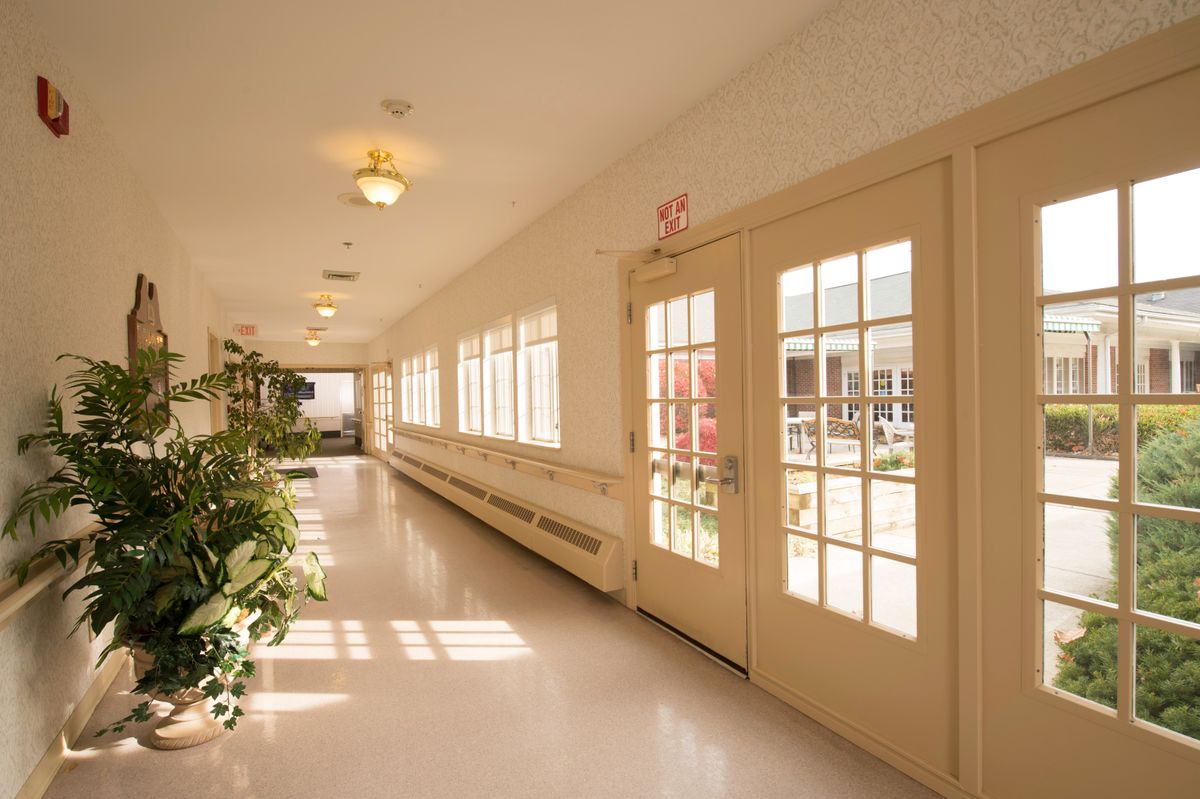
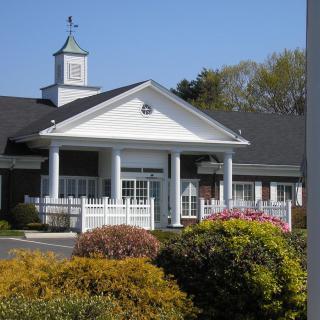
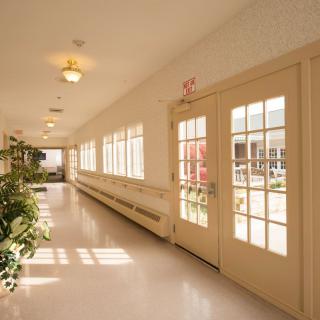
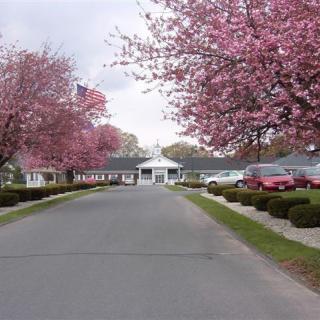
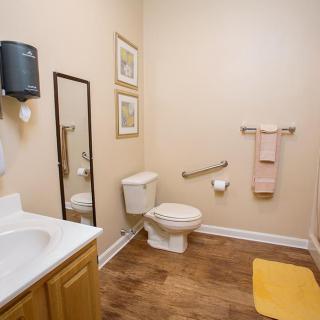
Many reviewers explicitly call out how clean the building is, including hallways, rooms, and common areas. Several also note the facility is well maintained and described it as spotless or very clean even compared with other places they’ve experienced. Outside spaces and gardens/landscaping also come up as part of the overall impression of upkeep.
differentiator16 reviews mention this
Rehab care and therapy support
Reviews frequently highlight rehabilitation therapy and visible progress.
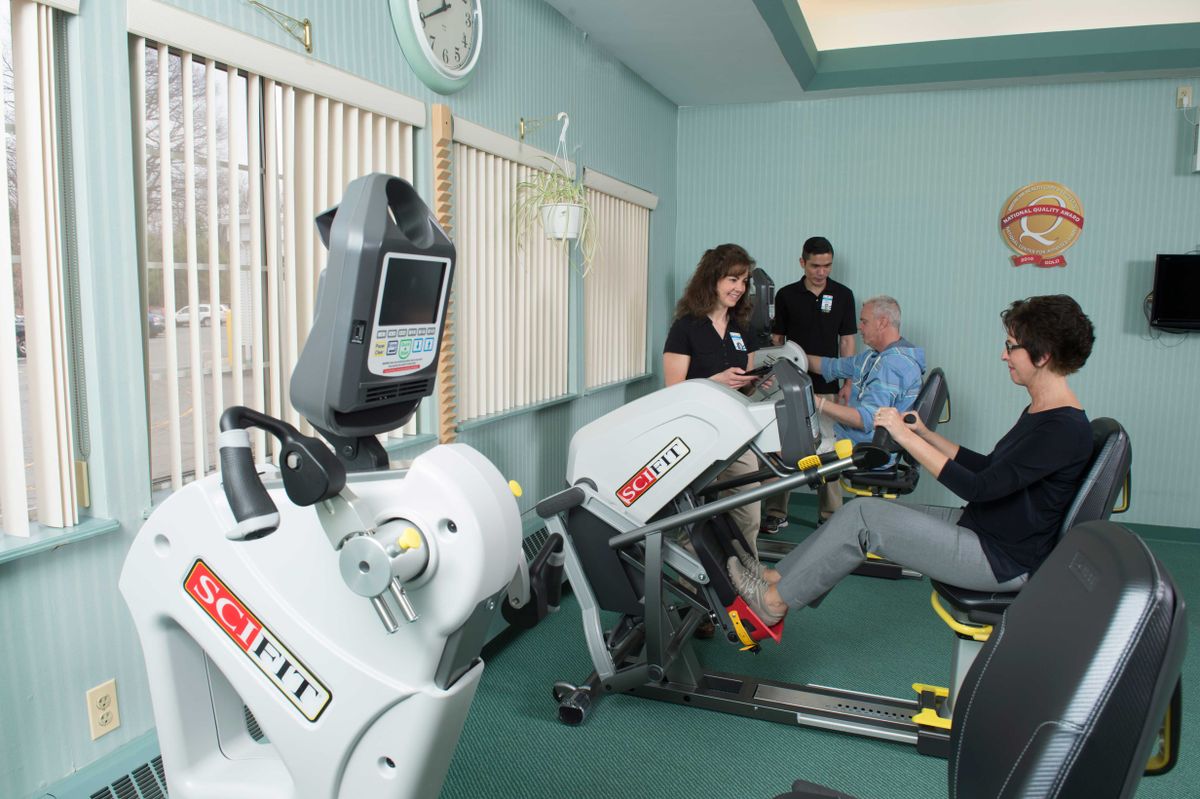
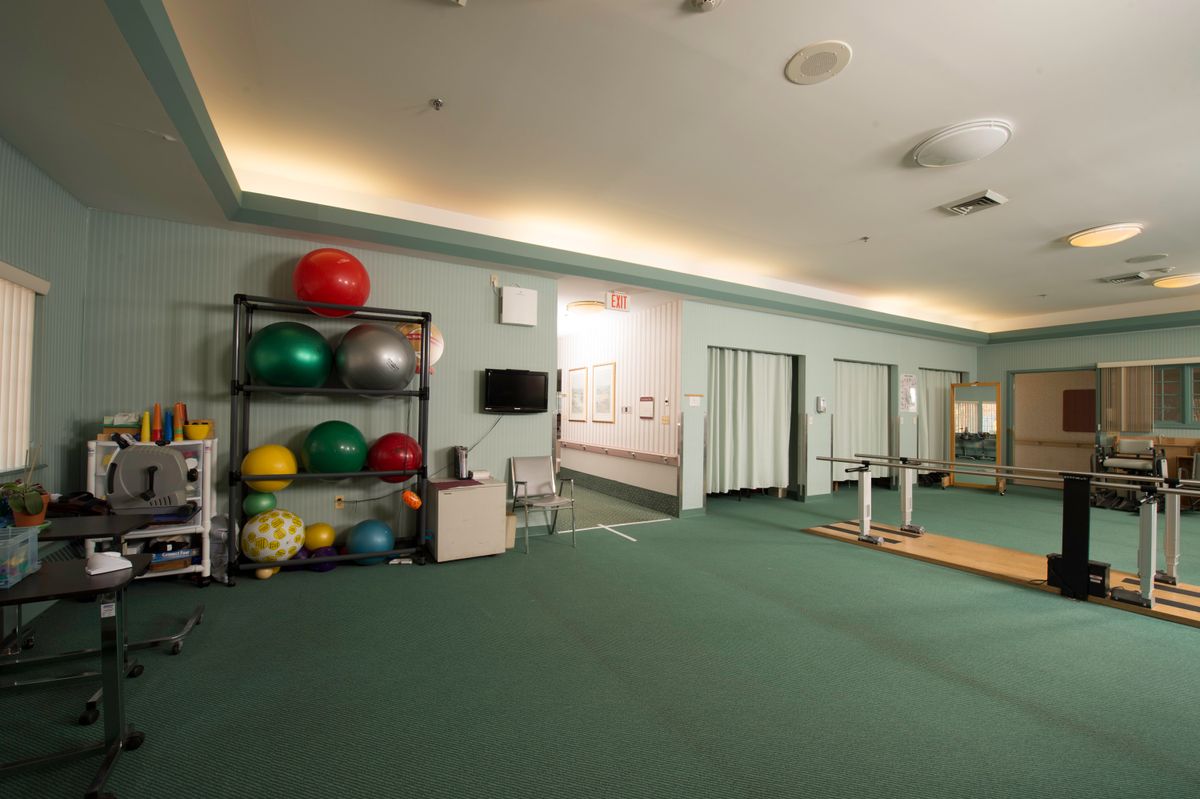
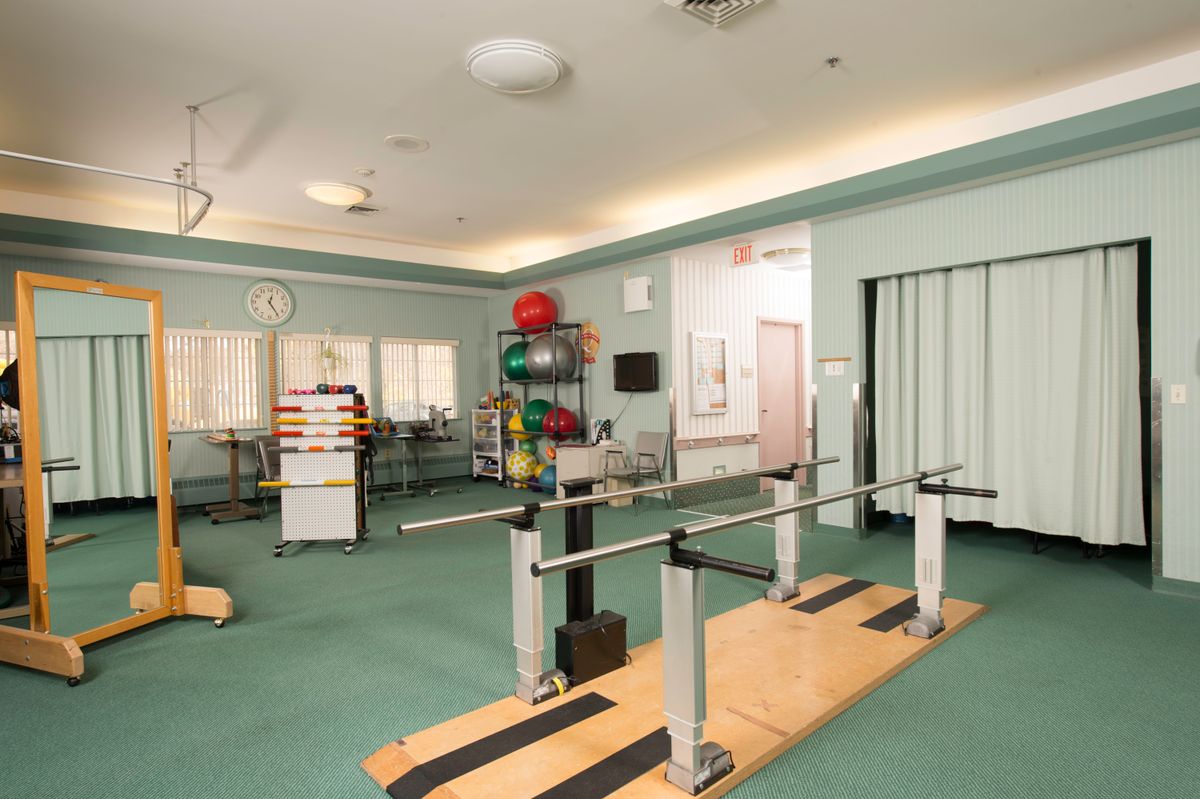
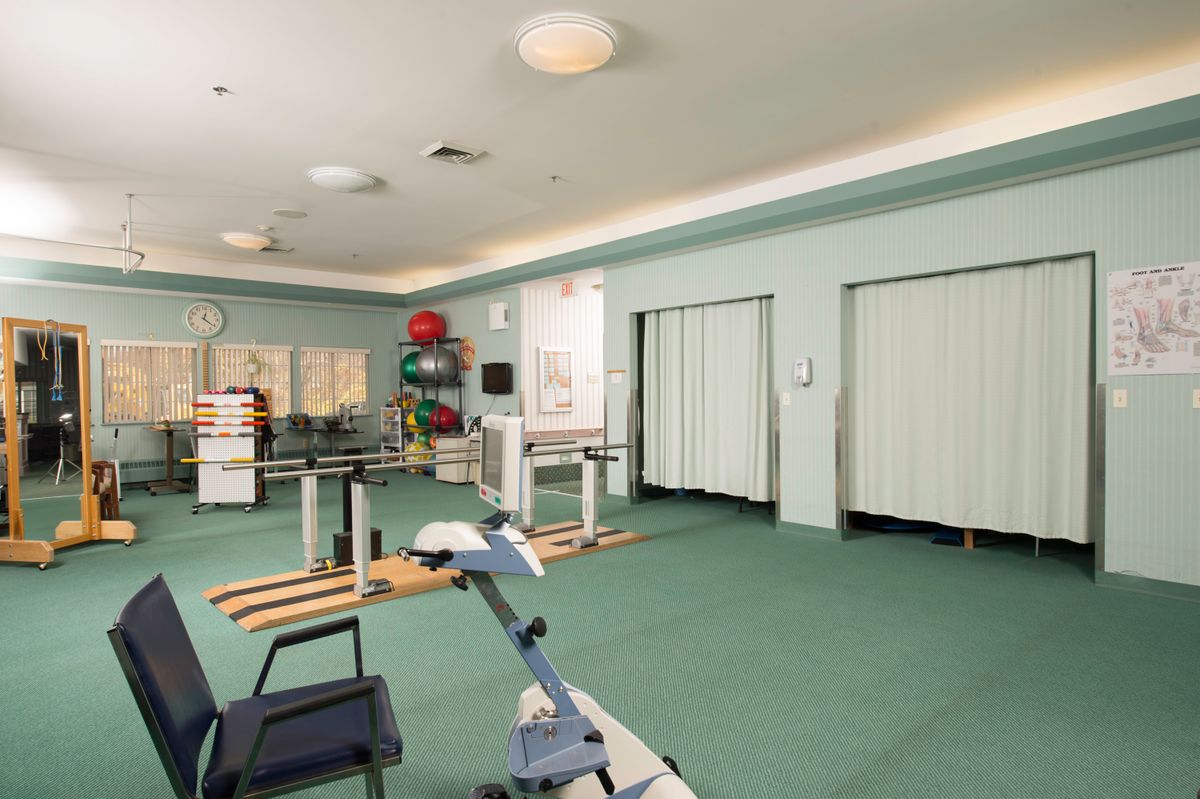
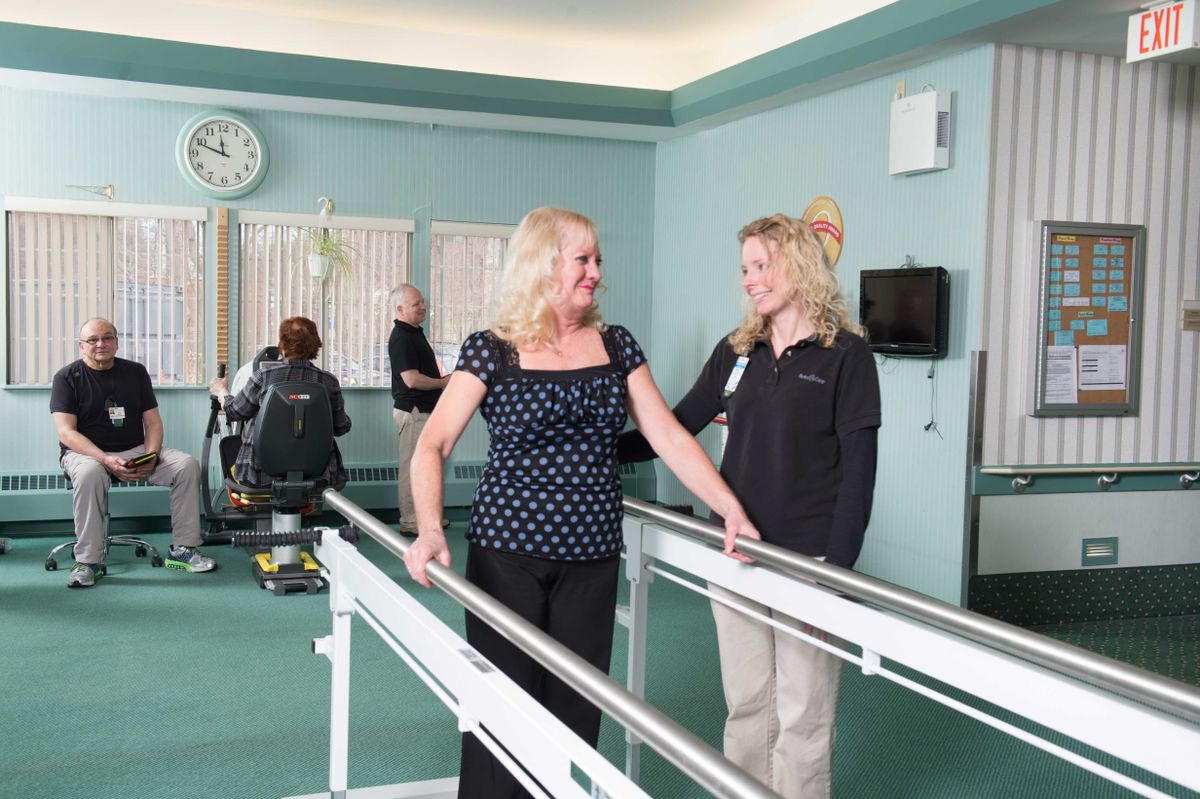
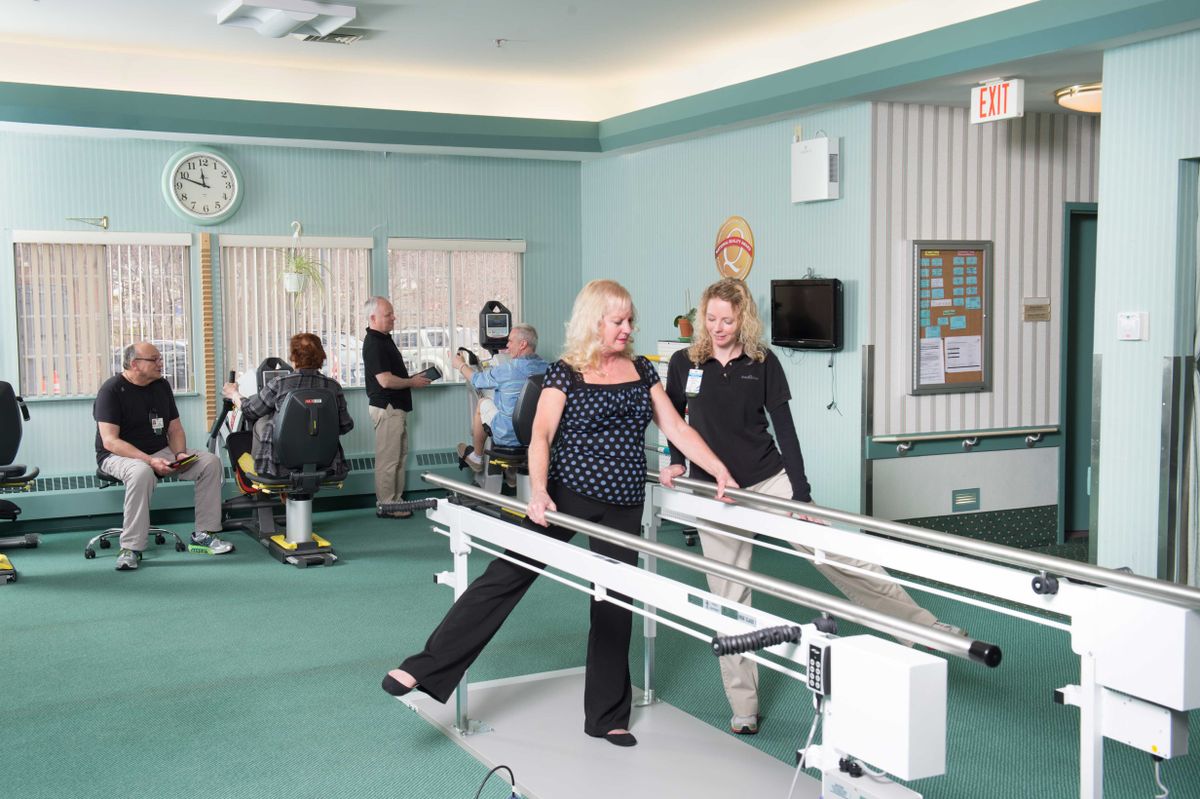
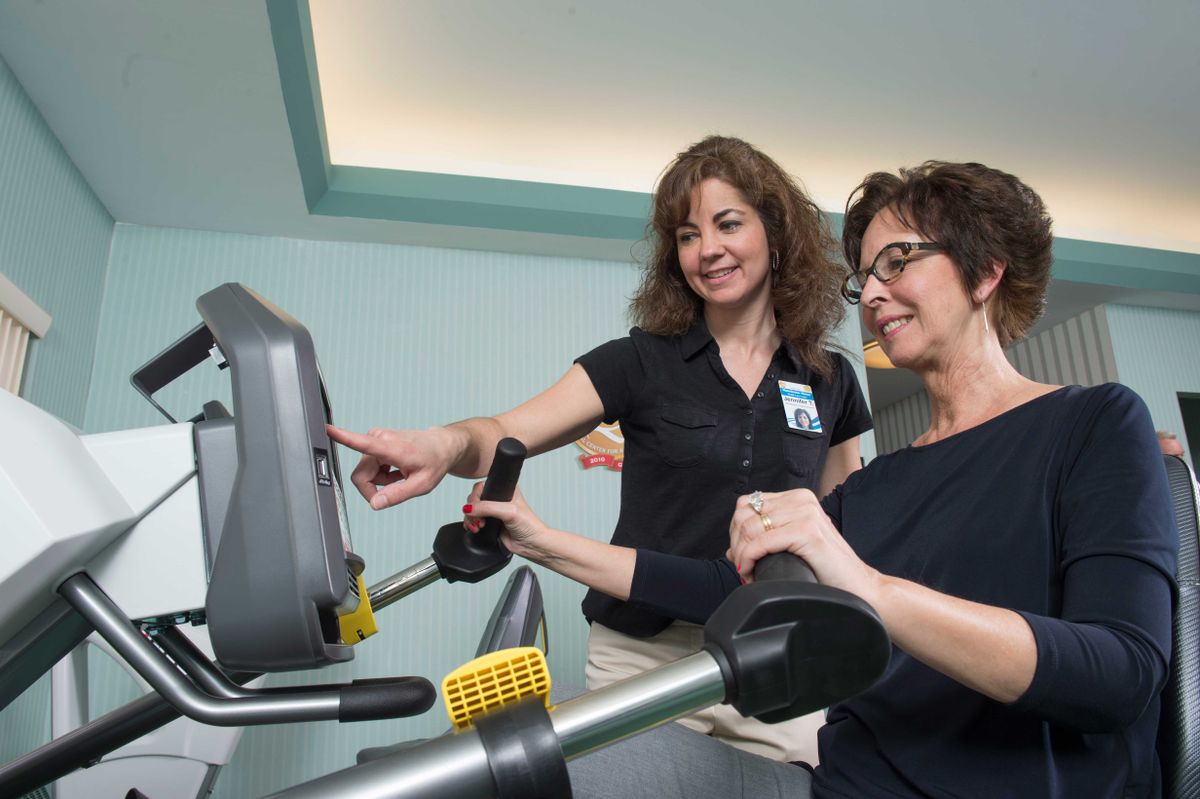
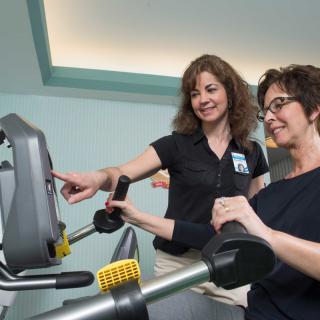
Several residents and visitors mention physical therapy and occupational therapy as part of the experience, including feeling cared for during recovery. One visitor describes a physical therapist by name and talks about sessions that left them feeling put together. Others describe progress and rehabilitation as a clear reason families felt comfortable after admissions or falls.
common6 reviews mention this
Meals and dining feel positive
Residents and visitors mention meals as an area that works well.
Some reviews include direct praise for lunch or for food overall, describing it as good or as part of a positive daily routine. There’s also a review expressing concern about whether a loved one was eating independently, which shows dining support may be a question some families watch closely. The community’s meal preparation and nutrition support are reflected in what residents are seen receiving.
common7 reviews mention this
Activities and outdoor spaces
People appreciate ways to keep residents active and enjoy the setting.
Reviews mention activities that help residents stay engaged, including resident activities and a desire to keep people active. Outdoor areas and gardens are also described positively, including places families enjoyed sitting outside during visits. Several comments tie this to what visitors noticed about daily life beyond medical care.
caveat6 reviews mention this
Communication and care delays vary
A smaller set of reviews raises concerns about communication and timeliness.
A few reviewers describe moments when they felt staff did not respond quickly enough, including during assistance needs. Others describe more serious issues during stays, including family members feeling ignored or requesting follow-up that did not happen as expected. One review also mentions a billing concern and another expresses worry about feeding assistance, highlighting that experiences can differ by situation and timing.
How we summarize
Counts show how many written reviews mention each theme; a review can touch several themes, and only frequently mentioned themes are displayed.
Features
Housing
126 resident community capacity
Types of Care
Assisted Living
Amenities
Air-conditioning
Beauty salon
Cable or satellite TV
Computer center
Dining room
Fitness room
Fully furnished
Gaming room
Garden
Housekeeping services
Kitchenette
Move-in coordination
Outdoor space
Private bathrooms
Restaurant-style dining
Small library
Telephone
Wellness center
Wi-Fi/high-speed internet available
Transportation
Bradley International (13 miles away)
Community operated transportation
Transportation arrangement
Transportation arrangement (non-medical)
Transportation to doctors appointments
Care Services
12-16 hour nursing
24-hour call system
24-hour supervision
Activities of daily living assistance
Assistance with bathing
Assistance with dressing
Assistance with transfers
Diabetes diet
Meal preparation and service
Medication management
Mental wellness program
Special dietary restrictions
Dining
Diabetes diet
Special dietary restrictions
Activities
Community-sponsored activities
Concierge services
Fitness programs
Planned day trips
Resident-run activities
Scheduled daily activities
Nearby Places of Interest
Restaurants
McDonald's (0.7 miles)
Pepe's Restaurant & Lounge (1.1 miles)
Elicit Brewing (1.4 miles)
Center Perk (1.6 miles)
Buckland Billiards & Bar (1.9 miles)
Sonic Drive-In (2 miles)
Joey Garlic's (2.1 miles)
Physicians
Prohealth Physicians Imaging (0.8 miles)
Manchester Orthopedic Surgery & Sports Medicine (1.6 miles)
ABC Pediatrics (1.6 miles)
Suede Surgical Care (1.8 miles)
Connecticut Cardiology Center, PC (1.9 miles)
Advanced Orthopaedics and Sports Medicine PC (1.9 miles)
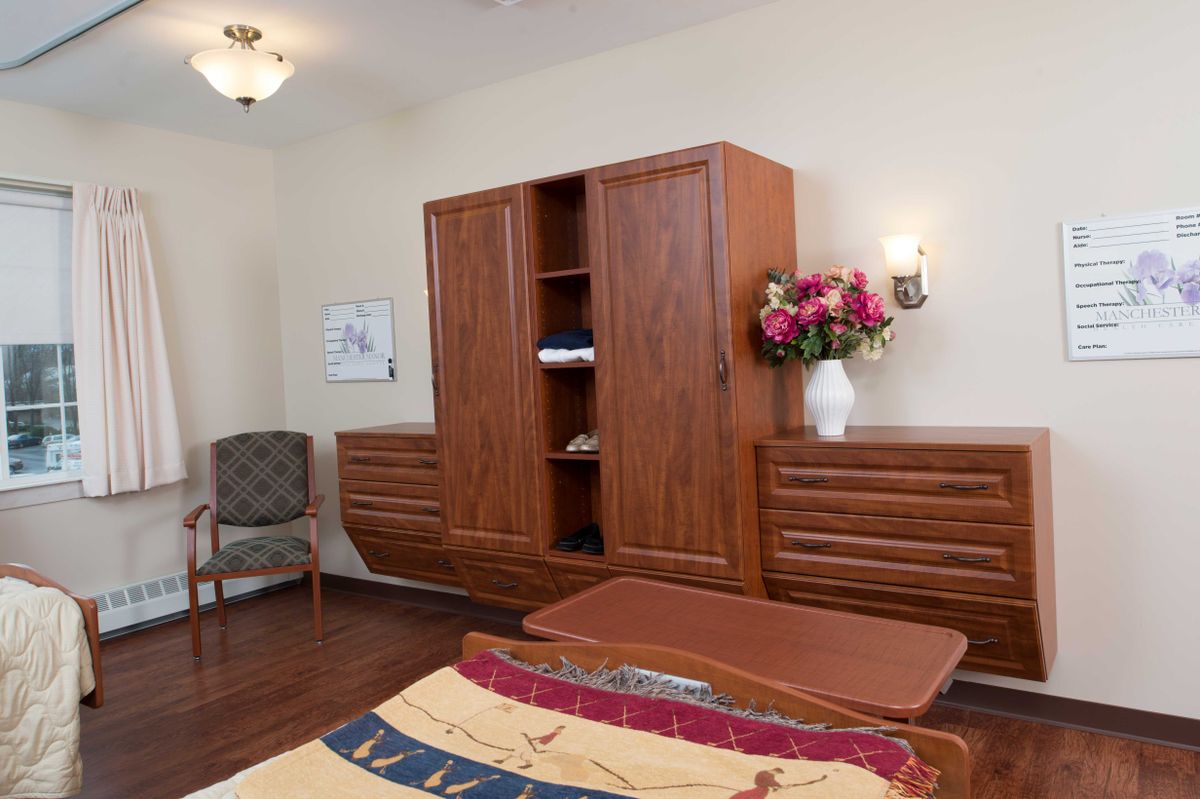
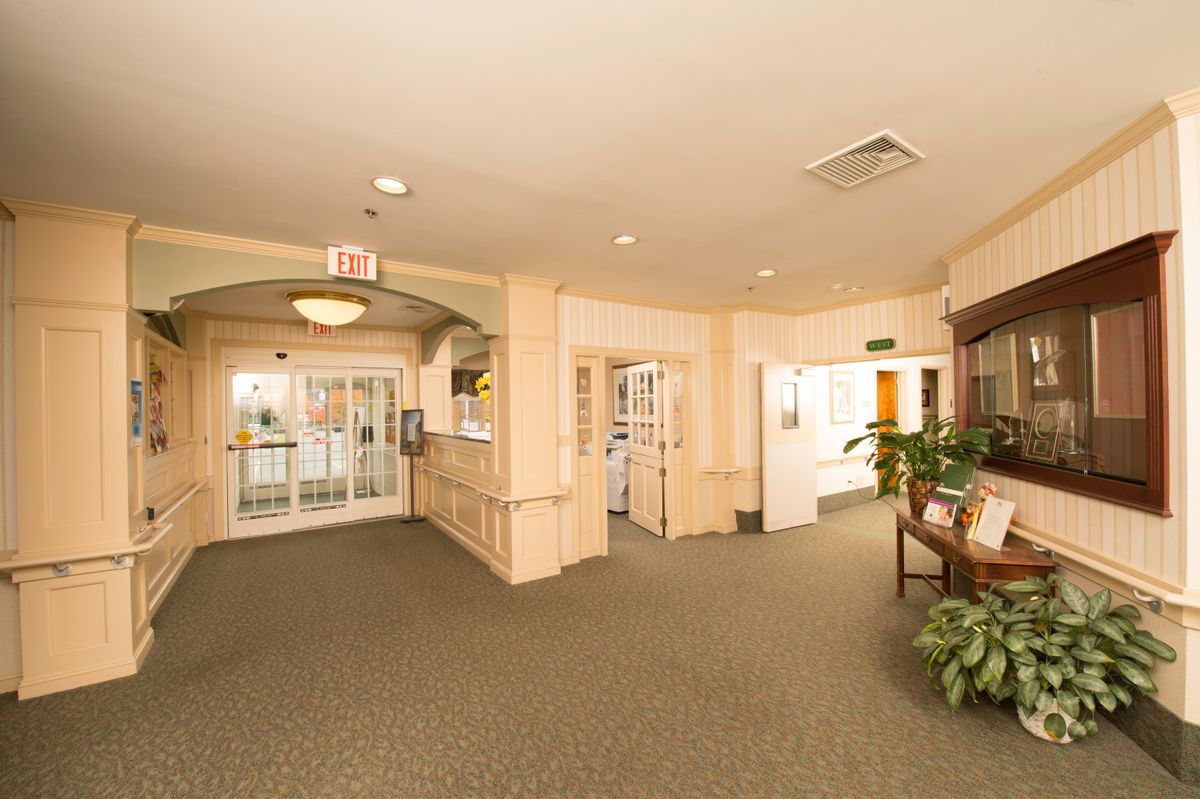
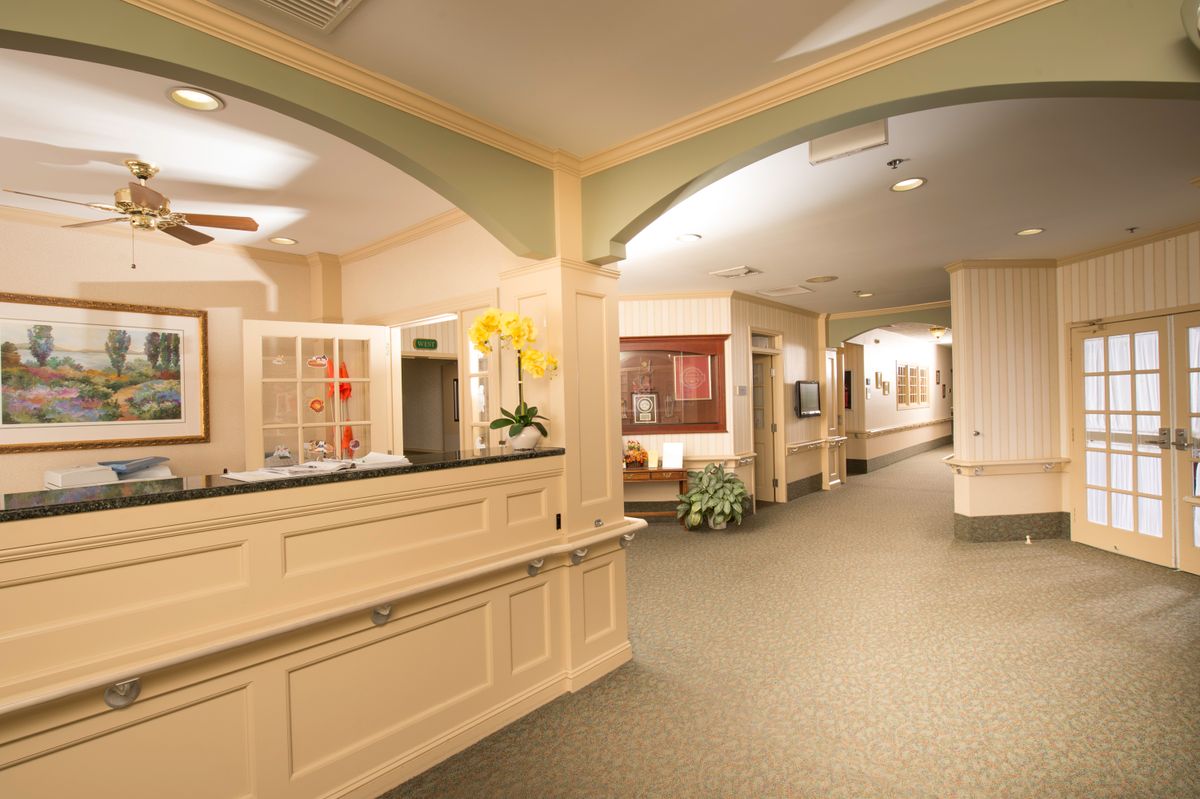
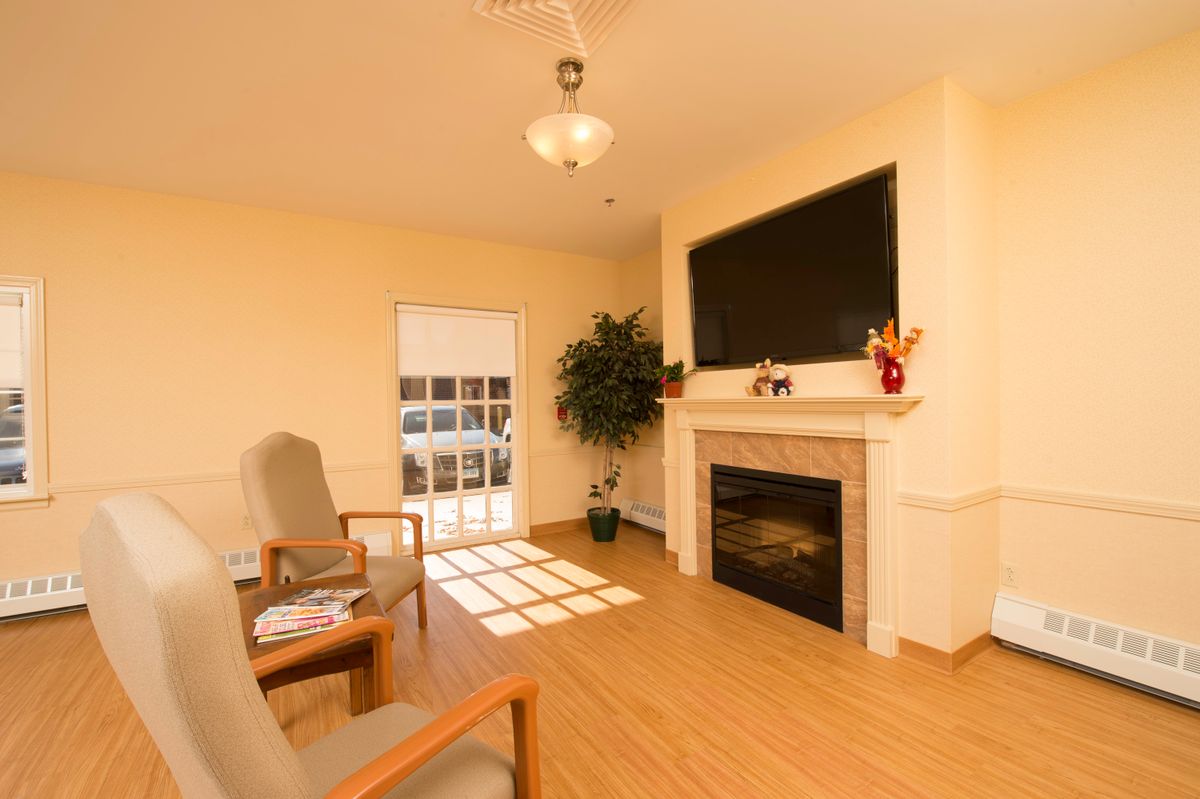
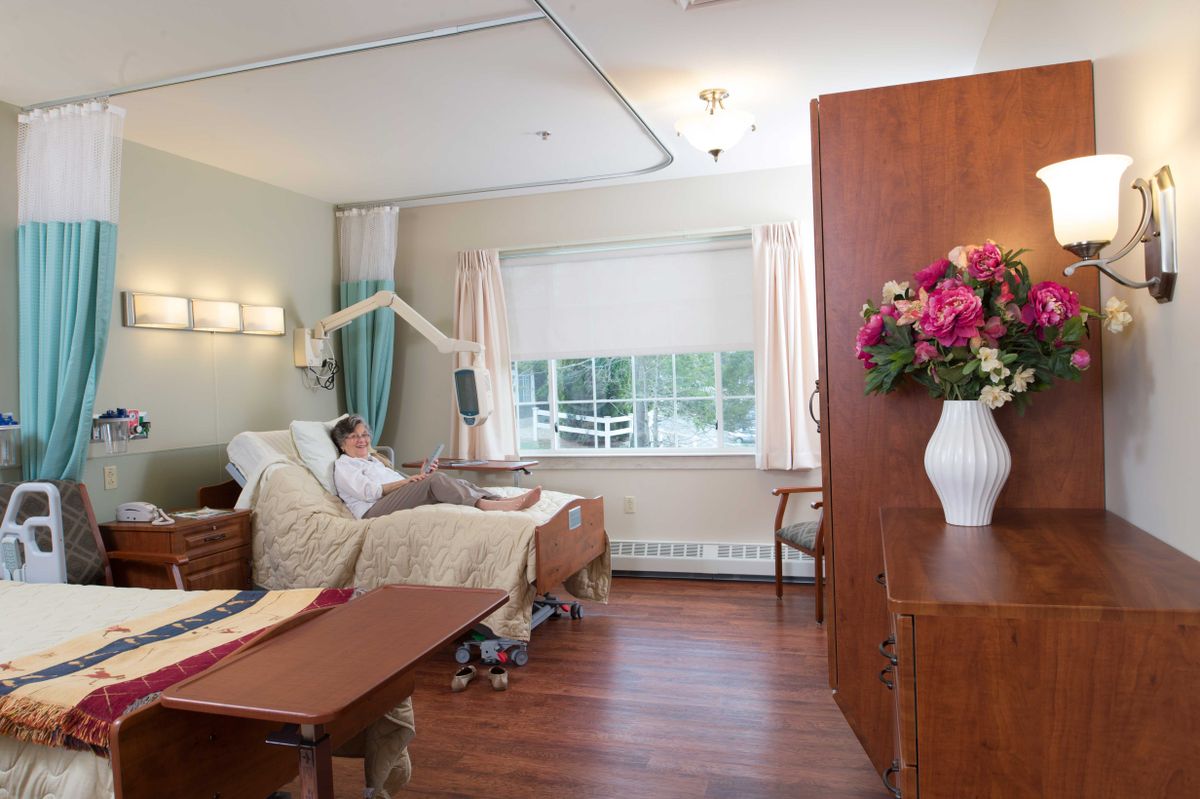
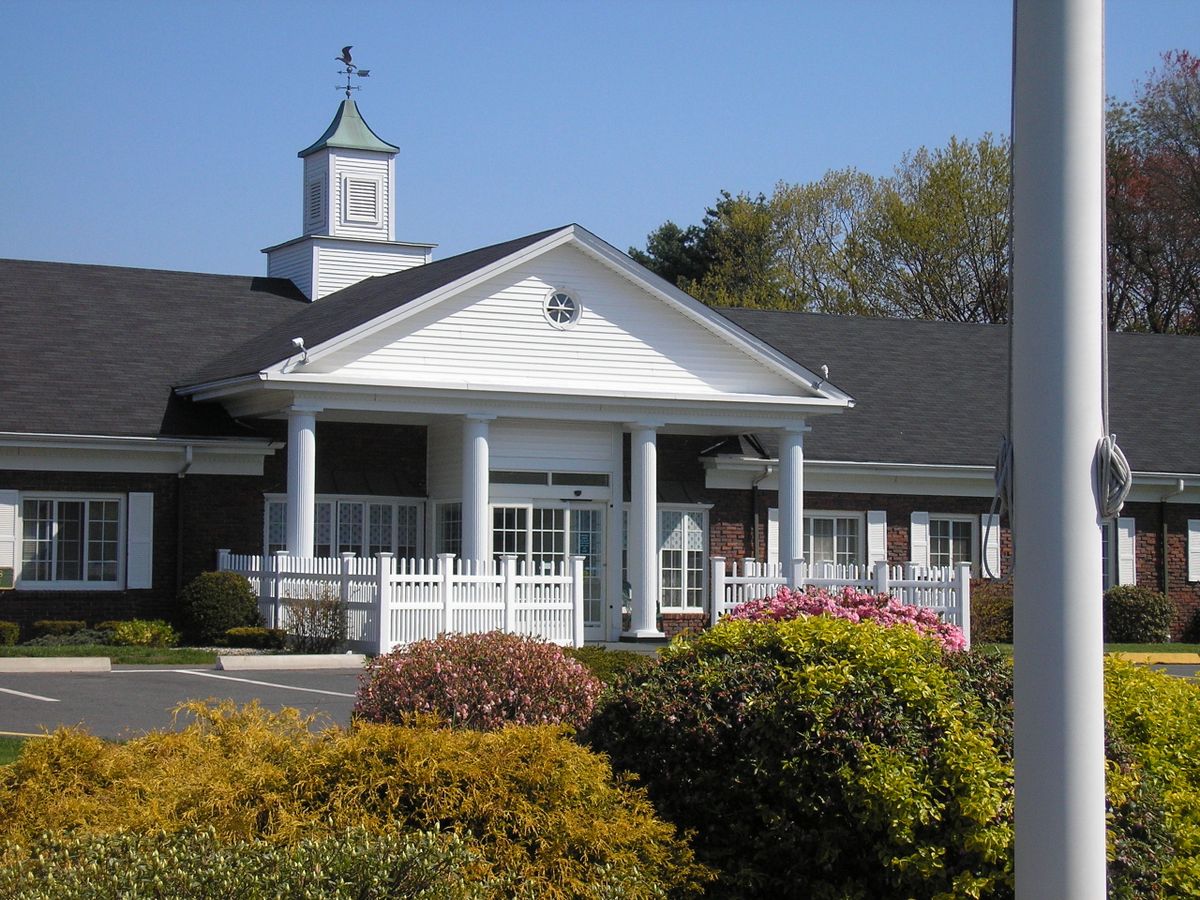
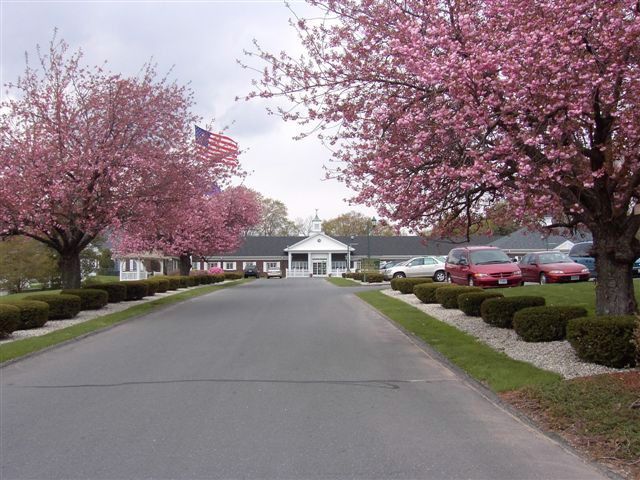
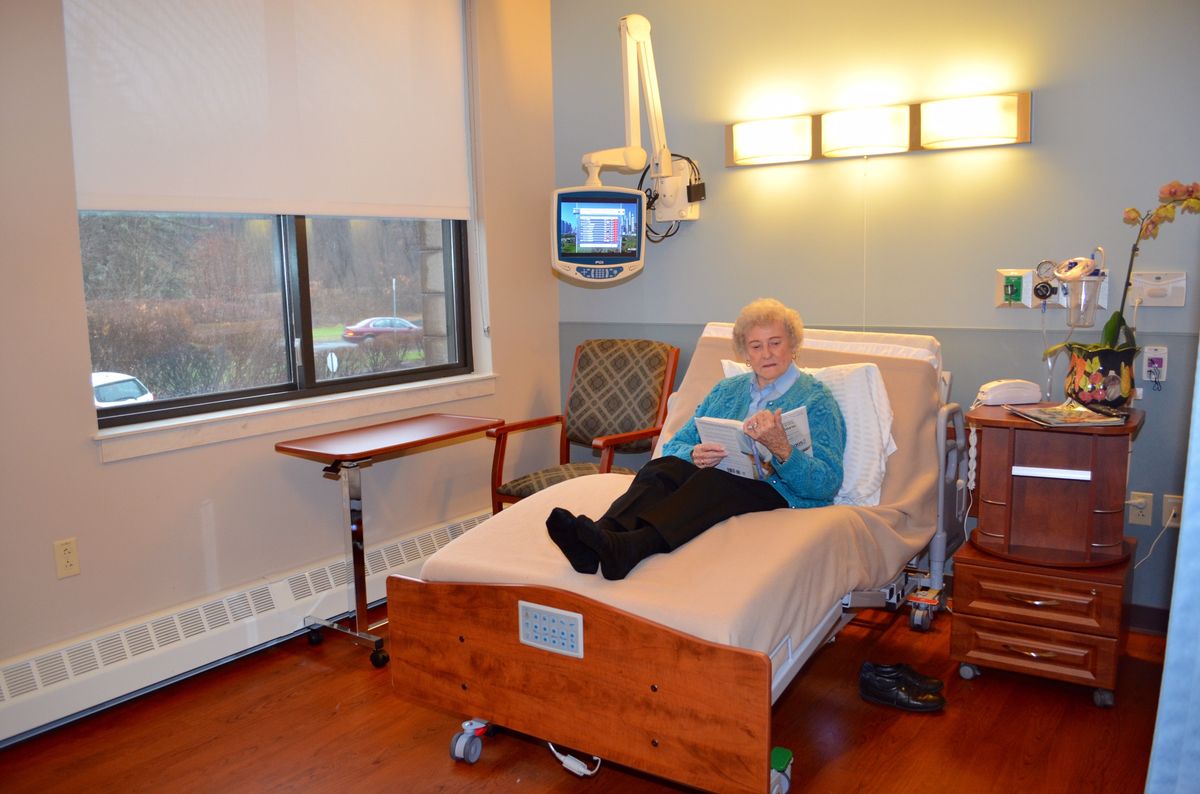
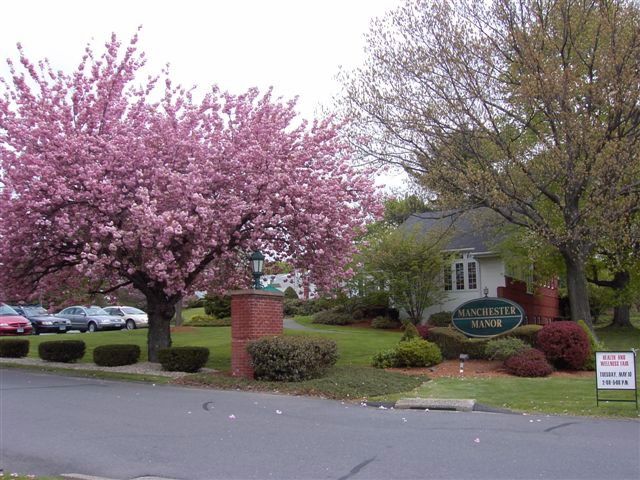
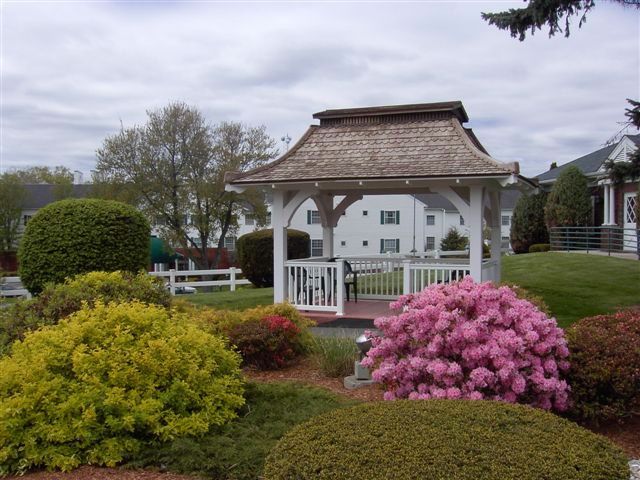
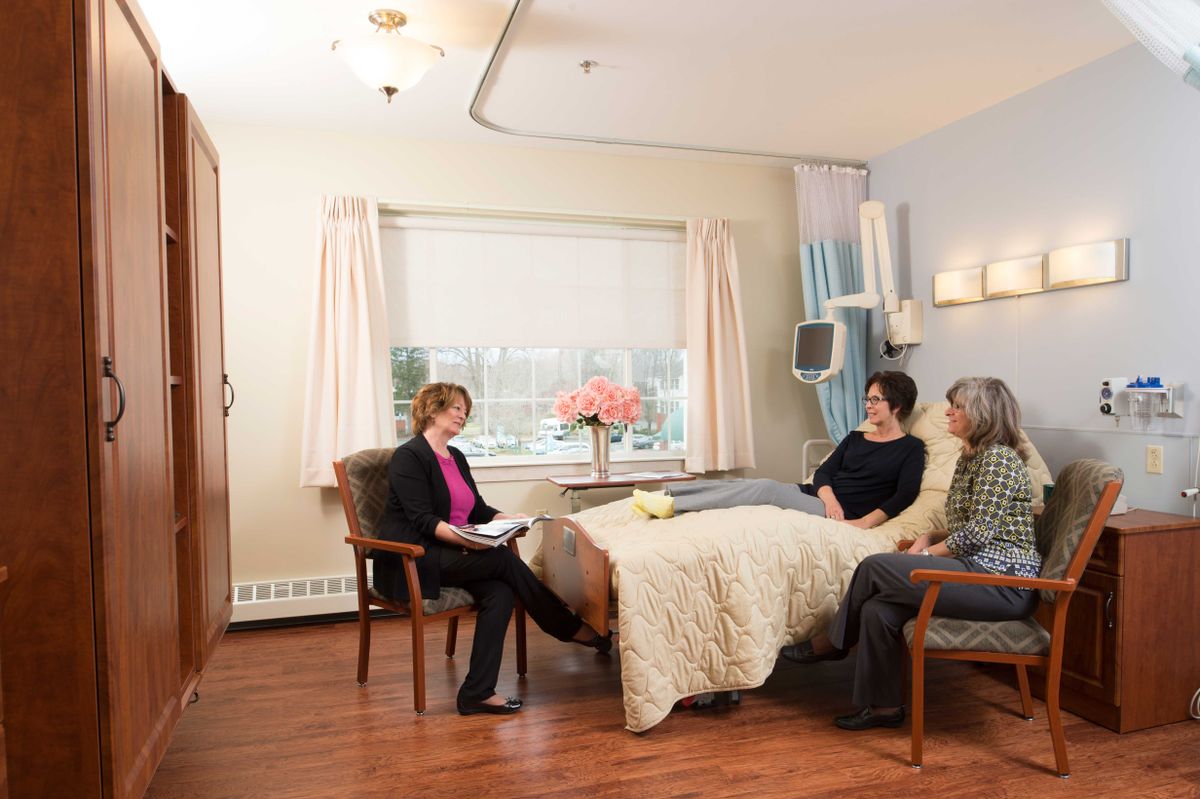
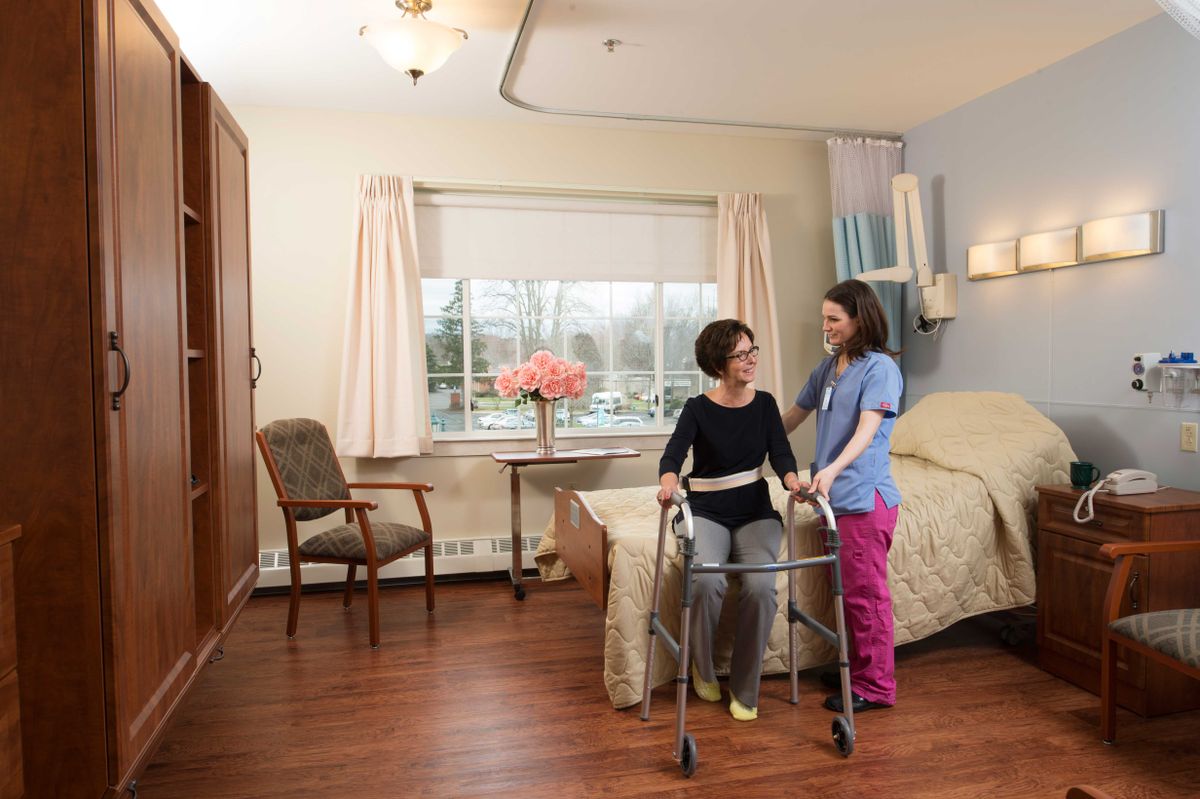
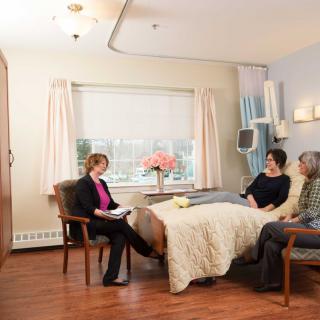
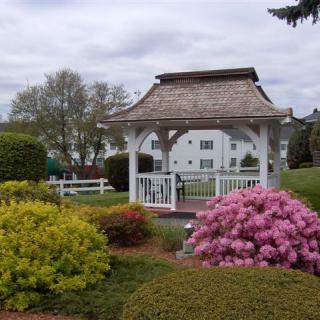
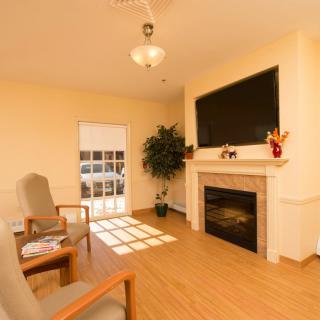
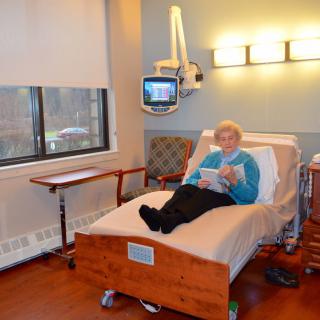
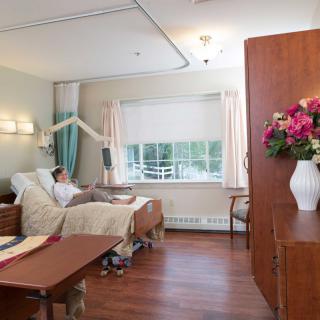
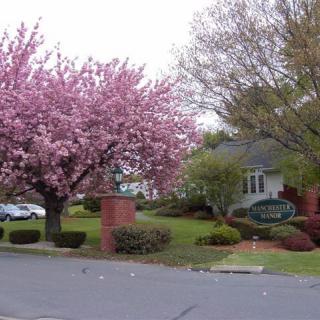
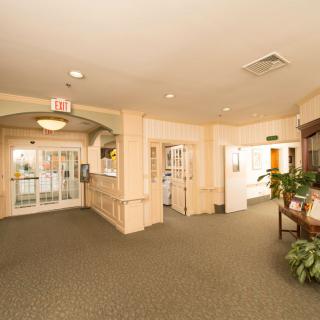
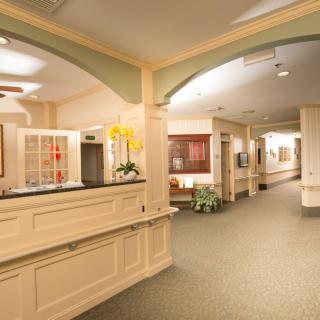
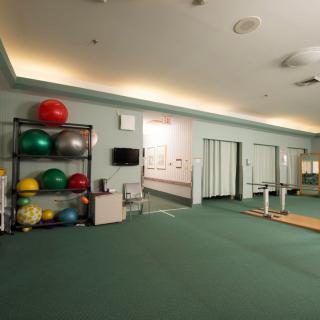
Manchester Manor on seniors.fyi includes 22 photos including images showing interior, healthcare, physical therapy, rehabilitation, landscaping, exercise, bedroom, windows, and more.
Nearby Communities
Arbors of Hop Brook
Manchester, CT
4.9 from 37 reviews
$3,130 to $4,300 / month
Friendly, attentive staff; clean, updated spaces; strong sense of community with engaging activities.
Touchpoints At Manchester
Manchester, CT
2.7 from 46 reviews
Wide range of amenities and 24/7 care support.
Westside Multicare Ctr
Manchester, CT
1.9 from 7 reviews
Nearby dining, pharmacies, doctors, and cultural venues enhance convenience.
Westside Care Center
Manchester, CT
4 from 2 reviews
Clean, well-maintained facility with attentive nurses and good dining.
CareGivers Connecticut
Manchester, CT
3 from 8 reviews
Strong nearby healthcare and dining options.
April Time Residential Care Home
Manchester, CT
2.3 from 3 reviews
$2,400 to $2,700 / month
Affordable pricing with comprehensive care options and on-site amenities.
HarborChase Of Evergreen Walk
South Windsor, CT
4.2 from 64 reviews
$5,025 to $7,795 / month
New, clean, and well-maintained facility with engaging activities and compassionate staff.
Glastonbury Health Care Center
Glastonbury, CT
3.7 from 113 reviews
Caring staff and effective rehab for some residents in a clean, well-maintained setting.
The Village At Buckland Court
South Windsor, CT
4.1 from 96 reviews
$3,300 to $7,500 / month
Friendly, welcoming staff; spacious, clean facility with on-site dining and activities.
Choosing between assisted living and nursing homes involves evaluating emotional and financial factors, with assisted living offering independence and support for daily activities at a lower cost, while nursing homes provide intensive medical care for individuals with significant health needs. The decision is influenced by personal preferences, health status, cognitive function, and varying Medicaid coverage across states.
Assisted living in 2025 offers a crucial balance of independence and support for seniors, with costs varying from $2,500 to over $7,000 per month based on factors such as location and care level. Understanding pricing complexities, including regional differences and potential hidden fees, is essential for families to plan financially while ensuring quality care for their loved ones.
The guide outlines the complexities of Medicaid coverage for assisted living, highlighting significant state-to-state variations, limited coverage often restricted to personal care services, and the existence of specialized waivers for certain needs like memory care. It advises families to consult local Medicaid offices for options while emphasizing the importance of understanding state-specific regulations and facility policies.
Decor, Living Room, Fireplace, Indoor Plants, and Light Fixture
Bedroom
Landscaping
Windows
Building
Architecture
Trees
Garden, Outdoors, Nature, and Gazebo
Television
Entrance
Lobby
Exercise Equipment
Healthcare
Hallway
Office and Reception
Gym and Fitness
Waiting Area and Reception Desk
Tree
Rehabilitation
Physical Therapy
Reception Area and Lighting Fixture
Exercise
Nursing Home, Caregiver, and Assistance
Road
Treadmill
Doors
Therapy Room
Workout Space
Get PricingAsk A QuestionSchedule A TourContact Senior Advisor
By clicking submit, you agree to our Partner's Terms of Use. You
also consent to receive calls and texts, which may be autodialed, from our Partner. Your consent is not a condition to
using our Partner's service. Please visit our Partner's Privacy Policy for information about their privacy practices.

 126 resident community capacity
 Assisted Living
 Air-conditioning
 Beauty salon
 Cable or satellite TV
 Computer center
 Dining room
 Fitness room
 Fully furnished
 Gaming room
 Garden
 Housekeeping services
 Kitchenette
 Move-in coordination
 Outdoor space
 Private bathrooms
 Restaurant-style dining
 Small library
 Telephone
 Wellness center
 Wi-Fi/high-speed internet available
 Bradley International (13 miles away)
 Community operated transportation
 12-16 hour nursing
 24-hour call system
 Activities of daily living assistance
 Assistance with bathing
 Assistance with dressing
 Assistance with transfers
 Diabetes diet
 Medication management
 Mental wellness program
 Special dietary restrictions
 Concierge services
 Planned day trips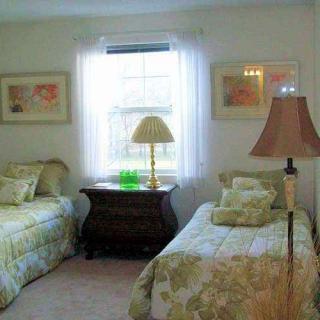
 Friendly, attentive staff; clean, updated spaces; strong sense of community with engaging activities.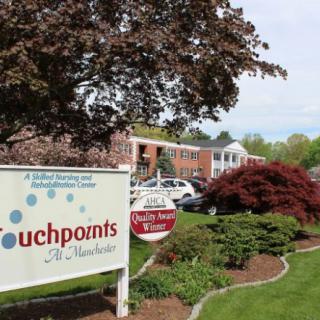


 Choosing the Right Senior Care: A Detailed Exploration of Assisted Living and Nursing Homes
 Understanding the True Cost of Assisted Living in 2025: A Comprehensive Guide
 Understanding Medicaid Coverage for Assisted Living: A Comprehensive Guide