
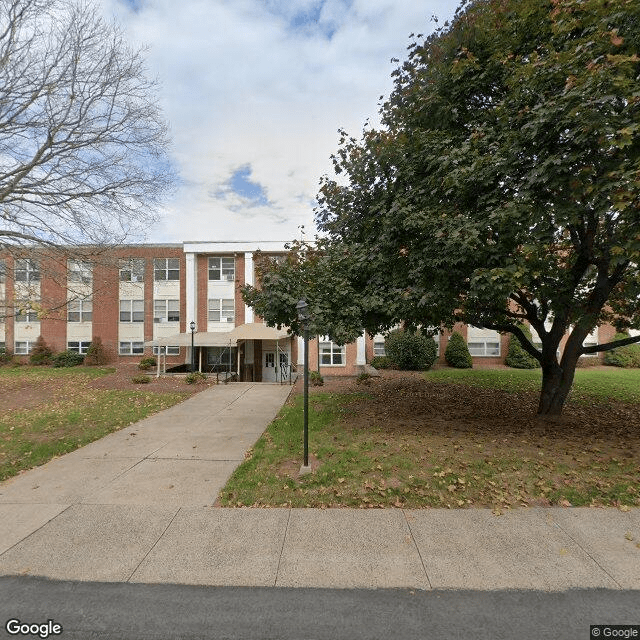
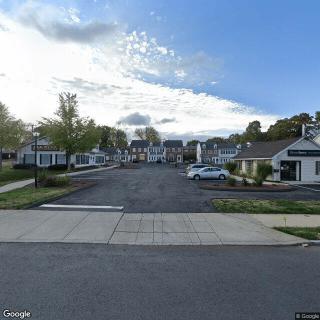
349 Bidwell St, Manchester, CT 06040
To contact a resident: (860) 164-7919
For more information about senior living options: (866) 208-4318
Overall Review of Westside Multicare Ctr
Pros
 Mom was healthy when she went in.
- Family members visited every day.
- One can learn to handle dementia patients with respect.
Cons
 The resident went in healthy but developed gangrene in her right foot.
- There is blackened skin from infection, which is severe for a 90-year-old.
- The sister says she has to clean the toilet and floor every time she visits.
- Family members have not been able to talk to the resident for 21 days; friends and grandchildren cannot reach her by phone.
- The phone is not answered; callers are directed to the floor where no one answers or voicemails are never returned.
- A well-care check could not be conducted with direct observation, and no photograph of her foot could be obtained.
- The facility is not clean and has a lousy mattress that needs replacement.
- The TV did not work and was never fixed.
- The sheets were always wet and had holes, and the dressers were sticky; the units were never washed.
- Staff were slow to respond and ignored requests to help change her; a big bruise was observed.
Review
Westside Multicare Center in Manchester, CT is best suited for families facing a tight budget who nonetheless need a live-in option and are prepared to supervise care very closely. The community appears to function as a basic custodial setting rather than a consistently preventive, medical-minded environment. For residents whose needs are primarily daily living assistance, help with bathing, dressing, reminders for medications, and general supervision, and for families that can be present or arrange active oversight across shifts, this option may be the most financially feasible route.
Those with higher medical or cognitive demands should consider alternatives. The most reliable care programs in this price tier typically deliver steadier medical oversight, robust dementia support, and predictable administrative responsiveness. If a resident has advanced dementia, frequent medical issues, or a history of infections or wounds that require timely attention, the risk calculus here tilts toward facilities with proven clinical staffing, documented emergency responsiveness, and transparent family communication. In short, if medical stability and dependable communication are non-negotiable, a more robust option deserves serious consideration.
On the upside, affordability cannot be dismissed. The ability to access care without the prohibitive monthly cost of higher-tier communities can be decisive for families with limited resources. A facility that accepts residents with dementia and provides basic daily support can meet essential daily living needs at a price point that keeps options available for families who would otherwise face eviction from the care conversation. Yet this perceived economic advantage is consistently challenged by serious gaps in care quality and everyday operational reliability that undermine any nominal benefit.
The most consequential drawbacks outweigh whatever nominal savings exist. Reports emphasize severe communication failures, with families unable to reach a loved one for extended periods and staff either unavailable or unresponsive. Instances of neighbors, visitors, or the family discovering troubling conditions, ranging from nonfunctional amenities to hygiene concerns and unresolved safety issues, signal a troubling pattern. The concern is not merely inconvenience; it is risk. When a resident’s basic well-being appears to be contingent on one staff member’s goodwill rather than a stable, systems-driven approach, the clock starts ticking on preventable complications. The combination of unreturned calls, incomplete well-care checks, and allegations of limited staff accountability creates a climate where small problems quickly escalate.
Cleanliness and maintenance problems compound the risk. Concrete anecdotes describe rooms with damp sheets, stained or unclean dressers, and general conditions that do not meet even modest standards of resident comfort. Such environments not only degrade quality of life but also raise questions about infection control and daily routines. Add in concerns about the facility’s ability to adapt to dementia-related behaviors and safety needs, and the case grows stronger for families to demand rigorous oversight or to pursue alternatives with sturdier clinical frameworks. In this context, even the few potential perks, such as accessible location or lower cost, fail to balance the pervasive concerns about day-to-day care delivery.
For families still weighing a move here, several proactive steps can reduce risk and improve outcomes. First, insist on a transparent, written care plan with daily task allocations, medication management protocols, and clearly defined escalation procedures for changes in health status. Second, arrange for routine, documented communications with the administration, daily updates during the transition, then at least weekly summaries and immediate notifications of any medical concerns. Third, request to see all recent licensing inspections and any corrective action plans, and verify staffing patterns across different shifts to ensure there is sufficient coverage during evenings and weekends. Finally, conduct multiple, extended visits at different times of day, including when least expected, to assess responsiveness, cleanliness, and the actual environment residents inhabit.
The bottom line for Westside Multicare Center is a clear trade-off explicit in the numbers: significant cost savings are overshadowed by fundamental questions about safety, hygiene, and reliable communication. If the family’s priority is affordability and a willingness to act as vigilant advocates, this facility can be workable with stringent oversight and a robust, ongoing family involvement plan. If, however, the resident requires steady clinical supervision, rapid response to medical concerns, or consistently clean, well-maintained surroundings, the sensible move is to pursue other options that deliver stronger operational discipline and proven reliability. The decision should hinge on whether the family can and will place near-daily checks, urgent escalation mechanisms, and rigorous oversight at the center of the care equation.
 Skilled Nursing Facility
 Bradley International (14 miles away)




 Top Cars for Senior Drivers and Essential Safety Innovations
 A Closer Look at Private Pay Home Care
 Comprehensive Approaches for Arthritis: A Detailed Guide to Symptoms, Causes, and Care