The Village At Buckland Court offers competitive pricing across its various room types when compared to Tolland County and the broader Connecticut market. For a studio, residents can expect to pay $3,300 per month, significantly lower than the county average of $4,856 and the state average of $5,919. The semi-private rooms are priced at $5,450, slightly below both county and state averages of $5,639 and $5,829 respectively. Interestingly, the 1-bedroom units are somewhat higher at $5,900 compared to Tolland County's average of $4,145 but lower than the state average of $6,383. For those seeking more space, the 2-bedroom option is available at $7,500; although this is above Tolland County's average of $5,010 and just slightly above Connecticut's overall average of $5,070. Overall, The Village At Buckland Court presents itself as an attractive choice for potential residents looking for affordability in a desirable location.
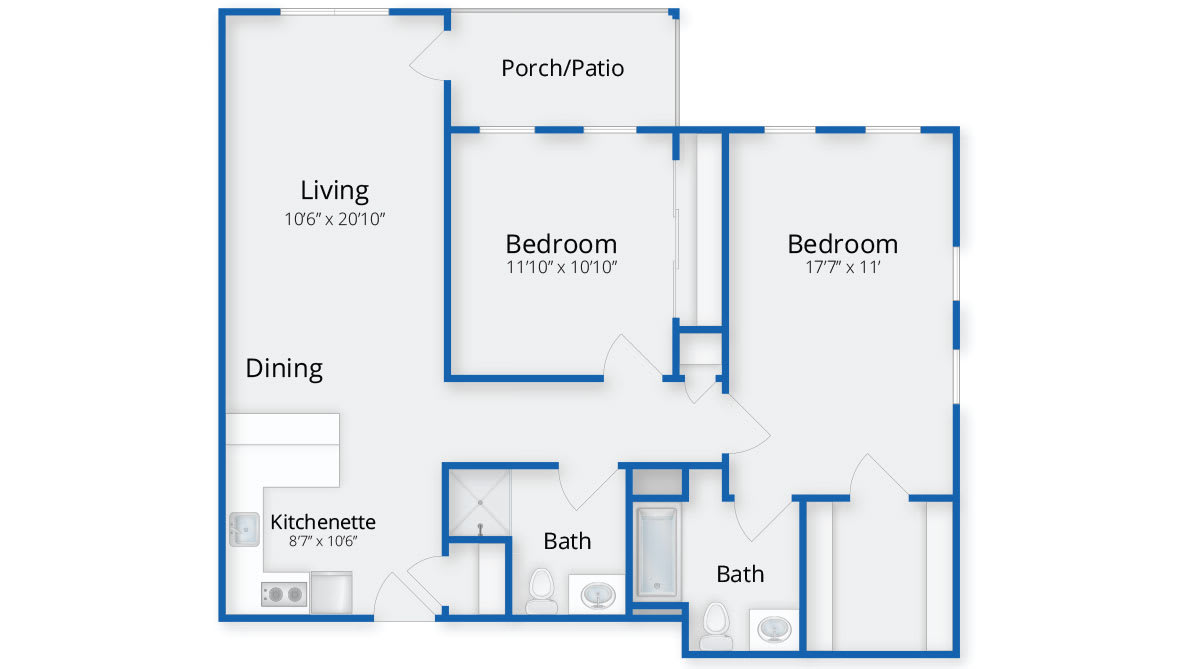
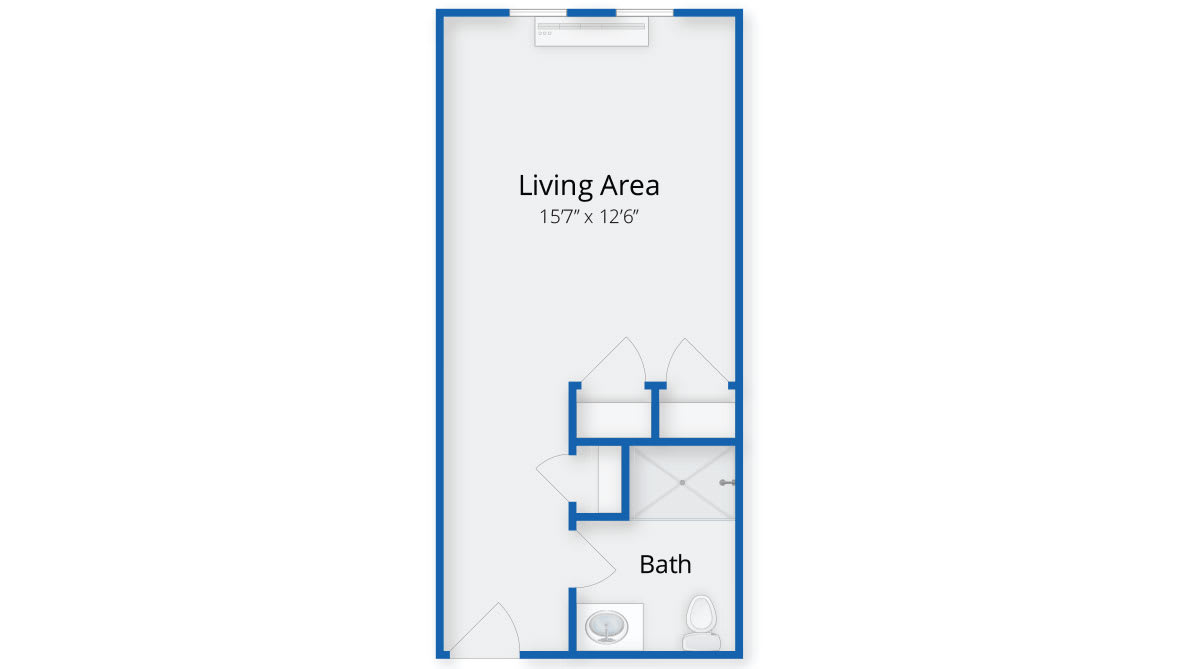
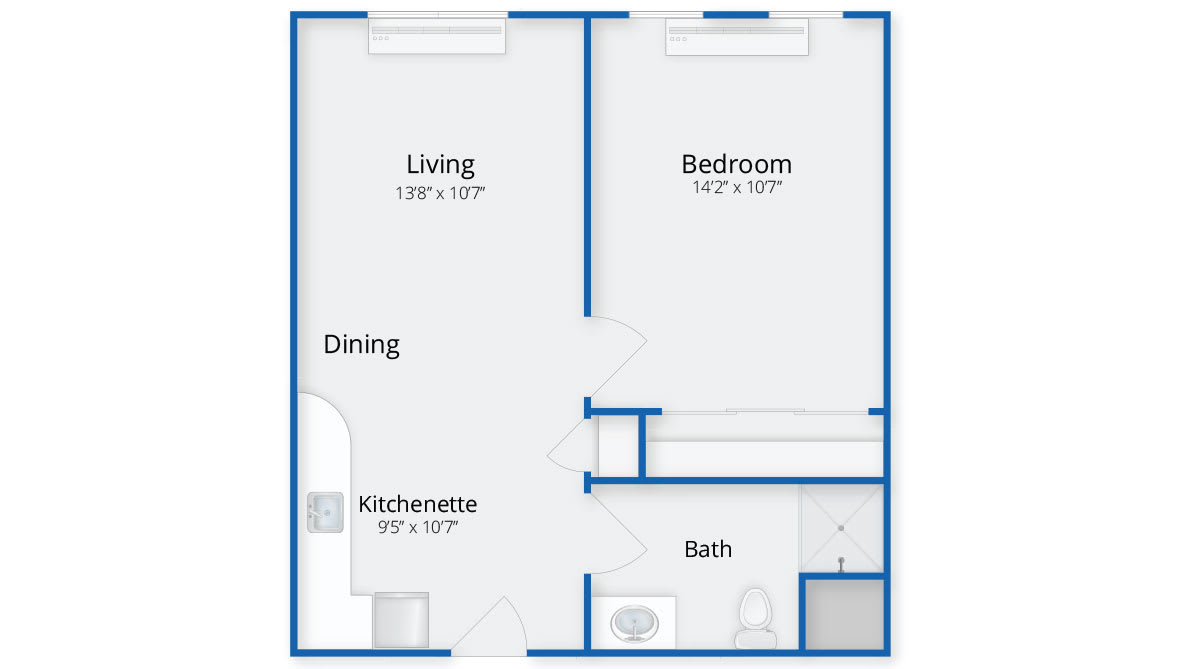
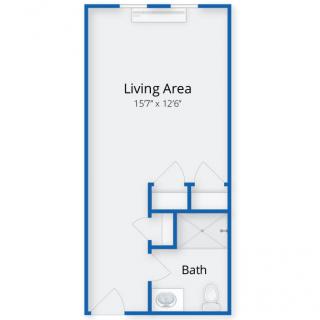
Floor plans
The Village At Buckland Court
Tolland County
Connecticut
Studio
$3,300
$4,856
$5,919
Semi-Private
$5,450
$5,639
$5,829
1 Bedroom
$5,900
$4,145
$6,383
2 Bedrooms
$7,500
$5,010
$5,070
Memory care communities with a similar price nearby
Residents and families repeatedly describe the staff as welcoming and caring.
Many reviews highlight staff warmth during move-in and day-to-day interactions, with families saying they felt supported and that residents were treated with respect. Several residents also describe being encouraged to participate, with staff making it easier to transition from home. A number of reviewers mention clear communication and responsiveness for routine needs, while a few critical reviews say responses can be slow or communication can fall short.
differentiator12 reviews mention this
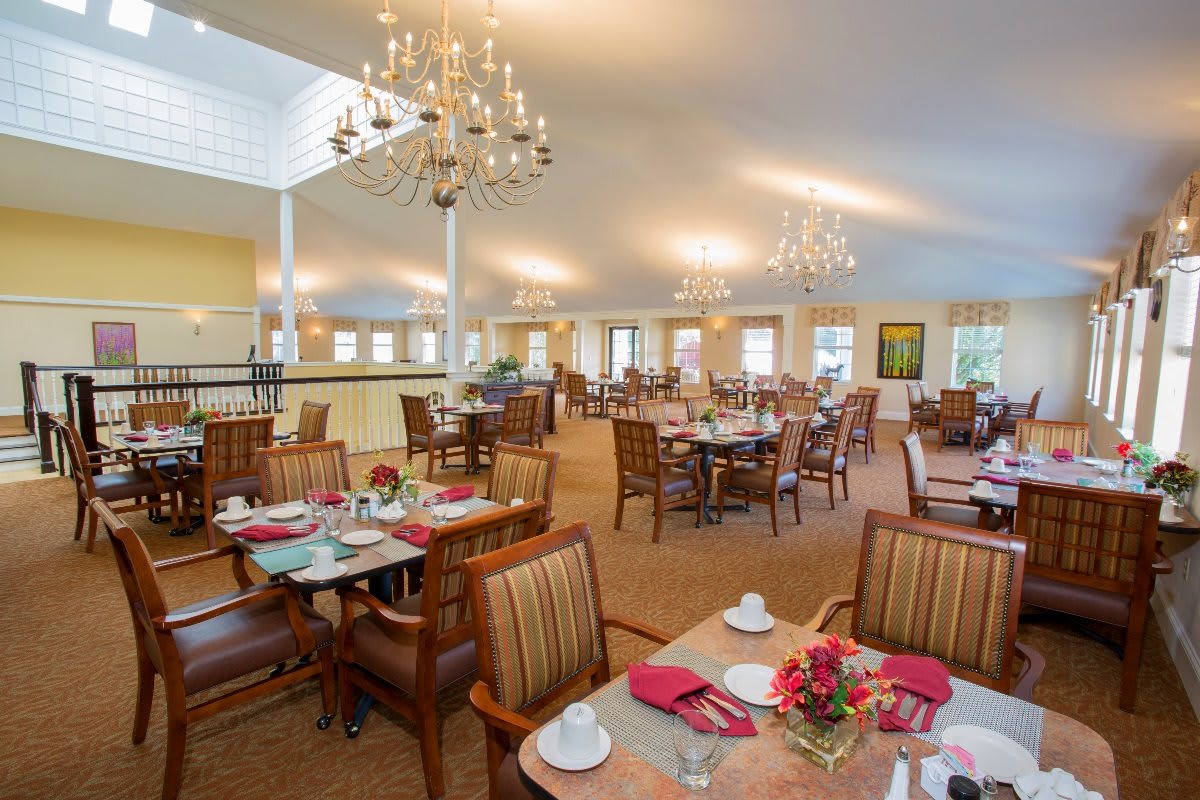
Dining feels restaurant-like
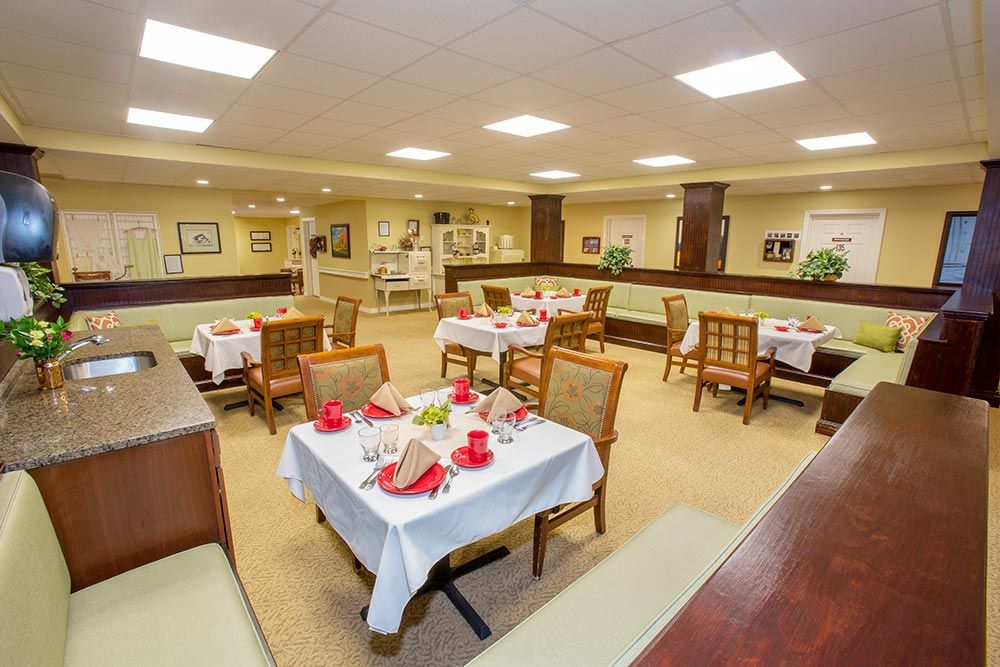
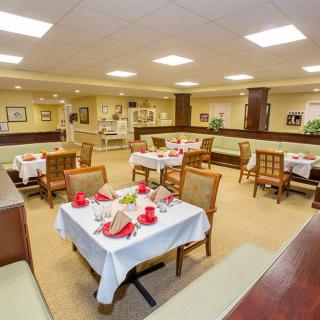
Meals are consistently described as restaurant-style and chef-prepared.
A recurring theme in the reviews is that meals feel closer to restaurant dining than cafeteria food, and multiple families say their loved ones enjoy it. Several reviewers specifically connect the dining experience to a chef and daily meals, including special items and a menu residents can order from. The main negative dining comments focus on temperature and service consistency, but overall dining is one of the most frequently positive themes.
common10 reviews mention this
Activities and outings have variety
The community is described as offering a wide range of activities.
Reviews frequently mention regular programming, including games, fitness-style activities, and community events, plus day trips and outings. Several families say their loved ones have enjoyed socializing and joining activities when they can, and one review also describes an activity schedule and options available during a visit. A smaller set of reviews raise concerns that activities may not be available every day, especially for memory care, but the overall activity theme is a clear strength.
caveat7 reviews mention this
Price and service limits come up
Cost concerns and limits on certain services appear repeatedly in feedback.
Some reviews criticize pricing as overly expensive, including concerns about rate increases and the overall value for what is provided. Others mention service limitations tied to transportation restrictions or delayed housekeeping and maintenance, and a few say communication about day-to-day operations wasn’t clear. There are also complaints about staffing levels and timely medical or routine response in a handful of reviews, while some residents describe the opposite—so the experience can vary by situation.
How we summarize
Counts show how many written reviews mention each theme; a review can touch several themes, and only frequently mentioned themes are displayed.
Features
Housing
22 resident community capacity
1-bedroom apartments
2-bedroom apartments
Studio apartments
Types of Care
Assisted Living
Memory Care
Pets
Cats allowed
Dogs allowed
Amenities
Activities off-site
Activities on-site
Air-conditioning
Beautician on-site
Beauty salon
Cable or satellite TV
Computer center
Devotional services off-site
Devotional services on-site
Dining room
Fitness room
Fully furnished
Garden
General store
Ground floor units
Guasts at mealtime
Guest parking
Handicap accessible
Housekeeping services
Indoor common areas
Kitchenette
Laundry
Move-in coordination
Outdoor common areas
Outdoor patio
Outdoor space
Overnight guests
Party space
Private cleaning services
Resident parking
Respite or short term stays offered
Restaurant-style dining
Small library
TV room
Telephone
Wellness center
Wheelchair accessible showers
Wi-Fi/high-speed internet available
Transportation
Bradley International (11 miles away)
Transportation & parking
Transportation arrangement (non-medical)
Transportation to doctors appointments
Care Services
12-16 hour nursing
24-hour call system
24-hour supervision
Activities of daily living assistance
Assistance with bathing
Assistance with dressing
Assistance with transfers
Coordination with health care providers
Dementia waiver
Diabetes diet
Diabetic care
High acuity care
Hospice waiver
Incontinence care
Meal preparation and service
Medication management
Mental wellness program
Mild cognitive impairment
Physical therapy
Special dietary restrictions
Specialized memory care programming
Transportation arrangement (medical)
Transportation to doctors appointments
Dining
Anytime dining
Diabetes diet
Gluten-free
Guest meals
Low / no sodium
Low fat
Meals provided
No Sugar
Professional chef
Restaurant style dining
Room service
Special dietary restrictions
Special dining programs
Vegan
Vegetarian
Activities
Activities off-site
Art classes
Arts and crafts
Book club
Catholic services
Community-sponsored activities
Cooking classes
Cooking club
Day trips and outings
Devotional activities offsite
Devotional activities on-site
Educational speakers / life long learning
Fitness programs
Games
Gardening club
Karaoke
Live musical performances
Live well programs
Religious services
Resident-run activities
Scheduled daily activities
Stories
Tai Chi
Visiting Rabbi
Visiting chaplain or priest
Wii bowling
Wine tasting
Yoga / chair yoga
Languages Spoken
English
Nearby Places of Interest
This part of South Windsor, Connecticut, offers a variety of healthcare options including eye physicians, surgeons, gastroenterologists, and orthopedic specialists within close proximity. Additionally, there are several pharmacies nearby for convenient access to medications. For leisure and social activities, there are cafes and restaurants such as Panera Bread and Red Heat Tavern within a short distance. The area also provides entertainment options with a Cinemark theater just 1.5 miles away. Transportation services like Pratt & Whitney and Union Station are easily accessible for travel needs. There is also a place of worship for Jehovah's Witnesses nearby, as well as parks like Bushnell Park for peaceful outdoor relaxation. Overall, this part of South Windsor offers a well-rounded community with diverse amenities suitable for senior living.
Physicians
Connecticut Eye Physician and Surgeons (0.2 miles)
Connecticut Gi (0.3 miles)
Evergreen Endoscopy Center (0.3 miles)
Ognjenka Nadazdin-Boskovic, MD (0.4 miles)
ECHN Healthcare (2.4 miles)
Advanced Orthopaedics and Sports Medicine PC (2.8 miles)
The Village At Buckland Court offers competitive pricing across its various room types when compared to Tolland County and the broader Connecticut market. For a studio, residents can expect to pay $3,300 per month, significantly lower than the county average of $4,856 and the state average of $5,919. The semi-private rooms are priced at $5,450, slightly below both county and state averages of $5,639 and $5,829 respectively. Interestingly, the 1-bedroom units are somewhat higher at $5,900 compared to Tolland County's average of $4,145 but lower than the state average of $6,383. For those seeking more space, the 2-bedroom option is available at $7,500; although this is above Tolland County's average of $5,010 and just slightly above Connecticut's overall average of $5,070. Overall, The Village At Buckland Court presents itself as an attractive choice for potential residents looking for affordability in a desirable location.
The Village At Buckland Court offers comprehensive support for residents with dementia or Alzheimer's disease through a range of specialized features tailored to enhance their quality of life. With 24-hour supervision, residents are ensured safety and security, while assistance with activities of daily living--including bathing and dressing--promotes dignity and independence. Coordination with health care providers ensures that residents receive appropriate medical attention, complemented by the dementia waiver that allows for personalized care plans. Incontinence care, meal preparation and service, and medication management address essential health needs while maintaining comfort in daily routines. Furthermore, physical therapy and specialized memory care programming foster cognitive engagement and physical well-being, supported by a mental wellness program that emphasizes emotional resilience. Finally, transportation arrangements for medical appointments guarantee accessibility to necessary healthcare services, allowing residents to maintain their overall health while adapting to their unique cognitive challenges.
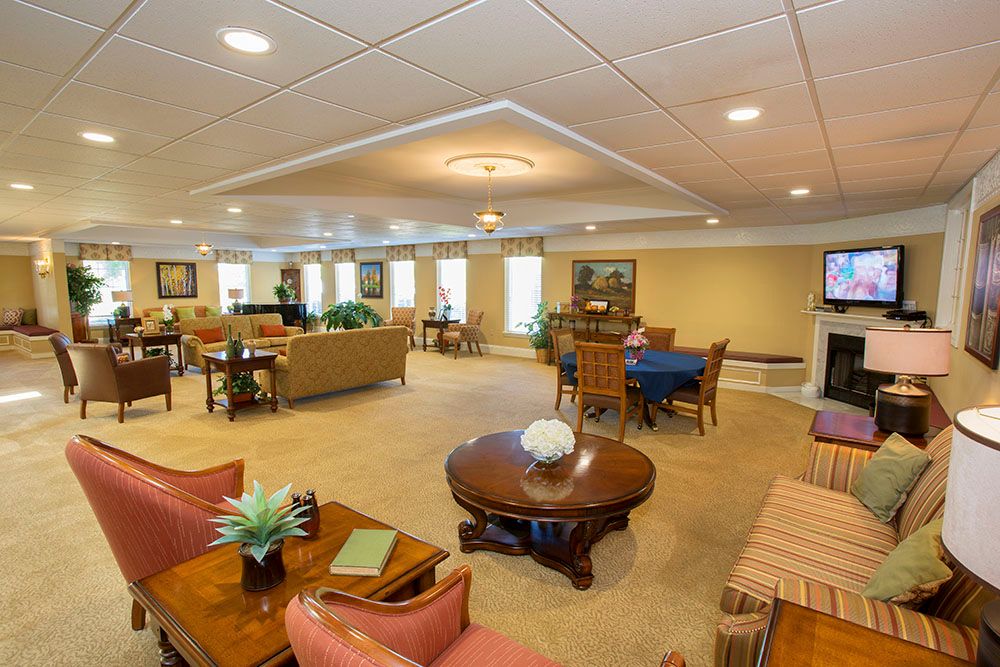
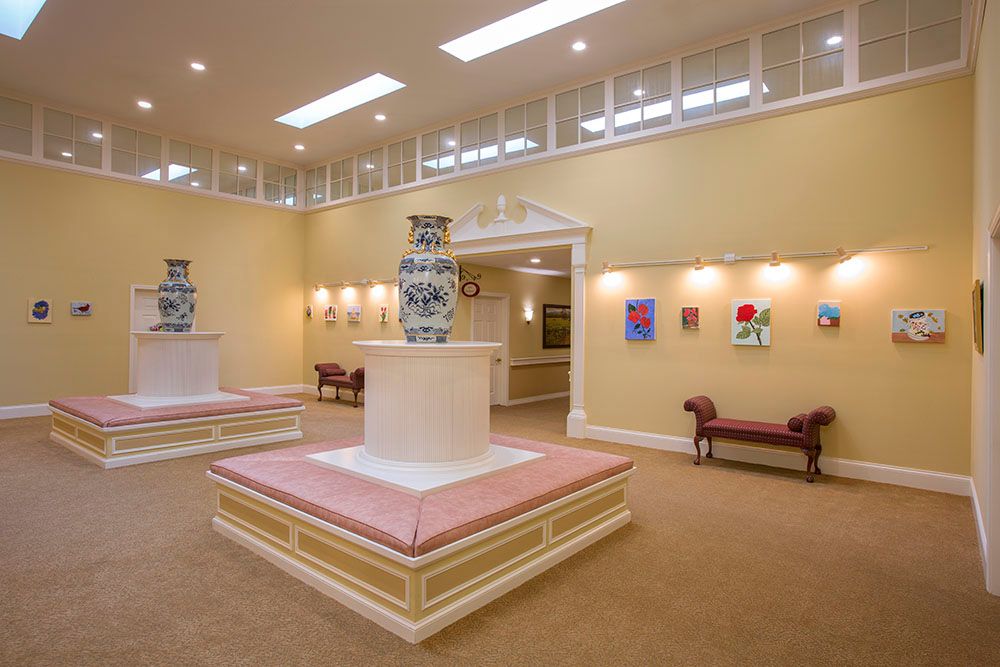
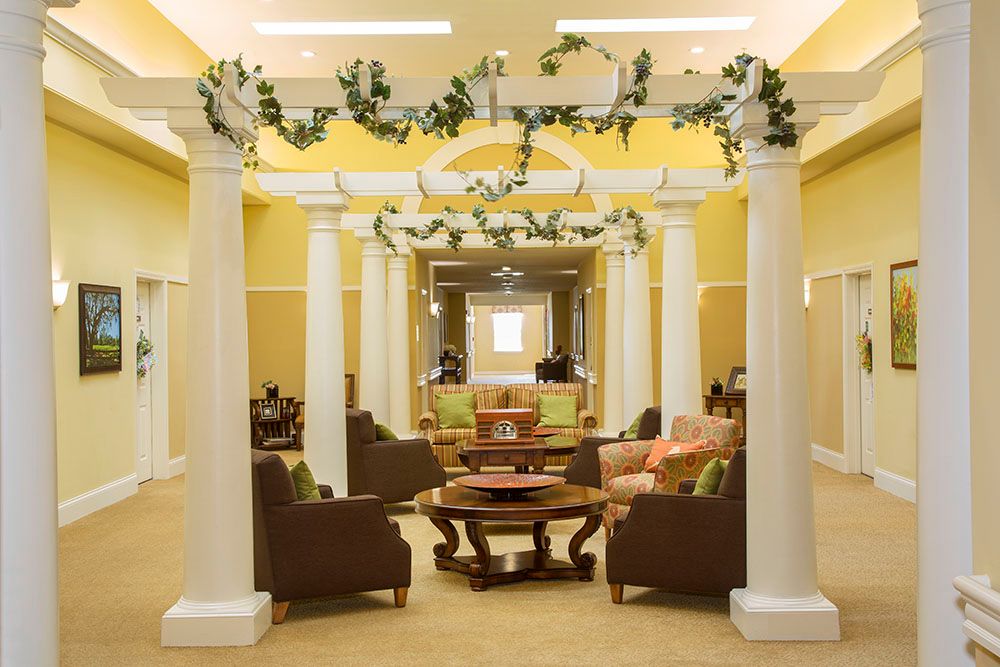
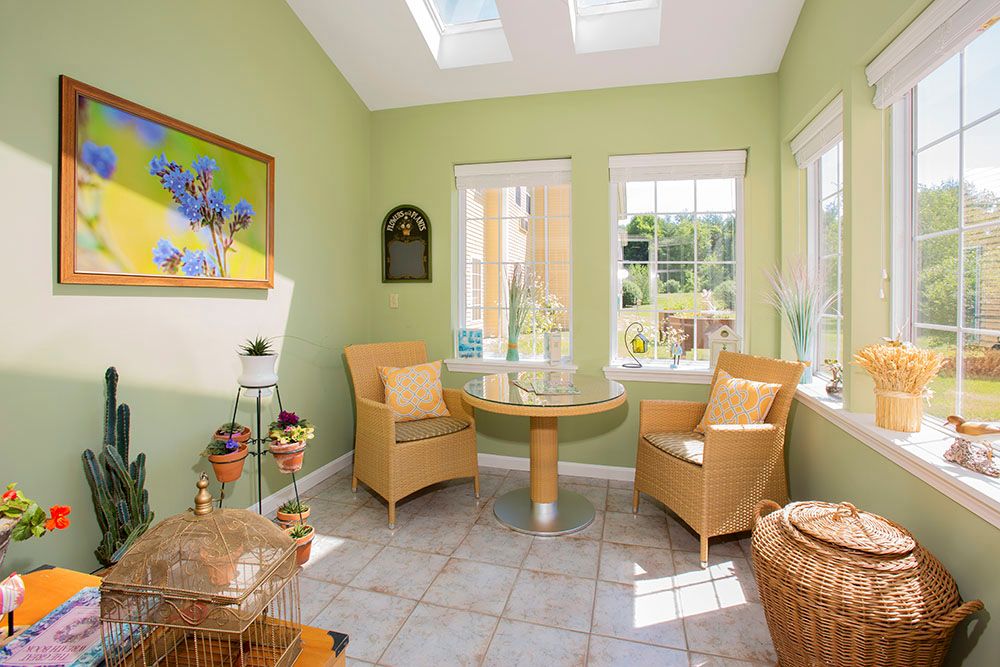
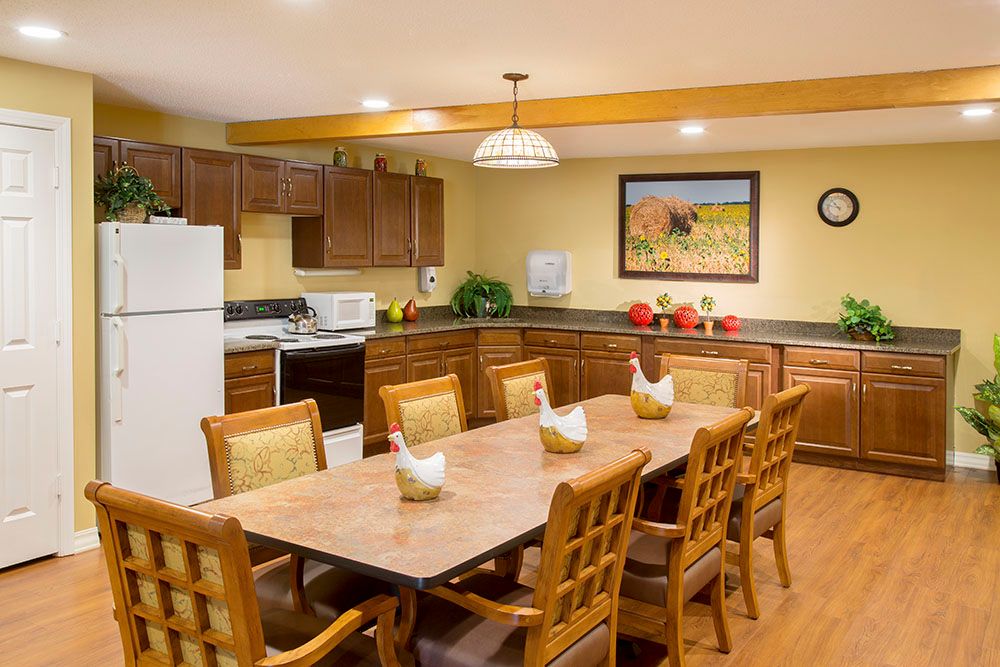
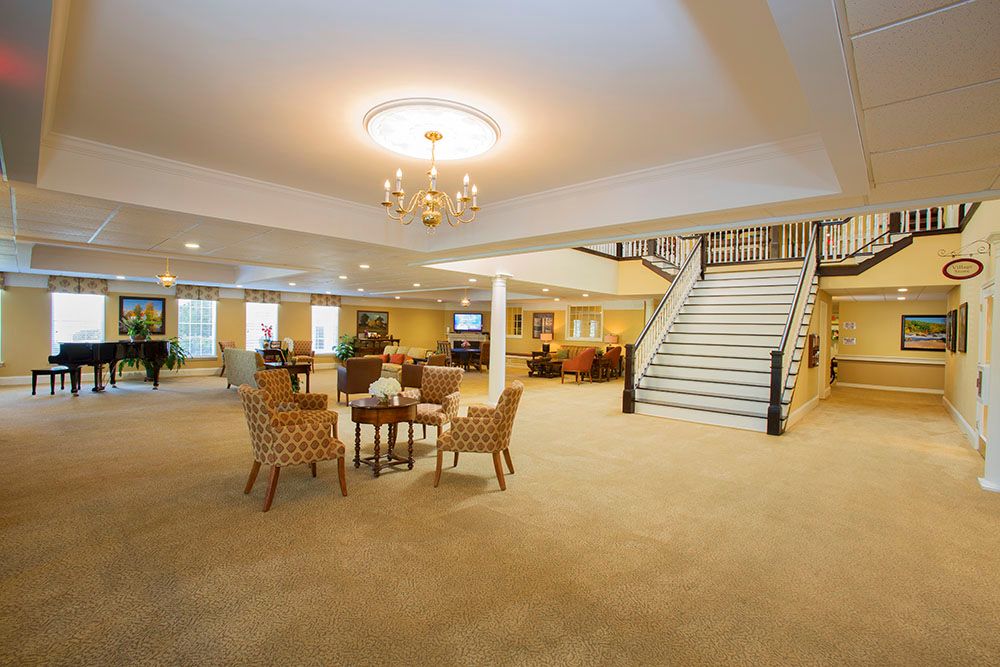
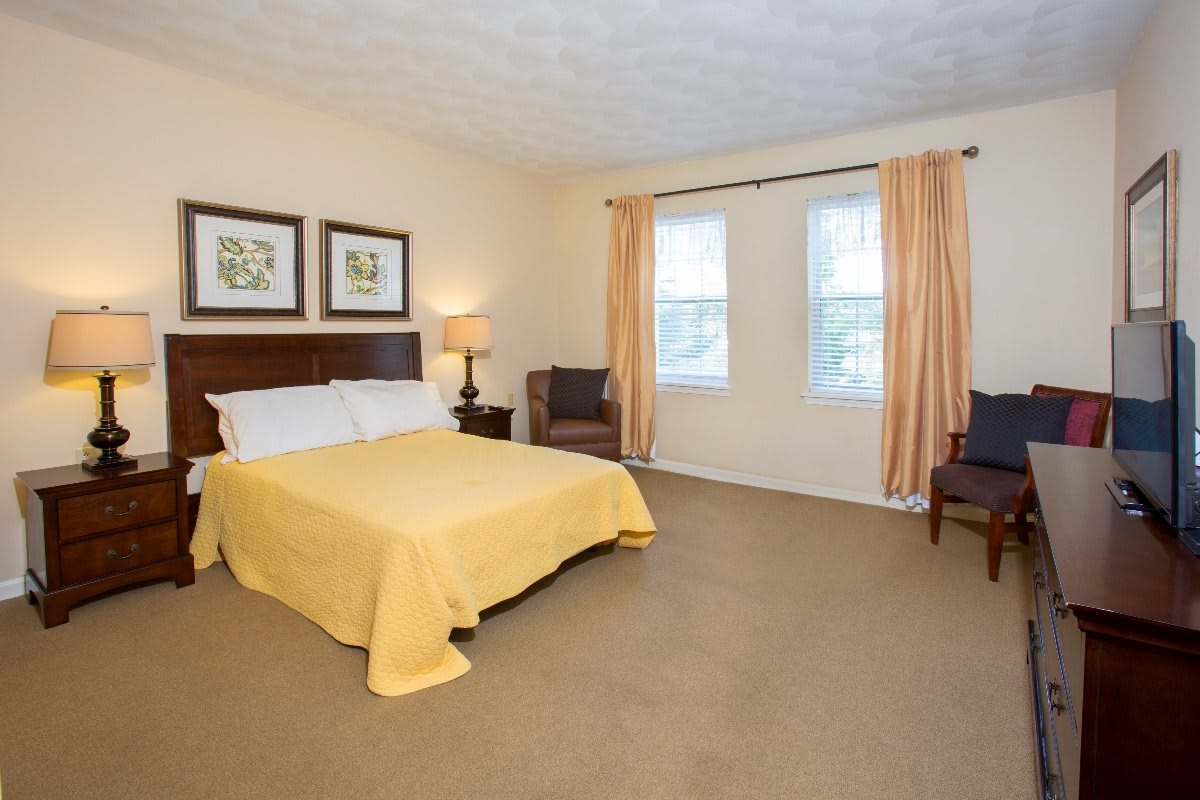
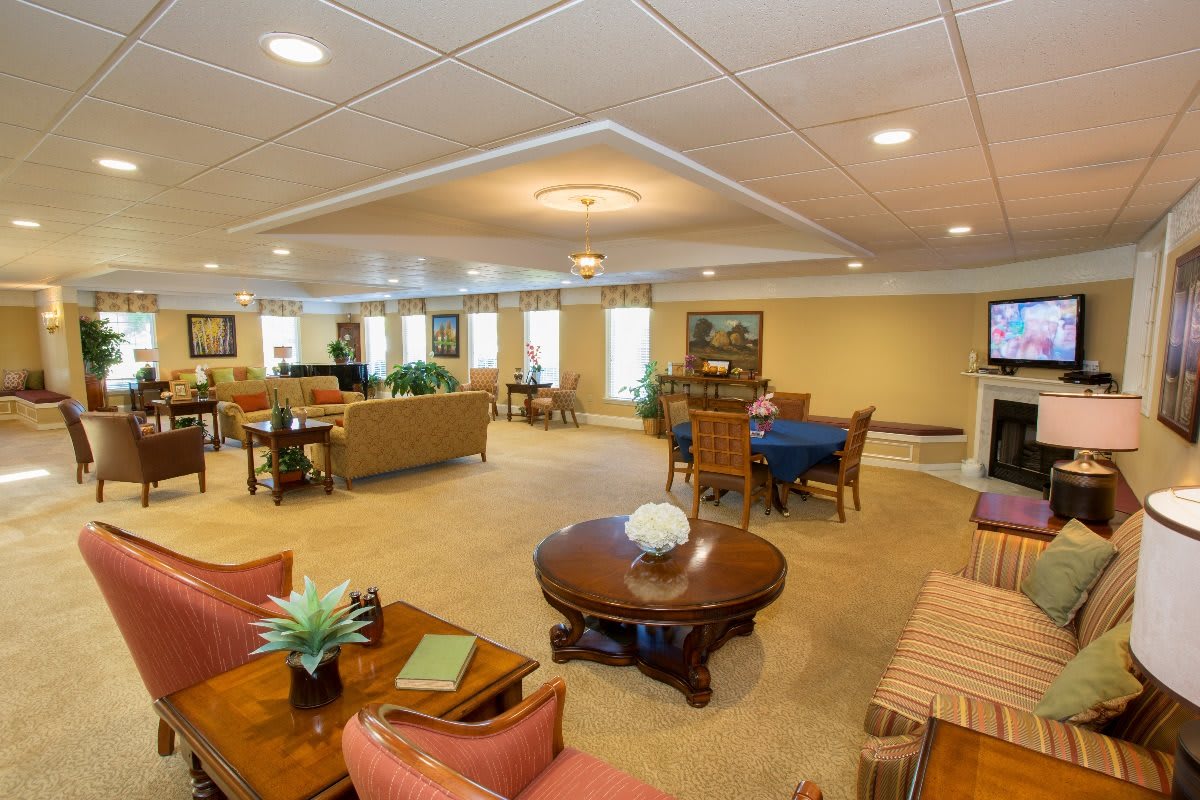
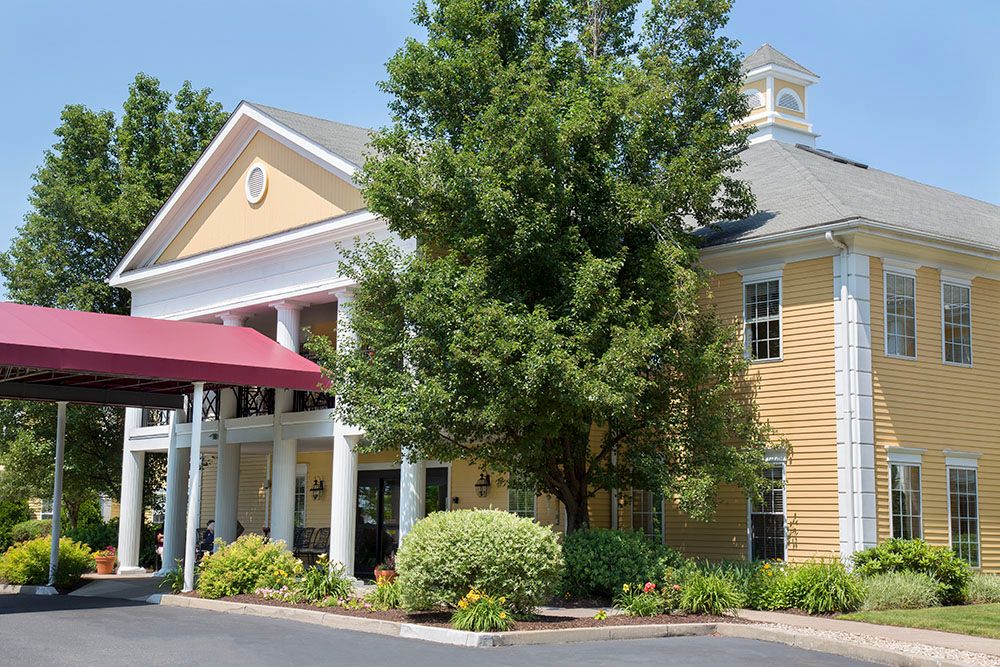
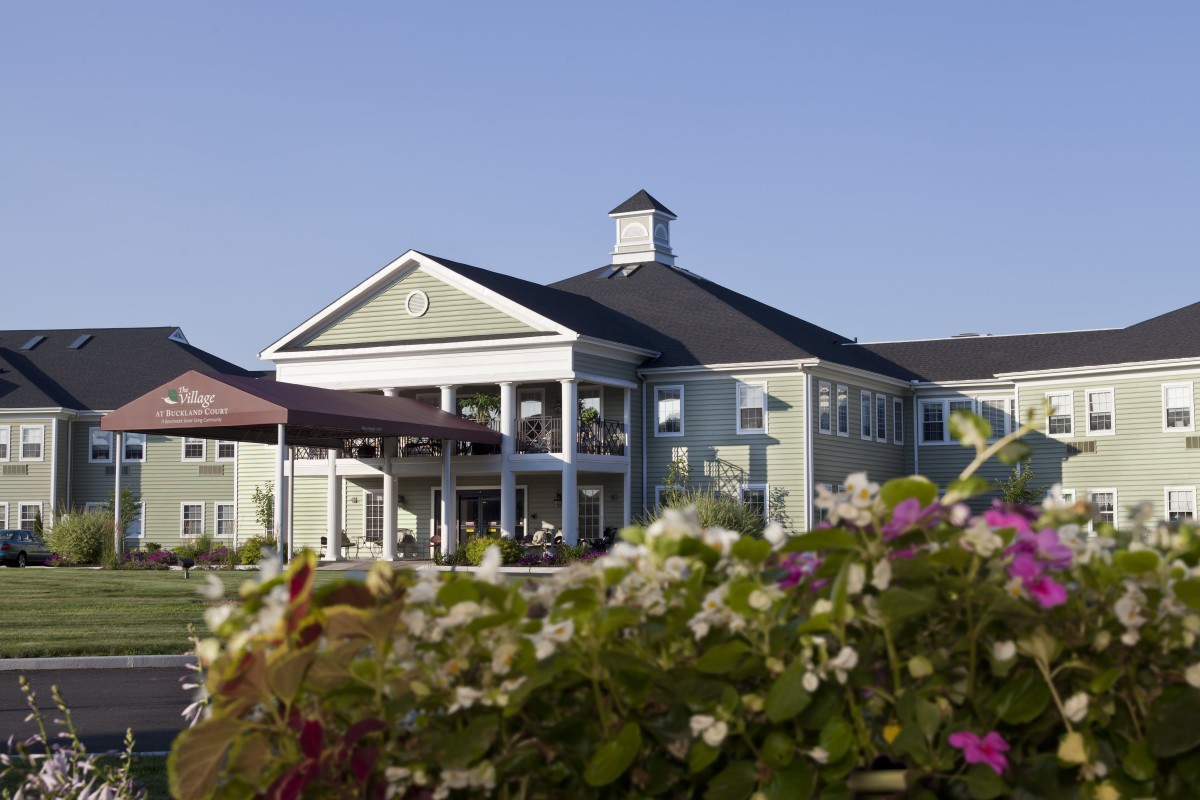
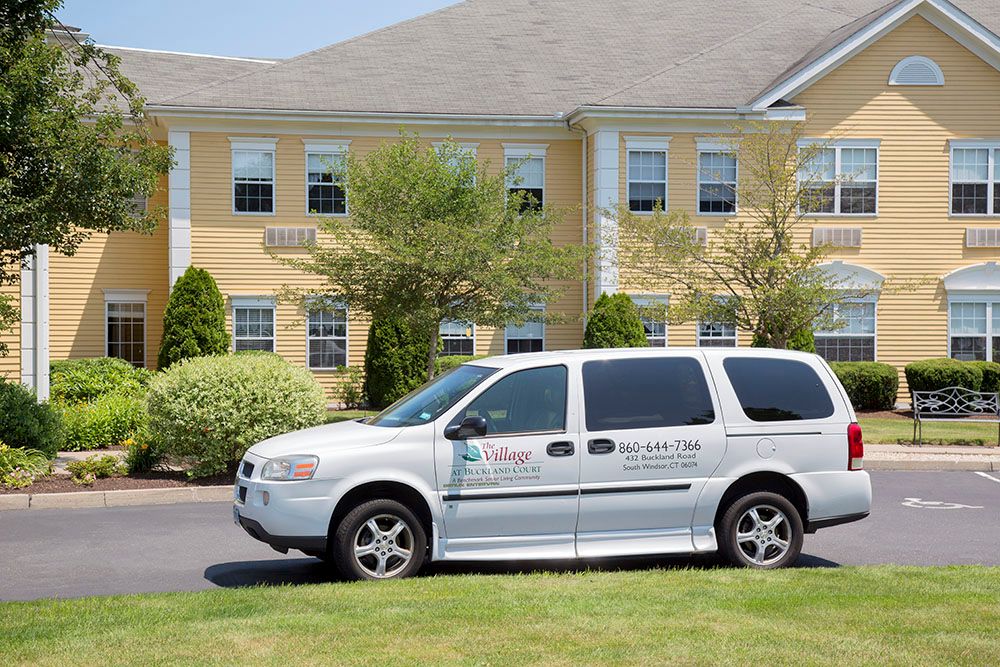
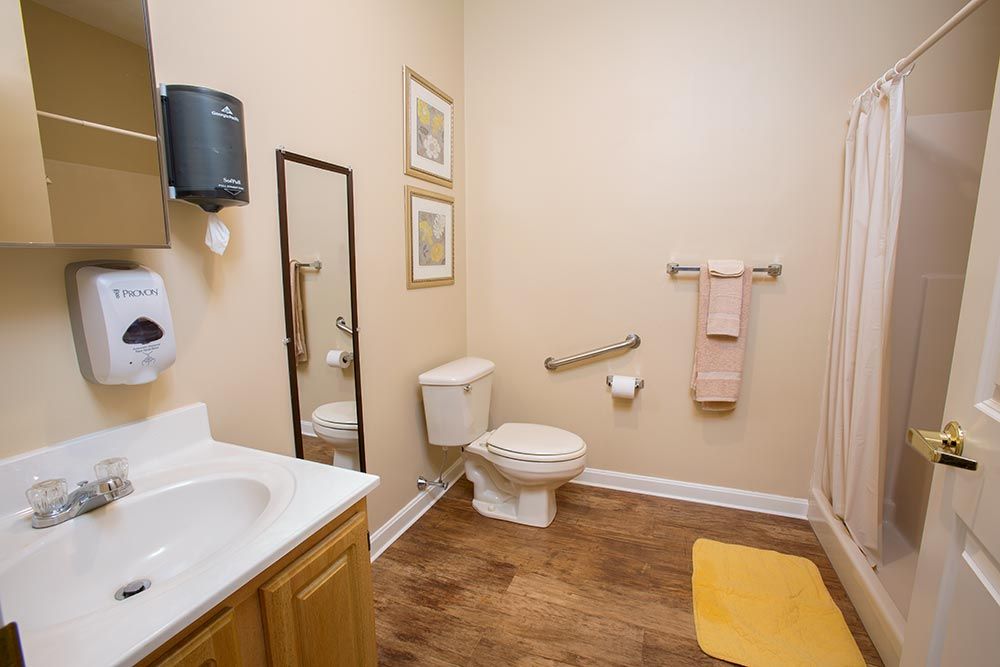
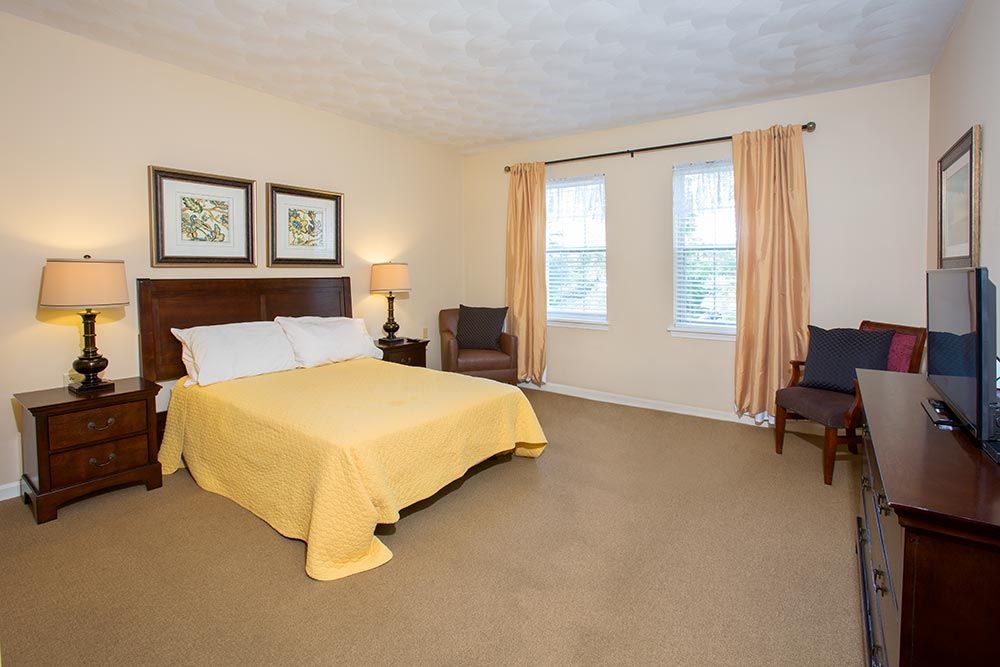
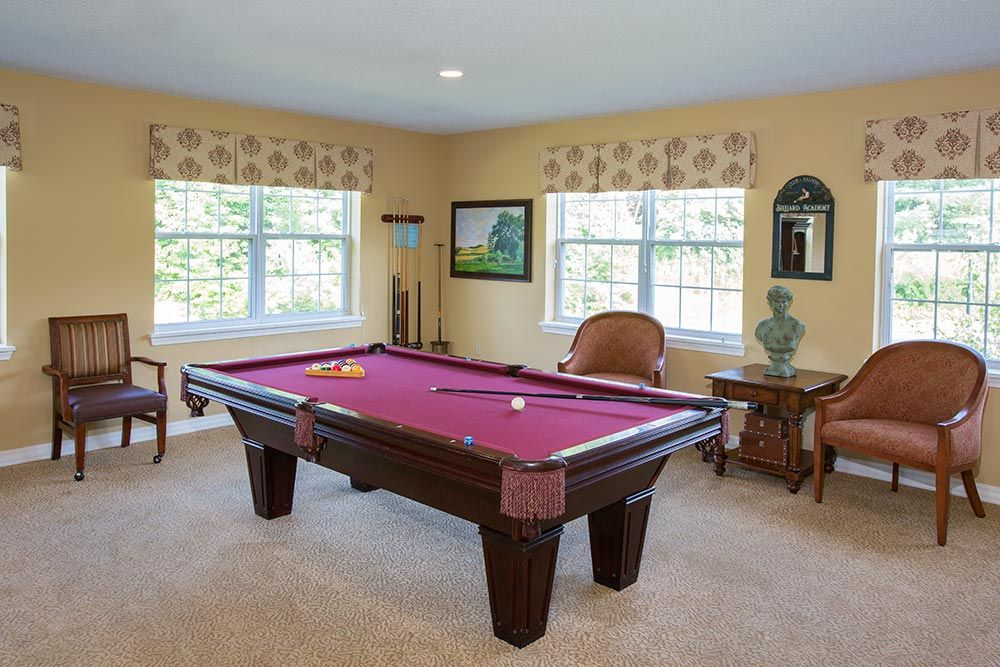
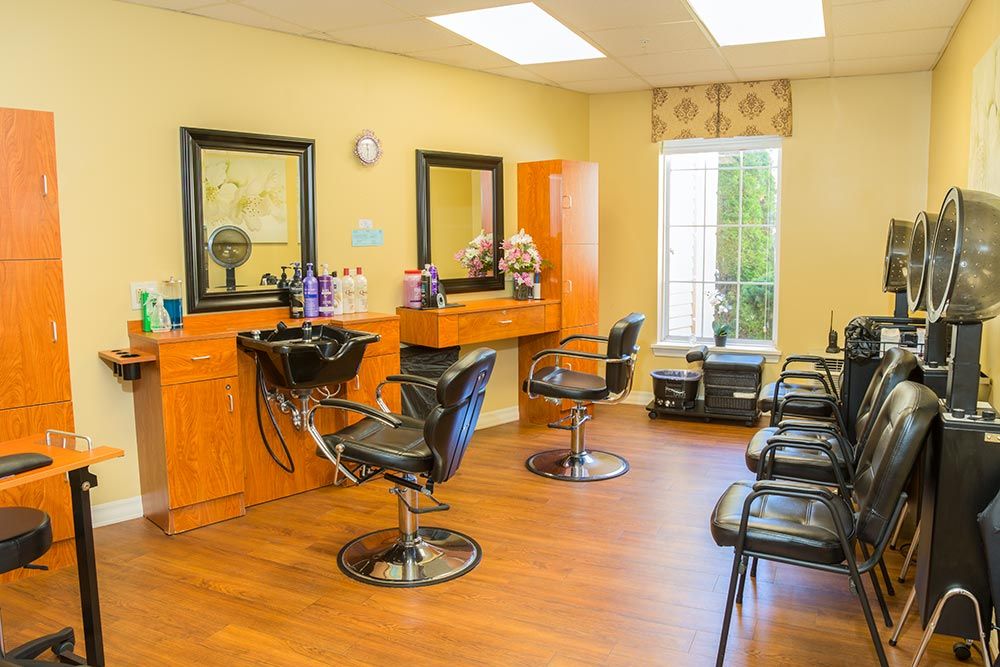
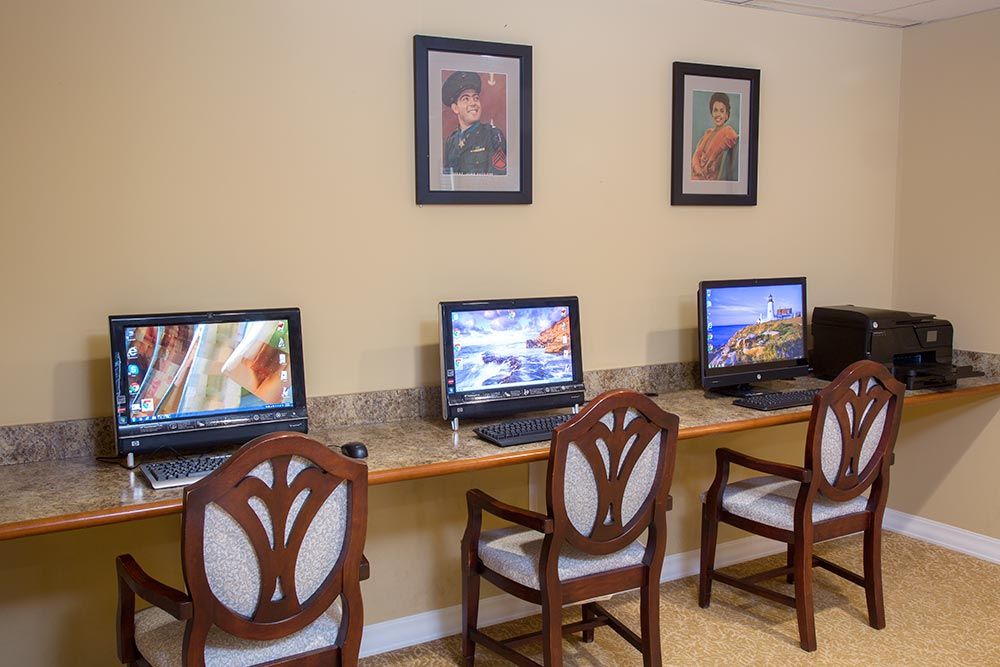
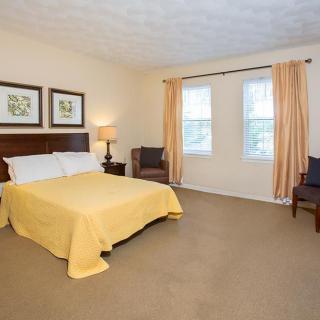
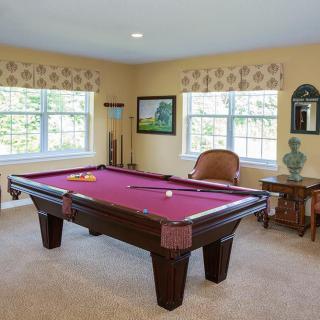
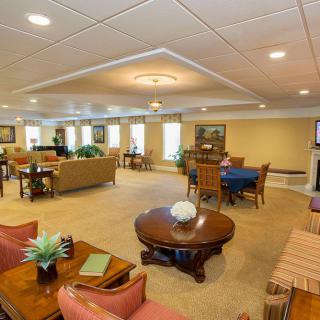
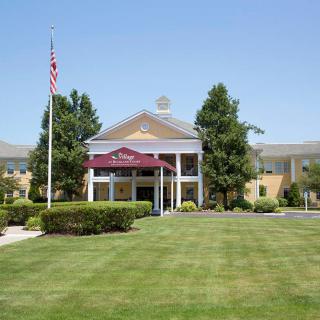
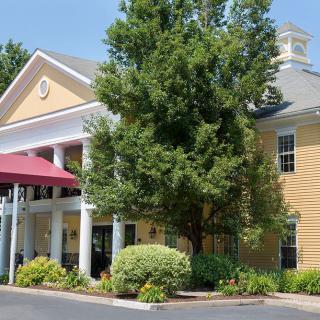
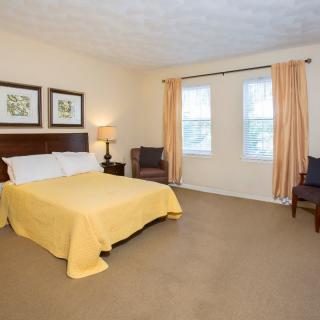
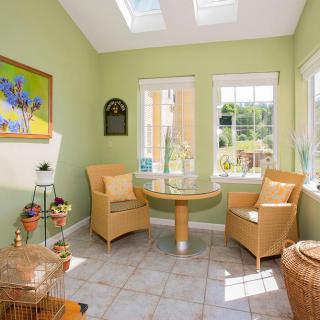
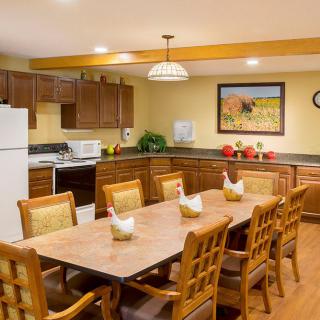
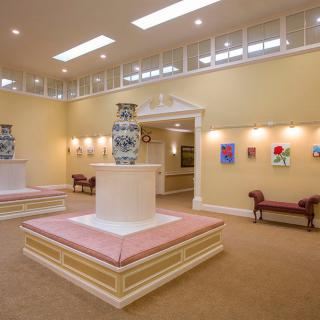
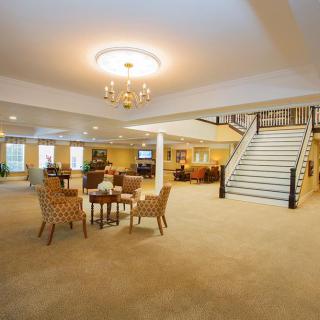
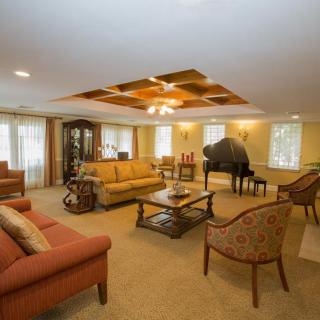
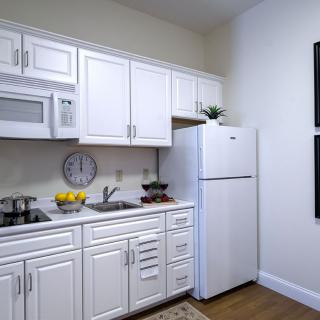
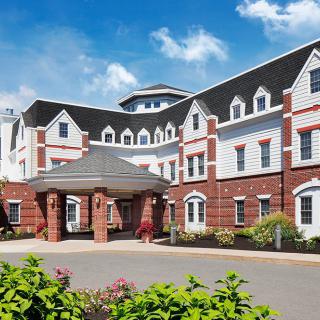
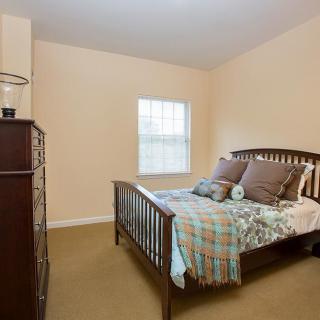
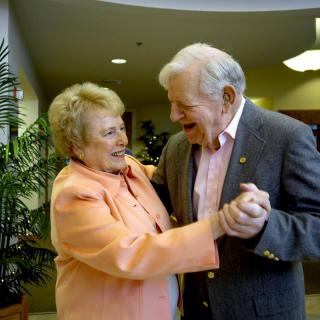
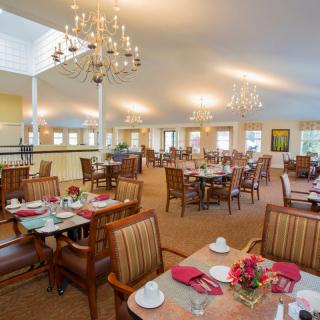
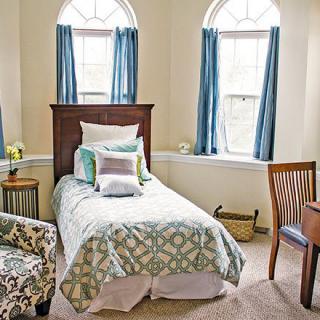
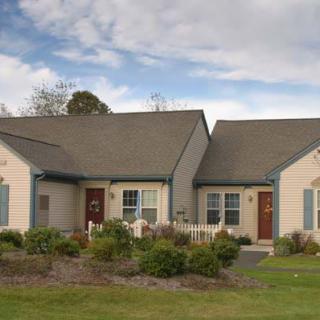
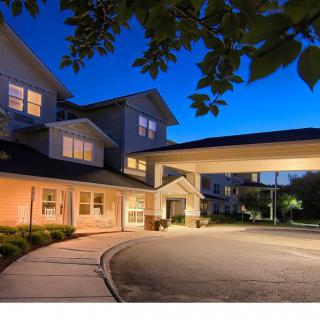
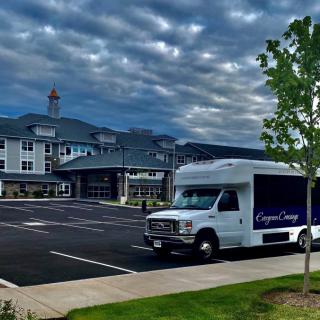
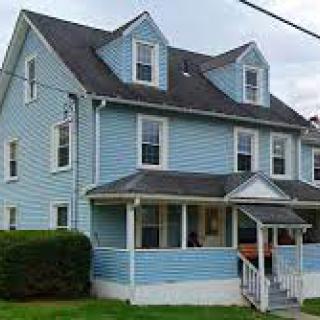
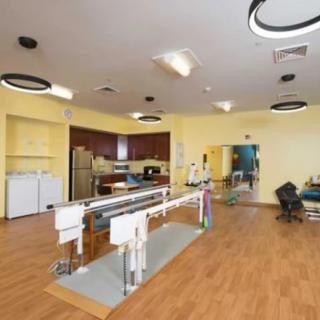
The Village At Buckland Court on seniors.fyi includes 28 photos including images showing interior, floor plan, dining, bedroom, decor, landscaping, windows, seating area, and more.
Nearby Communities
The Residence at South Windsor Farm
South Windsor, CT
4.6 from 102 reviews
$5,360 to $8,750 / month
Friendly staff and excellent dining in a clean, modern setting.
Berry Patch
South Windsor, CT
$1,055 to $1,265 / month
Affordable pricing with abundant outdoor spaces and convenient access to nearby amenities.
HarborChase Of Evergreen Walk
South Windsor, CT
4.2 from 64 reviews
$5,025 to $7,795 / month
New, clean, and well-maintained facility with engaging activities and compassionate staff.
Brookdale South Windsor
South Windsor, CT
4.3 from 54 reviews
$5,145 to $7,850 / month
Clean, modern facility with friendly staff and engaging memory care.
Watson Farm
South Windsor, CT
4.4 from 21 reviews
$1,030 to $1,265 / month
Affordable 55+ living with extensive nearby amenities and pet-friendly policy.
Holiday White Oaks
Manchester, CT
4.3 from 130 reviews
$3,069 to $4,489 / month
Well-maintained facilities with friendly staff and a variety of apartment options and activities.
Evergreen Crossings Retirement Community
South Windsor, CT
4.7 from 57 reviews
$3,568 to $5,043 / month
Warm, welcoming staff and a strong sense of community with engaging activities.
April Time Residential Care Home
Manchester, CT
2.3 from 3 reviews
$2,400 to $2,700 / month
Affordable pricing with comprehensive care options and on-site amenities.
Vernon Manor Health Care Center
Vernon, CT
4.6 from 126 reviews
Dedicated staff with a clean, welcoming rehab-focused environment.
Dementia, primarily caused by Alzheimer's disease but also linked to other conditions, leads to cognitive decline impacting memory and daily functioning, with individuals experiencing varied awareness of their impairments. Despite memory loss, emotional connections persist, enabling responses to familiar stimuli, highlighting the need for caregivers to provide compassionate support that recognizes both limitations and retained emotional depth.
The article presents five subtle indicators of dementia, such as memory lapses and mood swings, to help families assess cognitive decline in loved ones. It emphasizes early detection, open communication, and seeking professional help while providing practical support steps.
Dementia encompasses progressive neurological disorders that impair cognitive functions and can lead to paranoia due to cognitive decline and emotional changes. The article discusses the triggers of paranoia in dementia, caregiver strategies for managing it, and the importance of distinguishing between dementia-related paranoia and other psychiatric conditions.
Get PricingAsk A QuestionSchedule A TourContact Senior Advisor
By clicking submit, you agree to our Partner's Terms of Use. You
also consent to receive calls and texts, which may be autodialed, from our Partner. Your consent is not a condition to
using our Partner's service. Please visit our Partner's Privacy Policy for information about their privacy practices.




 22 resident community capacity
 1-bedroom apartments
 Assisted Living
 Memory Care
 Cats allowed
 Dogs allowed
 Activities off-site
 Air-conditioning
 Beautician on-site
 Cable or satellite TV
 Computer center
 Devotional services off-site
 Dining room
 Fitness room
 Fully furnished
 Garden
 General store
 Ground floor units
 Guest parking
 Handicap accessible
 Housekeeping services
 Indoor common areas
 Kitchenette
 Laundry
 Move-in coordination
 Outdoor common areas
 Outdoor patio
 Overnight guests
 Party space
 Respite or short term stays offered
 Restaurant-style dining
 Small library
 Telephone
 Wellness center
 Wheelchair accessible showers
 Wi-Fi/high-speed internet available
 Bradley International (11 miles away)
 Transportation & parking
 12-16 hour nursing
 24-hour call system
 Assistance with bathing
 Assistance with dressing
 Assistance with transfers
 Diabetes diet
 Diabetic care
 High acuity care
 Hospice waiver
 Incontinence care
 Medication management
 Mental wellness program
 Physical therapy
 Special dietary restrictions
 Transportation arrangement (medical)
 Art classes
 Book club
 Catholic services
 Cooking classes
 Day trips and outings
 Educational speakers / life long learning
 Games
Games Karaoke
 Live musical performances
 Visiting Rabbi
 Wii bowling
 Wine tasting
 English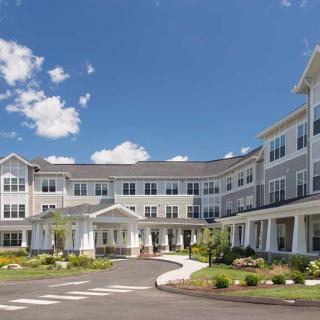
 Friendly staff and excellent dining in a clean, modern setting.

 Delving into the Inner World of Dementia: Insights into Thoughts and Awareness
 Five Subtle Dementia Indicators to Observe: An In-Depth Guide to Understanding “Does My Mom Have Dementia?”
 Dementia, Paranoia, and Caregiver Guidance: Understanding the Connection