The Hearth at Tuxis Pond offers competitive pricing for its living accommodations, particularly when compared to the broader market of New Haven County and the state of Connecticut. For a studio apartment, residents will find a cost of $5,168 per month, which is notably lower than both the county average of $6,890 and the state average of $5,919. Similarly, one-bedroom units at The Hearth are priced at $5,708, again providing a more affordable option relative to New Haven County's $6,325 and Connecticut's $6,383. However, in the case of two-bedroom apartments, The Hearth's rate of $6,315 exceeds the county's significantly lower rate of $3,671 but remains competitive compared to the statewide figure of $5,070. Lastly, for semi-private rooms priced at $8,017 per month, this figure stands higher than both local and state averages ($5,988 in New Haven County and $5,829 statewide). Overall, while The Hearth at Tuxis Pond presents an attractive value for many room types when contrasted with county rates, it highlights some variability in pricing for larger accommodations.
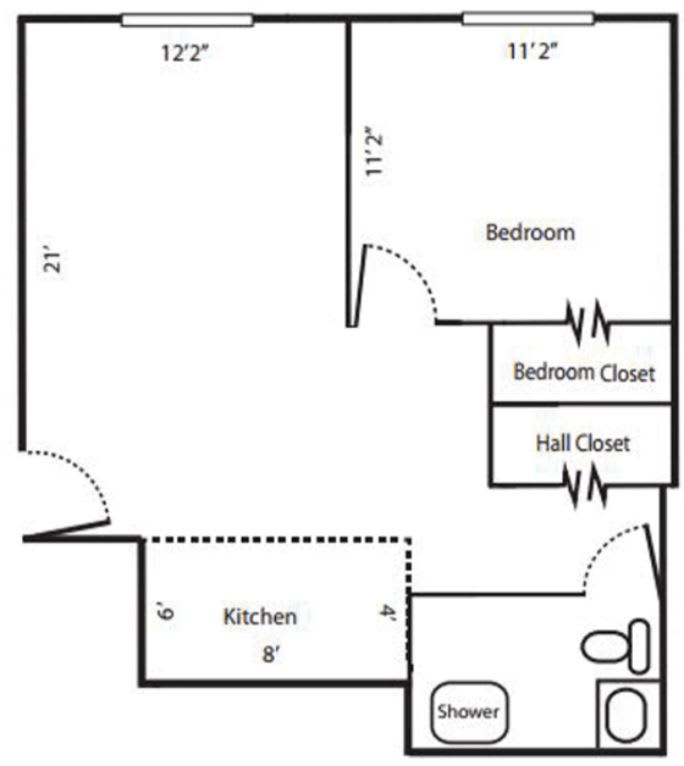
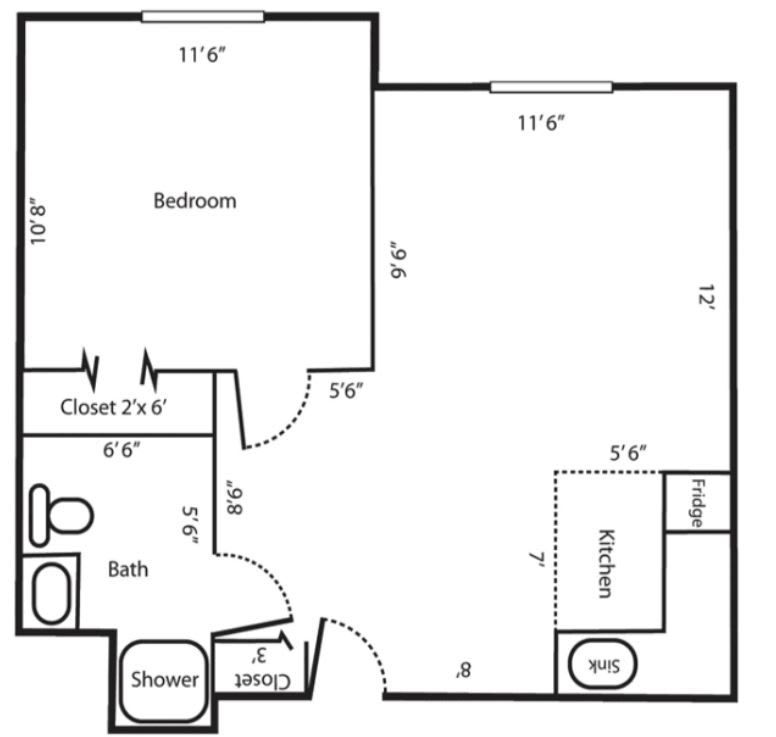
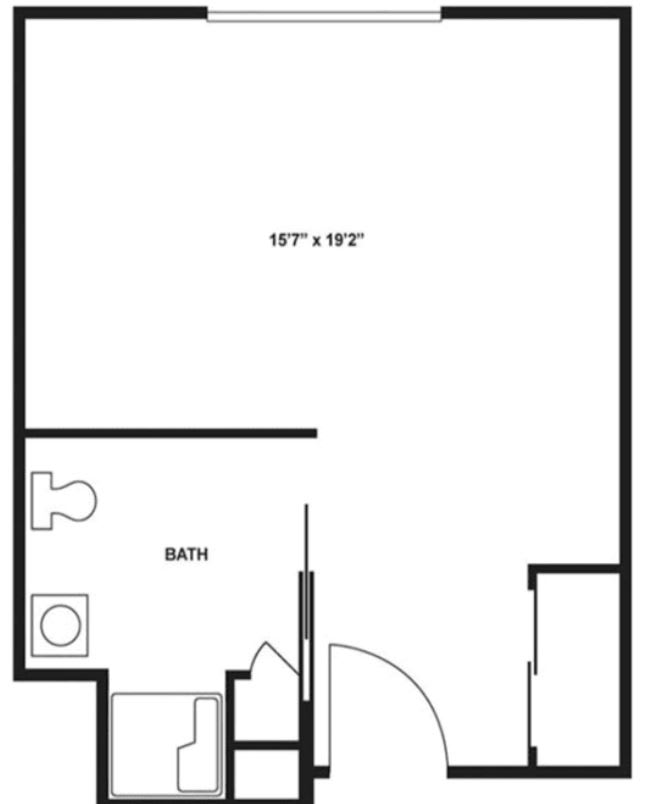
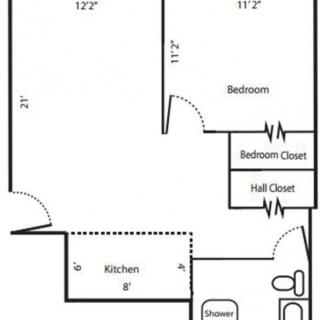
Floor plans
The Hearth at Tuxis Pond
New Haven County
Connecticut
Studio
$5,168
$6,890
$5,919
1 Bedroom
$5,708
$6,325
$6,383
2 Bedrooms
$6,315
$3,671
$5,070
Semi-Private
$8,017
$5,988
$5,829
Memory care communities with a similar price nearby
Residents and families repeatedly describe staff as kind, attentive, and responsive.
Across multiple reviews, families describe staff as welcoming and supportive during the move-in transition and in day-to-day interactions. Several residents and visitors say staff treat people with patience and respect, and that concerns are addressed promptly. A few reviews also emphasize consistent involvement from nursing, aides, and administrative teams, including guidance around care needs and medical support.
common7 reviews mention this
Dining quality and dietary options
Residents frequently praise the food, and the community supports multiple diets.
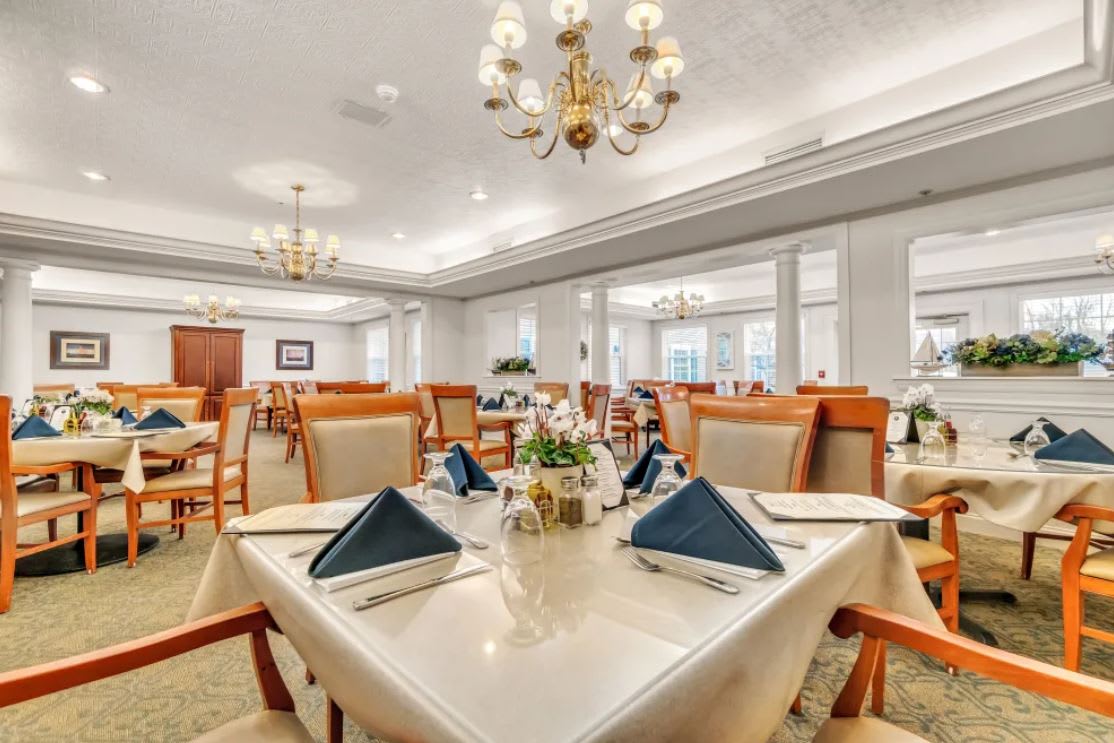
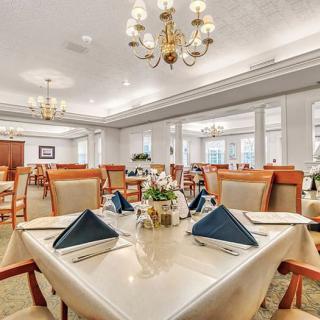
Dining comes up often, with reviewers describing meals as delicious and a highlight of the experience. Some reviews connect dining to the overall quality of life, including residents who continue eating well. The community offers restaurant-style dining and meal service, along with special dietary options such as gluten-free and low/no-sodium, plus no-sugar and vegetarian-friendly choices.
differentiator5 reviews mention this
Care levels and memory care support
The community offers multiple care levels, including memory care programming.
Several reviews mention care across different needs, including assisted living support and specialized memory care when dementia progresses. Families describe staff helping make care transitions feel manageable, including moves to a more secure setting. Residents and families also point to ongoing attention to medical needs and wellbeing, aligning with the community’s care services that include dementia-focused programming and support for medication and meal preparation.
caveat5 reviews mention this
Communication varies, especially during COVID
Families report communication can be inconsistent, particularly during COVID.
A recurring concern in the reviews is communication—some family members describe unanswered calls or emails and spotty updates about how their loved one is doing. During the COVID period and visitor restrictions, one reviewer described the situation as difficult because they could not visit in person. Another review calls for more consistent, reassuring updates, even while the community is working to keep residents safe.
caveat3 reviews mention this
Costs feel high for memory care
Some reviewers describe memory care as expensive or the overall community as overpriced.
A few reviews raise cost concerns, including comments about memory care being expensive and general pricing feeling too high. At the same time, the listing’s pricing ranges suggest that some unit types can be priced below county and state benchmarks, while others can land slightly above. If cost is a key factor, it may be worth asking how pricing compares across care levels and room types.
How we summarize
Counts show how many written reviews mention each theme; a review can touch several themes, and only frequently mentioned themes are displayed.
Features
Housing
22 resident community capacity
1-bedroom apartments
Studio apartments
Types of Care
Assisted Living
Independent Living
Memory Care
Amenities
Activities off-site
Activities on-site
Air-conditioning
Beautician on-site
Beauty salon
Cable or satellite TV
Devotional services off-site
Devotional services on-site
Dining room
Full kitchen
Fully furnished
Garden
Ground floor units
Housekeeping services
Indoor common areas
Kitchenette
Move-in coordination
Outdoor common areas
Outdoor space
Respite or short term stays offered
Telephone
Wheelchair accessible showers
Wi-Fi/high-speed internet available
Care Services
24-hour call system
24-hour supervision
Activities of daily living assistance
Assistance with bathing
Assistance with dressing
Assistance with transfers
Coordination with health care providers
Dementia waiver
Diabetes diet
Diabetic care
Hospice waiver
Incontinence care
Meal preparation and service
Medication management
Mental wellness program
Mild cognitive impairment
Special dietary restrictions
Specialized memory care programming
Transportation arrangement (medical)
Transportation to doctors appointments
Dining
Diabetes diet
Gluten-free
Guest meals
International cuisine
Low / no sodium
Meals provided
No Sugar
Professional chef
Restaurant style dining
Room service
Special dietary restrictions
Special dining programs
Vegetarian
Activities
Art classes
Catholic services
Community-sponsored activities
Cooking classes
Day trips and outings
Devotional activities offsite
Devotional activities on-site
Educational speakers / life long learning
Jewish services
Live well programs
Other religious services
Scheduled daily activities
Visiting chaplain or priest
Nearby Places of Interest
This part of Madison, Connecticut offers a variety of amenities that cater to senior living. With numerous restaurants, pharmacies, physicians' offices, parks, and hospital facilities within close proximity, residents have easy access to essential services. The area also features public transportation options such as the Shore Line East train station for convenient travel. Additionally, there are cafes where seniors can socialize and enjoy a cup of coffee. The presence of parks like Hammonasset Beach State Park and Nut Plains Park provides opportunities for outdoor recreation and relaxation. Overall, this part of Madison offers a well-rounded community with resources that can support a comfortable and fulfilling senior lifestyle.
Restaurants
Jia Mei Asian Kitchen (0.1 miles)
Bradley and Wall Gourmet Foods (0.1 miles)
Cafe Allegre (0.2 miles)
Steamed (0.2 miles)
Christy's Madison Inne (0.9 miles)
McDonald's (1.1 miles)
Lenny & Joe's Fish Tale (2.2 miles)
Pharmacies
CVS Pharmacy (0.2 miles)
CVS Pharmacy (3.7 miles)
CVS Pharmacy (4.6 miles)
Walgreens (4.7 miles)
Walgreens (4.7 miles)
Killingworth Family Pharmacy (5.1 miles)
Bluepoint Wellness Of CT (9.3 miles)
Physicians
County Obgyn (0.4 miles)
Urology Center (0.4 miles)
Dr Serle Epstein (0.4 miles)
Alicia R. Guidone, D.P.M. (0.5 miles)
Ear, Nose and Throat Specialists of Connecticut (0.6 miles)
Leon A. Goldstein, MD (0.6 miles)
Karen S Ablow (0.6 miles)
Parks
Madison Surf Club (1 miles)
Hammonasset Beach State Park (2.4 miles)
Rollwood Park (4.1 miles)
Guilford Town Green (4.5 miles)
Nut Plains Park (4.7 miles)
Chatfield Hollow State Park (5.9 miles)
Foote Memorial Park (11.1 miles)
Hospitals
Middlesex Hospital Madison Outpatient Blood Drawing Facility (2.1 miles)
Yale New Haven Hospital Blood Drawing Station (11.2 miles)
Transportation
Shore Line East - Guilford Train Station (4.1 miles)
The Hearth at Tuxis Pond offers competitive pricing for its living accommodations, particularly when compared to the broader market of New Haven County and the state of Connecticut. For a studio apartment, residents will find a cost of $5,168 per month, which is notably lower than both the county average of $6,890 and the state average of $5,919. Similarly, one-bedroom units at The Hearth are priced at $5,708, again providing a more affordable option relative to New Haven County's $6,325 and Connecticut's $6,383. However, in the case of two-bedroom apartments, The Hearth's rate of $6,315 exceeds the county's significantly lower rate of $3,671 but remains competitive compared to the statewide figure of $5,070. Lastly, for semi-private rooms priced at $8,017 per month, this figure stands higher than both local and state averages ($5,988 in New Haven County and $5,829 statewide). Overall, while The Hearth at Tuxis Pond presents an attractive value for many room types when contrasted with county rates, it highlights some variability in pricing for larger accommodations.
The features at The Hearth at Tuxis Pond work collectively to create a safe and supportive environment for residents with dementia or Alzheimer's disease. The 24-hour supervision ensures that residents are always monitored, allowing for immediate assistance in case of confusion or disorientation. Activities of daily living assistance, including bathing, dressing, and transfers, promotes independence while ensuring safety and dignity. Coordination with healthcare providers guarantees continuity of care tailored to individual health needs, while the dementia waiver accommodates specific requirements associated with cognitive impairments. Incontinence care reflects a commitment to maintaining comfort and hygiene, complemented by meal preparation and service that cater to dietary preferences and health considerations. Medication management is crucial in preventing complications arising from missed doses or improper administration. The mental wellness program addresses the emotional aspects of memory loss through engaging activities specifically designed for those with mild cognitive impairment, enhancing quality of life. Specialized memory care programming offers structured support that fosters cognitive engagement and social interaction. Lastly, transportation arrangements for medical appointments ensure residents have access to necessary health services without added stress on families or caregivers.
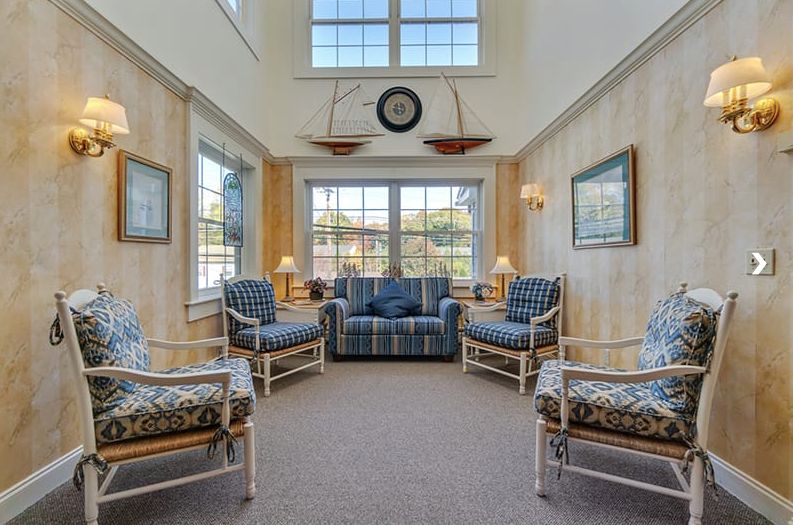
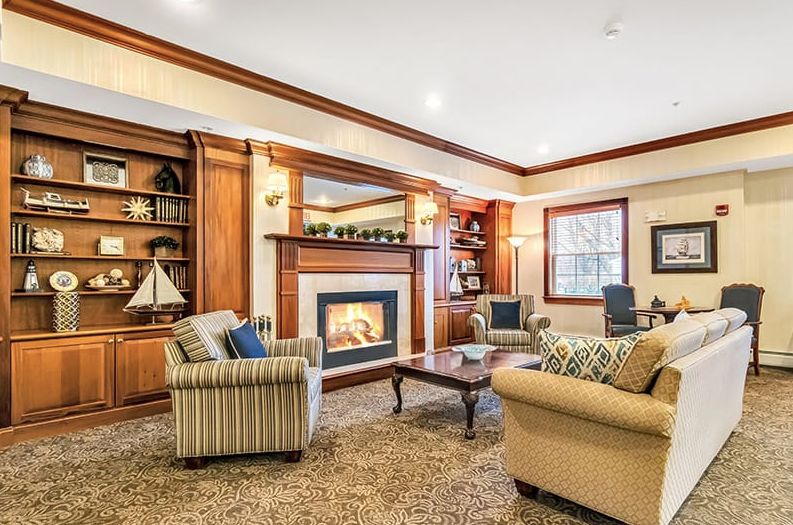
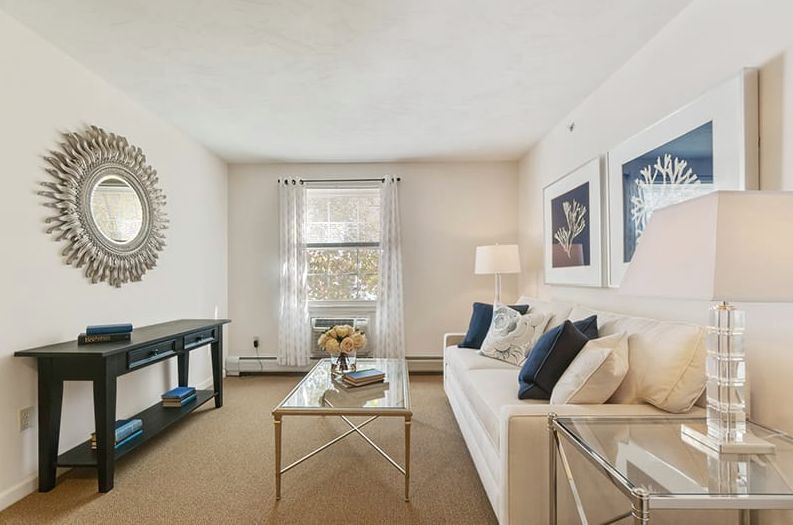
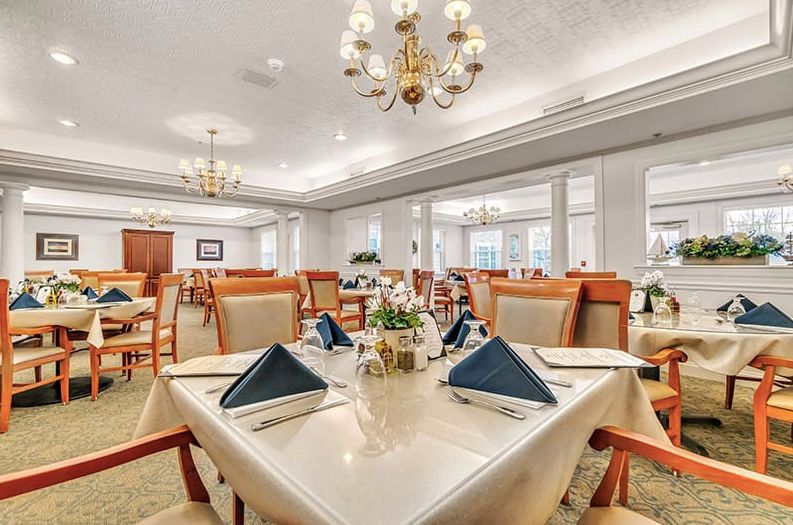
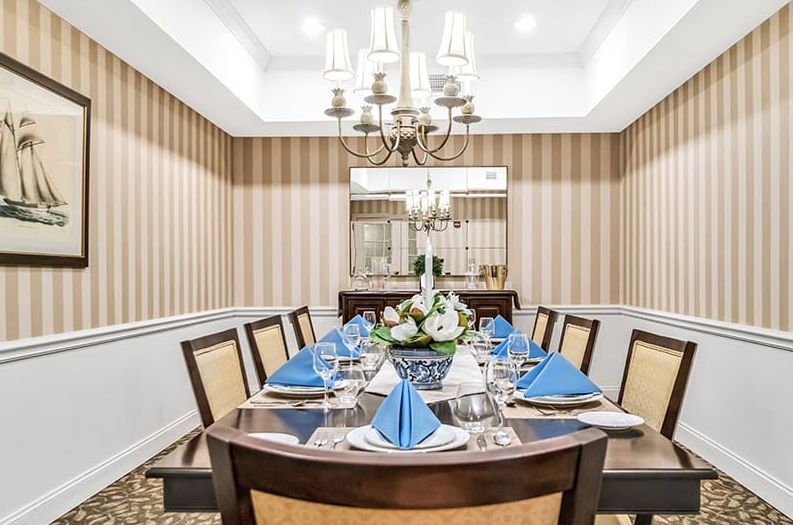
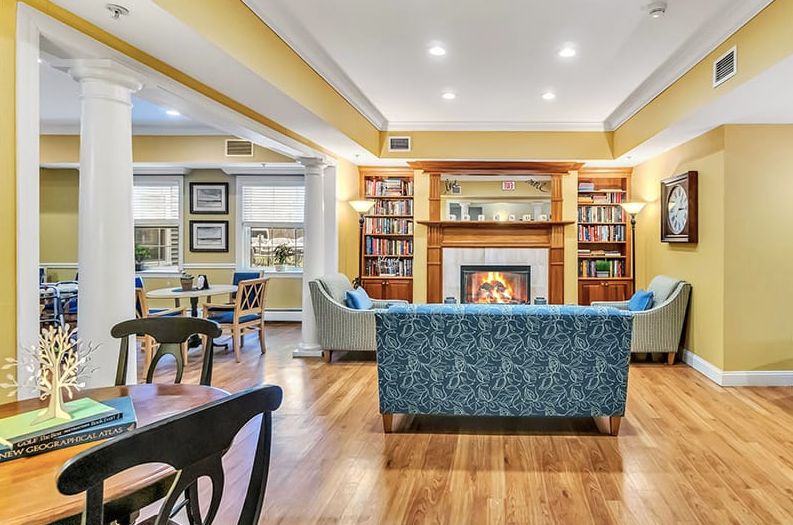
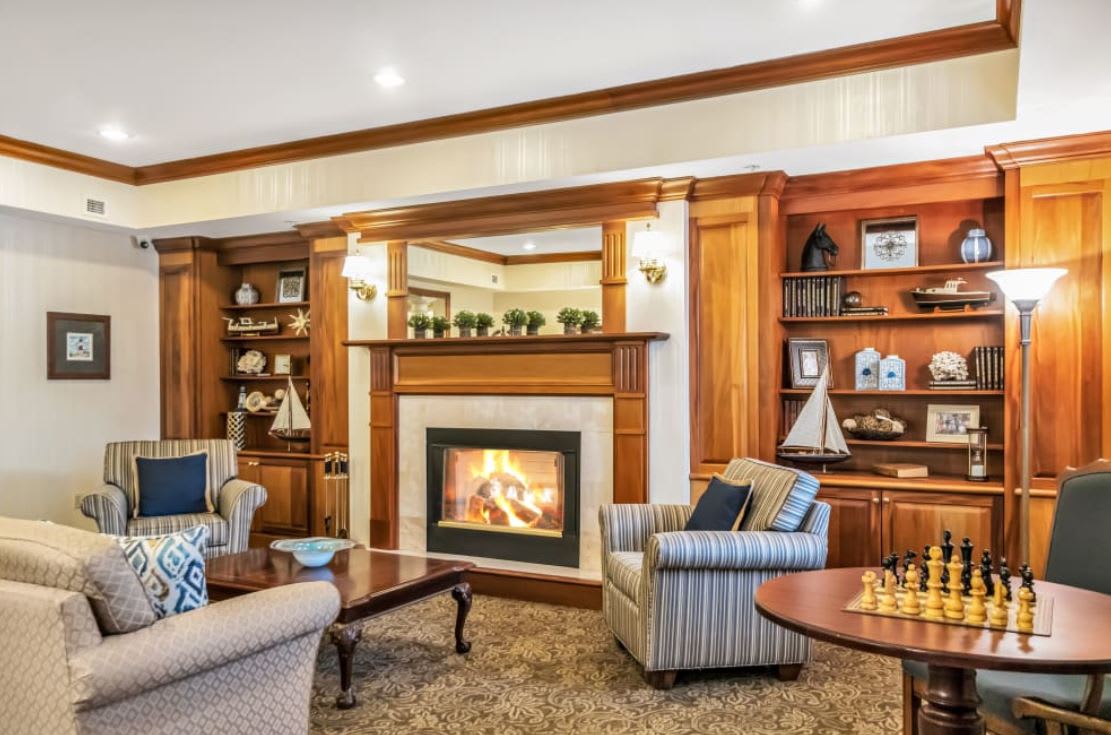
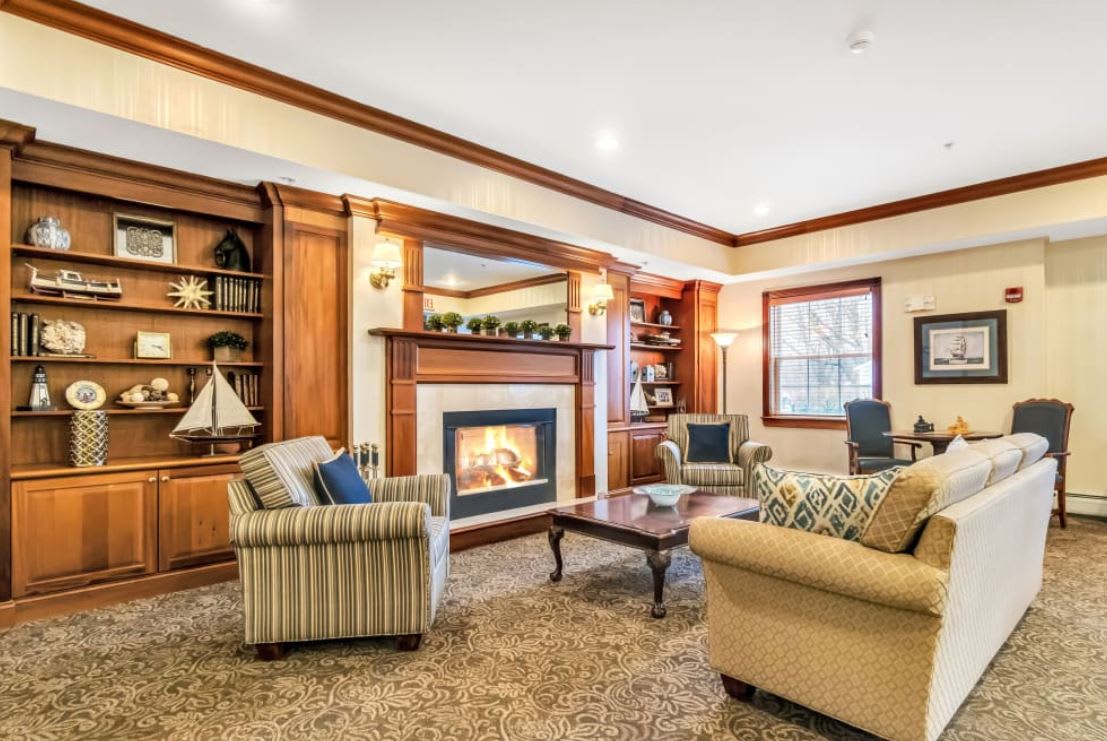
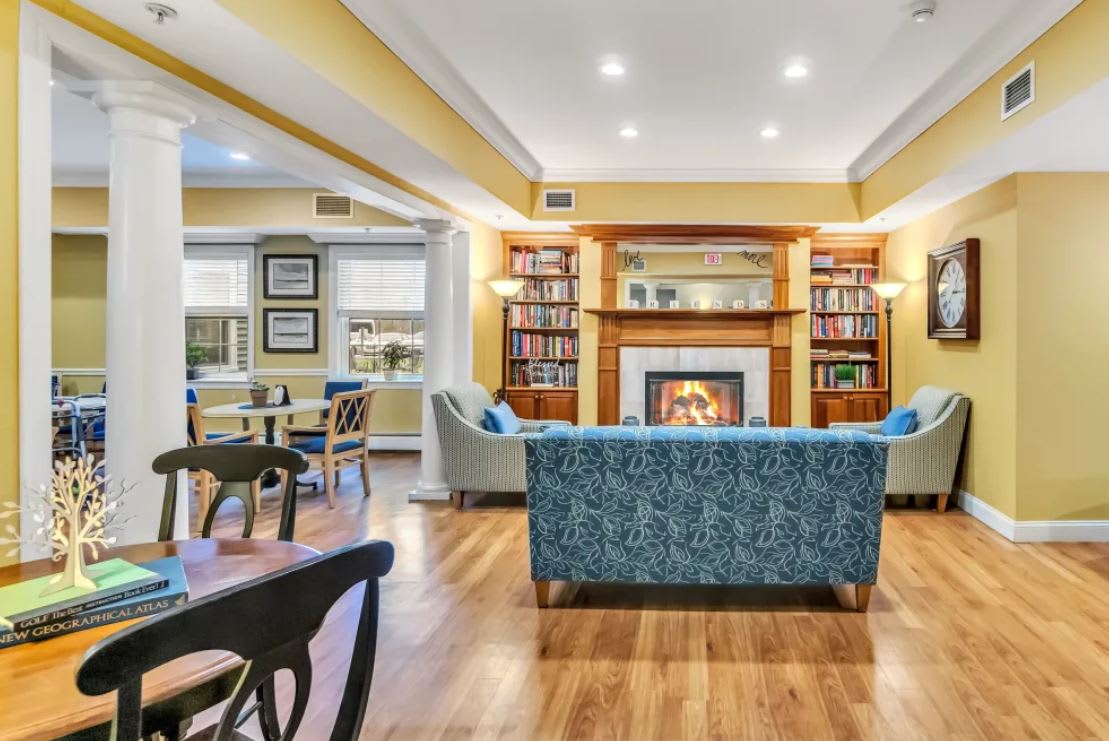
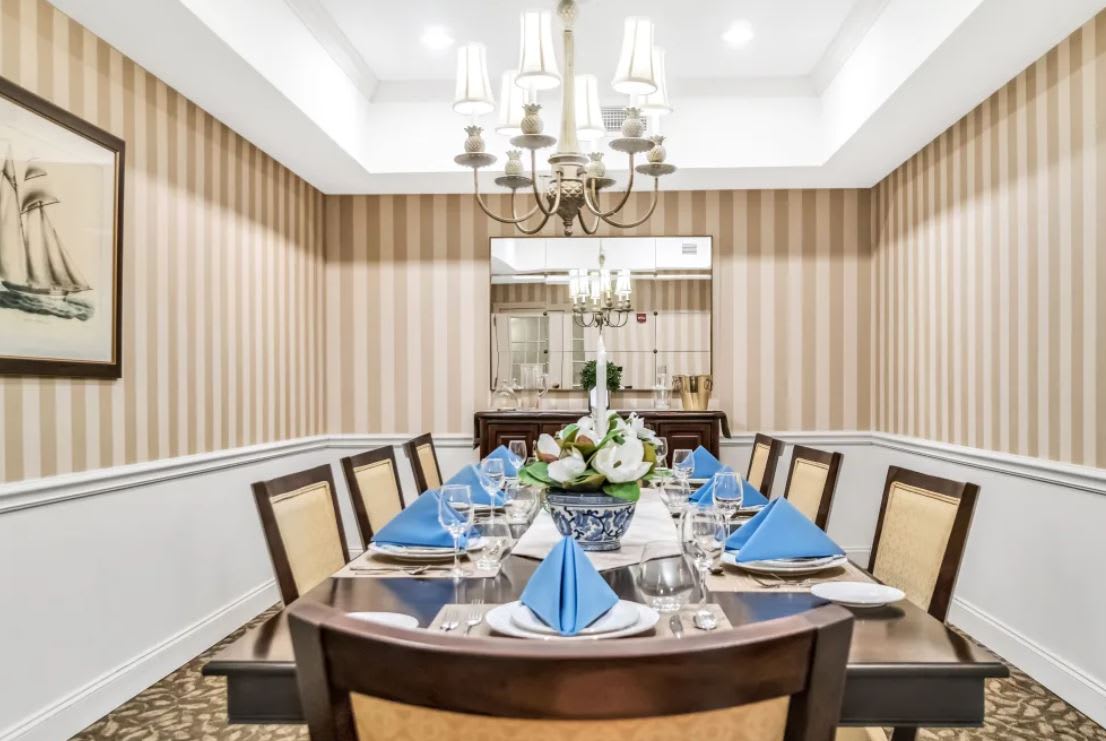
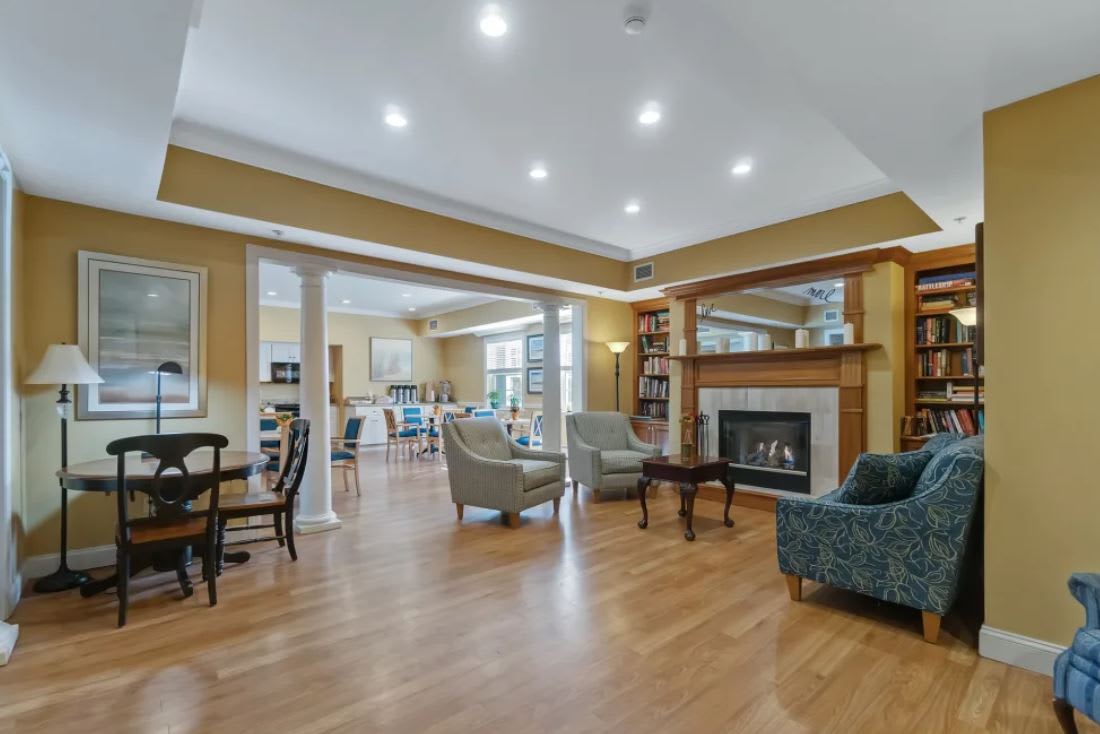
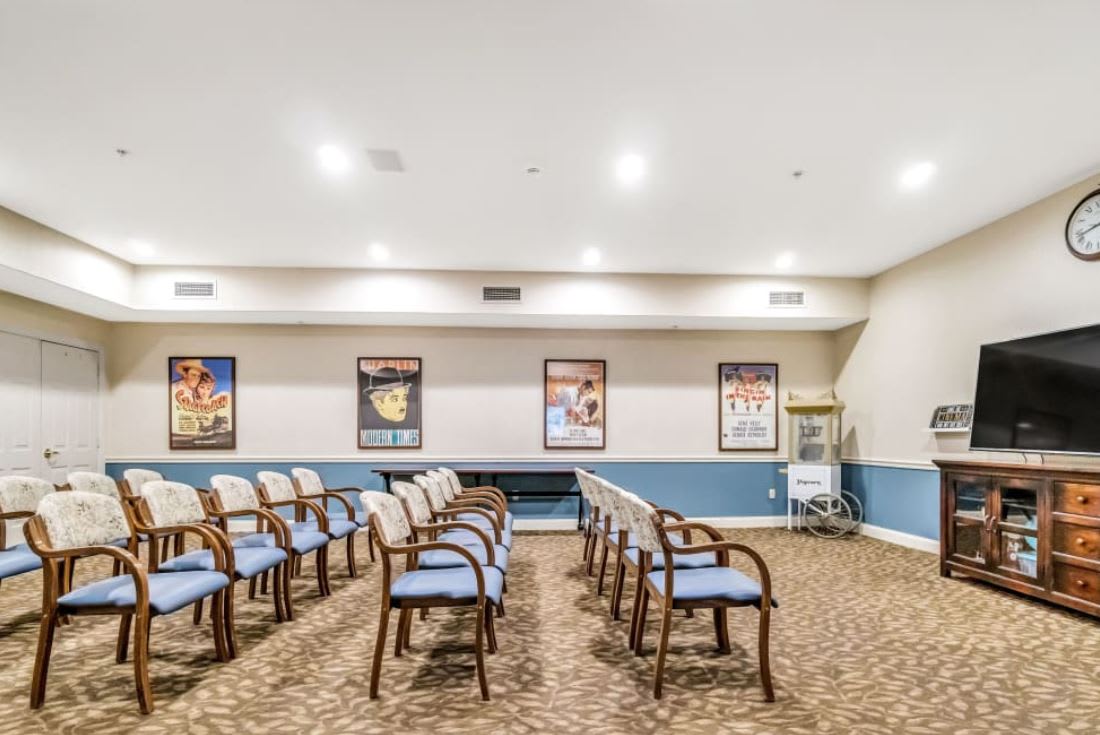
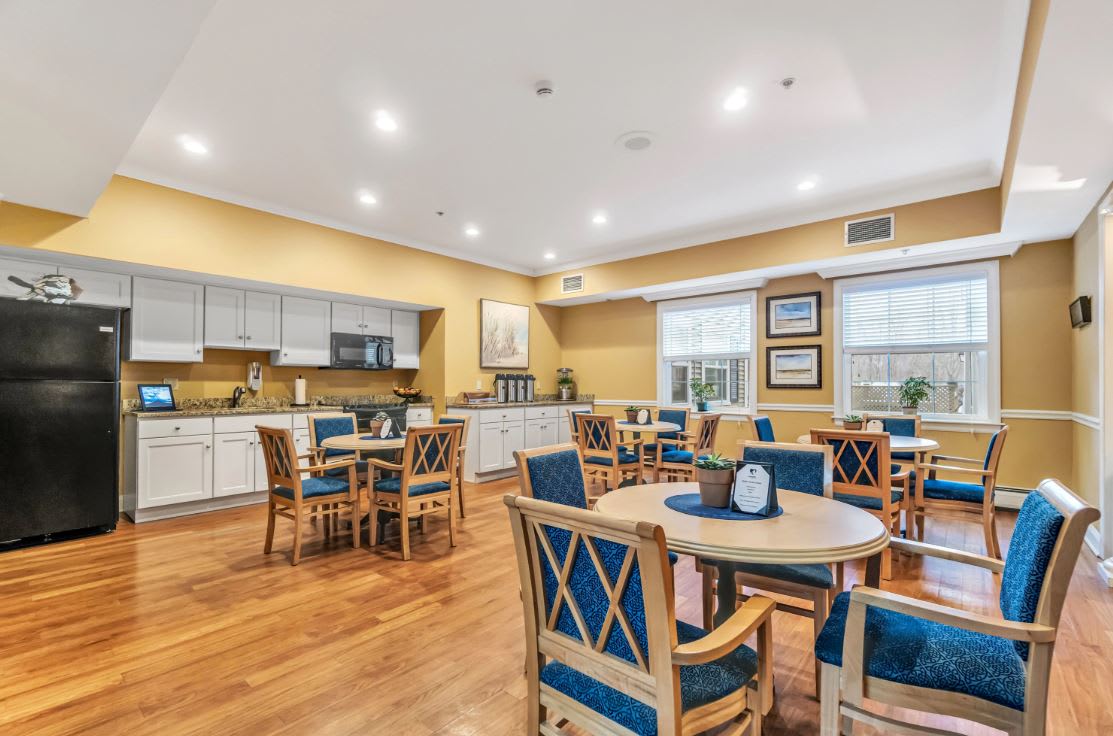
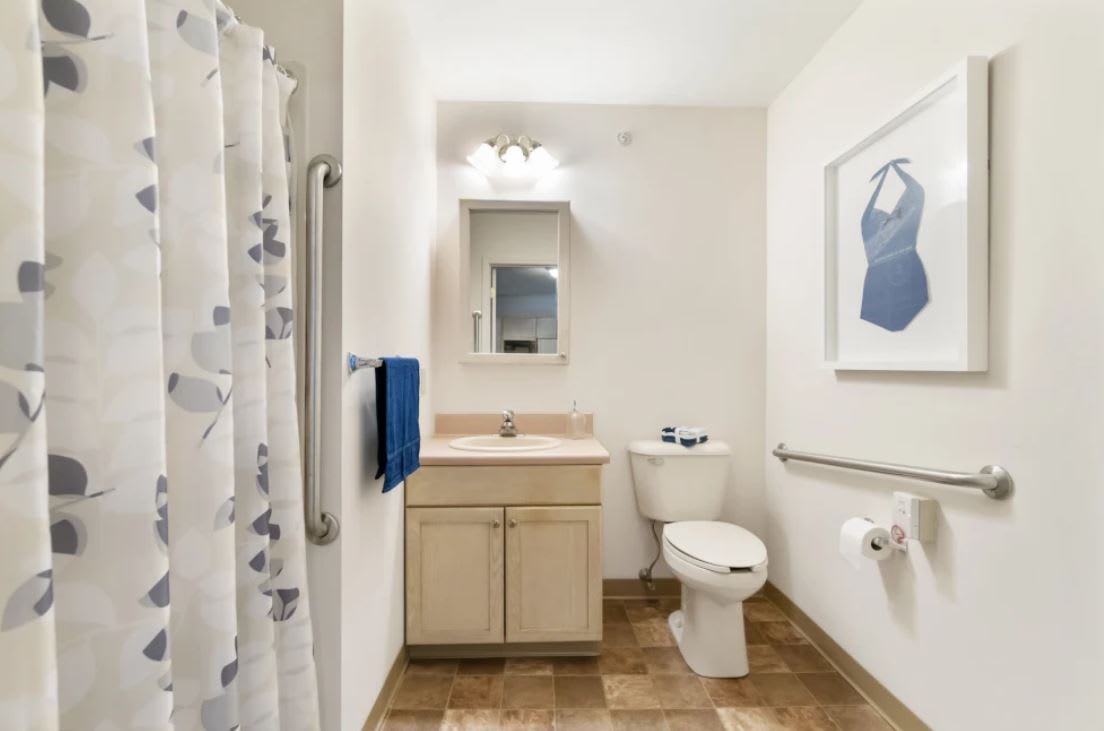
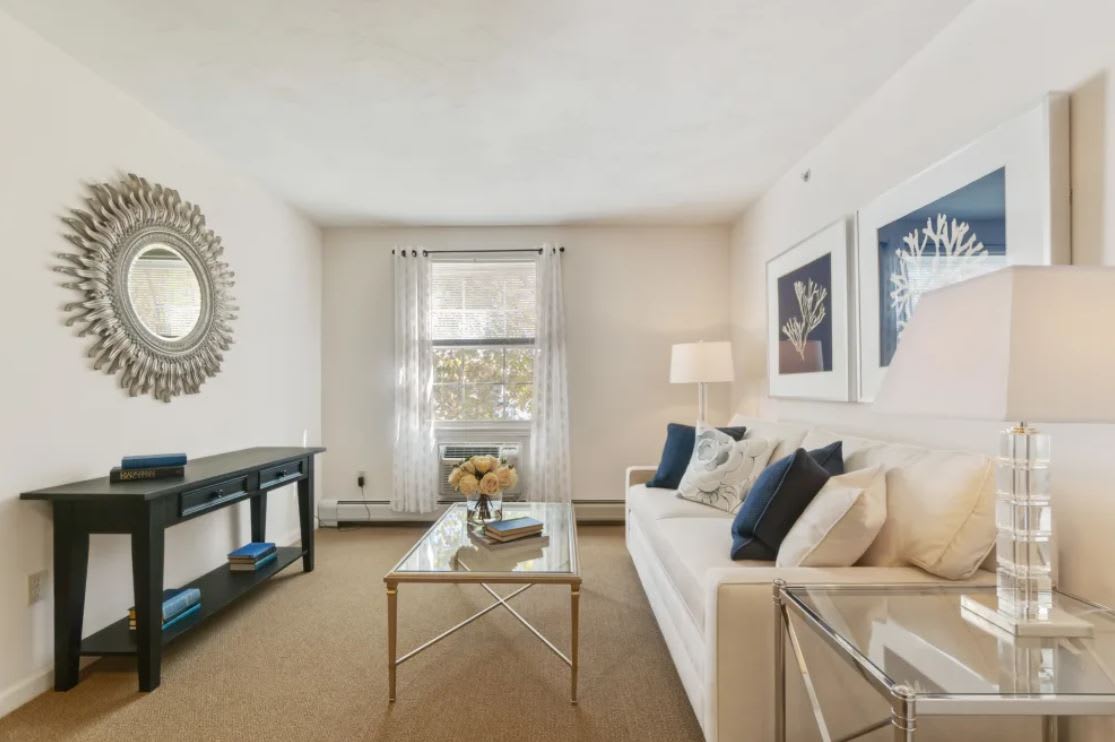
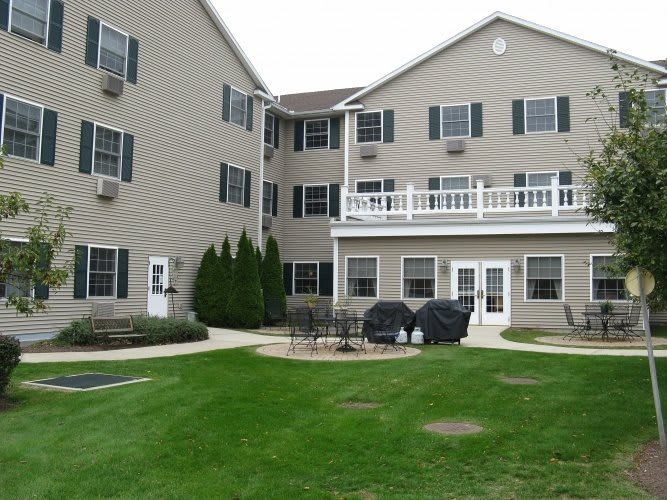
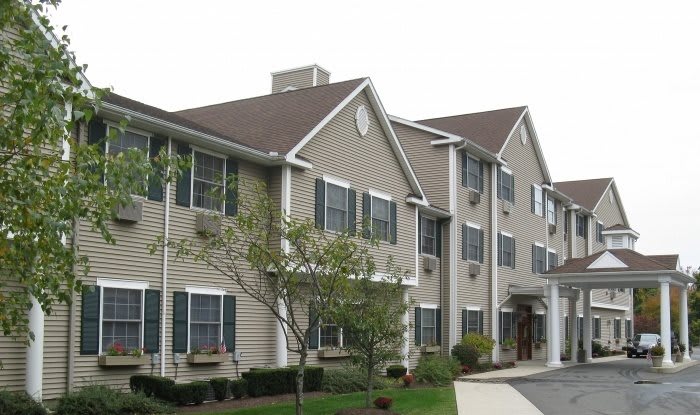
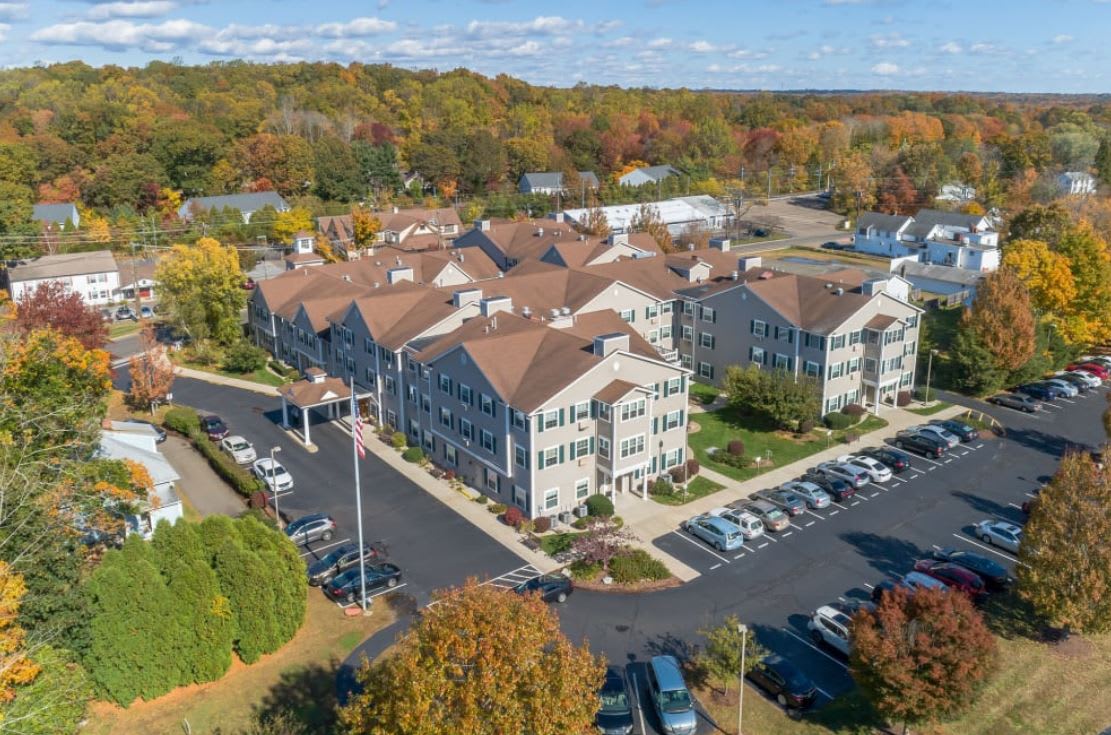
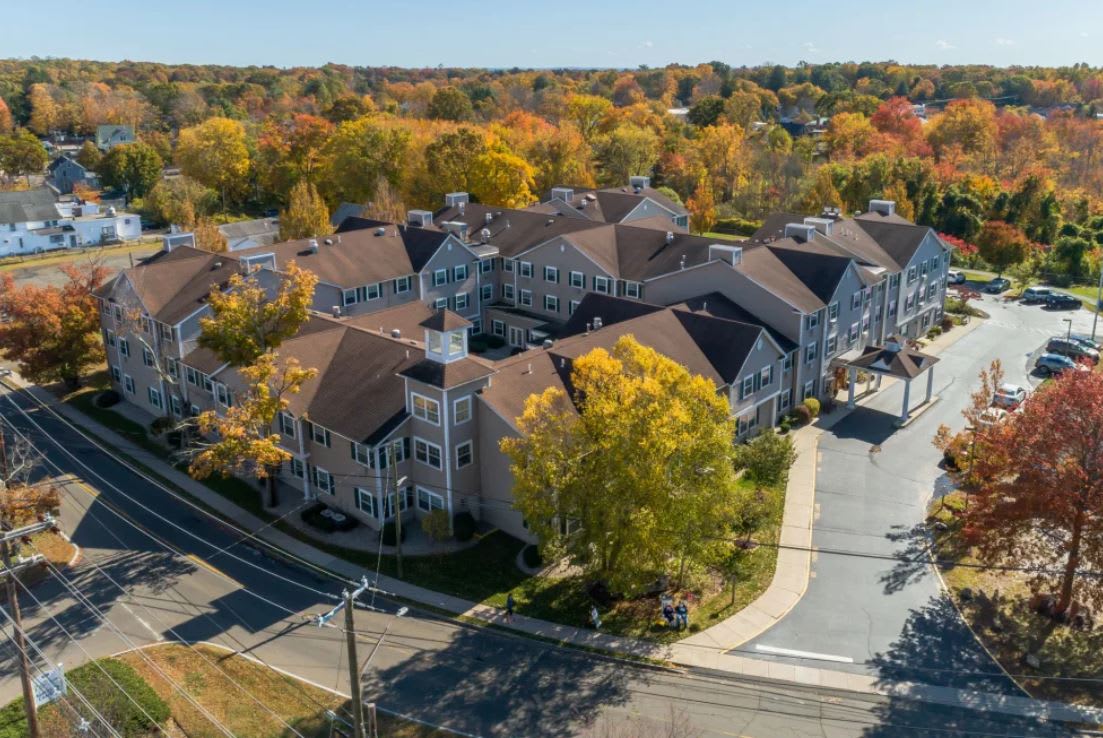
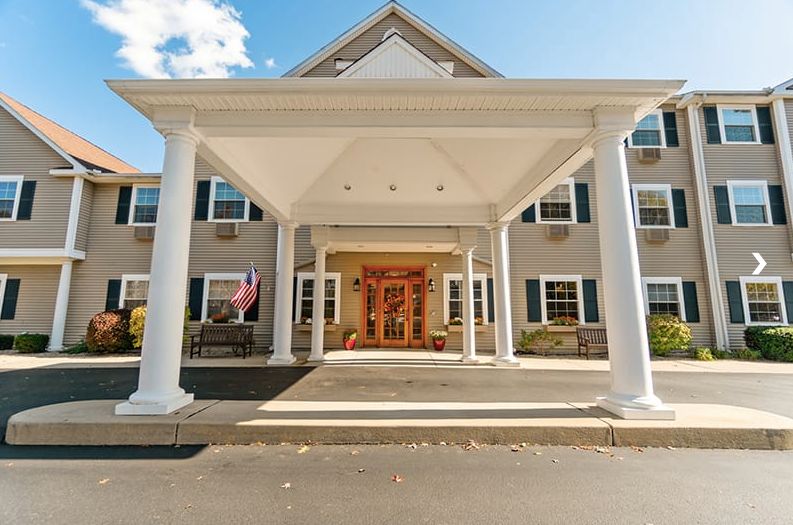
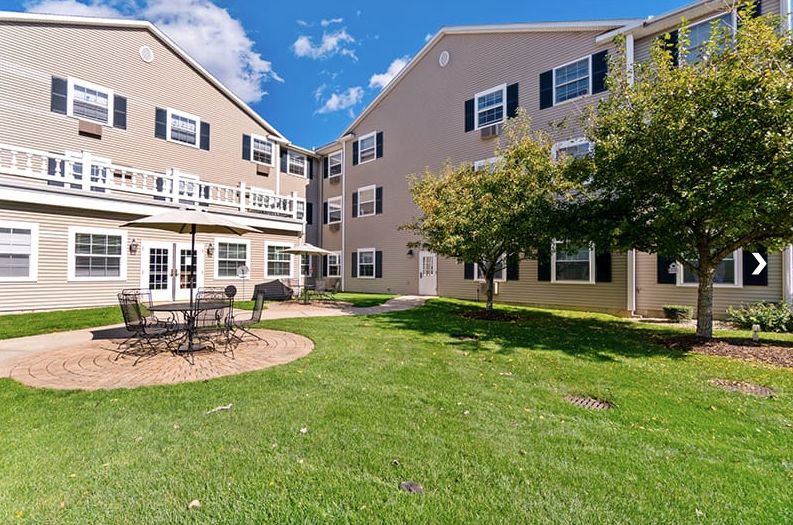
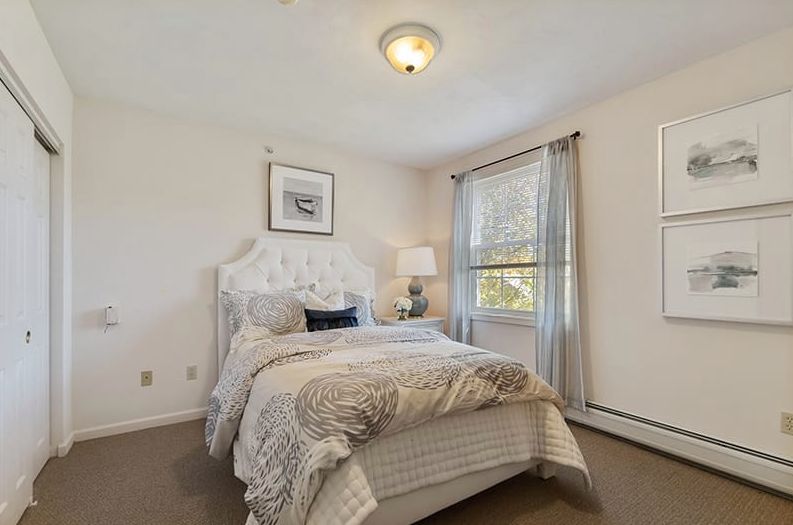
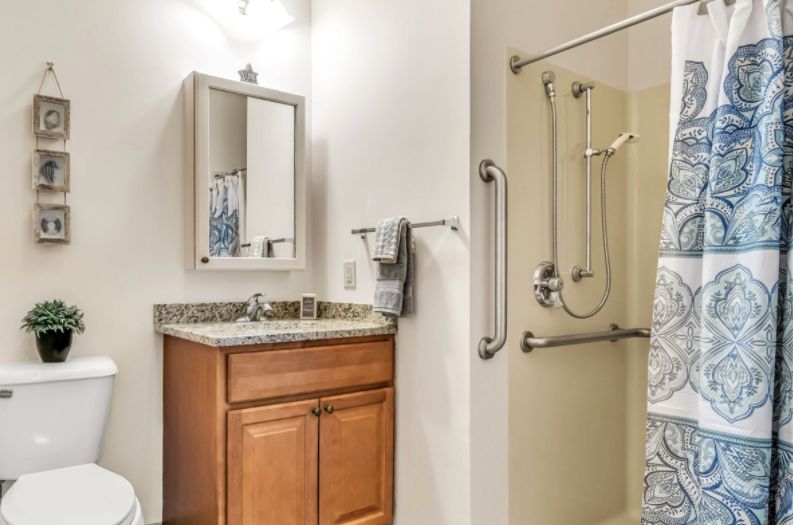
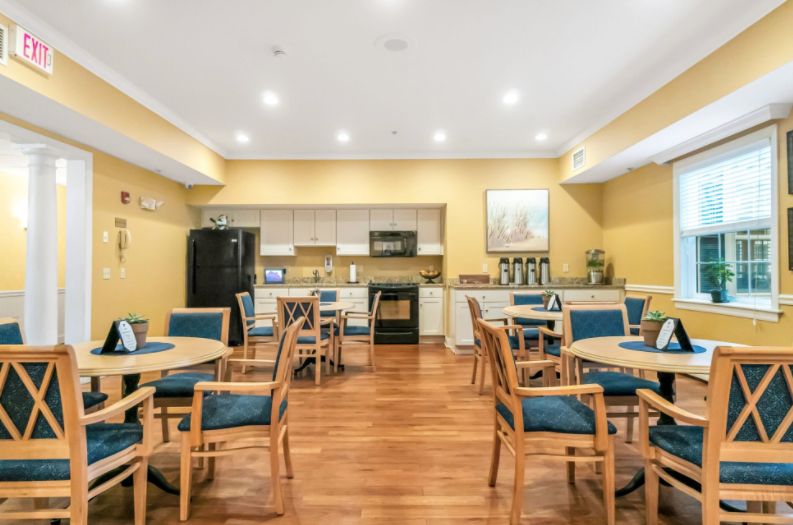
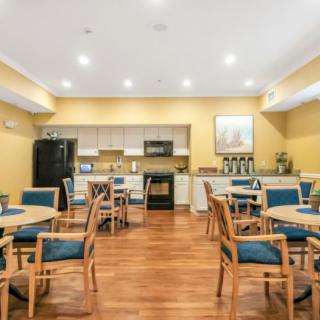
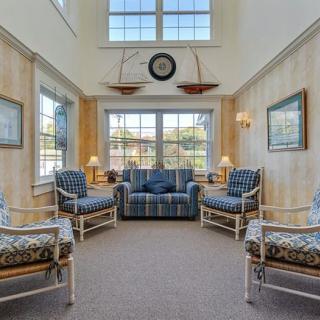
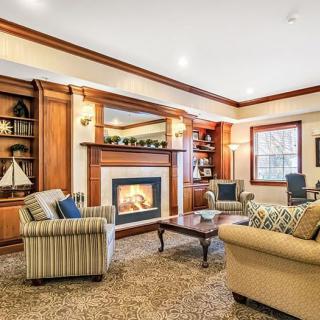
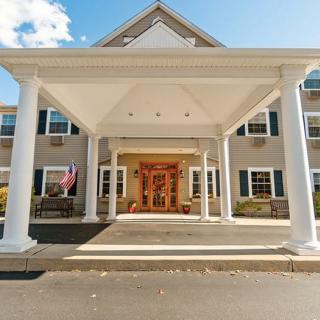
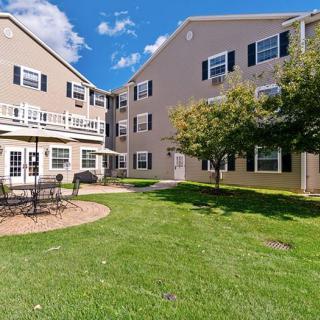
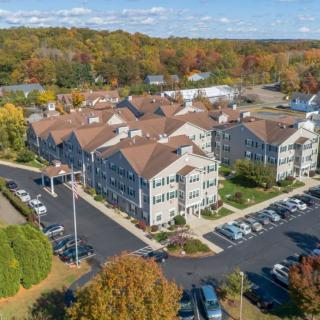
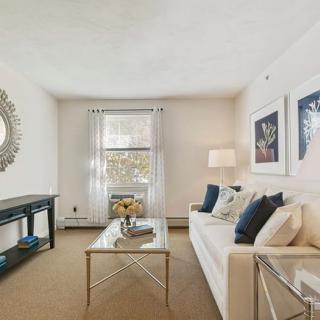
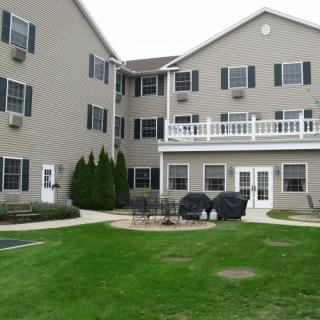
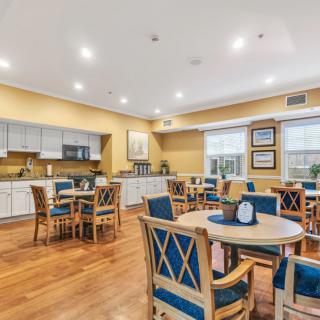
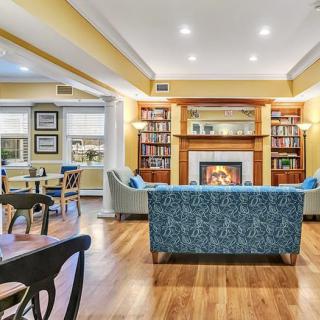
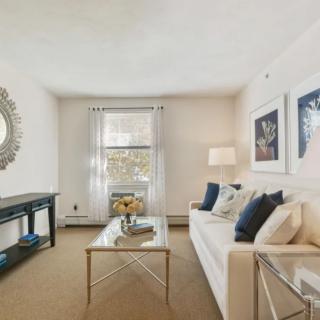
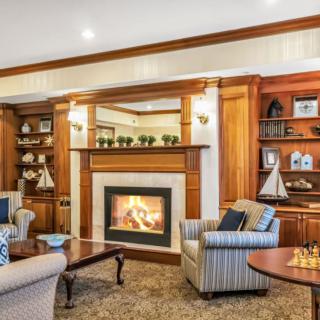
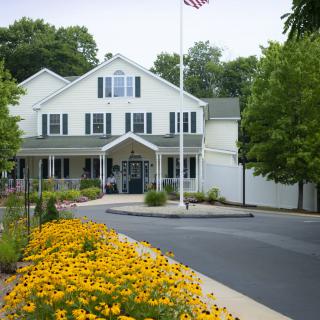
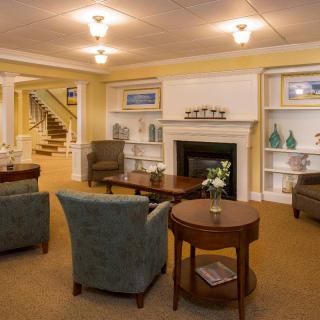
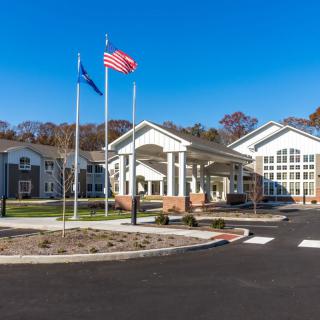
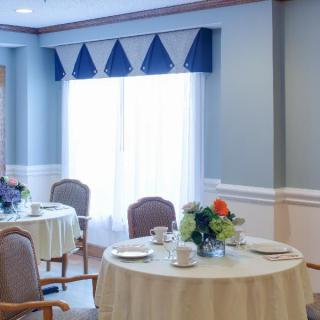
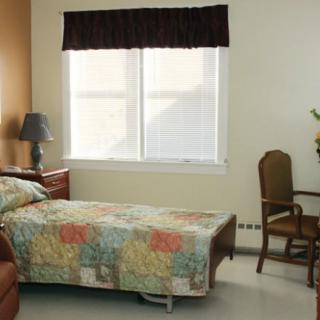
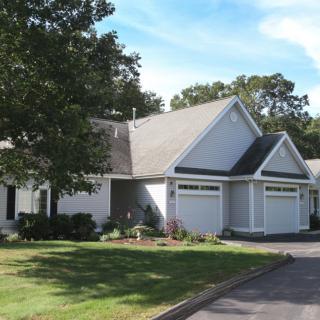
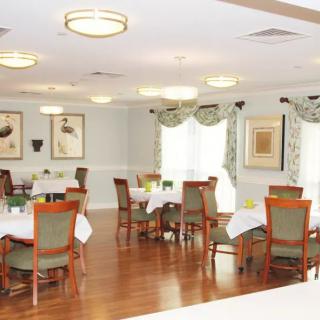
The Hearth at Tuxis Pond on seniors.fyi includes 29 photos including images showing interior, living room, dining, decor, bathroom, floor plan, fireplace, architecture, and more.
Nearby Communities
Patient Care, Inc.
Madison, CT
4.9 from 86 reviews
$4,500 / month
Affordable 1-bedroom pricing relative to local averages; easy access to dining, parks, healthcare, pharmacies, and transportation.
Premier Home Health Care - Madison
Madison, CT
3 from 2 reviews
Vibrant community with easy access to dining, pharmacies, parks, and healthcare nearby.
Homestead Madison
Madison, CT
4.9 from 119 reviews
$4,000 / month
Affordable 1-bedroom option with comprehensive dining and on-/off-site activities
The article emphasizes the significance of establishing a power of attorney for elderly parents to enable an agent to make decisions on their behalf regarding health and finances, especially during cognitive or physical decline. It outlines various types of power of attorney, the importance of consulting legal professionals, and the responsibilities and challenges faced by agents, while also discussing alternatives and common misconceptions.
Caregiver support groups are crucial for providing emotional and practical assistance to those caring for loved ones, offering resources, coping strategies, and a sense of community through various organizations and platforms. These groups help alleviate isolation and burnout while addressing the unique challenges faced by caregivers of individuals with specific conditions.
The guide outlines the complexities of Medicaid coverage for assisted living, highlighting significant state-to-state variations, limited coverage often restricted to personal care services, and the existence of specialized waivers for certain needs like memory care. It advises families to consult local Medicaid offices for options while emphasizing the importance of understanding state-specific regulations and facility policies.
Get PricingAsk A QuestionSchedule A TourContact Senior Advisor
By clicking submit, you agree to our Partner's Terms of Use. You
also consent to receive calls and texts, which may be autodialed, from our Partner. Your consent is not a condition to
using our Partner's service. Please visit our Partner's Privacy Policy for information about their privacy practices.





 22 resident community capacity
 1-bedroom apartments
 Assisted Living
 Independent Living
 Memory Care
 Activities off-site
 Air-conditioning
 Beautician on-site
 Cable or satellite TV
 Devotional services off-site
 Dining room
 Full kitchen
 Fully furnished
 Garden
 Ground floor units
 Housekeeping services
 Indoor common areas
 Move-in coordination
 Outdoor common areas
 Respite or short term stays offered
 Telephone
 Wheelchair accessible showers
 Wi-Fi/high-speed internet available
 24-hour call system
 Assistance with bathing
 Assistance with dressing
 Assistance with transfers
 Diabetes diet
 Diabetic care
 Hospice waiver
 Incontinence care
 Meal preparation and service
 Medication management
 Mental wellness program
 Special dietary restrictions
 Transportation arrangement (medical)
 Transportation to doctors appointments
 Art classes
 Catholic services
 Cooking classes
 Day trips and outings
 Educational speakers / life long learning
 Jewish services
 Live well programs
 Affordable 1-bedroom pricing relative to local averages; easy access to dining, parks, healthcare, pharmacies, and transportation.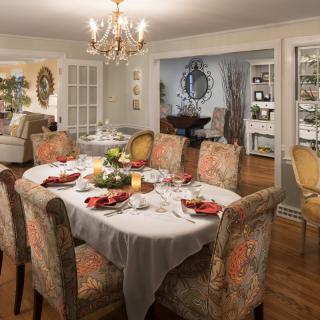


 Guiding Your Journey: Understanding Power of Attorney for Elderly Parents
 22 Remarkable Caregiver Support Groups Available Online and In-Person
 Understanding Medicaid Coverage for Assisted Living: A Comprehensive Guide