For more information about senior living options: (866) 208-4318
4.9 from 86 reviews
5 stars
84
4 stars
1
3 stars
0
2 stars
0
1 stars
1
Patient Care, Inc. Costs & Pricing
Patient Care, Inc. offers competitive pricing for its one-bedroom accommodations at $4,500 per month, which stands in stark contrast to the higher costs in New Haven County averaging $6,325 and throughout Connecticut at approximately $6,383. This pricing strategy not only positions Patient Care, Inc. as an attractive option for potential clients seeking quality patient care but also highlights its commitment to affordability while maintaining high standards of service. By keeping their rates significantly lower than regional averages, Patient Care, Inc. demonstrates a clear understanding of the local market dynamics and a dedication to providing accessible healthcare solutions for individuals and families in need.
Floor plans
Patient Care, Inc.
New Haven County
Connecticut
1 Bedroom
$4,500
$6,325
$6,383
Senior living communities with a similar price nearby
About the same
The Mary Wade Home - Boardman Residence
4.9 from 21 reviews
$4,590 to $4,890 / month
15.3 miles away
from -$500 / mo
Homestead Madison
4.9 from 119 reviews
$4,000 / month
0.9 miles away
from -$250 / mo
Chatham Place at Mary Wade
4.8 from 56 reviews
$4,250 to $5,250 / month
13.8 miles away
from -$630 / mo
The Village At South Farms
4.6 from 82 reviews
$3,870 to $6,800 / month
17.7 miles away
from +$550 / mo
Caresource Inc
4.6 from 120 reviews
$5,050 / month
20.7 miles away
Overall Review of Patient Care, Inc.
common60 reviews mention this
Caring, knowledgeable staff stands out
Residents and families consistently describe a caring, knowledgeable team that feels supportive throughout treatment.
Many reviews emphasize that the staff is compassionate, respectful, and attentive, with families saying they felt guided step by step. Several reviewers also note the clinicians’ knowledge and patience, and how staff helped them feel more comfortable and less overwhelmed. Even when describing different experiences or lengths of care, people repeatedly return to how “people care” was central to the outcome they saw.
differentiator12 reviews mention this
Personalized treatment and therapists
Reviews highlight individualized treatment and therapist support tailored to each person’s needs.
A number of reviewers describe individualized care, including one-on-one weekly work and treatment planning that adapts to the person. Others specifically mention that their therapist was caring and helpful, and that clinicians bring specialties that make the groups feel informative rather than repetitive. Reviews also describe the program as a collaboration between clients, therapists, and support staff so goals feel concrete as treatment progresses.
common14 reviews mention this
Structured groups help build tools
Residents frequently mention a structured program with groups that helped them learn coping tools.
Across reviews, people describe participating in structured group sessions that felt engaging and collaborative. Several reviewers connect that structure to learning coping skills, gaining a new perspective, and feeling more confident in recovery day to day. Others mention that the program’s routine and clinical approach helped them stay focused through longer stays.
common3 reviews mention this
Clean, renovated setting
Some reviewers specifically call out a clean, well-kept clinic environment.
A few reviews mention that the building felt clean and well organized, with clean bathrooms and a small kitchen area. At least one reviewer also describes the outpatient clinic as newly renovated and professional. While this isn’t the most frequent theme, it’s still a repeated point among multiple reviewers.
differentiator4 reviews mention this
Aftercare and alumni support
Reviews point to ongoing alumni or extended support that helps people stay connected after core treatment.
Several reviewers mention alumni support as a way to keep recovery going beyond the initial program. Families also describe longer-term connection through groups that help clients maintain accountability with peers. This theme shows up alongside accounts of continued progress after completing PHP or IOP.
How we summarize
Counts show how many written reviews mention each theme; a review can touch several themes, and only frequently mentioned themes are displayed.
Nearby Places of Interest
Pharmacies
CVS Pharmacy (0.2 miles)
CVS Pharmacy (3.8 miles)
CVS Pharmacy (4.5 miles)
Walgreens (4.6 miles)
Walgreens (4.8 miles)
Killingworth Family Pharmacy (5.2 miles)
Bluepoint Wellness Of CT (9.1 miles)
Restaurants
Cafe Allegre (0.2 miles)
Steamed (0.3 miles)
Jia Mei Asian Kitchen (0.3 miles)
Bradley and Wall Gourmet Foods (0.3 miles)
Christy's Madison Inne (0.8 miles)
McDonald's (1.2 miles)
Lenny & Joe's Fish Tale (2.3 miles)
Physicians
County Obgyn (0.3 miles)
Urology Center (0.3 miles)
Dr Serle Epstein (0.3 miles)
Alicia R. Guidone, D.P.M. (0.5 miles)
Leon A. Goldstein, MD (0.5 miles)
Ear, Nose and Throat Specialists of Connecticut (0.5 miles)
Karen S Ablow (0.5 miles)
Parks
Madison Surf Club (0.8 miles)
Hammonasset Beach State Park (2.5 miles)
Rollwood Park (4 miles)
Guilford Town Green (4.3 miles)
Nut Plains Park (4.6 miles)
Chatfield Hollow State Park (6 miles)
Foote Memorial Park (10.9 miles)
Hospitals
Middlesex Hospital Madison Outpatient Blood Drawing Facility (2.3 miles)
Yale New Haven Hospital Blood Drawing Station (11.1 miles)
Harbor House (11.3 miles)
Transportation
Shore Line East - Guilford Train Station (3.9 miles)
Patient Care, Inc. offers competitive pricing for its one-bedroom accommodations at $4,500 per month, which stands in stark contrast to the higher costs in New Haven County averaging $6,325 and throughout Connecticut at approximately $6,383. This pricing strategy not only positions Patient Care, Inc. as an attractive option for potential clients seeking quality patient care but also highlights its commitment to affordability while maintaining high standards of service. By keeping their rates significantly lower than regional averages, Patient Care, Inc. demonstrates a clear understanding of the local market dynamics and a dedication to providing accessible healthcare solutions for individuals and families in need.
The article highlights eight essential assistive devices that improve the independence and safety of older adults, addressing issues related to mobility, balance, vision, hearing, and dexterity. It emphasizes the importance of proper selection guided by healthcare professionals to enhance seniors' quality of life while allowing them to age in place.
The article offers detailed guidance on the financial complexities of nursing home care, covering costs, payment methods, and alternative funding strategies while emphasizing the importance of proactive planning and legal considerations for individuals and families making care decisions.
The article emphasizes the critical role of supportive employee benefits for caregivers, advocating for flexible scheduling, paid leave, and mental health services to ease their challenges while enhancing employee well-being and organizational loyalty. It also highlights the importance of strong leadership in promoting these initiatives to foster a sustainable workplace culture that values caregivers.
Get PricingAsk A QuestionSchedule A TourContact Senior Advisor
By clicking submit, you agree to our Partner's Terms of Use. You
also consent to receive calls and texts, which may be autodialed, from our Partner. Your consent is not a condition to
using our Partner's service. Please visit our Partner's Privacy Policy for information about their privacy practices.





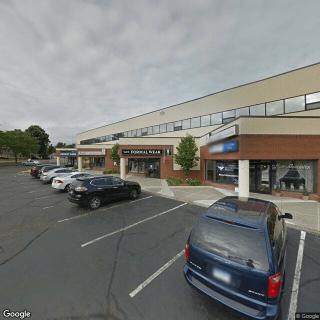

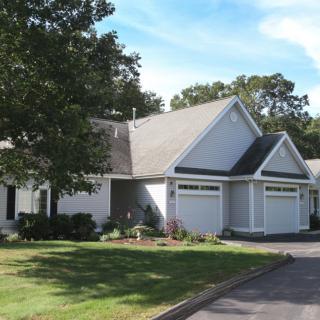
 Vibrant community with easy access to dining, pharmacies, parks, and healthcare nearby.


 8 Essential Assistive Devices for Older Adults
 Navigating the Financial Road to Nursing Home Care: In-Depth Guidance and Resources
 Supportive Employee Benefits That Help Caregivers Attain Better Work-Life Harmony