Gardens At Columbine presents a unique pricing structure for its accommodations, with costs that reflect both the quality of services offered and the surrounding market. For a studio apartment, residents can expect to pay $4,485 monthly, which is notably above the average rates in Jefferson County ($4,174) and Colorado as a whole ($4,090). The one-bedroom option sees an even larger premium at $5,330 compared to county averages of $4,076 and state averages of $4,119. The two-bedroom units are priced at $7,515, significantly higher than Jefferson County's average of $4,881 and Colorado's average of $4,580. These figures indicate that while Gardens At Columbine may be positioned at a higher price point relative to its peers in the region, it likely offers enhanced amenities or specialized care that justify the investment for prospective residents seeking comfort and quality.
Floor plans
Gardens At Columbine
Jefferson County
Colorado
Studio
$4,485
$4,174
$4,088
1 Bedroom
$5,330
$4,076
$4,118
2 Bedrooms
$7,515
$4,881
$4,580
Overall Review of Gardens At Columbine
common30 reviews mention this
Staff support and clear communication
Residents and families consistently describe staff as caring and responsive.
Across many reviews, families say the staff is friendly, kind, and attentive to daily needs, including help with bathing, dressing, transfers, and general assistance. Several reviewers also mention communication as a strength, including frequent updates to families and a smooth move-in process. A few residents and family members highlight that caregivers know them well over time, while others contrast this with periods of higher staff changes.
common18 reviews mention this
Dining quality is a frequent plus
Dining stands out in reviews, with many calling the food good.
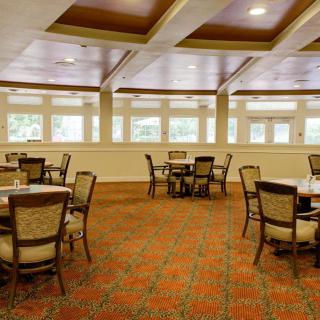
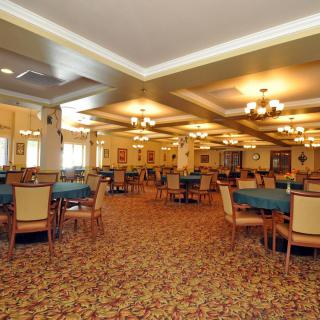
Multiple reviewers comment that the meals are very good or wonderful, and some mention variety or specific interactions with the chef. Dining is described as an enjoyable part of life, including people gathering in the dining area with other residents. The community also offers restaurant-style dining and room service in its offerings, aligning with residents who mention how much they like the food.
common22 reviews mention this
Activities keep residents engaged
Residents and families describe plenty of activities to choose from.
Reviews frequently mention activities that keep residents busy, including scheduled daily activities, lectures, happy hour, physical activity options, and social events. Families also describe field trips and off-site outings, while others call out resident-run or planned group activities. For those who can’t do everything, reviewers still note there are enough options to participate at a comfortable pace.
differentiator6 reviews mention this
Memory care programming and support
Memory care residents are described as well cared for and engaged.
Reviewers with loved ones in the memory care setting describe a smaller memory care building and daily activities that help keep residents occupied. Several families emphasize compassion, responsiveness to concerns, and a sense of personal attention. The community also explicitly offers specialized memory care programming and mild cognitive impairment support, which matches the way families talk about engagement and day-to-day care.
common16 reviews mention this
Clean, bright spaces and gardens
Reviews repeatedly highlight cleanliness, bright rooms, and attractive common areas.
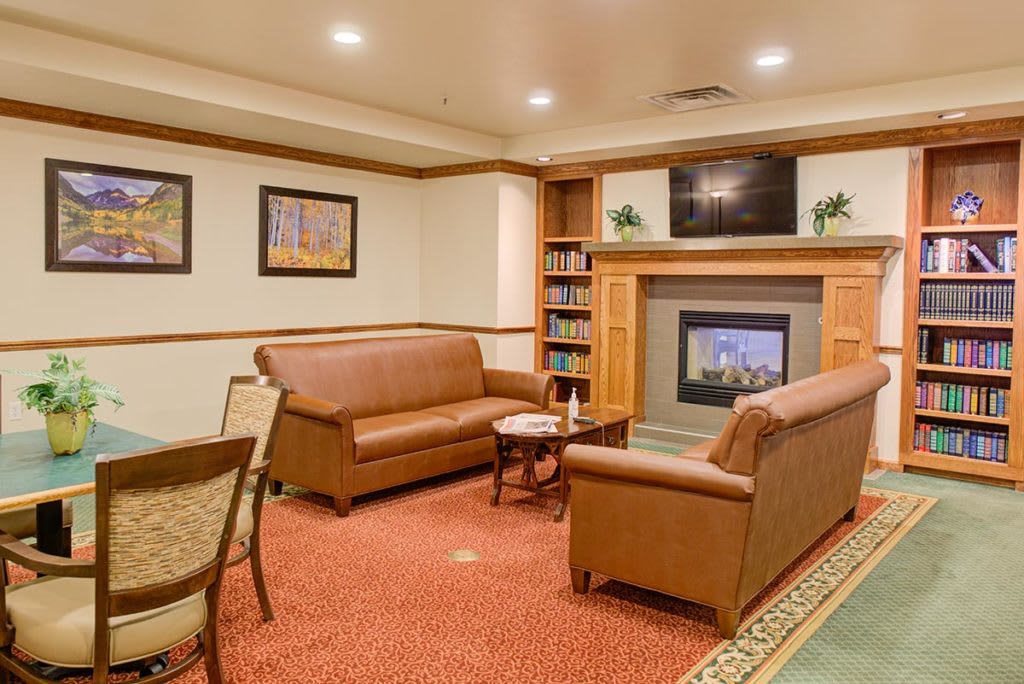
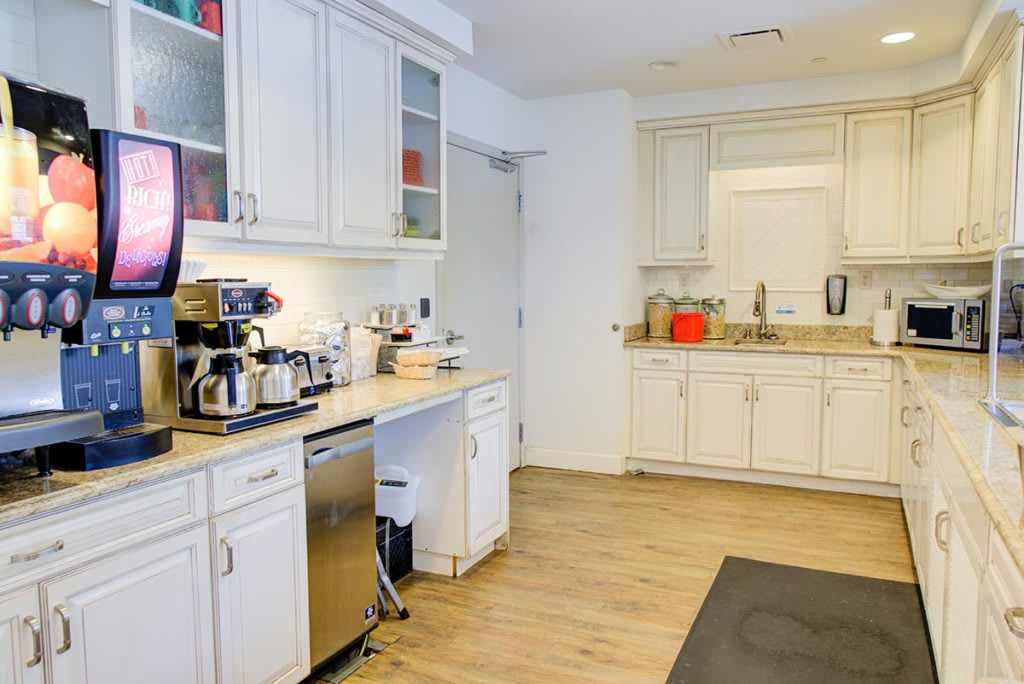
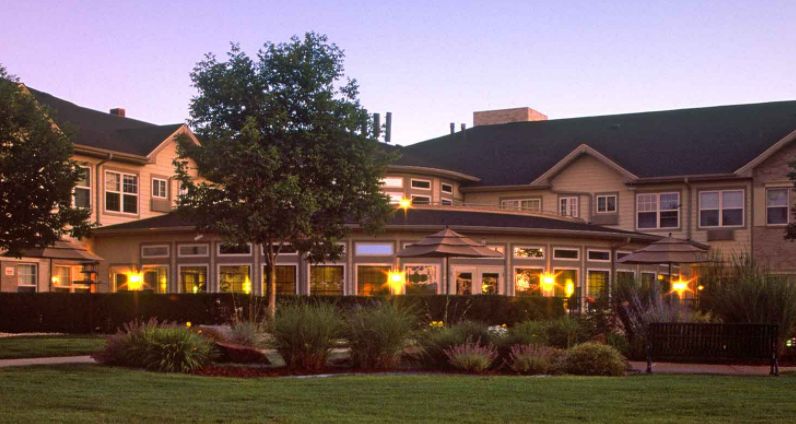
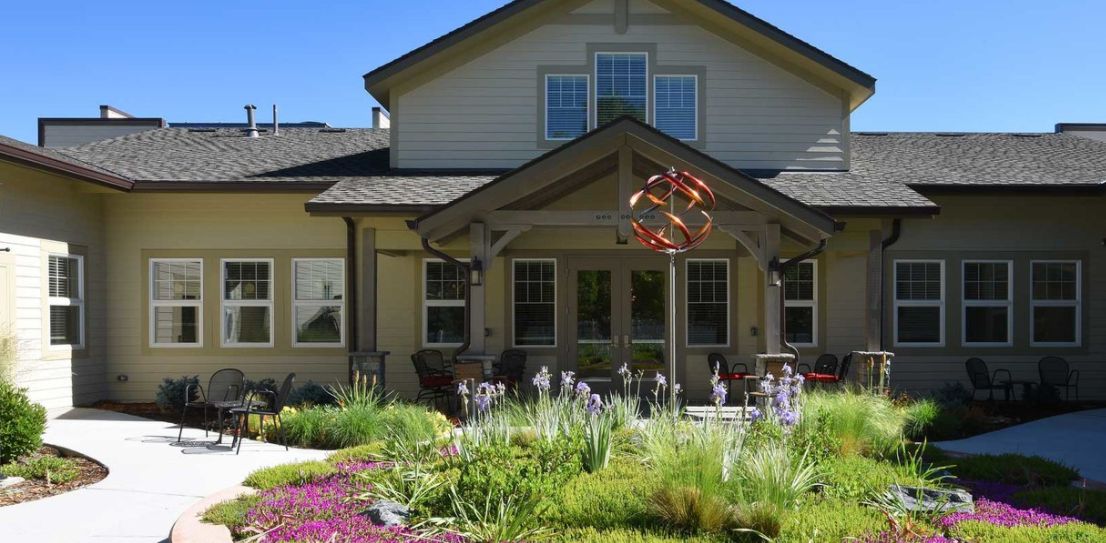
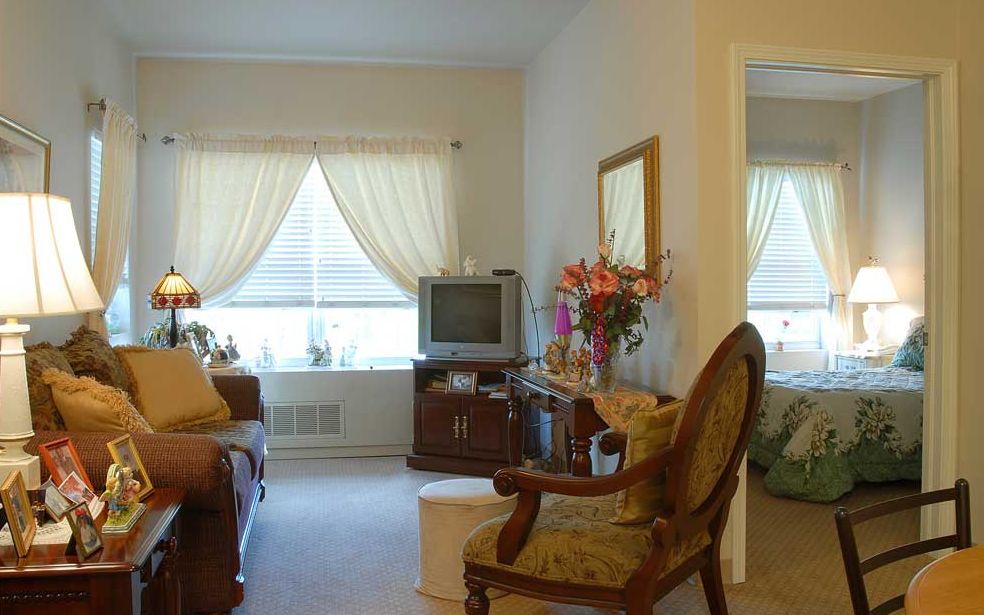
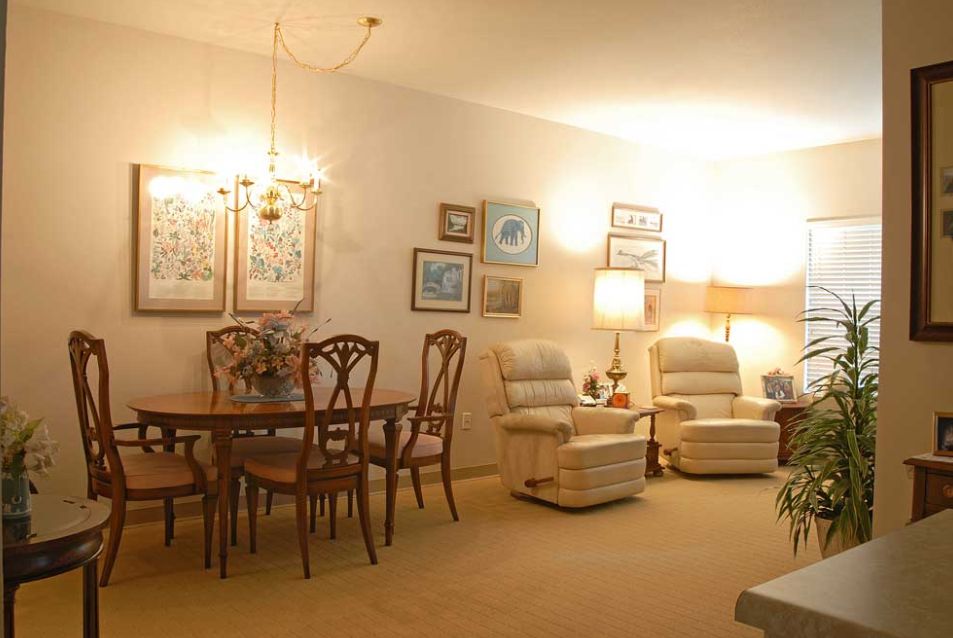
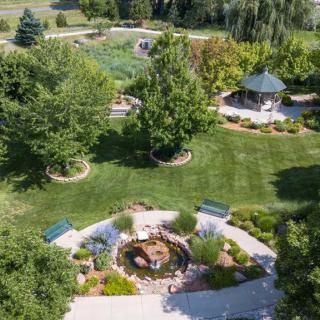
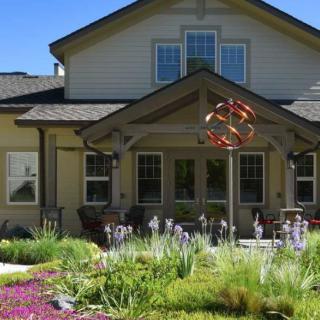
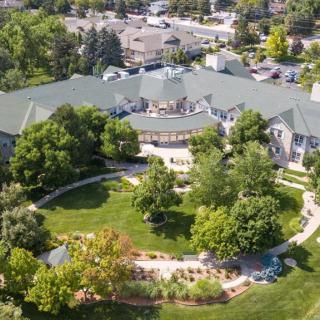
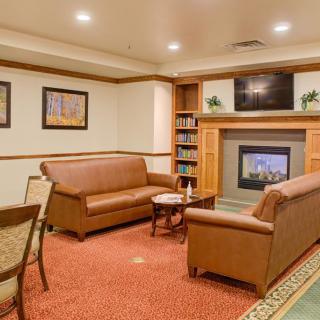
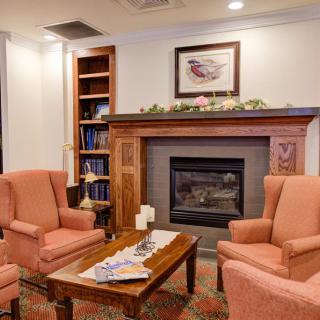
Many reviewers mention the building as well maintained, with bright, comfortable interiors and clean halls and rooms. Several families also talk about the outdoor areas—gardens, courtyards, and walking space—helping residents feel at ease. A few notes point out downsides like smaller rooms in some settings, but the overall presentation and upkeep come up often as a positive.
caveat3 reviews mention this
Costs can run high
Some reviewers say the community is expensive for what they experienced.
A few reviews call out affordability concerns, including comments that the place is too expensive and that you “pay for it.” Others balance that by saying costs were transparent or within a desired range for their situation. There is also a separate complaint about forms for veteran’s benefits, which affected the overall rating for one family despite positive day-to-day experiences.
How we summarize
Counts show how many written reviews mention each theme; a review can touch several themes, and only frequently mentioned themes are displayed.
Features
Housing
147 resident community capacity
1-bedroom apartments
2-bedroom apartments
Studio apartments
Types of Care
Assisted Living
Memory Care
Respite Care
Skilled Nursing Facility
Amenities
Activities off-site
Activities on-site
Air-conditioning
Beautician on-site
Beauty salon
Cable or satellite TV
Computer center
Devotional services off-site
Dining room
Fitness room
Fully furnished
Gaming room
Garden
Housekeeping services
Indoor common areas
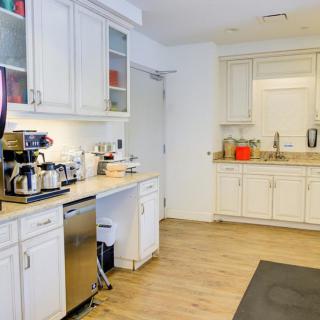
Kitchenette
Laundry
Move-in coordination
Outdoor space
Private bathrooms
Resident parking
Respite or short term stays offered
Restaurant-style dining
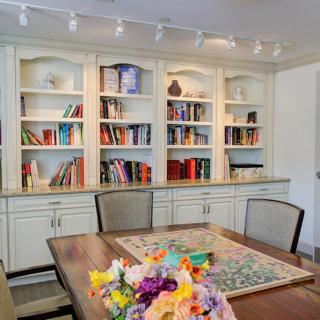
Small library
Telephone
Wellness center
Wheelchair accessible showers
Wi-Fi/high-speed internet available
Transportation
Community operated transportation
Transportation & parking
Transportation arrangement
Transportation arrangement (non-medical)
Transportation to doctors appointments
Care Services
12-16 hour nursing
24-hour call system
24-hour supervision
Activities of daily living assistance
Ambulatory care
Assistance with bathing
Assistance with dressing
Assistance with transfers
Diabetes diet
Diabetic care
Incontinence care
Meal preparation and service
Medication management
Mental wellness program
Mild cognitive impairment
Physical therapy
Special dietary restrictions
Specialized memory care programming
Dining
Diabetes diet
Meals provided
Room service
Special dietary restrictions
Activities
Activities off-site
Activities on-site
Community-sponsored activities
Concierge services
Devotional activities offsite
Fitness programs
Planned day trips
Religious services
Reminiscence programs
Resident-run activities
Scheduled daily activities
Languages Spoken
English
Nearby Places of Interest
Pharmacies
Walgreens (1.5 miles)
Walgreens (1.7 miles)
King Soopers Pharmacy (3.4 miles)
Walgreens (3.5 miles)
Walgreens (3.6 miles)
CVS Pharmacy (3.6 miles)
Walgreens (3.6 miles)
Theaters
Alamo Drafthouse Littleton (1.5 miles)
AMC Highlands Ranch 24 (3.6 miles)
Restaurants
Breckenridge Brewery (1.8 miles)
Angelos Taverna (1.8 miles)
Locavore Beer Works (2.2 miles)
Torchy’S Tacos (3 miles)
Chick-Fil-A (3.2 miles)
McDonald's (3.5 miles)
Raising Cane's Chicken Fingers (3.5 miles)
Cafes
Starbucks (2.7 miles)
Starbucks (3.1 miles)
Starbucks (3.4 miles)
Starbucks (6.8 miles)
Starbucks (7.9 miles)
Stella's Coffee House (8.6 miles)
Starbucks (8.6 miles)
Hospitals
Children's Hospital Colorado South Campus (2.8 miles)
Gardens At Columbine presents a unique pricing structure for its accommodations, with costs that reflect both the quality of services offered and the surrounding market. For a studio apartment, residents can expect to pay $4,485 monthly, which is notably above the average rates in Jefferson County ($4,174) and Colorado as a whole ($4,090). The one-bedroom option sees an even larger premium at $5,330 compared to county averages of $4,076 and state averages of $4,119. The two-bedroom units are priced at $7,515, significantly higher than Jefferson County's average of $4,881 and Colorado's average of $4,580. These figures indicate that while Gardens At Columbine may be positioned at a higher price point relative to its peers in the region, it likely offers enhanced amenities or specialized care that justify the investment for prospective residents seeking comfort and quality.
Gardens At Columbine's comprehensive suite of services directly addresses the unique needs of residents with memory impairments by providing tailored support at every level of care. Assistance with dressing and bathing promotes dignity and comfort, while meal preparation and service ensure that nutritional needs are met, which is crucial for overall health. Medication management helps maintain consistency in treatment, reducing the risks associated with missed doses or improper administration. By aiding with activities of daily living and transfers, staff facilitate independence and mobility, enhancing residents' quality of life. The 24-hour supervision ensures a secure environment, allowing families peace of mind that their loved ones are safe. Meanwhile, specialized memory care programming and mental wellness initiatives engage cognitive function and emotional stability, catering to the varying stages of dementia. Physical therapy assists in maintaining physical capabilities, while incontinence care offers discretion and respect for personal needs. Together, these features create an enriching environment conducive to both physical well-being and cognitive engagement for those living with Alzheimer's disease or other memory-related conditions.
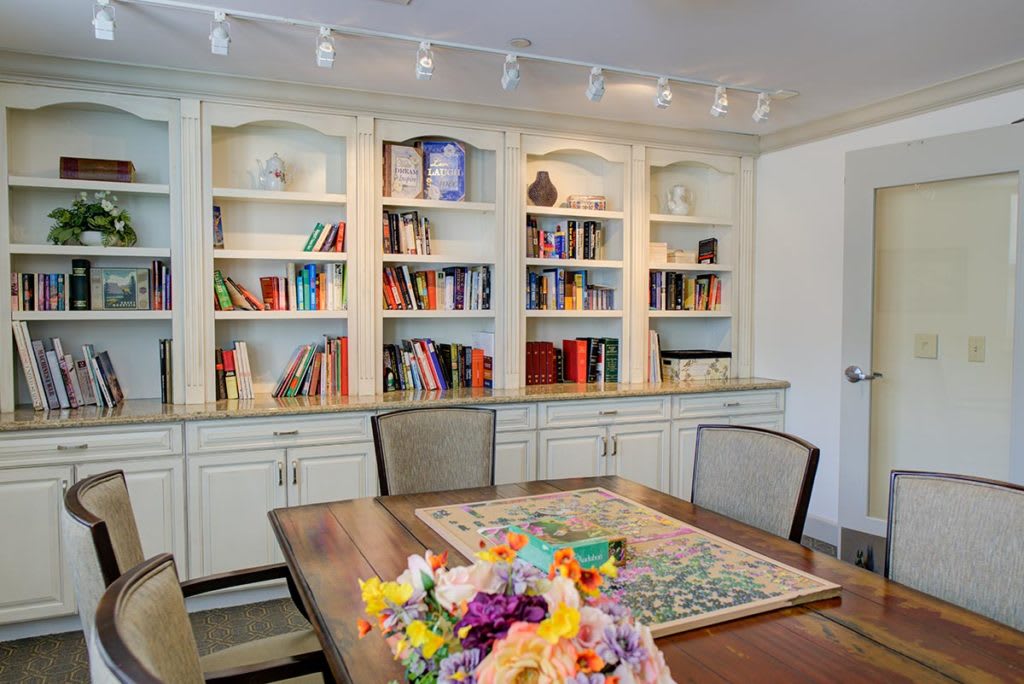
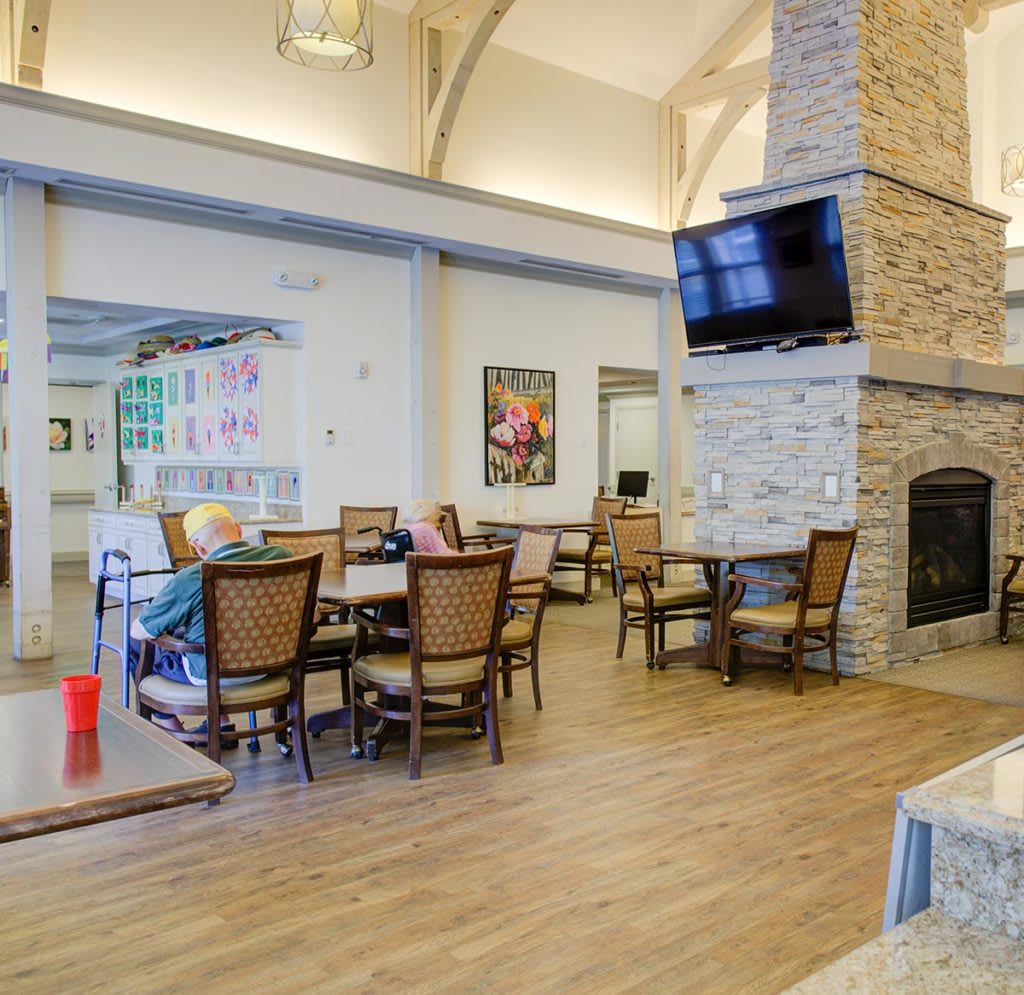
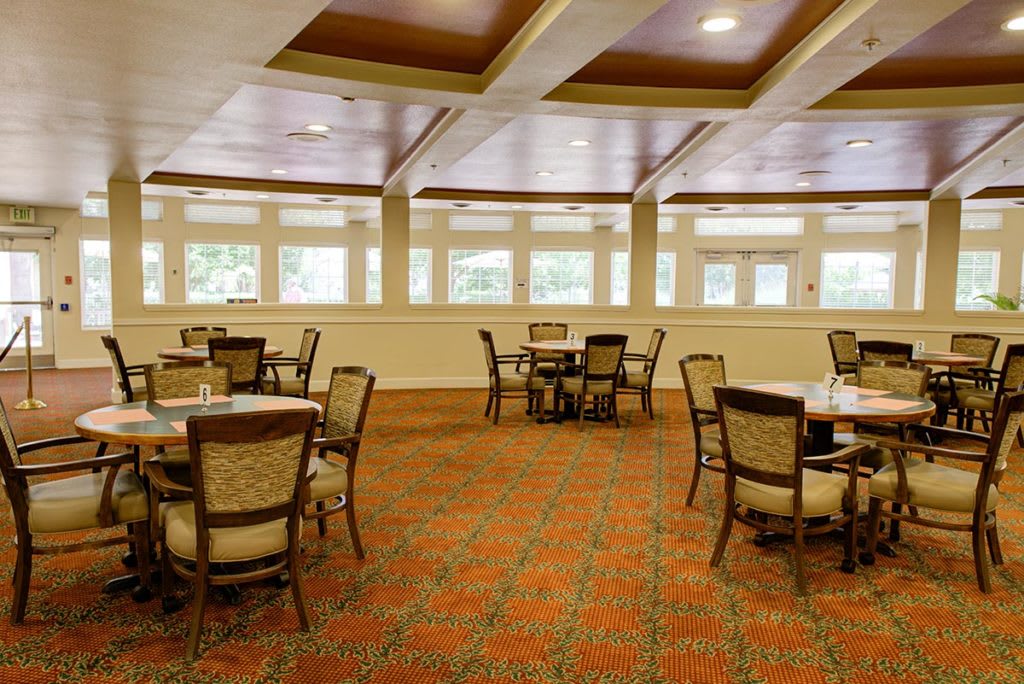
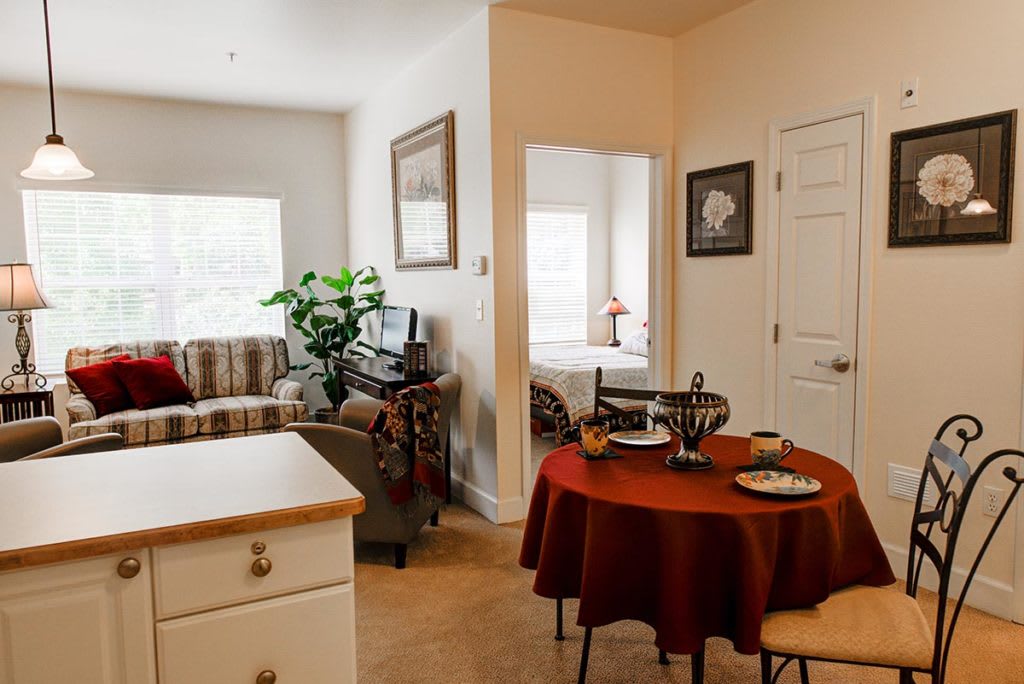
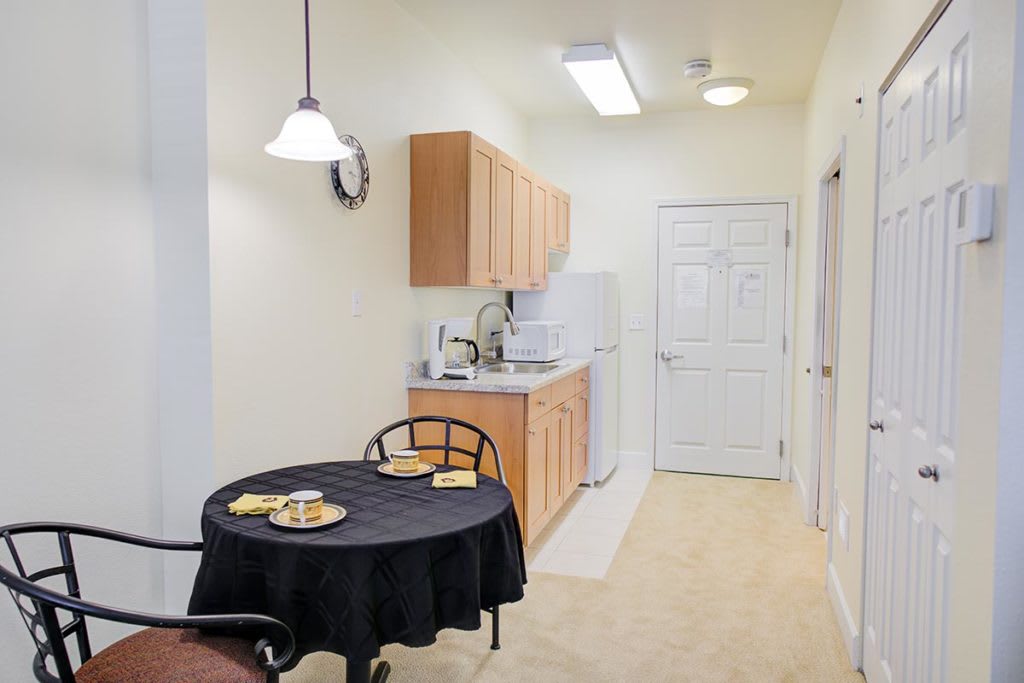
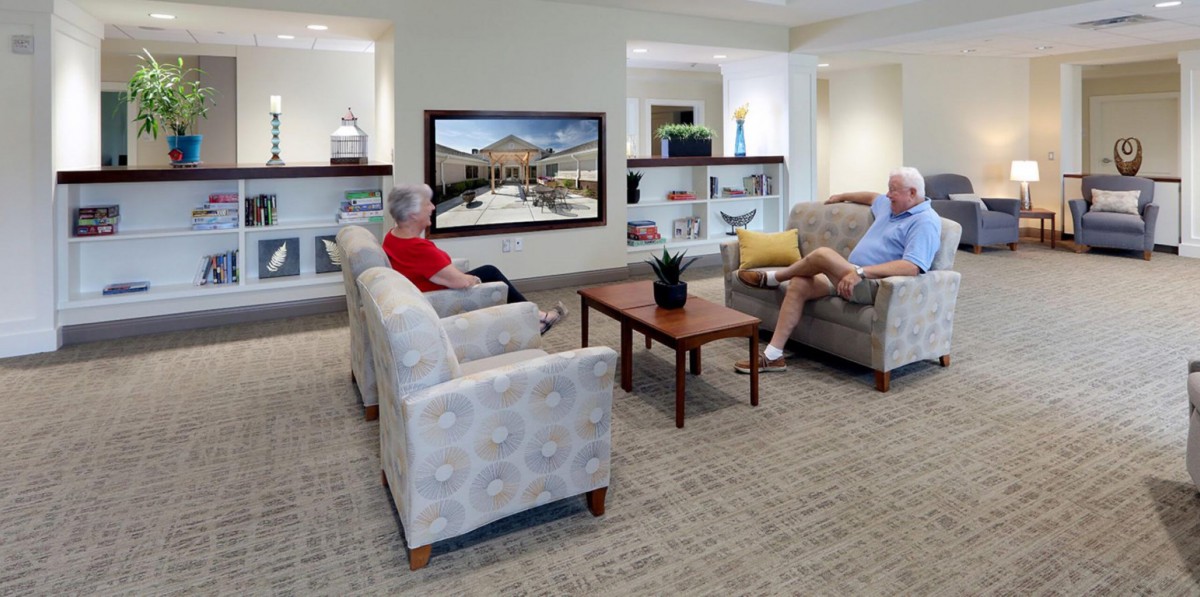
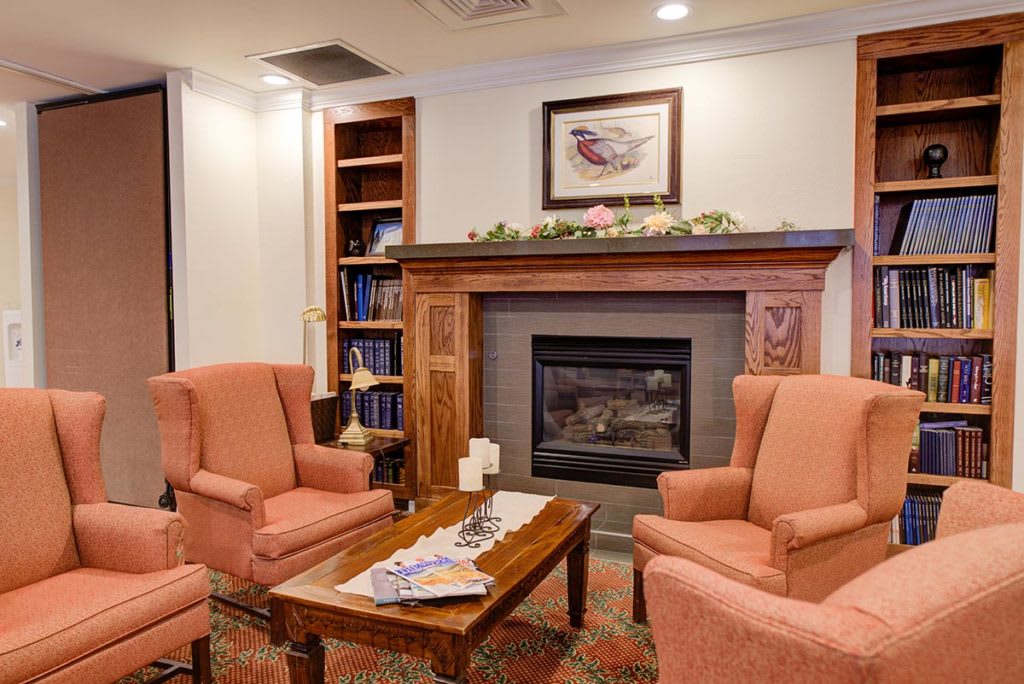
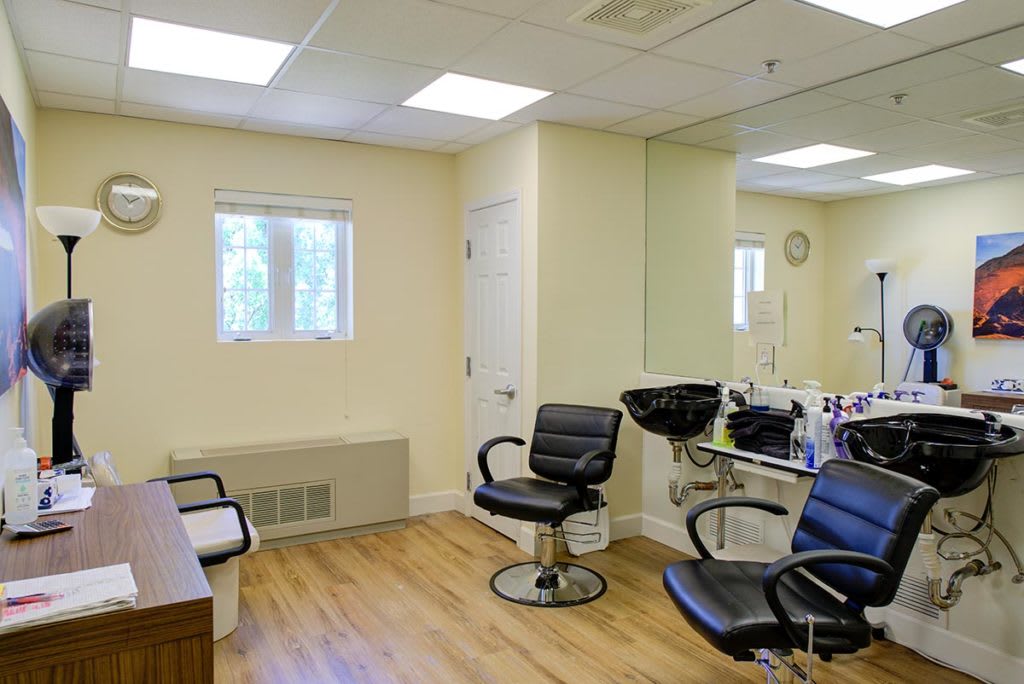
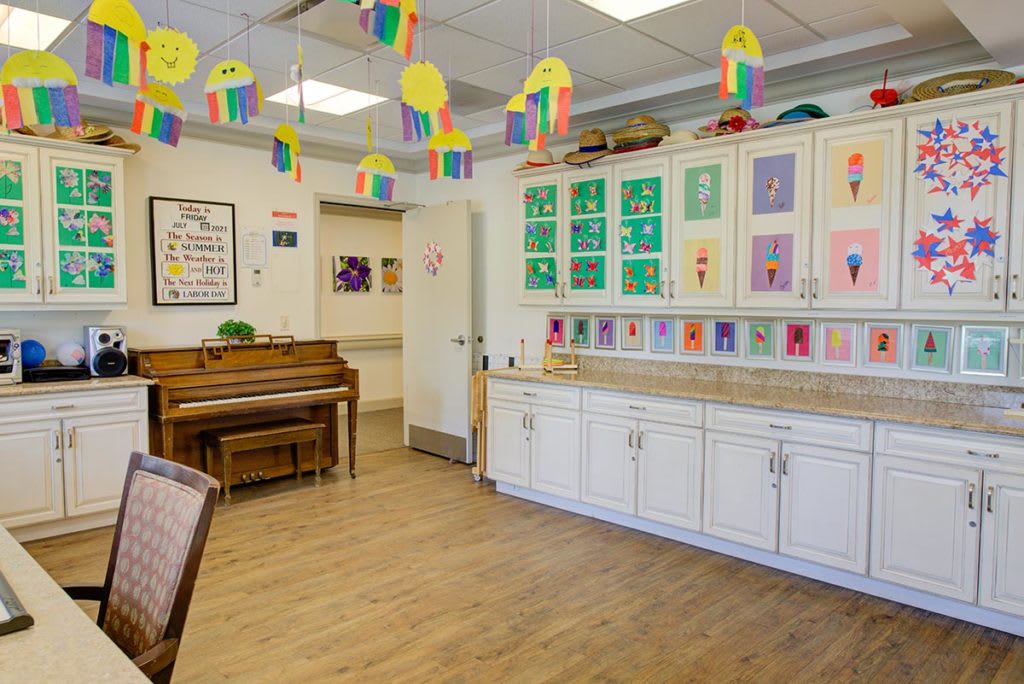
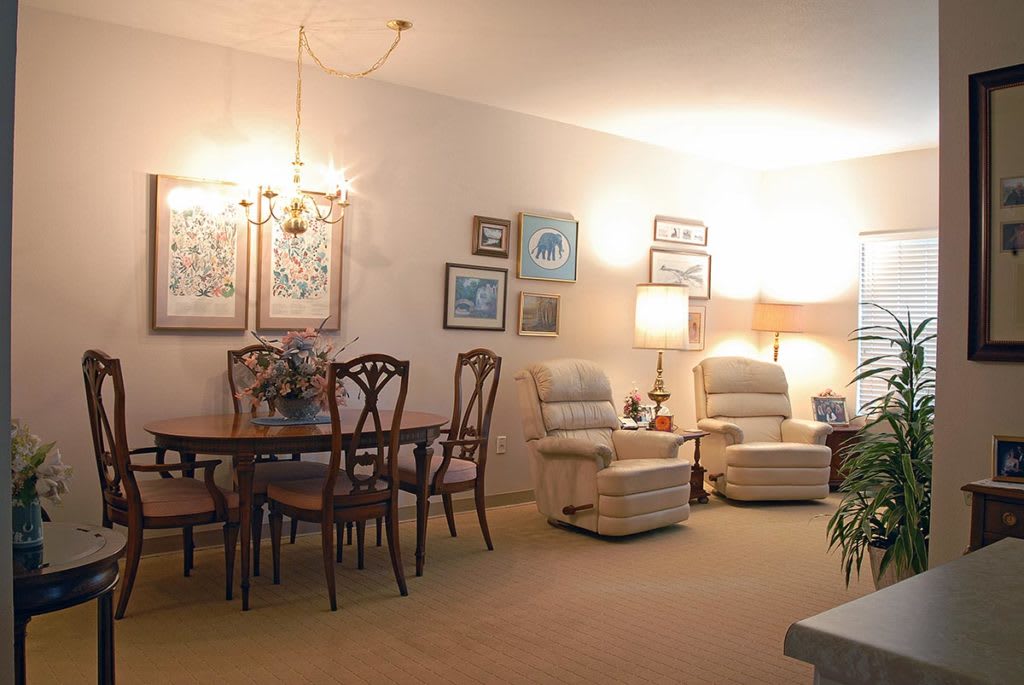
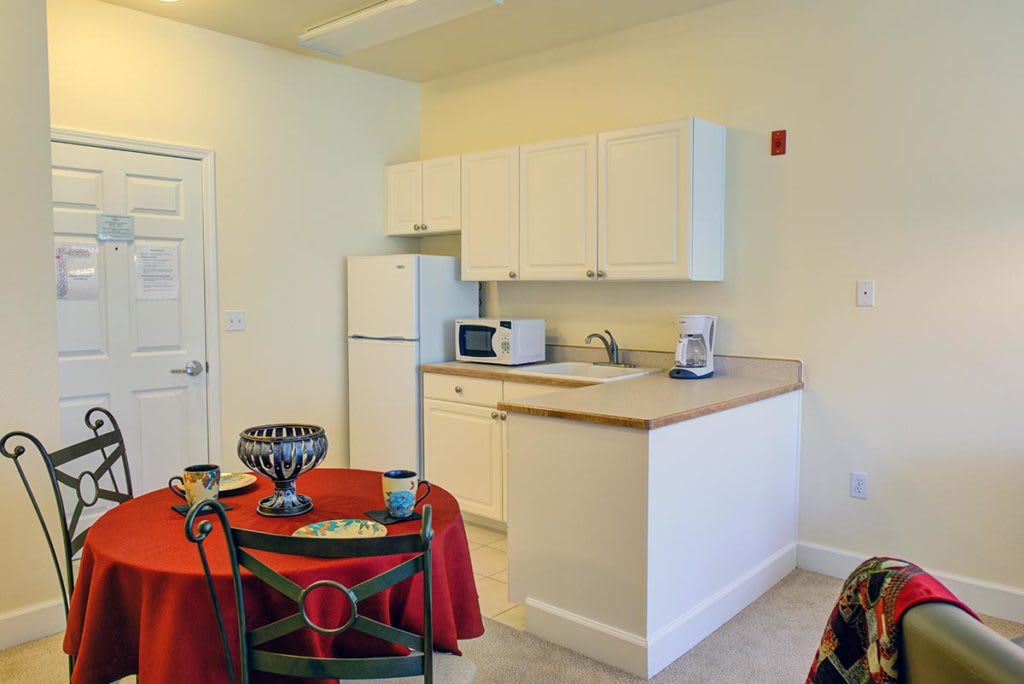
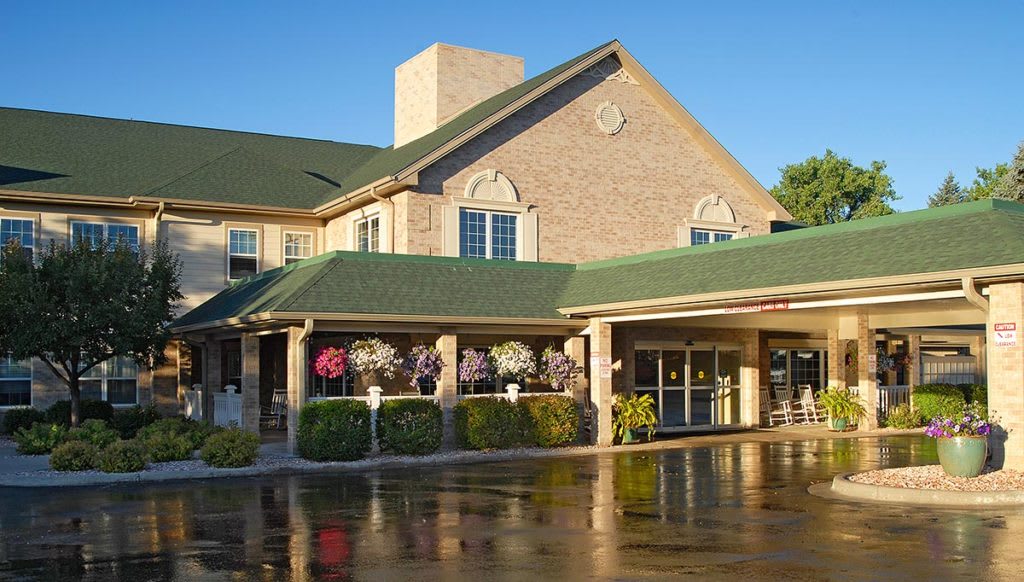
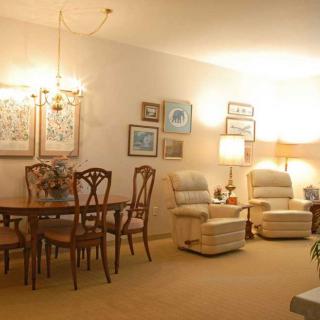
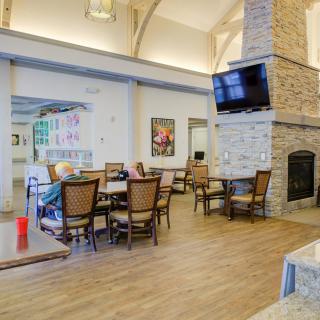
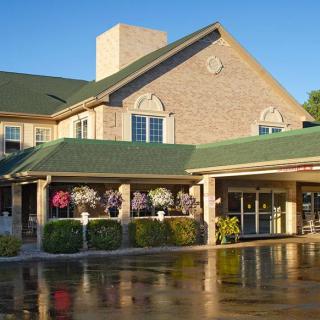
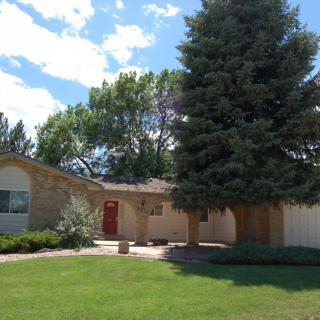
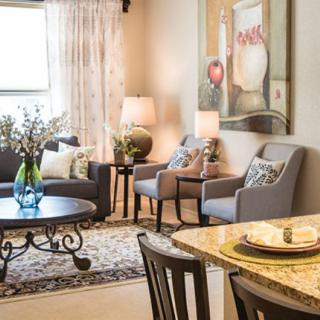
Gardens At Columbine on seniors.fyi includes 23 photos including images showing interior, dining, landscaping, living room, decor, garden, kitchen, television, and more.
Nearby Communities
Sun Valley Assisted Living
Littleton, CO
5 from 3 reviews
Home-like setting with personalized care, housekeeping, meals, transportation, and daily activities.
Alternative Care Homes Inc II
Littleton, CO
$2,000 to $2,500 / month
Affordable pricing with specialized diabetic and high-acuity care and nearby amenities.
Serenity House Assisted Living Littleton
Littleton, CO
4.9 from 20 reviews
$5,200 to $6,400 / month
Small, intimate eight-resident community with highly personalized care and a clean, welcoming environment.
Colorado Assisted Living Homes Indore
Littleton, CO
5 from 7 reviews
Personalized care with 24-hour supervision and engaging daily activities.
Colorado Assisted Living Homes Rowland
Littleton, CO
4 from 4 reviews
Cozy, fully furnished board-and-care with garden/outdoor space and comprehensive daily living support.
Colorado Assisted Living Homes Ingalls
Littleton, CO
4 from 4 reviews
Small, intimate board-and-care setting with personalized, attentive care.
Wind Crest
Highlands Ranch, CO
3.7 from 114 reviews
Beautiful, well-kept campus with engaging activities, strong dining, and friendly staff.
Balfour at Littleton
Littleton, CO
4.2 from 39 reviews
$5,800 to $11,000 / month
Compassionate, dedicated staff in a clean, resort-like setting with engaging activities and high-quality dining.
Libby Bortz Assisted Living
Littleton, CO
3.9 from 30 reviews
$1,648 / month
Clean, well-kept, and welcoming with friendly staff and an active social program in a convenient Littleton location.
Dementia, including Alzheimer’s disease, is often mischaracterized in terms of lethality as it leads to complications that can be fatal rather than being a direct cause of death; it causes a progressive decline in cognitive and physical health, making patients vulnerable to infections and other health crises. Effective management of nutrition, hydration, and communication is crucial in patient care, with palliative care becoming vital in advanced stages to enhance comfort and quality of life while caregivers play a key role amidst the challenges posed by the disease.
Reminiscence therapy helps individuals with dementia recall past memories through structured discussions and meaningful objects, enhancing mood, relationships, and sense of identity while celebrating their lives. It can be practiced in formal settings or at home, requiring sensitivity to personal histories and cultural backgrounds.
Reminiscence therapy is a structured method for older adults, especially those with dementia, to share life stories using prompts and sensory cues, fostering emotional well-being, social engagement, and self-identity. It aims to improve quality of life by enhancing interpersonal connections and cognitive stimulation while requiring careful facilitation to avoid distressing memories.
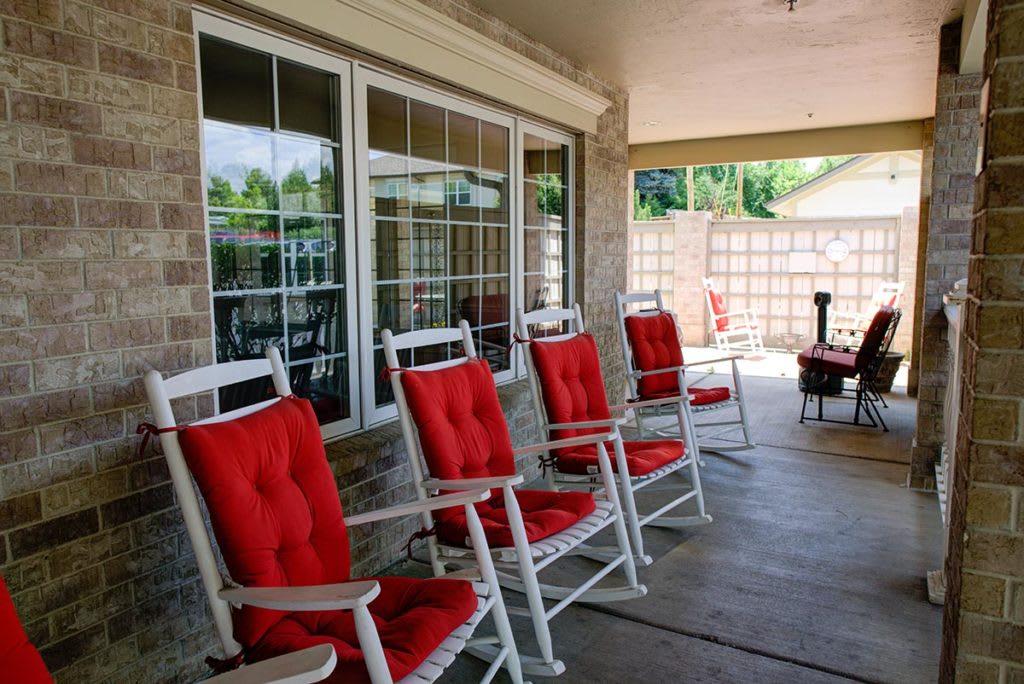
Patio, Outdoor Seating, Rocking Chairs, and Covered Porch
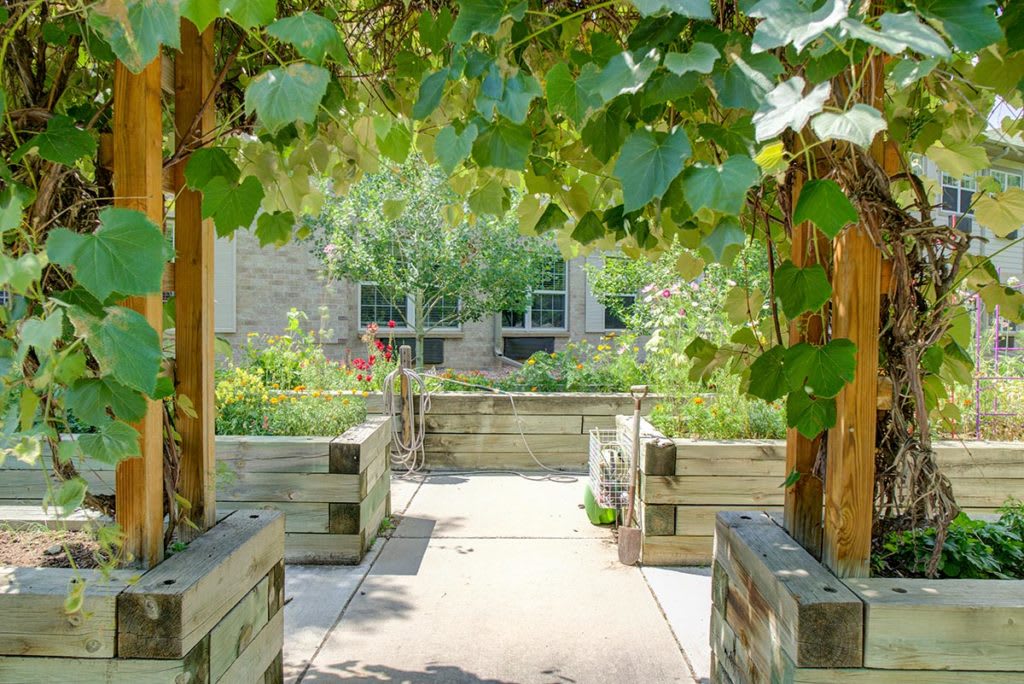
Outdoors and Nature
Pathway
Salon
Appliances
Seating
Wall Art
Cabinets and Refrigerator
Piano
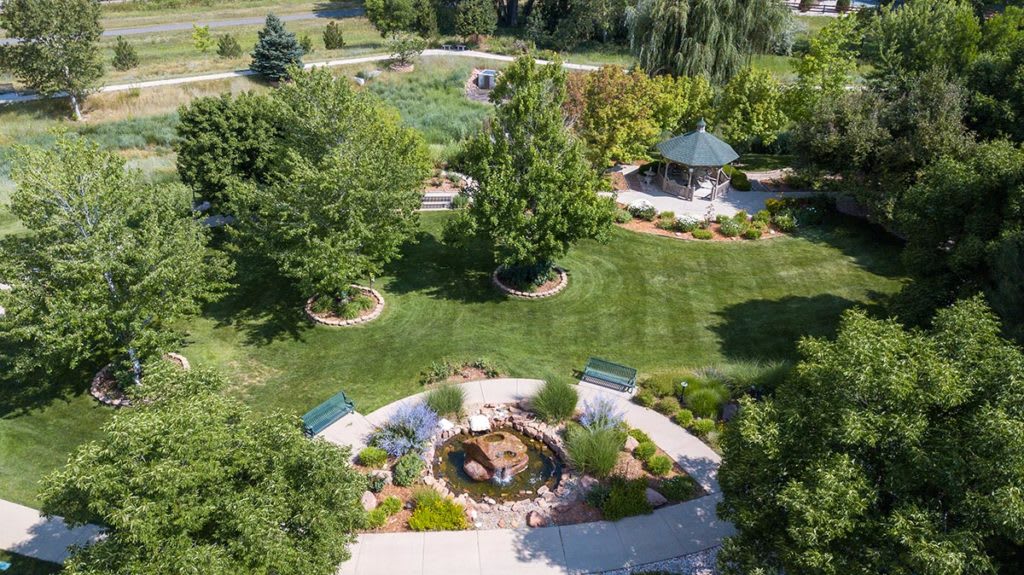
Gazebo and Pond
Lights
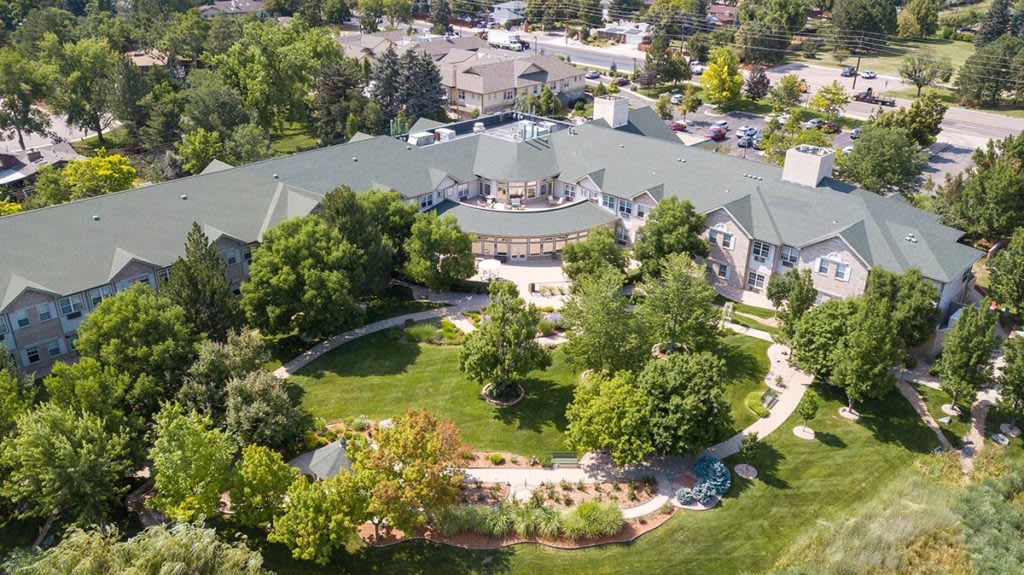
Aerial View and Park
Coffee Station
Light Fixture
Get PricingAsk A QuestionSchedule A TourContact Senior Advisor
By clicking submit, you agree to our Partner's Terms of Use. You
also consent to receive calls and texts, which may be autodialed, from our Partner. Your consent is not a condition to
using our Partner's service. Please visit our Partner's Privacy Policy for information about their privacy practices.



 147 resident community capacity
 1-bedroom apartments
 Assisted Living
 Memory Care
 Respite Care
 Skilled Nursing Facility
 Activities off-site
 Air-conditioning
 Beautician on-site
 Cable or satellite TV
 Computer center
 Devotional services off-site
 Dining room
 Fitness room
 Fully furnished
 Gaming room
 Garden
 Housekeeping services
 Indoor common areas
 Kitchenette
 Laundry
 Move-in coordination
 Outdoor space
 Private bathrooms
 Resident parking
 Restaurant-style dining
 Small library
 Telephone
 Wellness center
 Wheelchair accessible showers
 Wi-Fi/high-speed internet available
 Community operated transportation
 12-16 hour nursing
 24-hour call system
 Ambulatory care
 Assistance with bathing
 Assistance with dressing
 Assistance with transfers
 Diabetes diet
 Diabetic care
 Incontinence care
 Medication management
 Mental wellness program
 Physical therapy
 Special dietary restrictions
 Concierge services
 Planned day trips
 English
 Home-like setting with personalized care, housekeeping, meals, transportation, and daily activities.

 Are Dementia and Alzheimer's Disease Lethal? A Comprehensive Exploration
 Exploring the Power of Reminiscence Therapy for Individuals With Dementia
 An In-Depth Look at Reminiscence Therapy in Dementia Care