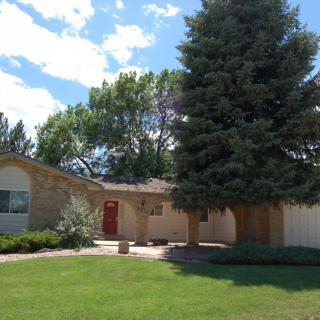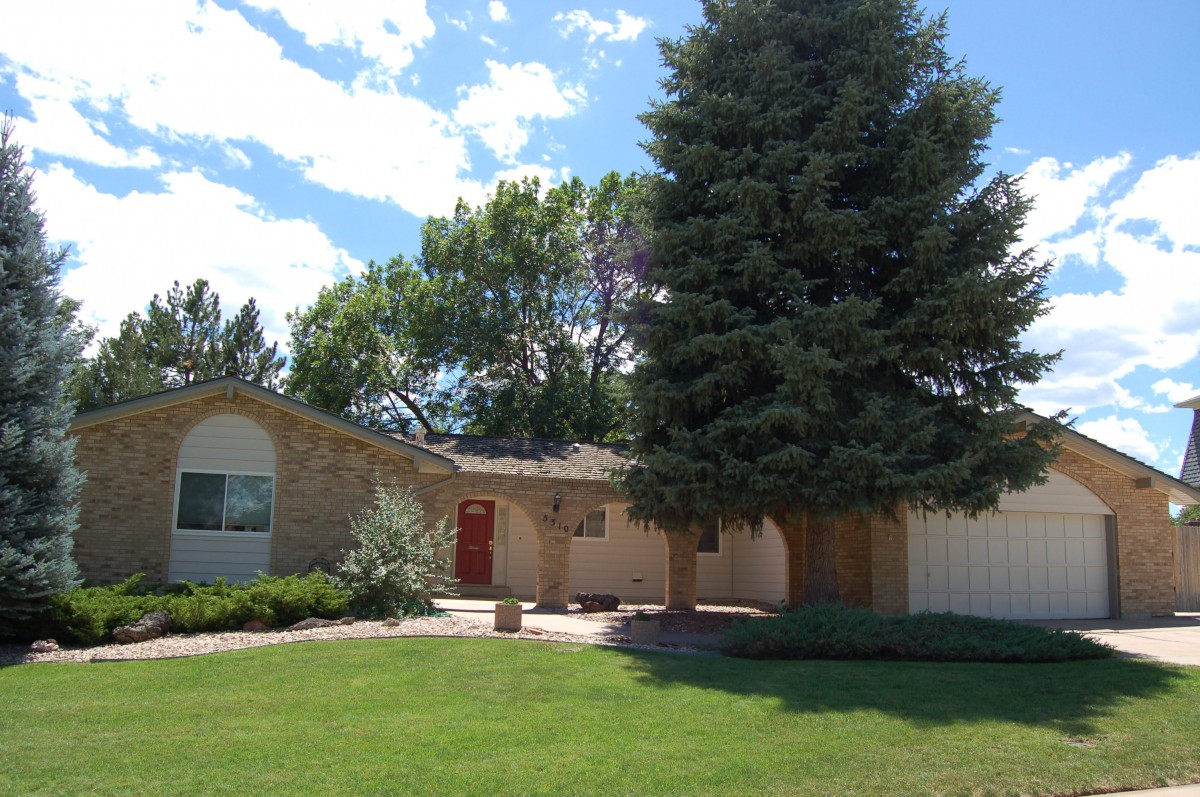
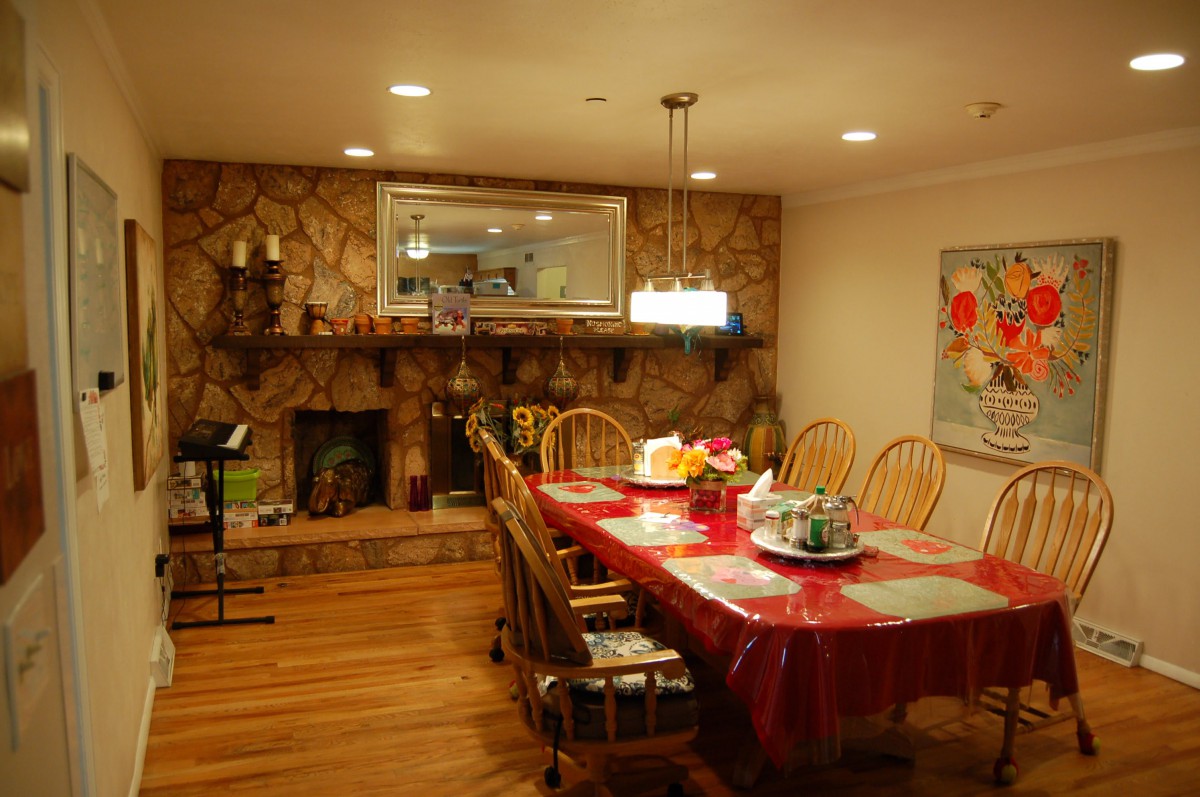
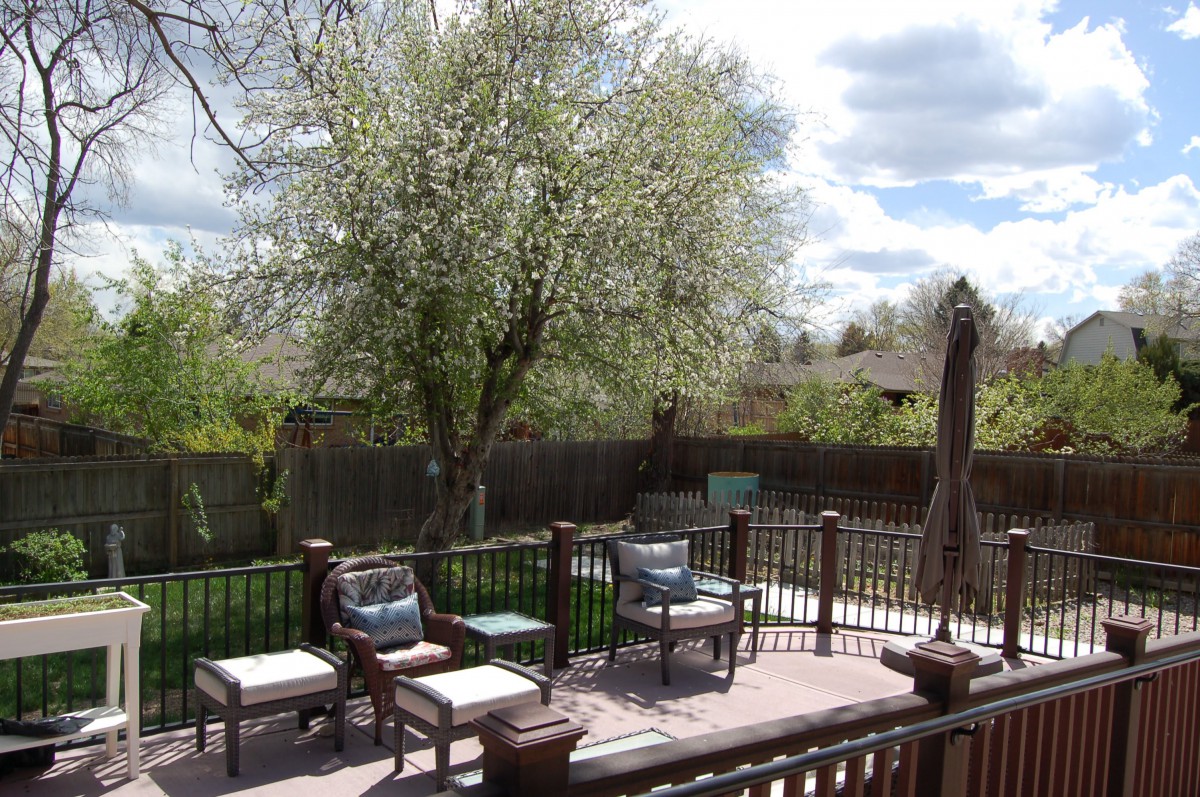
5310 West Geddes Avenue, Littleton, CO 80128
For more information about senior living options: (866) 208-4318

Serenity House Assisted Living Littleton Costs & Pricing
At Serenity House Assisted Living in Littleton, the monthly costs for residents reflect a commitment to quality care and comfort, albeit at a premium compared to local and state averages. For instance, the semi-private rooms are priced at $5,200, substantially higher than both Jefferson County's average of $4,114 and Colorado's overall average of $4,009. Similarly, private rooms cost $6,200 - again surpassing the county's average of $4,253 and the state's average of $4,142. The one-bedroom accommodations are available for $6,400, which exceeds the county's figure of $4,076 and Colorado's rate of $4,119. These figures underscore that while Serenity House offers a higher pricing structure than surrounding areas, this is often reflective of enhanced services and amenities designed to provide residents with an enriching living experience.
| Floor plans | Serenity House Assisted Living Littleton | Jefferson County | Colorado |
|---|---|---|---|
| Semi-Private | $5,200 | $4,114 | $4,008 |
| Private | $6,200 | $4,253 | $4,142 |
| 1 Bedroom | $6,400 | $4,076 | $4,118 |
Memory care communities with a similar price nearby
-
About the same
Serenity House Assisted Living Portland Drive
$5,200 to $6,500 / month0.4 miles away -
About the same
Serenity House Assisted Living Hunters Hill
$5,200 to $6,500 / month8.7 miles away -
About the same
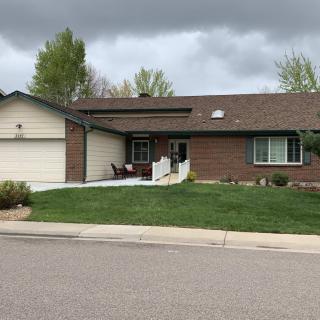
Serenity House Assisted Living Hinsdale
$5,200 to $6,500 / month5.6 miles away -
from +$250 / mo

MorningStar of Observatory Park
$5,450 to $8,300 / month8.1 miles away -
from -$580 / mo

Garden Terrace Alzheimer's Center Of Excellence - Aurora
$4,620 to $5,940 / month14.0 miles away
Overall Review of Serenity House Assisted Living Littleton
Pros
 Sonia Idnani is described as loving and caring, with an amazing staff.
- Almond Tree Senior Care is portrayed as the hands-down best caring home, with a reliable and nurturing team.
- The Almond Tree homes are spotless, happy, healthy, and calm places.
- Residents are treated with love, respect, and attentive care.
- Communication from Sonia and her staff is consistently loving and respectful.
- The Almond Tree environment is comfortable, home-like, and small-scale, with a live-in caregiver.
- Serenity House is a small, tidy, residential setting with multiple levels of care.
- Serenity House staff are incredibly friendly, caring, and dedicated.
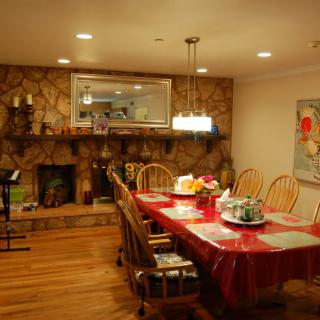
- Serenity House facilities are clean, well-maintained, and offer good meals and engaging activities.
- The Serenity House community is described as going above and beyond to help families and residents.
Review
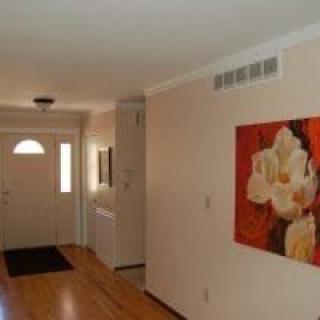
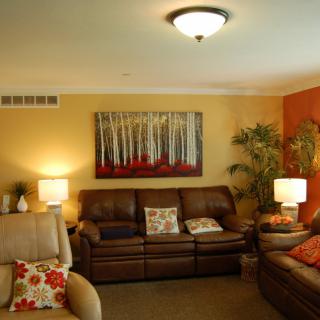
Serenity House Assisted Living in Littleton is best suited for families seeking a truly intimate, home-like setting where a senior can receive highly personalized attention, especially if memory concerns are part of the picture. The core appeal is a small-house model with a tight-knit caregiving team and direct, ongoing access to the owner-operator, which translates into calmer days and clearer communication. In Littleton, the arrangement often features eight residents in a single residence, a format that delivers predictable routines, fast responsiveness, and a sense of safety that larger campuses struggle to replicate. For families prioritizing trust, consistency, and a warm, domestic atmosphere, this community stands out, reinforced by a strong track record reflected in a 4.9 rating across nineteen reviews.
Those who may want to consider alternatives are families seeking a larger campus with extensive programming, broader amenities, or more robust on-site clinical staffing. If a loved one requires intensive medical oversight, frequent on-site nursing, structured intergenerational programming, or a diverse activity calendar each day, a bigger facility may be a better fit. Similarly, when dreams include campus-wide amenities, on-site therapy suites, and a wide network of specialists under one roof, Serenity House’s smaller footprint may feel limiting. In short, Serenity House excels where home-like intimacy matters most; it may not be the best choice for families chasing scale or multi-campus resources.
The strongest pros, the personal touch, safety, and flexibility, are meaningful enough to offset the primary cons. Residents benefit from dedicated, hands-on ownership and a caregiving team that consistently delivers love, respect, and individualized attention. The small setting cultivates meaningful relationships, easier family communication, and quick adjustments to changing needs, with care levels that span from high-functioning assistance to more dementia-focused support. Clean, comfortable living spaces, home-cooked meals, and a real house atmosphere reinforce the sense of normalcy and dignity. The model also integrates in-home health supports, such as visiting vision and dental services, and a live-in caregiver supported by visiting activity managers, which keeps medical and social needs aligned without pushing residents toward a hospital-like environment. These advantages are particularly potent for memory care and for families who prize a calm, predictable daily rhythm.
Nevertheless, a few drawbacks are worth weighing. A smaller resident count can limit the breadth of daily social opportunities and the variety of activities on a given day, depending on staffing and engagement levels. One review notes that the activities director could be less effective at generating participation at times, signaling that activity programming may fluctuate. Prospective residents should verify how consistently programming runs, and whether there are alternative engagement options during slower periods. Also, while the levels of care cover a spectrum (level one through level three), families should confirm what happens if a resident’s needs rise, including the logistics and costs of scaling up care within the home setting. The upside is that the home environment remains intact, but the trade-off is less campus-wide robustness than larger operators.
To decide confidently, focus on the specifics of day-to-day life. Schedule tours with a clear list of questions about staffing ratios, caregiver turnover, and a resident-to-resident dynamic during meals and activities. Request to meet the caregiving team, see actual private rooms, and observe how meals are presented and served; inquire about how and when family updates are provided, and whether there is a named point of contact for concerns. Verify the scope of in-home services and what the pricing includes or excludes, particularly if more intensive care becomes necessary later. Seek resident and family references, and ask to observe the space at different times of day to gauge consistency.
The verdict is straightforward. Serenity House Littleton is a distinguished choice for families who want a respectful, home-centered environment where care feels personal, predictable, and responsive. It’s especially well-suited for seniors with memory challenges who thrive on routine, intimate interaction, and direct access to a committed owner-operator. If the priority is a larger campus with expansive programming, denser social calendars, or more on-site clinical depth, alternatives should be explored. For many families, though, Serenity House delivers a practical, compassionate balance between dignity, safety, and everyday quality of life that makes this option worth prioritizing in the Denver metro area.
 8 resident community capacity
 Assisted Living
 Board and Care Home
 Memory Care
 Respite Care
 Activities off-site
 Air-conditioning
 Beautician on-site
 Cable or satellite TV
 Devotional services off-site
 Dining room
 Fully furnished
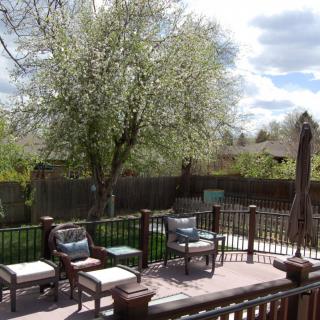
 Garden
 Ground floor units
 Handicap accessible
 Housekeeping services
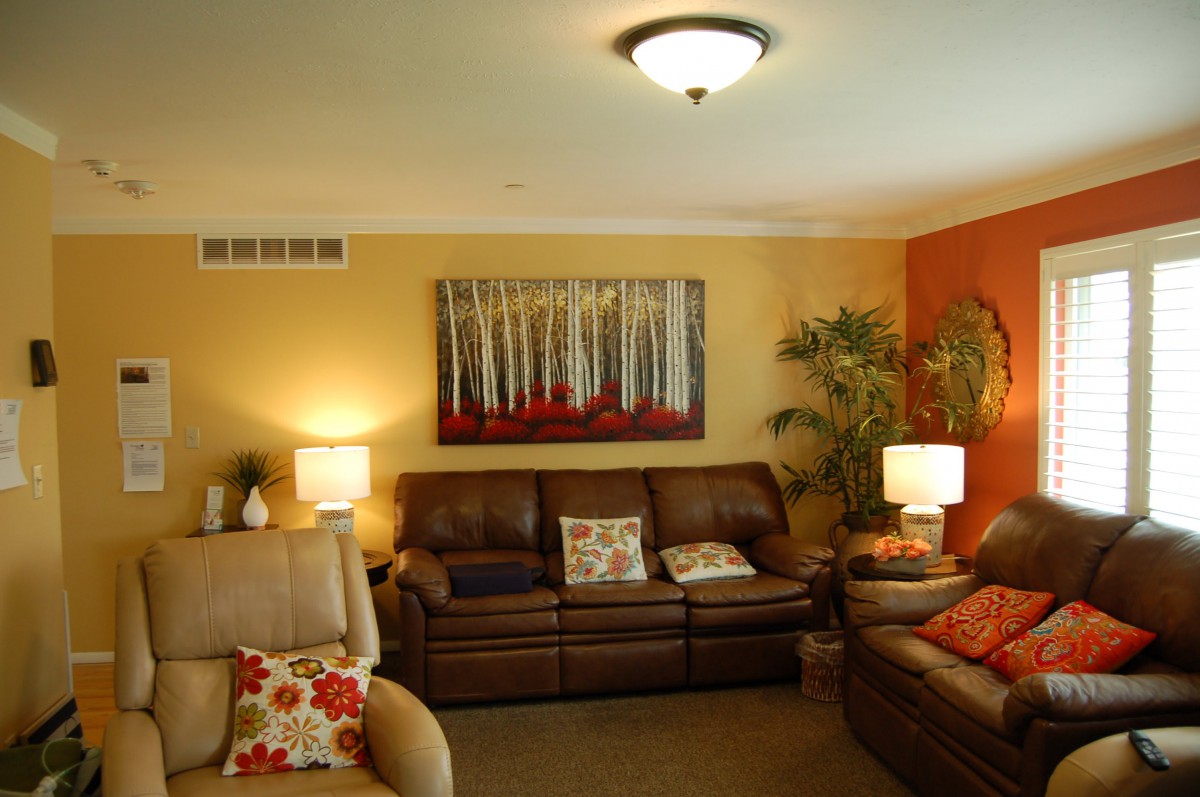
 Indoor common areas
 Move-in coordination
 Outdoor common areas
 Private
 Private bathrooms
 Telephone
 Wheelchair accessible showers
 Wi-Fi/high-speed internet available
 24-hour supervision
 Ambulatory care
 Assistance with bathing
 Assistance with dressing
 Assistance with transfers
 Diabetes diet
 Diabetic care
 High acuity care
 Incontinence care
 Meal preparation and service
 Medication management
 Special dietary restrictions
 Transportation arrangement (medical)
 Transportation to doctors appointments
 Art classes
 Cooking classes
 Day trips and outings
 Educational speakers / life long learning
 Live musical performances
 Live well programs
 Visiting Rabbi
 Visiting chaplain or priest
 Wine tasting


 When to Transition from Assisted Living to Memory Care: Key Indicators, Steps, and Finding the Right Community
 Understanding the Distinctions: Assisted Living and Memory Care Explained
 How to Communicate with a Loved One Living with Dementia: 10 Supportive Strategies