Colorado Assisted Living Homes Rowland

5424 West Rowland Place, Littleton, CO 80128

For more information about senior living options: (844) 490-3973

4 from 4 reviews
5 stars
3
4 stars
0
3 stars
0
2 stars
0
1 stars
1

Assisted Living Board and Care Home

Overall Review of Colorado Assisted Living Homes Rowland

Pros

  • pro The reviewer describes the facility as awesome assisted living with very well-trained staff.
  • pro The reviewer considers Colorado Assisted Living a plus.

Cons

  • pro The reviewer describes the facility as unprofessional and cruel for denying entry and barring visitation.
  • pro They say a staff member dismissed their visit, refused to consider documentation, and insisted on an appointment in a manner they view as unreasonable.
  • pro They note that the worker was unmasked all day, casting doubt on ongoing Covid protections.
  • pro They compare the facility's quality to Motel 6 rather than Hyatt Regency, signaling a drastic drop in care.
  • pro They feel the experience robbed precious time with their elderly relative and view it as immoral.
  • pro They allege potential hidden conditions behind closed doors due to appointment rules, implying poor transparency.
  • pro They state unequivocally that they would not recommend the facility and discourage it 100%.

Review

A long-awaited return to in-person contact with a loved one in an assisted living setting can feel like a fragile victory. This account centers on that moment when restrictions had finally eased enough to allow family to reconnect with an elderly relative in a care facility. After years of pandemic-era limitations - especially outdoor-only visits during the worst of it - the person writing this piece hoped for a warmer, more human form of connection now that the weather had turned pleasant and the rules seemed to be loosening. The longing to simply sit and talk with a grandmother, to see her face and share a moment of normalcy, framed every expectation for this visit.

What unfolded at the door was a jarring disruption to that expectation. A resident opened the door, and the writer could clearly see the grandmother in the kitchen just beyond. The plan was straightforward: the mother would not enter the home and would instead meet her mother outside on the back deck after first speaking to the grandmother and ensuring her comfort with the arrangement. But as soon as this plan began, the only worker responsible for four or more residents with a wide range of needs hurried to the front door. She approached without a mask, dismissed the mother's plan, and asserted that an appointment was required - a rule she claimed was a Covid measure and a standard procedure. In the moment, the worker refused to acknowledge the documentation the mother showed from the ombudsman and state health departments about visitation rights, finally saying, "I don't care," and then shut the front door, effectively barring any further contact with the grandmother.

This incident stood in stark contrast to the mother's memory of prior visits to the same facility. Throughout the height of the pandemic, when many facilities insisted on outdoor visits or limited access, this same worker did not advise that an appointment was necessary. In fact, the writer had visited a week earlier without an appointment, and was still permitted inside. On that previous occasion, when leaving, the worker even told her, "Come back any time! We love having you." The impression left by the worker during those earlier visits was consistently relaxed and welcoming, at least in terms of access. The fact that the worker was unmasked for much of those visits raised questions about whether any Covid protections remained in place, and whether the enforcement of rules had shifted - perhaps selectively - since the last encounter.

The narrative then builds a painful comparison to other family experiences with elderly care. The writer recalls grandparents who lived in high-quality facilities where visitation was never blocked because of an appointment, where families could stay all day, and where staff were consistently kind, welcoming, and engaged. Those facilities felt bright, with regular activities and a sense that residents were cherished and included in daily life. By contrast, the described facility felt cold and restrictive, more like a transactional space than a warm environment from which families could draw comfort and solace. The metaphor used by the author - "Motel 6" versus "Hyatt Regency" - captures a perceived disparity in both ambiance and level of care, underscoring a deep disappointment in how these spaces are run.

Above all, the emotional weight of the moment dominates the narrative. The decision to place a loved one into long-term care is already heavy and fraught with heartache, especially for someone with Alzheimer's who relies on familiar routines and family presence. The writer frames the visit as a stark reminder of how precious the remaining time with their grandmother is. The two years lost to pandemic restrictions already felt like a theft of precious moments; to face further barriers to connection now - especially when the situation was so easily navigable, such as arranging an on-the-spot visit - felt not only wrong but morally troubling. The grandmother, looking on, appeared to witness her daughter being turned away, a scene that the writer finds almost unbearable to consider. The account suggests that there were practical ways to accommodate the visit without compromising safety, reinforcing the sense that the encounter was handled poorly and cruelly.

The appeal of video evidence and formal oversight is woven throughout the narrative. The writer notes that there is video of the entire ordeal and that it has been provided to the proper authorities in search of help and accountability. This element adds a sense of gravity to the experience, implying that there may be broader concerns about how residents are treated behind those closed doors when visitation policies are implemented in ways that seem punitive or opaque. The concluding sentiment is clear: this experience has led to a strong discouragement of the facility, with a blanket recommendation to avoid it. The critique is blunt and comprehensive, aiming to protect other families from a similar encounter and to advocate for a higher standard of care and communication.

Amid the strong stance and the sorrowful reflections, one line at the end of the narrative offers a strange, almost contradictory note of praise: "Awesome assistant Living and very well trained staff. A plus Colorado Assistant Living!!" This closing remark adds a layer of complexity to the overall verdict, suggesting that there may be positive aspects or moments within the broader system that the author acknowledges, even if their specific experience with this facility during this visit was deeply disappointing. It serves as a reminder that individual experiences can vary and that even within a single organization, perceptions of quality and warmth can differ dramatically from one moment to the next.

Features

Housing

  • 8 resident community capacity 8 resident community capacity

Types of Care

  • Assisted Living Assisted LivingAssisted living facilities provide crucial support and care for seniors who may need help with daily tasks such as medication management, bathing, and meal preparation. These communities offer a safe and comfortable environment where seniors can maintain their independence while receiving the assistance they need to thrive in their golden years.
  • Board and Care Home Board and Care HomeBoard and care homes provide a smaller, more intimate setting for seniors who require assistance with daily tasks but do not need the level of care offered by a nursing home. They offer personalized care, meals, and social activities in a homelike environment, ensuring that seniors receive individualized attention and support in their golden years.

Amenities

  • Cable or satellite TV Cable or satellite TVCable or satellite TV is important for seniors because it provides entertainment, news, and companionship, helping to combat loneliness and boredom. It also offers a wide range of programming options tailored to different interests and preferences.
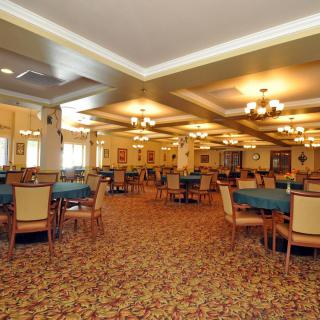
  • Dining room Dining roomDining rooms are important for seniors as they provide a space for socialization, connection, and nutritious meals. They offer opportunities for residents to bond over shared meals, foster a sense of community, and promote healthy eating habits. Dining rooms also ensure that seniors have access to well-balanced meals tailored to their dietary needs and preferences.
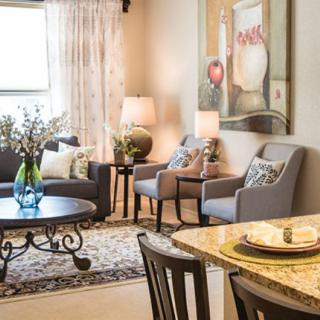
  • Fully furnished Fully furnishedFully furnished senior living communities are important for seniors because they provide convenience, comfort, and a hassle-free moving experience. Seniors can easily settle into their new living space without the stress of having to buy and move furniture. This allows them to focus on enjoying their new home and community.
  • Garden GardenGardens are important for seniors as they provide a peaceful and therapeutic environment for relaxation, physical activity, and socialization. Being in nature has been shown to reduce stress, improve mood, and promote overall well-being. Gardens also offer opportunities for seniors to engage in gardening activities, which can improve mobility, flexibility, and cognitive function. Additionally, gardens create a sense of community and connection with others who share a passion for plants and outdoor spaces.
  • Housekeeping services Housekeeping servicesHousekeeping services are important for seniors because they help maintain a clean and safe living environment, promote independence, and reduce the risk of accidents or illnesses. Additionally, having assistance with household chores can alleviate physical strain and allow seniors to focus on other aspects of their well-being.
  • Move-in coordination Move-in coordinationMove-in coordination is important for seniors because it helps ease the transition into their new living environment. It ensures that all logistics, such as packing, organizing movers, and setting up utilities are taken care of, allowing seniors to focus on settling in and adjusting to their new home. Having a smooth move-in process can alleviate stress and anxiety, making the transition smoother and more enjoyable for seniors.
  • Outdoor space Outdoor spaceOutdoor spaces are important for seniors as they provide opportunities for physical activity, social interaction, exposure to natural light and fresh air, and a sense of connection to nature. Having access to outdoor spaces can improve overall well-being and quality of life for older adults living in senior communities.
  • Telephone TelephoneTelephones are important for seniors as they provide a lifeline for communication with loved ones, emergency services, and healthcare providers. They offer a sense of security and independence, enabling seniors to stay connected and access assistance when needed.
  • Wi-Fi/high-speed internet available Wi-Fi/high-speed internet availableWi-Fi/high-speed internet is important for seniors to stay connected with loved ones, access online resources, and participate in virtual activities to combat feelings of loneliness and isolation. It also allows them to easily manage healthcare needs, access entertainment, and engage in lifelong learning opportunities.

Care Services

  • 24-hour supervision 24-hour supervision24-hour supervision is important for seniors to ensure their safety, well-being, and access to immediate assistance in case of emergencies or health issues. This constant support provides peace of mind for both seniors and their loved ones, allowing them to age in place with dignity and security.
  • Activities of daily living assistance Activities of daily living assistanceActivities of daily living assistance are important for seniors because they provide essential support with tasks such as eating, bathing, dressing, and mobility. This assistance helps seniors maintain their independence, dignity, and overall quality of life as they age.
  • Assistance with bathing Assistance with bathingAssistance with bathing is crucial for seniors as it helps maintain personal hygiene, prevents infections, and ensures their overall well-being and comfort. It also provides a sense of dignity and independence for seniors who may struggle with this task on their own.
  • Assistance with dressing Assistance with dressingAssistance with dressing is important for seniors because it helps maintain their independence, promotes personal hygiene, prevents accidents and injuries, and improves overall quality of life. This service ensures that seniors can continue to dress comfortably and confidently, despite any physical limitations they may have.
  • Assistance with transfers Assistance with transfersAssistance with transfers is crucial for seniors as it helps prevent falls and injuries, maintains their independence, and ensures they can safely navigate their living environment. It also provides peace of mind for both seniors and their loved ones.
  • Coordination with health care providers Coordination with health care providersCoordination with health care providers is crucial for seniors to ensure proper medical care, medication management, and overall well-being. This collaboration helps prevent overlapping treatments, track progress more effectively, and provide comprehensive support tailored to individual needs.
  • Diabetes diet Diabetes dietA diabetes diet is crucial for seniors as it helps manage blood sugar levels, reduce risks of complications, and improve overall health and well-being. By following a balanced and nutritious diet tailored to their specific needs, seniors can better control their diabetes and enhance their quality of life.
  • Meal preparation and service Meal preparation and serviceMeal preparation and service are crucial for seniors as they may have limited mobility or energy to cook nutritious meals. Having access to healthy and convenient food options can ensure they are getting the proper nutrition needed to maintain their overall health and well-being.
  • Medication management Medication managementMedication management is crucial for seniors to ensure they are taking the right medications at the correct dosages and times. This helps prevent adverse drug interactions, reduces the risk of medication errors, and promotes overall health and well-being. Proactive management also allows for adjustments as needed based on changing health conditions or new prescriptions.
  • Special dietary restrictions Special dietary restrictionsSpecial dietary restrictions are important for seniors because age-related changes in metabolism and health conditions can make it difficult for their bodies to process certain foods. By following a diet tailored to their specific needs, seniors can maintain their overall health and well-being, manage chronic conditions, and reduce the risk of complications such as malnutrition or food interactions with medications.
  • Transportation arrangement (medical) Transportation arrangement (medical)Transportation arrangements for medical purposes are essential for seniors as they may have difficulty driving themselves to appointments or accessing public transportation. Having reliable and safe transportation options ensures that seniors can receive timely medical care and maintain their health and well-being.
  • Transportation to doctors appointments Transportation to doctors appointmentsTransportation to doctors' appointments is crucial for seniors as it ensures they have access to necessary medical care and support for their health needs. Without reliable transportation, seniors may struggle to attend important appointments, leading to potential delays in treatment and health complications. Providing transportation services helps seniors maintain their overall well-being and quality of life.
Dining

  • Diabetes diet Diabetes dietA diabetes diet is crucial for seniors as it helps manage blood sugar levels, reduce risks of complications, and improve overall health and well-being. By following a balanced and nutritious diet tailored to their specific needs, seniors can better control their diabetes and enhance their quality of life.
  • Special dietary restrictions Special dietary restrictionsSpecial dietary restrictions are important for seniors because age-related changes in metabolism and health conditions can make it difficult for their bodies to process certain foods. By following a diet tailored to their specific needs, seniors can maintain their overall health and well-being, manage chronic conditions, and reduce the risk of complications such as malnutrition or food interactions with medications.

Activities

  • Community-sponsored activities Community-sponsored activitiesCommunity-sponsored activities are important for seniors as they provide opportunities for social interaction, mental stimulation, and physical activity. These activities can help improve overall well-being, combat loneliness and isolation, and promote a sense of belonging and purpose among older adults.
  • Scheduled daily activities Scheduled daily activitiesScheduled daily activities are important for seniors because they provide structure, socialization, mental stimulation, and physical activity. Engaging in regular activities can improve overall well-being and quality of life for seniors living in a community setting.

Description

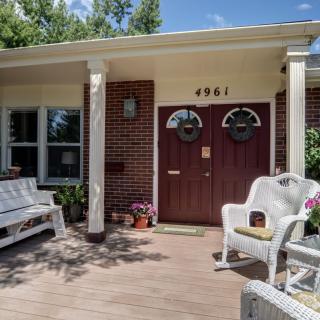
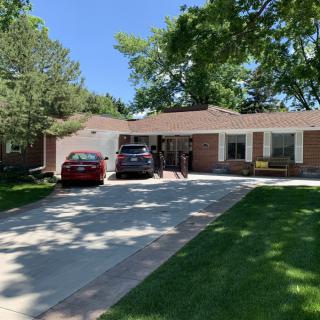
Colorado Assisted Living Homes Rowland in Littleton, CO is a cozy and inviting board and care home that offers exceptional care services and amenities for seniors. The community is fully furnished, ensuring that residents can settle in comfortably.

At Colorado Assisted Living Homes Rowland, residents can enjoy the beautiful garden and outdoor space, perfect for relaxation or socializing with fellow residents. Housekeeping services are provided to ensure a clean and tidy living environment.

The community provides assistance with activities of daily living, including bathing, dressing, and transfers. Residents' health needs are well catered for with coordination with healthcare providers, medication management, diabetes diet support, and special dietary restrictions.

Meals at Colorado Assisted Living Homes Rowland are prepared and served by the attentive staff. Special dietary restrictions are taken into consideration to meet each resident's nutritional needs. Scheduled daily activities ensure that residents have plenty of opportunities for social engagement and entertainment.

Convenience is a top priority at this assisted living community. With several cafes, parks, pharmacies, physicians' offices, restaurants, places of worship, theaters, and hospitals nearby; residents have easy access to various amenities within the local area.

Colorado Assisted Living Homes Rowland is an excellent choice for seniors seeking a warm and supportive environment where their needs are met with personalized care.

Nearby Places of Interest

Pharmacies

  • Walgreens (1 miles)
  • Walgreens (1.9 miles)
  • CVS Pharmacy (3.2 miles)
  • Walgreens (3.2 miles)
  • Walgreens (3.2 miles)
  • King Soopers Pharmacy (3.6 miles)
  • Walgreens (3.8 miles)

Theaters

  • Alamo Drafthouse Littleton (1.7 miles)
  • AMC Highlands Ranch 24 (3.9 miles)

Restaurants

  • Breckenridge Brewery (1.7 miles)
  • Angelos Taverna (1.8 miles)
  • Locavore Beer Works (1.8 miles)
  • Chick-Fil-A (3.3 miles)
  • Torchy’S Tacos (3.5 miles)
  • McDonald's (3.8 miles)
  • Raising Cane's Chicken Fingers (4 miles)

Cafes

  • Starbucks (2.2 miles)
  • Starbucks (3.5 miles)
  • Starbucks (3.6 miles)
  • Starbucks (6.5 miles)
  • Starbucks (8.1 miles)
  • Stella's Coffee House (8.2 miles)
  • Starbucks (8.4 miles)

Hospitals

  • Children's Hospital Colorado South Campus (3.2 miles)
  • UCHealth Highlands Ranch Hospital (3.6 miles)

Physicians

  • South Denver Cardiology Associates (3.3 miles)
  • Corneal Consultants of Colorado PC (3.5 miles)
  • Centennial Family Care (3.6 miles)
  • Panorama Orthopedics (3.6 miles)
  • Alta Vista Dermatology (3.8 miles)
  • Native Roots Dispensary (3.8 miles)
  • Greenwood Pediatrics Littleton (4 miles)

Places of Worship

  • Mission Hills Church (3.5 miles)
  • Temple Sinai (8.2 miles)
  • Pax Christi Catholic Church (8.4 miles)

Parks

  • Chatfield State Park (3.8 miles)
  • Blue Heron Park (3.9 miles)
  • Pinecrest Park (4.1 miles)
  • Spearwood Park (7.2 miles)
  • Ruby Park (7.4 miles)
  • Overland Pond Park (7.7 miles)
  • Mamie D Eisenhower Park (8.1 miles)

Transportation

  • Arapahoe Light Rail Station (9 miles)

Frequently Asked Questions

Where is Colorado Assisted Living Homes Rowland?

Nearby Communities

Related Resources

  • does medicaid pay for assisted livingHow and When Medicaid May Cover Assisted Living Costs

    Medicaid coverage for assisted living varies by state and is primarily available to low-income individuals, with eligibility dependent on strict income and asset limits. Some states offer HCBS waivers for specific services in assisted living, but families must generally cover room and board costs, and should verify facility acceptance of Medicaid while considering potential waiting lists.

  • assisted living waiver programA Detailed Exploration of Assisted Living Medicaid Waivers Across the United States
    Medicaid waivers for assisted living services provide vital support for seniors and individuals with disabilities in need of long-term care, with varying state-specific eligibility criteria and benefits. These waivers cover personal care and case management but often do not fully cover room and board, leading to waiting lists for many applicants.

  • assisted living for disabled adultsComprehensive Residential Support and Assisted Living Solutions for Individuals with Disabilities

    The article examines the complexities of assisted living for individuals with disabilities, emphasizing the need for tailored care solutions that enhance quality of life and social inclusion, while addressing financial challenges and advocating for community integration. It discusses various housing options, the importance of financial assistance through public benefits, and highlights trends towards integrated and technology-driven solutions in disability-focused housing.