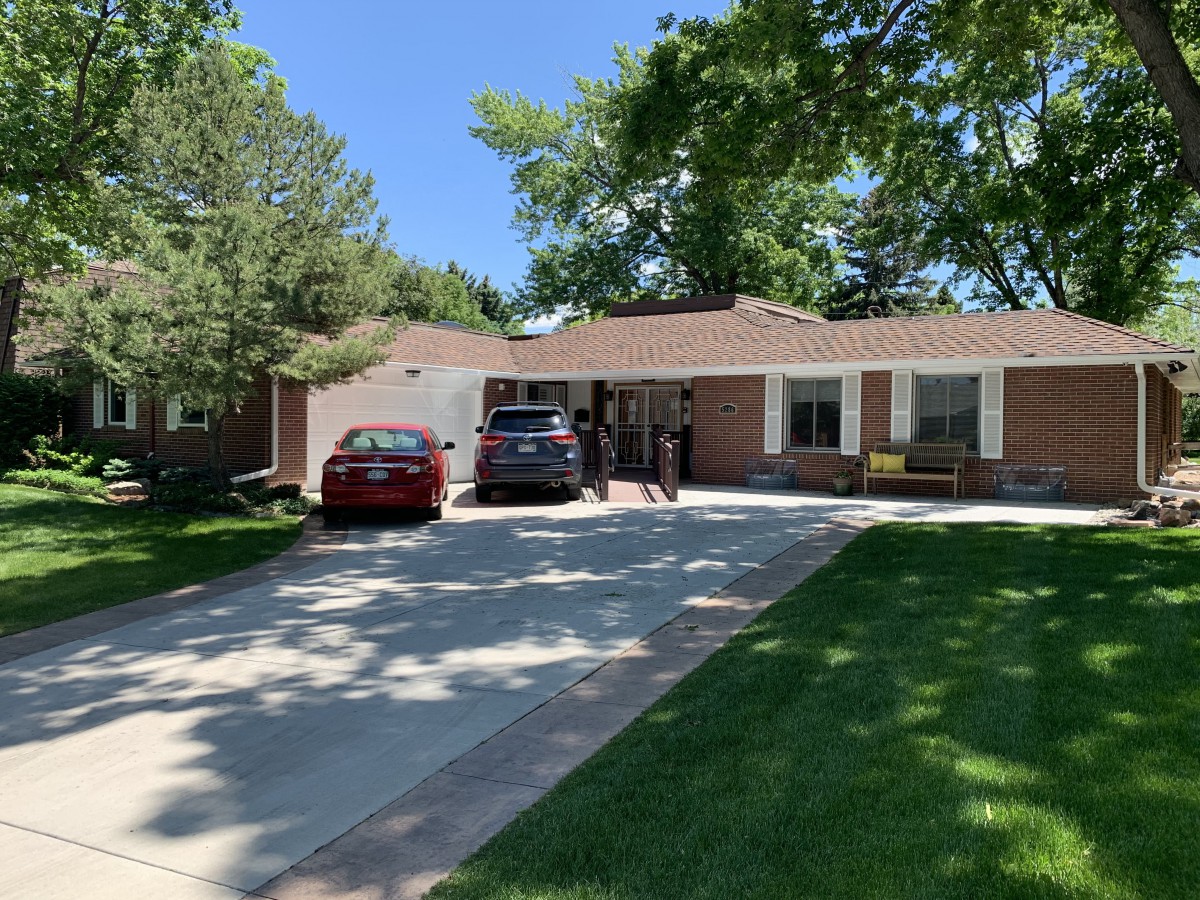
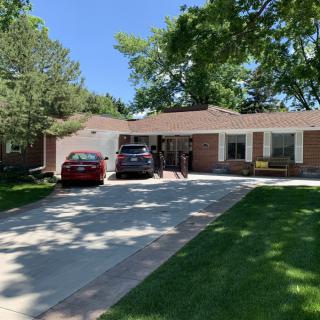
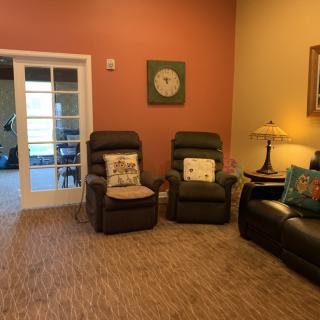
5286 West Portland Drive, Littleton, CO 80128
For more information about senior living options: (866) 208-4318
Serenity House Assisted Living Portland Drive Costs & Pricing
Serenity House Assisted Living Portland Drive offers a range of accommodation options at competitive prices compared to both Jefferson County and broader state averages in Colorado. For those seeking a semi-private room, the monthly fee stands at $5,200, which is notably higher than the county's average of $4,114 and the state's average of $4,009. Residents opting for a private room will pay $6,200, again above the county's figure of $4,253 and the state's typical cost of $4,142. Those interested in a one-bedroom suite will find their costs at $6,500, contrasting with Jefferson County's average of $4,076 and Colorado's average of $4,119. While Serenity House may be on the higher end of the pricing spectrum within its locale, it reflects a commitment to quality care that is often accompanied by enhanced amenities and services tailored to elevate residents' experiences.
| Floor plans | Serenity House Assisted Living Portland Drive | Jefferson County | Colorado |
|---|---|---|---|
| Semi-Private | $5,200 | $4,114 | $4,008 |
| Private | $6,200 | $4,253 | $4,142 |
| 1 Bedroom | $6,500 | $4,076 | $4,118 |
Memory care communities with a similar price nearby
-
About the same
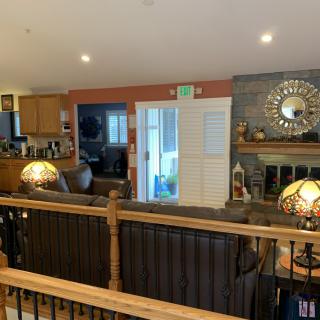
Serenity House Assisted Living Hunters Hill
$5,200 to $6,500 / month8.7 miles away -
About the same
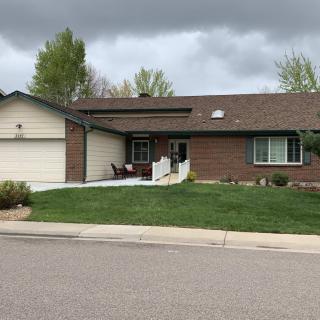
Serenity House Assisted Living Hinsdale
$5,200 to $6,500 / month5.6 miles away -
from +$250 / mo

MorningStar of Observatory Park
$5,450 to $8,300 / month7.7 miles away -
from -$580 / mo
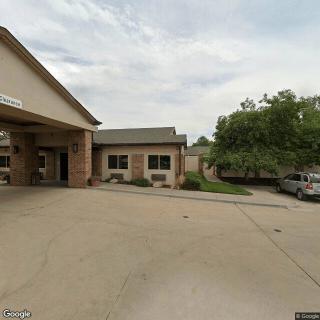
Garden Terrace Alzheimer's Center Of Excellence - Aurora
$4,620 to $5,940 / month13.7 miles away -
About the same
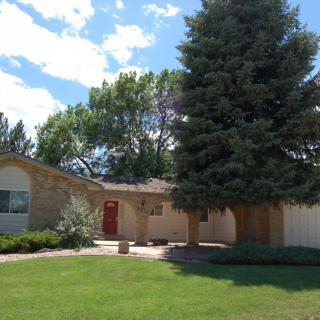
Serenity House Assisted Living Littleton
$5,200 to $6,400 / month0.4 miles away
Overall Review of Serenity House Assisted Living Portland Drive
Pros
 All of the caregivers have been wonderful.
- The staff are great.
- They are wonderfully compassionate and competent care providers.
- The staff-to-resident ratio is among the best.
- The staff are the sweetest, most dedicated, and hardworking group.
- Serenity House feels like a home, not a large facility.
- Residents receive individualized attention and warm care.
- Medications are dispensed accurately and nutritional needs are met with appetizing meals.
- The 24-hour on-site house managers are qualified to quickly evaluate urgent medical situations.
- The managers are like family and maintain open, satisfactory communication.
Cons
 The prior facility’s care was a mess, and the dad did not like it.
- He fell right away after being placed there.
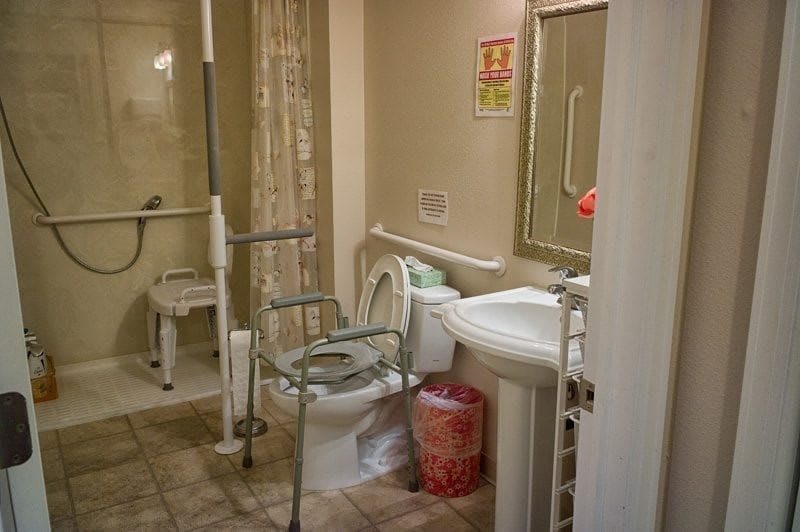
- The bathroom situation was less than ideal, with three bathrooms but only two functional.
- One bathroom does not work.
- The caregivers’ heavy accents made it hard for the mother to understand them and for them to understand her, so she often goes without help.
- The monthly rent of $4,200 was considered too high.
- The noise in the house often keeps the mother awake during the day.
Review
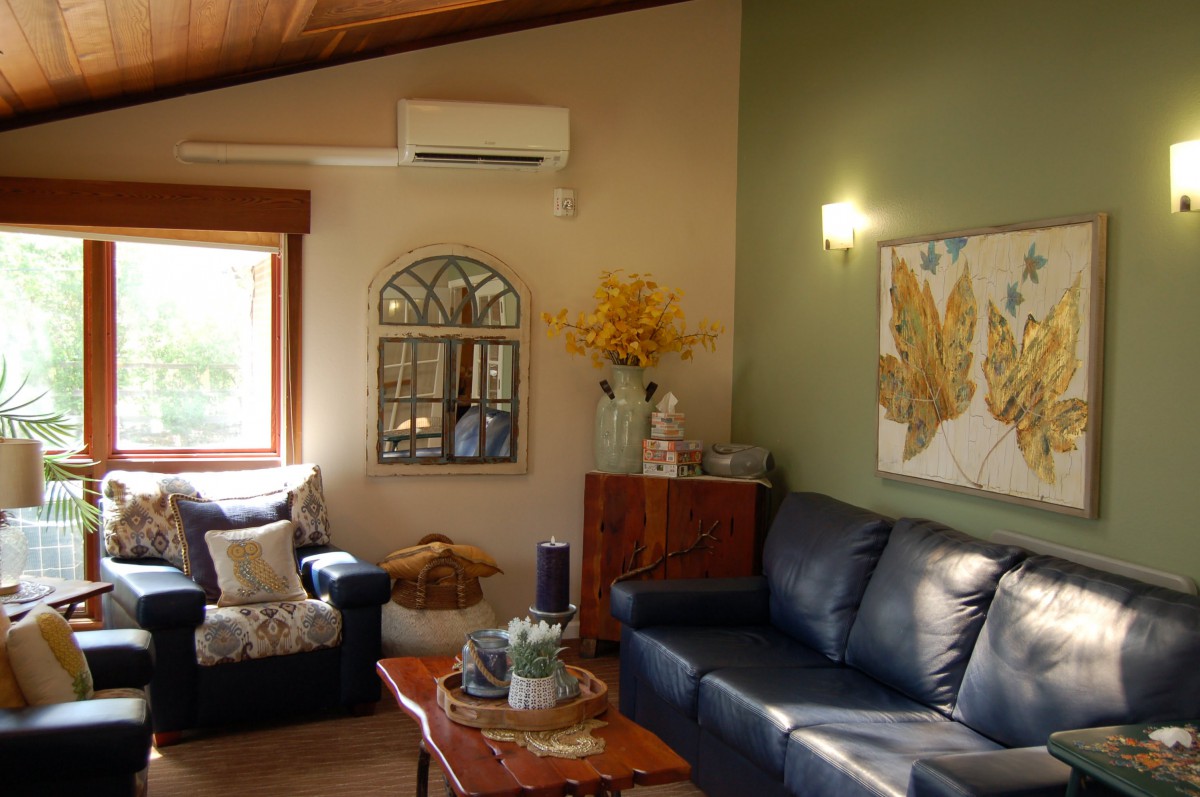
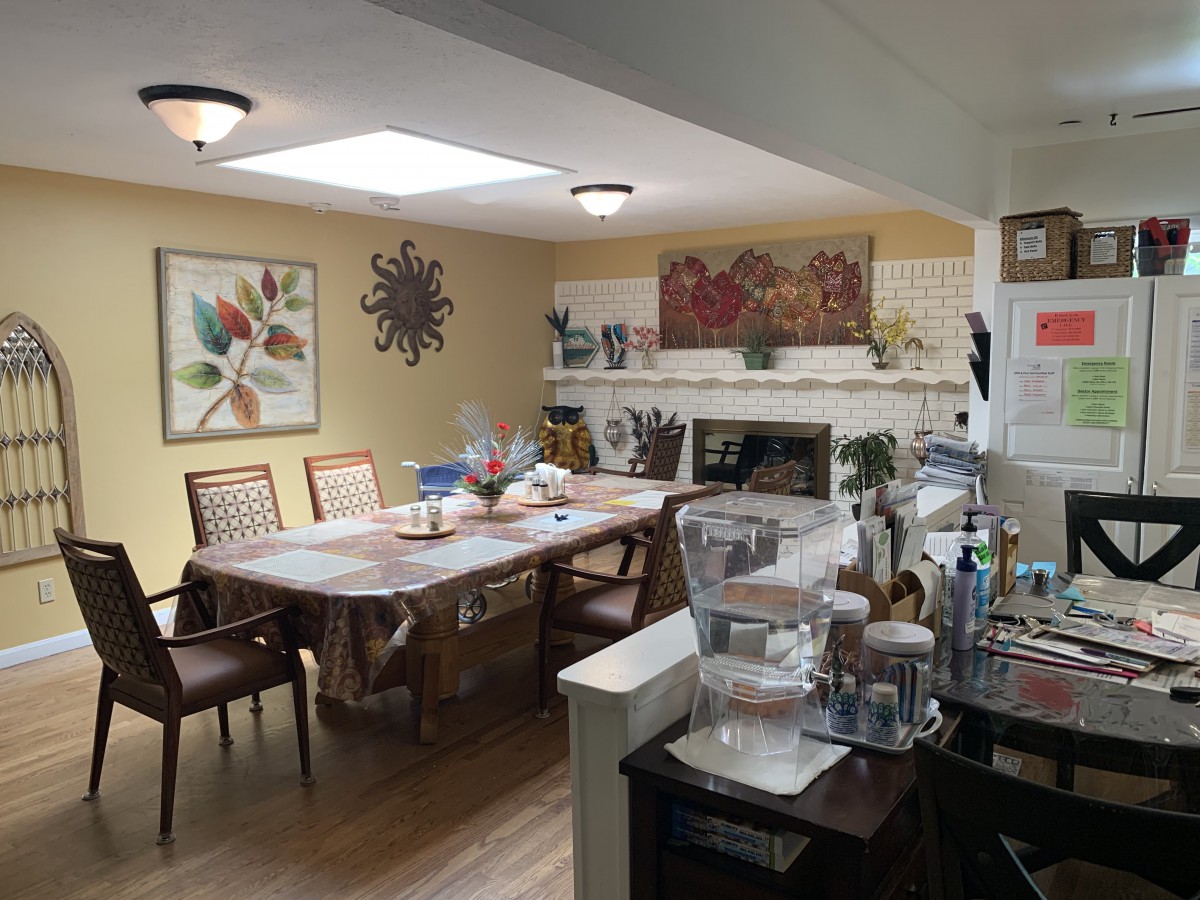
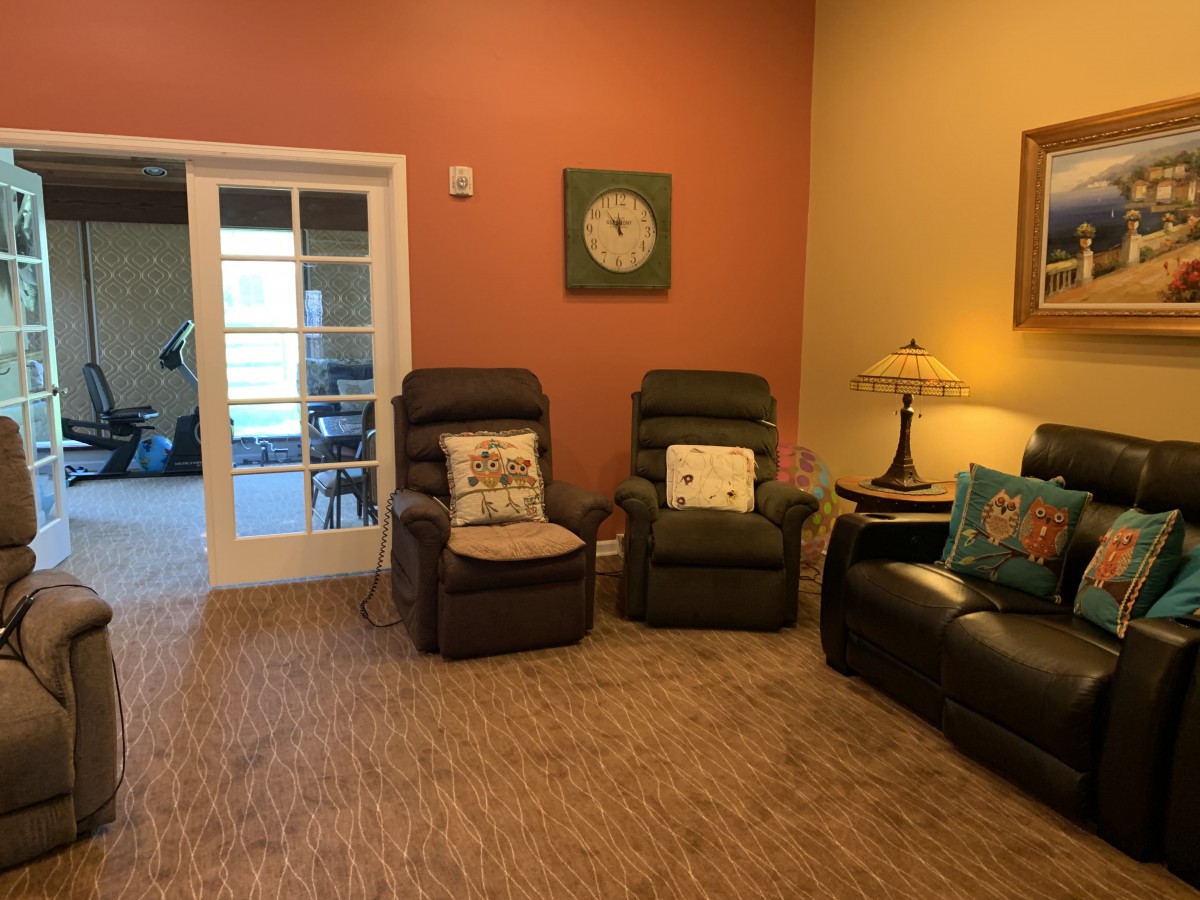
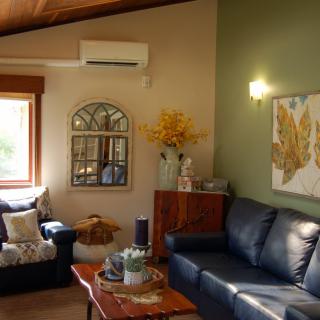
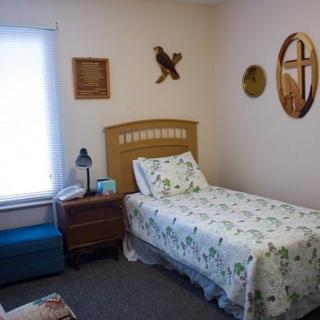
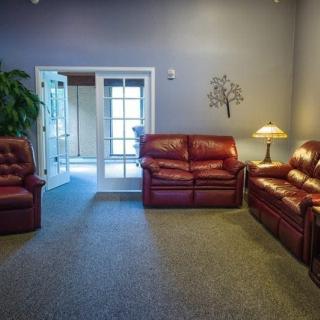
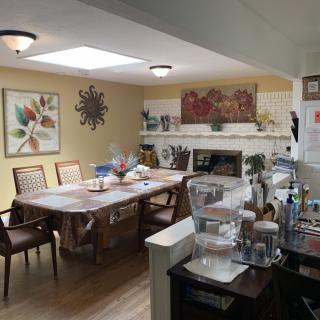
Serenity House on Portland Drive is best suited for families seeking a small, home-like assisted living that delivers highly personalized, relationship-based care. This community typically operates with a tight crew and a resident count in the single digits, which translates into frequent face-to-face interactions, consistent caregivers, and quick, attentive responses to daily needs. It excels when the goal is to keep a senior in a familiar, intimate setting where staff know each resident’s preferences, routines, and health signals. For residents who benefit from a warm, family-style atmosphere, where meals, sunlit common spaces, and a sense of daily purpose matter as much as medical supervision, Serenity House stands out as a thoughtful fit.
Those who should consider alternatives are clear. If the objective leans toward a larger campus with a wide array of on-site amenities, expansive programming, or higher-acuity medical services, a bigger facility may be more suitable. Families managing multiple, complex medical conditions or needing robust, around-the-clock skilled nursing support may find a larger operation better aligns with clinical expectations. Budget-sensitive families should also weigh the monthly cost against what’s included, because several residents and families note that Serenity House can feel pricey for the square footage and services, especially when heavy medications or frequent medical oversight are involved. Finally, for residents whose language needs or dietary preferences extend beyond a home-style menu, a facility with more multilingual staff or a broader menu range could be advantageous.
The strongest pros at Serenity House offset many of the typical senior-living concerns. The staff-to-resident ratio is exceptionally high, which translates into constant supervision, rapid assistance, and a level of warmth that makes the environment feel truly caregiving-first. Residents are not corralled into passive routines; they’re invited to participate in activities and social moments that feel meaningful, rather than perfunctory. The house managers are present, approachable, and capable of handling urgent medical questions with a calm, family-like professionalism. Medications arrive on schedule and are dispensed with careful attention to doctor’s orders, providing peace of mind to families. The overall tone, clean, welcoming, and intimate, supports reliable daily rhythms, predictable care, and genuine emotional support, which matters deeply when trust must be built quickly.
Yet, several meaningful drawbacks deserve attention before committing. The most frequently cited cost concern centers on a monthly rent that can be hard to justify for families on tighter budgets, especially when the resident count remains small. Another practical issue is the physical infrastructure in some units: one review highlights three bathrooms on the floor but only two functioning, creating bottlenecks and occasional discomfort for residents requiring timely access. Language can also be a barrier; caregivers with strong accents and non-native English can complicate day-to-day communication for residents who rely on clear guidance. Dietary preferences occasionally clash with a menu rooted in Asian-style preparations, which may not suit every palate. Finally, for residents who sleep more during the day due to medication schedules, the noise level in the house can become noticeable, affecting comfort and daytime engagement for some.
These cons do not cancel the considerable strengths, but they do shift the decision calculus. The small, tight-knit environment can magnify the impact of mechanical issues like bathroom availability or dietary mismatch, making them more consequential than they would be in a larger community with more diversified facilities. However, the same intimate setting amplifies the benefits of consistent staffing and open, frequent communication. Families should weigh the emotional and practical upside of a “home” atmosphere against the potential friction points of budget, accessibility, and language. For residents who prize personalized attention, caregiver familiarity, and a predictable daily flow, the pros often decisively outweigh the cons, especially when families value family-like engagement and proactive, visible management.
For families seriously considering Serenity House, a purposeful, here’s-how-to-validate approach makes sense. Start with a focused tour and conversation with the house manager about staffing patterns, the exact number of functional bathrooms, and how care plans adapt to changes in health or medications. Probe the daily schedule to see how activities are chosen, how family participation works, and what outings or in-house experiences are typical. Ask for a transparent breakdown of the monthly cost and what is included, and request recent residents’ references to hear firsthand about ongoing quality and responsiveness. Inquire about dementia care options and the availability of memory-support strategies, since consistency of staff and familiar routines are particularly valuable in those scenarios. Finally, verify the communication channels, how questions are answered, how often families receive updates, and who becomes the point person when urgent concerns arise.
Ultimately, Serenity House on Portland Drive delivers an exceptionally caring, home-forward option for seniors who thrive in a small, neighborly setting with devoted caregivers. Families should place high weight on the strong caregiver ratio, the sense of safety and warmth, and the consistent, compassionate management that treats residents like family. This is not the choice for those seeking a glossy, large-scale campus with a broad menu of amenities or the deepest level of medical complexity under one roof. When the resident’s needs align with a homey, intimate model, the advantages, personal attention, clear communication, and a workforce that treats care as a vocation, can create disproportionate peace of mind for families and a dignified, engaged daily life for loved ones.
 8 resident community capacity
 Assisted Living
 Board and Care Home
 Day Program
 Memory Care
 Respite Care
 Cats allowed
 Dogs allowed
 Air-conditioning
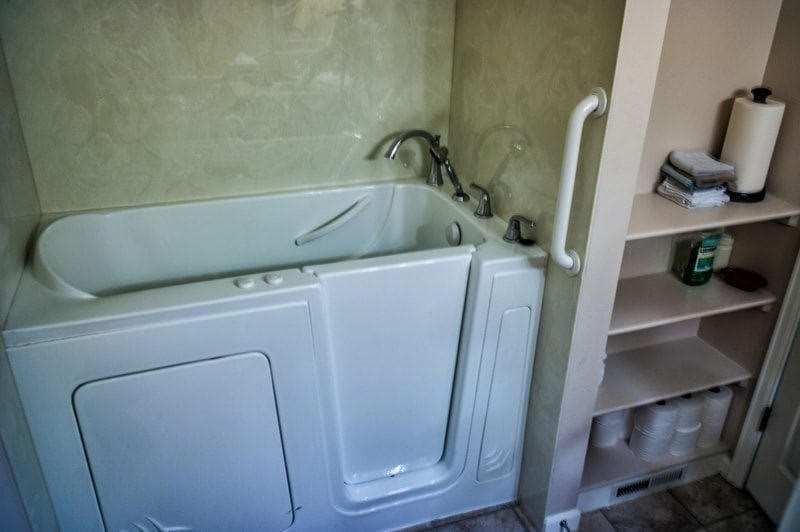
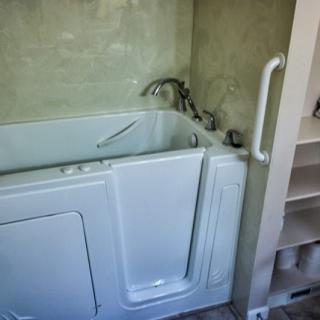
 Bath tubs
 Beautician on-site
 Cable or satellite TV
 Devotional services off-site
 Dining room
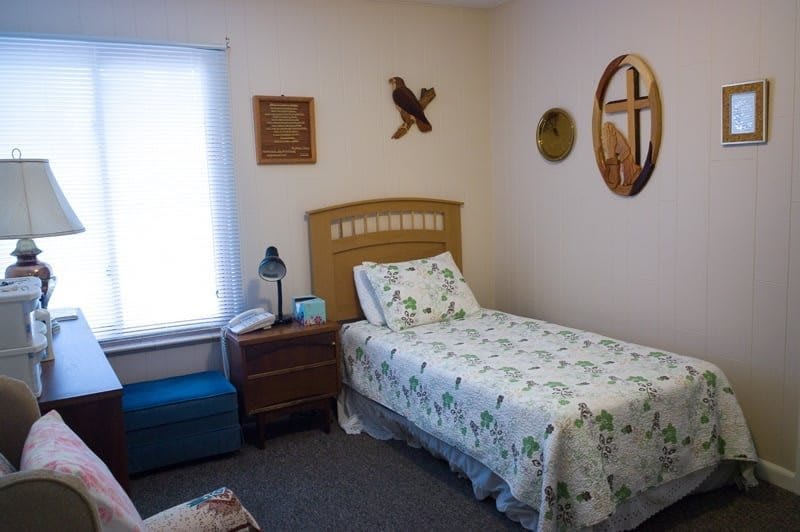
 Fully furnished
 Garden
 Ground floor units
 Handicap accessible
 Housekeeping services
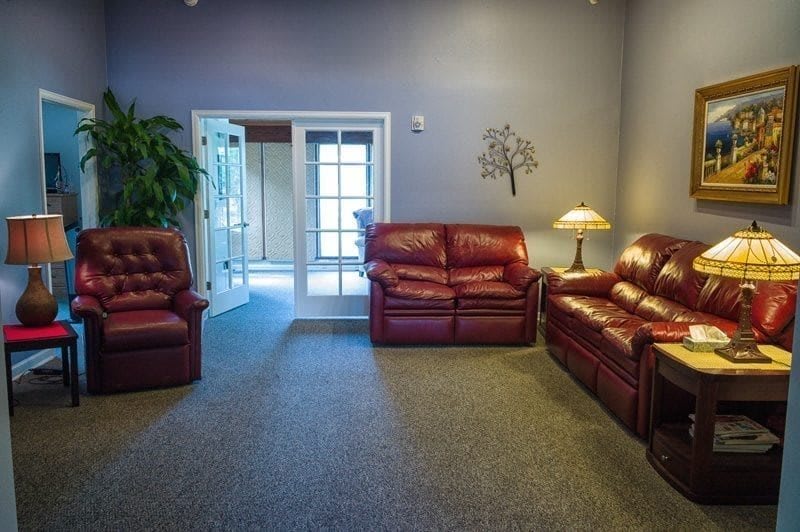
 Indoor common areas
 Move-in coordination
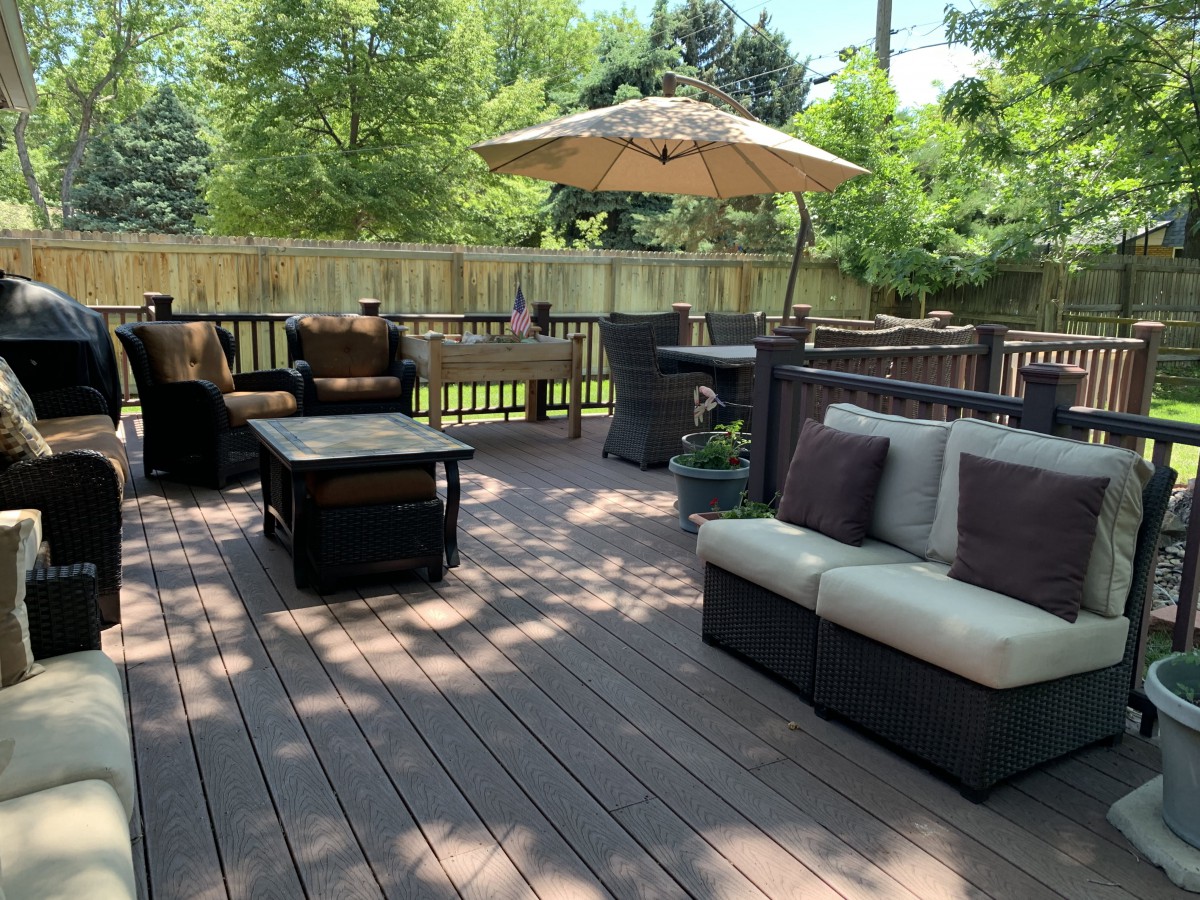
 Outdoor common areas
 Private
 Private bathrooms
 Telephone
 Wheelchair accessible showers
 Wi-Fi/high-speed internet available
 24-hour supervision
 Ambulatory care
 Assistance with bathing
 Assistance with dressing
 Assistance with transfers
 Diabetes diet
 Diabetic care
 High acuity care
 Incontinence care
 Meal preparation and service
 Medication management
 Special dietary restrictions
 Transportation arrangement (medical)
 Transportation to doctors appointments
 Art classes
 Bible study group
 Cooking classes
 Day trips and outings
 Educational speakers / life long learning
 Live musical performances
 Live well programs
 Visiting Rabbi
 Wine tasting

 Comprehensive Guide to VA Nursing Homes: A Crucial Long-Term Care Resource for Veterans
 Estimating the Expenses of At-Home Dementia Care: A Detailed Exploration
 Comprehensive Insights on the Late Stages of Dementia: What to Expect and How to Provide Care