Colorado Assisted Living Homes Plymouth in Littleton, CO

5130 West Plymouth Drive, Littleton, CO 80128

For more information about senior living options: (844) 490-3973

3.7 from 3 reviews
5 stars
2
4 stars
0
3 stars
0
2 stars
0
1 stars
1

Assisted Living Board and Care Home Memory Care

Overall Review of Colorado Assisted Living Homes Plymouth

Pros

  • pro Colorado Assistant Living is very professional, with highly trained caregivers in each home, and the warmth and love at the door creates a welcoming, home-like feeling.
  • pro Colorado Assisted Living is a wonderful place for grandma, with staff who are kind and loving.
  • pro The staff are kind and loving, making Colorado Assisted Living feel like the nicest place around.

Cons

  • pro Not a safe place for mom.

Review

Colorado Assisted Living Homes Plymouth in Littleton is best suited for families seeking a warm, home-like atmosphere where compassionate, well-trained caregivers deliver personal attention day in and day out. The community tends to shine in relational care - staff members who greet residents by name, engage in conversation, and anticipate daily needs - making it feel welcoming and secure. For seniors who value social connection, daily assistance with activities, and a sense of belonging, this setting often delivers more heartfelt engagement than sterile, impersonal facilities. The location in the Denver metro area adds practical convenience for visits from relatives and access to local medical resources, which matters to families balancing care with work and other responsibilities. It is not a clinical hub, but a residence designed around comfort and daily reliability.

However, this community may not be the right fit for families that prioritize strict, physician-driven oversight or stringent safety guarantees. One-star feedback within the rating mix hints at variability in experiences and potential concerns about safety or management, and a small sample size means the landscape can shift with staff turnover or shifts in leadership. For residents with complex medical needs, frequent acute changes, or memory care requiring locked environments and constant, high-level monitoring, alternatives with dedicated clinical teams and memory-care programming should be considered. Families who demand transparent reporting, steady caregiver availability around the clock, and a robust incident-review process will want to compare options more broadly before committing.

Yet the strongest positives - professional, highly trained caregivers and a consistently warm, welcoming culture - offer meaningful counterweights to those concerns. The reviews repeatedly commend the staff's kindness, the sense of welcome upon arrival, and the home-like feel that reduces the anxiety many seniors experience when transitioning to care. This relational strength translates into better daily motivation, more engaged activities, and a calmer daily rhythm, all of which can significantly improve quality of life for residents who need help without feeling institutionalized. In practice, those benefits often translate into quicker response times, less friction around routine tasks, and a calmer family dynamic during visits.

That said, the limited number of ratings means potential residents should approach with careful due diligence. The overall score sits at 3.7 from three published reviews, with two five-star endorsements underscoring the professional environment and compassionate care, but a single one-star rating carrying notable weight. It signals that one segment of families may encounter gaps in consistency or safety perceptions, which could reflect differences between homes, shifts, or management decisions. Prospective movers should not rely on reputation alone. Instead, schedule in-person observations, request a recent safety and incident summary, and ask to meet the caregiving team on multiple shifts to gauge consistency and morale.

During tours, scrutinize staffing patterns, training credentials, and supervision structures. Ask for the caregiver-to-resident ratio by day and night, whether an on-site RN or LPN provides oversight, and how care plans are updated as needs change. Inspect the physical environment for accessibility features, fall-prevention measures, and clear pathways. Inquire about memory-care options if cognitive impairment is present, and understand contract terms, rate increases, meal quality, and activity calendars. Request references from current families and look for patterns in recent feedback to determine whether the warmth and professionalism described in reviews persists across shifts and seasons.

Ultimately, the community is a solid fit for families prioritizing warmth, personal attention, and a home-like daily rhythm over clinical intensity. For those whose bottom line includes ironclad safety guarantees, high-level medical oversight, or dementia-specific security, alternatives deserve careful comparison. The prudent path is to visit, ask pointed questions, and compare several Littleton options against a clear checklist of safety, staffing stability, and resident satisfaction. If the tour confirms consistent, compassionate care within a comfortable environment, Colorado Assisted Living Homes Plymouth can be a trustworthy choice; if not, alternatives with stronger clinical frameworks should be pursued.

Features

Housing

  • 6 resident community capacity 6 resident community capacity

Types of Care

  • Assisted Living Assisted LivingAssisted living facilities provide crucial support and care for seniors who may need help with daily tasks such as medication management, bathing, and meal preparation. These communities offer a safe and comfortable environment where seniors can maintain their independence while receiving the assistance they need to thrive in their golden years.
  • Board and Care Home Board and Care HomeBoard and care homes provide a smaller, more intimate setting for seniors who require assistance with daily tasks but do not need the level of care offered by a nursing home. They offer personalized care, meals, and social activities in a homelike environment, ensuring that seniors receive individualized attention and support in their golden years.
  • Memory Care Memory CareMemory care is crucial for seniors as it provides specialized support and services for individuals with dementia or Alzheimer's disease. These programs offer a safe and secure environment where residents receive personalized care, cognitive stimulation, and help with daily activities. Memory care helps seniors maintain their independence, quality of life, and dignity while also providing peace of mind for their families.

Amenities

  • Cable or satellite TV Cable or satellite TVCable or satellite TV is important for seniors because it provides entertainment, news, and companionship, helping to combat loneliness and boredom. It also offers a wide range of programming options tailored to different interests and preferences.
  • Dining room Dining roomDining rooms are important for seniors as they provide a space for socialization, connection, and nutritious meals. They offer opportunities for residents to bond over shared meals, foster a sense of community, and promote healthy eating habits. Dining rooms also ensure that seniors have access to well-balanced meals tailored to their dietary needs and preferences.
  • Fully furnished Fully furnishedFully furnished senior living communities are important for seniors because they provide convenience, comfort, and a hassle-free moving experience. Seniors can easily settle into their new living space without the stress of having to buy and move furniture. This allows them to focus on enjoying their new home and community.
  • Garden GardenGardens are important for seniors as they provide a peaceful and therapeutic environment for relaxation, physical activity, and socialization. Being in nature has been shown to reduce stress, improve mood, and promote overall well-being. Gardens also offer opportunities for seniors to engage in gardening activities, which can improve mobility, flexibility, and cognitive function. Additionally, gardens create a sense of community and connection with others who share a passion for plants and outdoor spaces.
  • Housekeeping services Housekeeping servicesHousekeeping services are important for seniors because they help maintain a clean and safe living environment, promote independence, and reduce the risk of accidents or illnesses. Additionally, having assistance with household chores can alleviate physical strain and allow seniors to focus on other aspects of their well-being.
  • Move-in coordination Move-in coordinationMove-in coordination is important for seniors because it helps ease the transition into their new living environment. It ensures that all logistics, such as packing, organizing movers, and setting up utilities are taken care of, allowing seniors to focus on settling in and adjusting to their new home. Having a smooth move-in process can alleviate stress and anxiety, making the transition smoother and more enjoyable for seniors.
  • Outdoor space Outdoor spaceOutdoor spaces are important for seniors as they provide opportunities for physical activity, social interaction, exposure to natural light and fresh air, and a sense of connection to nature. Having access to outdoor spaces can improve overall well-being and quality of life for older adults living in senior communities.
  • Telephone TelephoneTelephones are important for seniors as they provide a lifeline for communication with loved ones, emergency services, and healthcare providers. They offer a sense of security and independence, enabling seniors to stay connected and access assistance when needed.
  • Wi-Fi/high-speed internet available Wi-Fi/high-speed internet availableWi-Fi/high-speed internet is important for seniors to stay connected with loved ones, access online resources, and participate in virtual activities to combat feelings of loneliness and isolation. It also allows them to easily manage healthcare needs, access entertainment, and engage in lifelong learning opportunities.

Care Services

  • 24-hour supervision 24-hour supervision24-hour supervision is important for seniors to ensure their safety, well-being, and access to immediate assistance in case of emergencies or health issues. This constant support provides peace of mind for both seniors and their loved ones, allowing them to age in place with dignity and security.
  • Activities of daily living assistance Activities of daily living assistanceActivities of daily living assistance are important for seniors because they provide essential support with tasks such as eating, bathing, dressing, and mobility. This assistance helps seniors maintain their independence, dignity, and overall quality of life as they age.
  • Assistance with bathing Assistance with bathingAssistance with bathing is crucial for seniors as it helps maintain personal hygiene, prevents infections, and ensures their overall well-being and comfort. It also provides a sense of dignity and independence for seniors who may struggle with this task on their own.
  • Assistance with dressing Assistance with dressingAssistance with dressing is important for seniors because it helps maintain their independence, promotes personal hygiene, prevents accidents and injuries, and improves overall quality of life. This service ensures that seniors can continue to dress comfortably and confidently, despite any physical limitations they may have.
  • Assistance with transfers Assistance with transfersAssistance with transfers is crucial for seniors as it helps prevent falls and injuries, maintains their independence, and ensures they can safely navigate their living environment. It also provides peace of mind for both seniors and their loved ones.
  • Coordination with health care providers Coordination with health care providersCoordination with health care providers is crucial for seniors to ensure proper medical care, medication management, and overall well-being. This collaboration helps prevent overlapping treatments, track progress more effectively, and provide comprehensive support tailored to individual needs.
  • Dementia waiver Dementia waiverDementia waivers are essential for seniors as they provide critical protections and accommodations for those experiencing cognitive decline. These waivers ensure individuals with dementia receive appropriate care, support, and resources to maintain their quality of life and dignity as they navigate the challenges of this progressive condition.
  • Diabetes diet Diabetes dietA diabetes diet is crucial for seniors as it helps manage blood sugar levels, reduce risks of complications, and improve overall health and well-being. By following a balanced and nutritious diet tailored to their specific needs, seniors can better control their diabetes and enhance their quality of life.
  • Hospice waiver Hospice waiverHospice waivers are important for seniors because they allow individuals to receive specialized end-of-life care and support at home or in a hospice facility. This waiver ensures that seniors can access the necessary resources and services to maintain comfort and dignity during their final days.
  • Meal preparation and service Meal preparation and serviceMeal preparation and service are crucial for seniors as they may have limited mobility or energy to cook nutritious meals. Having access to healthy and convenient food options can ensure they are getting the proper nutrition needed to maintain their overall health and well-being.
  • Medication management Medication managementMedication management is crucial for seniors to ensure they are taking the right medications at the correct dosages and times. This helps prevent adverse drug interactions, reduces the risk of medication errors, and promotes overall health and well-being. Proactive management also allows for adjustments as needed based on changing health conditions or new prescriptions.
  • Mental wellness program Mental wellness programMental wellness programs are essential for seniors as they promote cognitive stimulation, emotional support, and social engagement. These programs help prevent isolation, depression, and cognitive decline, ultimately enhancing the overall quality of life for older adults.
  • Mild cognitive impairment Mild cognitive impairment"Mild cognitive impairment" is important for seniors because it is an early stage of cognitive decline that can potentially progress to more severe conditions such as dementia. Recognizing and addressing mild cognitive impairment can help seniors receive appropriate care and support to maintain their quality of life and independence for as long as possible.
  • Special dietary restrictions Special dietary restrictionsSpecial dietary restrictions are important for seniors because age-related changes in metabolism and health conditions can make it difficult for their bodies to process certain foods. By following a diet tailored to their specific needs, seniors can maintain their overall health and well-being, manage chronic conditions, and reduce the risk of complications such as malnutrition or food interactions with medications.
  • Specialized memory care programming Specialized memory care programmingSpecialized memory care programming is crucial for seniors with cognitive impairments such as dementia or Alzheimer's disease. These programs provide a safe and supportive environment tailored to the unique needs of individuals with memory loss, helping them maintain their independence, dignity, and quality of life.
  • Transportation arrangement (medical) Transportation arrangement (medical)Transportation arrangements for medical purposes are essential for seniors as they may have difficulty driving themselves to appointments or accessing public transportation. Having reliable and safe transportation options ensures that seniors can receive timely medical care and maintain their health and well-being.
  • Transportation to doctors appointments Transportation to doctors appointmentsTransportation to doctors' appointments is crucial for seniors as it ensures they have access to necessary medical care and support for their health needs. Without reliable transportation, seniors may struggle to attend important appointments, leading to potential delays in treatment and health complications. Providing transportation services helps seniors maintain their overall well-being and quality of life.

Dining

  • Diabetes diet Diabetes dietA diabetes diet is crucial for seniors as it helps manage blood sugar levels, reduce risks of complications, and improve overall health and well-being. By following a balanced and nutritious diet tailored to their specific needs, seniors can better control their diabetes and enhance their quality of life.
  • Special dietary restrictions Special dietary restrictionsSpecial dietary restrictions are important for seniors because age-related changes in metabolism and health conditions can make it difficult for their bodies to process certain foods. By following a diet tailored to their specific needs, seniors can maintain their overall health and well-being, manage chronic conditions, and reduce the risk of complications such as malnutrition or food interactions with medications.

Activities

  • Community-sponsored activities Community-sponsored activitiesCommunity-sponsored activities are important for seniors as they provide opportunities for social interaction, mental stimulation, and physical activity. These activities can help improve overall well-being, combat loneliness and isolation, and promote a sense of belonging and purpose among older adults.
  • Scheduled daily activities Scheduled daily activitiesScheduled daily activities are important for seniors because they provide structure, socialization, mental stimulation, and physical activity. Engaging in regular activities can improve overall well-being and quality of life for seniors living in a community setting.

Description

Colorado Assisted Living Homes Plymouth is a premier assisted living community located in Littleton, CO. Our community offers a range of care services including board and care home options as well as specialized memory care for residents with dementia.

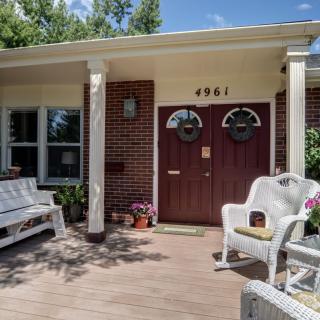
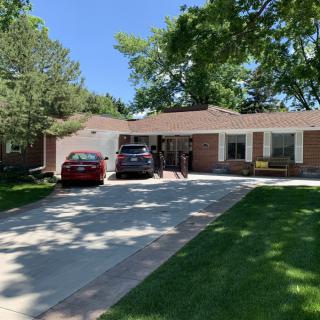
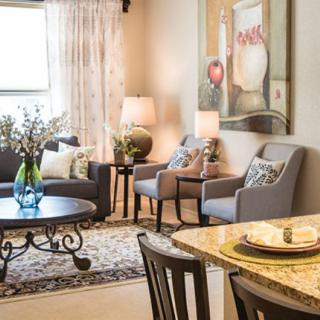
At Colorado Assisted Living Homes Plymouth, we strive to create a comfortable and welcoming environment for our residents. Each living space is fully furnished and our community features amenities such as a dining room, garden, outdoor spaces, and Wi-Fi/high-speed internet access. Our dedicated staff provides housekeeping services to ensure that residents can enjoy a clean and organized living space.

We understand the importance of personalized care, which is why our team offers assistance with activities of daily living such as bathing, dressing, and transfers. We also coordinate with health care providers to ensure that residents receive the necessary medical attention. For those with special dietary needs, our dining options include special dietary restrictions and diabetes diets.

Engaging in meaningful activities is an integral part of life at Colorado Assisted Living Homes Plymouth. Our residents can participate in scheduled daily activities designed to promote mental wellness and stimulate cognitive function. We also offer specialized memory care programming for those with mild cognitive impairment or dementia.

Our community is conveniently located near various amenities including cafes, parks, pharmacies, physicians' offices, restaurants, places of worship, theaters, and hospitals. We also provide transportation arrangements for medical appointments or other essential needs.

Choosing Colorado Assisted Living Homes Plymouth means choosing exceptional care in a vibrant and caring community. Our dedicated staff are here to ensure that each resident receives personalized attention while enjoying the best possible quality of life. Contact us today to learn more about how we can meet your loved one's unique needs.

Nearby Places of Interest

Pharmacies

  • Walgreens (1.1 miles)
  • Walgreens (2.3 miles)
  • Walgreens (2.8 miles)
  • CVS Pharmacy (3.3 miles)
  • Walgreens (3.3 miles)
  • King Soopers Pharmacy (3.5 miles)
  • Walgreens (3.6 miles)

Restaurants

  • Locavore Beer Works (1.4 miles)
  • Breckenridge Brewery (1.4 miles)
  • Angelos Taverna (1.5 miles)
  • Torchy’S Tacos (3.5 miles)
  • Chick-Fil-A (3.6 miles)
  • McDonald's (3.6 miles)
  • Raising Cane's Chicken Fingers (4 miles)

Theaters

  • Alamo Drafthouse Littleton (1.5 miles)
  • AMC Highlands Ranch 24 (3.9 miles)

Cafes

  • Starbucks (2.3 miles)
  • Starbucks (3.5 miles)
  • Starbucks (3.5 miles)
  • Starbucks (6.1 miles)
  • Stella's Coffee House (7.8 miles)
  • Starbucks (7.9 miles)
  • Starbucks (8 miles)

Physicians

  • South Denver Cardiology Associates (3.2 miles)
  • Centennial Family Care (3.4 miles)
  • Corneal Consultants of Colorado PC (3.4 miles)
  • Panorama Orthopedics (3.6 miles)
  • Native Roots Dispensary (3.7 miles)
  • Alta Vista Dermatology (3.7 miles)
  • Greenwood Pediatrics Littleton (4.3 miles)

Hospitals

  • Children's Hospital Colorado South Campus (3.3 miles)
  • UCHealth Highlands Ranch Hospital (3.7 miles)

Places of Worship

  • Mission Hills Church (3.4 miles)
  • Temple Sinai (7.9 miles)
  • Pax Christi Catholic Church (8.4 miles)

Parks

  • Pinecrest Park (3.8 miles)
  • Blue Heron Park (4 miles)
  • Chatfield State Park (4.1 miles)
  • Ruby Park (7 miles)
  • Spearwood Park (7.2 miles)
  • Overland Pond Park (7.4 miles)
  • Mamie D Eisenhower Park (7.7 miles)

Transportation

  • Arapahoe Light Rail Station (8.7 miles)

Frequently Asked Questions

Where is Colorado Assisted Living Homes Plymouth?
Does Colorado Assisted Living Homes Plymouth provide care for residents with dementia or Alzheimer's disease?

Nearby Communities

  • Rocky Mountain Care And Consulting

    Rocky Mountain Care And Consulting

    Littleton, CO

    5 from 1 review
     

    pro Small, intimate assisted living with comprehensive care and convenient amenities.

  • Colorado Assisted Living Homes LLC-Normandy

    Colorado Assisted Living Homes LLC-Normandy

    Littleton, CO

    3.7 from 3 reviews
    $4,500 to $5,500 / month

    pro Specialized memory care with personalized plans and engaging activities

  • Colorado Assisted Living Home #4

    Colorado Assisted Living Home #4

    Littleton, CO

    3.9 from 7 reviews
    $3,200 to $4,000 / month

    pro Caring staff in a beautiful, well-maintained facility.

  • Colorado Assisted Living Homes Normandy

    Colorado Assisted Living Homes Normandy

    Littleton, CO

    3.7 from 3 reviews
     

    pro Intimate 8-bed setting with personalized care and comprehensive services (24/7 supervision, ADL assistance, meals, medication management, and transportation).

  • Serenity House Assisted Living Portland Drive

    Serenity House Assisted Living Portland Drive

    Littleton, CO

    4.8 from 13 reviews
    $5,200 to $6,500 / month

    pro Intimate, home-like setting with attentive, compassionate staff and strong family engagement.

  • Colorado Assisted Living Homes Rowland

    Colorado Assisted Living Homes Rowland

    Littleton, CO

    4 from 4 reviews
     

    pro Cozy, fully furnished board-and-care with garden/outdoor space and comprehensive daily living support.

  • Balfour at Littleton

    Balfour at Littleton

    Littleton, CO

    4.2 from 39 reviews
    $5,800 to $11,000 / month

    pro Compassionate, dedicated staff in a clean, resort-like setting with engaging activities and high-quality dining.

  • Libby Bortz Assisted Living

    Libby Bortz Assisted Living

    Littleton, CO

    3.9 from 30 reviews
    $1,648 / month

    pro Clean, well-kept, and welcoming with friendly staff and an active social program in a convenient Littleton location.

  • Wind Crest

    Wind Crest

    Highlands Ranch, CO

    3.6 from 109 reviews
     

    pro Beautiful, well-kept campus with engaging activities, strong dining, and friendly staff.

Related Resources

  • list of drugs linked to dementiaA Thorough Discussion of Medications Potentially Linked to Dementia Risk

    Dementia, influenced by aging and certain medications, may be exacerbated by drug classes such as anticholinergics, benzodiazepines, and antipsychotics, which are associated with cognitive impairment. Regular medication reviews by healthcare professionals are crucial for older adults to manage risks and optimize cognitive health.

  • do dementia patients sleep a lotWhy Do Dementia Patients Sleep So Much? Understanding Oversleeping, Stages, and Care Approaches

    Dementia often results in disrupted sleep patterns, leading to excessive daytime sleeping due to factors like brain damage affecting circadian rhythms, medication side effects, and lack of structure in daily activities. Caregivers must monitor these changes closely, as oversleeping can increase risks such as malnutrition or dehydration, and provide necessary support and routines to enhance patient engagement and well-being.

  • when to move from assisted living to nursing home8 Key Indicators That Suggest It May Be Time to Transition from Assisted Living to Skilled Nursing Care

    The transition from assisted living to skilled nursing care is often prompted by complex medical needs that assisted living cannot meet, with key indicators including frequent health declines, increased falls, severe memory issues, and caregiver burnout. Families should recognize these signs early to discuss options with healthcare providers and prepare for the emotional and logistical aspects of moving to a facility that offers comprehensive medical support.