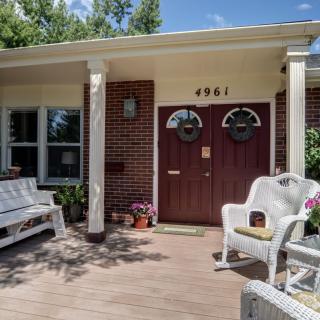
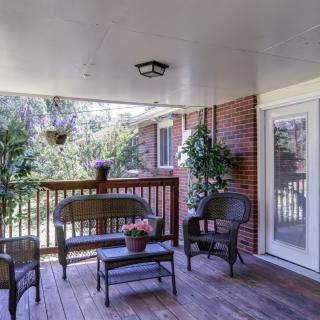
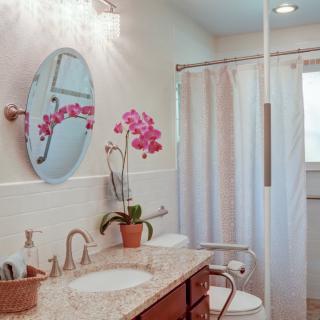
4961 W. Rowland Ave., Littleton, CO 80128
To contact a resident: (303) 324-0834
For more information about senior living options: (866) 208-4318
Colorado Assisted Living Homes LLC-Normandy Costs & Pricing
Colorado Assisted Living Homes LLC-Normandy offers competitive pricing for its services compared to both Jefferson County and the broader state of Colorado. The monthly cost for a studio room at Normandy is set at $4,500, which is slightly above the county average of $4,174 and the state average of $4,090. For private rooms, Normandy's rate stands at $5,500, notably higher than the Jefferson County average of $4,253 and the state average of $4,142. While these costs may exceed local and state averages, they reflect the personalized care and quality environment that Colorado Assisted Living Homes aims to provide for its residents.
| Floor plans | Colorado Assisted Living Homes LLC-Normandy | Jefferson County | Colorado |
|---|---|---|---|
| Studio | $4,500 | $4,174 | $4,088 |
| Private | $5,500 | $4,253 | $4,142 |
Memory care communities with a similar price nearby
-
from +$700 / mo
Serenity House Assisted Living Portland Drive
$5,200 to $6,500 / month0.2 miles away -
from +$700 / mo
Serenity House Assisted Living Hunters Hill
$5,200 to $6,500 / month8.5 miles away -
from +$700 / mo
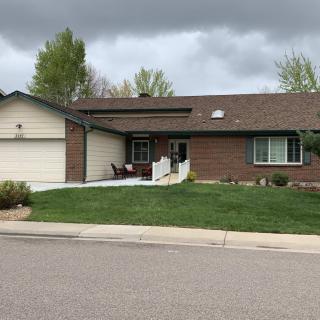
Serenity House Assisted Living Hinsdale
$5,200 to $6,500 / month5.3 miles away -
from -$600 / mo
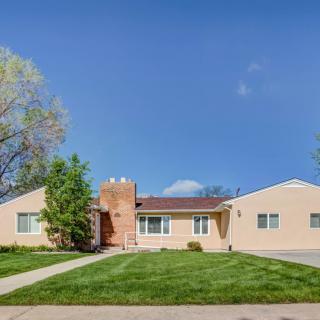
Jaxpointe At Flower Court Assisted Living
$3,900 to $4,300 / month14.6 miles away -
About the same
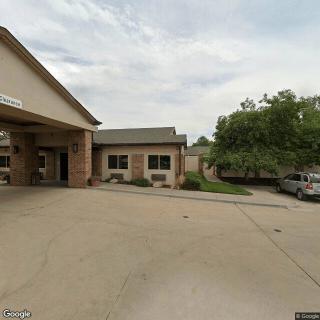
Garden Terrace Alzheimer's Center Of Excellence - Aurora
$4,620 to $5,940 / month13.6 miles away
Overall Review of Colorado Assisted Living Homes LLC-Normandy
Pros
 The facility is awesome.
- The caretakers are very nice and genuinely care for the residents.
- It is highly recommended.
Cons
 The review warns of substandard care by poor-speaking immigrants.
- It states not to sign anything until the exact cost is on paper and signed by these crooks.
- It alleges many state violations and accuses Innovage of being the scum of health care.
- It claims these group homes are not safe at all.
Review
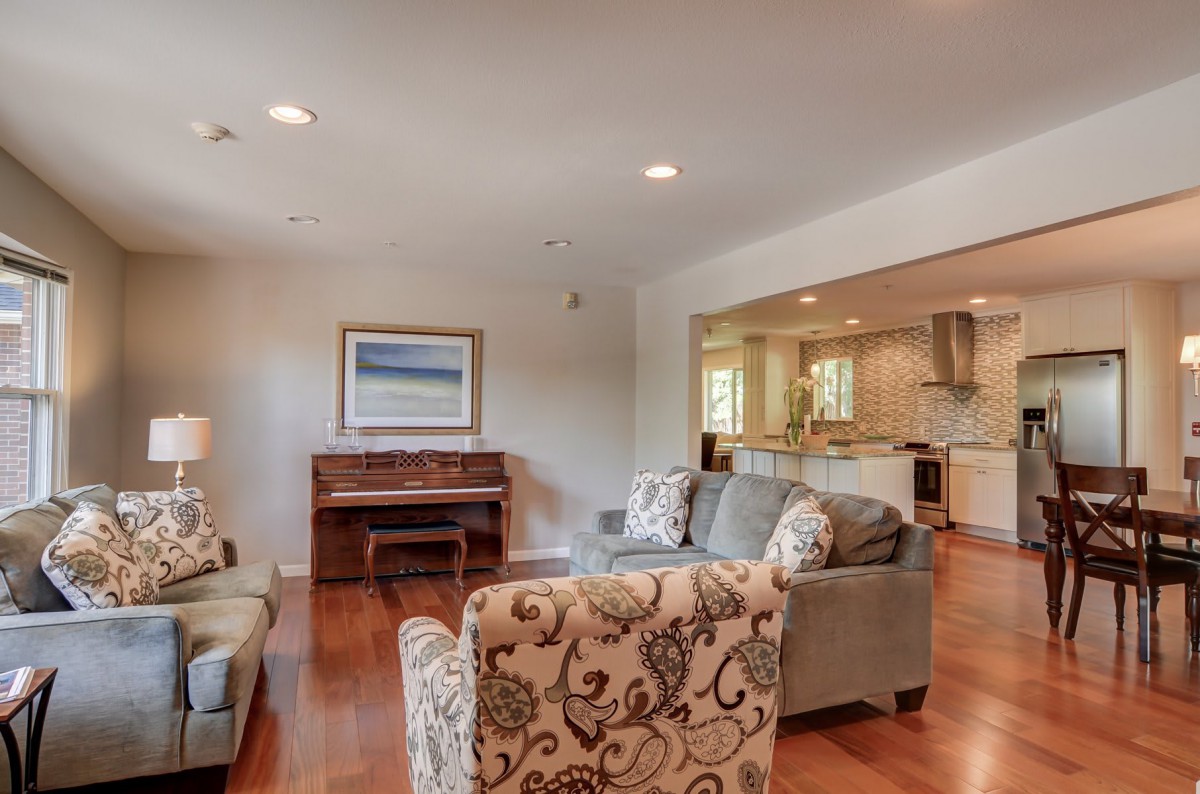
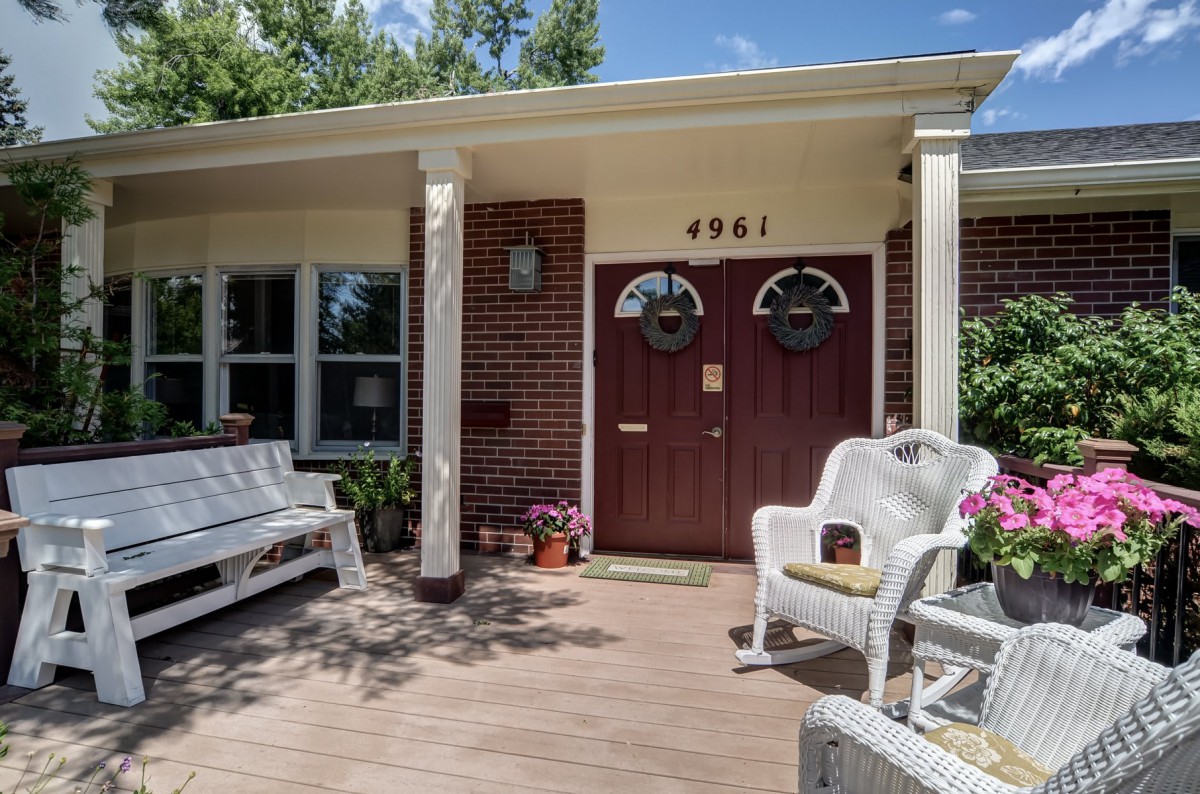
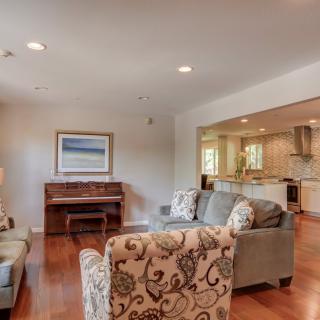
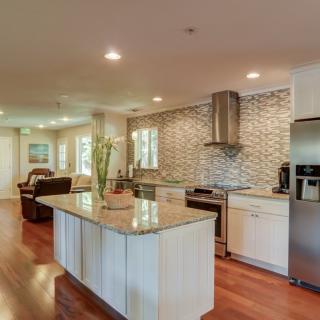
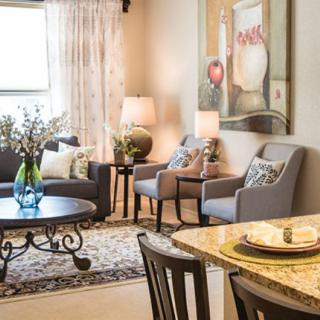
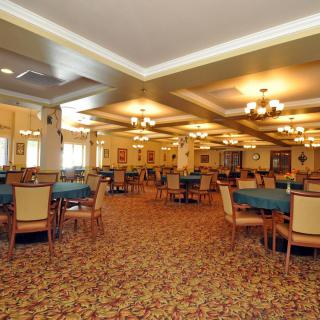
Colorado Assisted Living Homes LLC-Normandy in Littleton is best suited for seniors who want a small, home-like setting where caregivers are visible, consistently kind, and genuinely engaged with residents. The standout asset is the daily warmth and attentiveness of the staff, which translates into meaningful, personal interactions and a sense of companionship that matters as routines matter and assistance is often needed promptly. This tends to attract families seeking a close-knit atmosphere where help feels immediate and relationships with caregivers are predictable and reassuring. The small-scale environment supports familiarity and easy access to staff, which can be a decisive factor for residents who prioritize personal connection over a campus feel. The overall rating reflects a mix of strong interpersonal care and clear, consequential caveats.
Nevertheless, serious caveats emerge in the reviews, and these cannot be dismissed. One account paints a stark contrast, alleging substandard care, unsafe conditions, and troubling business practices, while another emphasizes the positive, hands-on kindness of staff. The disparity points to a facility that can deliver commendable day-to-day kindness yet may struggle with consistent clinical oversight, safety protocols, and transparent billing. Families considering this community should be mindful of allegations of state violations and questionable contractual practices. For seniors with significant medical needs, cognitive impairment requiring vigilant supervision, or a strong emphasis on rigorous safety standards, these concerns are not merely theoretical; they shape day-to-day risk and long-term fit.
The positive caregiver relationships do offset some risk, particularly in areas that influence quality of life: daily interactions, emotional support, and a sense of belonging can compensate for a lot of daily annoyances and lapse in other areas. When staff are consistently present, residents benefit from reliable reminders, quicker assistance, and a more personalized approach to daily routines. However, warmth cannot substitute for formal clinical oversight, standardized safety procedures, or robust governance. In practical terms, the emotional and social benefits are well-supported, but the absence of verifiable, rigorous safeguards, especially regarding safety, licensing compliance, and transparent pricing, reduces confidence for families monitoring long-term care needs.
Financial transparency emerges as a concrete fault line that families should stress-test. The recommendation is to obtain exact, itemized costs in writing before signing anything, including every add-on, meal plan, medication management, and transportation. Prospective residents should also insist on a current, posted care plan with staffing levels and caregiver-to-resident ratios that demonstrate adequate supervision across waking hours. Simultaneously, verify licensing status, recent inspection results, and solicit independent references to confirm ongoing safety and quality. Given the gravity of the safety and billing concerns raised, a proactive, diligence-first approach is essential. Only through verified records and a clear, upfront price structure can the warmth of the environment be trusted to translate into dependable, compliant care.
The practical step-by-step path involves two tracks: a thorough in-person evaluation and a careful market comparison. Arrange tours and candid conversations with multiple caregivers, and request to review a typical day, including meal service, activities, and movement assistance. Bring a checklist of questions about medication management, incident documentation, emergency response, and how care plans adapt to changing needs. Then compare with two other nearby options at similar price levels, focusing on licensing history, staffing stability, and resident satisfaction. Demand written contracts with precise pricing, no ambiguities, and a plan for handling potential rate increases or service changes. Do not rely on impression alone; verify with state records and current resident feedback.
In summary, this community delivers a tangible warmth and a welcoming, homey feel that can markedly improve daily life for seniors who are largely independent and simply need occasional help. That strength makes it a compelling option for families prioritizing human connection and comfortable, non-institutional surroundings. However, the combination of alleged safety concerns, questions about clinical oversight, and unclear pricing undermines confidence for those facing complex medical needs or requiring strict regulatory compliance. Alternatives with clearer governance, stronger safety records, and transparent contracts should be pursued for residents with higher medical or safety demands. The definitive choice rests on whether the ongoing, measured warmth can be paired with verifiable safety and price integrity through careful verification and candid, written commitments.
 Board and Care Home
 Memory Care
 Cats allowed
 Dogs allowed
 Activities off-site
 Beautician on-site
 Devotional services off-site
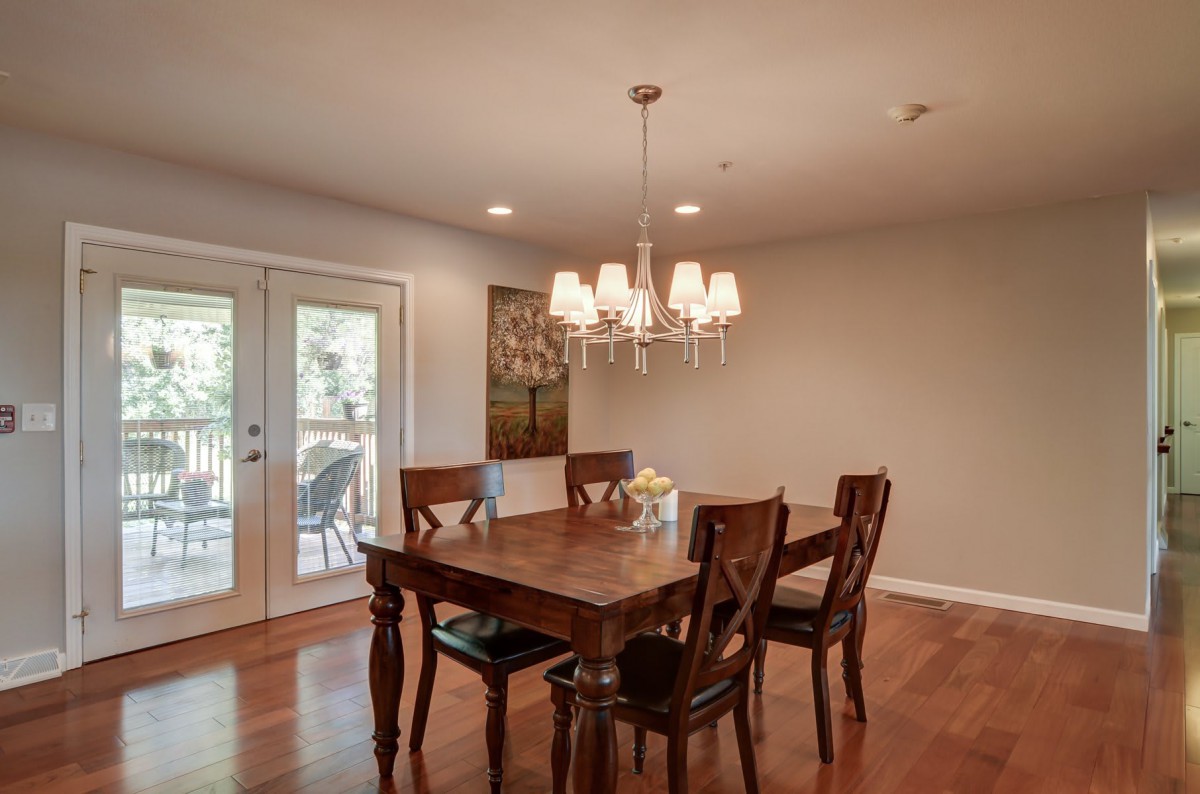
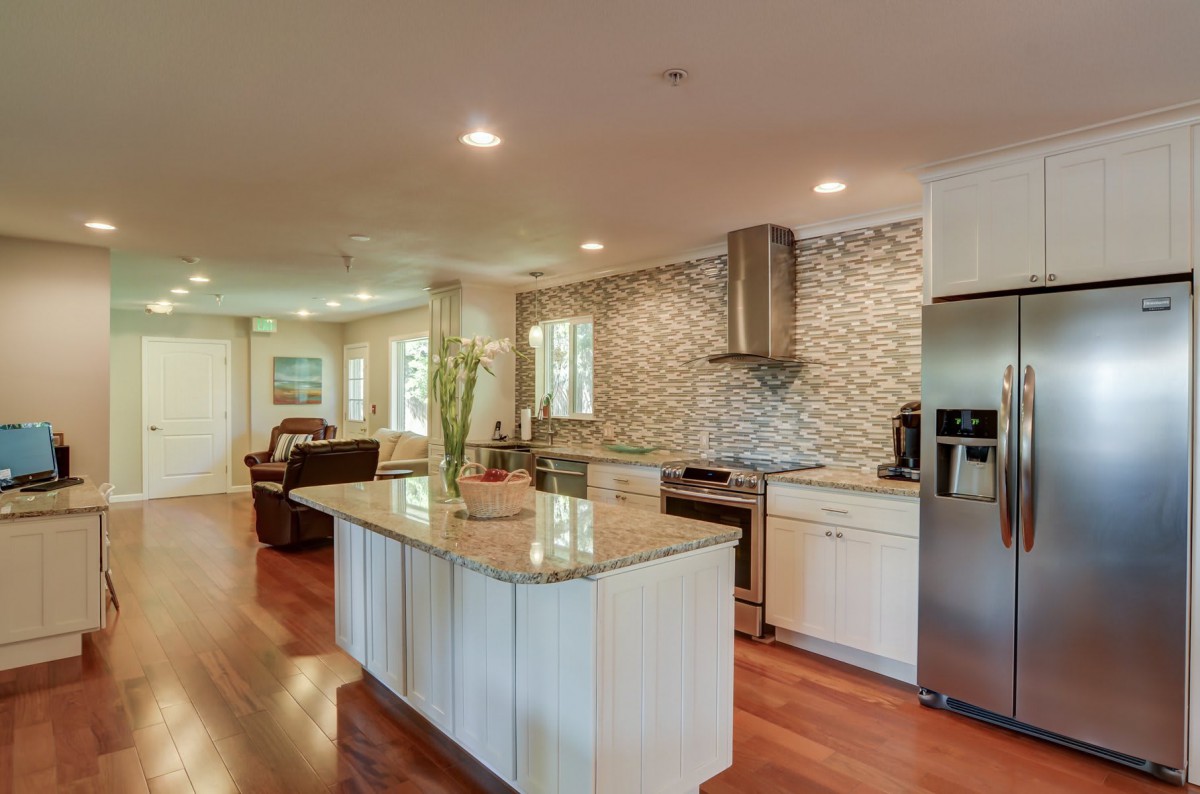
 Indoor common areas
 Outdoor common areas
 Private
 Respite or short term stays offered
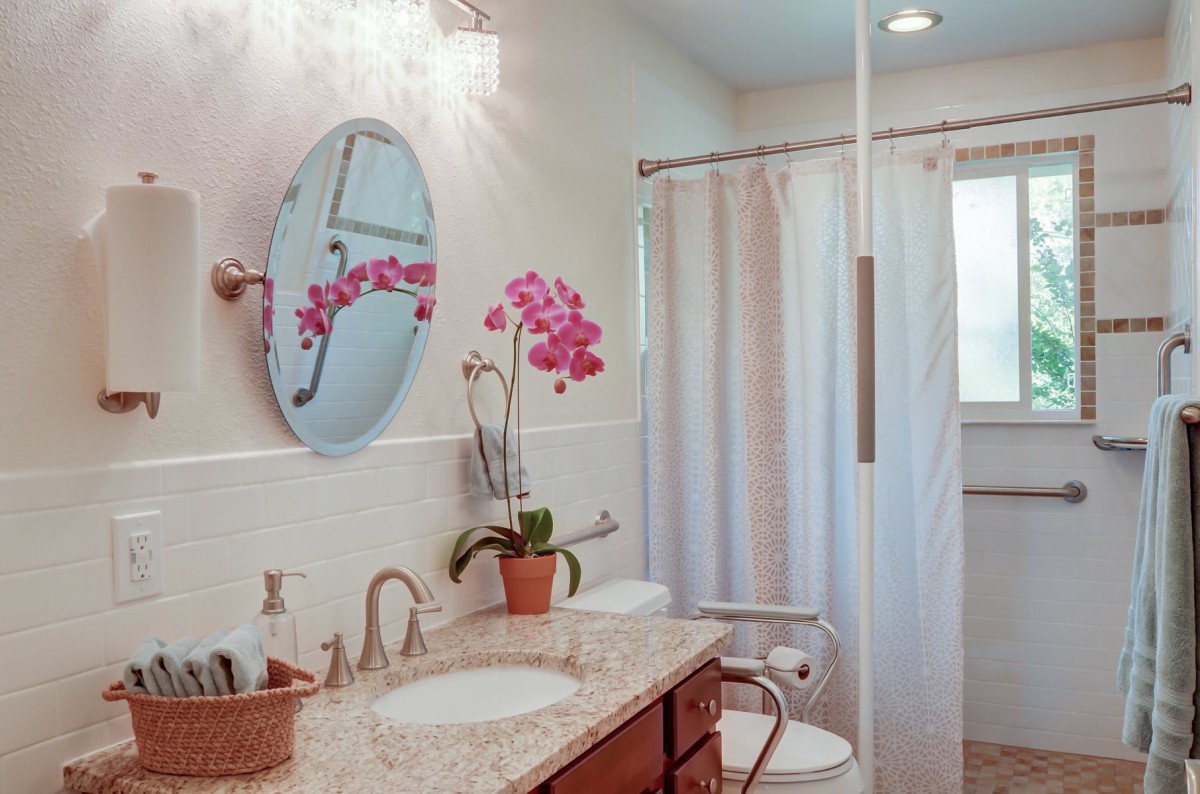
 Wheelchair accessible showers
 Ambulatory care
 High acuity care
 Incontinence care
 Medication management
 Kosher


 When to Transition from Assisted Living to Memory Care: Key Indicators, Steps, and Finding the Right Community
 Understanding the Distinctions: Assisted Living and Memory Care Explained
 How to Communicate with a Loved One Living with Dementia: 10 Supportive Strategies