Colorado Assisted Living Homes Ingalls

7168 South Ingalls Way, Littleton, CO 80128

For more information about senior living options: (844) 490-3973

4 from 4 reviews
5 stars
3
4 stars
0
3 stars
0
2 stars
0
1 stars
1

Assisted Living Board and Care Home

Overall Review of Colorado Assisted Living Homes Ingalls

Pros

  • pro The reviewer calls the assistant living "Awesome" and notes the staff as "very well trained."
  • pro The reviewer labels the facility as "A plus Colorado Assistant Living!!"
  • pro The reviewer recalls the staff saying, "Come back any time! We love having you."

Cons

  • pro The reviewer found the facility unwelcoming and unprofessional, denying a visit after a long absence.
  • pro A front-door staff member dismissed the guest for not having an appointment, refusing to acknowledge visitation rights.
  • pro The staffer shut the front door on the visitor, effectively barring contact with the grandmother.
  • pro The staff member remained unmasked all day, suggesting inconsistent or insufficient Covid protections.
  • pro The facility is described as dramatically lower in quality than other care facilities, likened to Motel 6 versus Hyatt Regency.
  • pro The experience robbed the grandmother and family of precious time together and was deeply sad for all involved.
  • pro The reviewer suspects that the appointment policy may enable poor treatment of residents by hiding it behind rules.

Review

A visitor's recollection of a recent encounter at a memory-care facility paints a troubling picture of how some centers handle outdoor visits and visitor access after the height of the pandemic. The writer explains that their mom hadn't seen her own mother in more than five months, due to ongoing pandemic-era restrictions. With better weather and lifted protections, the plan was to visit outside, on the back deck, after a brief, non-entry greeting at the front door. The scene was set: a resident with memory issues answered the door, and the grandmother could be seen in the kitchen. The mom called out to her, did not step inside, and proposed to meet on the back deck. The grandmother's presence para?dixically framed a simple, intimate moment that should have been easy to arrange in a community designed for elderly residents.

What followed was a sharp and distressing escalation. The only worker on duty for four or more residents, who was unmasked at the time, rushed to the front door. Instead of facilitating a safe, on-site outdoor visit, this staff member dismissed the mom by insisting she had not made an appointment. The assertion that an appointment was required was framed as a Covid-era rule. When the mom attempted to show official documentation from a state ombudsman and health department sources about visitation rights and Covid rules, the staff member reportedly dismissed the information with a harsh, "I don't care," and closed the door, effectively blocking further contact with the grandmother.

The account then contrasts this incident with prior experiences at the same facility. The writer notes having visited the facility repeatedly through the height of the pandemic, when they were never told an appointment was necessary. In fact, just a week before the incident, the writer had visited without an appointment and was told on departure, "Come back any time! We love having you." The inconsistency raises questions about current policies and whether they are being applied uniformly. The caregiver in question had been present for most of those visits, yet during the recent encounter she was unmasked for much of the time, adding another layer of concern regarding adherence to ongoing health protections and proper visitation conduct.

The narrator then draws a stark comparison to other family experiences with elderly care. They recount being at other facilities that felt far more welcoming and humane: families could visit at length, stay all day, and participate in everyday activities and events. Those facilities were described as bright, cheerful, and proactive about quality of life for residents. In contrast, the writer characterizes this facility as narrow and unwelcoming, suggesting a dramatic deficiency in the overall environment, staff approach, and the opportunities for meaningful family interaction. The author uses a striking metaphor to underscore the disparity: the "Motel 6" experience of care here versus a "Hyatt Regency" level of care observed in other homes, highlighting perceived gaps in hospitality, engagement, and resident well-being.

Emotionally, the impact is profound. The writer emphasizes how precious time with aging loved ones is, especially in the wake of the pandemic's long isolation. They argue that the two years of separation had already robbed families of meaningful moments, and any additional barriers to connection feel not just unlucky but immoral. The grandmother, suffering from Alzheimer's, watched as her daughter was turned away, a moment the writer describes as deeply painful and cruel. The possibility that on-the-spot arrangements could have been made to facilitate a visit heightens the sense of missed opportunity and mistreatment, amplifying the emotional weight of the incident for both mother and grandmother.

There is also an ongoing concern about what happens behind closed doors. The writer notes that there is video evidence of the encounter and has submitted it to the appropriate authorities. This adds a sense of accountability to the narrative, raising the troubling possibility that if access can be restricted in such a manner, there could be other undisclosed treatment practices behind the scenes. The overall verdict offered is sharp and unambiguous: the facility is not recommended, and the author urges others to avoid it. The narrative closes with a contradictory note that appears to praise "Awesome assistant Living and very well trained staff," and "A plus Colorado Assistant Living!!" - a line that introduces a perplexing counterpoint to the earlier criticisms and highlights the mixed impressions that can emerge from a single visit.

Taken together, the account paints a complex picture of a facility that, in this reviewer's experience, failed to balance safety procedures with compassionate, person-centered care. The apparent rigidity around appointment requirements, inconsistent enforcement of protections, and a lack of welcome and flexibility for families contrast sharply with the care environments the author admired in other settings. The incident also underscores broader questions about how post-pandemic visitation policies should be implemented in memory-care facilities - policies that protect residents while preserving essential human connections with loved ones. The reviewer's strong emotions - disappointment, sadness, and a sense of urgency to protect a vulnerable relative - reflect a genuine concern for dignity, autonomy, and quality of life for elders in their care.

Features

Housing

  • 8 resident community capacity 8 resident community capacity

Types of Care

  • Assisted Living Assisted LivingAssisted living facilities provide crucial support and care for seniors who may need help with daily tasks such as medication management, bathing, and meal preparation. These communities offer a safe and comfortable environment where seniors can maintain their independence while receiving the assistance they need to thrive in their golden years.
  • Board and Care Home Board and Care HomeBoard and care homes provide a smaller, more intimate setting for seniors who require assistance with daily tasks but do not need the level of care offered by a nursing home. They offer personalized care, meals, and social activities in a homelike environment, ensuring that seniors receive individualized attention and support in their golden years.

Amenities

  • Cable or satellite TV Cable or satellite TVCable or satellite TV is important for seniors because it provides entertainment, news, and companionship, helping to combat loneliness and boredom. It also offers a wide range of programming options tailored to different interests and preferences.
  • Dining room Dining roomDining rooms are important for seniors as they provide a space for socialization, connection, and nutritious meals. They offer opportunities for residents to bond over shared meals, foster a sense of community, and promote healthy eating habits. Dining rooms also ensure that seniors have access to well-balanced meals tailored to their dietary needs and preferences.
  • Fully furnished Fully furnishedFully furnished senior living communities are important for seniors because they provide convenience, comfort, and a hassle-free moving experience. Seniors can easily settle into their new living space without the stress of having to buy and move furniture. This allows them to focus on enjoying their new home and community.
  • Garden GardenGardens are important for seniors as they provide a peaceful and therapeutic environment for relaxation, physical activity, and socialization. Being in nature has been shown to reduce stress, improve mood, and promote overall well-being. Gardens also offer opportunities for seniors to engage in gardening activities, which can improve mobility, flexibility, and cognitive function. Additionally, gardens create a sense of community and connection with others who share a passion for plants and outdoor spaces.
  • Housekeeping services Housekeeping servicesHousekeeping services are important for seniors because they help maintain a clean and safe living environment, promote independence, and reduce the risk of accidents or illnesses. Additionally, having assistance with household chores can alleviate physical strain and allow seniors to focus on other aspects of their well-being.
  • Move-in coordination Move-in coordinationMove-in coordination is important for seniors because it helps ease the transition into their new living environment. It ensures that all logistics, such as packing, organizing movers, and setting up utilities are taken care of, allowing seniors to focus on settling in and adjusting to their new home. Having a smooth move-in process can alleviate stress and anxiety, making the transition smoother and more enjoyable for seniors.
  • Outdoor space Outdoor spaceOutdoor spaces are important for seniors as they provide opportunities for physical activity, social interaction, exposure to natural light and fresh air, and a sense of connection to nature. Having access to outdoor spaces can improve overall well-being and quality of life for older adults living in senior communities.
  • Telephone TelephoneTelephones are important for seniors as they provide a lifeline for communication with loved ones, emergency services, and healthcare providers. They offer a sense of security and independence, enabling seniors to stay connected and access assistance when needed.
  • Wi-Fi/high-speed internet available Wi-Fi/high-speed internet availableWi-Fi/high-speed internet is important for seniors to stay connected with loved ones, access online resources, and participate in virtual activities to combat feelings of loneliness and isolation. It also allows them to easily manage healthcare needs, access entertainment, and engage in lifelong learning opportunities.

Care Services

  • 24-hour supervision 24-hour supervision24-hour supervision is important for seniors to ensure their safety, well-being, and access to immediate assistance in case of emergencies or health issues. This constant support provides peace of mind for both seniors and their loved ones, allowing them to age in place with dignity and security.
  • Activities of daily living assistance Activities of daily living assistanceActivities of daily living assistance are important for seniors because they provide essential support with tasks such as eating, bathing, dressing, and mobility. This assistance helps seniors maintain their independence, dignity, and overall quality of life as they age.
  • Assistance with bathing Assistance with bathingAssistance with bathing is crucial for seniors as it helps maintain personal hygiene, prevents infections, and ensures their overall well-being and comfort. It also provides a sense of dignity and independence for seniors who may struggle with this task on their own.
  • Assistance with dressing Assistance with dressingAssistance with dressing is important for seniors because it helps maintain their independence, promotes personal hygiene, prevents accidents and injuries, and improves overall quality of life. This service ensures that seniors can continue to dress comfortably and confidently, despite any physical limitations they may have.
  • Assistance with transfers Assistance with transfersAssistance with transfers is crucial for seniors as it helps prevent falls and injuries, maintains their independence, and ensures they can safely navigate their living environment. It also provides peace of mind for both seniors and their loved ones.
  • Coordination with health care providers Coordination with health care providersCoordination with health care providers is crucial for seniors to ensure proper medical care, medication management, and overall well-being. This collaboration helps prevent overlapping treatments, track progress more effectively, and provide comprehensive support tailored to individual needs.
  • Diabetes diet Diabetes dietA diabetes diet is crucial for seniors as it helps manage blood sugar levels, reduce risks of complications, and improve overall health and well-being. By following a balanced and nutritious diet tailored to their specific needs, seniors can better control their diabetes and enhance their quality of life.
  • Meal preparation and service Meal preparation and serviceMeal preparation and service are crucial for seniors as they may have limited mobility or energy to cook nutritious meals. Having access to healthy and convenient food options can ensure they are getting the proper nutrition needed to maintain their overall health and well-being.
  • Medication management Medication managementMedication management is crucial for seniors to ensure they are taking the right medications at the correct dosages and times. This helps prevent adverse drug interactions, reduces the risk of medication errors, and promotes overall health and well-being. Proactive management also allows for adjustments as needed based on changing health conditions or new prescriptions.
  • Special dietary restrictions Special dietary restrictionsSpecial dietary restrictions are important for seniors because age-related changes in metabolism and health conditions can make it difficult for their bodies to process certain foods. By following a diet tailored to their specific needs, seniors can maintain their overall health and well-being, manage chronic conditions, and reduce the risk of complications such as malnutrition or food interactions with medications.
  • Transportation arrangement (medical) Transportation arrangement (medical)Transportation arrangements for medical purposes are essential for seniors as they may have difficulty driving themselves to appointments or accessing public transportation. Having reliable and safe transportation options ensures that seniors can receive timely medical care and maintain their health and well-being.
  • Transportation to doctors appointments Transportation to doctors appointmentsTransportation to doctors' appointments is crucial for seniors as it ensures they have access to necessary medical care and support for their health needs. Without reliable transportation, seniors may struggle to attend important appointments, leading to potential delays in treatment and health complications. Providing transportation services helps seniors maintain their overall well-being and quality of life.

Dining

  • Diabetes diet Diabetes dietA diabetes diet is crucial for seniors as it helps manage blood sugar levels, reduce risks of complications, and improve overall health and well-being. By following a balanced and nutritious diet tailored to their specific needs, seniors can better control their diabetes and enhance their quality of life.
  • Special dietary restrictions Special dietary restrictionsSpecial dietary restrictions are important for seniors because age-related changes in metabolism and health conditions can make it difficult for their bodies to process certain foods. By following a diet tailored to their specific needs, seniors can maintain their overall health and well-being, manage chronic conditions, and reduce the risk of complications such as malnutrition or food interactions with medications.

Activities

  • Community-sponsored activities Community-sponsored activitiesCommunity-sponsored activities are important for seniors as they provide opportunities for social interaction, mental stimulation, and physical activity. These activities can help improve overall well-being, combat loneliness and isolation, and promote a sense of belonging and purpose among older adults.
  • Scheduled daily activities Scheduled daily activitiesScheduled daily activities are important for seniors because they provide structure, socialization, mental stimulation, and physical activity. Engaging in regular activities can improve overall well-being and quality of life for seniors living in a community setting.

Description

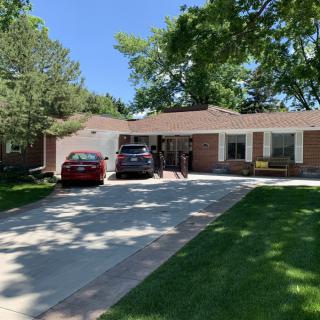
Colorado Assisted Living Homes Ingalls in Littleton, CO is a board and care home that provides a comfortable and supportive environment for seniors. Located in a peaceful neighborhood, this community offers a range of amenities to enhance the residents' quality of life.

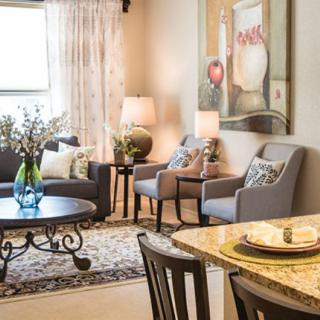
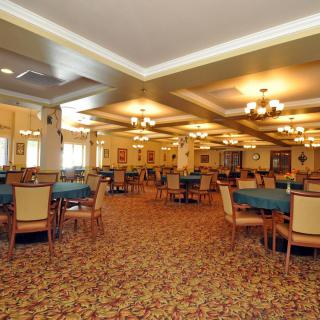
The dining room provides delicious meals prepared by professional chefs, catering to special dietary restrictions if needed. The fully furnished accommodations ensure that residents feel at home from the moment they move in. A beautiful garden and outdoor space are perfect for relaxation or socializing with fellow residents.

Housekeeping services are provided to maintain a clean and tidy living environment. Additionally, the staff assists with activities of daily living, including bathing, dressing, and transfers. Coordination with health care providers ensures that each resident receives personalized care based on their unique needs. Medication management is also available to promote safety and well-being.

Transportation services are offered for medical appointments, ensuring that residents have easy access to healthcare services when needed. Nearby cafes, parks, pharmacies, restaurants, theaters, places of worship, and hospitals provide ample opportunities for recreation and convenience.

The community also organizes scheduled daily activities to keep residents engaged and entertained. Whether it's group outings or on-site events tailored for seniors' interests, there is always something to look forward to.

At Colorado Assisted Living Homes Ingalls in Littleton, CO residents can enjoy an enriching lifestyle while receiving the support they need in a warm and welcoming environment.

Nearby Places of Interest

Pharmacies

  • Walgreens (0.9 miles)
  • Walgreens (1.7 miles)
  • CVS Pharmacy (3 miles)
  • Walgreens (3.1 miles)
  • Walgreens (3.4 miles)
  • Walgreens (3.6 miles)
  • King Soopers Pharmacy (3.8 miles)

Theaters

  • Alamo Drafthouse Littleton (1.9 miles)
  • AMC Highlands Ranch 24 (4.1 miles)

Restaurants

  • Breckenridge Brewery (1.9 miles)
  • Locavore Beer Works (2 miles)
  • Angelos Taverna (2 miles)
  • Chick-Fil-A (3.1 miles)
  • Torchy’S Tacos (3.6 miles)
  • McDonald's (3.9 miles)
  • Chipotle Mexican Grill (4 miles)

Cafes

  • Starbucks (2.1 miles)
  • Starbucks (3.6 miles)
  • Starbucks (3.8 miles)
  • Starbucks (6.6 miles)
  • Starbucks (8.3 miles)
  • Stella's Coffee House (8.3 miles)
  • Starbucks (8.6 miles)

Hospitals

  • Children's Hospital Colorado South Campus (3.4 miles)
  • UCHealth Highlands Ranch Hospital (3.8 miles)

Physicians

  • South Denver Cardiology Associates (3.5 miles)
  • Corneal Consultants of Colorado PC (3.6 miles)
  • Greenwood Pediatrics Littleton (3.8 miles)
  • Panorama Orthopedics (3.8 miles)
  • Native Roots Dispensary (3.8 miles)
  • Centennial Family Care (3.8 miles)
  • Alta Vista Dermatology (4 miles)

Parks

  • Chatfield State Park (3.7 miles)
  • Blue Heron Park (3.7 miles)
  • Pinecrest Park (4.1 miles)
  • Spearwood Park (7.4 miles)
  • Ruby Park (7.5 miles)
  • Overland Pond Park (7.9 miles)
  • Mamie D Eisenhower Park (8.3 miles)

Places of Worship

  • Mission Hills Church (3.7 miles)
  • Temple Sinai (8.4 miles)
  • Pax Christi Catholic Church (8.6 miles)

Transportation

  • Arapahoe Light Rail Station (9.2 miles)

Frequently Asked Questions

Where is Colorado Assisted Living Homes Ingalls?

Nearby Communities

Related Resources

  • activities of daily livingComprehensive Insights into Activities of Daily Living (ADLs) and Their Assessment

    Activities of Daily Living (ADLs) are fundamental tasks vital for an individual's independence, particularly in older adults over 85, and include functions like bathing and dressing; assessing ADLs alongside Instrumental Activities of Daily Living (IADLs) helps determine the level of required assistance due to age-related health challenges. Tailored support plans, involving family and community resources, are essential for maintaining dignity and autonomy in assisted living environments.

  • does medicare pay for assisted livingMedicare Coverage for Assisted Living: An In-Depth Exploration

    Medicare does not cover assisted living costs, as it focuses on acute medical needs and short-term care, with exceptions for certain medically necessary services like physical therapy. Individuals must explore other options such as Medicaid, veterans' benefits, or long-term care insurance to manage these expenses effectively.

  • luxury assisted livingYour Comprehensive Guide to Luxury Assisted Living: Elevated Facilities, Amenities, and Costs

    Luxury assisted living offers high-quality senior care in a resort-like environment that combines essential medical support, gourmet dining, and personalized services to enhance residents' independence and well-being. These upscale facilities emphasize holistic health and community-building through customized care plans and social activities, catering to the growing demand for enriched senior living experiences despite higher costs.