Residents and families repeatedly describe attentive, caring support from the staff.
Across many reviews, families say the staff provides loving, personalized attention and treats residents with compassion. Several reviewers specifically mention feeling stress relief because staff handle situations promptly and keep communication going. A number of writers also highlight the facility’s smaller feel and the way caregivers show ongoing dedication over time.
caveat5 reviews mention this
Memory care training concerns
Some reviewers say memory care relies too heavily on medication and lacks individualized patience.
Several negative reviews describe concerns about staff training and care techniques for Alzheimer’s and dementia. Multiple families report medication being used as a primary response to behavioral concerns, along with a lack of collaboration to adjust care plans. Reviewers also mention physical decline not being acted on quickly enough, and meetings that felt more like discharge than problem-solving.
caveat2 reviews mention this
Value feels inconsistent
A couple of reviews say the cost doesn’t match the care experience they received.
Two reviewers directly question value, saying the community was not worth the price they paid. One mentions a specific monthly cost they felt was not reflected in the care quality and overall environment they observed.
common8 reviews mention this
Small, family-run feel
Multiple reviews describe a smaller, family-run setting with a home-like layout.
Several families describe Landmark as smaller and family owned or operated, with a layout they found comforting. Reviewers also connect that size to the way staff know residents well and provide consistent attention. Even among mixed experiences, others still emphasize the facility’s home-like feel and resident-focused environment.
How we summarize
Counts show how many written reviews mention each theme; a review can touch several themes, and only frequently mentioned themes are displayed.
Features
Housing
54 resident community capacity
Types of Care
Assisted Living
Memory Care
Amenities
Air-conditioning
Beauty salon
Cable or satellite TV
Computer center
Dining room
Fitness room
Fully furnished
Gaming room
Garden
Housekeeping services
Kitchenette
Move-in coordination
Outdoor space
Private bathrooms
Restaurant-style dining
Small library
Telephone
Wellness center
Wi-Fi/high-speed internet available
Transportation
Denver International (24 miles away)
Community operated transportation
Transportation arrangement
Transportation arrangement (non-medical)
Transportation to doctors appointments
Care Services
12-16 hour nursing
24-hour call system
24-hour supervision
Activities of daily living assistance
Assistance with bathing
Assistance with dressing
Assistance with transfers
Diabetes diet
Meal preparation and service
Medication management
Mental wellness program
Mild cognitive impairment
Special dietary restrictions
Specialized memory care programming
Dining
Diabetes diet
Special dietary restrictions
Activities
Community-sponsored activities
Concierge services
Fitness programs
Planned day trips
Resident-run activities
Scheduled daily activities
Nearby Places of Interest
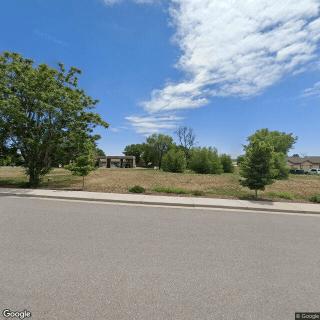
This part of Lafayette, Colorado offers a convenient location with a variety of amenities within close proximity. There are several hospitals nearby, including Boulder Community Hospital and Good Samaritan Hospital, ensuring easy access to medical care. The area also boasts numerous parks for outdoor recreation, such as Whitetail Park and Redpoint Ridge Park. Additionally, there are several physicians' offices in the area, providing convenient healthcare options. For leisure activities, there are cafes like East Simpson Coffee Co. and restaurants such as Acreage and Morning Glory Farm Fresh Cafe. Shopping for medications is easy with several pharmacies like Walgreens located nearby. Places of worship like Immaculate Conception Catholic Church offer spiritual support and community engagement opportunities. For entertainment, there are theaters like AMC Orchard 12 and transportation options such as Boulder Municipal Airport for travel convenience. Overall, this neighborhood provides a well-rounded environment for senior living with ample healthcare facilities, recreational opportunities, dining options, and cultural amenities in the vicinity.
Hospitals
Boulder Community Hospital (0.7 miles)
Good Samaritan Hospital (0.8 miles)
Children's Hospital Colorado North Campus (5.3 miles)
Boulder Community Hospital (8.1 miles)
Parks
Whitetail Park (0.9 miles)
Rothman Open Space (1.6 miles)
Creekside Park (4.7 miles)
Redpoint Ridge Park (5.4 miles)
Amherst Park (5.5 miles)
Arapahoe Ridge Park (7.8 miles)
Tantra Park (8.1 miles)
Physicians
Kaiser At Rock Creek (0.9 miles)
My Family Doctor (1.6 miles)
Avista Women's Care (1.6 miles)
Gastroenterology Of The Rockies (3 miles)
United Vein Center (3.6 miles)
Family Medicine Associates (3.6 miles)
Colorado Center For Arthritis & Osteoporosis (3.8 miles)
Landmark Memory Care's comprehensive features are designed to support residents at various stages of dementia and Alzheimer's disease, ensuring their safety and enhancing their quality of life. Assistance with dressing and bathing promotes dignity while providing the necessary support for personal hygiene, which is often challenging for those with cognitive impairments. Medication management ensures that residents receive their medications on time and in the correct dosages, reducing health risks associated with mismanagement. Meal preparation and service cater to nutritional needs, ensuring well-balanced diets that can positively impact overall health. Assistance with transfers helps prevent falls, while 24-hour supervision guarantees continuous monitoring, fostering a secure environment. Engaging activities of daily living assistance keeps residents mentally and physically active, complementing the mental wellness program designed to promote emotional well-being. Furthermore, specialized memory care programming addresses the unique challenges faced by individuals with mild cognitive impairment through tailored activities that encourage cognitive engagement and social interaction. Together, these features create a supportive atmosphere where residents can thrive despite their conditions.
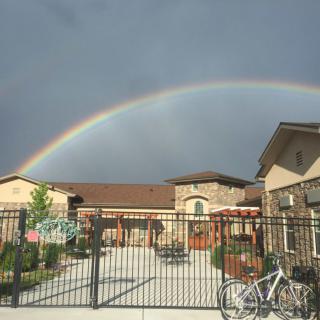
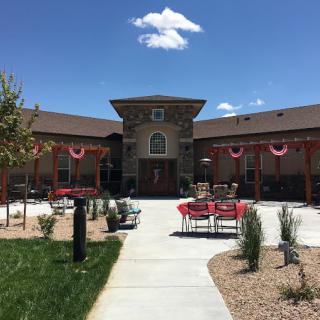
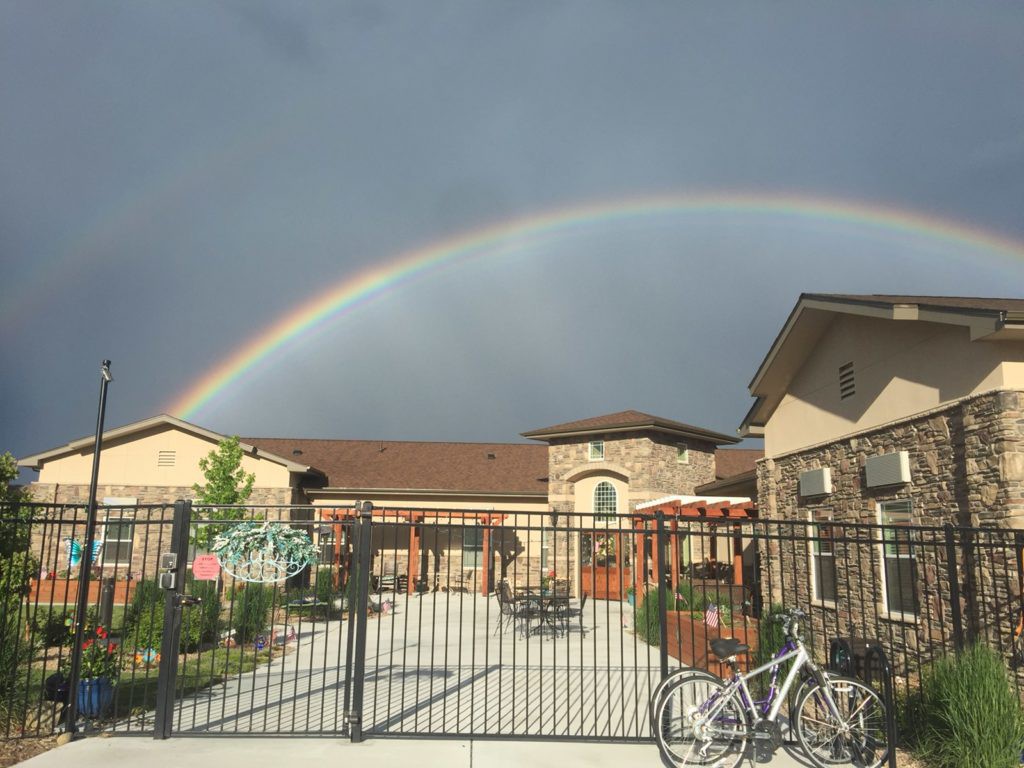
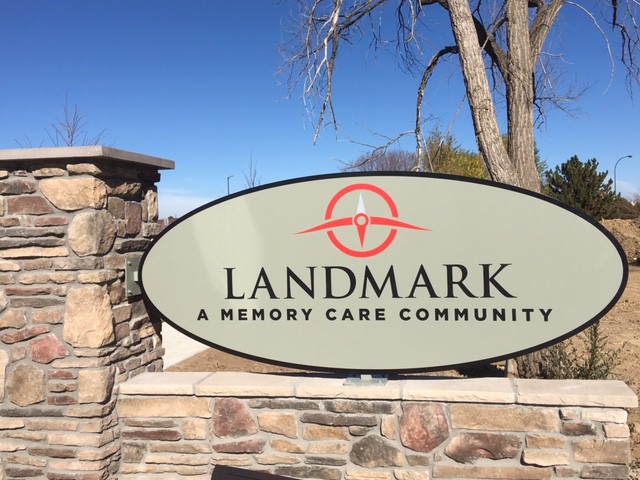
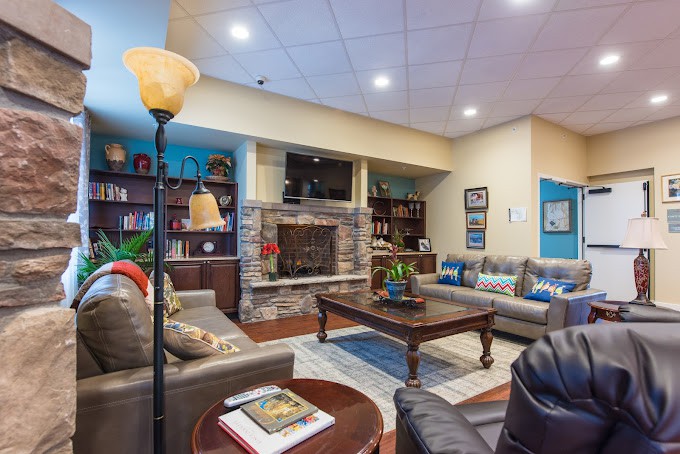
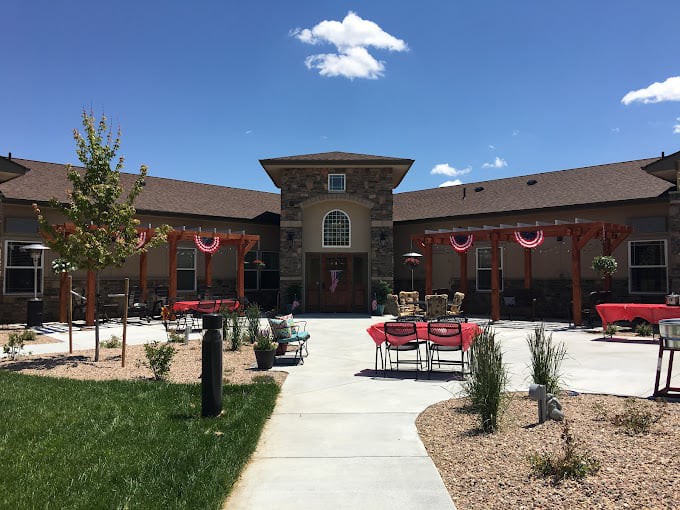
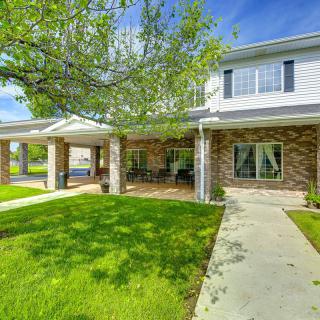
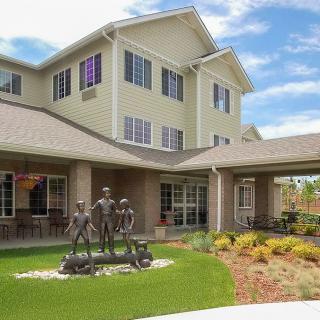
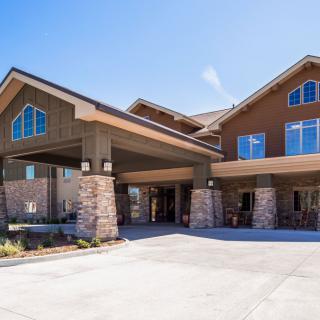
Landmark Memory Care on seniors.fyi includes 5 photos including images showing fireplace, building, courtyard, outdoor seating, architecture, landscaping, outdoors, fence, and more.
Nearby Communities
Right at Home
Lafayette, CO
3.9 from 49 reviews
Convenient access to cafes, restaurants, parks, pharmacies, physicians, and hospitals.
The Peaks At Old Laramie Trail
Lafayette, CO
3.9 from 109 reviews
$5,300 to $6,895 / month
Friendly, attentive staff; clean, well-maintained facility with pleasant rooms and engaging activities.
Waneka Park Assisted Living
Lafayette, CO
3.8 from 61 reviews
$3,350 to $4,000 / month
Friendly, attentive staff; restaurant-style dining and engaging activities.
Genesis Senior Living of Lafayette
Lafayette, CO
3.3 from 7 reviews
$4,154 to $5,199 / month
Caring staff, engaging activities, clean facilities, and quality meals.
ProMedica Total Rehab + (Lafayette)
Lafayette, CO
3 from 3 reviews
Caring staff with solid therapy services; clean, comfortable spaces.
Hanger Prosthetics and Orthotics
Lafayette, CO
4.1 from 13 reviews
Great access to cafes, parks, pharmacies, physicians, dining, worship, theaters, and hospitals nearby.
Affinity at Lafayette
Lafayette, CO
4.5 from 60 reviews
$1,517 to $1,980 / month
Friendly, responsive staff; active community and accessible amenities.
Holiday Highland Trail
Broomfield, CO
4 from 114 reviews
$3,829 to $4,758 / month
Friendly staff, a well-maintained facility, and a variety of on-site activities.
Legend at Broomfield
Broomfield, CO
4.2 from 116 reviews
$4,460 to $5,655 / month
Caring staff with engaging activities in a clean, welcoming setting.
The article discusses the late stages of dementia, detailing the progression from mild to severe impairment and highlighting key characteristics such as profound cognitive decline and dependency in daily activities. It emphasizes care strategies focused on comfort and dignity, the importance of advance directives, and the emotional support needed for family caregivers facing this challenging journey.
The article examines the link between certain medications and increased dementia risk, particularly in older adults, emphasizing that long-term or high-dose use of anticholinergics, benzodiazepines, and other drug classes can exacerbate cognitive impairment. It calls for careful medication evaluation and shared decision-making to mitigate these risks while managing treatment efficacy.
The article emphasizes the significance of establishing a power of attorney for elderly parents to enable an agent to make decisions on their behalf regarding health and finances, especially during cognitive or physical decline. It outlines various types of power of attorney, the importance of consulting legal professionals, and the responsibilities and challenges faced by agents, while also discussing alternatives and common misconceptions.
Landscaping, Building, Architecture, Outdoor Seating, and Courtyard
Outdoor and Stone Wall
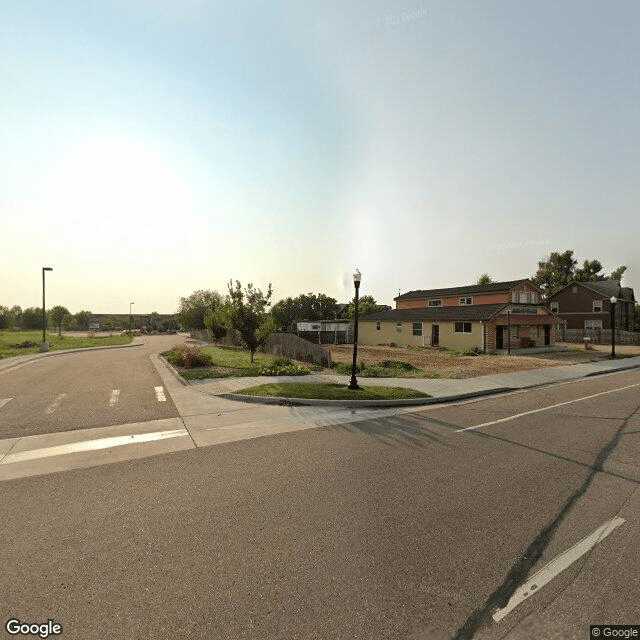
Outdoors and Fence
Get PricingAsk A QuestionSchedule A TourContact Senior Advisor
By clicking submit, you agree to our Partner's Terms of Use. You
also consent to receive calls and texts, which may be autodialed, from our Partner. Your consent is not a condition to
using our Partner's service. Please visit our Partner's Privacy Policy for information about their privacy practices.

 54 resident community capacity
 Assisted Living
 Memory Care
 Air-conditioning
 Beauty salon
 Cable or satellite TV
 Computer center
 Dining room
 Fitness room
 Fully furnished
 Gaming room
 Garden
 Housekeeping services
 Kitchenette
 Move-in coordination
 Outdoor space
 Private bathrooms
 Restaurant-style dining
 Small library
 Telephone
 Wellness center
 Wi-Fi/high-speed internet available
 Denver International (24 miles away)
 Community operated transportation
 12-16 hour nursing
 24-hour call system
 Activities of daily living assistance
 Assistance with bathing
 Assistance with dressing
 Assistance with transfers
 Diabetes diet
 Medication management
 Mental wellness program
 Special dietary restrictions
 Concierge services
 Planned day trips
 Convenient access to cafes, restaurants, parks, pharmacies, physicians, and hospitals.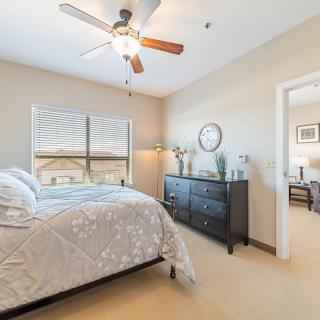

 Comprehensive Insights on the Late Stages of Dementia: What to Expect and How to Provide Care
 Medications Associated with Dementia Risk: A Comprehensive Overview
 Guiding Your Journey: Understanding Power of Attorney for Elderly Parents