329 Exempla Circle, Lafayette, CO 80026
For more information about senior living options: (866) 208-4318
Overall Review of ProMedica Total Rehab + (Lafayette)
Pros
 The staff were hard-working and good.
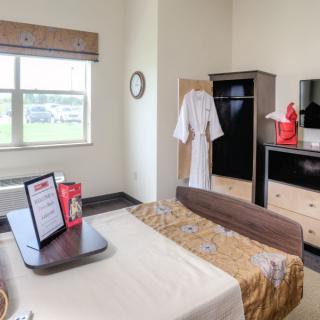
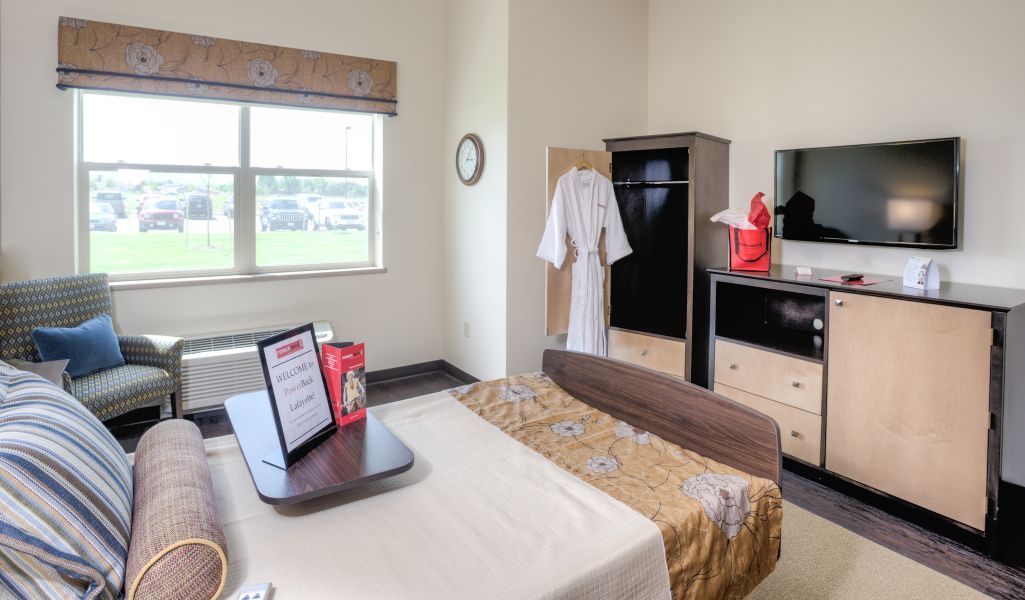
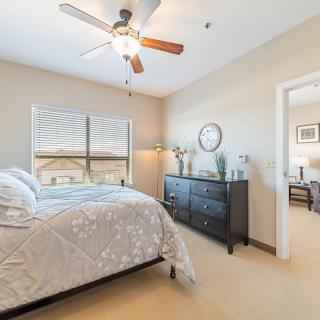
- The private room for Dad was good.
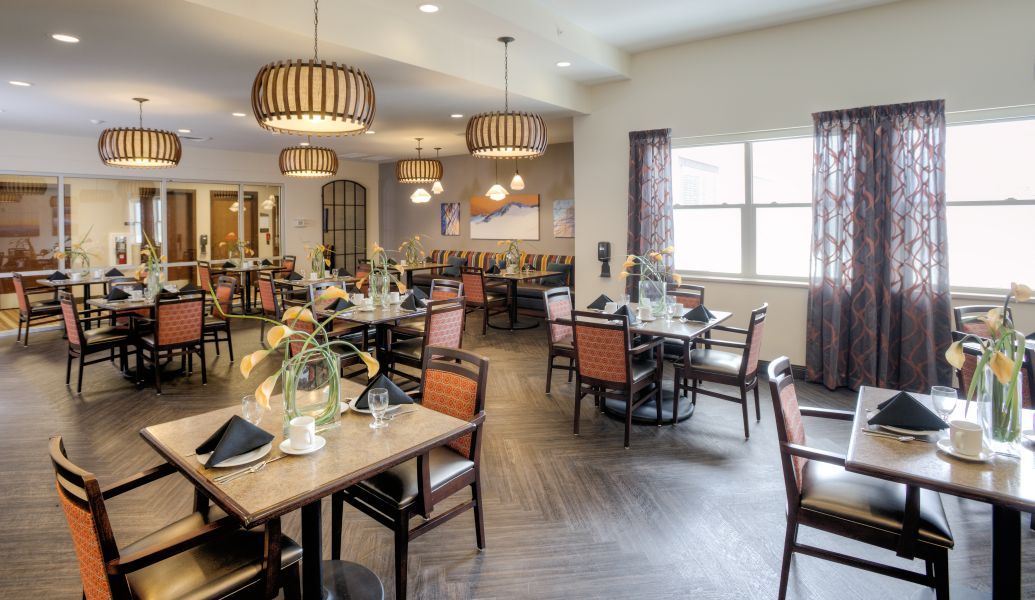
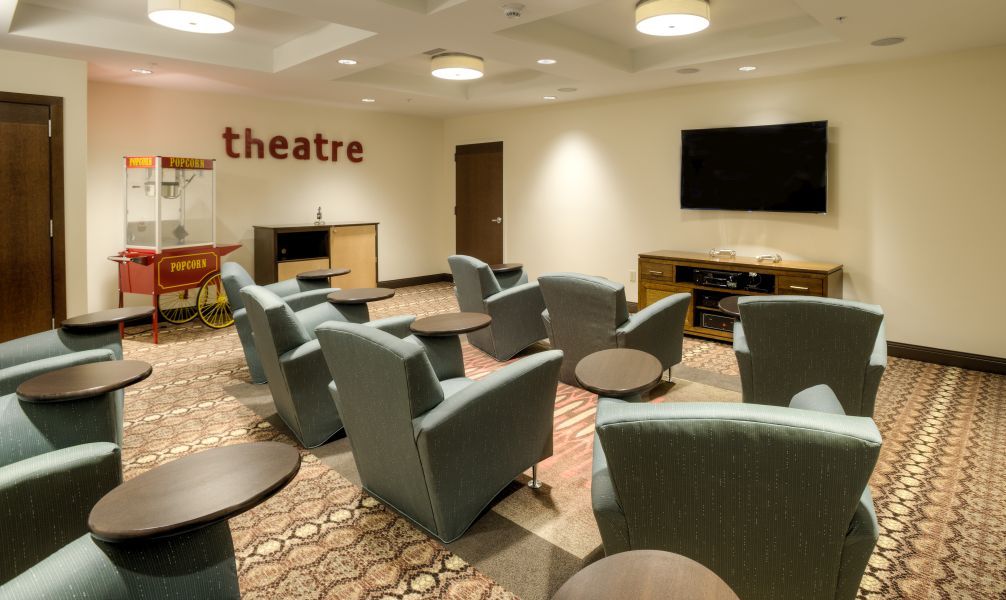
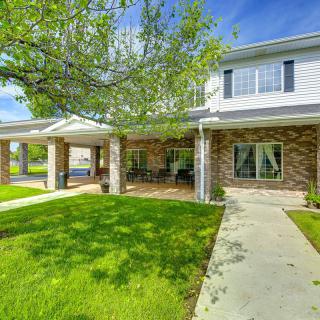
- The place itself was nice, clean, and new.
- The nurses were good.
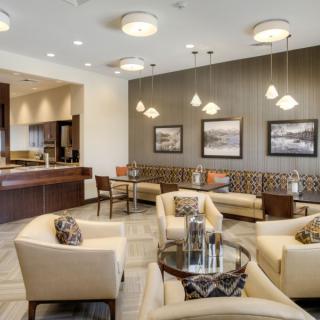
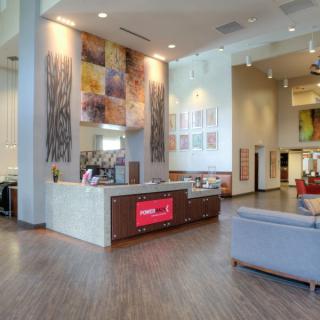
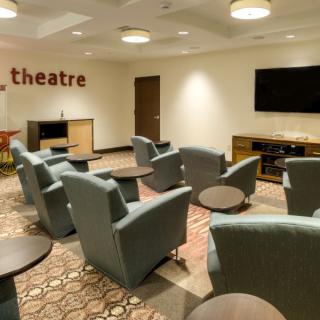
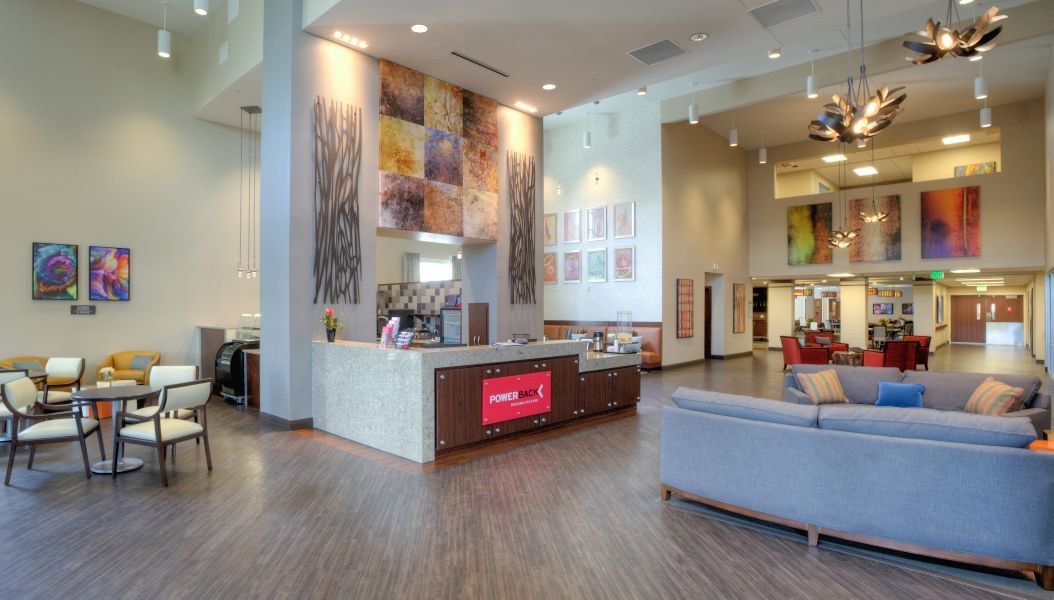
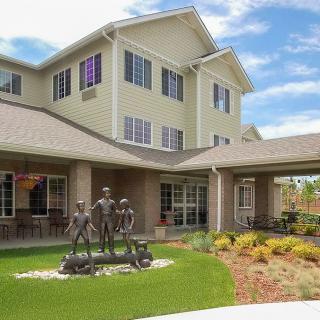
- The building was new with a nice lobby.
- The physical therapy was good.
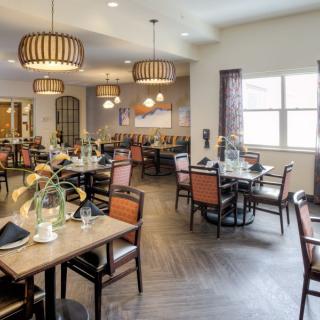
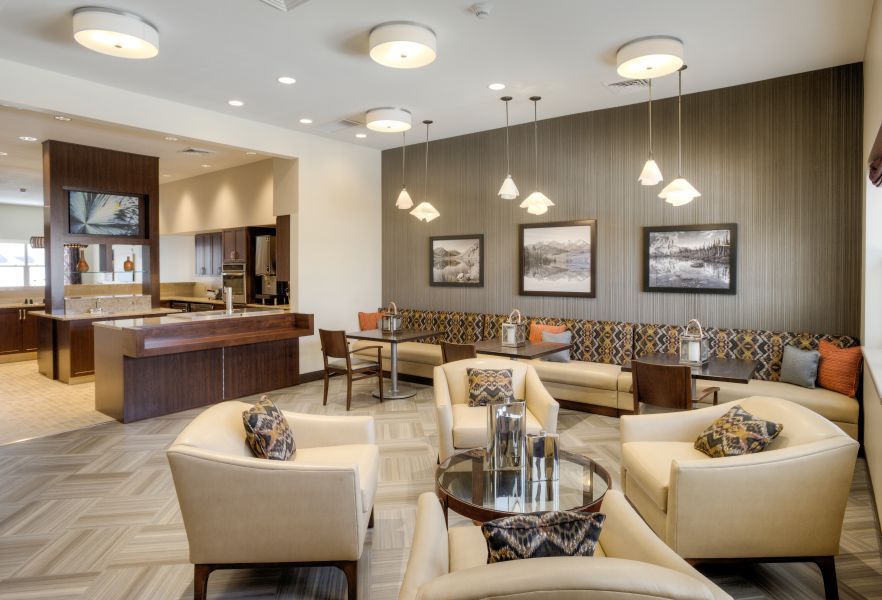
- The dining area and food were good.
Cons
 The building layout was cramped and hindered staff from doing their jobs well.
- The handoff or discharge was terrible.
- A supervisor-like staff member was not comforting during discharge.
- When therapy plateaued, staff told the patient he would be moved to a nursing home.
- The Medicaid follow-up person was cold, and upper management was rude.
- They claimed the second month’s fee would be waived because everything had been done wrong with him.
- From day one, the primary physician and staff did everything wrong with him.
- Upper management was not friendly, even though the nurses and aides were.
- The patient waited for help and fell twice because staff did not respond.
- The meals lacked flavor.
- The cost was ridiculous.
- There was no communication and the administrative staff were rude.
Review
ProMedica Total Rehab+ Lafayette is best suited for seniors needing a focused rehabilitation track where privacy and a steady clinical presence matter more than expansive space or seamless, flawless transitions. A private room can be a meaningful comfort during recovery, and the nursing and rehab teams are described as hard-working and capable. The meals, while not exceptional, are adequate to support daily routines. In practice, however, the facility’s physical layout is cramped, which constrains how staff can move and coordinate care, and discharge handoffs are frequently cited as uneven or poorly managed. For families that prize a respectful, private-room rehab experience and can overlook logistical friction, this center delivers on the core objective of rehabilitation with mid-level consistency.
Those weighing options in Lafayette should explicitly consider alternatives if discharge planning and administrative communication are non-negotiables. The most pointed critiques focus on handoffs and release procedures, which can undermine confidence in transitions out of rehab. Families that require clear, predictable discharge timelines, transparent billing, and responsive administrative support may find other centers in the area more reliable. While clinical care can be solid, the administrative and logistical threads determine whether the overall experience feels cohesive from admission through discharge. In short, for those who prioritize administrative smoothness as part of the rehab package, alternatives deserve serious consideration.
The main positives, private accommodations and a clearly dedicated caregiving staff, do offset some concerns, but not enough to erase the drawbacks. A private room preserves dignity and rest during intensive rehabilitation, and the clinicians’ diligence provides reassurance that therapy and daily care are taken seriously. These strengths matter, particularly when recovery plans hinge on consistent attention from nurses and therapists. Yet the cramped footprint can impede smooth workflow, and when handoffs fail or discharge details blur, the benefits of a responsive bedside team are undermined. Meals are acceptable, contributing to daily comfort, but they cannot compensate for ongoing process gaps that touch safety, timing, and family communication.
The most notable negatives center on space and process, with practical implications for day-to-day rehab. A tight layout constrains movement, workspace for therapists, and the ability to accommodate families during transitions. Handoff and discharge procedures matter greatly in a rehab setting, where timing and clarity influence progress and risk. When the continuity of care falters, residents may experience delays or confusion about next steps, which can prolong stays and complicate planning for home or a new level of care. These operational realities color the overall impression of the center and are the most consequential reasons families pause before committing.
For families evaluating this option, it pays to probe through a few concrete questions before deciding: What private room configurations are available, and can a preferred option be secured for the length of stay? How is staff coverage organized during peak rehab hours, and what are typical response times for calls and changes in care plans? What does the discharge planning workflow look like, who leads it, and how are families kept informed about timelines and requirements? How does the facility manage therapy space and patient traffic in a cramped building? And finally, what are realistic expectations for meals, nutrition support, and dietary accommodations? These specifics determine whether the facility’s clinical strengths can consistently translate into a smooth, confidence-building rehab experience.
In the end, ProMedica Total Rehab+ Lafayette represents a practical choice for those prioritizing privacy and a steady clinical approach over a top-tier, friction-free administrative experience. The setting rewards residents who can tolerate spatial constraints and imperfect handoffs in exchange for a dedicated team and adequate daily routines. For families where flawless discharge planning, transparent administration, and a more commodious, modern facility are non-negotiable, exploring Lafayette’s alternatives is prudent. The center’s middling overall feedback underscores a clear truth: the right fit hinges on aligning priorities, privacy and diligent care on one side, and administrative reliability and space comfort on the other.
 70 resident community capacity
 Skilled Nursing Facility
 Air-conditioning
 Beauty salon
 Cable or satellite TV
 Computer center
 Dining room
 Fitness room
 Fully furnished
 Gaming room
 Garden
 Housekeeping services
 Kitchenette
 Move-in coordination
 Outdoor space
 Private bathrooms
 Restaurant-style dining
 Small library
 Telephone
 Wellness center
 Wi-Fi/high-speed internet available
 Denver International (24 miles away)
 Community operated transportation
 12-16 hour nursing
 24-hour call system
 Activities of daily living assistance
 Assistance with bathing
 Assistance with dressing
 Assistance with transfers
 Diabetes diet
 Medication management
 Mental wellness program
 Special dietary restrictions
 Concierge services
 Planned day trips

 Comprehensive Insights into Palliative Home Care: What It Is and What to Expect
 Skilled Nursing Facilities vs. Nursing Homes: Making Sense of the Differences
 A Detailed Examination of Nursing Home Costs Across the U.S.