
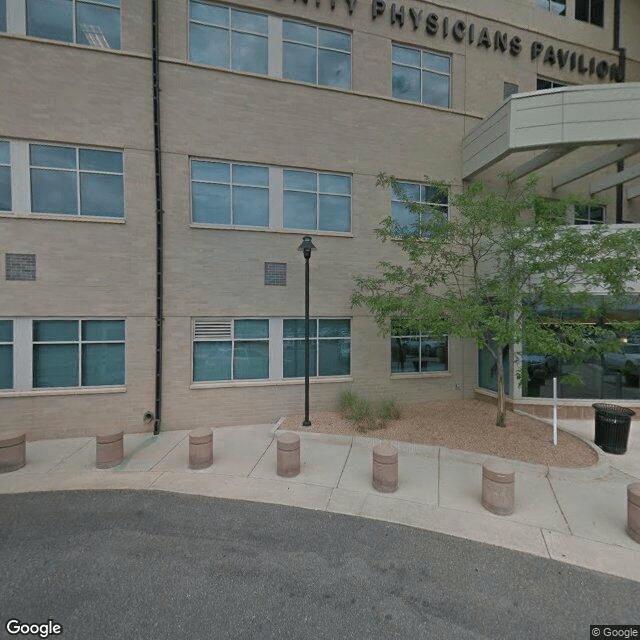
300 Exempla Circle Suite 210, Lafayette, CO 80026
To contact a resident: (303) 604-0160
For more information about senior living options: (866) 208-4318
Overall Review of Hanger Prosthetics and Orthotics
Pros
 Heather Willets was excellent, extremely knowledgeable, and helpful.
- Ms. Willets was amazing, made the parent very comfortable, explained all helmet options, and respected the family's decisions.
- Heather’s guidance reassured the family and offered practical suggestions for their child’s helmet journey.
- The Lafayette clinic staff, especially Heather, provided a warm and professional experience.
- Mike Winters set up a new Turbo Med, was patient, and helped with adjustments to maximize the device’s benefits.
- Chad at the Hangar clinic helped make wearing the prosthetic more comfortable.
- The staff are very knowledgeable and helpful and are highly recommended to others.
- The clinic offered free helmet education to families and provided flexible, complimentary adjustments.
Cons
 The reviewer warns to avoid this clinic if quality orthotics are needed.
 - The first pair caused immediate sharp nerve pain and had to be discarded.
- The second pair had an unusable, exaggerated arch.
- Communication and timelines were poor.
- It took a month and a half to get the original pair back after resurfacing.
- The reviewer threw away the new pair and wasted hundreds of dollars of FSA money.
- They waited three months to be seen, and their appointment had been canceled weeks earlier without notification.
- The staff and management delivered terrible customer service and were described as horrible.
Review
This Lafayette clinic is best suited for families and adults who rely on highly specialized prosthetic and orthotic devices and who prize hands-on, expert guidance from clinicians who educate as they treat. The standout cases involve children needing helmet therapy for plagiocephaly and adults who benefit from precise, custom devices that can meaningfully restore function, such as a Turbo Med system for foot drop or comfortable, well-fitted braces. The core strength is a team of practitioners who can translate complex options into understandable choices, then follow through with thoughtful, ongoing care. It is not a generic, one-size-fits-all shop; it is a high-skill center where long-term device optimization matters as much as the initial fit. Families that want to partner with clinicians who provide real-time coaching, measurements, and adjustments over time will gain the most here.
Those weighing alternatives should consider whether administrative reliability and predictable timelines are non-negotiable. Several reviews flag inconsistent scheduling, communication gaps, and front-desk friction that can derail timely care. If a family needs rapid turnaround, guaranteed appointment windows, and a consistently smooth admin experience, it may be prudent to explore other providers or to use this clinic as a specialist resource rather than a single-point solution. In short, this is a facility to lean on for complex devices and education, but not a clinic to rely on for flawless logistics in every encounter. Prospective patients should be prepared to navigate occasional service hiccups and to actively confirm timelines before committing to devices or follow-up visits.
On the plus side, the clinical staff deliver exceptional expertise and patient-centered care that can be life-changing. Heather Willets emerges as a standout for helmet-related work, combining deep knowledge with clear, compassionate guidance. Families consistently note her ability to explain options, set realistic expectations, and keep everyone focused on what’s best for the child. The helmet program is not merely technical; it’s educational, with staff often taking time to walk families through measurements, growth targets, and decision points. For families facing complex orthopedic needs, this level of engagement is rare and highly valuable. In the prosthetics realm, teammates like Mike Winters and Chad earn strong reputations for practical problem-solving, device adjustments, and comfort improvements that restore daily activity and confidence. The overall impression is of a capable, empathetic team that can translate medical complexity into tangible, daily gains.
The most troubling notes center on quality control and operations. Some patients report orthotics created from phone scans that produced discomfort or unusable arches, followed by delays and repeated returns to square one. There are also recurring themes of poor communications about shipments, long wait times for appointments, and inconsistent follow-through from front-desk staff. Instances of canceled appointments without timely notification, and reports of rude or inattentive service at the front desk, create a sustainability risk for families juggling school schedules, work, and dependent care. In addition, the reality that a single fitter handles certain braces, with interruptions for vacations, can stretch timelines and make reliable coverage hard to secure during critical periods. These operational gaps can undermine otherwise strong clinical potential, especially for families relying on timely device adjustments or bracing changes.
These strengths and weaknesses can align in a pragmatic way when approached with a clear plan. The clinic’s clinical advantages, expert helmet care, precise measurements, and patients who experience meaningful functional gains, offset the cons when families engage proactively: request direct clinician contact for critical devices, insist on written timelines and milestones, and document expectations for follow-up visits and adjustments. For helmet therapy, the free educational support and the patient-centric posture demonstrated by Heather can significantly reduce the need for trial-and-error and empower parents to make informed decisions quickly. For prosthetics and braces, rely on the team’s problem-solving to optimize comfort and function, but pair the experience with a backup plan or a second opinion if timelines matter or if a primary device requires rapid iteration.
In the end, this Lafayette facility earns its keep for families who want depth of expertise, a collaborative approach, and ongoing post-fit care. It is a strong choice for pediatric helmet work and for adults whose daily life hinges on precise prosthetic and orthotic performance, provided that expectations around scheduling and administration are actively managed. Prospective clients should start with a focused consultation, preferably with Heather for helmets or with Mike or Chad for prosthetics, and explicitly map out the next 60 to 90 days: device design method (phone scan versus alternative imaging), expected delivery or adjustment windows, and the plan for follow-ups. If reliable administrative communication is paramount, pair this clinic with a backup option or set up a formal escalation path to ensure that critical needs do not stall because of scheduling delays. For families facing pediatric cranial shape concerns or adults seeking meaningful functional restoration through finely tuned devices, this is a credible, capable partner, provided the operational realities are acknowledged and managed from the outset.
 Denver International (24 miles away)





 Managing Nursing Home Expenses After Medicare Coverage Ends
 Is a Geriatric Care Manager the Right Choice for Your Family?
 Compassionate Conversations: How to Comfort Someone Who Is Grieving