The Peaks At Old Laramie Trail presents a range of monthly costs that exceed both Boulder County and the broader state averages for similar accommodations. For instance, a studio at The Peaks is priced at $5,300, significantly higher than the county's average of $4,274 and the state's average of $4,090. Similarly, the semi-private option is set at $5,400, surpassing Boulder County's rate of $4,839 and Colorado's average of $4,009. One-bedroom units are also more expensive at $6,200 compared to Boulder County's $4,755 and Colorado's average of $4,119. Finally, two-bedroom apartments are priced at $6,895 against Boulder County's average of $5,993 and the state's average of $4,580. This pricing strategy highlights The Peaks At Old Laramie Trail as a premium option within the market, likely reflecting its amenities and services tailored to enhance resident experience.
Floor plans
The Peaks At Old Laramie Trail
Boulder County
Colorado
Studio
$5,300
$4,274
$4,088
Semi-Private
$5,400
$4,839
$4,008
1 Bedroom
$6,200
$4,755
$4,118
2 Bedrooms
$6,895
$5,993
$4,580
Memory care communities with a similar price nearby
About the same
MorningStar of Observatory Park
4.9 from 34 reviews
$5,450 to $8,300 / month
22.3 miles away
from -$680 / mo
Garden Terrace Alzheimer's Center Of Excellence - Aurora
4.8 from 117 reviews
$4,620 to $5,940 / month
24.7 miles away
from -$784 / mo
The Gallery at Broomfield Assisted & Senior Living
This part of Lafayette, Colorado offers a range of amenities that would be convenient for seniors looking to settle in the area. With hospitals such as Boulder Community Hospital and Good Samaritan Hospital located within close proximity, residents have easy access to quality healthcare services. Additionally, there are several parks nearby like Whitetail Park and Rothman Open Space where seniors can enjoy outdoor activities and stay active. The presence of pharmacies like Walgreens and healthcare providers such as My Family Doctor and Avista Women's Care ensure that medical needs are easily met. For leisure and socializing, there are cafes like East Simpson Coffee Co. and restaurants such as Acreage and Sweet Cow in the vicinity. Overall, this part of Lafayette provides a well-rounded environment for seniors to live comfortably with access to essential services and recreational opportunities.
Hospitals
Boulder Community Hospital (0.5 miles)
Good Samaritan Hospital (0.9 miles)
Children's Hospital Colorado North Campus (5.7 miles)
The Peaks At Old Laramie Trail presents a range of monthly costs that exceed both Boulder County and the broader state averages for similar accommodations. For instance, a studio at The Peaks is priced at $5,300, significantly higher than the county's average of $4,274 and the state's average of $4,090. Similarly, the semi-private option is set at $5,400, surpassing Boulder County's rate of $4,839 and Colorado's average of $4,009. One-bedroom units are also more expensive at $6,200 compared to Boulder County's $4,755 and Colorado's average of $4,119. Finally, two-bedroom apartments are priced at $6,895 against Boulder County's average of $5,993 and the state's average of $4,580. This pricing strategy highlights The Peaks At Old Laramie Trail as a premium option within the market, likely reflecting its amenities and services tailored to enhance resident experience.
The Peaks At Old Laramie Trail offers a comprehensive range of features that directly enhance the quality of care for residents with dementia or Alzheimer's disease. The 24-hour supervision ensures a safe and secure environment, while assistance with activities of daily living--such as bathing, dressing, and transfers--helps maintain dignity and comfort in personal care. Coordination with healthcare providers, medication management, and incontinence care address both medical needs and day-to-day health requirements effectively. Meal preparation and service ensure that nutritional needs are met in an enjoyable way, while programs focused on mental wellness and physical therapy support cognitive function and overall well-being. Specialized memory care programming is tailored to the unique challenges faced by individuals at various stages of cognitive decline, promoting engagement and meaningful interactions. Additionally, transportation arrangements for medical appointments enable residents to receive necessary healthcare without added stress. Collectively, these services create a nurturing atmosphere that fosters independence while providing essential support tailored to each resident's specific circumstances.
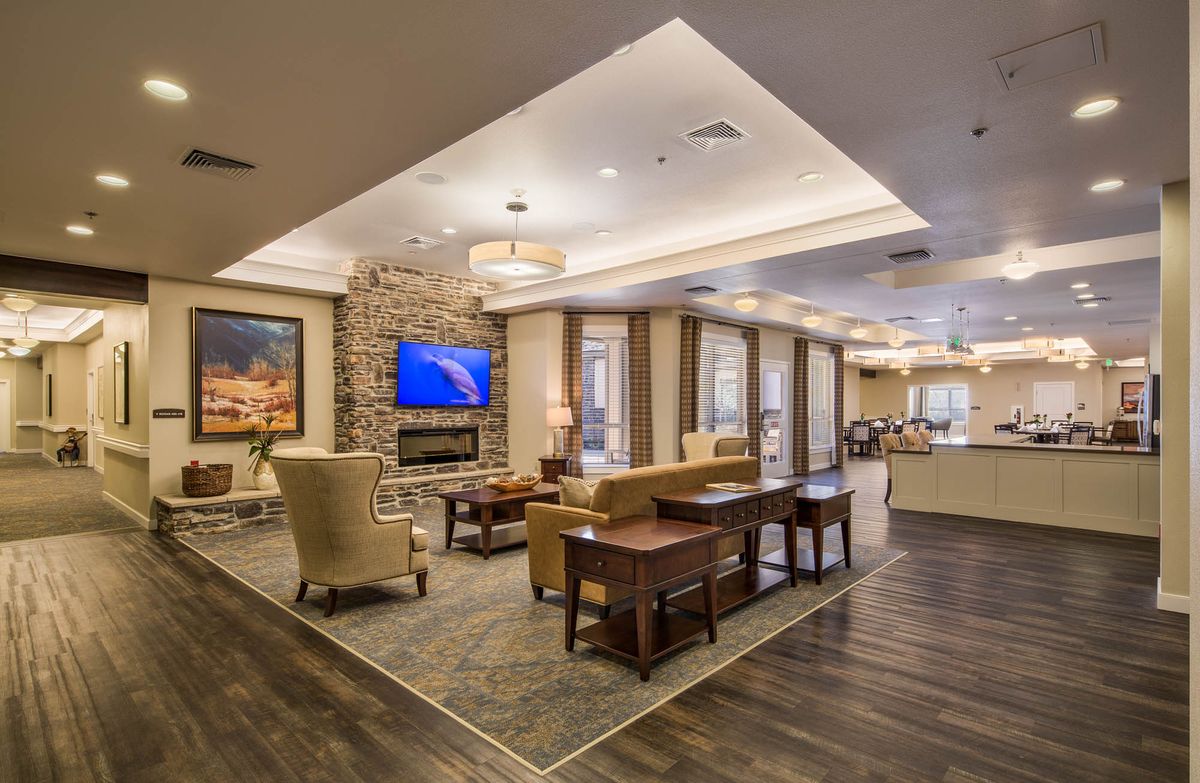
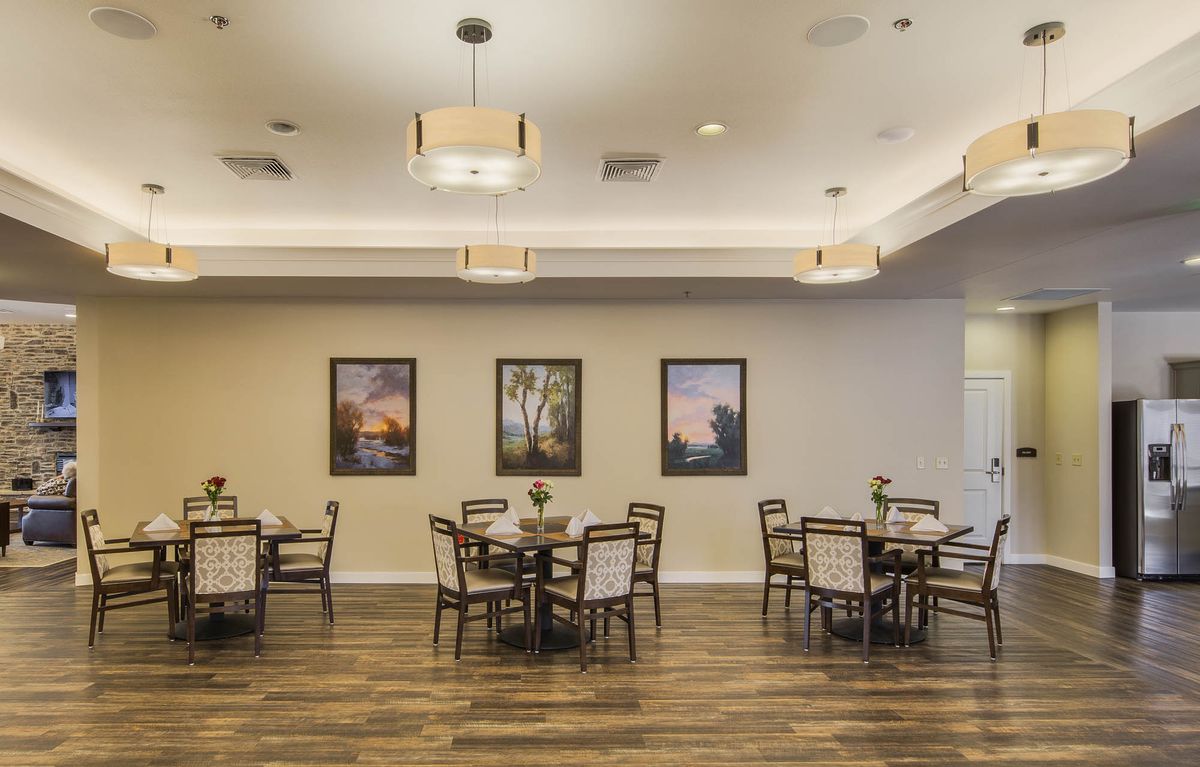
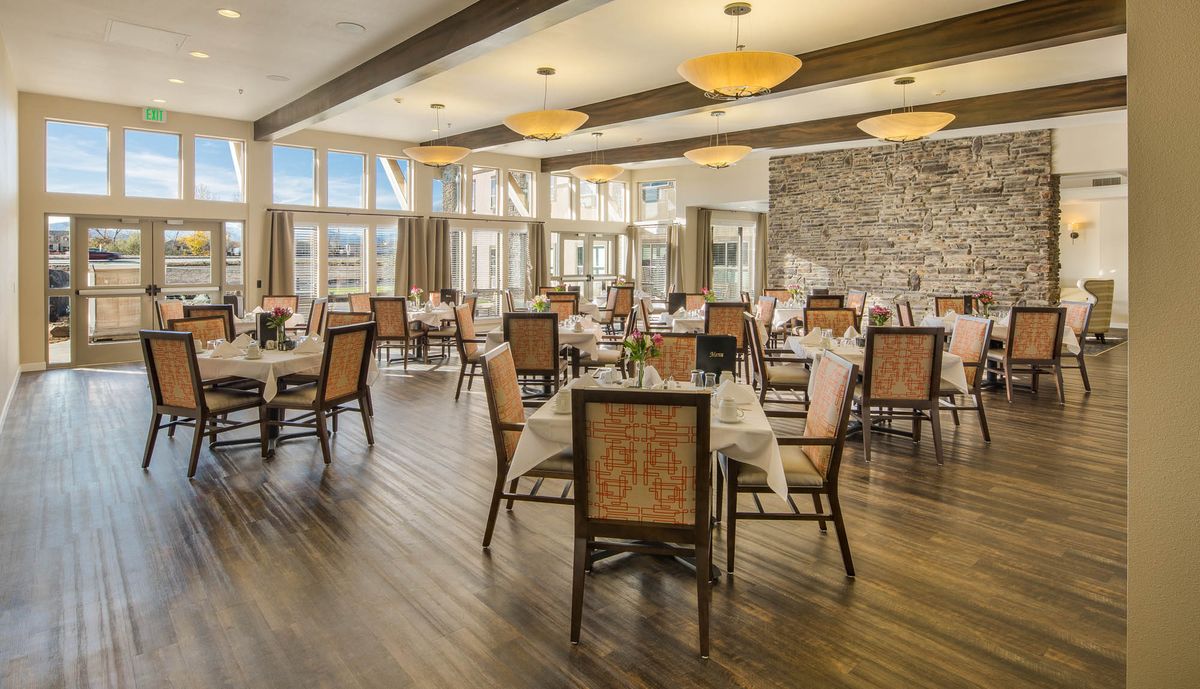
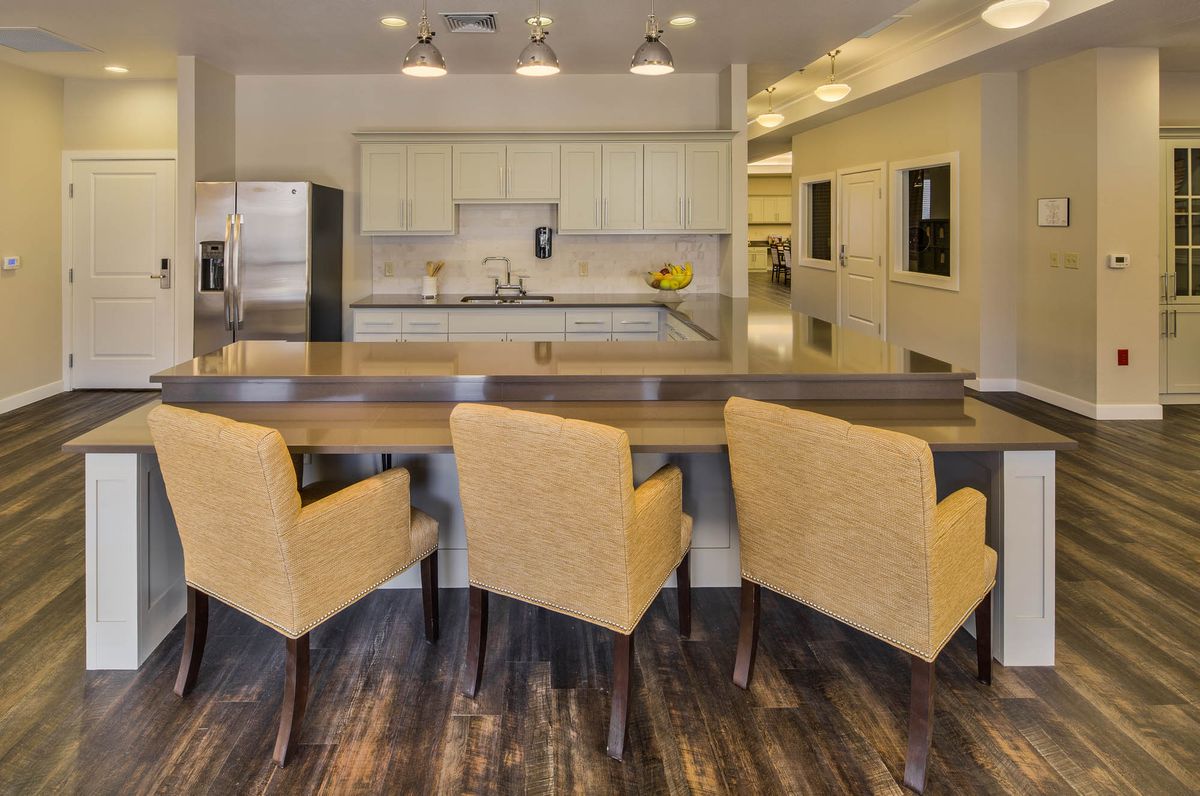
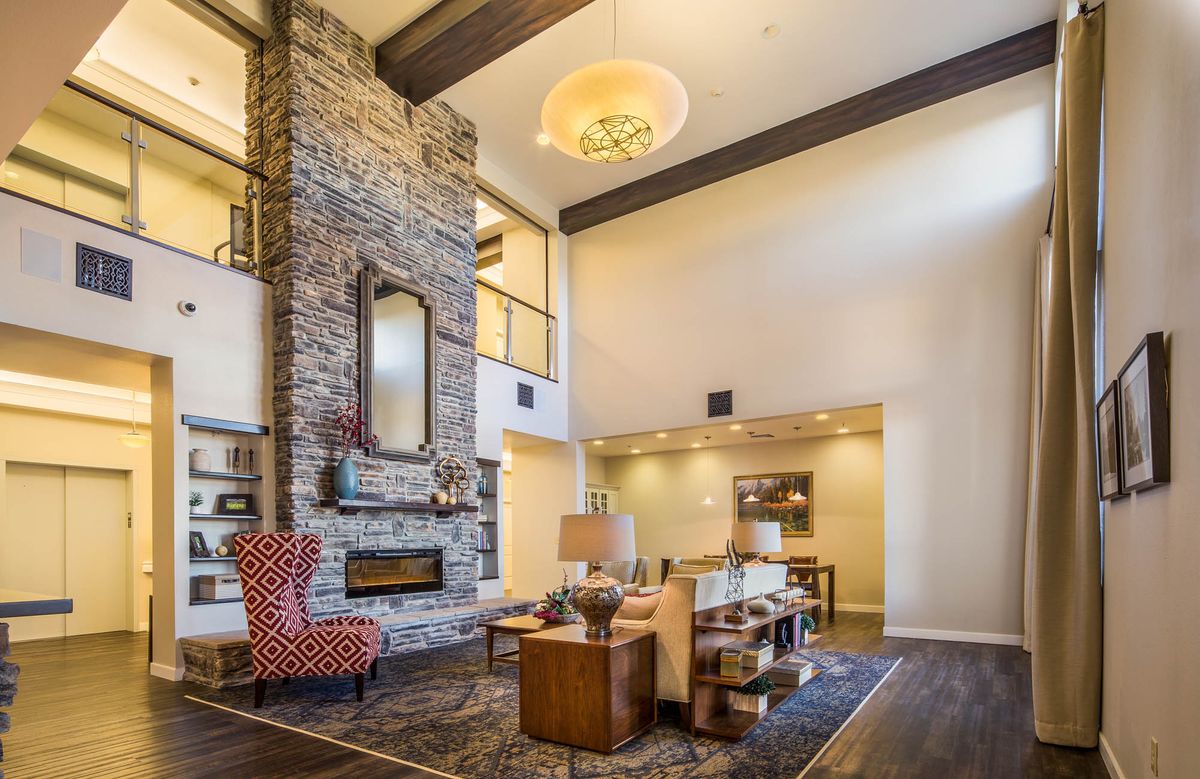
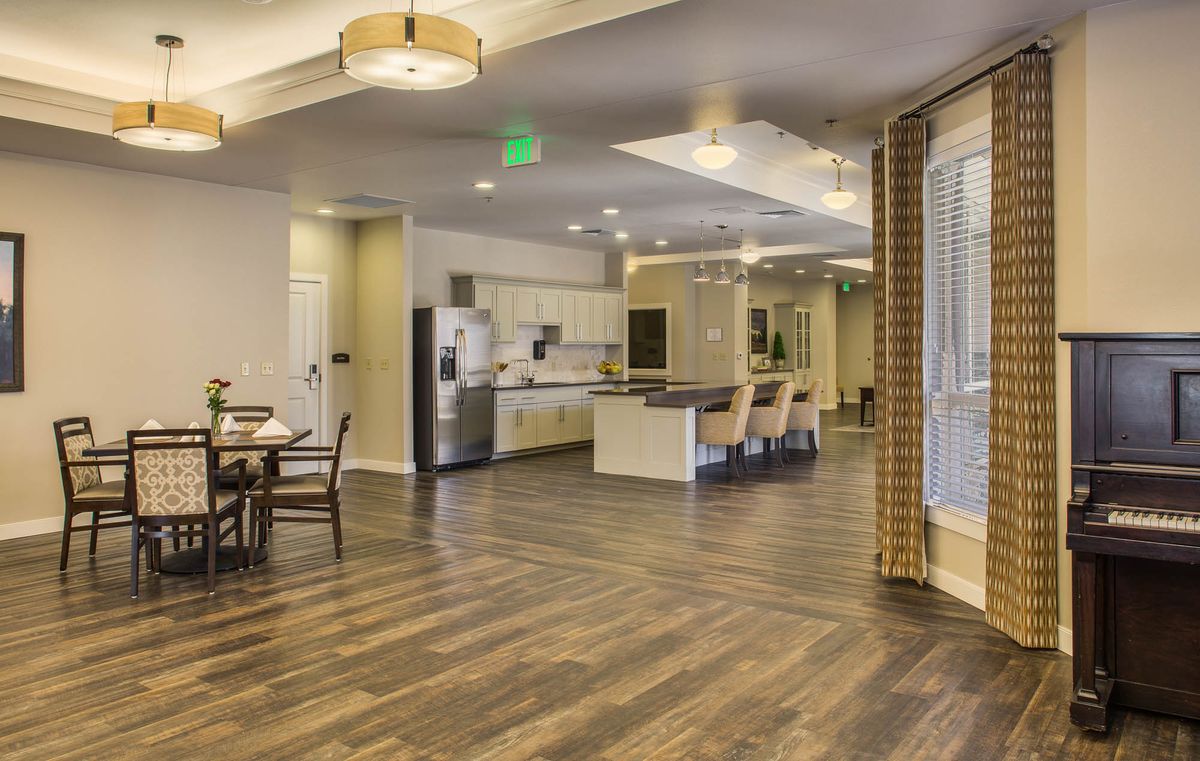
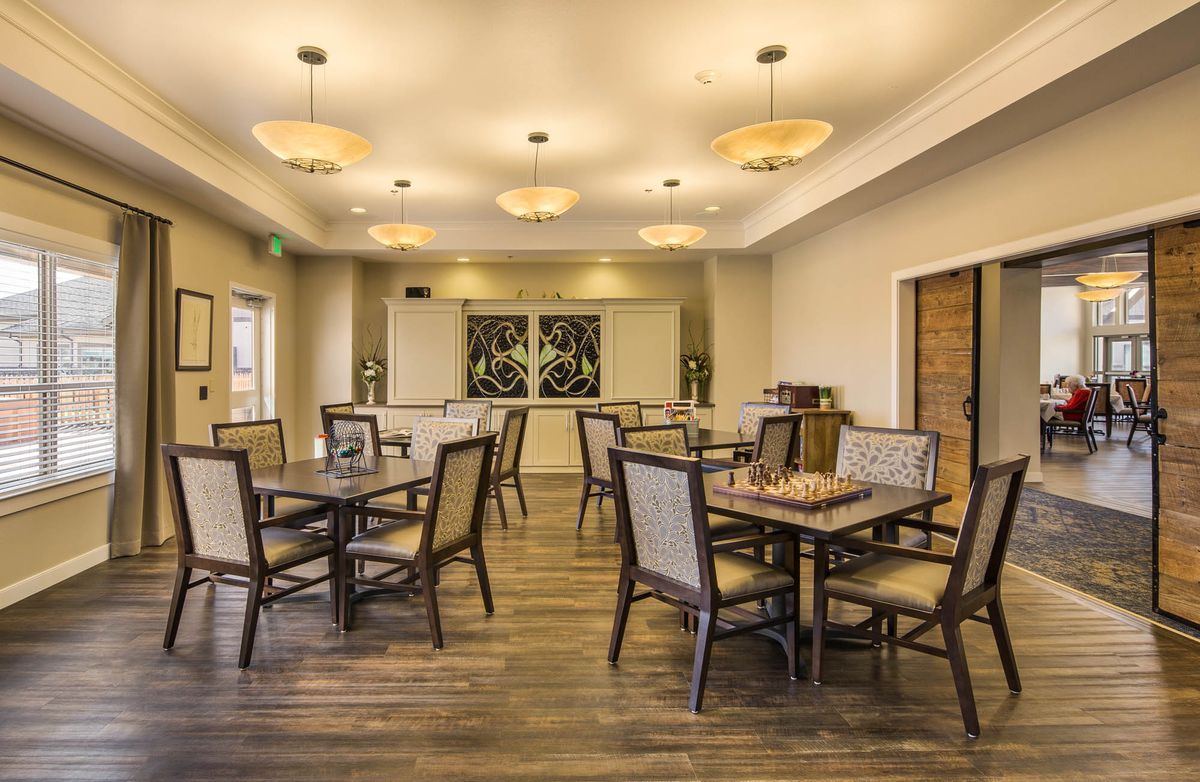
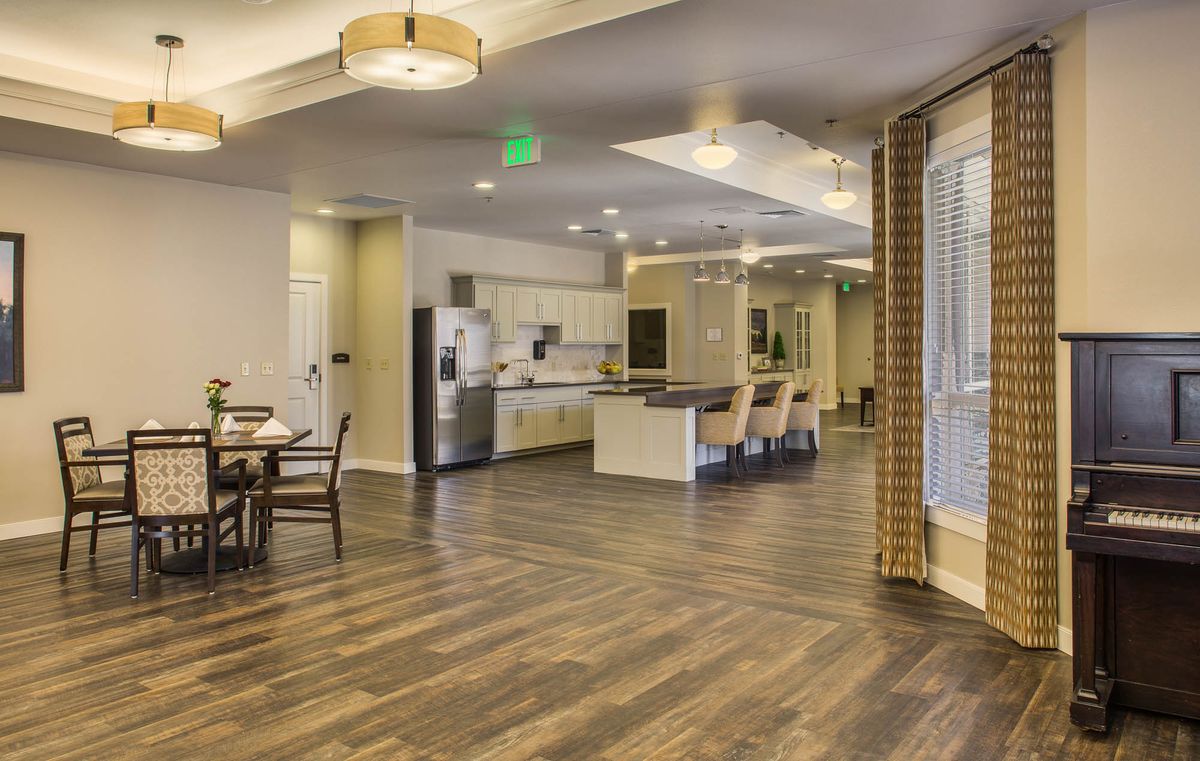
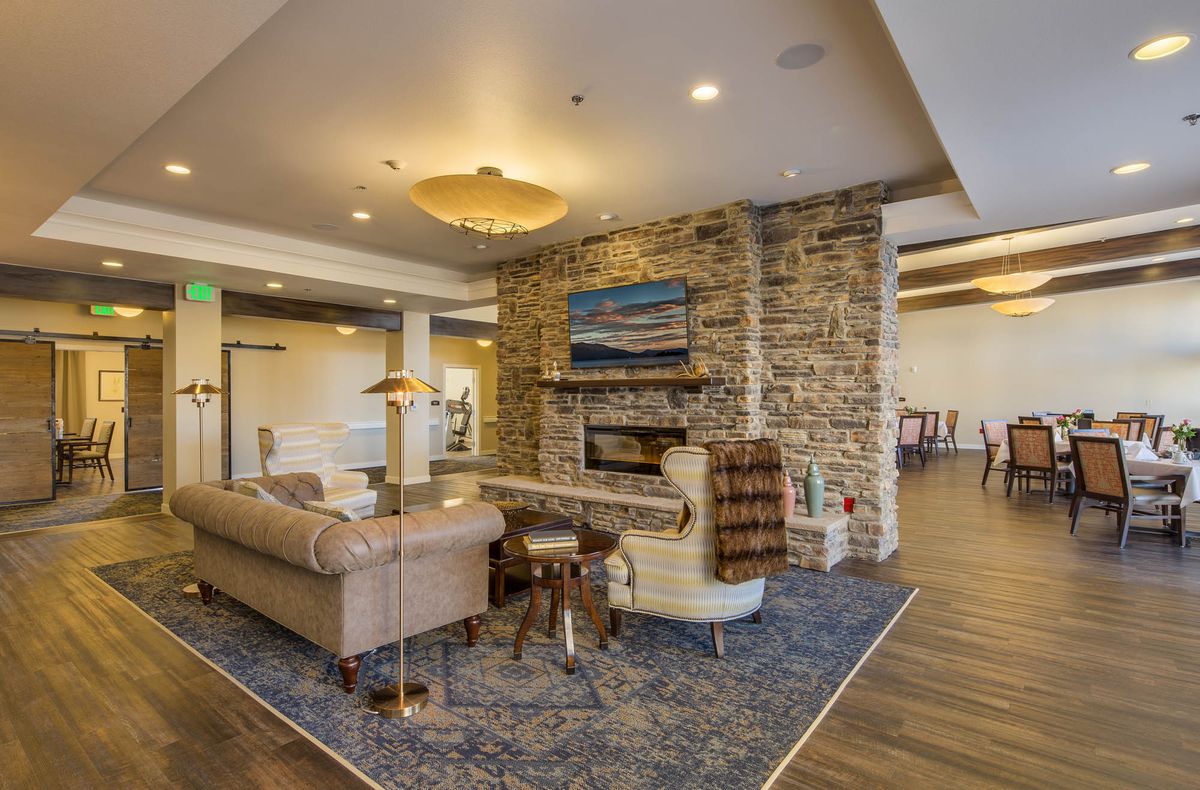
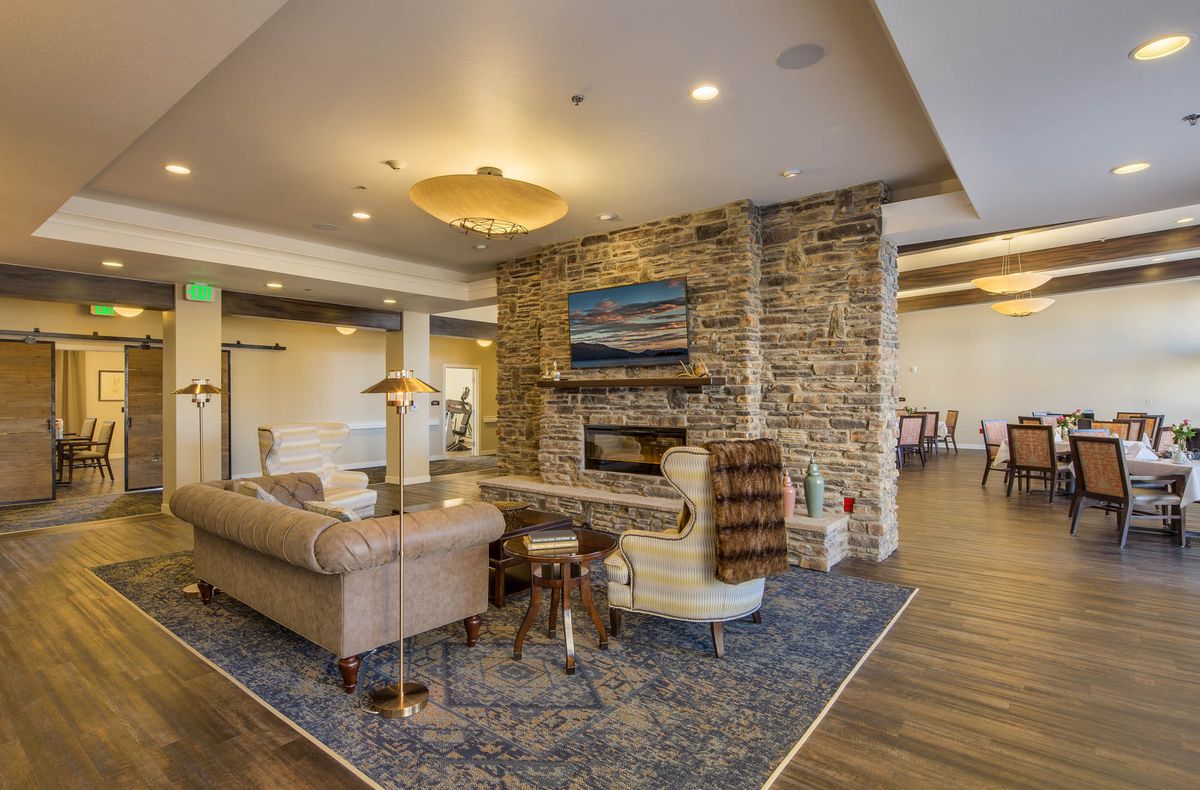
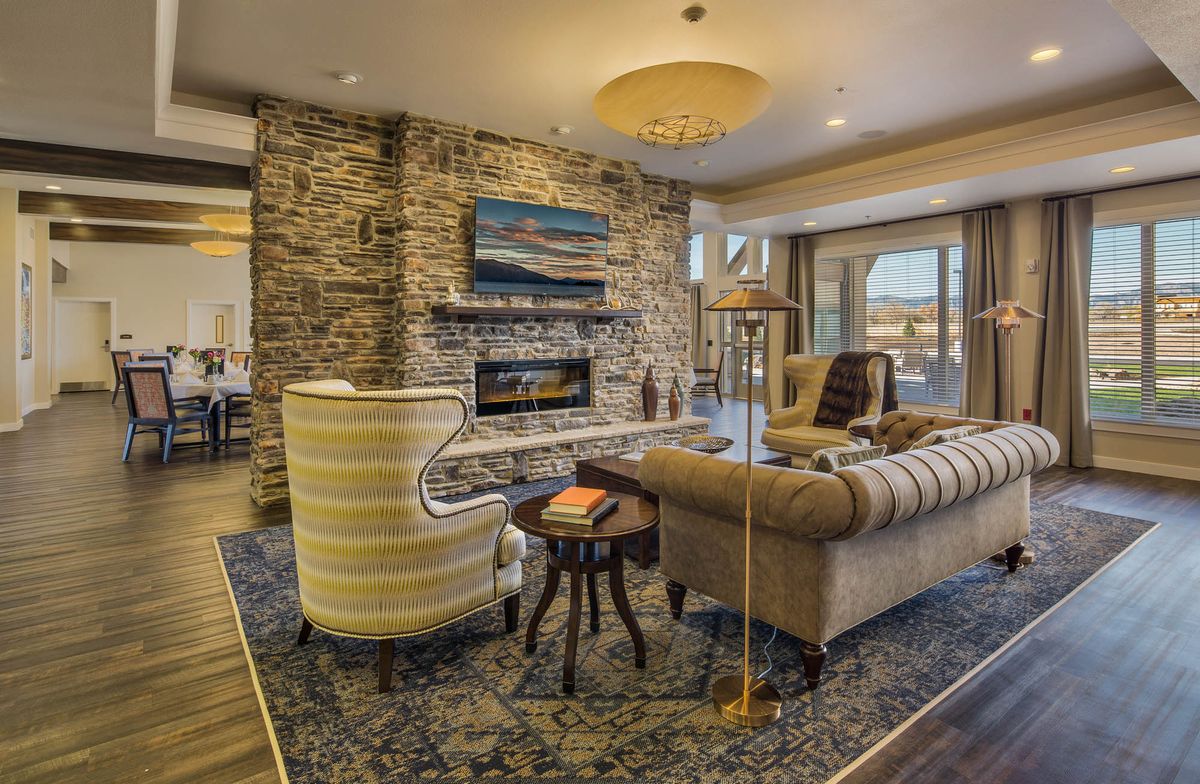
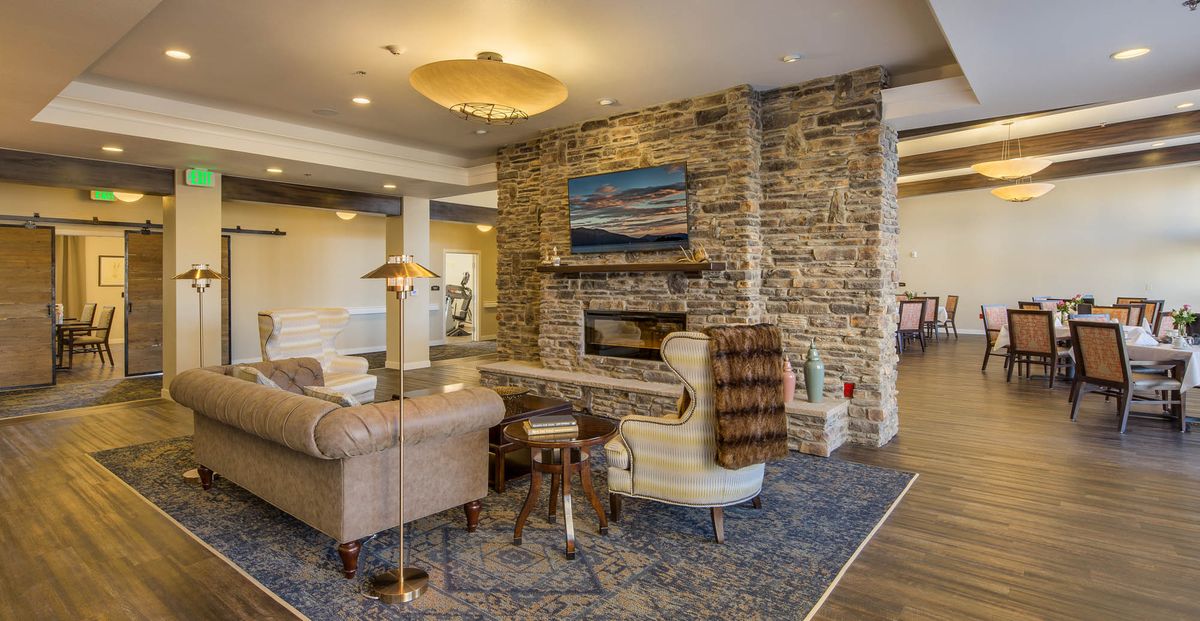
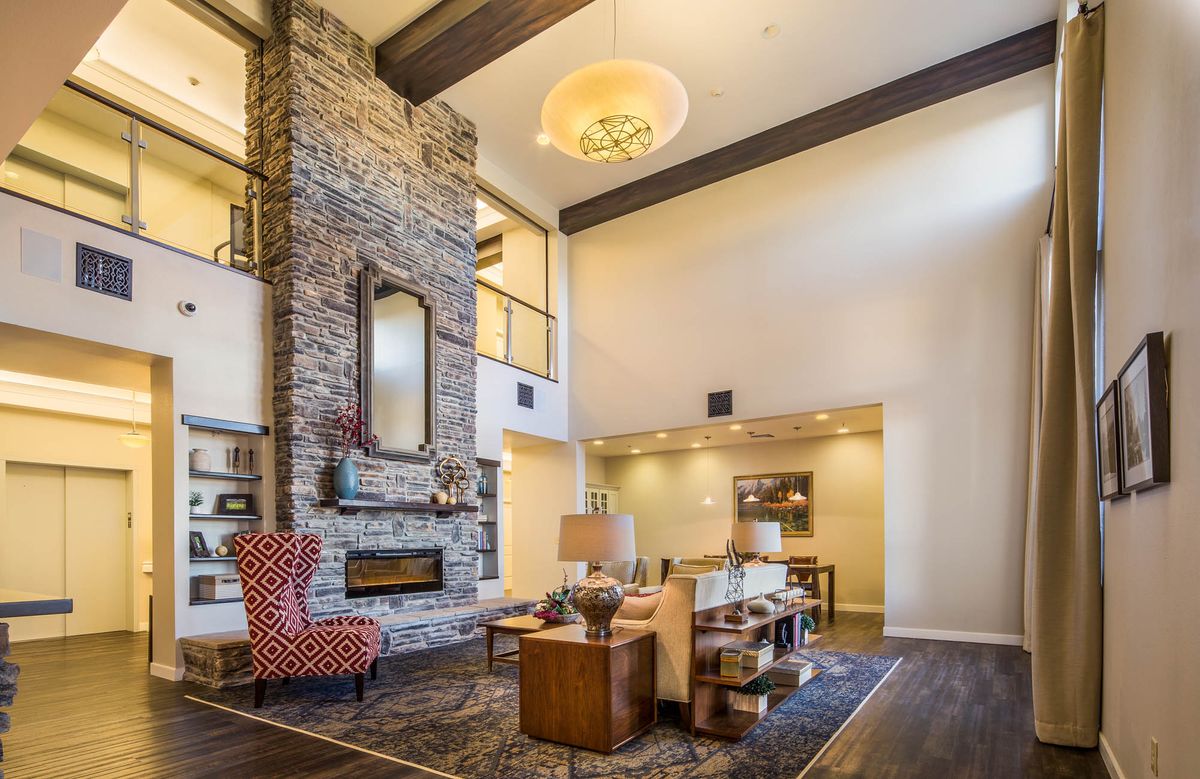
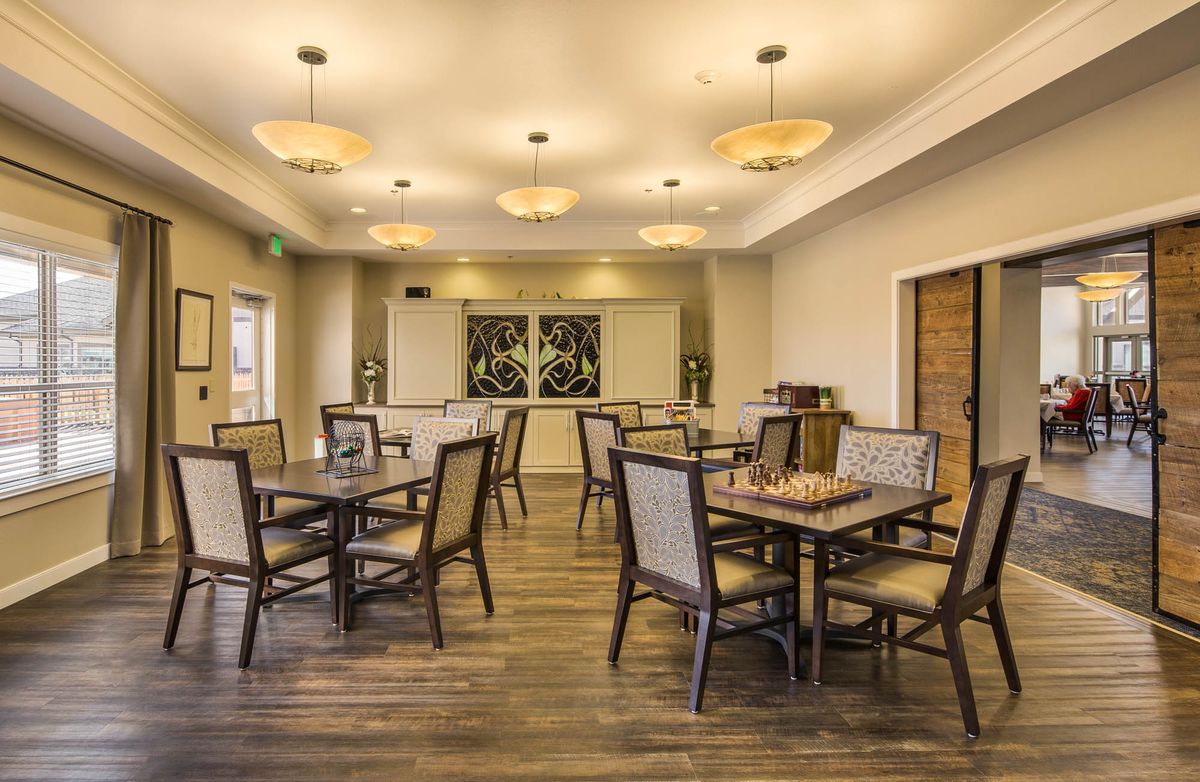
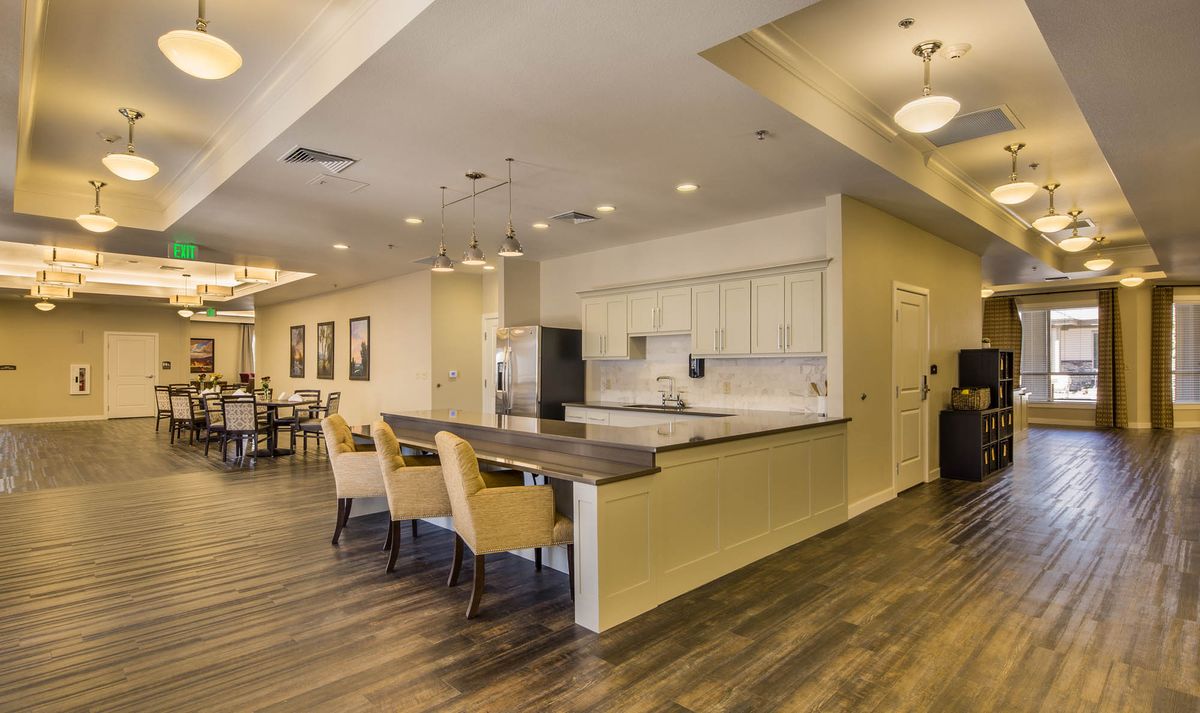
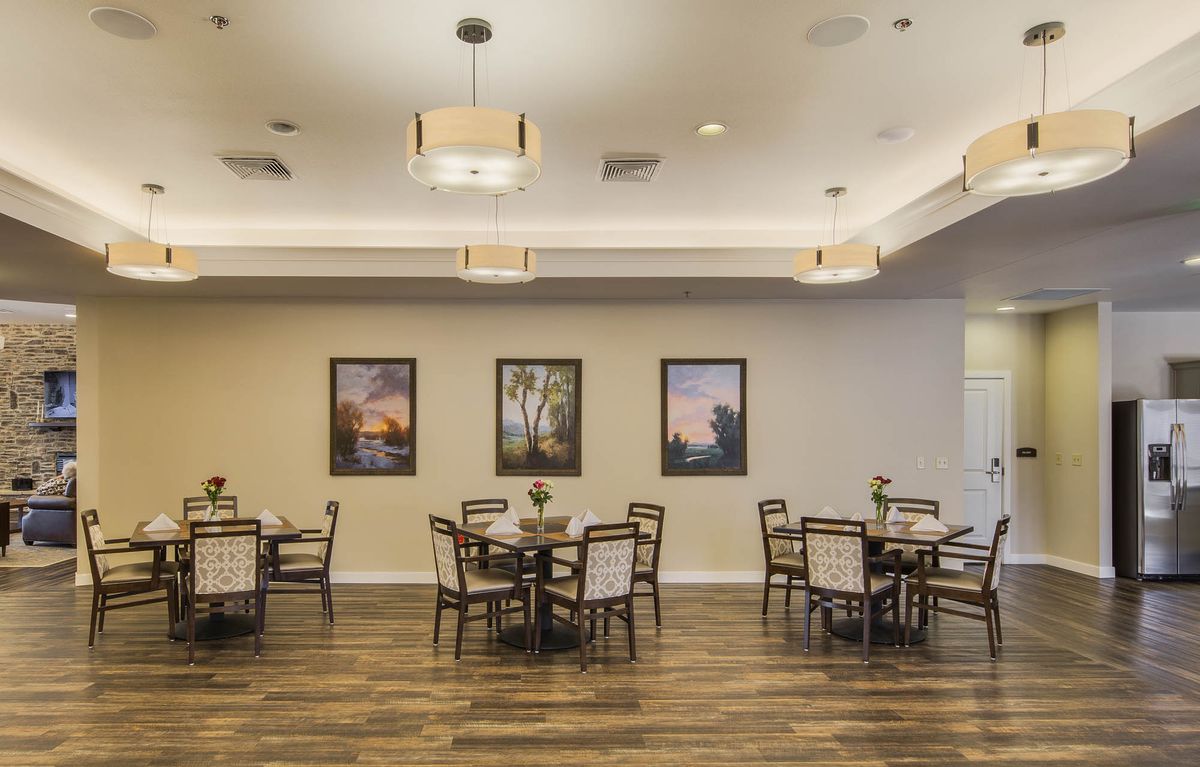
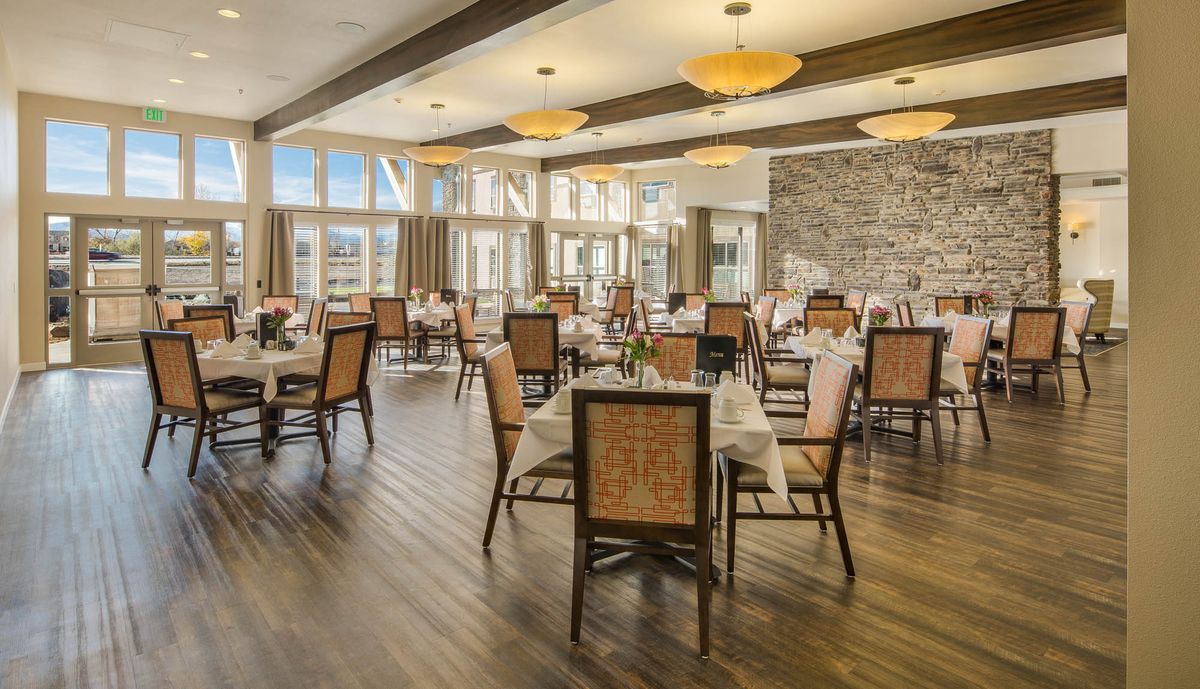
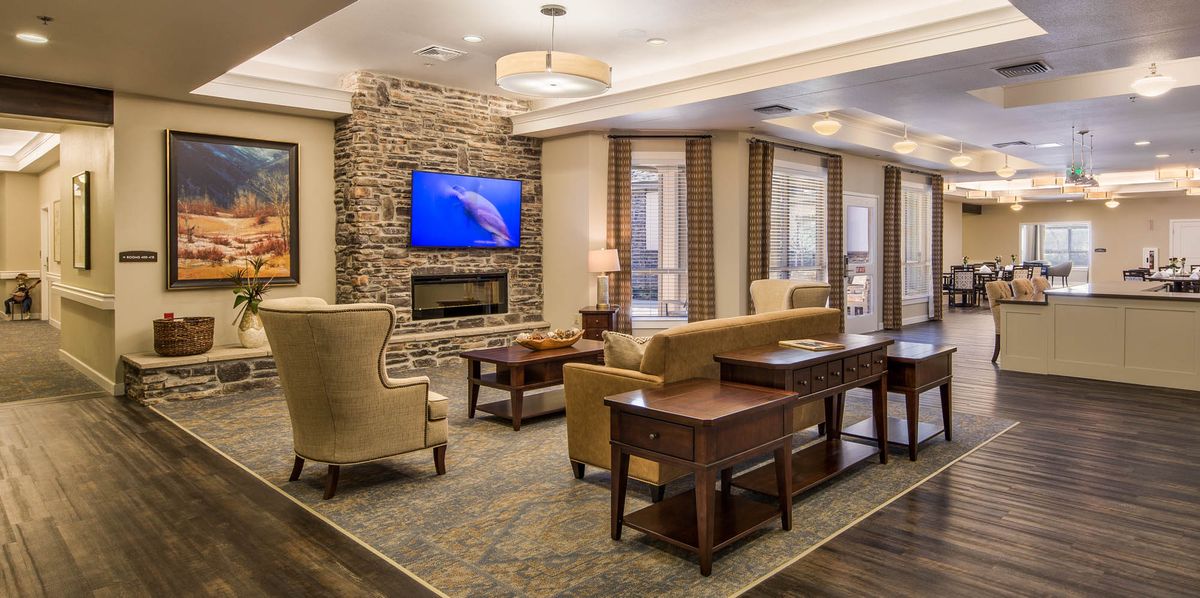
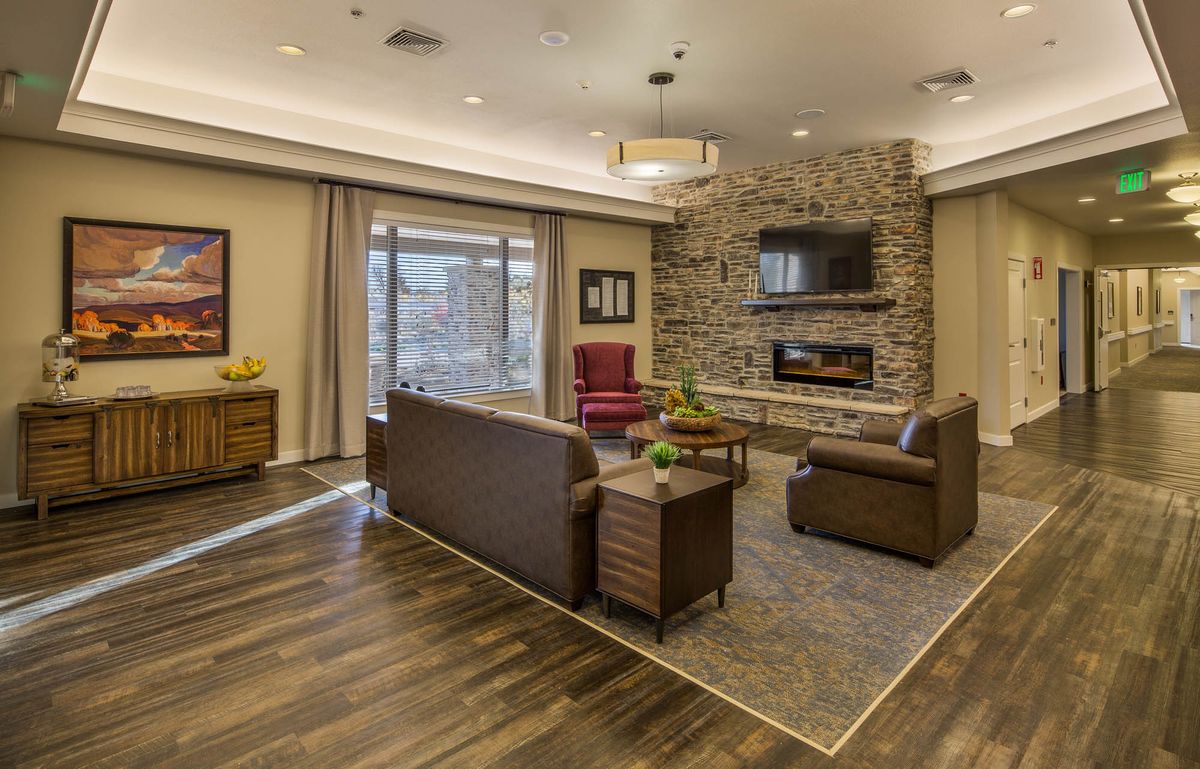
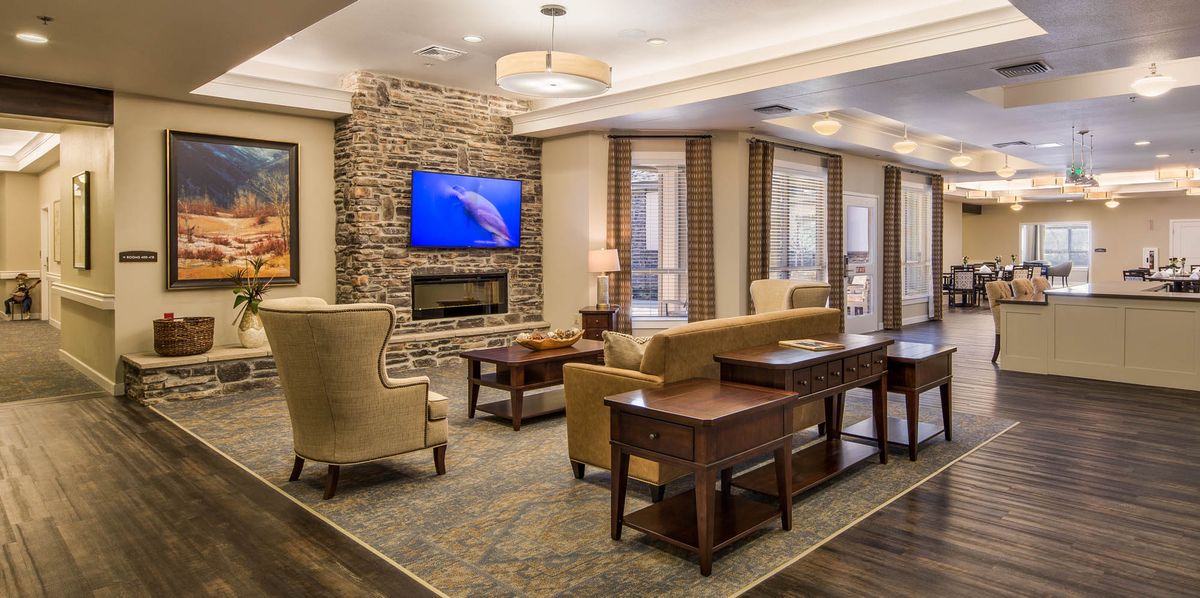
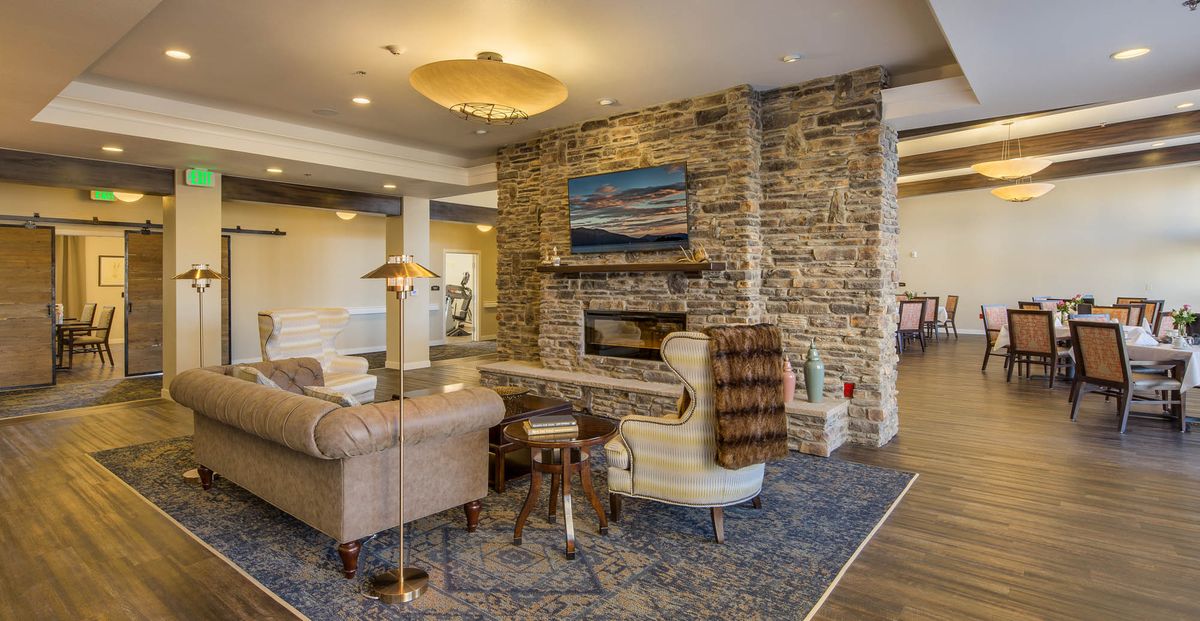
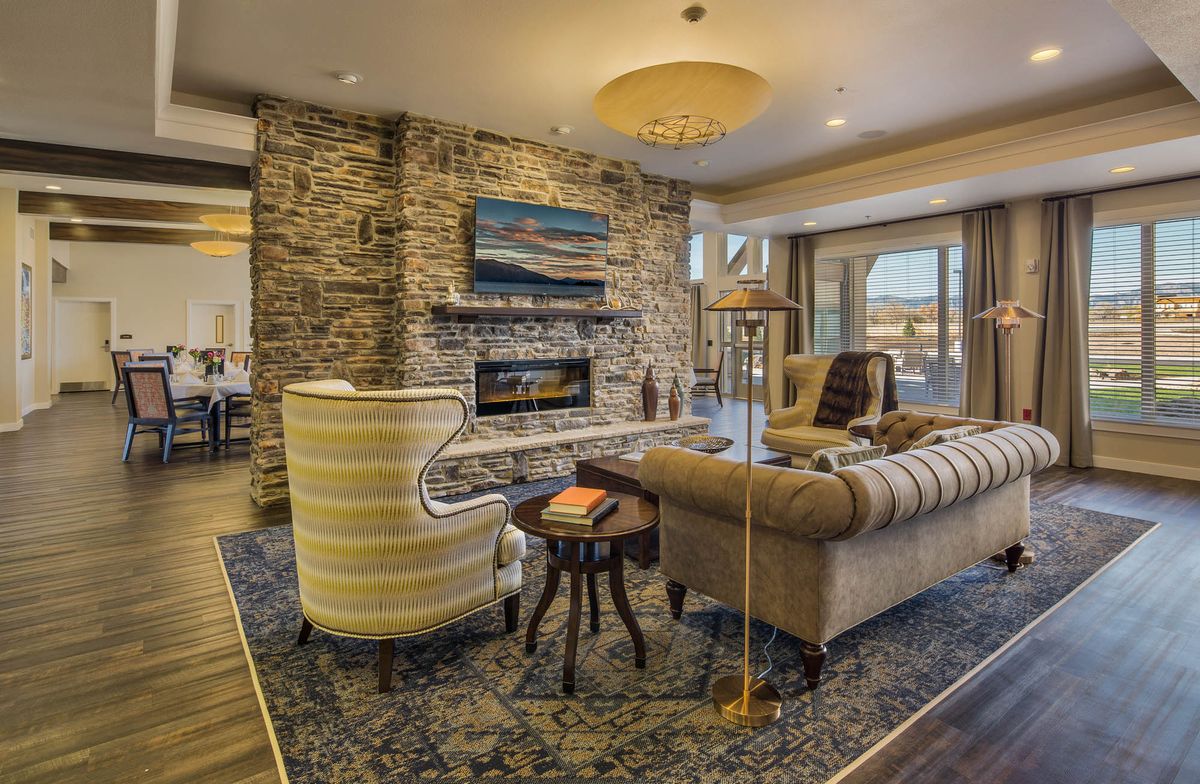
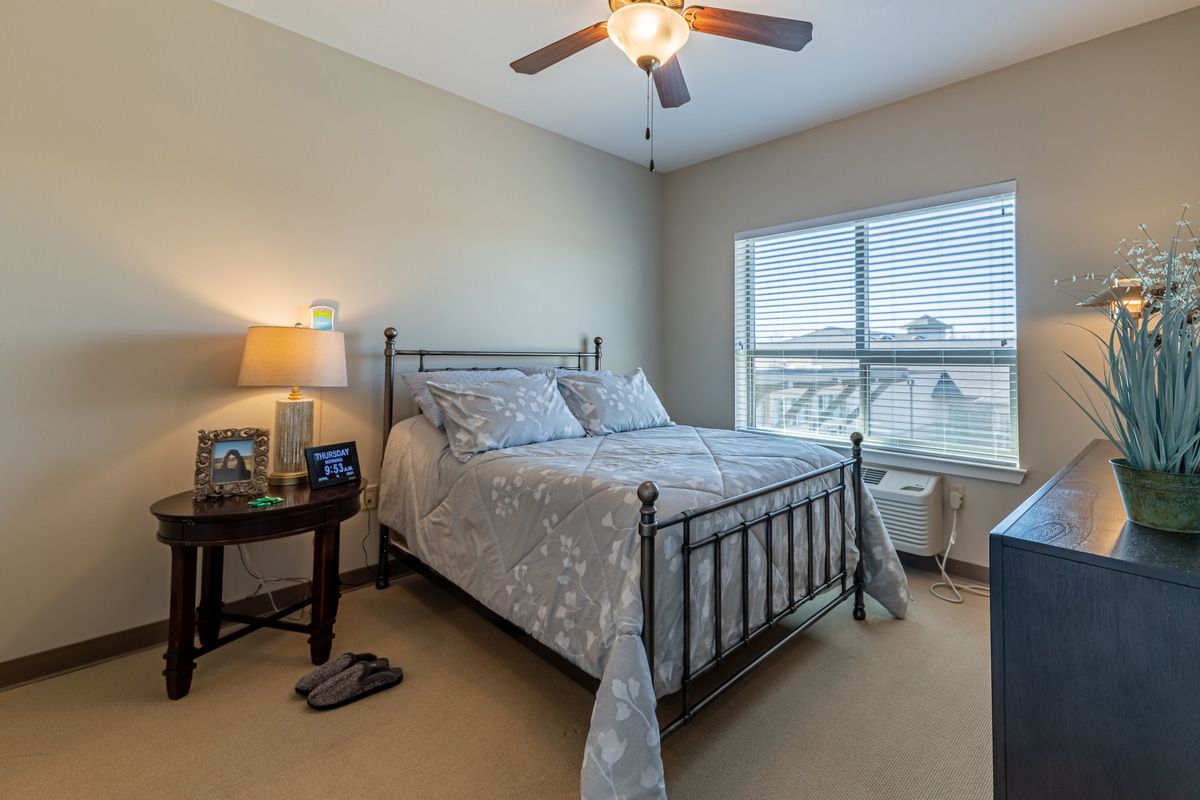
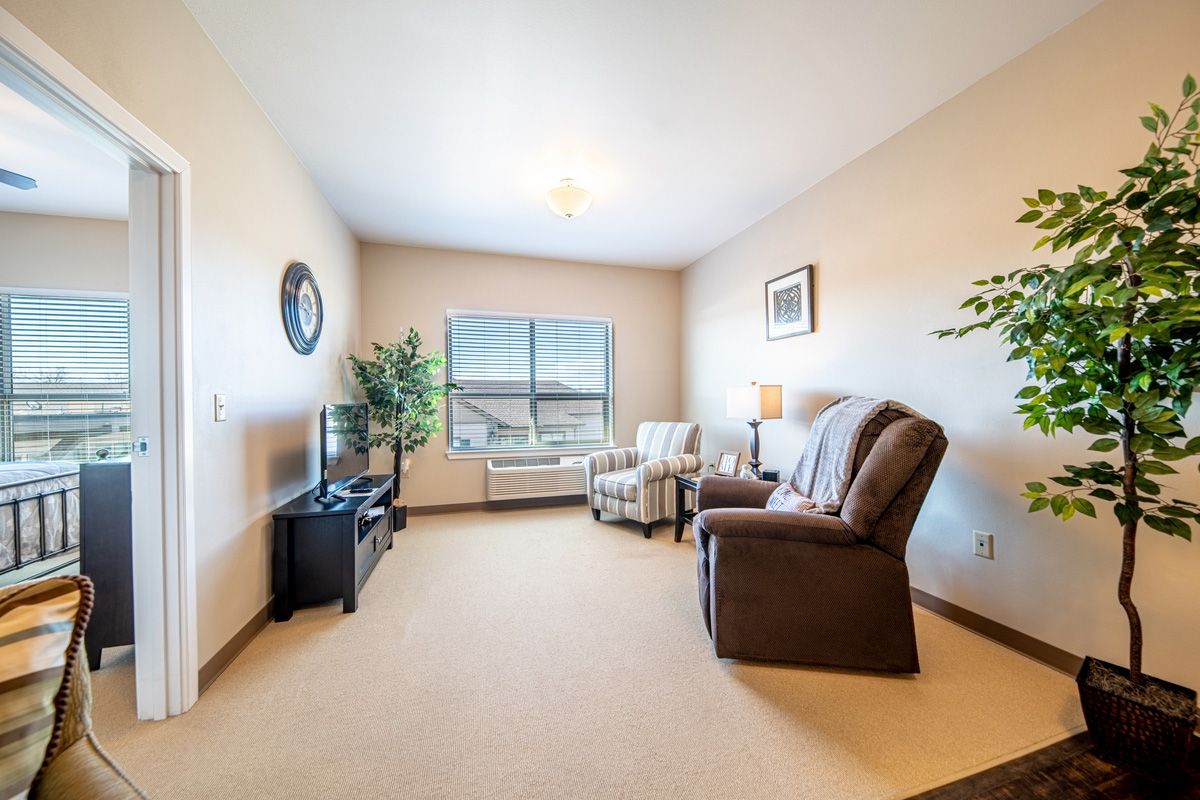
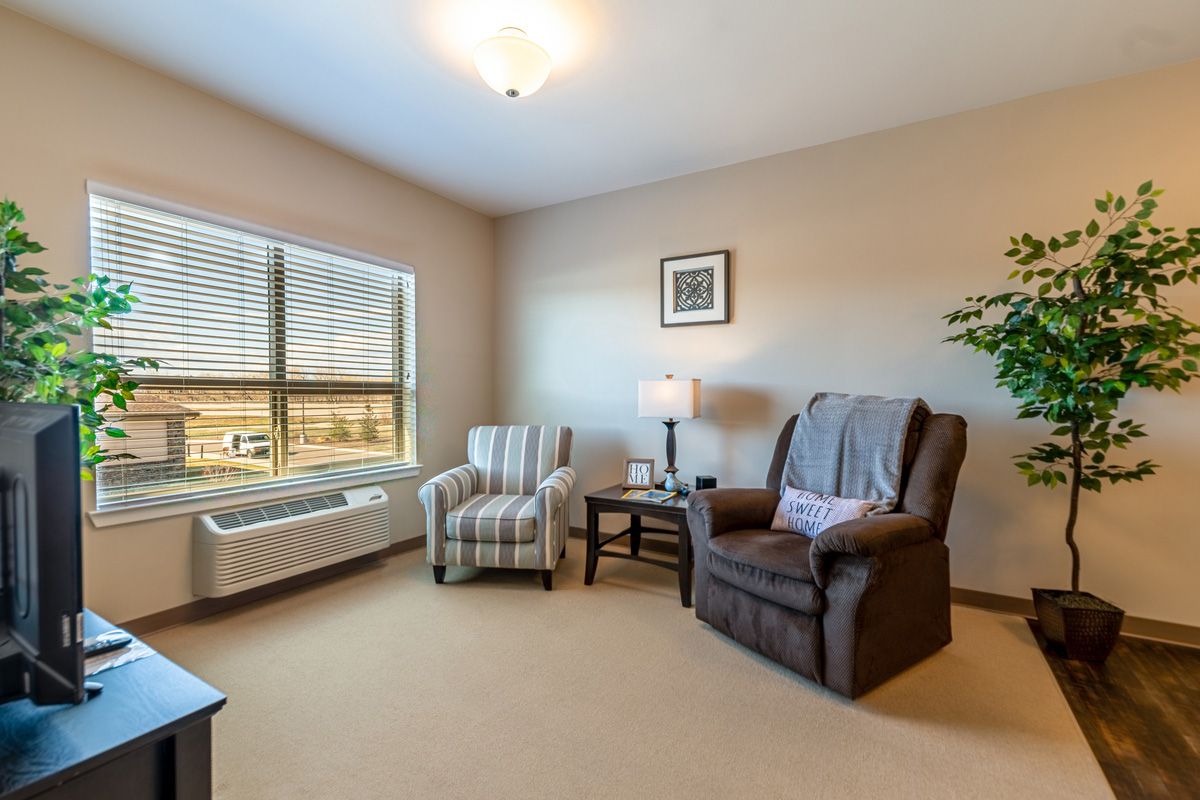
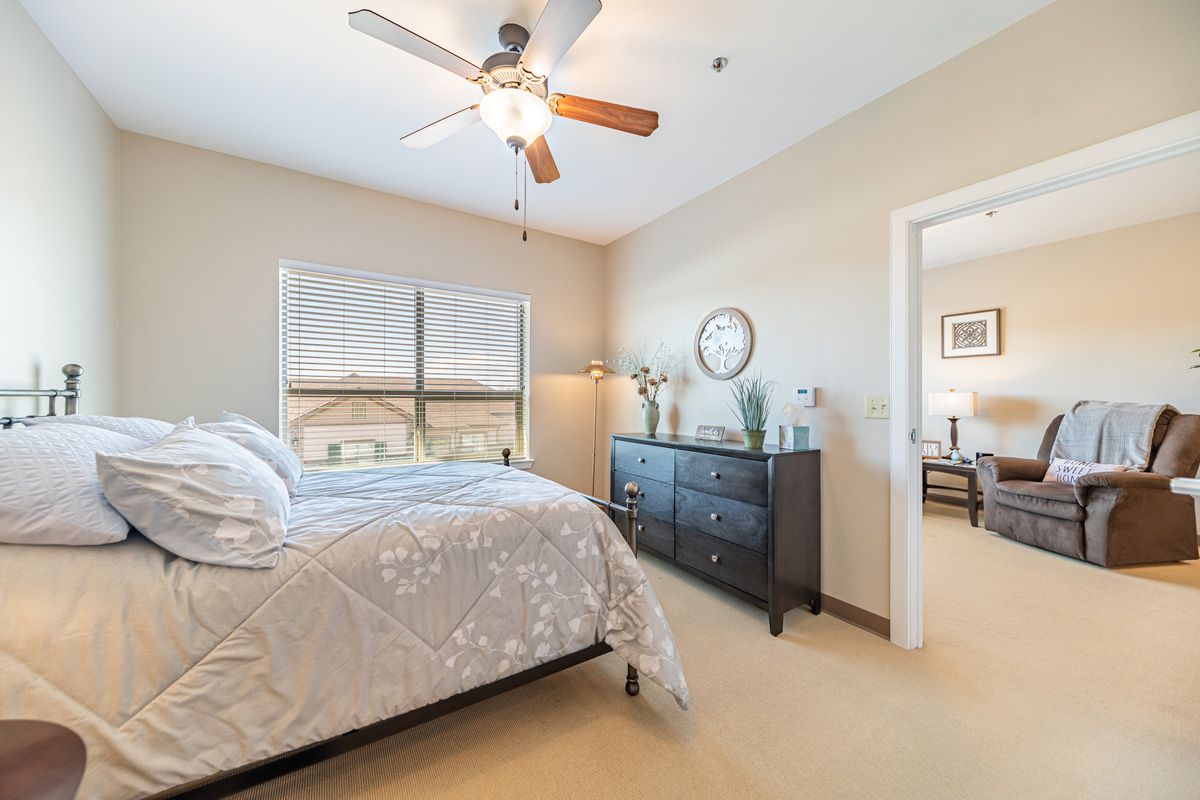
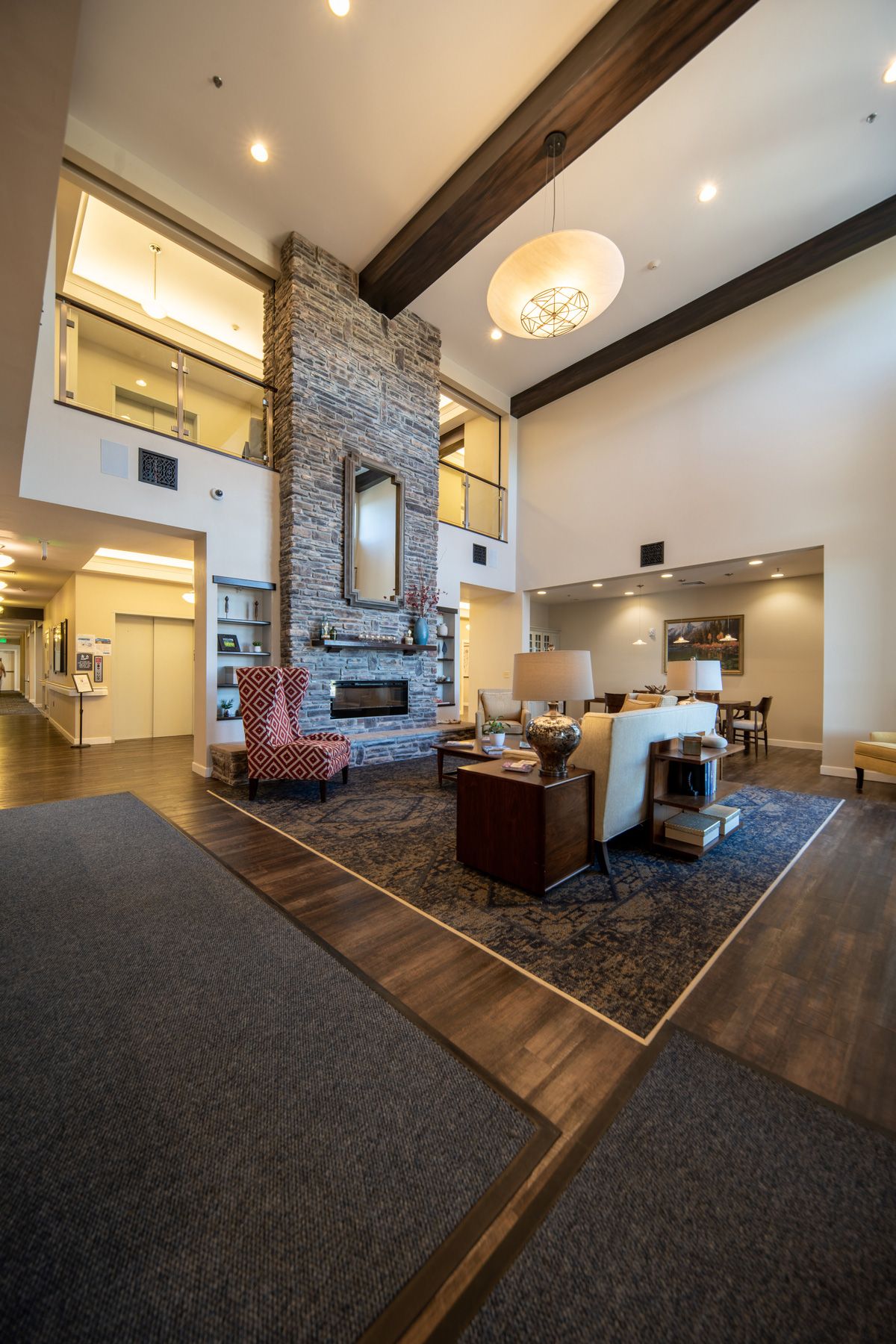
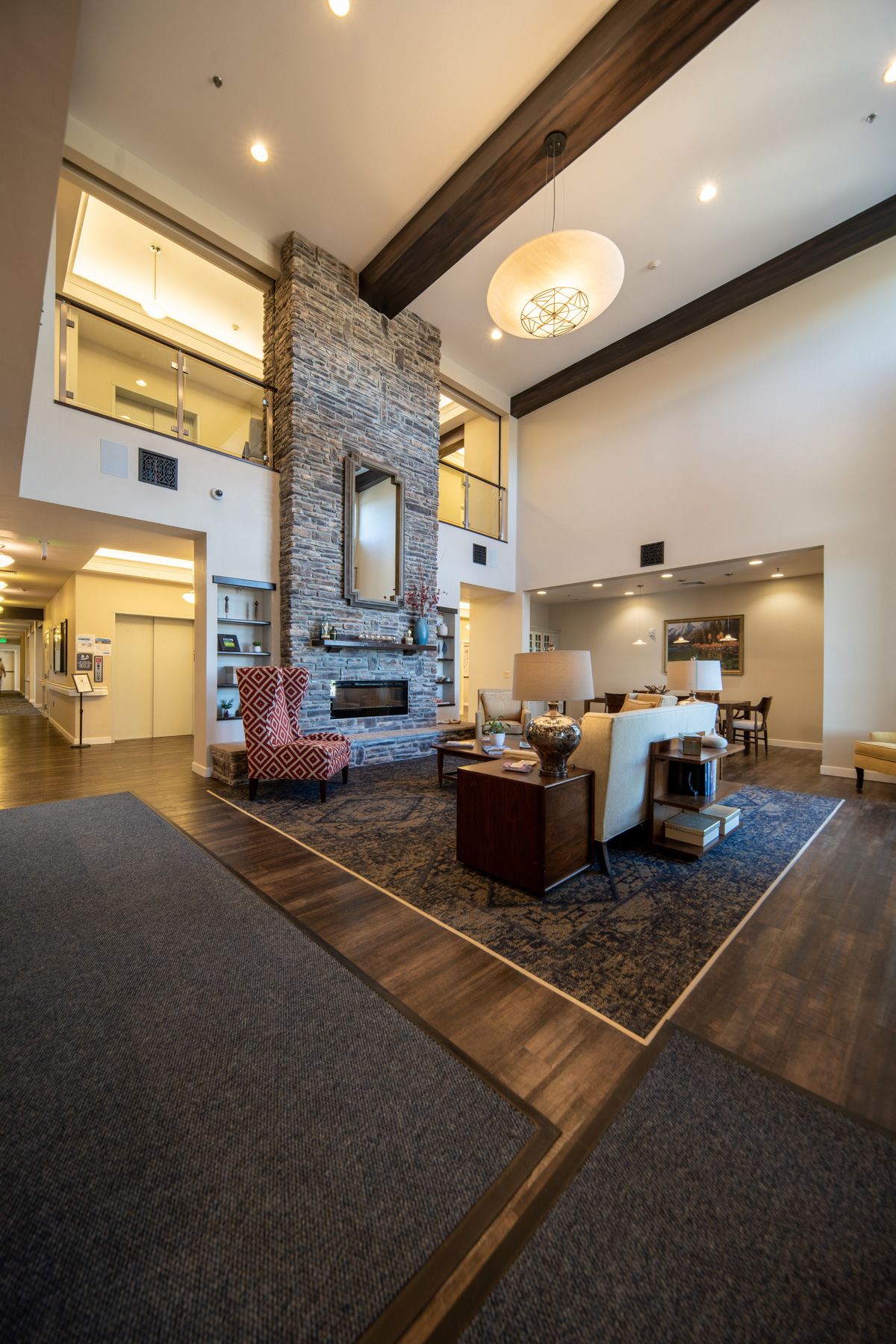
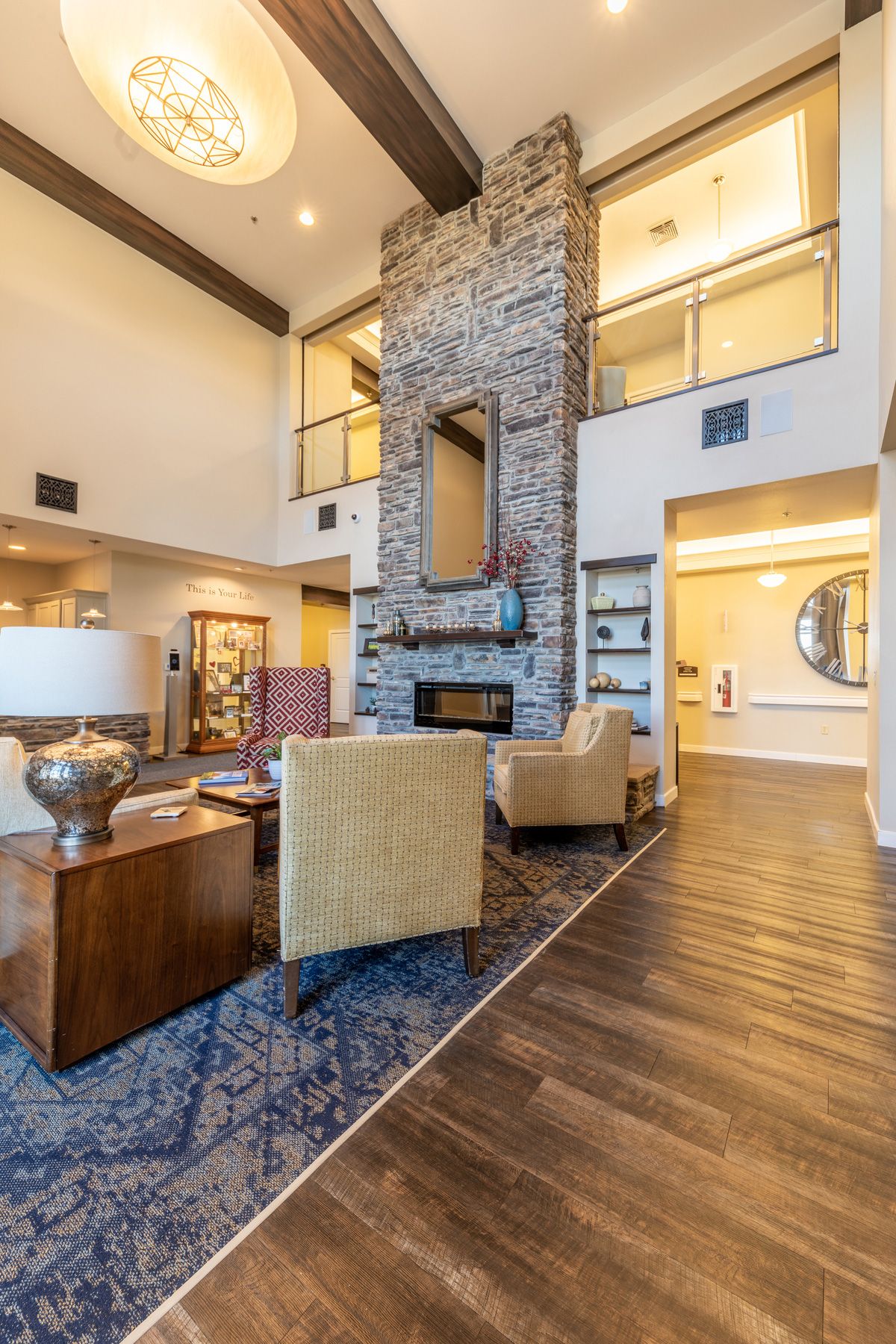
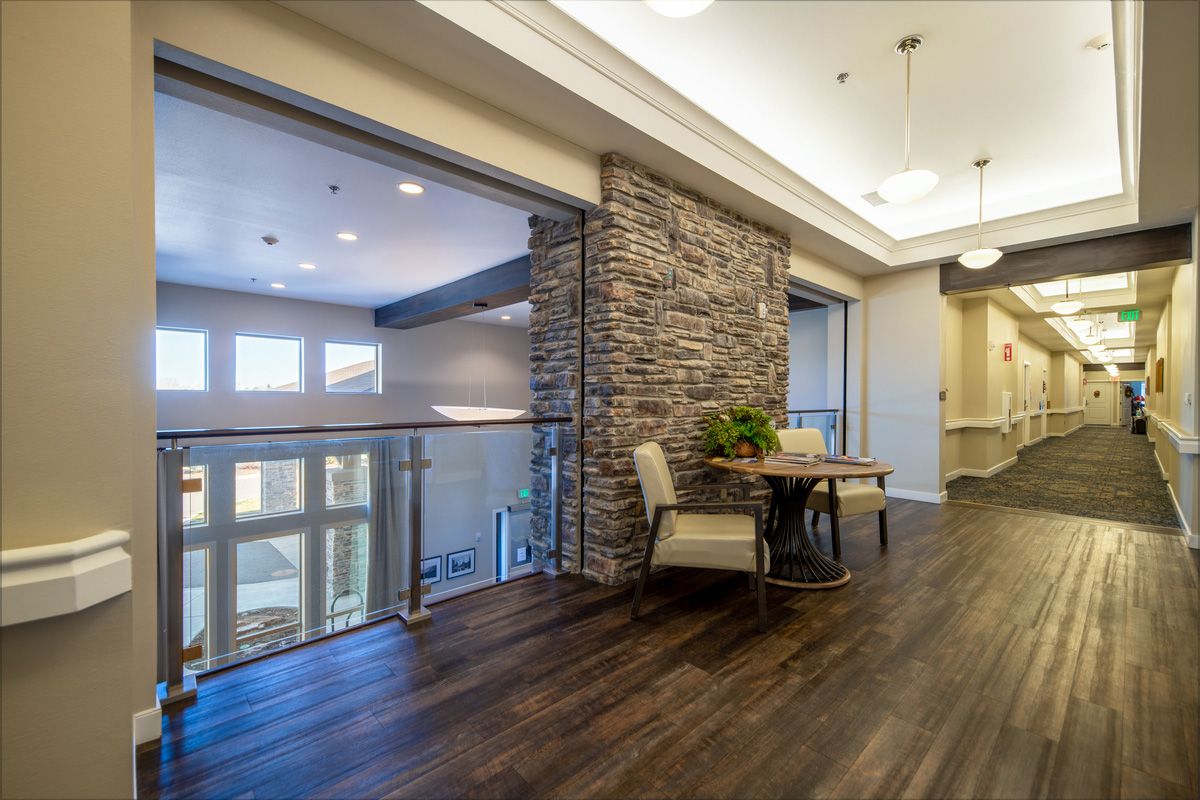
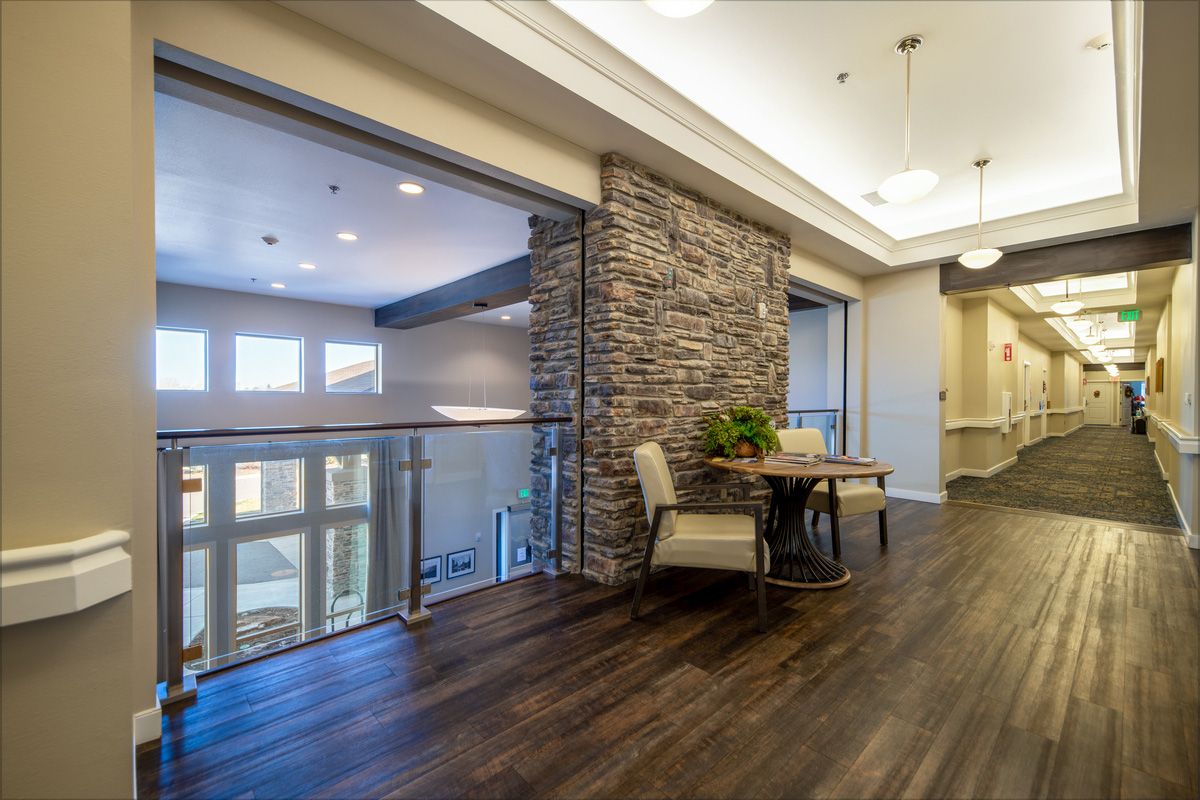
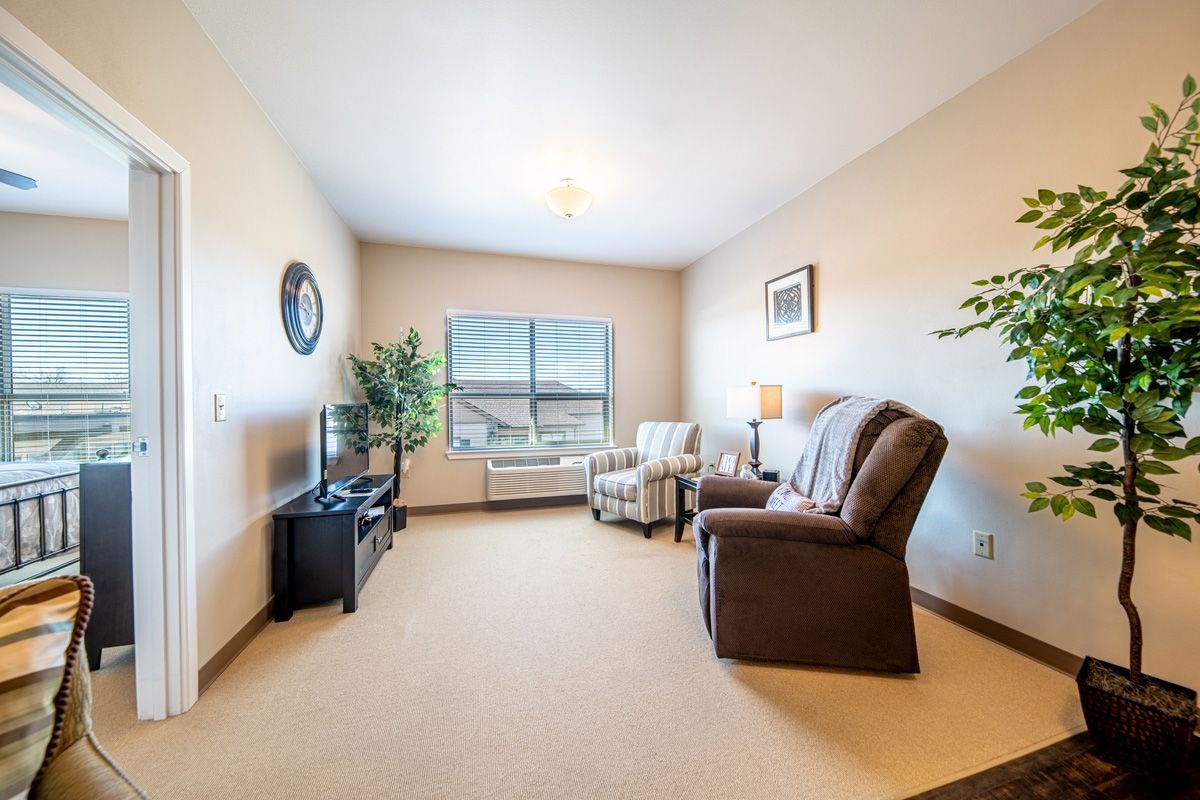
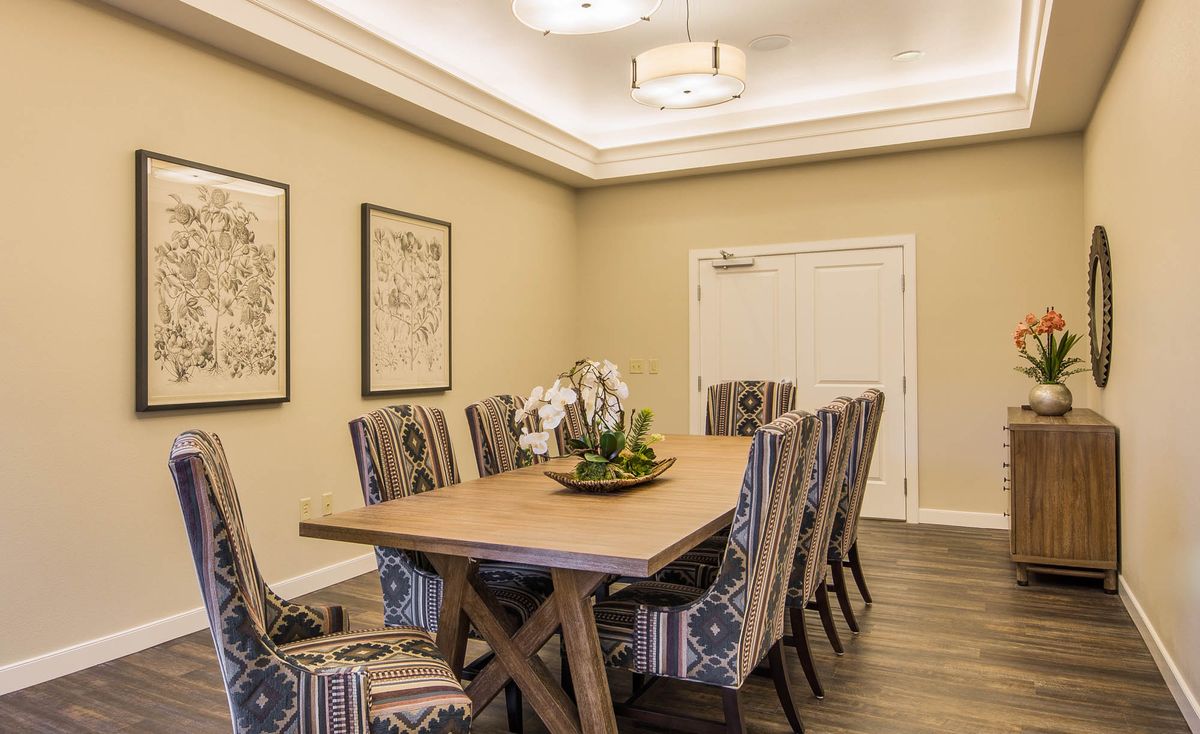
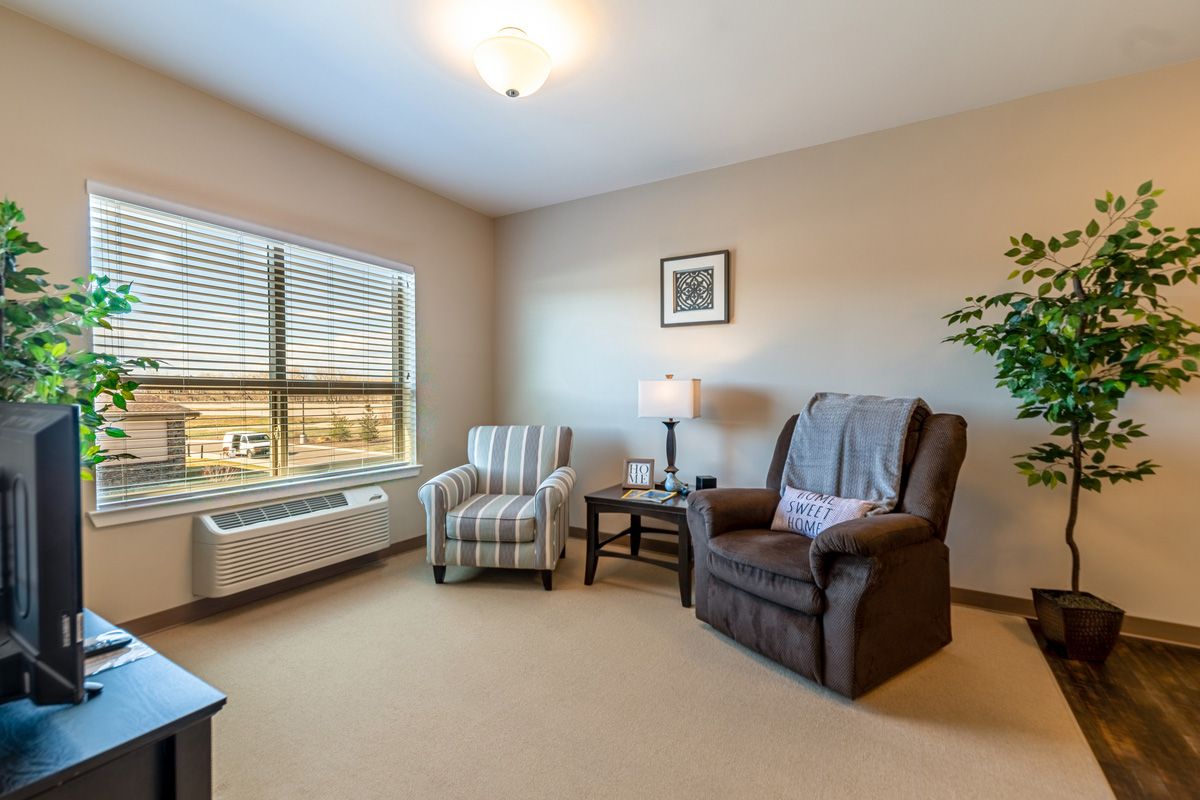
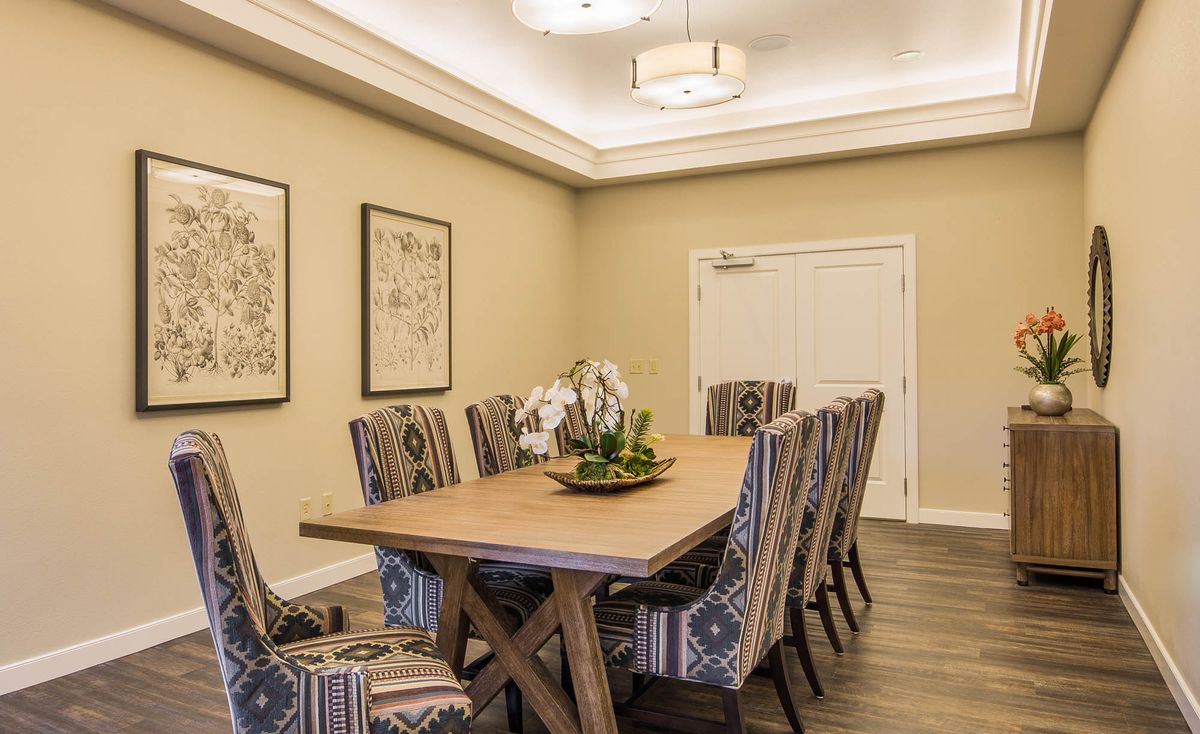
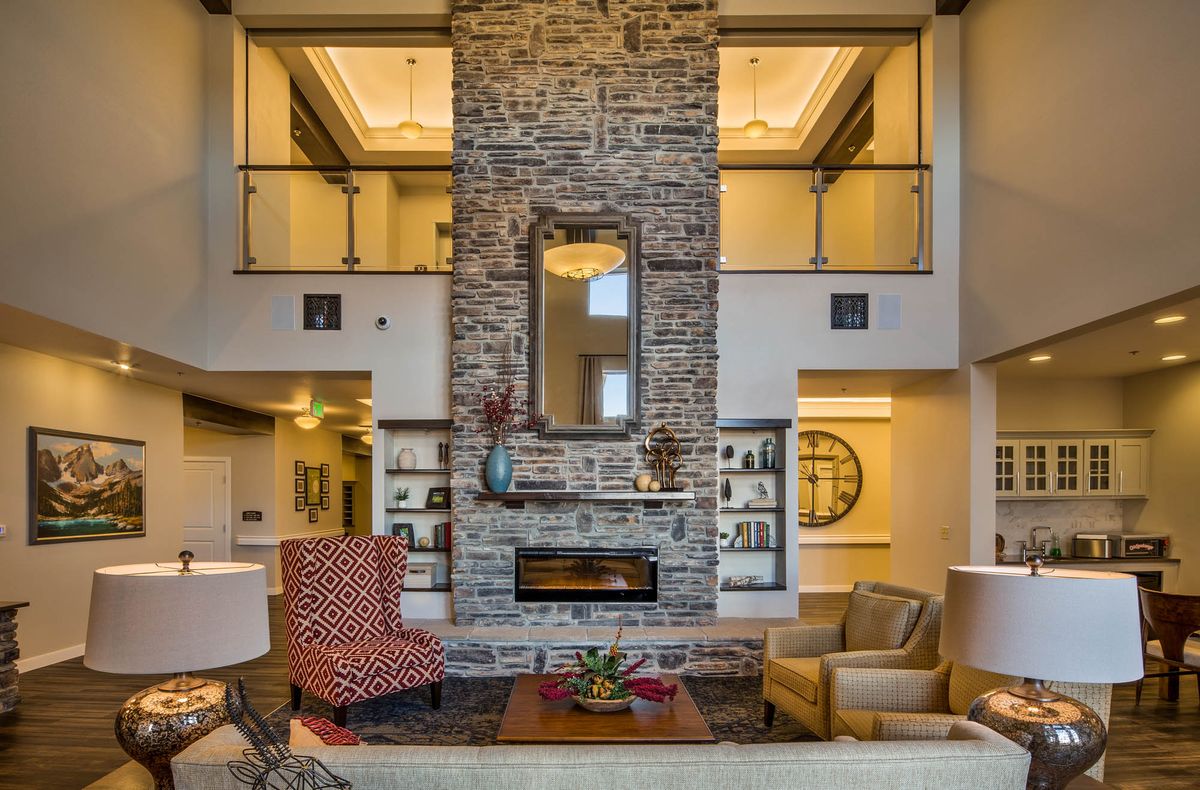
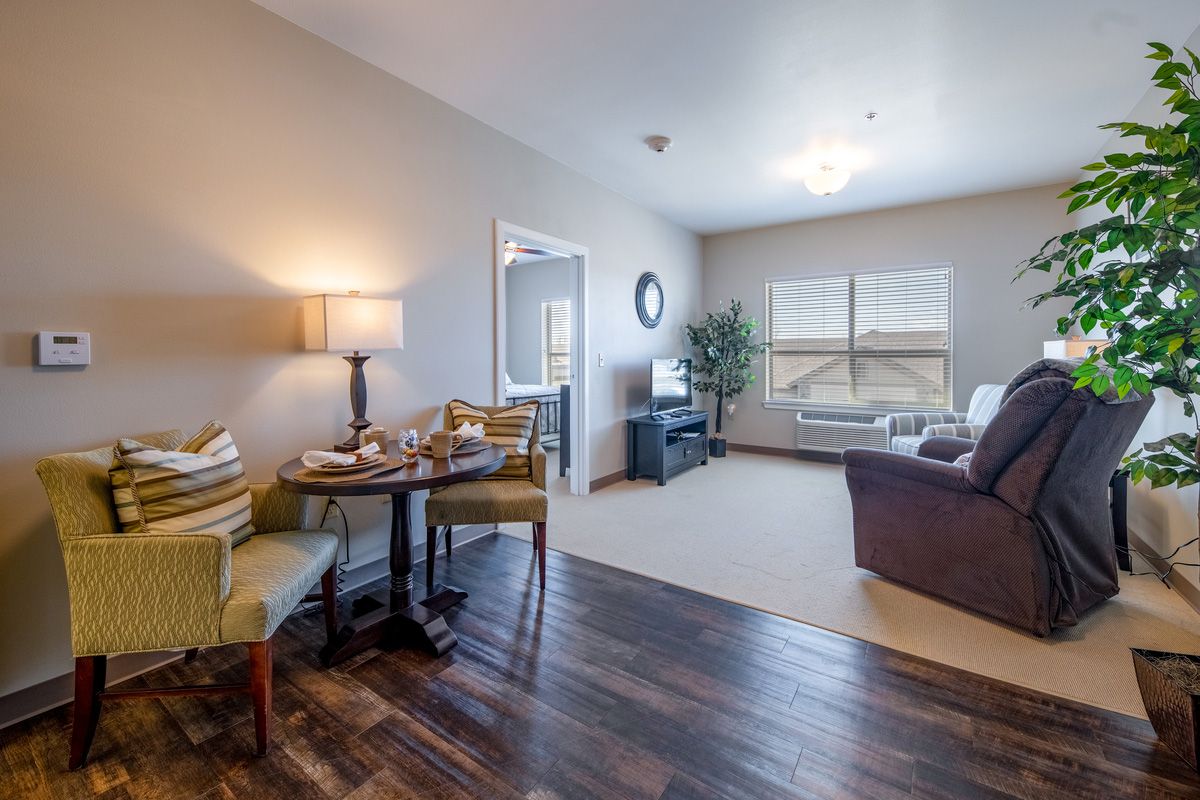
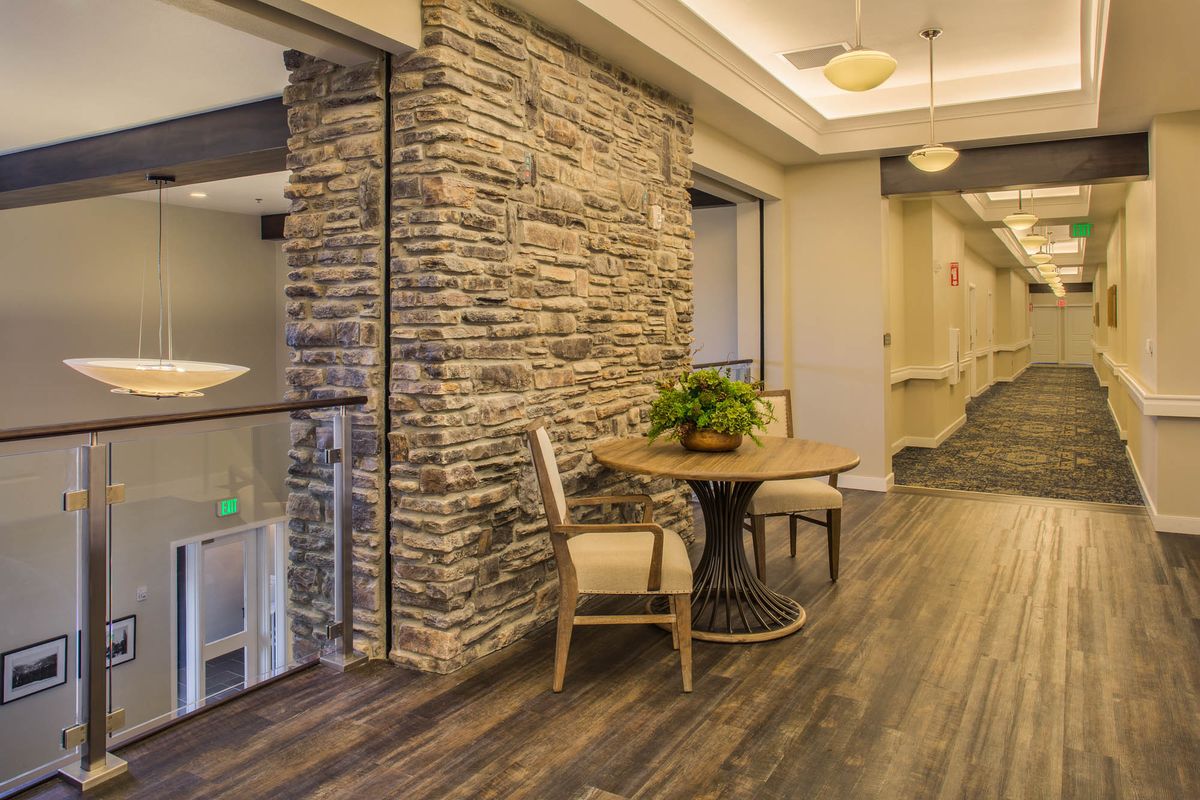
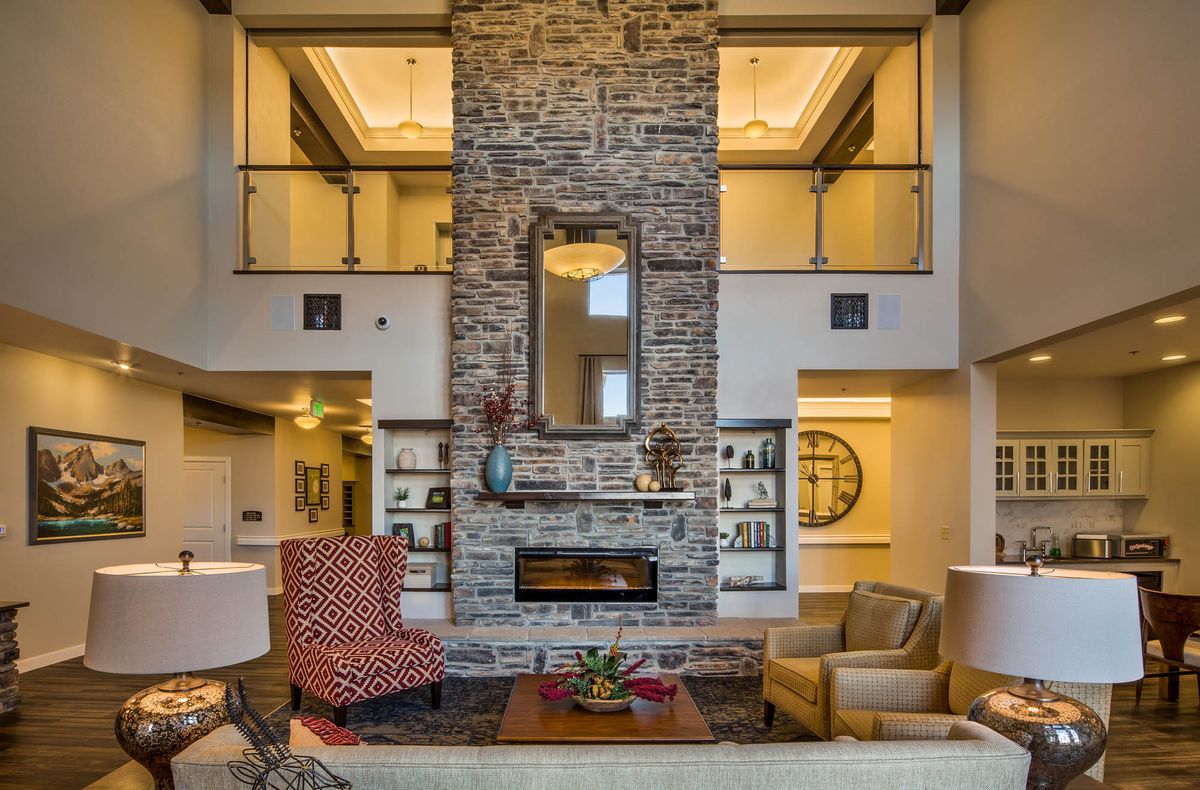
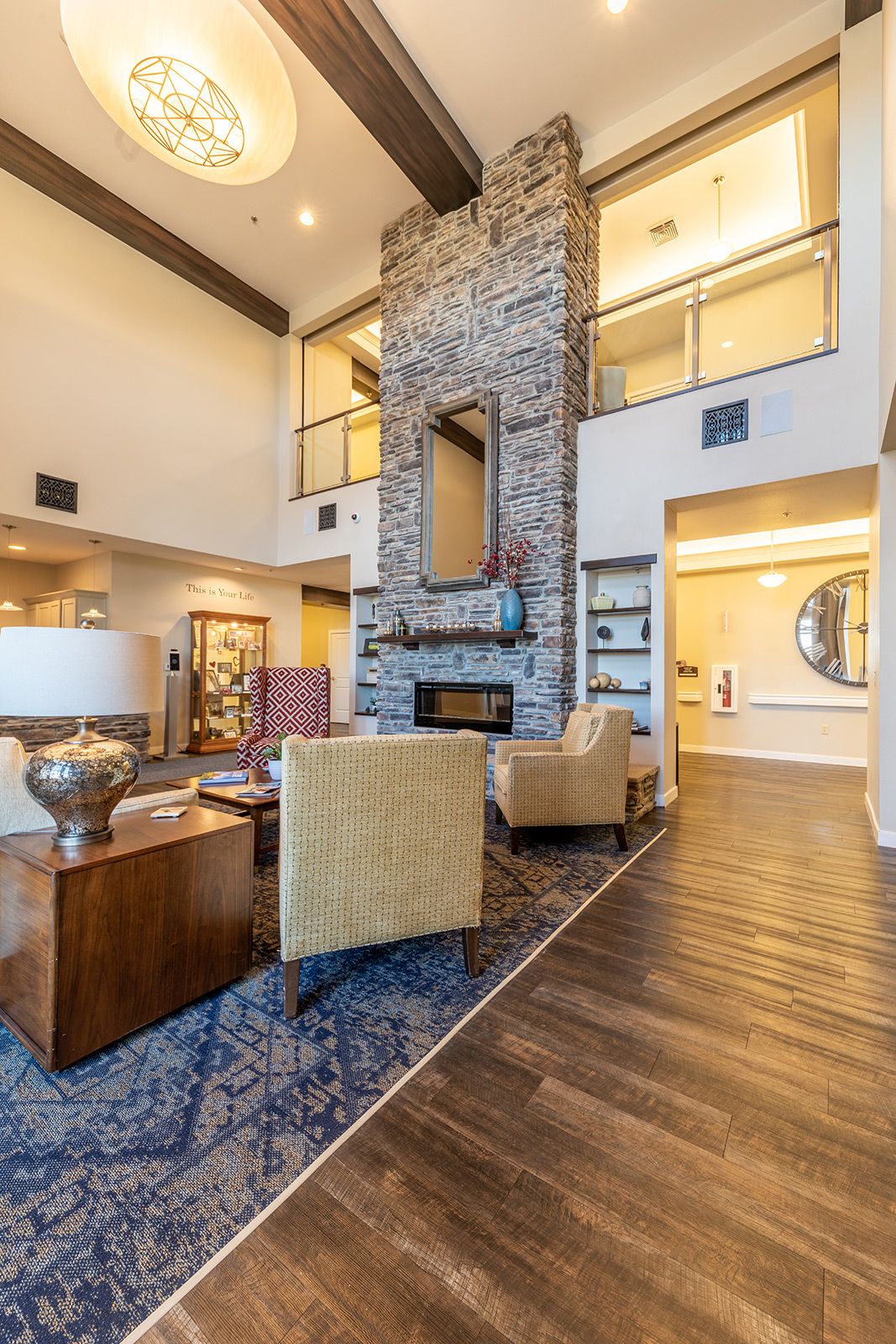
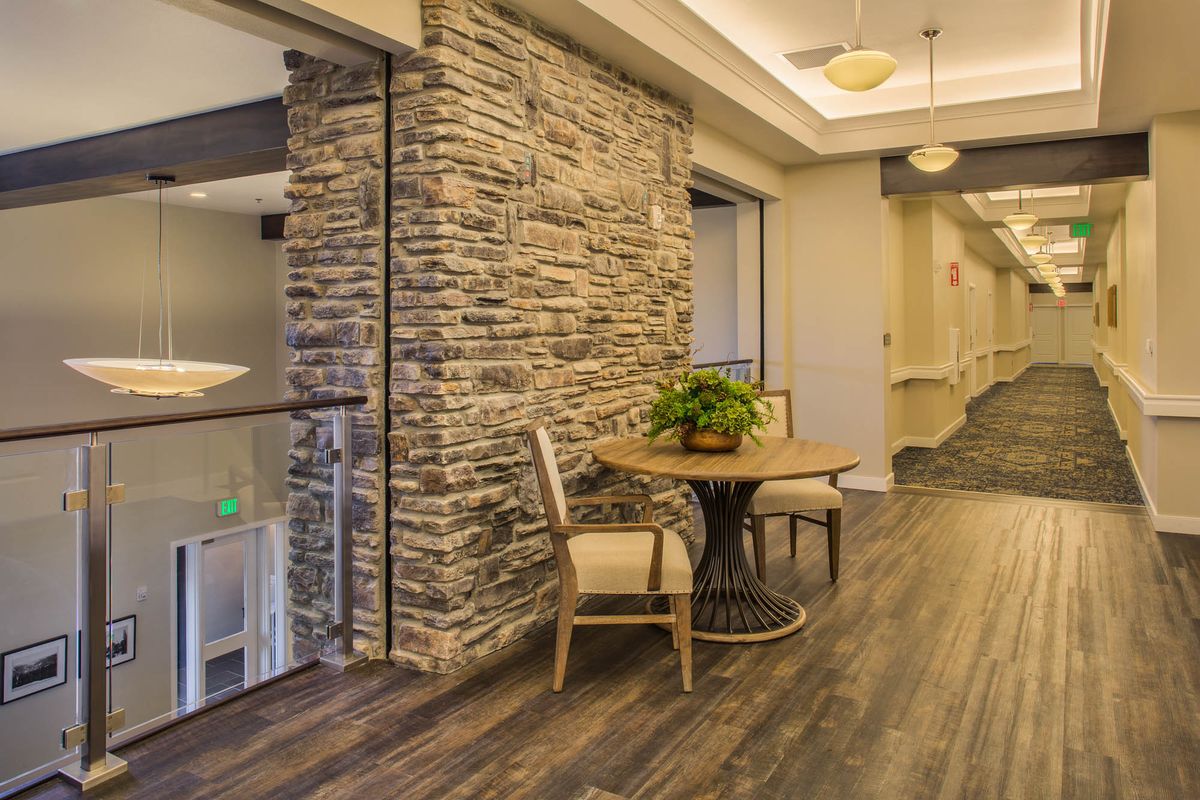
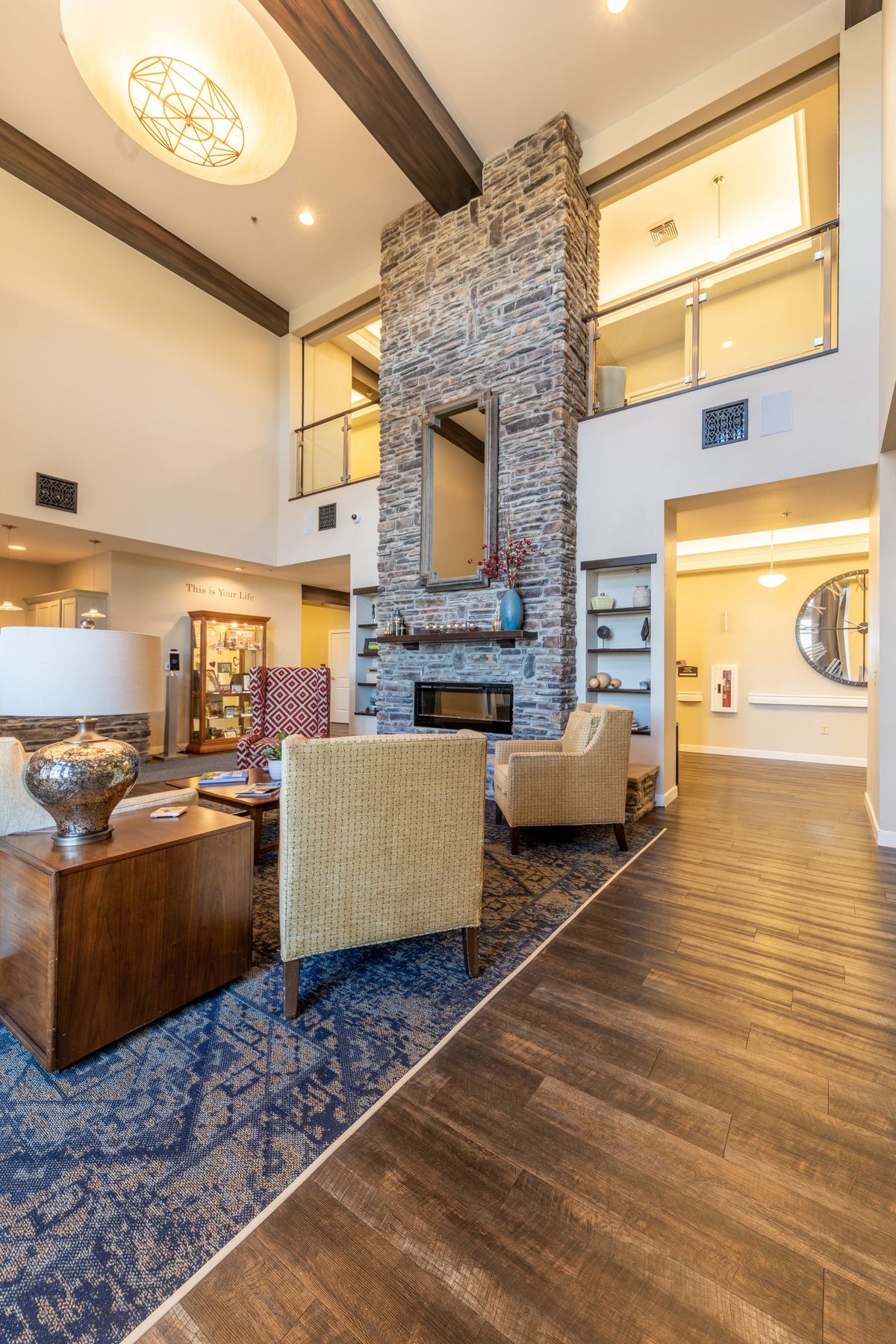
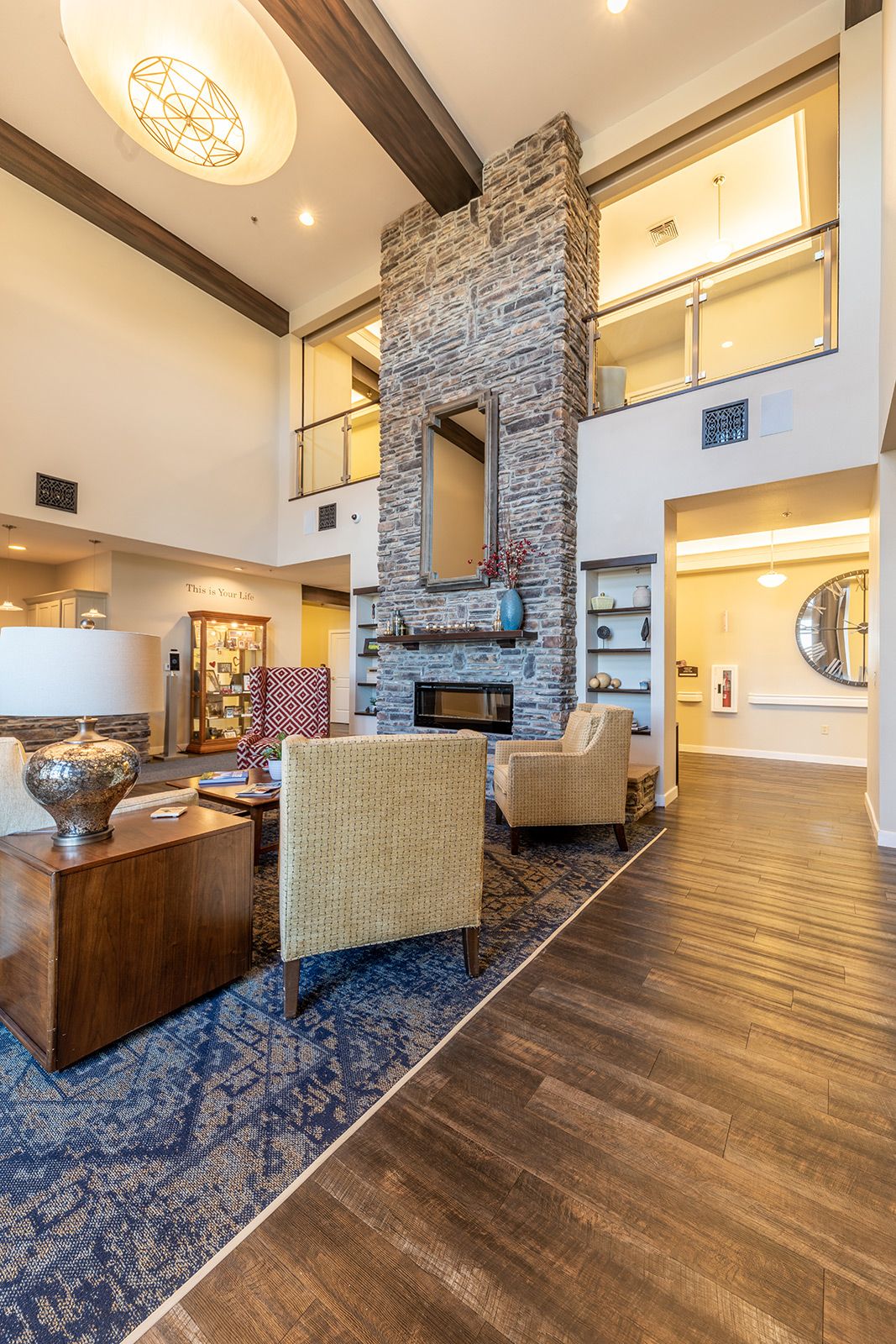
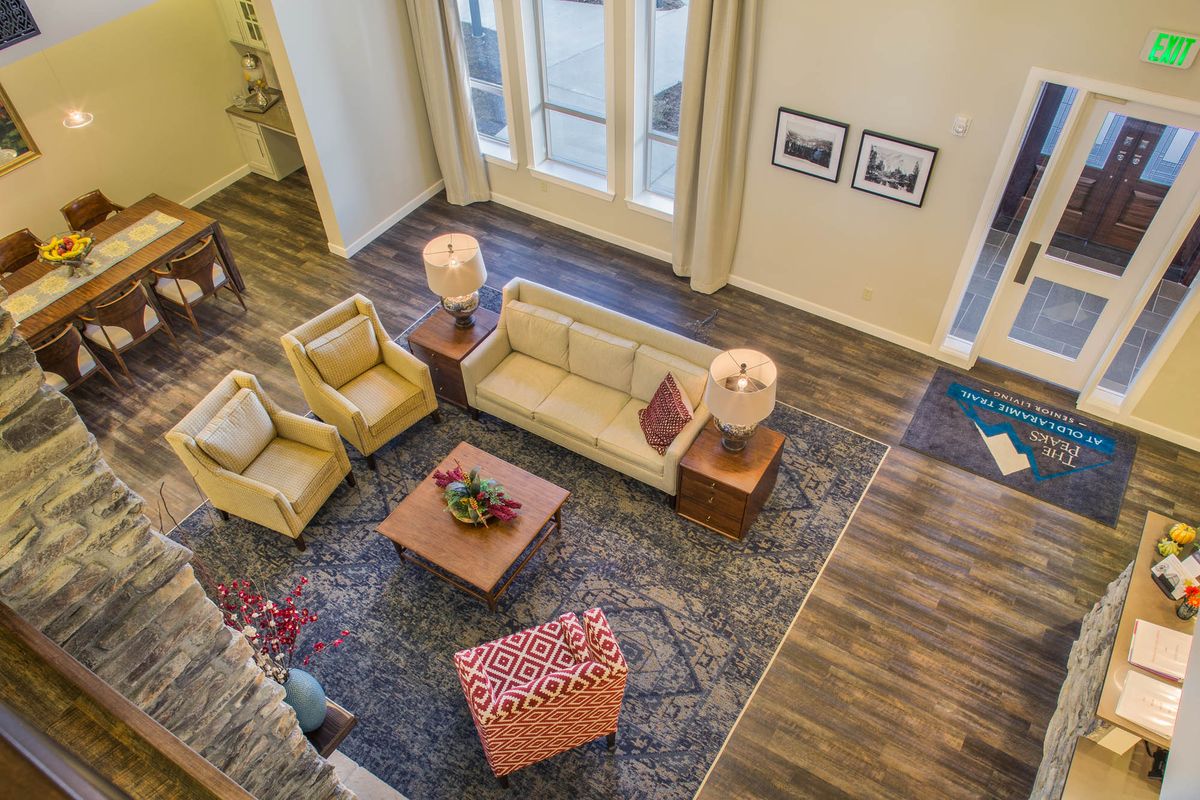
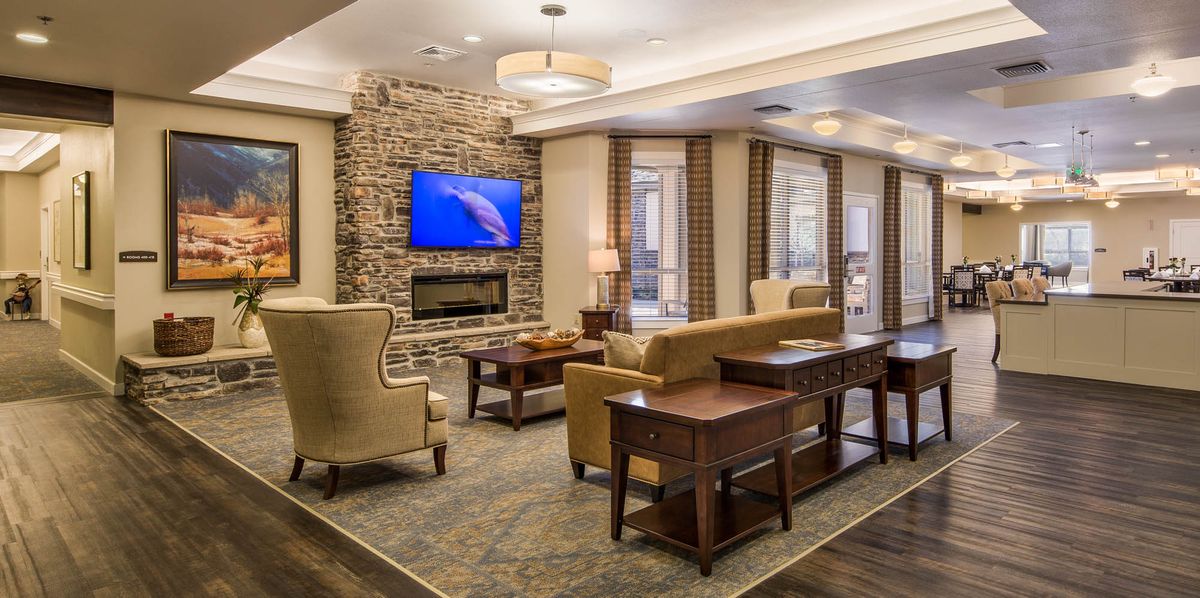
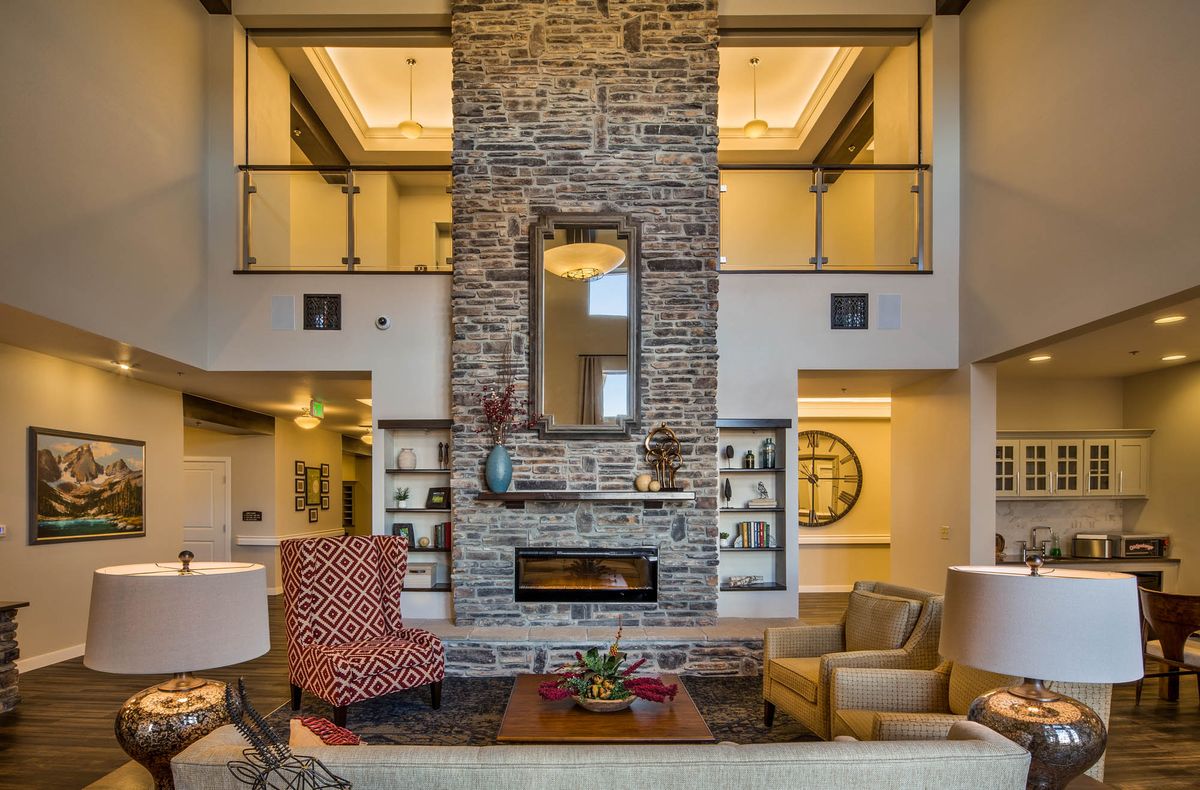
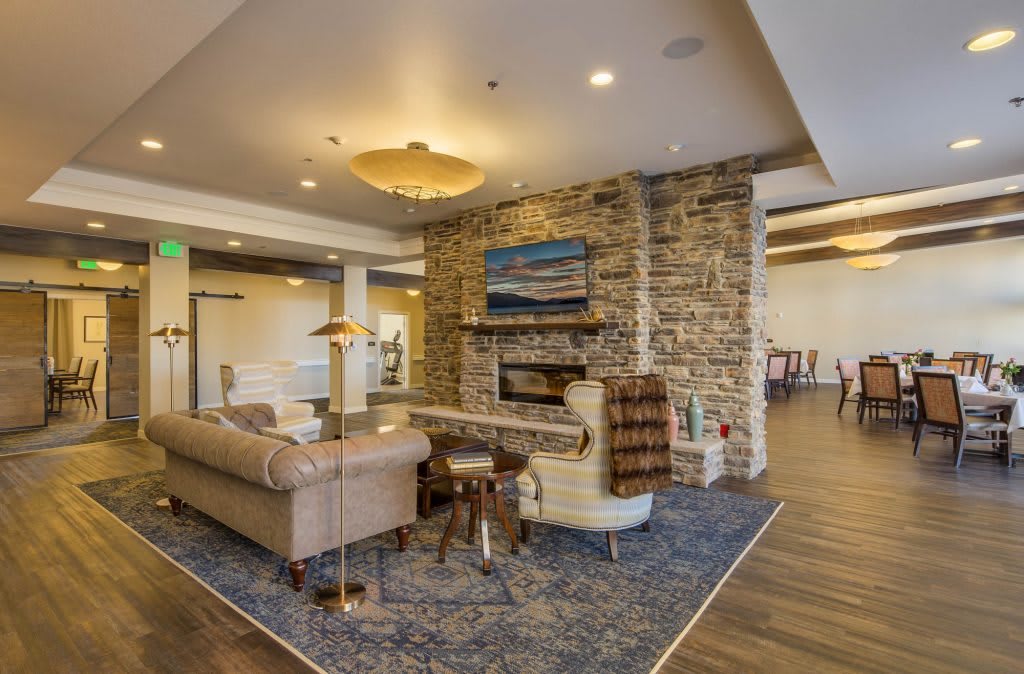
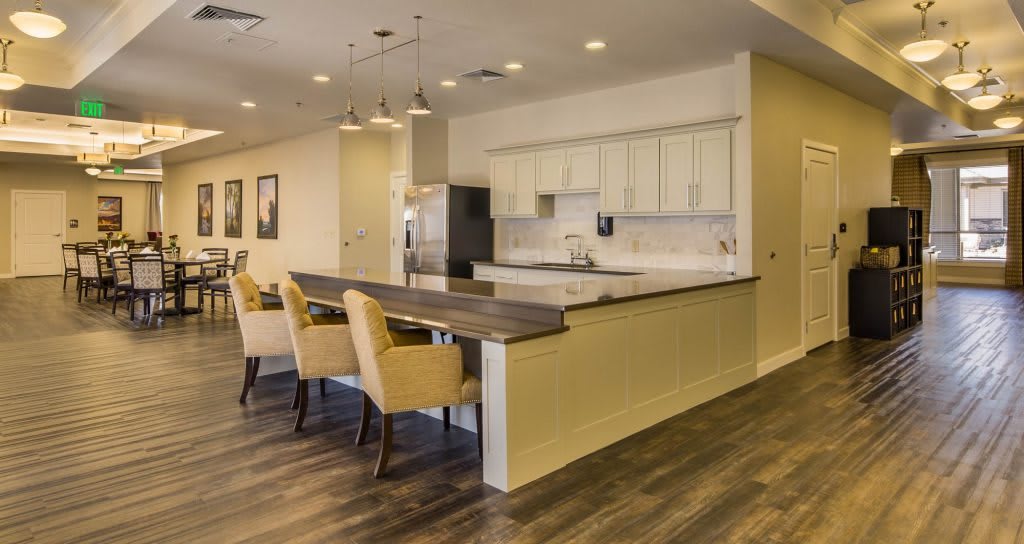
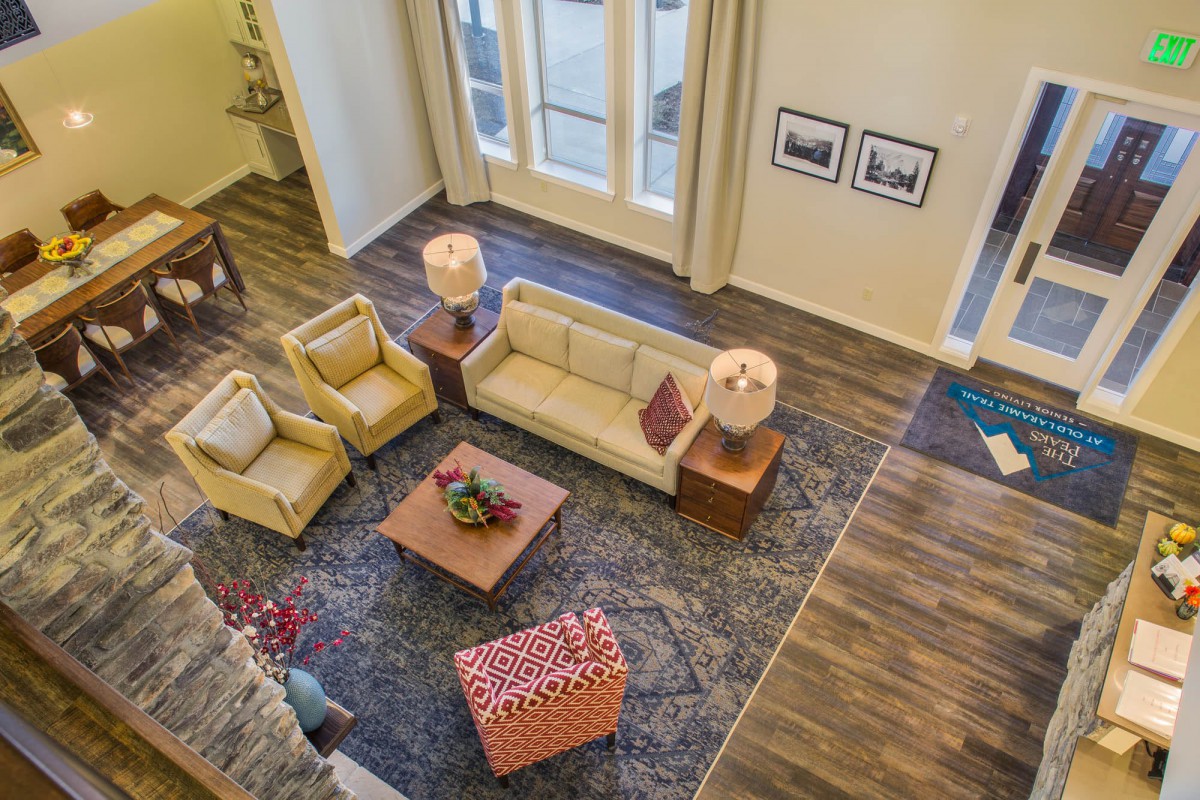
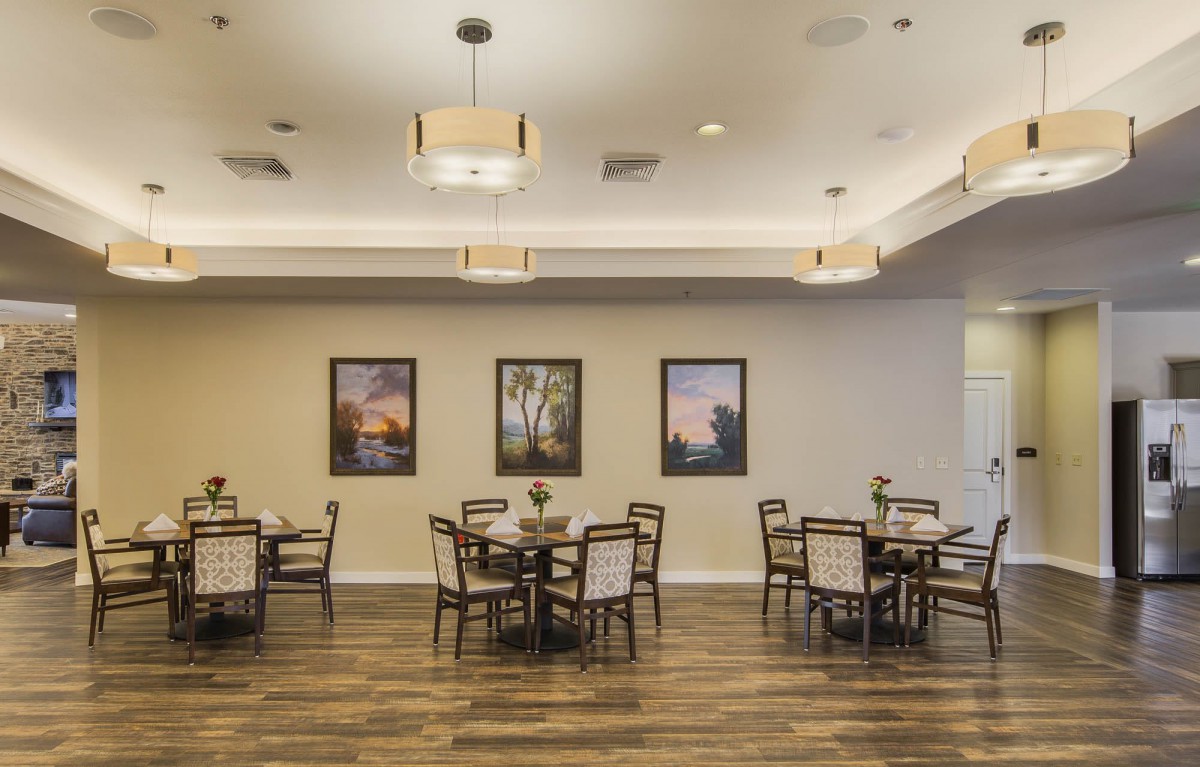
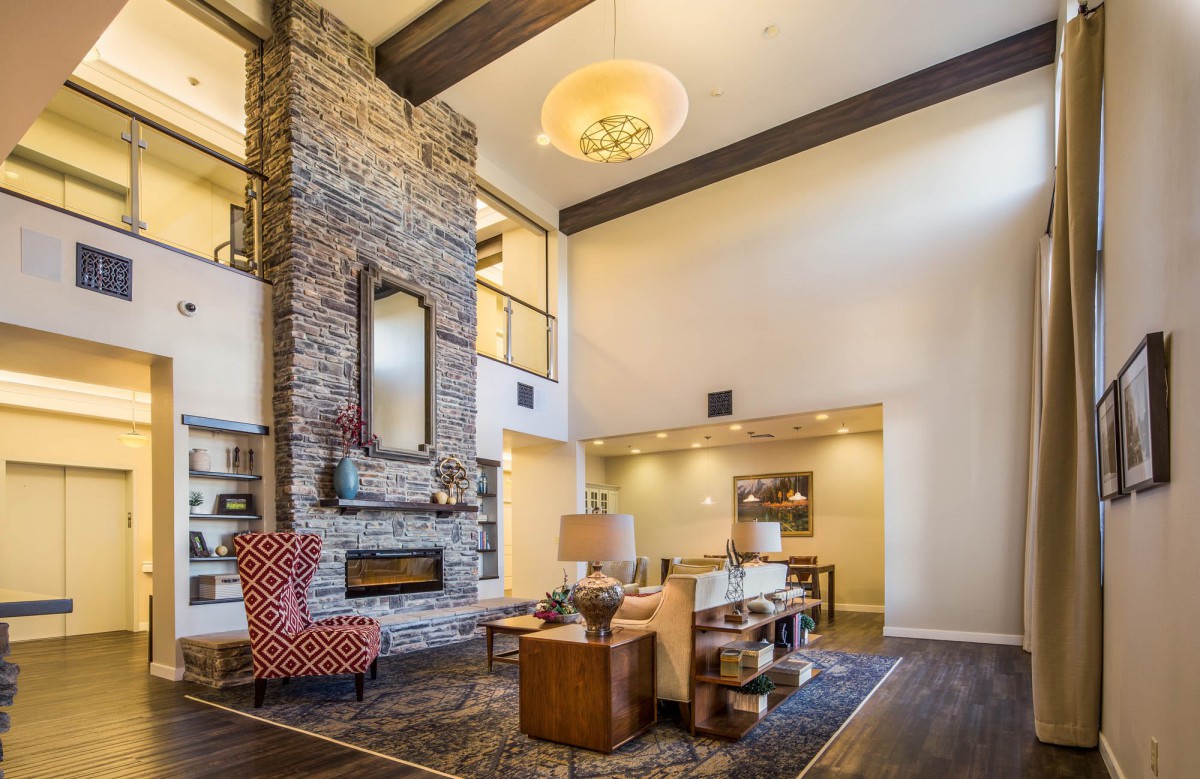
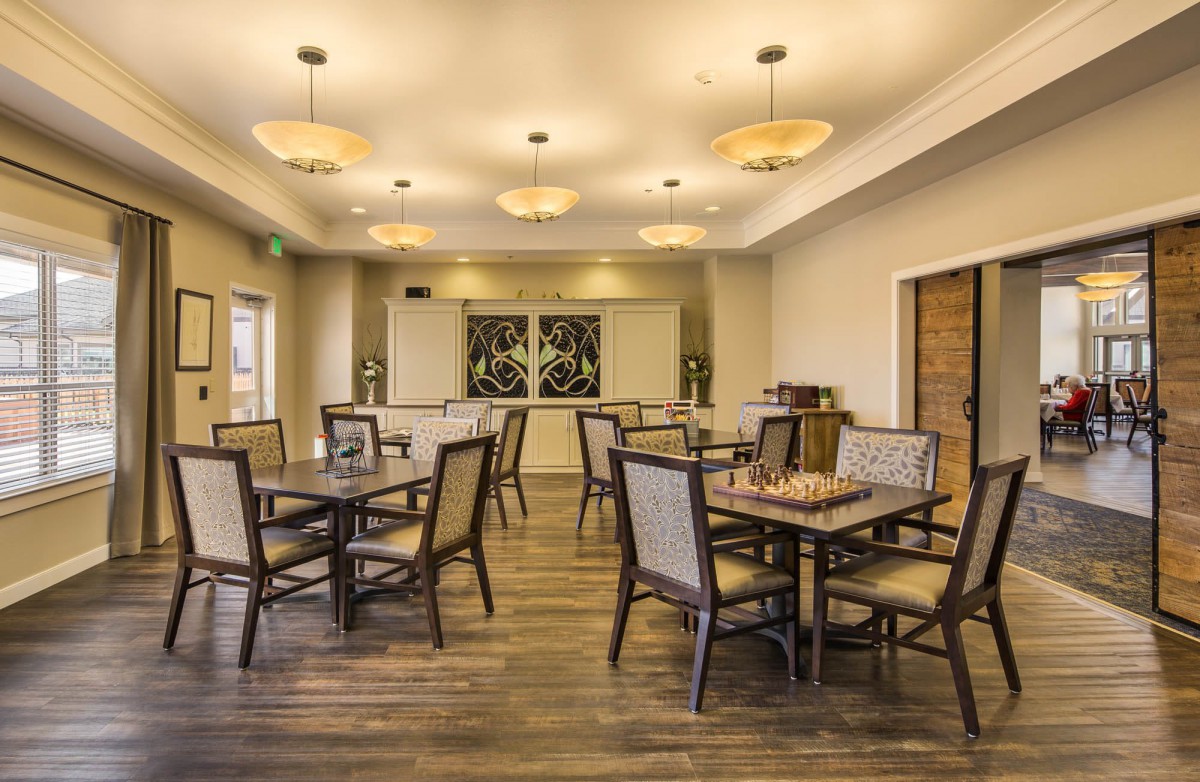
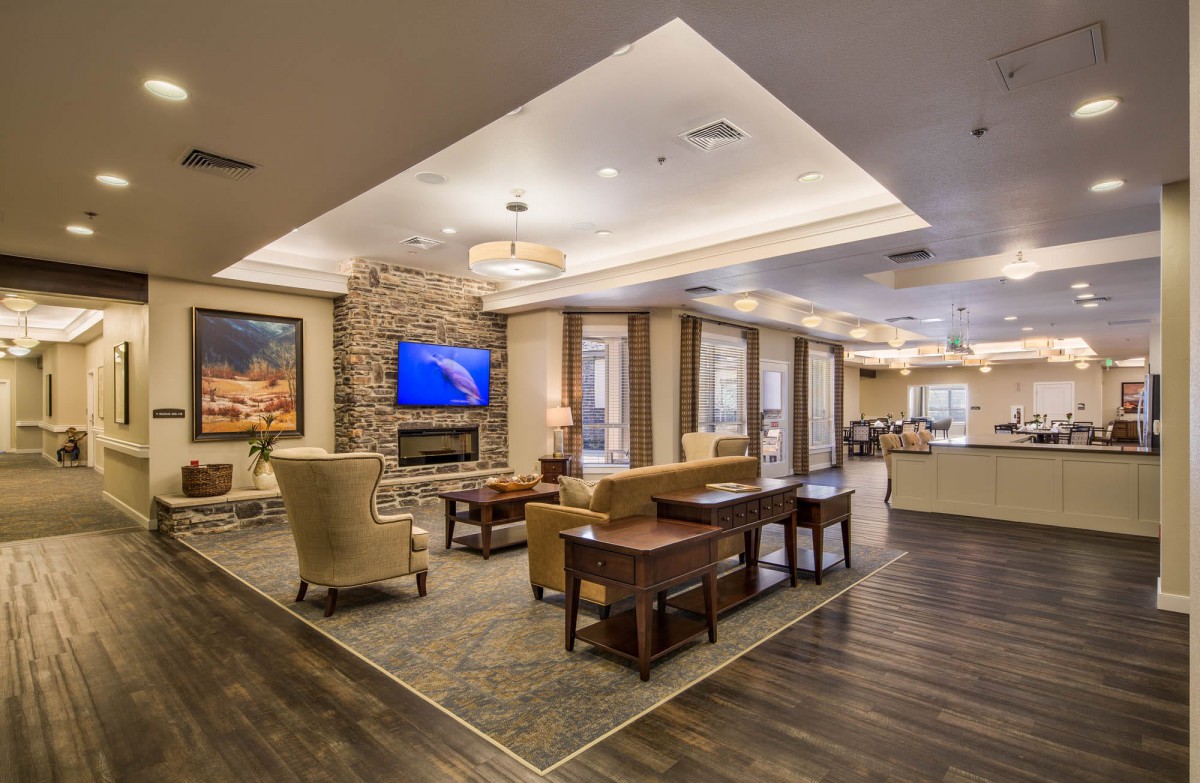
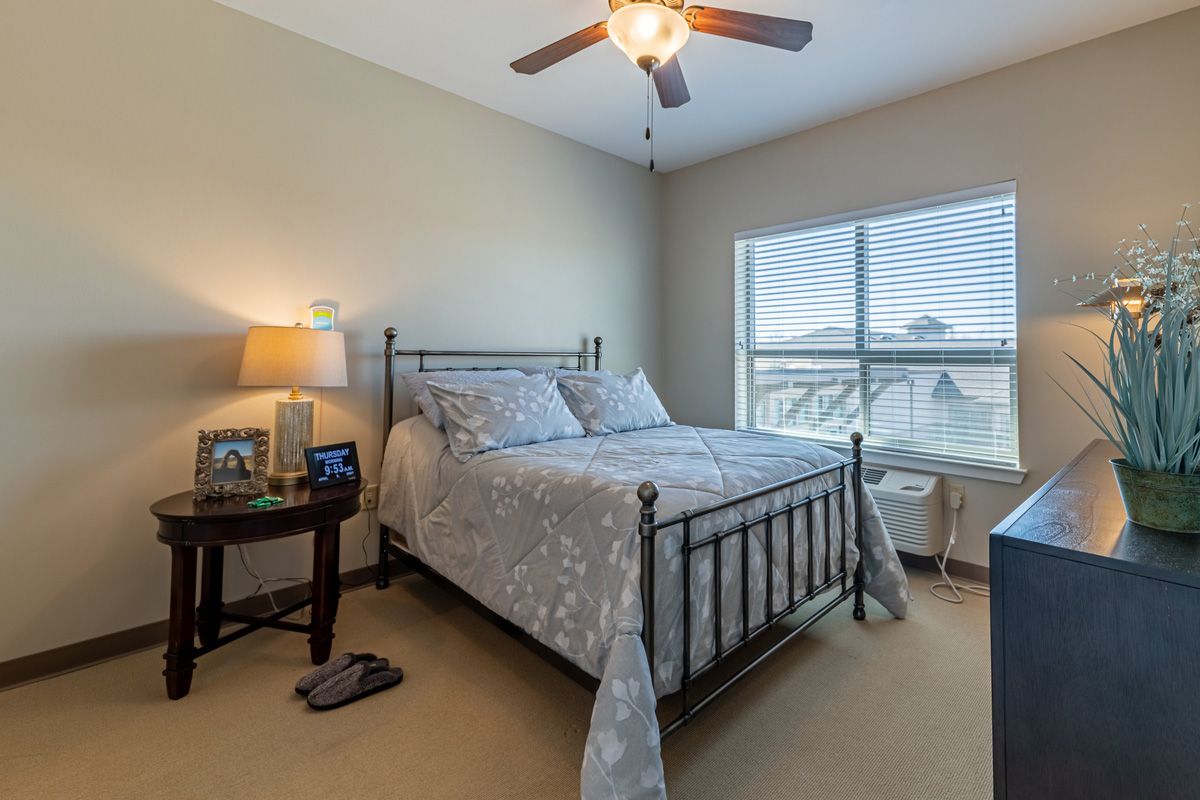
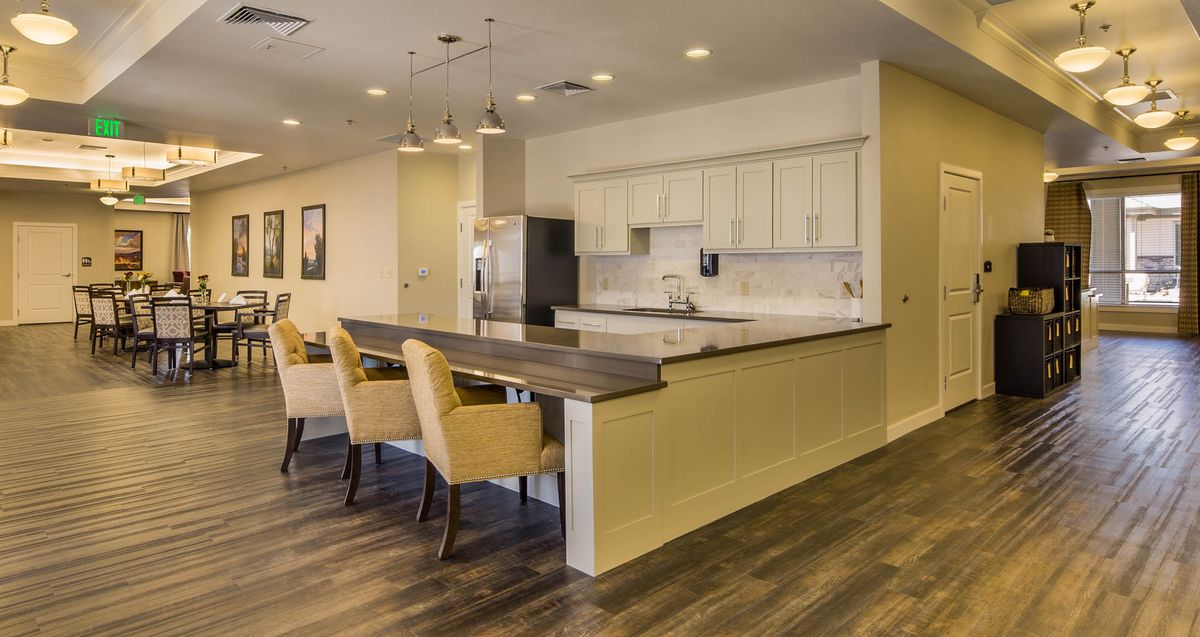
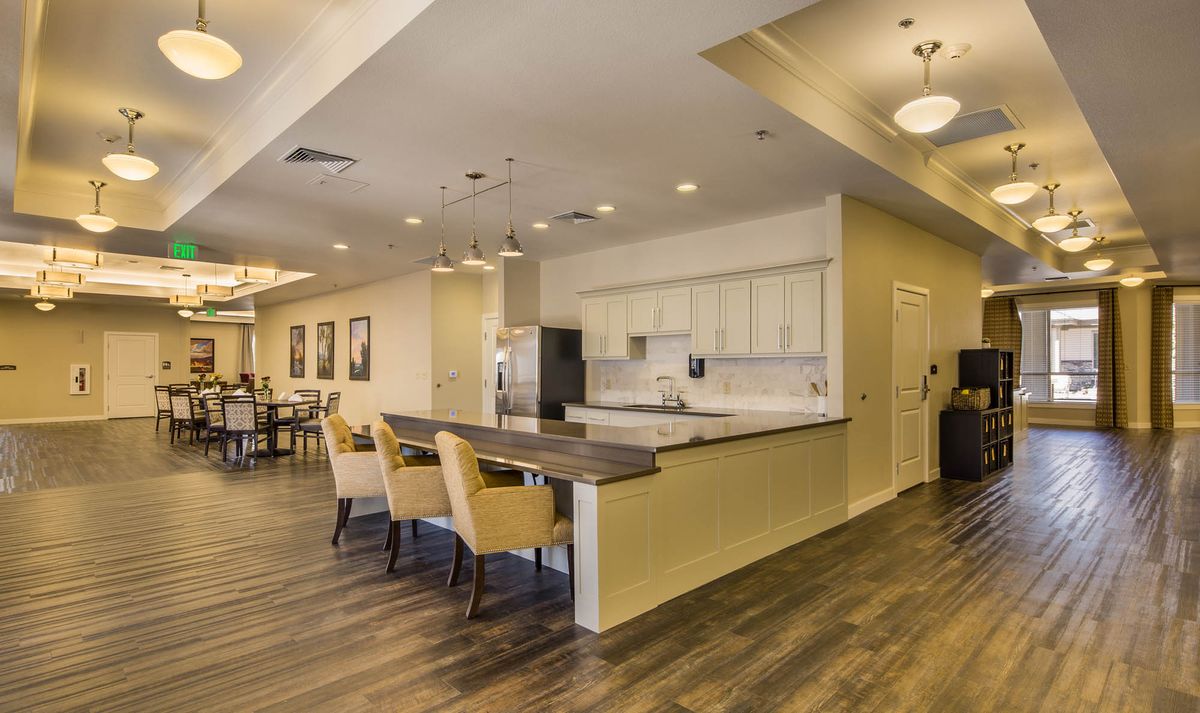
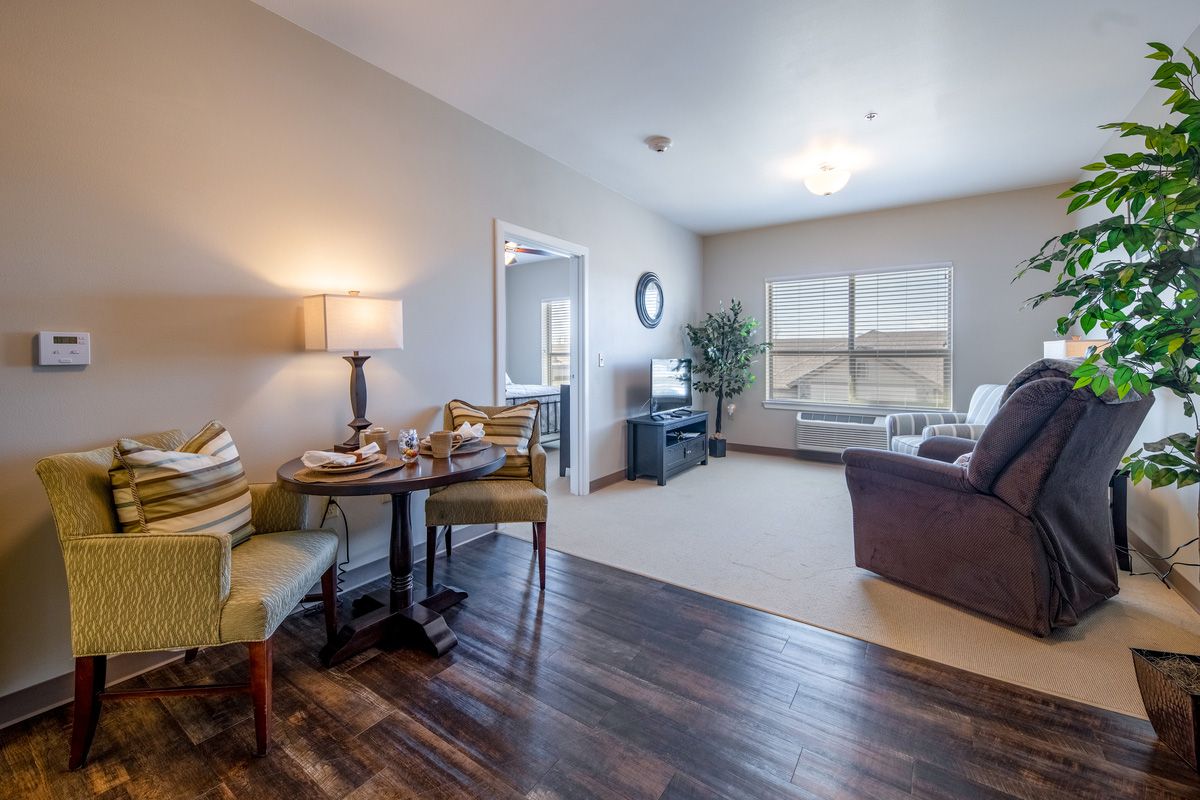
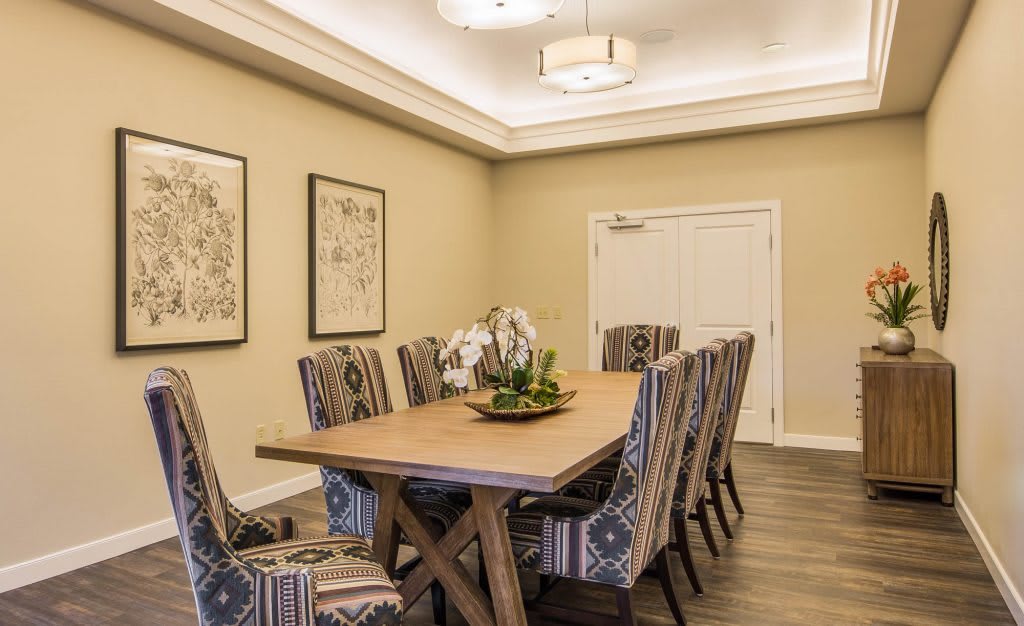
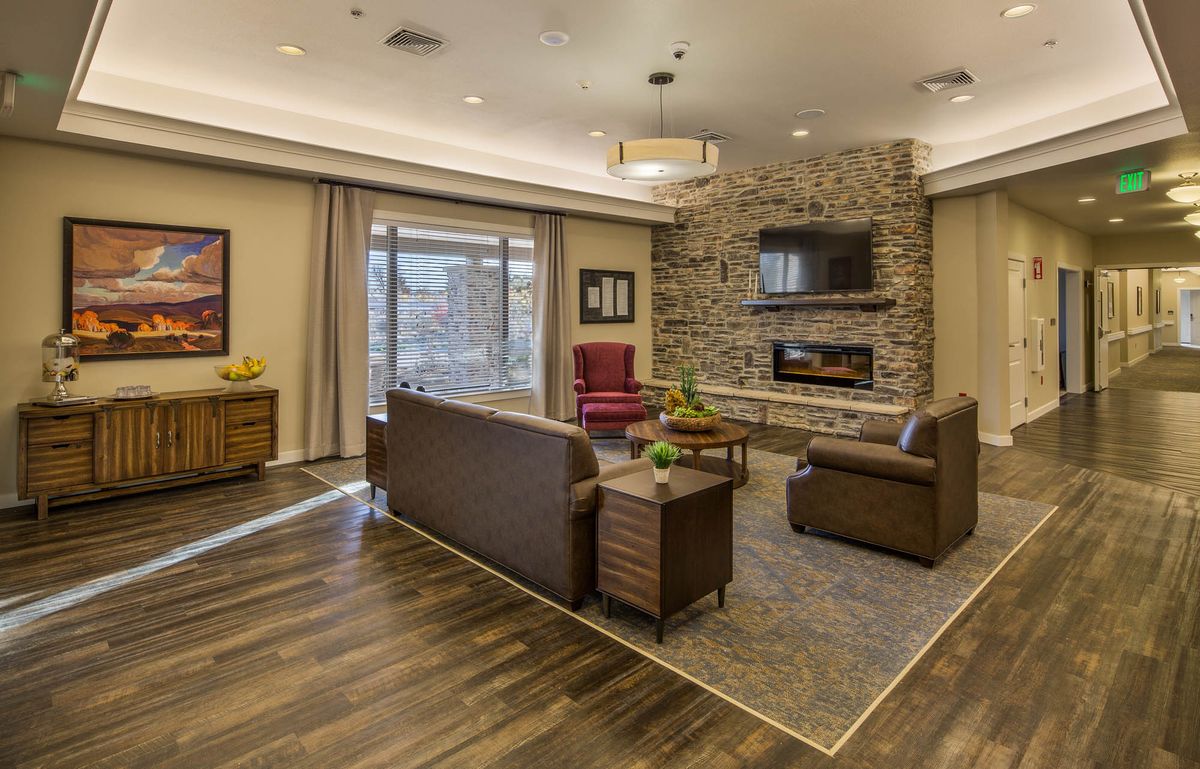
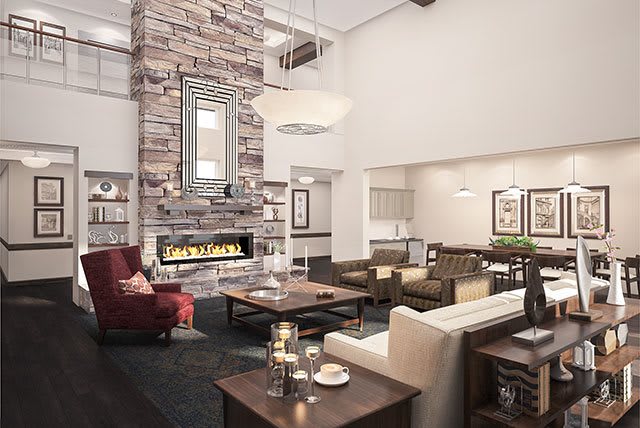
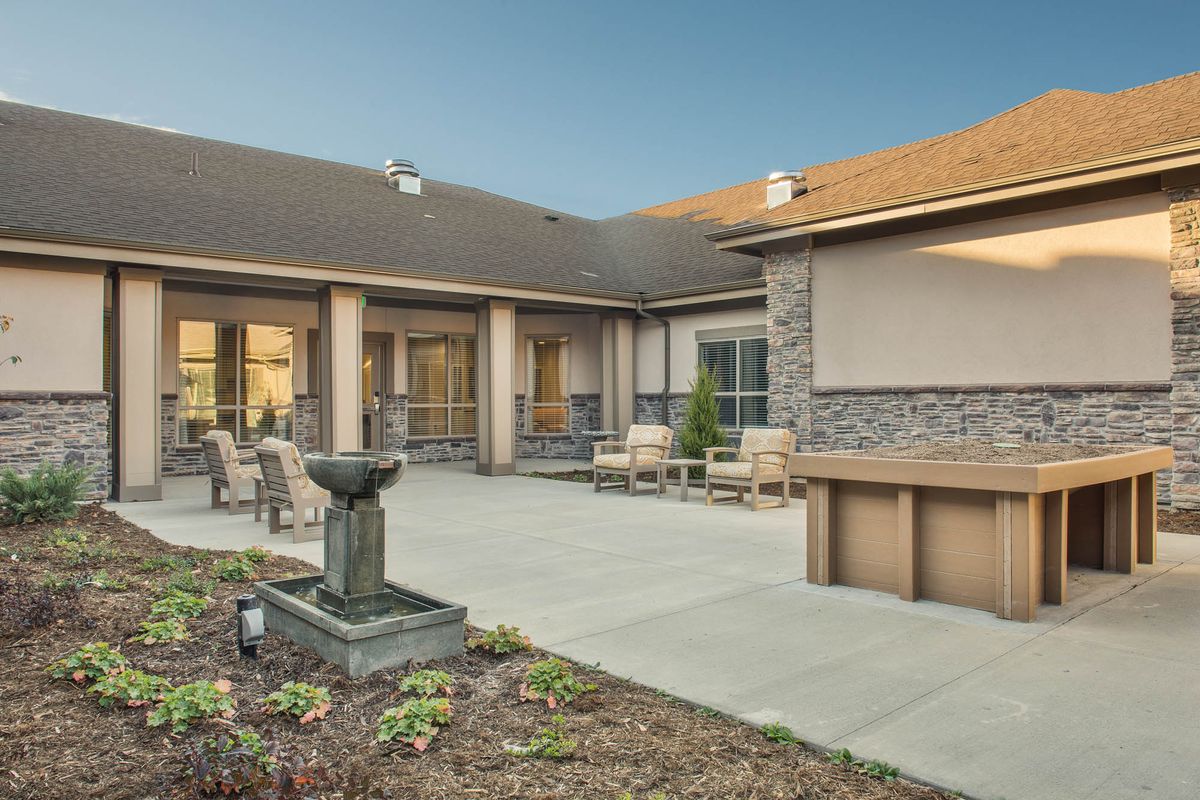
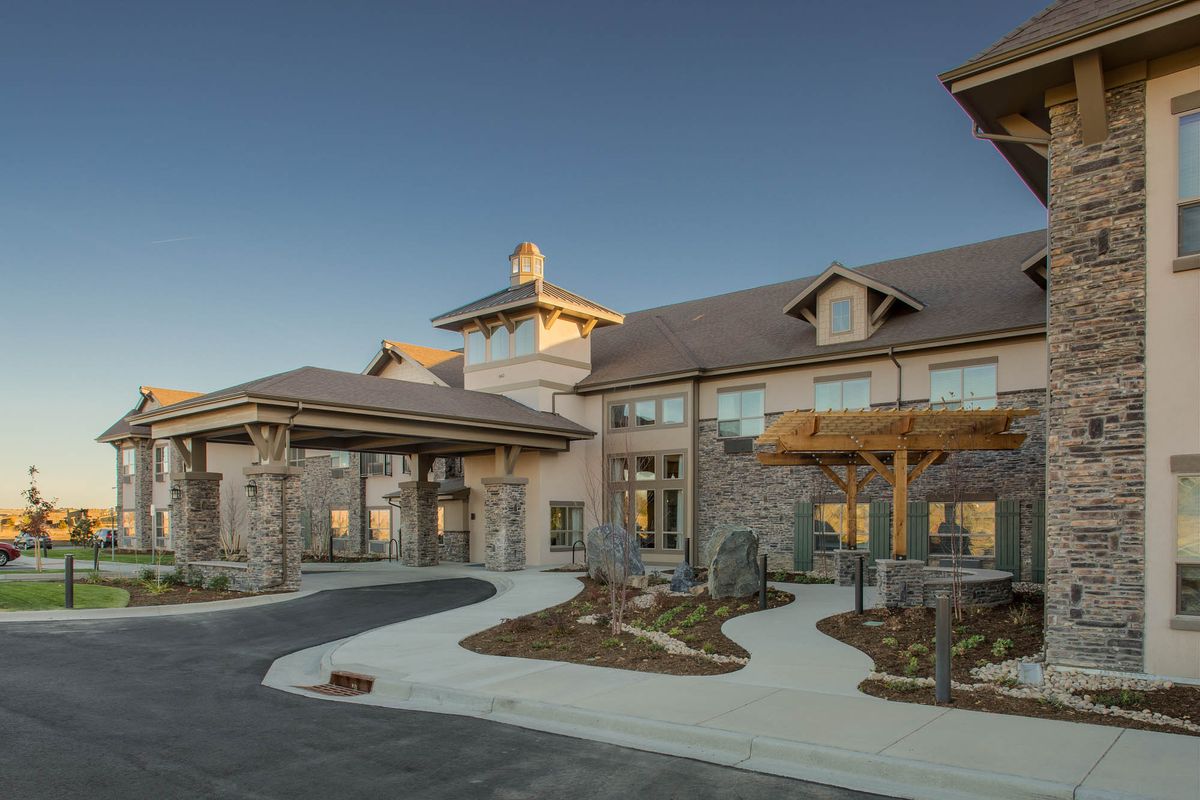
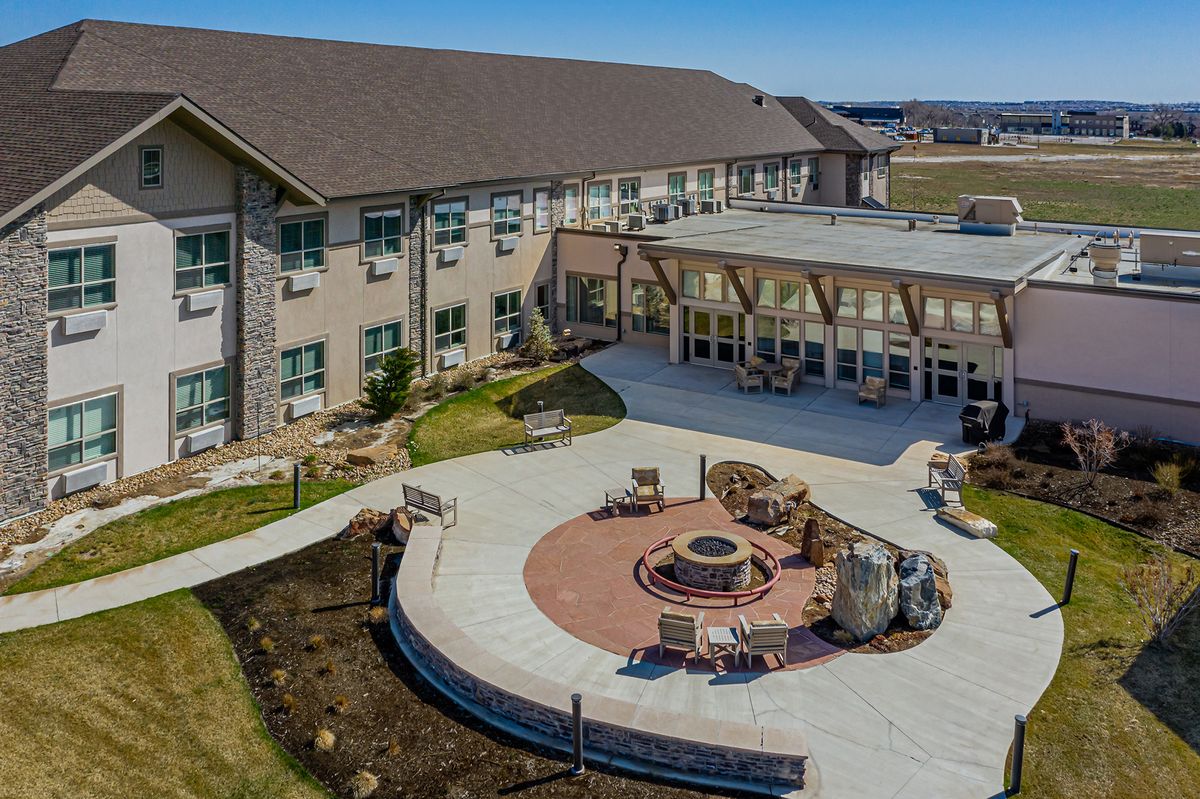
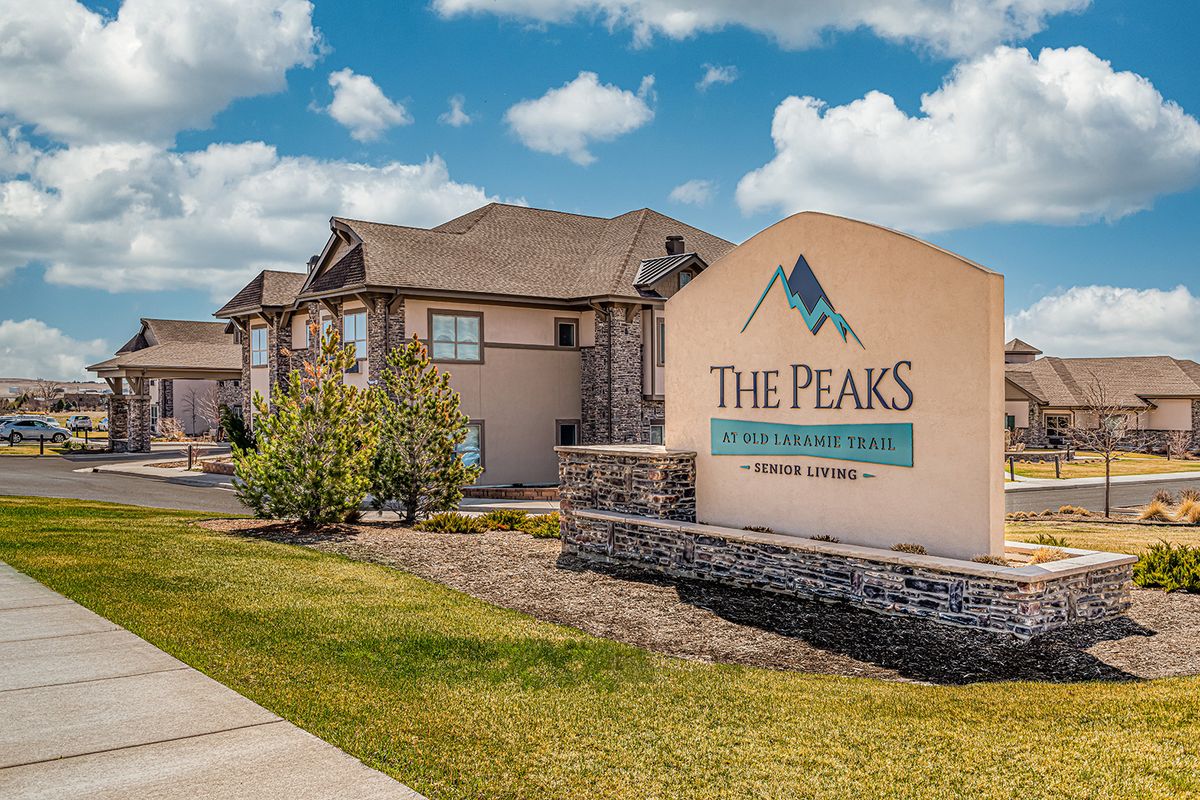
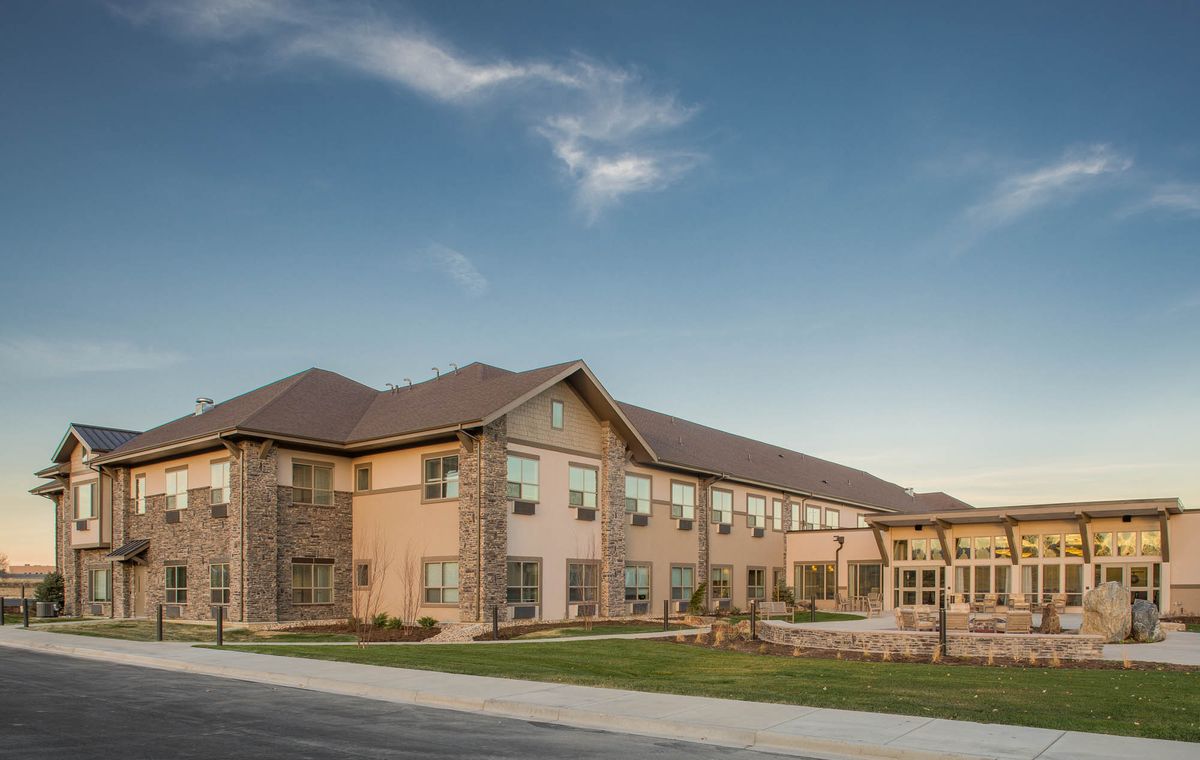
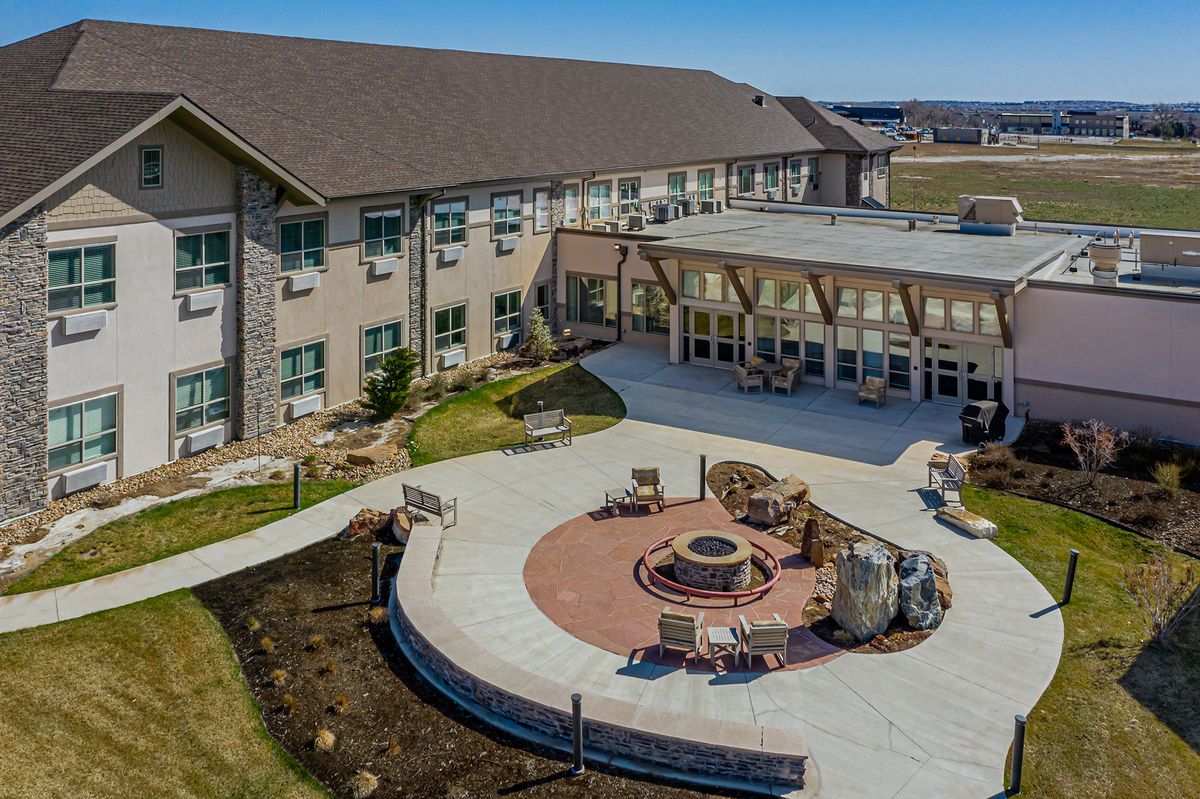
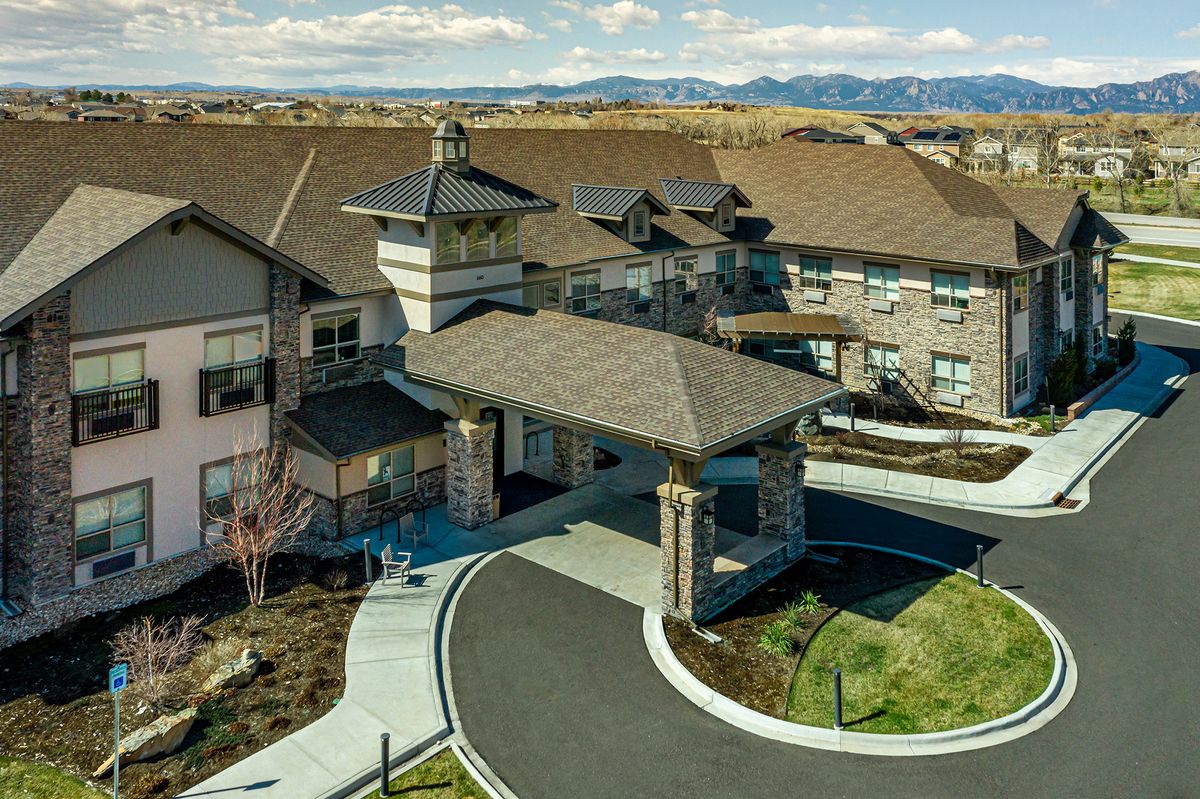
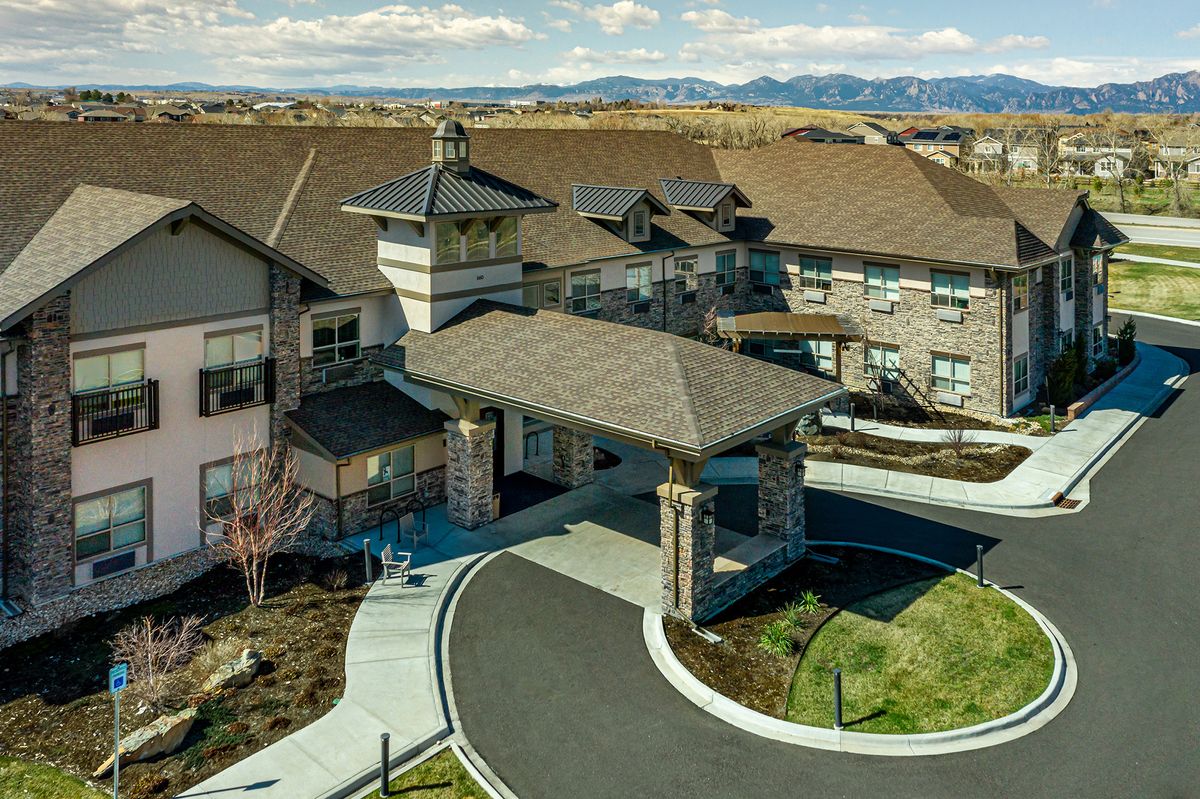
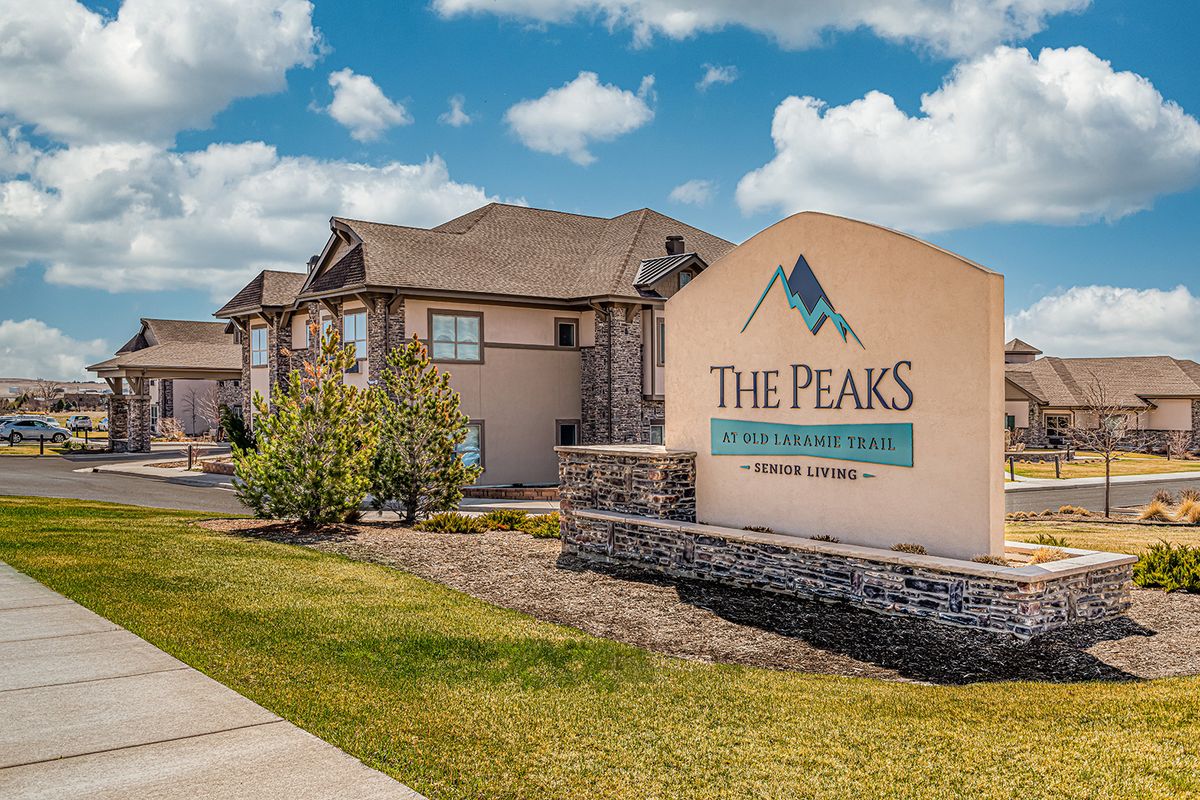
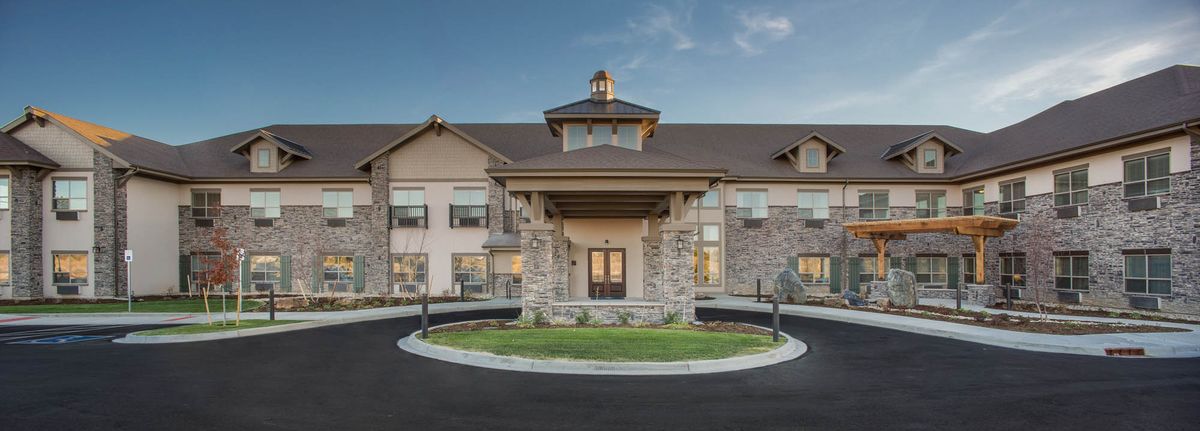
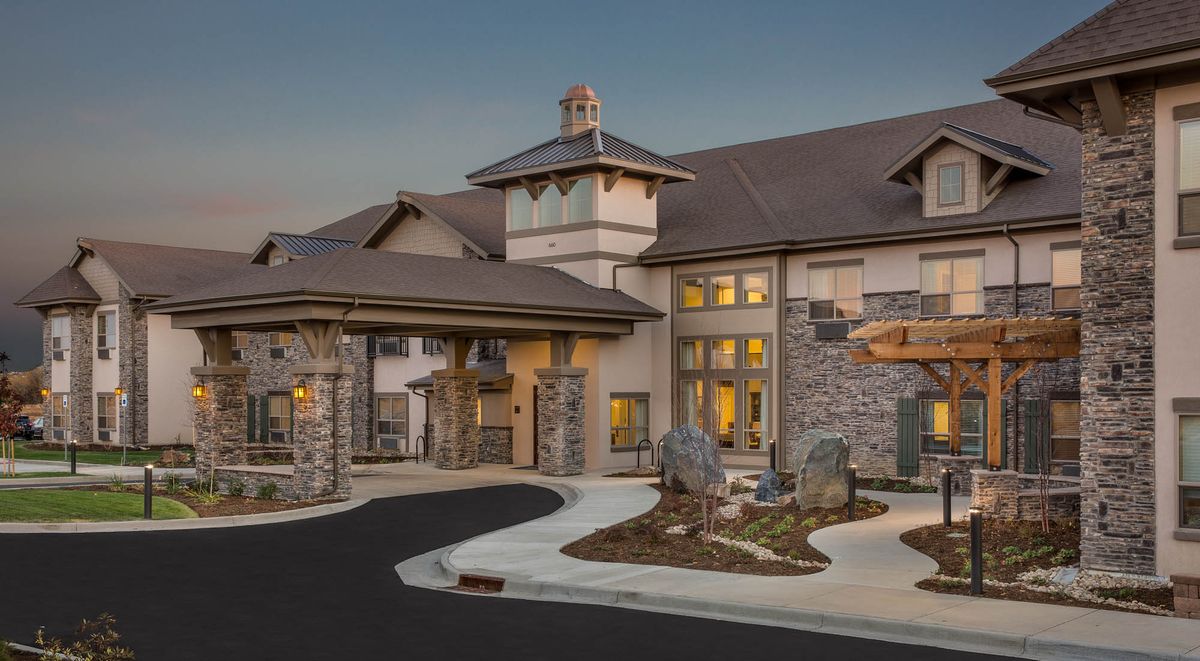
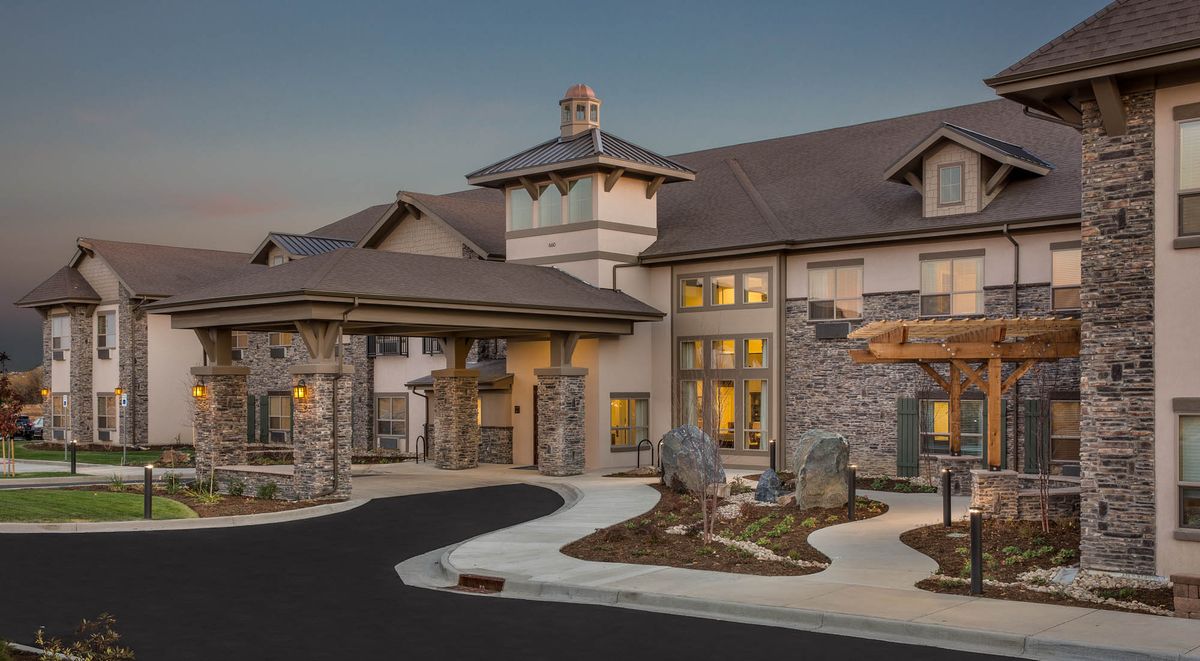
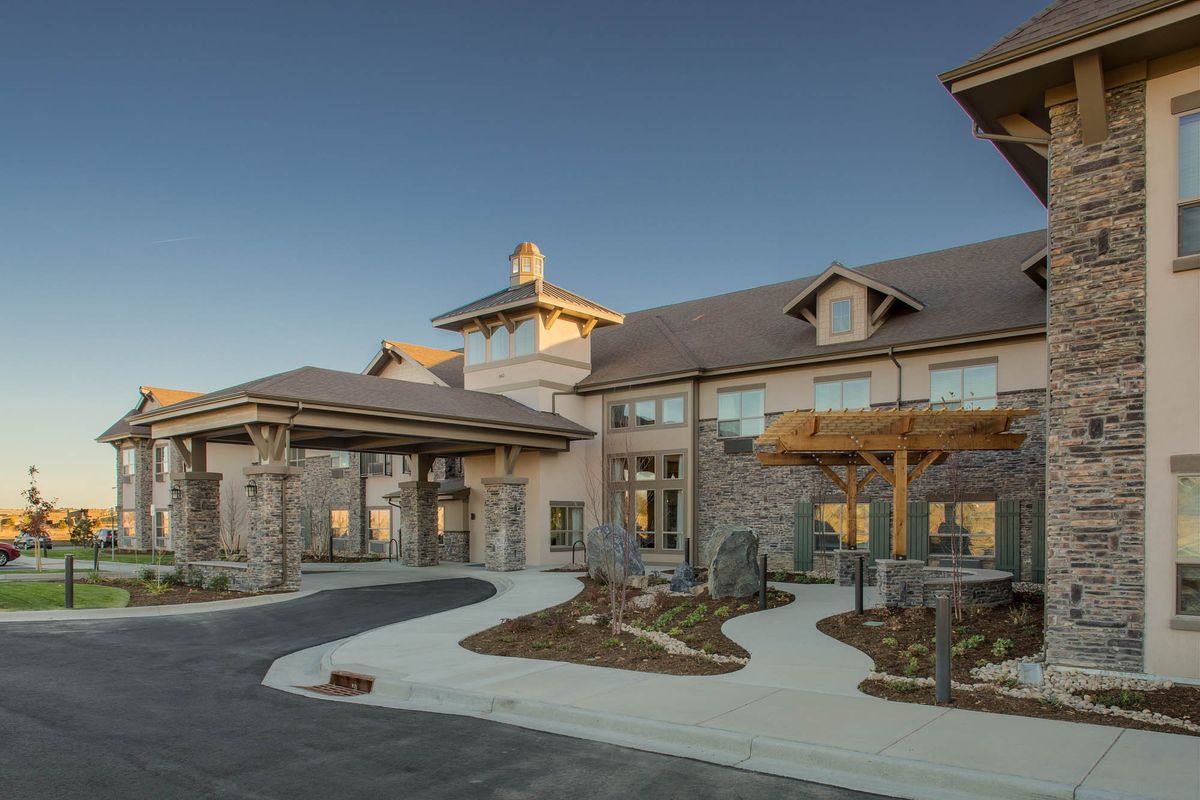
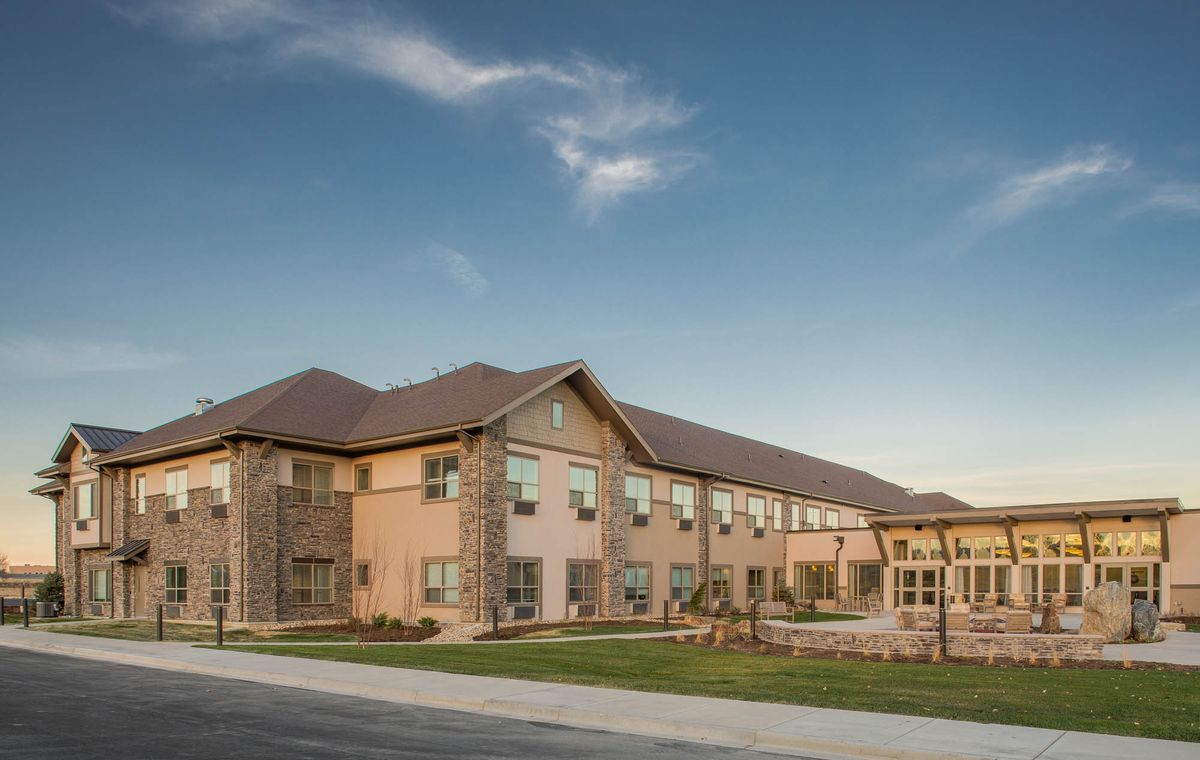
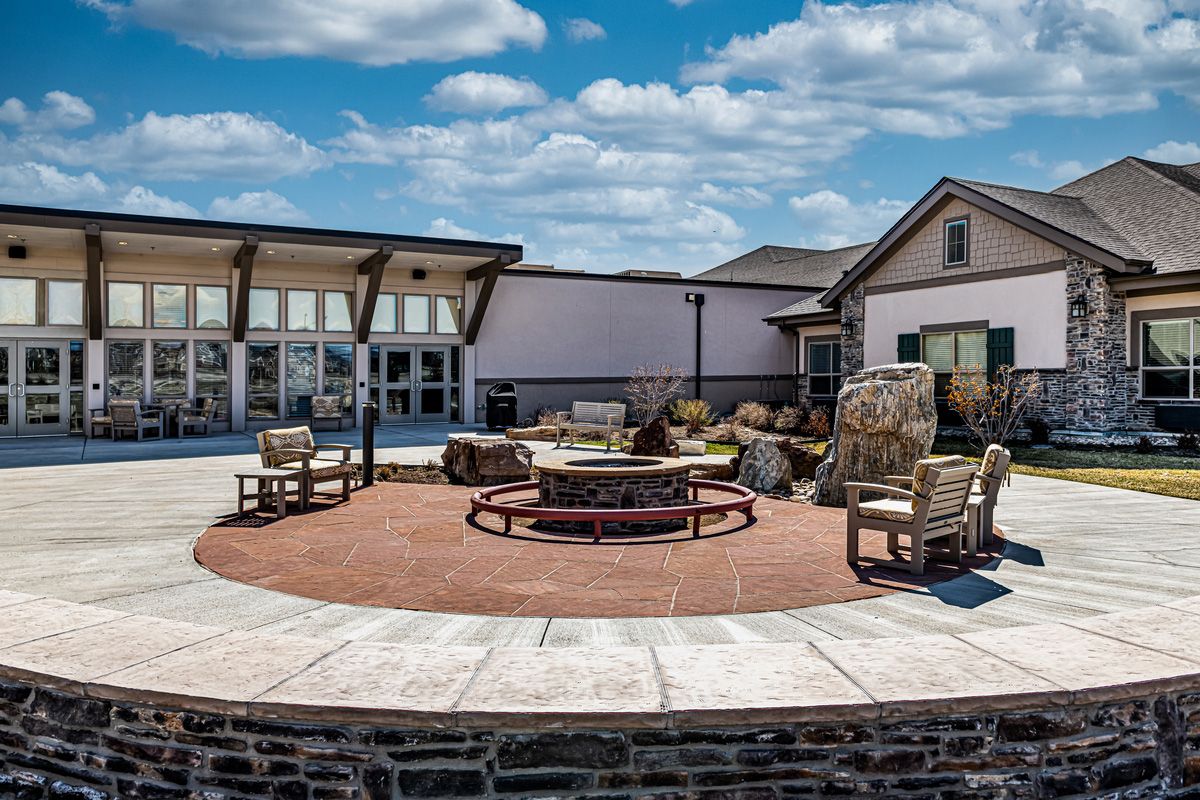
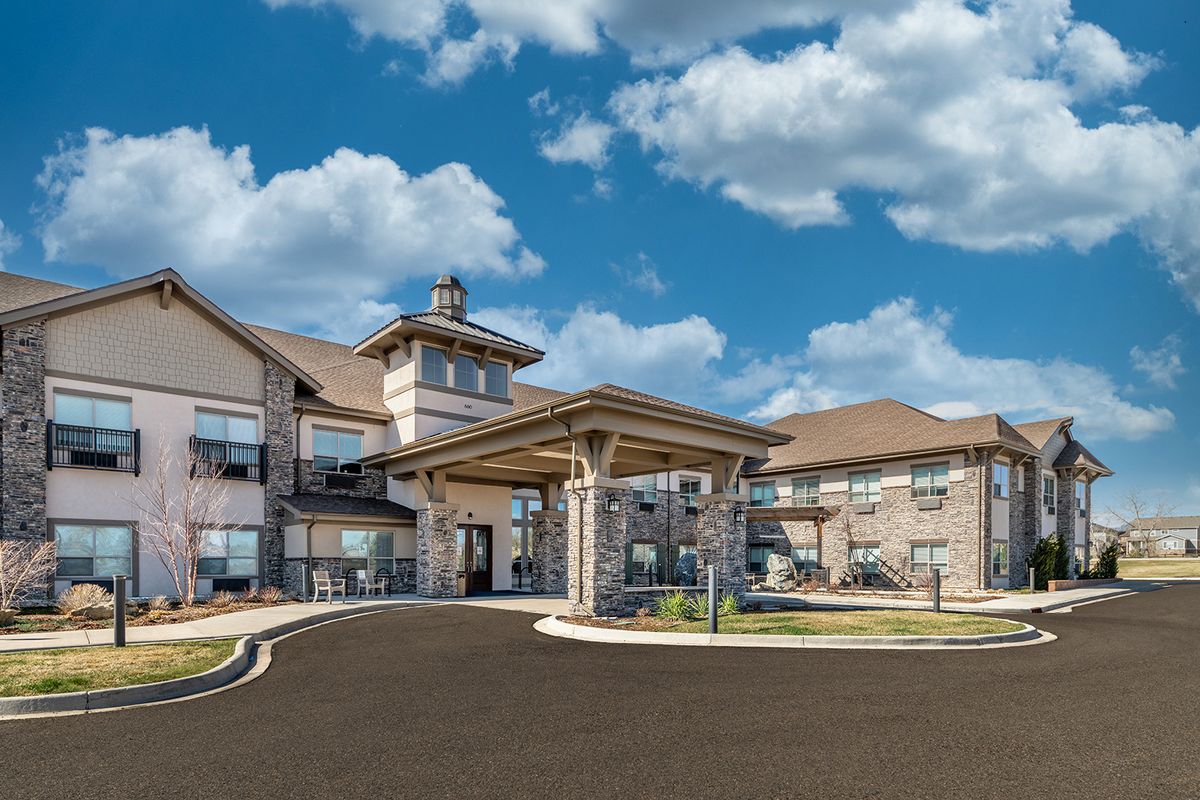
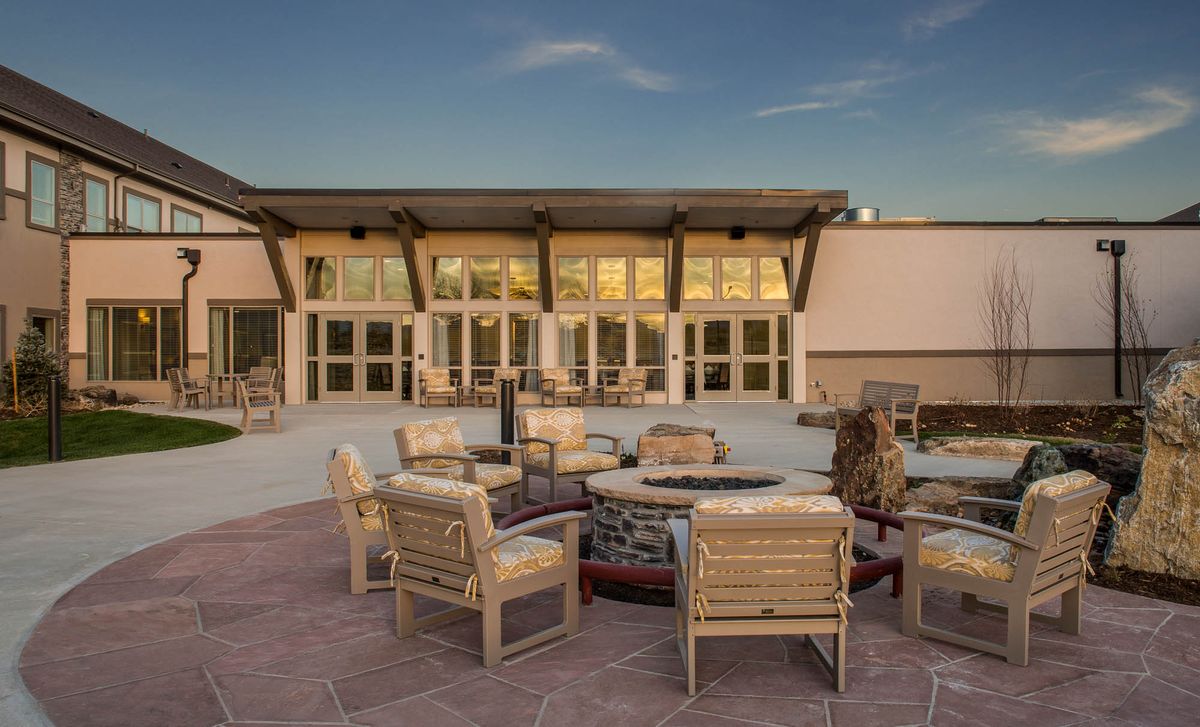
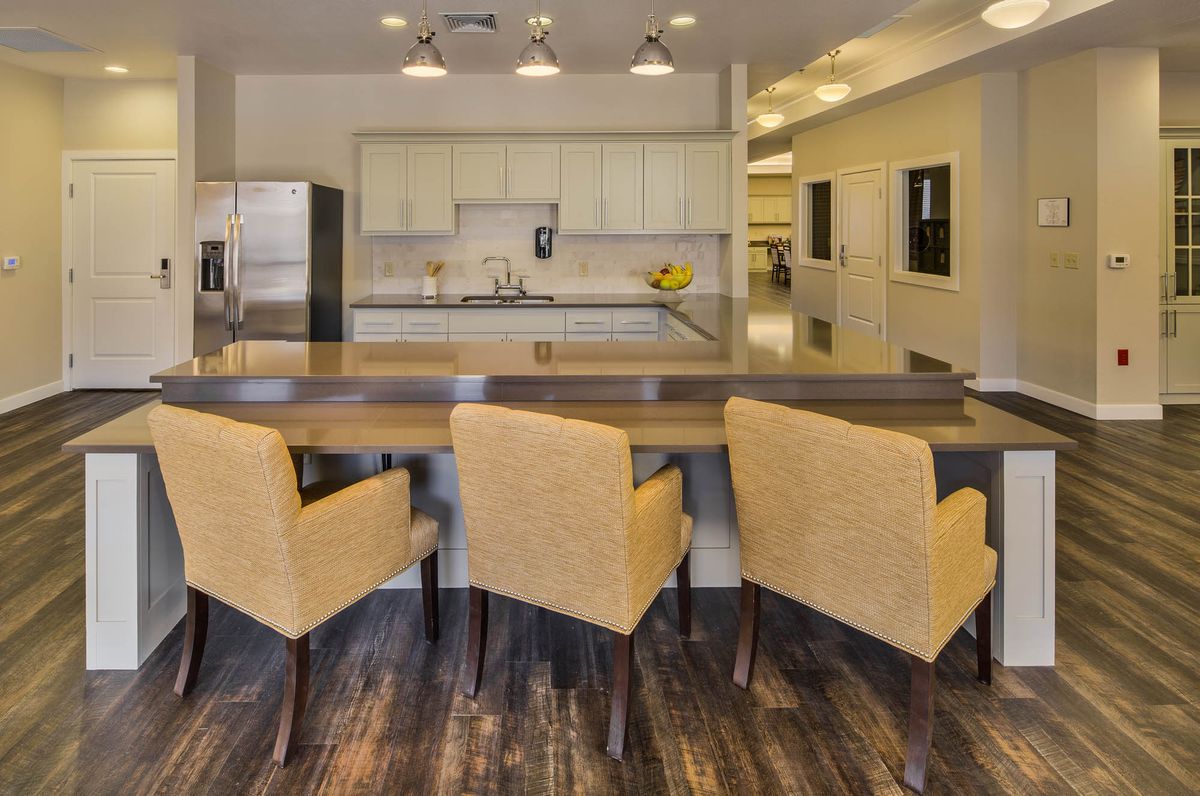
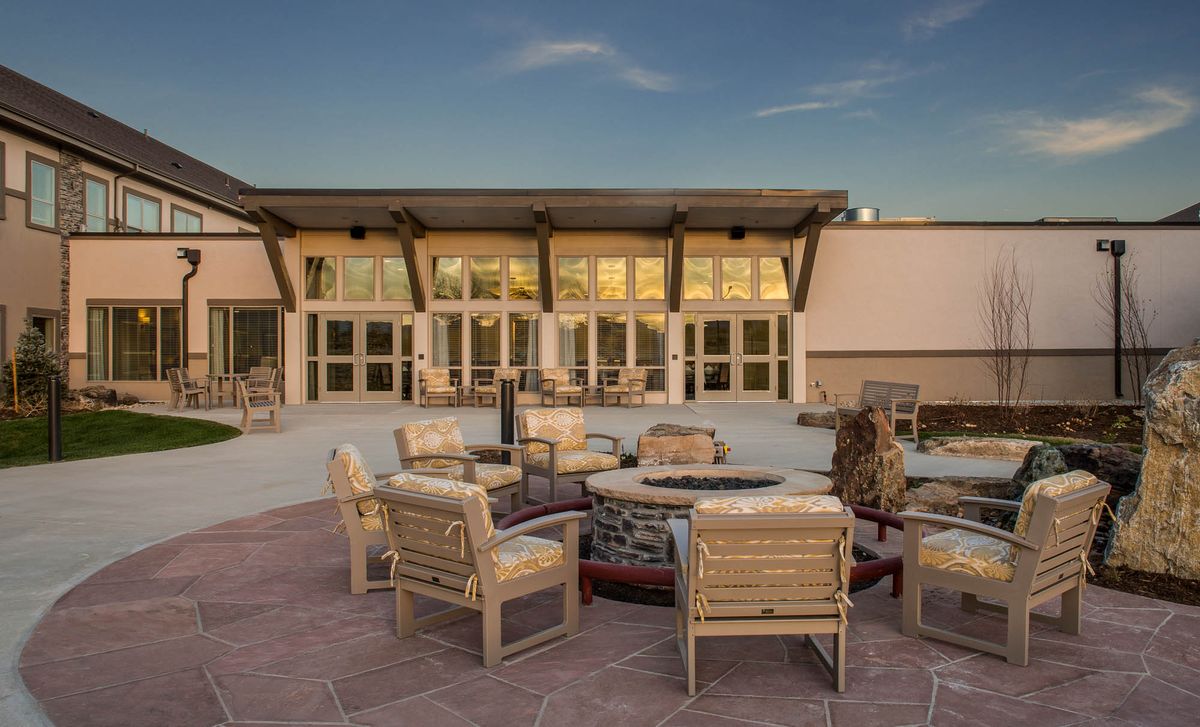
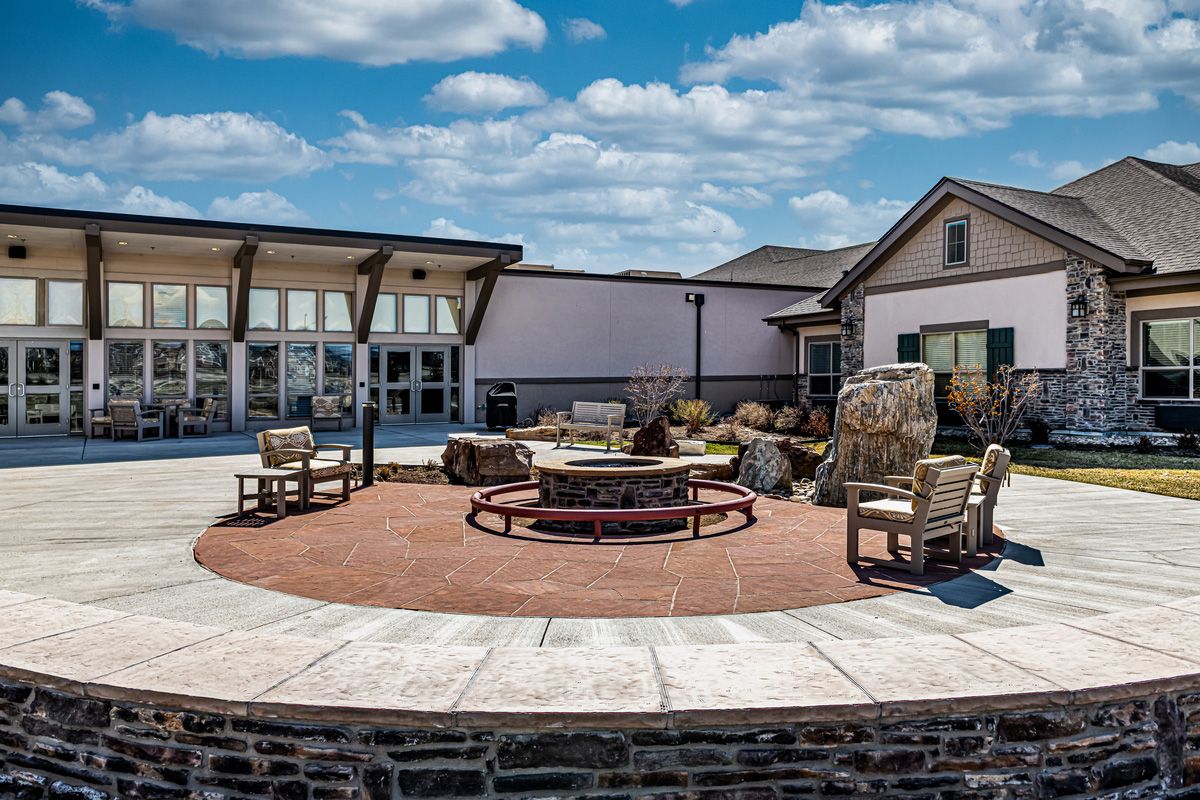
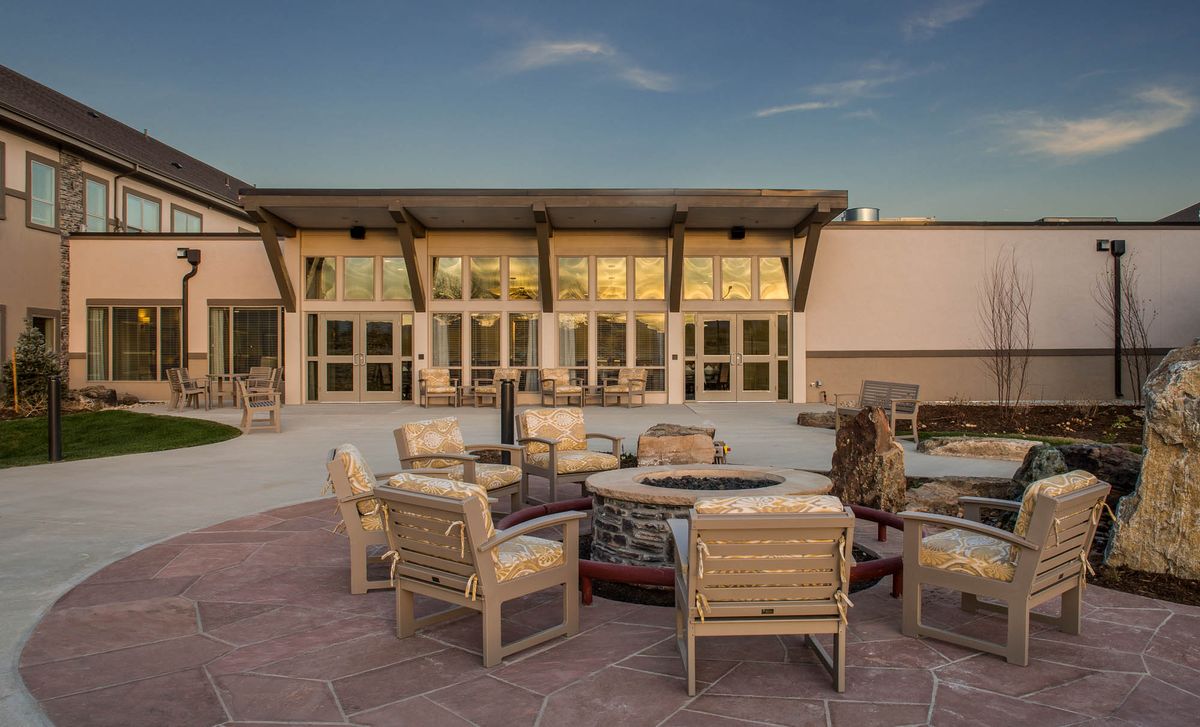
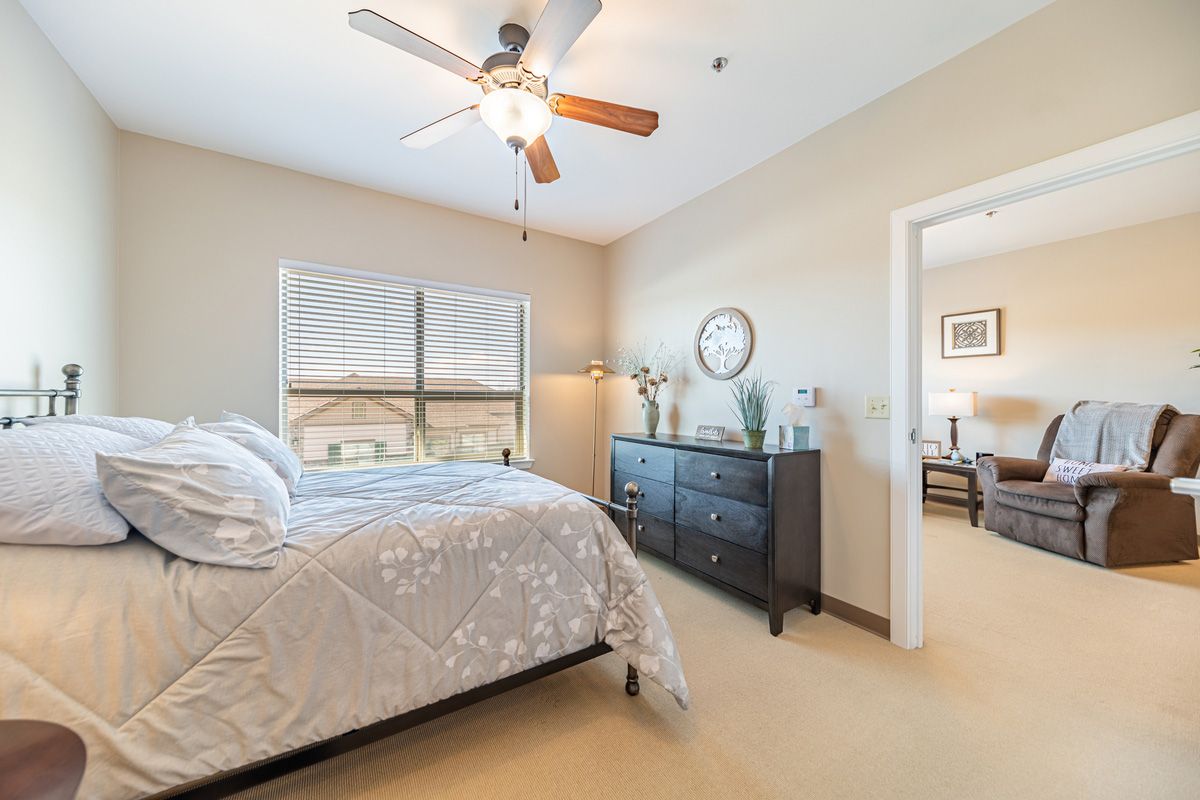
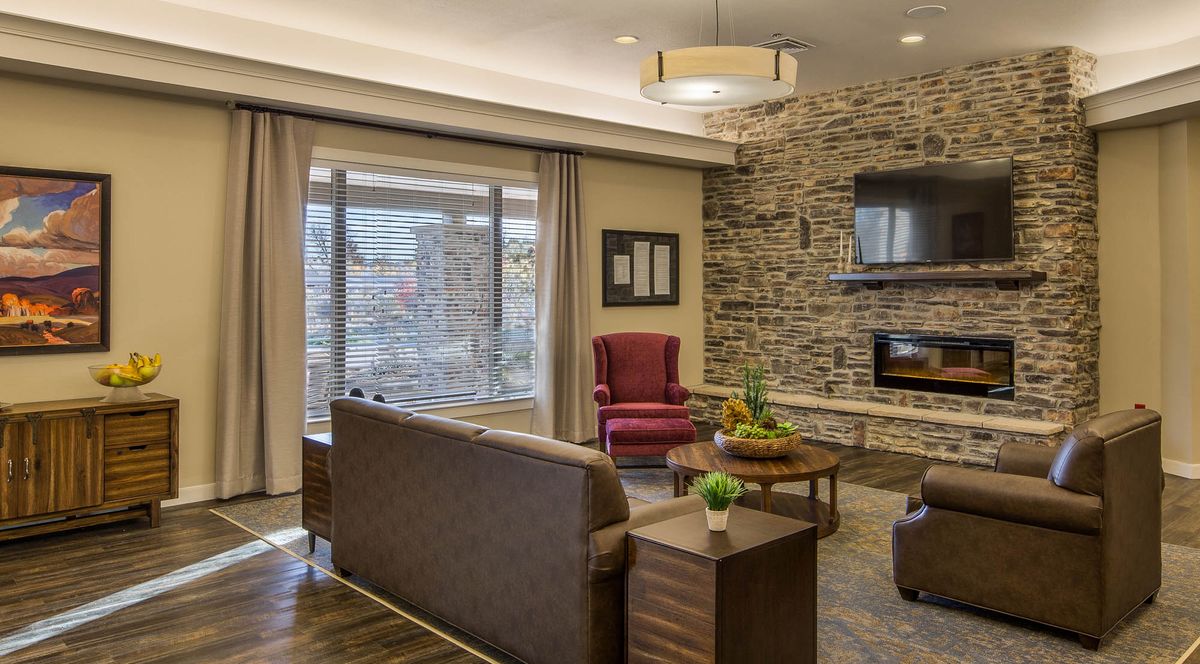
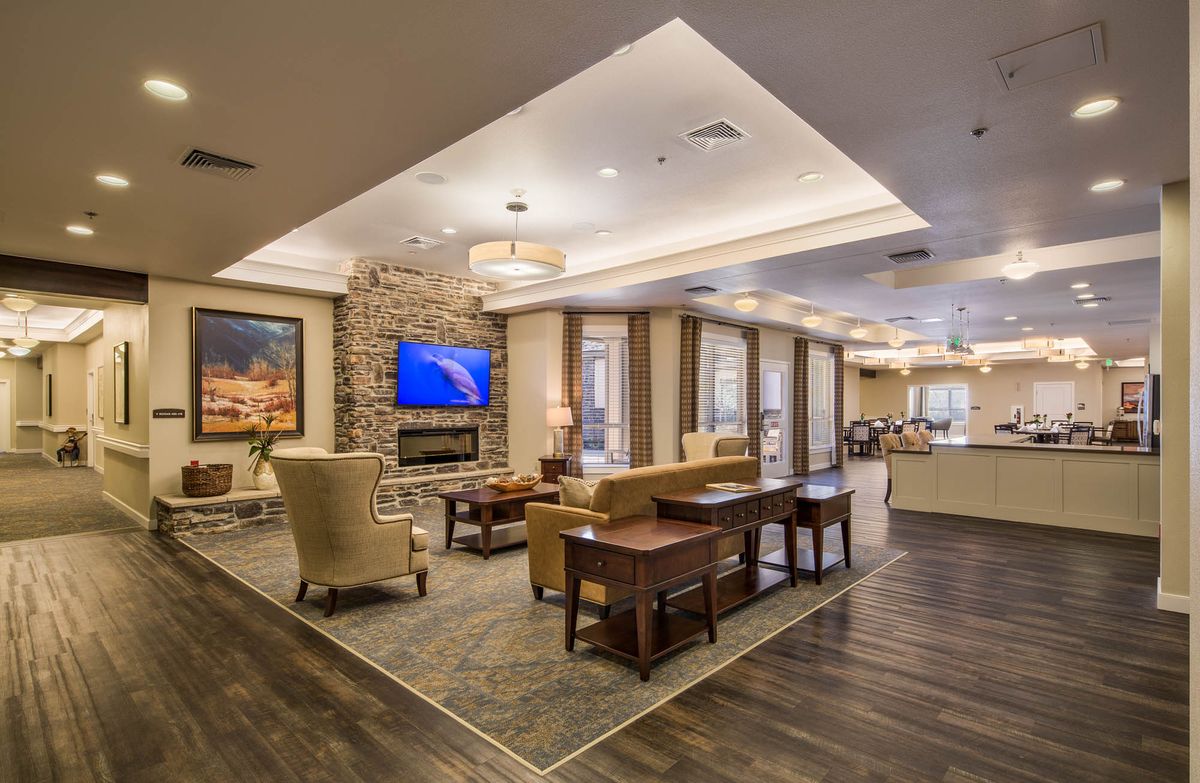
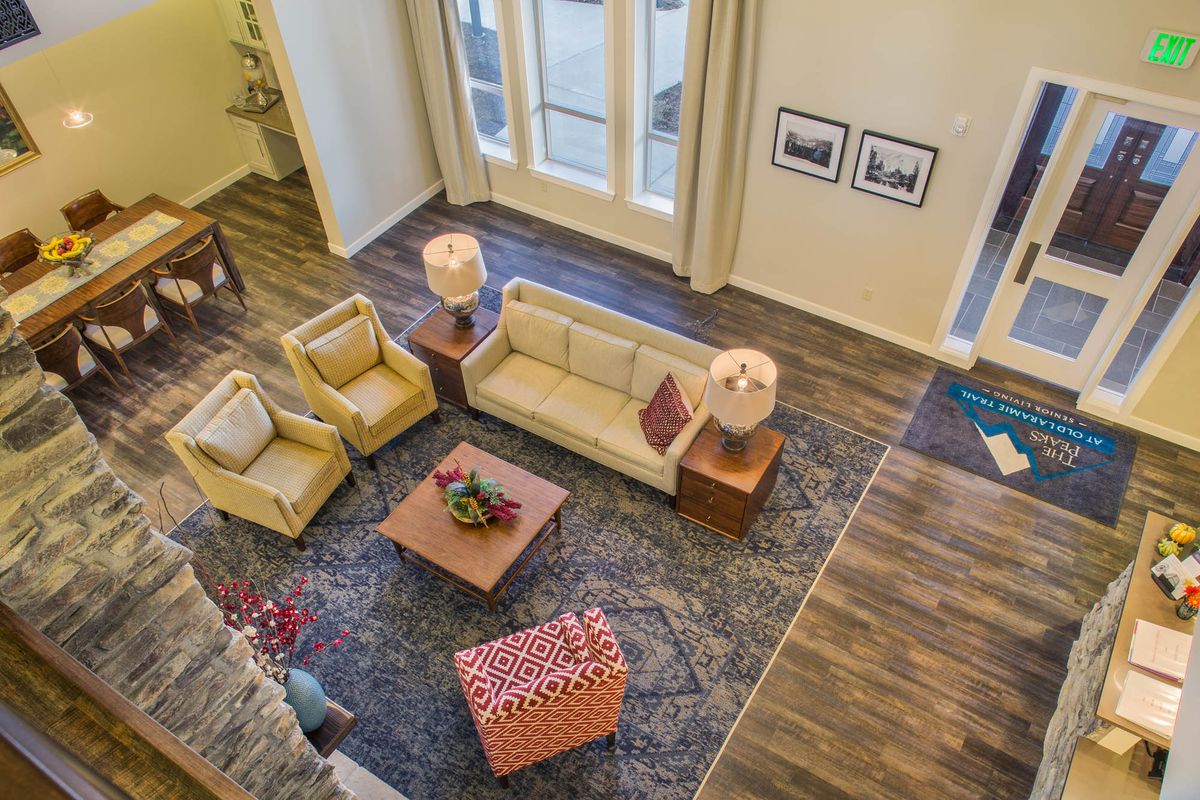
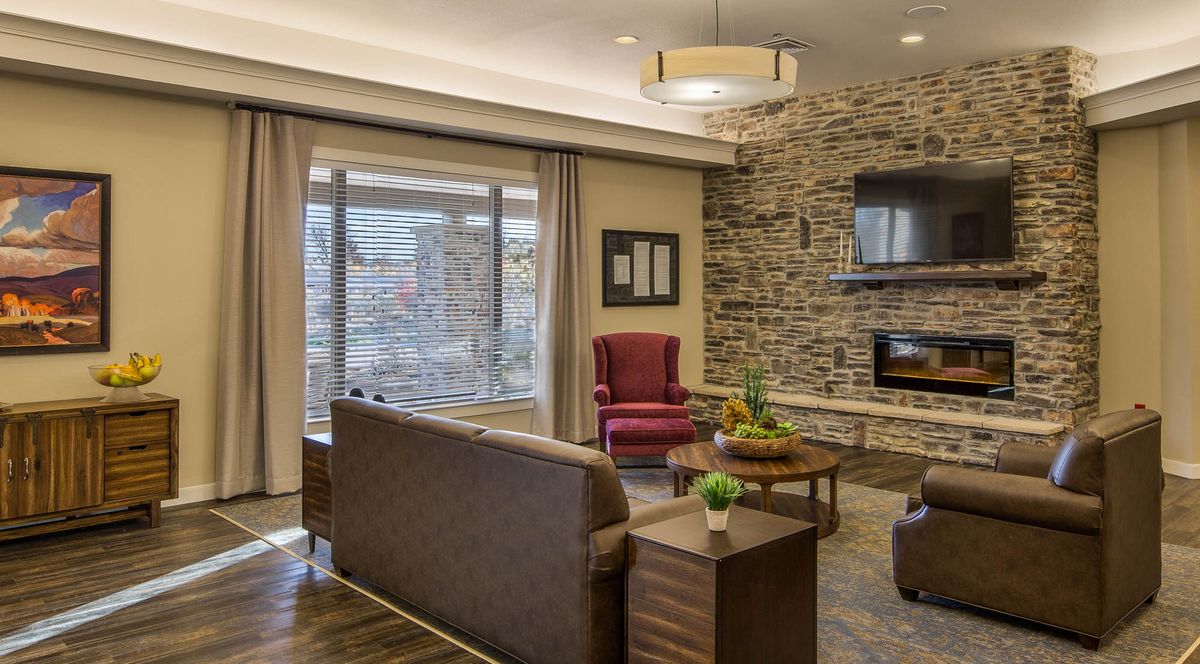
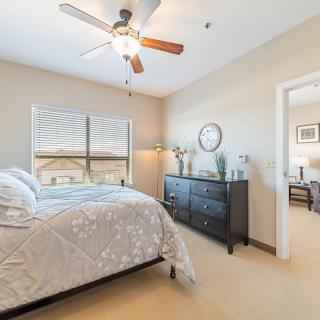
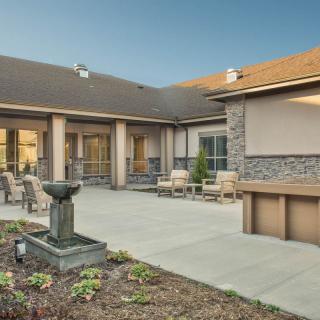
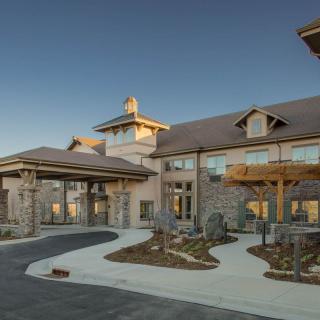
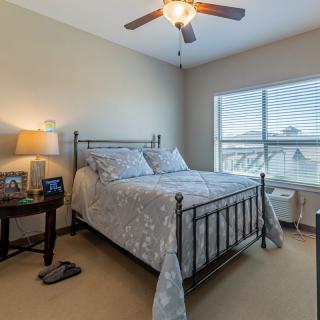
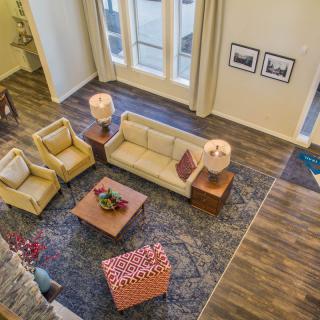
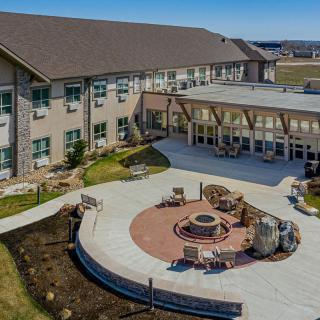
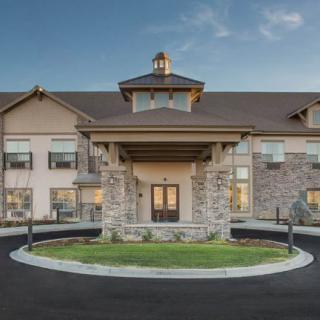
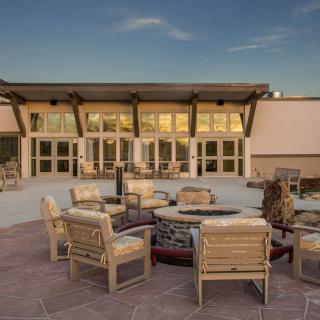
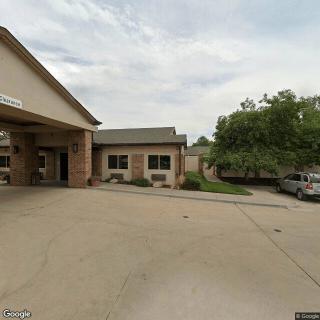
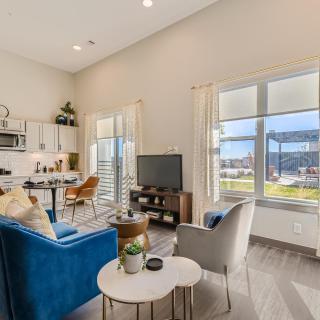
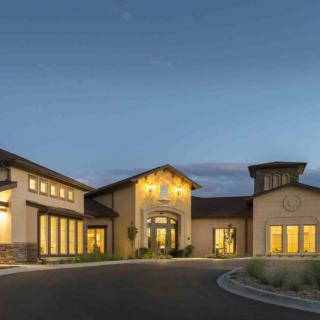
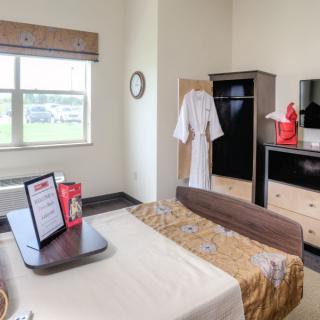
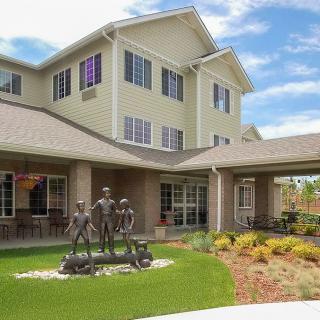
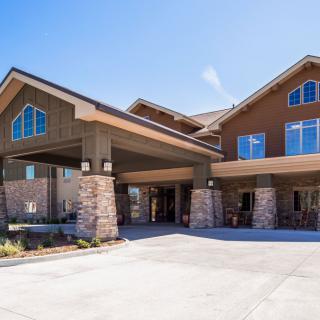
The Peaks At Old Laramie Trail on seniors.fyi includes 96 photos including images showing interior, living room, fireplace, decor, dining, stone wall, building, architecture, and more.
Nearby Communities
Right at Home
Lafayette, CO
3.9 from 49 reviews
Convenient access to cafes, restaurants, parks, pharmacies, physicians, and hospitals.
Landmark Memory Care
Lafayette, CO
4.2 from 34 reviews
Specialized memory care with 24/7 staffing and engaging activities.
Waneka Park Assisted Living
Lafayette, CO
3.8 from 61 reviews
$3,350 to $4,000 / month
Friendly, attentive staff; restaurant-style dining and engaging activities.
Genesis Senior Living of Lafayette
Lafayette, CO
3.3 from 7 reviews
$4,154 to $5,199 / month
Caring staff, engaging activities, clean facilities, and quality meals.
ProMedica Total Rehab + (Lafayette)
Lafayette, CO
3 from 3 reviews
Caring staff with solid therapy services; clean, comfortable spaces.
Front Range Orthopedic Center
Lafayette, CO
Convenient access to healthcare, dining, parks, and cultural amenities nearby.
Affinity at Lafayette
Lafayette, CO
4.5 from 60 reviews
$1,517 to $1,980 / month
Friendly, responsive staff; active community and accessible amenities.
Holiday Highland Trail
Broomfield, CO
4 from 114 reviews
$3,829 to $4,758 / month
Friendly staff, a well-maintained facility, and a variety of on-site activities.
Legend at Broomfield
Broomfield, CO
4.2 from 116 reviews
$4,460 to $5,655 / month
Caring staff with engaging activities in a clean, welcoming setting.
Dementia affects memory and cognitive function in older adults, presenting challenges for caregivers due to behavioral changes such as confusion and mood swings. Compassionate, person-centered care that considers individual history and preferences, along with effective communication and environmental modifications, is essential for supporting both patients and their caregivers.
Dementia leads to cognitive impairment and can cause emotional and behavioral changes, including aggression that arises from frustration, confusion, or fear. Effective coping strategies for caregivers include understanding dementia's nature, recognizing triggers, using empathetic communication, and employing non-pharmacological interventions like music and art therapy.
Dementia causes cognitive decline and challenging behaviors that caregivers must manage, necessitating an understanding of the neurological basis of these issues. Effective strategies and self-care for caregivers can enhance support for those with dementia and improve their daily lives.
Get PricingAsk A QuestionSchedule A TourContact Senior Advisor
By clicking submit, you agree to our Partner's Terms of Use. You
also consent to receive calls and texts, which may be autodialed, from our Partner. Your consent is not a condition to
using our Partner's service. Please visit our Partner's Privacy Policy for information about their privacy practices.








 95 resident community capacity
 1-bedroom apartments
 Assisted Living
 Memory Care
 Cats allowed
 Dogs allowed
 Activities off-site
 Air-conditioning
 Beautician on-site
 Cable or satellite TV
 Cafe
Cafe Computer center
 Devotional services on-site
 Dining room
 Fitness room
 Fully furnished
 Gaming room
 Garden
 Ground floor units
 Guest parking
 Handicap accessible
 Hiking trails
 Housekeeping services
 Indoor common areas
 Kitchenette
 Laundry
 Move-in coordination
 Outdoor common areas
 Overnight guests
 Party space
 Pet friendly
 Private bathrooms
 Restaurant-style dining
 Small library
 Telephone
 VA Benefits Consultation
 Wellness center
 Wheelchair accessible showers
 Wi-Fi/high-speed internet available
 Denver International (24 miles away)
 Community operated transportation
 12-16 hour nursing
 24-hour call system
 Ambulatory care
 Assistance with bathing
 Assistance with dressing
 Assistance with transfers
 Diabetes diet
 Diabetic care
 Hospice waiver
 Incontinence care
 Medication management
 Mental wellness program
 Physical therapy
 Special dietary restrictions
 Transportation arrangement (medical)
 Art classes
 Book club
 Catholic services
 Concierge services
 Cooking classes
 Day trips and outings
 Educational speakers / life long learning
 Games
Games Happy hour
 Live dance or theater performances
 Live musical performances
 Wii bowling
 Wine tasting
 English
 Convenient access to cafes, restaurants, parks, pharmacies, physicians, and hospitals.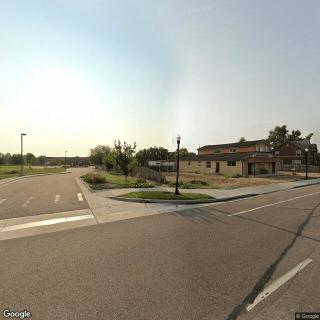

 Understanding Dementia Behaviors: Practical Insights and Strategies for Caregivers
 When Dementia Sparks Anger and Aggression: Understanding the Connection and Ways to Cope
 Dementia Behaviors: In-Depth Understanding and Effective Coping Strategies