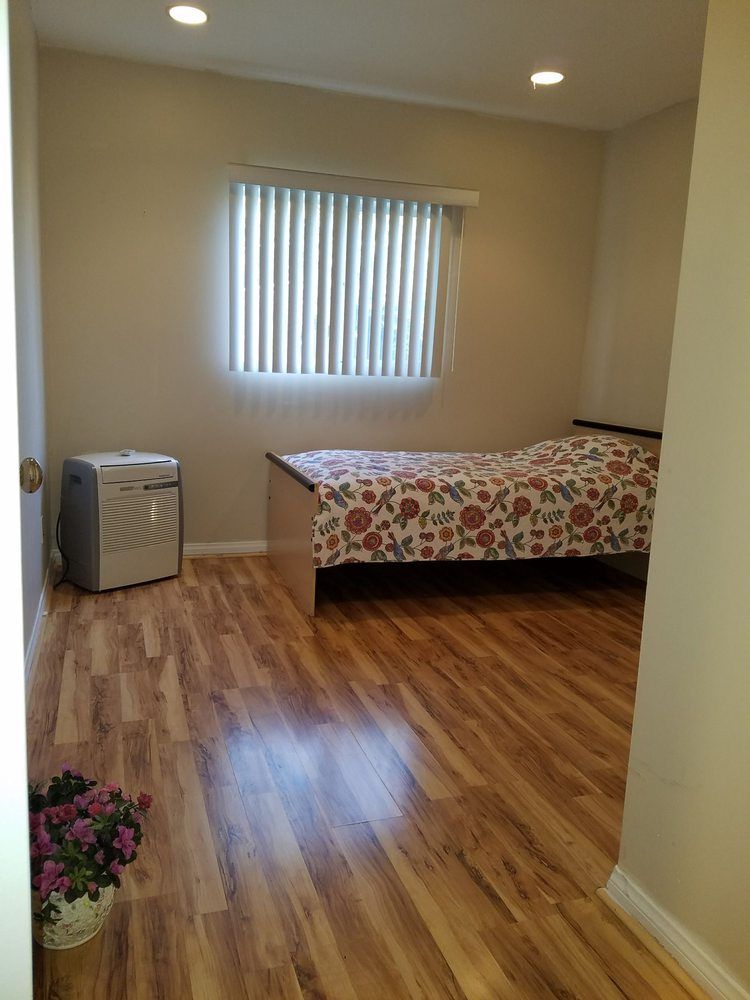
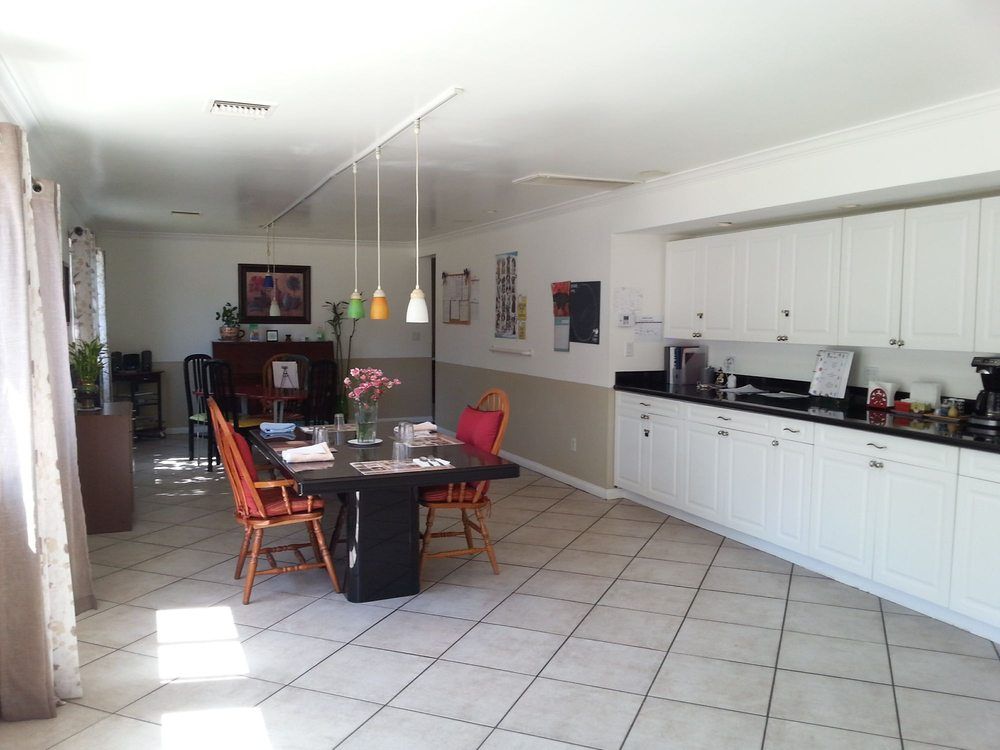
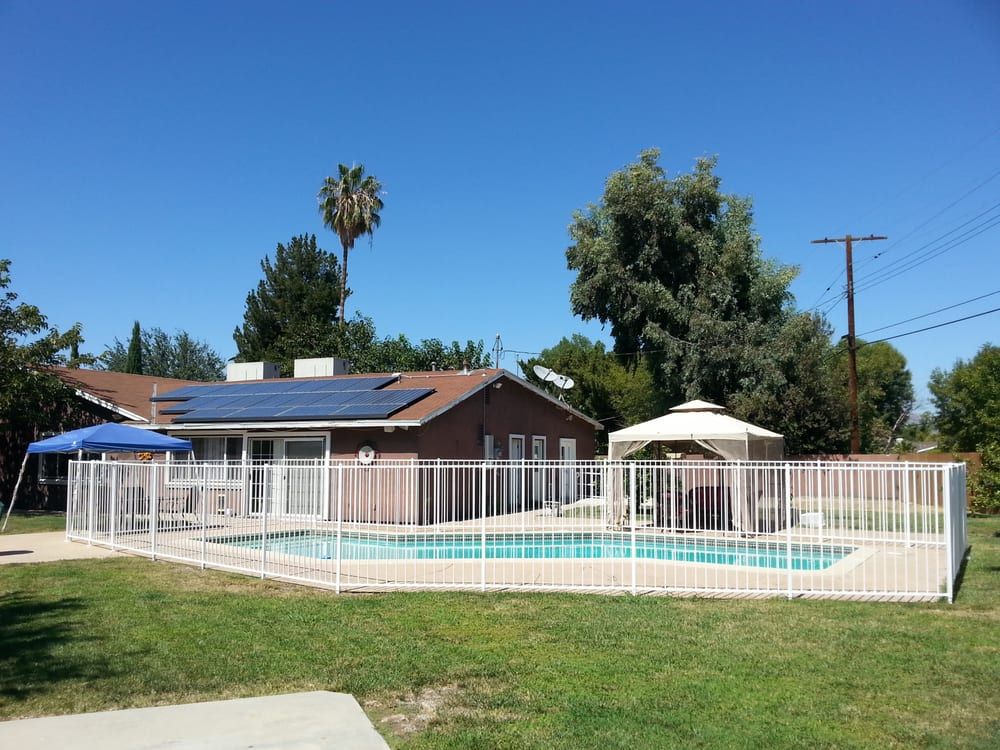
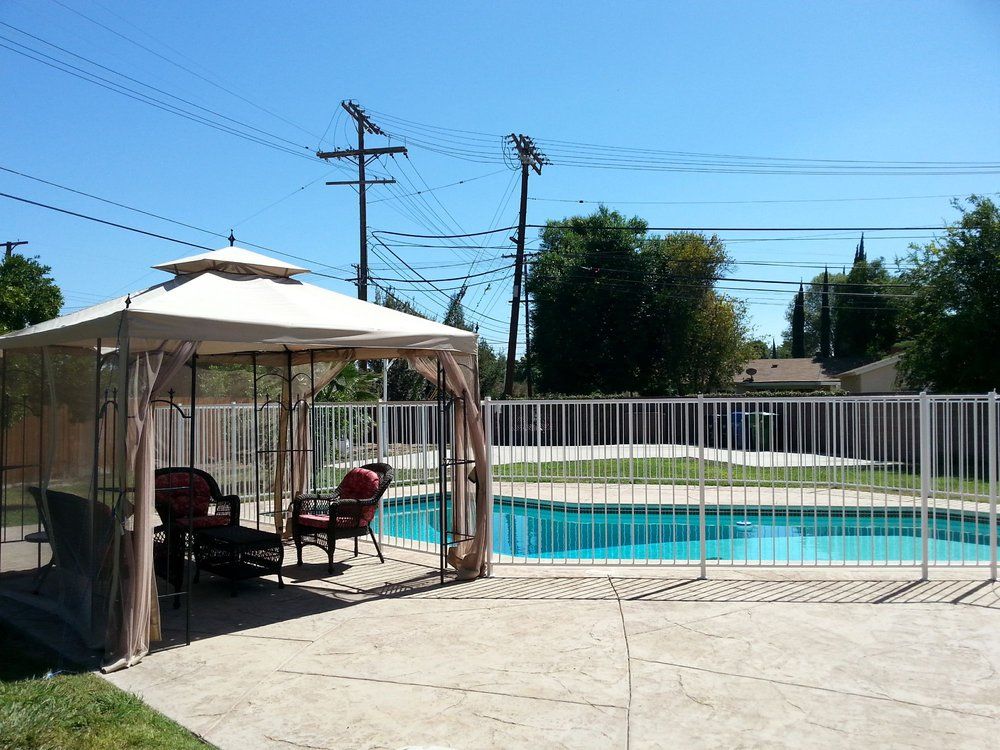
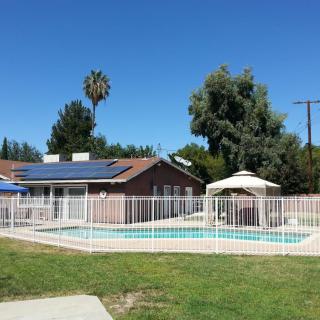

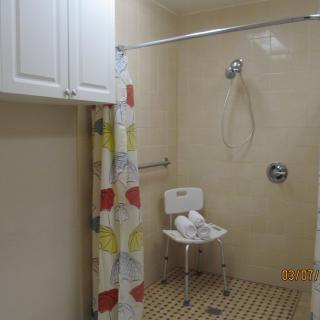
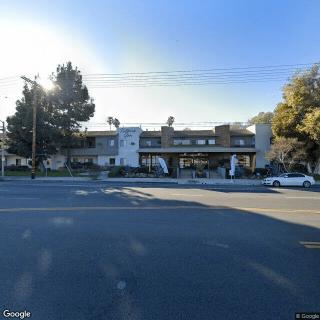
6900 Royer Avenue, West Hills, CA 91307
For more information about senior living options: (866) 208-4318
Home With Heart Costs & Pricing
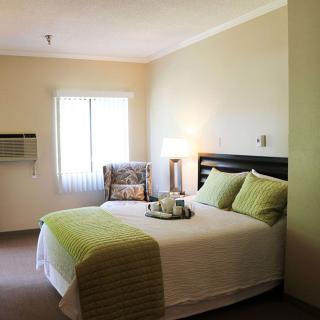
Home With Heart offers competitive pricing for its accommodations, particularly when comparing monthly costs to Ventura County and broader California averages. For a semi-private room, Home With Heart charges $3,600 per month, which is slightly above the Ventura County rate of $3,438 but notably higher than the state average of $3,333. In terms of private rooms, Home With Heart's rate of $4,000 is just below the county's average of $4,082 and somewhat higher than the California average of $3,939. Overall, while Home With Heart's pricing is reflective of its premium services and amenities, it positions itself within a nuanced range that highlights the regional market dynamics.
| Floor plans | Home With Heart | Ventura County | California |
|---|---|---|---|
| Semi-Private | $3,600 | $3,438 | $3,333 |
| Private | $4,000 | $4,082 | $3,939 |
Assisted Living communities with a similar price nearby
-
from -$600 / mo
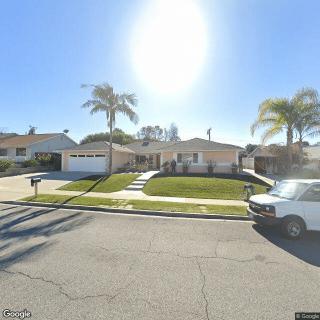
Thousand Oaks Home Care IV
$3,000 to $4,000 / month13.9 miles away -
from -$600 / mo
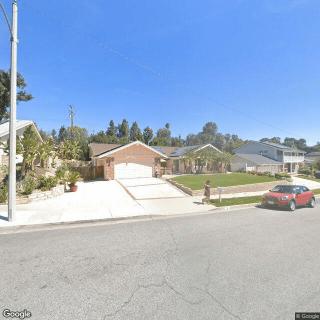
Thousand Oaks Home Care II
$3,000 to $4,000 / month14.1 miles away -
from +$200 / mo
America's Care Manor
$3,800 to $4,000 / month5.7 miles away -
About the same
Hollywood Healthy Living
$3,500 to $5,000 / month16.3 miles away -
from +$690 / mo

An Everlasting Spring - Senior Care
$4,290 to $5,577 / month14.3 miles away
Overall Review of Home With Heart
Pros
 Home with Heart is quiet, clean, and attentive.
 - The staff are friendly and genuinely caring, with activities available for residents.
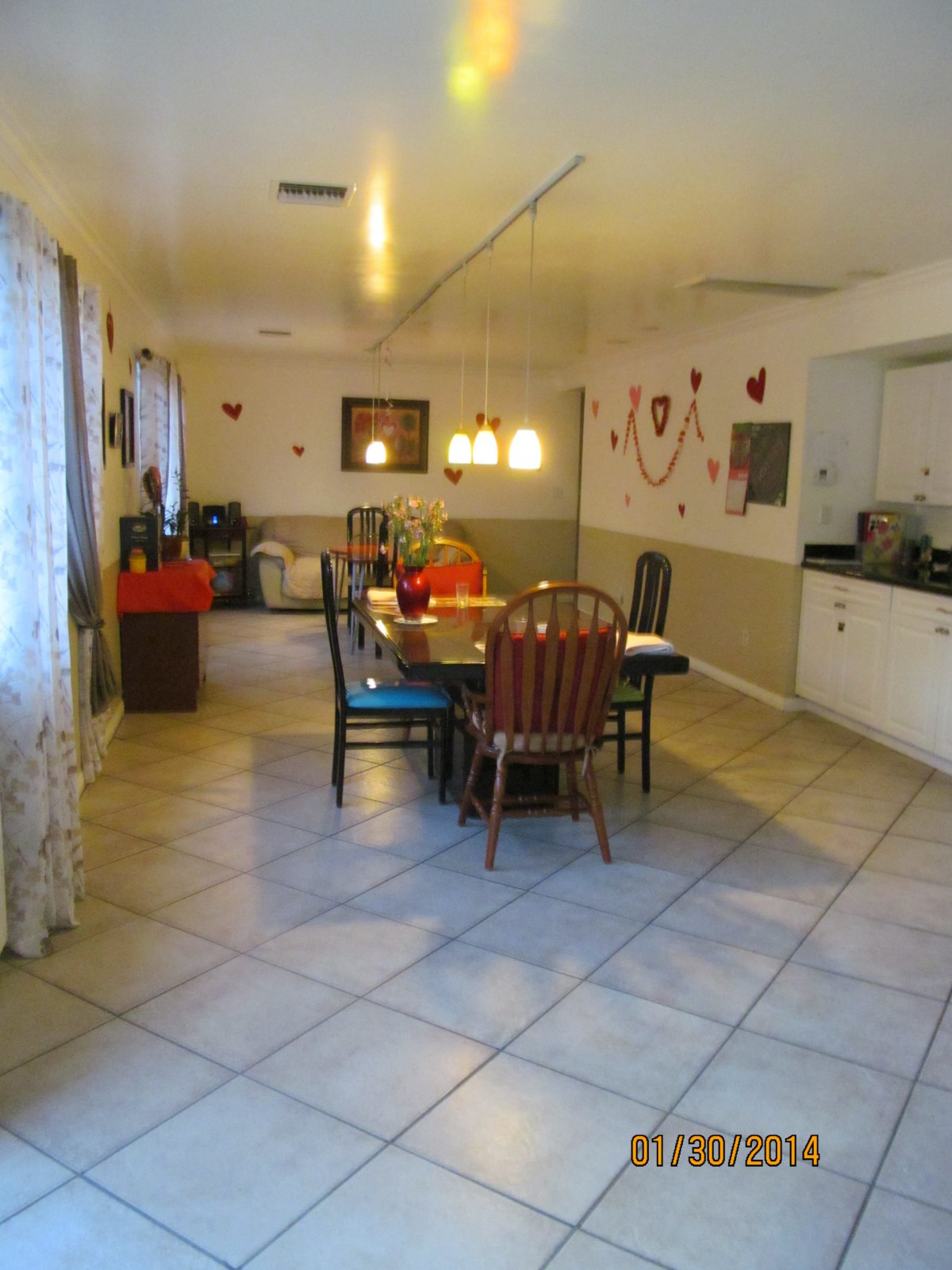
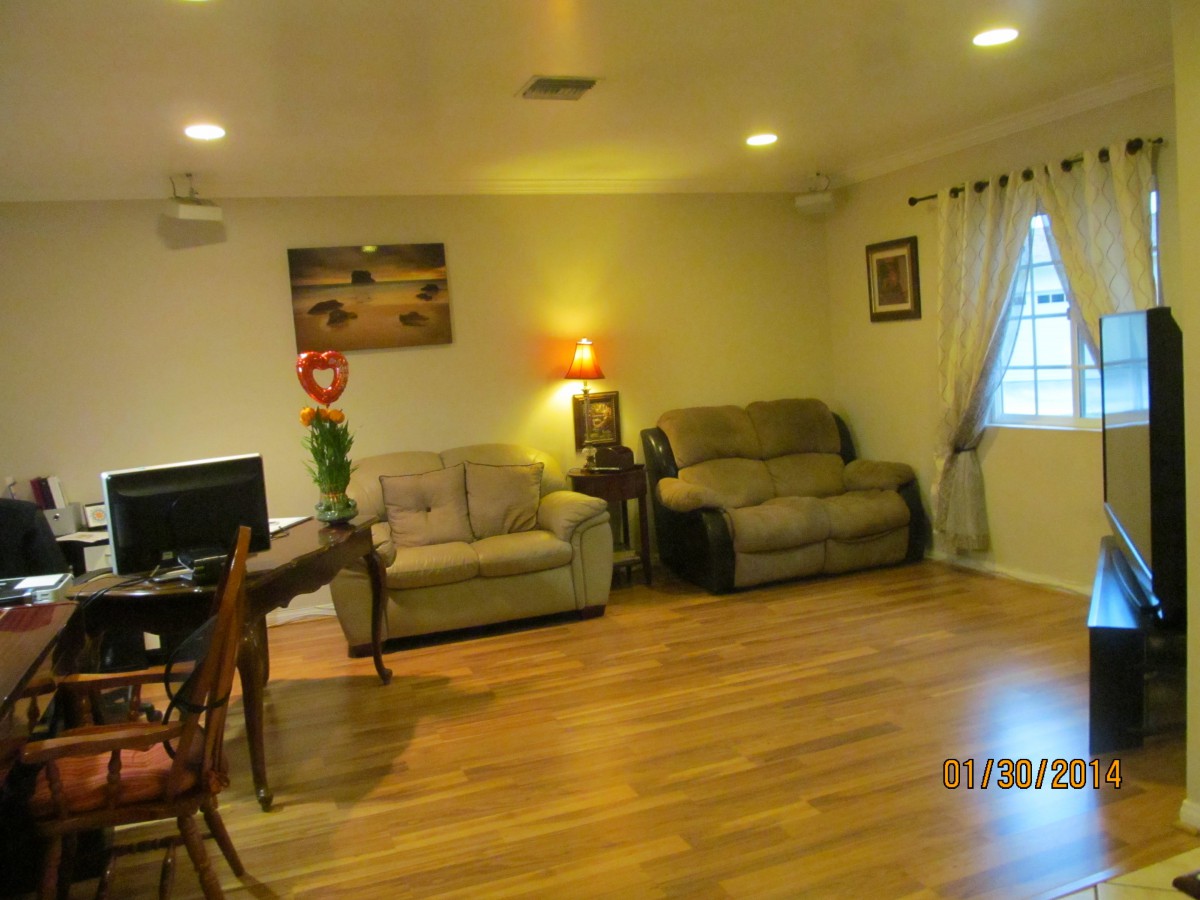
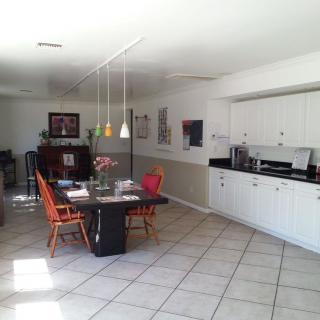
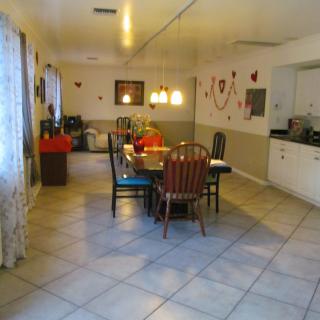
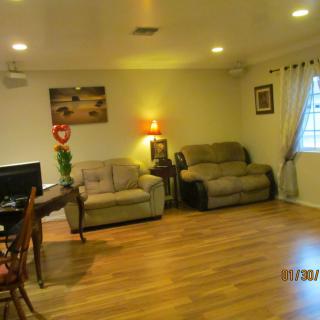
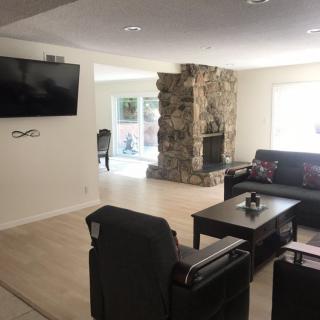
- The facility is small but offers a living room and kitchen for residents.
- The staff go the extra mile, helping with doctor appointments and other needs to keep residents happy.
- It is described as among the friendliest, nicest, and cleanest facilities visited.
- The facility provides amenities such as a beauty salon and HDTV cable at no extra cost.
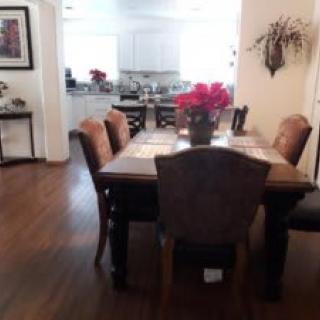
- The dining area is large and attractive.
Cons
 The facility was only okay and not the most well-kept.
- It needed cleaning up, and its aesthetics needed some help.
- The facility was really small.
- The facility did not offer many social activities.
Review
Home With Heart in West Hills is best suited for families seeking highly personalized, hands-on care in an intimate, low-stimulation setting. With as few as five residents in a given unit, the community operates more like a private home than a campus, delivering close supervision, consistent routines, and staff who know each resident well. This is a strong fit for seniors who do not require a bustling, program-packed environment but do rely on reliable assistance with daily tasks, transportation to medical appointments, and in-house grooming and support. The West Hills location matters: it serves families prioritizing a calm, home-like atmosphere where staff can provide steady, personalized attention and a willingness to accommodate practical needs as they arise.
Those who crave robust social calendars, frequent outings, and a wide array of on-site programs should consider alternatives. The small footprint, while offering intimate care, limits the volume and variety of activities, a factor repeatedly cited by reviewers. While staff are described as friendly and caring, the social programming simply isn’t abundant, which can leave residents seeking companionship and structured engagement wanting more. Aesthetics and upkeep aren’t uniformly praised either, with one observer noting it isn’t the most well-kept, an important consideration for families seeking a bright, attractive home environment. These limitations aren’t fatal, but they are real trade-offs to factor into the decision.
The strongest positives center on consistent, attentive care and practical convenience. Reviewers repeatedly highlight a warm, friendly staff that genuinely seems to care, coupled with a willingness to handle real-life tasks: taking a resident to doctor’s appointments, coordinating salon visits, and ensuring daily needs are met with calm efficiency. The setting remains quiet and clean, and the dining area is notably large and attractive, which helps meals feel comfortable even without a full slate of activities. In-house amenities, such as a beauty salon and HDTV service at no extra cost, plus open access to common spaces like a living room and kitchen, enhance daily life without adding complexity. These concrete benefits matter when daily routines and logistics are the primary concern.
That care philosophy is echoed by families who visit regularly, with several noting the staff’s willingness to go the extra mile. The community is frequently described as among the friendliest and cleanest options encountered during tours, and staff evidence a genuine commitment to coordinating with family needs, whether transporting a resident to appointments or accommodating precise meal considerations. The intimate scale helps staff stay closely involved, enabling quicker notice of subtle changes and rapid, practical responses. Yet the same small size means fewer varied programs and fewer residents to socialize with; the enhanced personal attention comes with a trade-off. For families prioritizing steady, dependable care over a bustling social calendar, the balance tilts decisively toward Home With Heart.
From a practical standpoint, Home With Heart delivers tangible value. The home-like atmosphere is reinforced by accessible amenities that support independence, including a large dining area, beauty services, and salon access that residents can use without leaving the building. The HDTV inclusion at no extra cost adds a meaningful touch for entertainment and staying connected with loved ones. West Hills location provides reasonable proximity to medical facilities and visiting family in the region, which reduces logistical friction. Families should confirm how flexible the staff are with scheduling, how often activities rotate, and whether any off-site social opportunities can supplement the on-site rhythm to keep a resident’s days engaging.
In the end, the choice hinges on what matters most: intimate, highly attentive care with straightforward logistics, or a livelier, more program-rich environment. Home With Heart excels for families seeking reassurance that staff will actively support medical and daily needs in a quiet setting, with clear value in the small-community model. Those who require a bustling activity calendar, greater social stimulation, or a more contemporary aesthetic may find brighter options elsewhere, especially those offering larger campuses and broader programming. Prospective residents should visit, observe staff–resident interactions, request a sample activity schedule, and verify how care plans adapt as needs evolve to ensure a durable fit.
 6 resident community capacity
 1-bedroom apartments
 Assisted Living
 Board and Care Home
 Activities off-site
 Bath tubs
 Cable or satellite TV
 Devotional services on-site
 Dining room
 Fully furnished
 Garden
 Housekeeping services
 Indoor common areas
 Move-in coordination
 Outdoor common areas
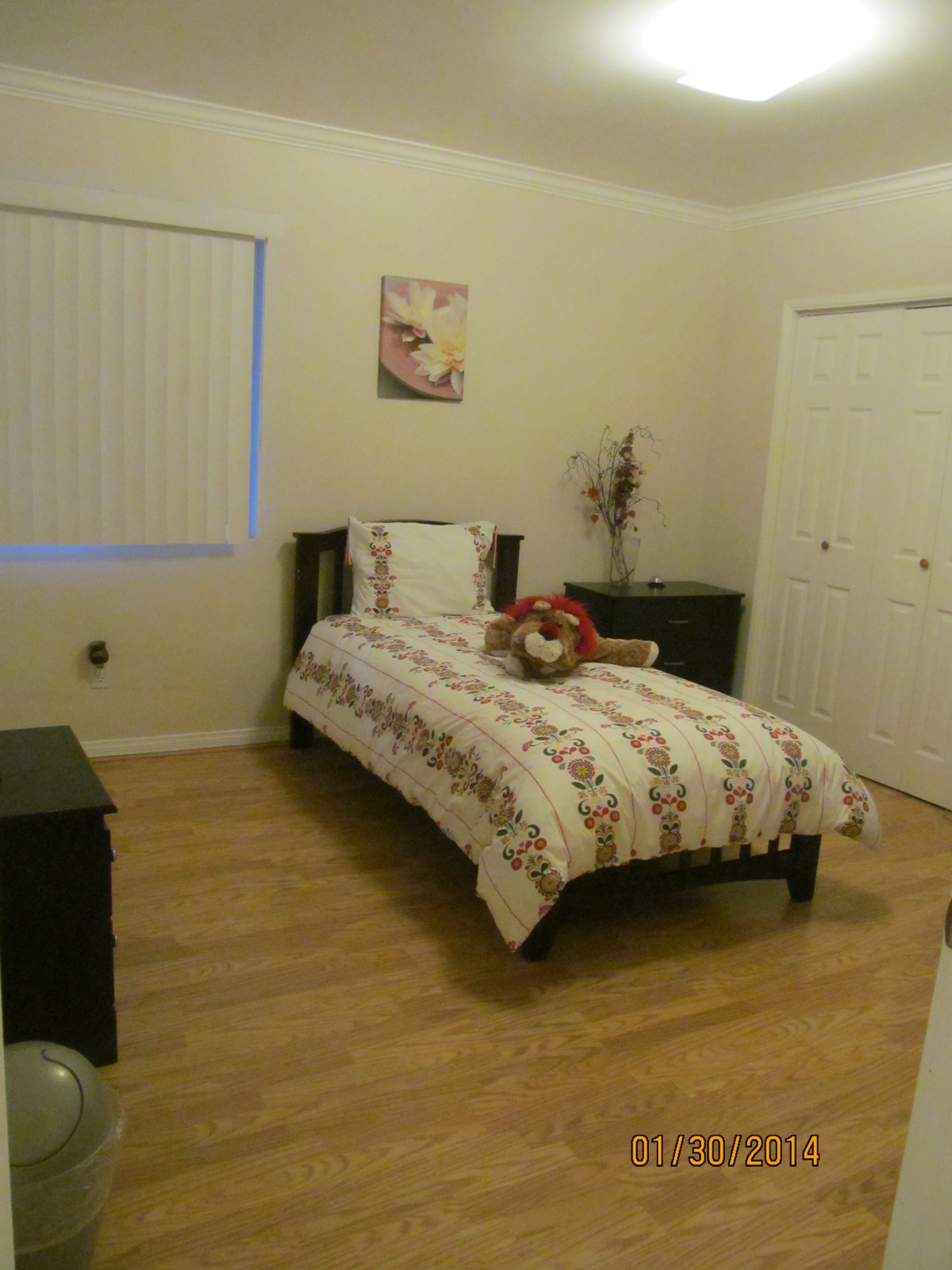
 Private
 Private bathrooms
 Swimming pool / hot tub
 Telephone
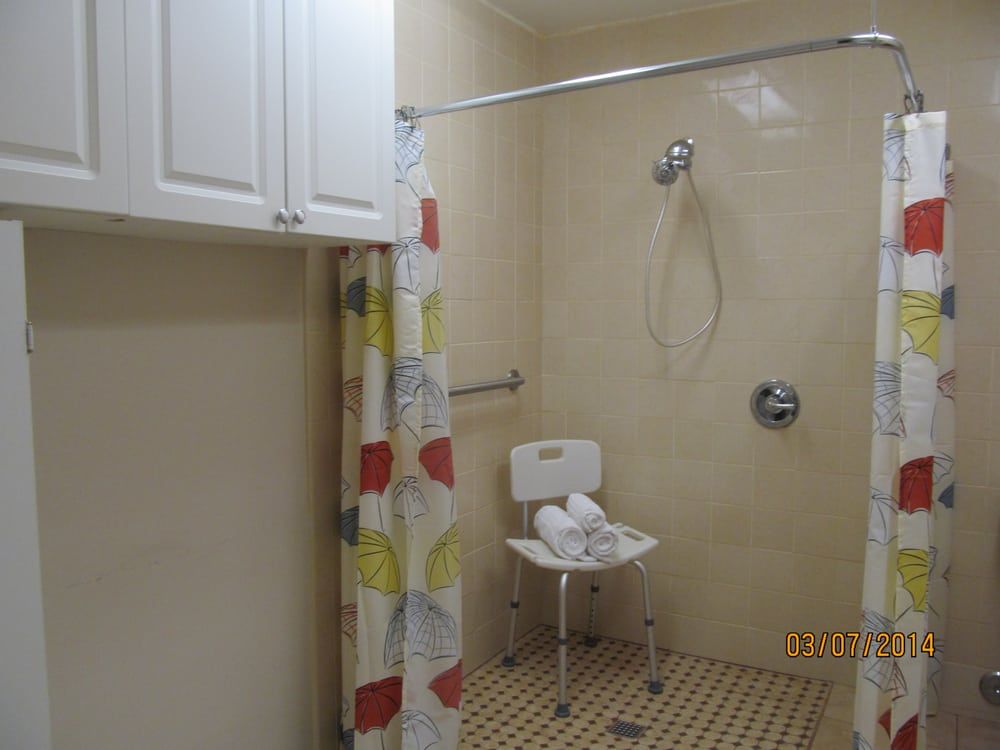
 Wheelchair accessible showers
 Wi-Fi/high-speed internet available
 Burbank-Glendale-Pasadena (15 miles away)
 24-hour supervision
 Ambulatory care
 Assistance with bathing
 Assistance with dressing
 Assistance with transfers
 Diabetes diet
 Diabetic care
 High acuity care
 Incontinence care
 Meal preparation and service
 Medication management
 Special dietary restrictions
 Transportation arrangement (medical)
 Transportation to doctors appointments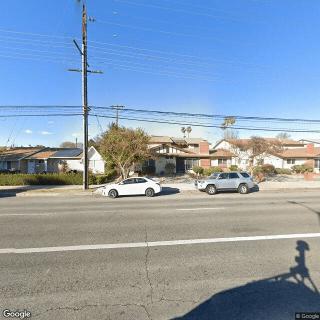
 8 Key Indicators That Suggest It May Be Time to Transition from Assisted Living to Skilled Nursing Care
 Vibrant Senior Living: A Comprehensive Guide for Active Older Adults
 When to Transition from Assisted Living to Memory Care: Key Indicators, Steps, and Finding the Right Community