
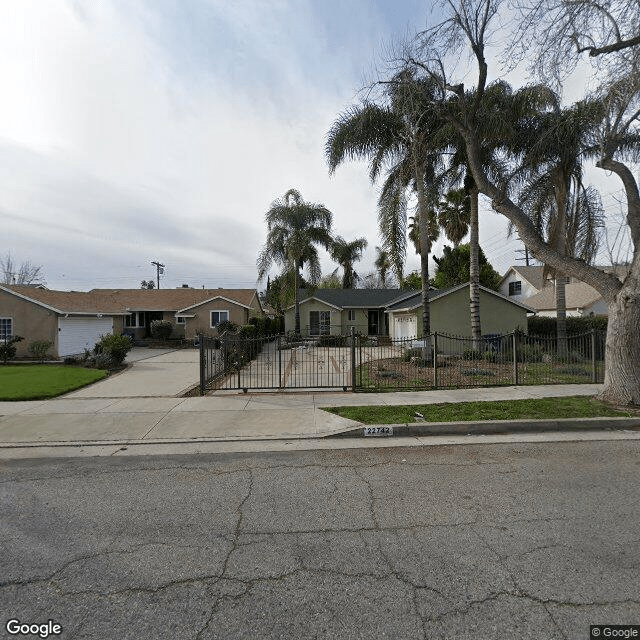
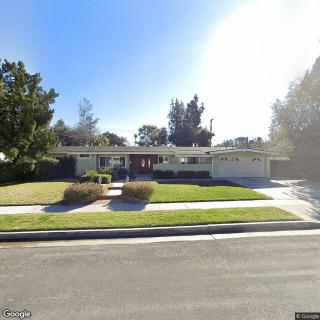
22742 Criswell St, West Hills, CA 91307
To contact a resident: (818) 883-8384
For more information about senior living options: (866) 208-4318
Shalom Elderly Care Inc Costs & Pricing
Shalom Elderly Care Inc offers competitive pricing for its services, with monthly costs for semi-private rooms set at $4,000 and private rooms at $4,500. Comparatively, these rates are higher than the average costs in Ventura County, where semi-private rooms average $3,438 and private rooms are around $4,082. However, both Shalom's semi-private and private room rates remain above the California state averages of $3,333 and $3,939 respectively. This pricing reflects Shalom Elderly Care Inc's commitment to providing quality care tailored to the needs of its residents while still positioning itself within the broader regional market.
| Floor plans | Shalom Elderly Care Inc | Ventura County | California |
|---|---|---|---|
| Semi-Private | $4,000 | $3,438 | $3,333 |
| Private | $4,500 | $4,082 | $3,939 |
Memory care communities with a similar price nearby
-
from -$500 / mo
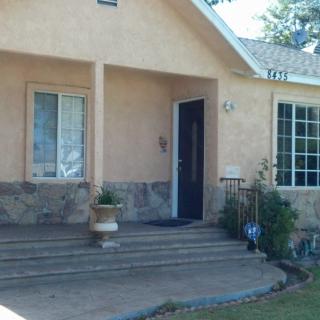
Paradise Senior Living 1
$3,500 to $4,500 / month4.5 miles away -
from +$500 / mo
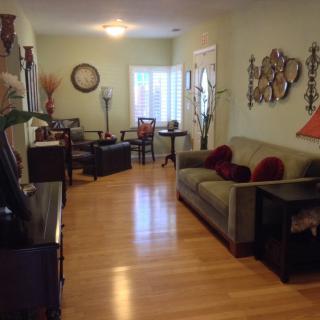
Ardenville Home Care I
$4,500 / month16.0 miles away -
from -$200 / mo
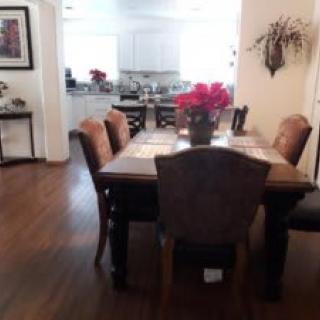
America's Care Manor
$3,800 to $4,000 / month6.1 miles away -
About the same
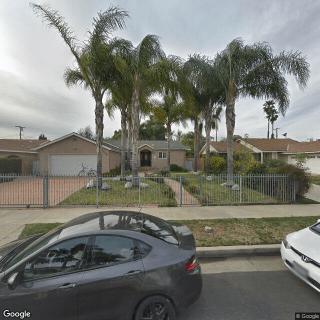
Land of Peace 6
$4,000 to $5,500 / month0.2 miles away -
from -$500 / mo
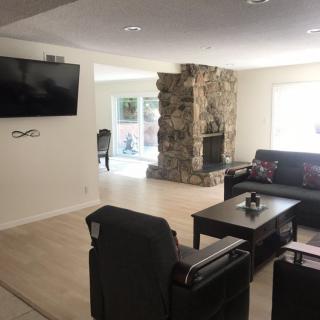
Hollywood Healthy Living
$3,500 to $5,000 / month16.0 miles away
Overall Review of Shalom Elderly Care Inc
Pros
 The care is outstanding for residents.
- The staff is great.
- The facility has a great chef who serves excellent meals with a varied menu.
- It offers a lot of activities for residents to participate in with fellow residents.
- The community is highly recommended for its great care, home-like atmosphere, and value.
Cons
 They were disappointed despite high expectations.
- Their loved one was not allowed to return to the facility after a brief hospital stay, with no notice.
- They felt there were problems they were not informed about.
- They believed California assisted living facilities can suddenly say they can't care for a loved one.
- They warned that a bait-and-switch could occur at any time.
- They were loudly questioned in front of the loved one about whether the payment was ready.
- They found this situation tiresome and advised others to go elsewhere.
Review
Shalom Elderly Care Inc in West Hills is best suited for families seeking a warm, home-like assisted living where attentive staff, quality meals, and an active social calendar anchor daily life. This community works well for seniors who value personal attention, steady hands-on care, and a sense of belonging in a small, resident-centered environment. It suits those who want clear routines, predictable daily activities, and a community that feels like a true home rather than a clinical setting. Potential residents should be comfortable with a setting where staff familiarity and a convivially engaged atmosphere are priorities, and where the nuances of care are more relational than sterile.
On the upside, the core of Shalom Elderly Care shines in care quality and everyday lived experience. The staff receives consistent praise for being engaged, responsive, and genuinely caring, which translates into reliable daily support for meals, mobility, and personal needs. The culinary program stands out, with a chef delivering a varied, appealing menu and meals that residents can look forward to. A robust selection of activities keeps residents socially connected and mentally stimulated, reinforcing a sense of purpose and belonging. For families weighing value and care together, these elements create a compelling case for choosing the community when the priority is a nurturing home environment with real warmth.
However, significant red flags emerge around how the facility handles post-hospital situations and related communications. A troubling pattern in the feedback is the abrupt restriction on a loved one’s return after brief hospital stays, often without forewarning. This kind of action introduces substantial uncertainty for families already navigating a stressful period, eroding trust in the facility’s reliability. Coupled with reports of confrontational billing moments in front of the resident, difficult, publicly awkward exchanges about payment, these issues underscore a lack of smooth, predictable operations. Taken together, these concerns cast a shadow over what otherwise would be a strong care profile.
The key pros, high-quality day-to-day care, staff attentiveness, excellent meals, and a lively activity slate, do offset some risk, but not all. For families that can tolerate or mitigate the discharge ambiguity, the positives translate into a meaningful, home-like living experience where daily routines feel secure and residents are well cared for. The meals and social opportunities help maintain dignity and joy, which is far from incidental in long-term care. Yet the balance tilts unfavorably for those who require consistent, risk-free continuity during hospital transitions or who prioritize seamless, advance notice on any changes to admission status. In other words, great care and comfort are real benefits, but they do not completely neutralize the reliability gaps that some families fear.
For decision-making, enter with concrete questions and a demand for transparency. Seek a written policy on hospital discharges, notice requirements, and what constitutes an acceptable reason for temporary or permanent changes to a resident’s status. Clarify billing practices: how charges are communicated, when payments are due, and how residents or their families are informed of delinquencies without public discomfort. Explore whether the facility will admit and readmit residents who have been hospitalized, and under what conditions. Consider arranging a trial stay or a structured visit to observe staff interactions, meal service, and activity fulfillment in real time. If predictability and policy clarity are non-negotiable, it is prudent to compare alternatives with firmer discharge guarantees and steadier communication frameworks.
Ultimately, Shalom Elderly Care Inc presents a practical, genuinely caring option for families prioritizing a warm, home-like setting, strong daily care, and engaging meals and activities. The decision hinges on tolerance for policy risk around hospital stays and the potential for abrupt changes in resident status. For those who can anchor expectations around discharge procedures and insist on transparent, respectful financial conversations, this community offers real value and a humane living experience. Conversely, if the possibility of sudden discharges or confrontational billing feels untenable, exploring other communities with clearer continuity policies and more predictable admissions might be the wiser path.
 Board and Care Home
 Memory Care
 Cats allowed
 Dogs allowed
 Private
 Private bathrooms
 Respite or short term stays offered
 Burbank-Glendale-Pasadena (15 miles away)
 Ambulatory care
 Diabetic care
 High acuity care
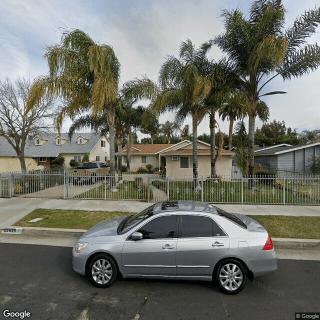
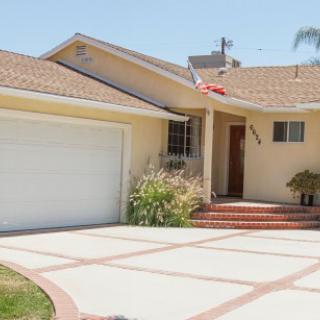
 Nourishing the Mind: Essential Dietary Approaches for Dementia
 Understanding Dementia Behaviors: Practical Insights and Strategies for Caregivers
 When Dementia Sparks Anger and Aggression: Understanding the Connection and Ways to Cope