
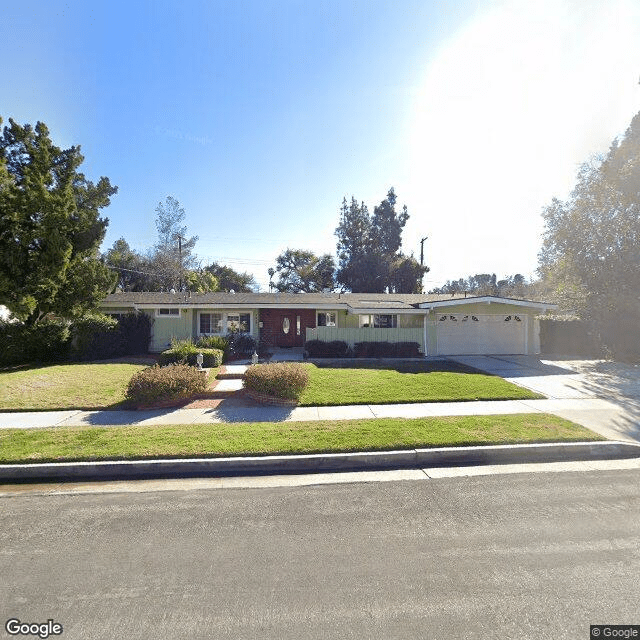
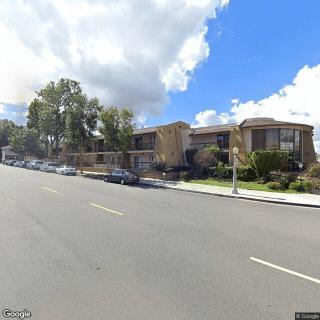
5912 Rudnick Ave, Woodland Hills, CA 91367
To contact a resident: (818) 884-0943
For more information about senior living options: (866) 208-4318
Shalom Elder Care Costs & Pricing
At Shalom Elder Care, monthly costs for accommodations reflect a competitive pricing structure when compared to both Los Angeles County and the broader California market. For instance, studio apartments range from $2,595 to $6,595, offering potential savings against the county's average of $4,172 and the state's average of $4,145. The one-bedroom units at Shalom are priced at $3,895, which is significantly lower than both county and state averages of $4,603 and $4,340 respectively. Two-bedroom options also present a more affordable choice at $4,195 compared to Los Angeles County's average of $6,164 and California's average of $5,270. While private rooms at Shalom cost $4,500 - slightly above the county's figure of $4,197 but below California's statewide average of $3,939 - the semi-private rooms stand out with their higher cost of $6,000 in contrast to the more modest averages in Los Angeles ($3,349) and across California ($3,333). Overall, Shalom Elder Care offers a range of pricing that can cater to varied financial needs while maintaining a focus on quality care.
| Floor plans | Shalom Elder Care | Los Angeles County | California |
|---|---|---|---|
| Studio | $2,595 to $6,595 | $4,172 | $4,145 |
| 1 Bedroom | $3,895 | $4,603 | $4,340 |
| 2 Bedrooms | $4,195 | $6,164 | $5,270 |
| Private | $4,500 | $4,197 | $3,939 |
| Semi-Private | $6,000 | $3,349 | $3,333 |
Memory care communities with a similar price nearby
-
from +$155 / mo
Dignity Care Home 1
$2,750 to $4,150 / month8.0 miles away -
from -$395 / mo
Granada Hills Gardens
$2,200 to $3,500 / month8.4 miles away -
from -$95 / mo
Familycare Cottage IV
$2,500 to $4,500 / month14.6 miles away -
from +$405 / mo
Happy Home Care
$3,000 to $3,500 / month17.9 miles away -
from -$95 / mo
Sunrise Guest Home
$2,500 to $3,000 / month10.5 miles away
Overall Review of Shalom Elder Care
Pros
 The caregivers are first class, extremely nice and patient.
- They welcomed her mom with open arms.
- They have made her mom part of their family.
- Dina worked with the family to establish all mom’s network of services, physicians, and home health.
- The transition to a Shalom Elder Care home went smoothly.
- Dina, the owner, was with them every step of the way.
- The caregivers at the home have been happy, kind and loving.
- The environment is clean, quiet and peaceful.
Cons
 The owner used her own psychiatrist at all facilities and had the mother placed on anti-psychotic medications “just in case.”
- The “just in case” approach led to the mother being given medications used for schizophrenia and bipolar disorder almost every day.
- The mother became incoherent and horribly agitated.
- The reviewer believes this is a place for loved ones only if you want them drugged and stuck in a wheelchair facing the wall.
Review
Shalom Elder Care in Woodland Hills is best suited for families seeking a small, home-like setting where caregivers are deeply involved, accessible, and genuinely attentive. It works well for older adults who thrive with intimate routines, predictable daily life, and a sense of belonging within a close-knit caregiver team. Those who want hands-on coordination of services, physicians, home health, discharge planning, driven by the owner’s direct involvement will find the strongest alignment here. For relatives who value warmth over scale and prefer a setting that feels like a family home rather than a campus, Shalom delivers what matters most: connection, continuity, and ease of communication.
Alternatives should be considered for residents requiring strict medical oversight or specialized memory-care programming. One review describes a troubling pattern of daily antipsychotic medications being administered on a broad, “just in case” basis, resulting in incoherence and agitation. That experience raises legitimate concerns about who dictates treatment, how changes are documented, and whether consent and resident autonomy are prioritized. Families prioritizing formal physician rounds, clear policies on psychotropic use, and evidence-based behavioral management may prefer a setting with more standardized medical governance and a formal memory-care track rather than a small home led by a single proprietor.
On the upside, staff warmth and hands-on support are consistently highlighted. Caregivers are described as happy, kind, and patient, with Dina coordinating services and facilitating access to physicians, home health, and discharge plans. Transitions into the home, from hospital discharge to daily life, are portrayed as smooth, with leadership guiding families through the logistics. The environment itself is repeatedly called clean, quiet, and peaceful, with residents invited to relaxed social moments, shared meals, backyard time, and casual visits that reinforce a sense of belonging. For families seeking tangible emotional comfort, these factors carry real weight in daily decision-making.
However, the medical oversight caveat cannot be ignored. The negative firsthand account suggests a mismatch between caregiving warmth and clinical governance, with potentially intrusive medication practices that undermine resident well-being. This is not presented as an inevitability, but it is a credible caution for anyone comparing options alongside a requirement for individualized medical plans, routine physician reviews, and defined decision-making processes. In cases where a loved one depends on predictable, evidence-based treatment and clearly documented changes in condition, this model may feel precarious. Those needs point toward more conventional assisted living environments with established medical protocols.
Taken as a whole, Shalom Elder Care can deliver significant value for families comfortable with a high-touch, owner-led approach and who can stay actively involved. The warmth and continuity can offset the absence of large-scale programming when a caregiver team remains responsive and accessible. The question becomes whether the potential variability in medical governance aligns with the resident’s health status and the family’s risk tolerance. For many, the ability to visit daily and know the staff personally is a powerful asset; for others, it will be a limiter that makes alternatives with rigorous medical oversight preferable.
Practical next steps include a candid conversation with Dina and the caregiving team about care plans, medication policies, and oversight structures. Prospective families should request a written medication review process, a clear point of contact for medical questions, and opportunities to observe care during mealtimes and routine days. Schedule visits not only to meet staff but to speak with current residents or family members about long-term experiences. Compare with other local options that offer stronger clinical governance and memory-care differentiation to determine whether this home-like model truly matches the resident’s medical needs and family expectations.
 Board and Care Home
 Memory Care
 Cats allowed
 Dogs allowed
 Private
 Private bathrooms
 Burbank-Glendale-Pasadena (15 miles away)
 Ambulatory care
 Diabetic care
 High acuity care
 Five Subtle Dementia Indicators to Observe: An In-Depth Guide to Understanding “Does My Mom Have Dementia?”
 Dementia, Paranoia, and Caregiver Guidance: Understanding the Connection
 Engaging Memory Care Activities That Enhance Quality of Life