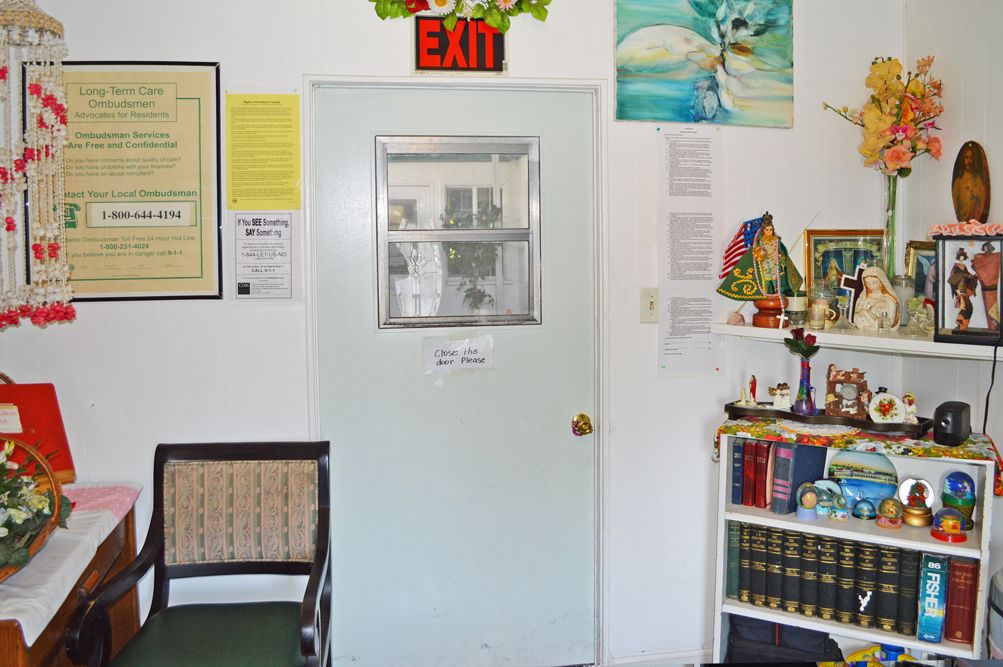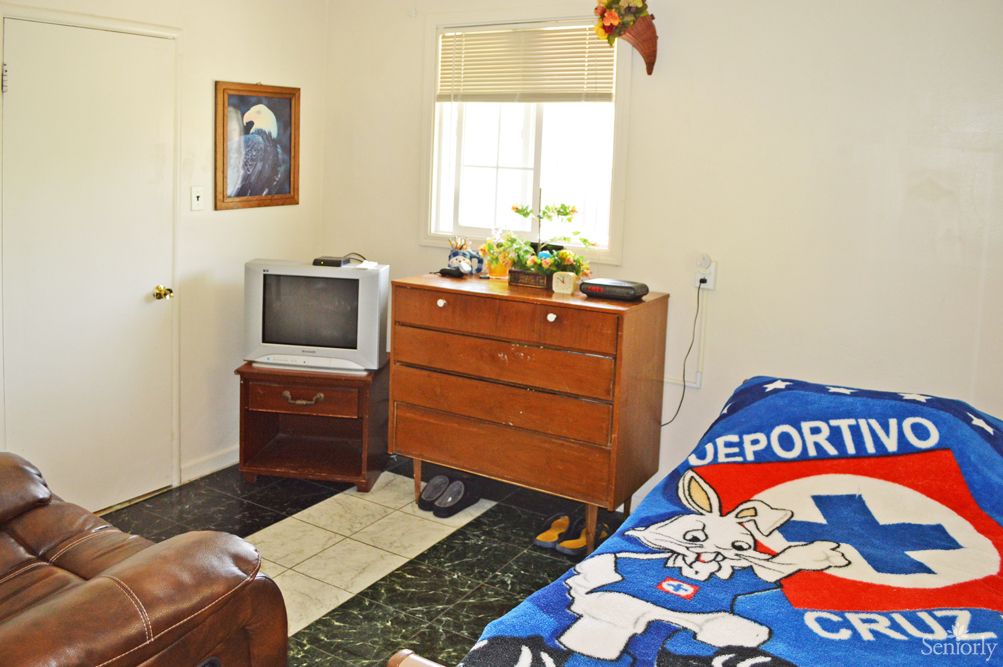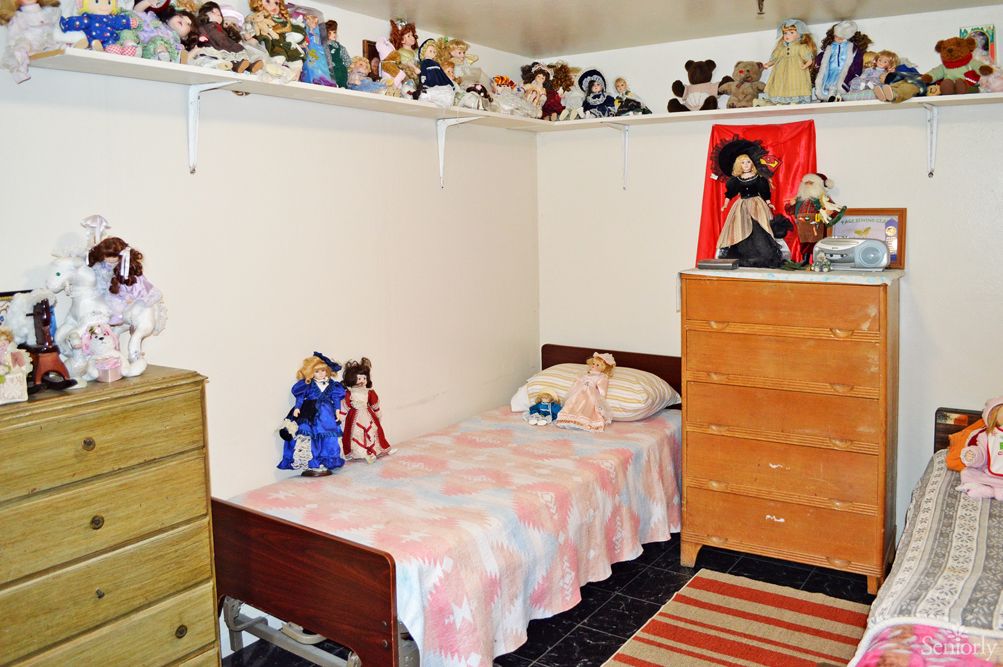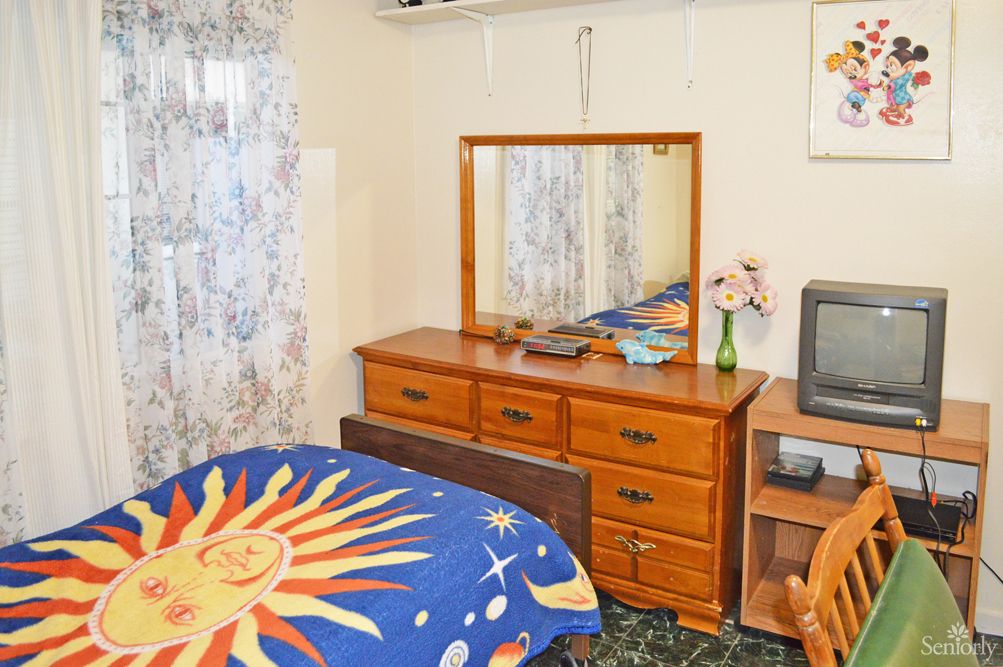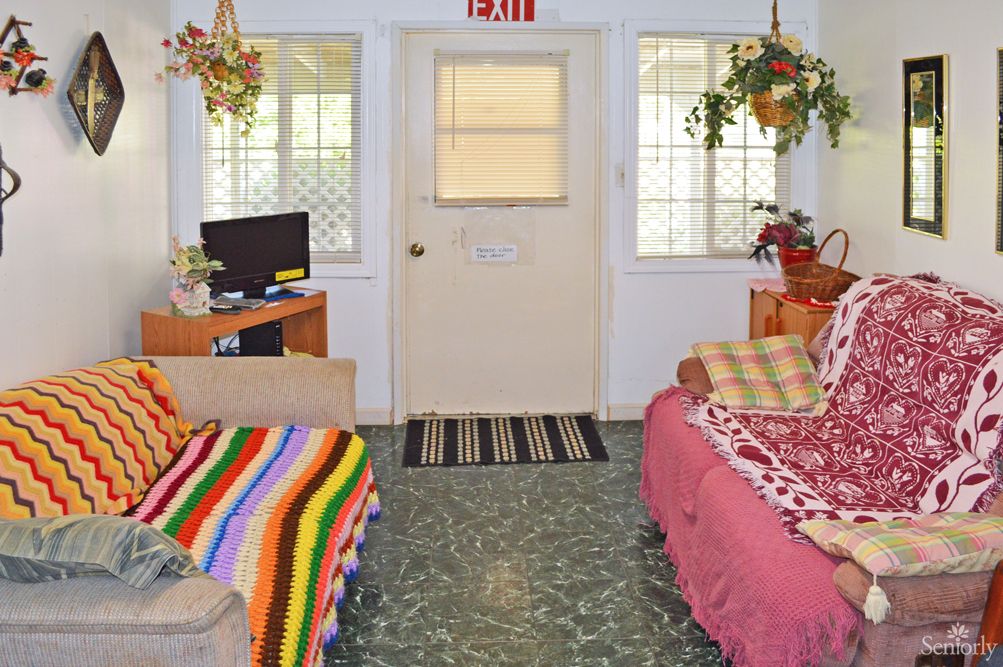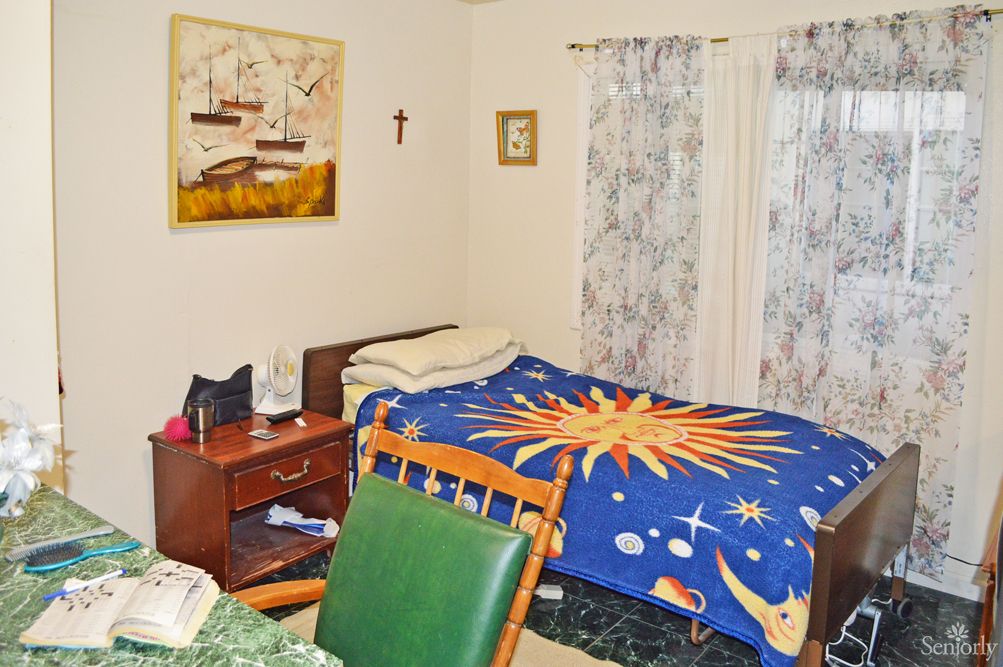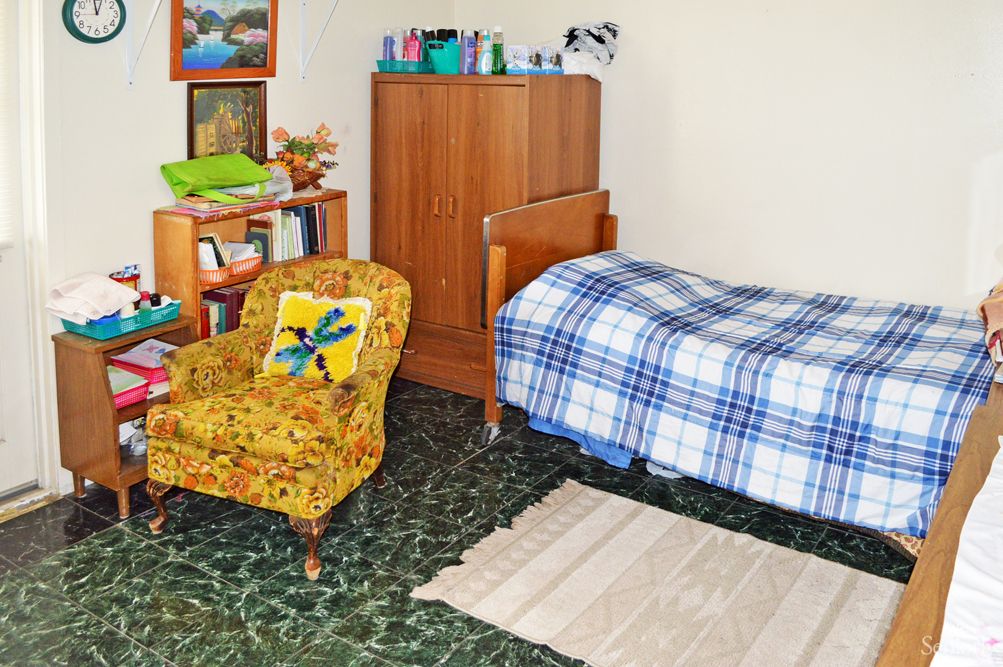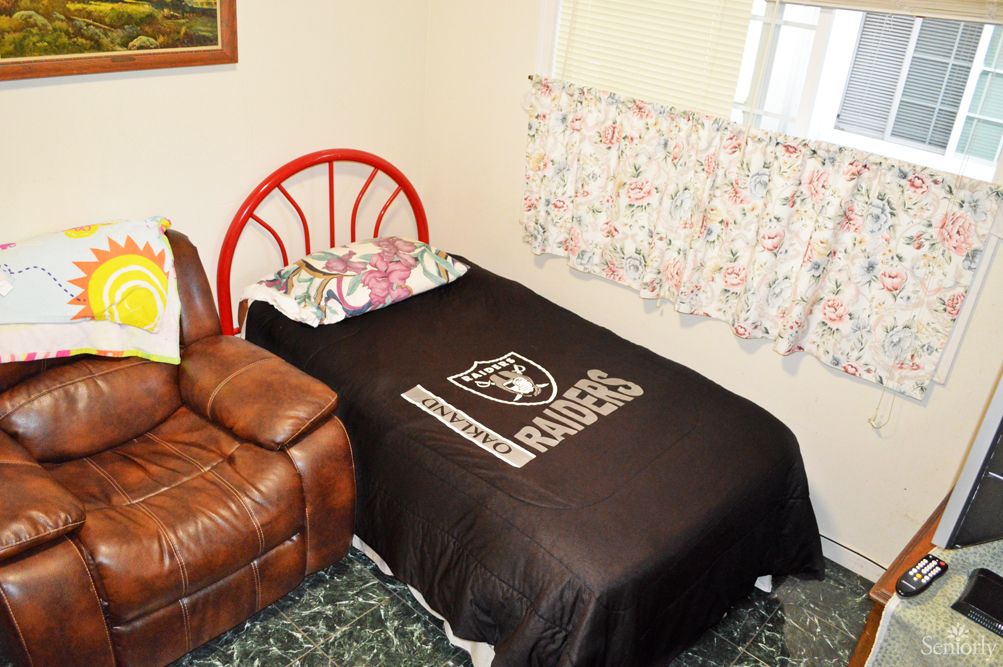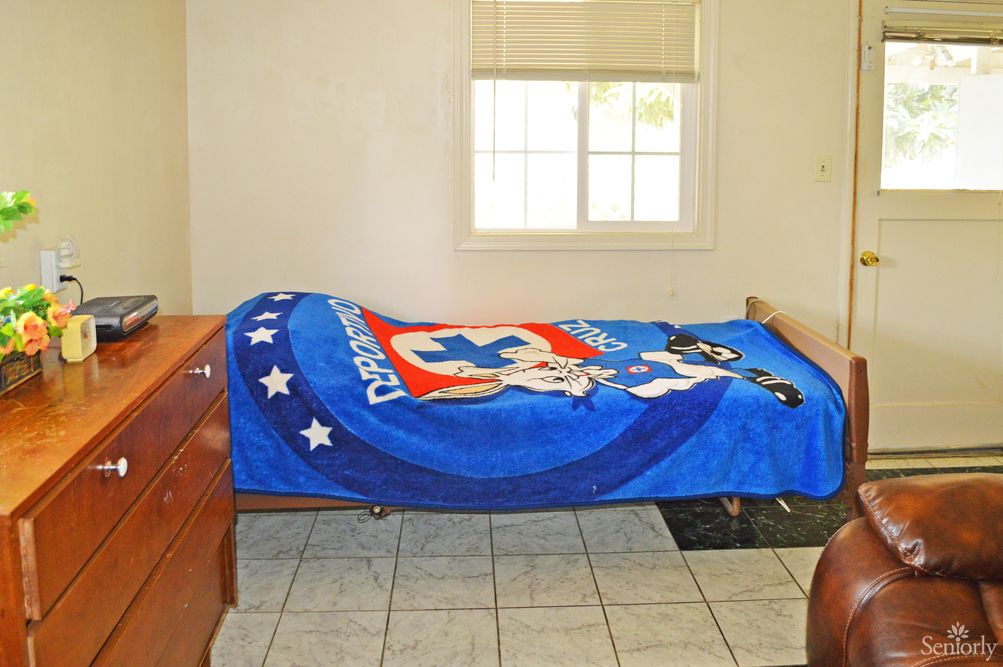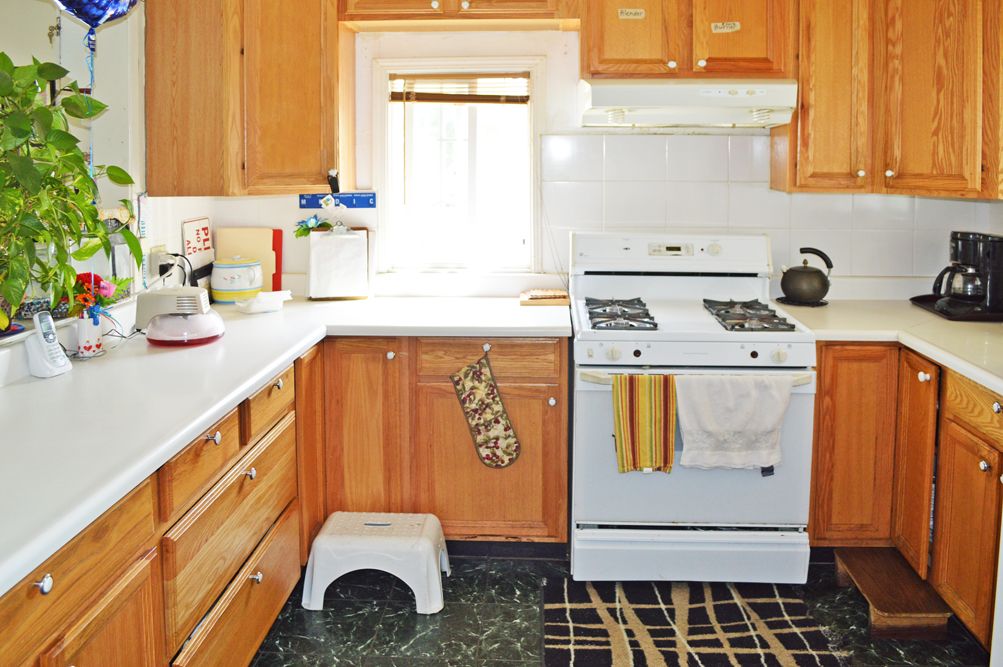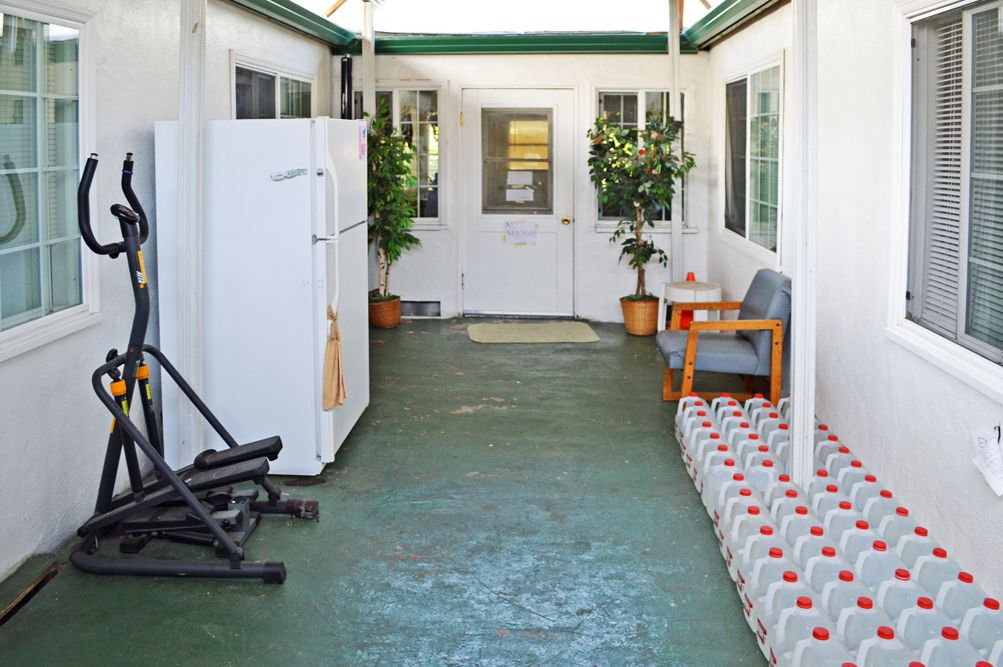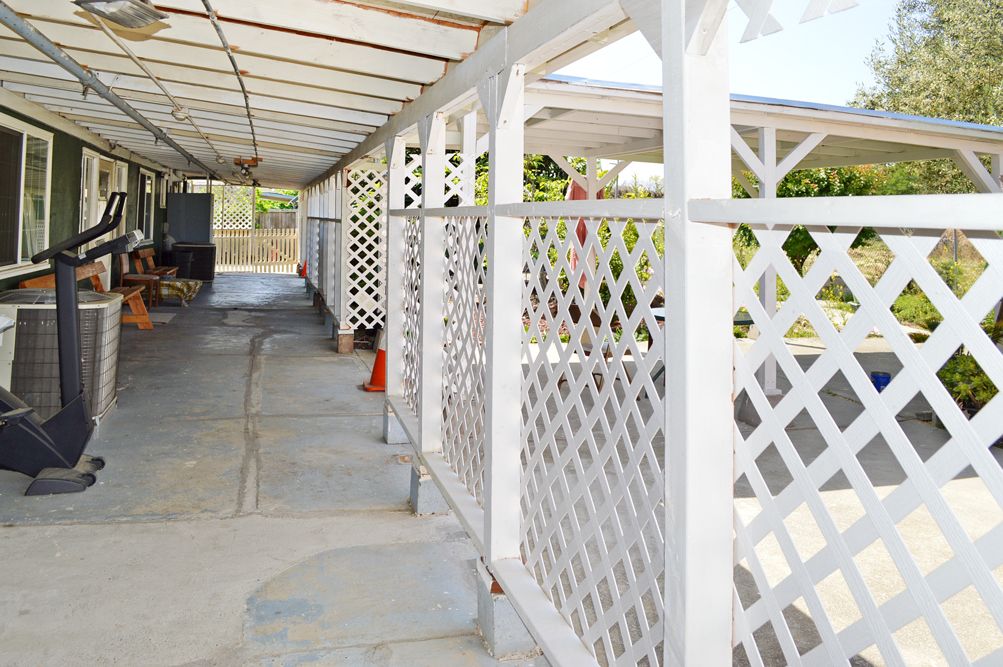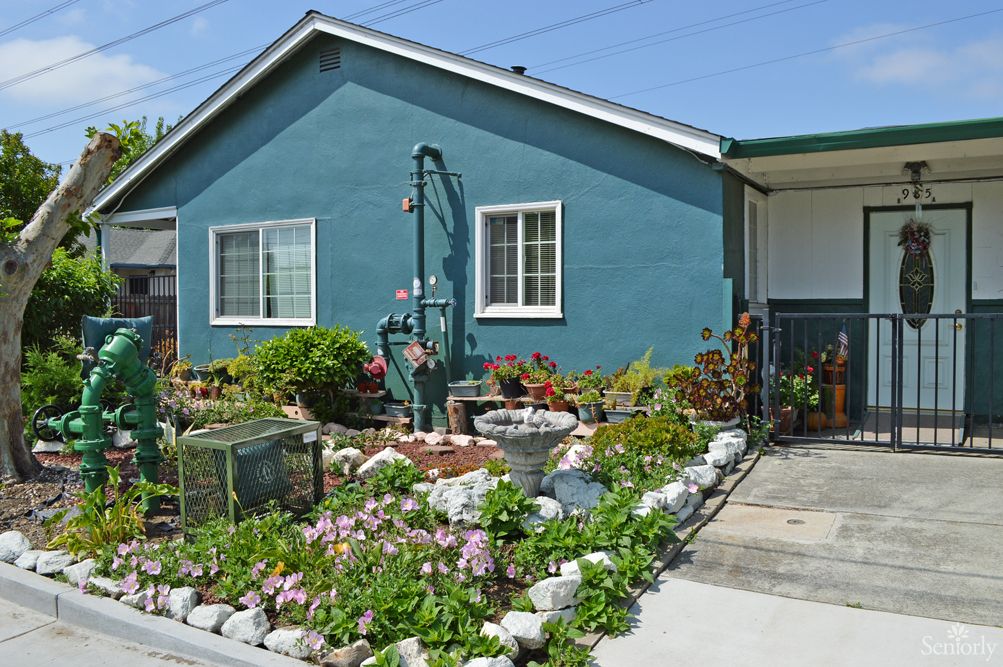









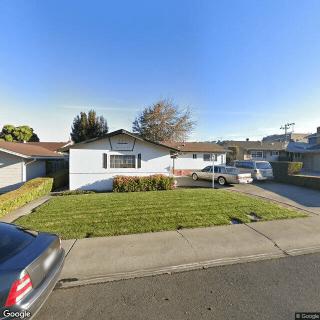
985B Oakwood Avenue, Vallejo, CA 94591
For more information about senior living options: (866) 208-4318
Overall Review of Nena & Ray's Guest Home 1
Pros
 The staff were very understanding and helpful and did their best.
- TJ consistently went above and beyond to answer all questions and keep the family informed about the father’s condition.
- The reviewer was grateful for the care given to their father.
- The manager, TJ, sounded very knowledgeable and pleasant to talk to.
- The staff were very helpful in providing all the information needed to decide to tour the place.
Cons
 The staff were rude.
- A staff member shut the door in the resident's face.
- A nurse implied the mom might be a difficult resident.
- They disclosed patient information, which HIPAA would not approve.
- They pawned the family off to other facilities.
- Front desk staff demanded to see and text vaccine cards.
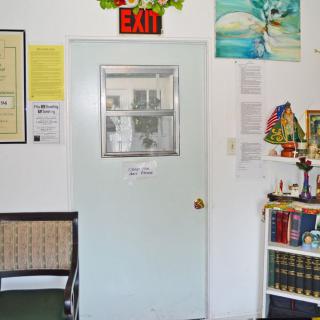
- The door was locked, and staff spoke abrasively and condescendingly.
- The overall impression suggested the facility is poorly run.
Review
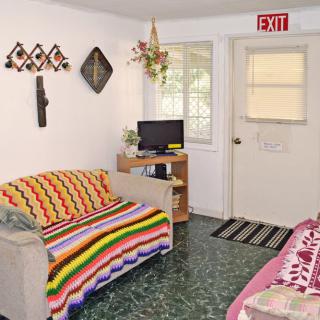
Nena & Ray's Guest Home 1 in Vallejo is best suited for families seeking a small, home-like setting where a resident can receive highly personalized attention and where staff relationships can be developed over time. The community appears to reward close, direct interaction with caregivers and is likely to appeal to families who want rapid access to information through a single point of contact, and who value the sense that staff will go the extra mile with a difficult resident. This setting can work for someone who is relatively independent but prefers the comfort of a tightly knit team that remembers preferences and routines, and who is comfortable navigating a less formal admissions process in exchange for a more intimate daily experience.
That said, several realities emerge that may push families to consider alternatives. The most persistent warning signs relate to how the operation handles introductions, information, and courtesy. For families prioritizing professional, consistently respectful admissions interactions and a privacy-first approach, this community may feel unstable or unsatisfactory. High on the list of deterrents is the perception that the front-of-house experience can be abrupt, overly transactional, or dismissive, with some reviewers describing problematic behaviors at the door and during initial screenings. For those who cannot tolerate even occasional lapses in courtesy or privacy protections, a different setting will likely be a safer, more predictable fit.
On the upside, there are clear positives that can matter in decision-making. In particular, some reviewers highlight staff members who were genuinely helpful and knowledgeable, individuals who provided thorough information, answered questions, and kept family members informed about a loved one’s status. A manager or senior staffer who demonstrated patience and clarity during tours can be a practical asset, especially when miles separate the family from the resident. In situations where a resident is challenging or requires ongoing supervision, these dedicated, responsive staff relationships can translate into smoother daily communication and fewer gaps in care.
However, the main downsides do present tangible barriers. Rude or dismissive frontline behavior, privacy concerns, and a strictly controlled entry experience are repeatedly cited as serious red flags. The most concerning anecdotes involve attempts to extract private health information or vaccine documentation in ways that feel coercive, as well as a door-locked environment that abruptly denies access. Combined with the stated monthly rate of around $6,000, these issues create a higher perceived risk when evaluating value: a costly monthly expense without consistently reliable customer service or airtight privacy protections undermines confidence in long-term residency.
Whether the pros offset the cons depends on the family’s priorities and the resident’s needs. For a person who benefits from a deeply personal care team, values quick access to staff, and can tolerate irregularities in admissions interactions, the favorable aspects may credibly outweigh the negatives. The intimate scale can enable meaningful daily contact, while a few staff members’ willingness to go the extra mile can translate into real, observable benefits in daily care. Yet for families that prize uniform professionalism, hard boundaries around privacy, and a seamless, door-to-service experience, the drawbacks are likely to dominate the calculus, reducing overall satisfaction and perceived safety.
For families ready to move forward, approach with a clear, probing plan. Request a candid meet-and-greet with the admissions lead and several frontline caregivers to observe tone, responsiveness, and how information is shared. Seek specifics on privacy training, the facility’s HIPAA practices, and a written policy about visitor access and data handling. Confirm the exact services included in the $6,000 monthly rate, what levels of medical oversight are provided, and how care plans are communicated to families remotely. Compare these elements against nearby options that emphasize consistent customer service, transparent pricing, and a professional admissions process. In the end, this community favors those who can tolerate a personalized, sometimes uneven operating style in exchange for intimate staff access; for families prioritizing privacy, predictability, and formal process, alternatives will likely deliver greater peace of mind.
 6 resident community capacity
 Assisted Living
 Board and Care Home
 Respite Care
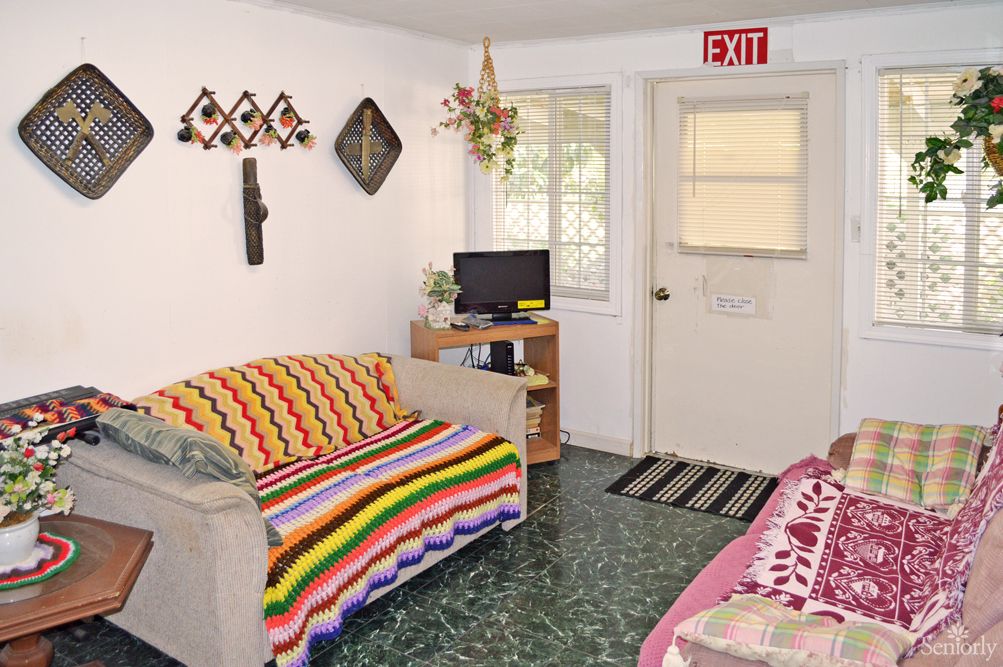
 Cable or satellite TV
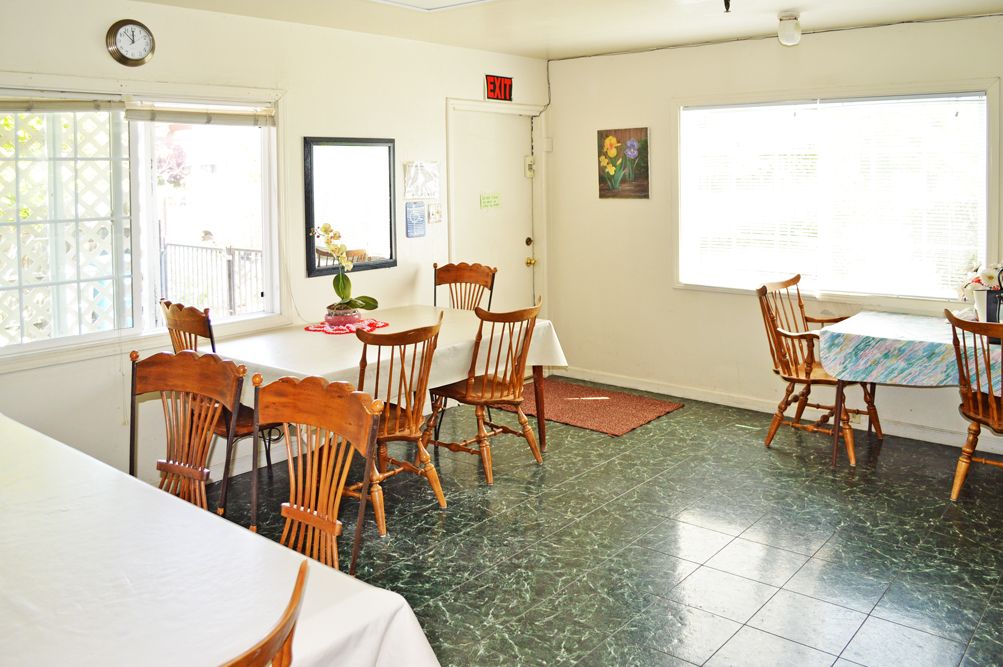
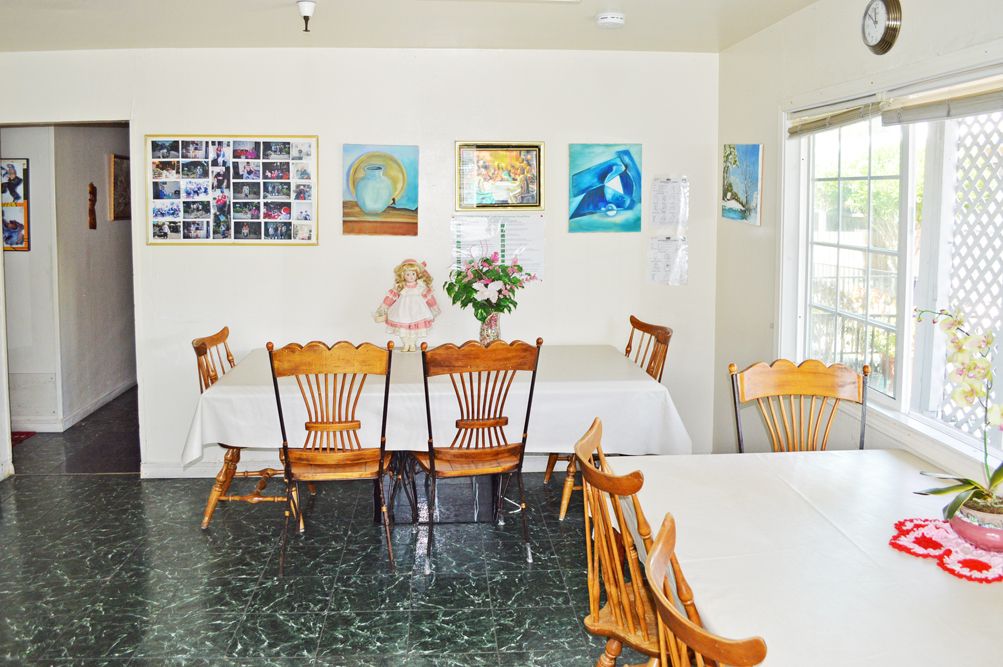
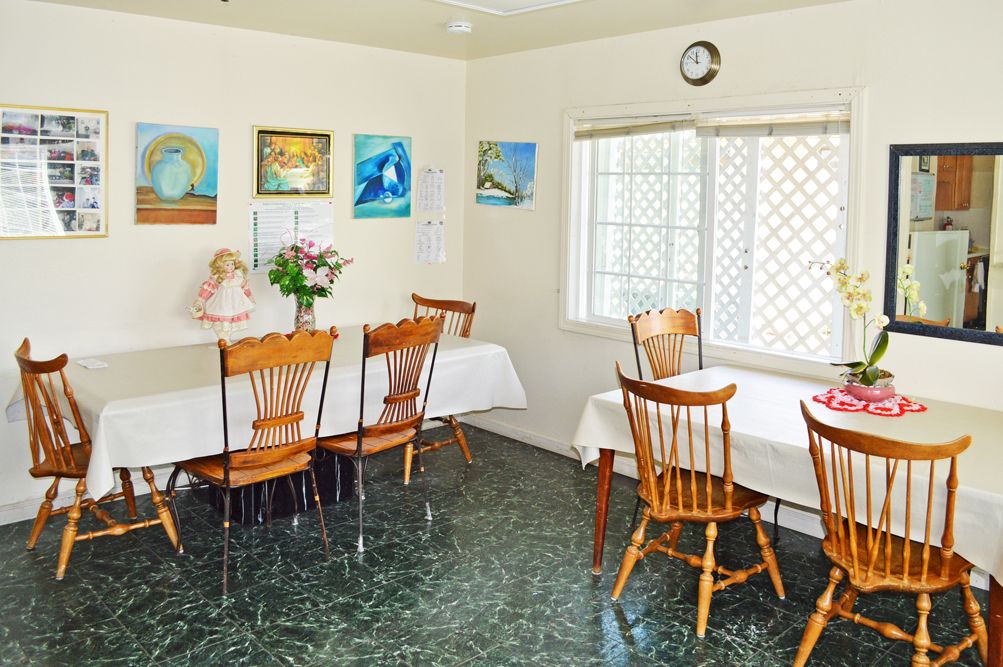
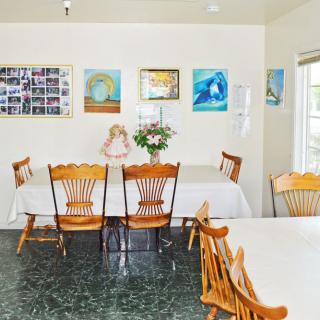
 Dining room
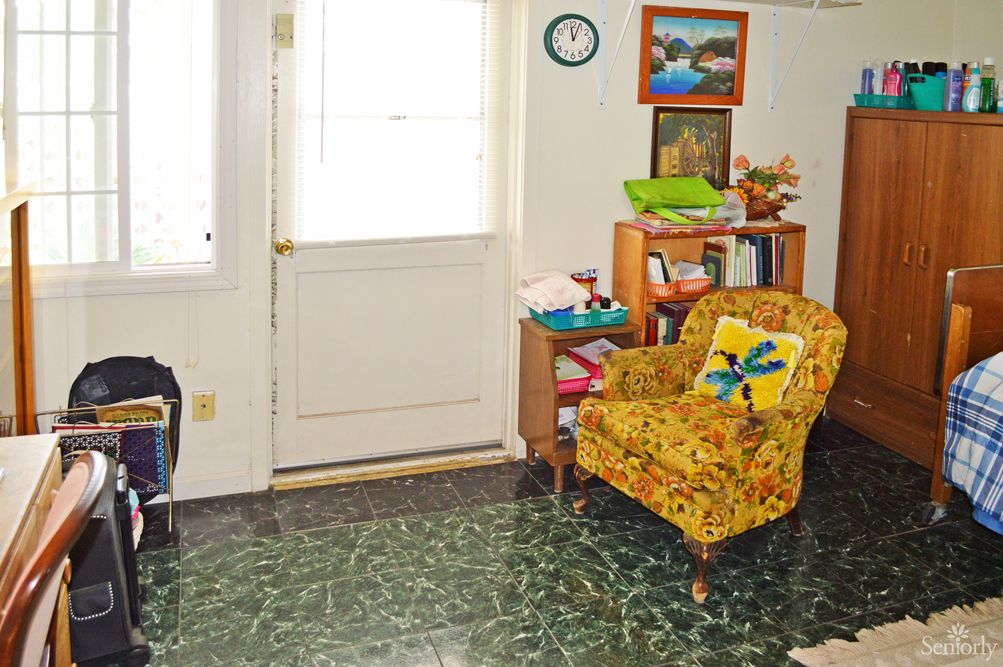
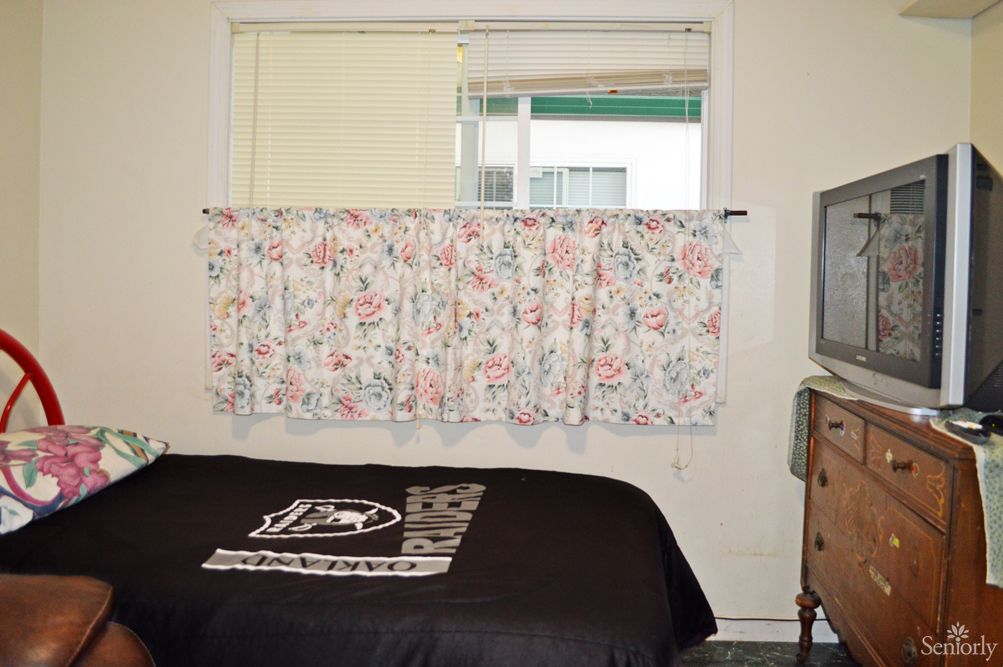
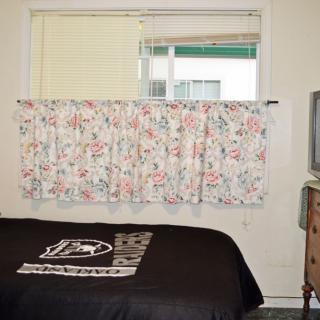
 Fully furnished
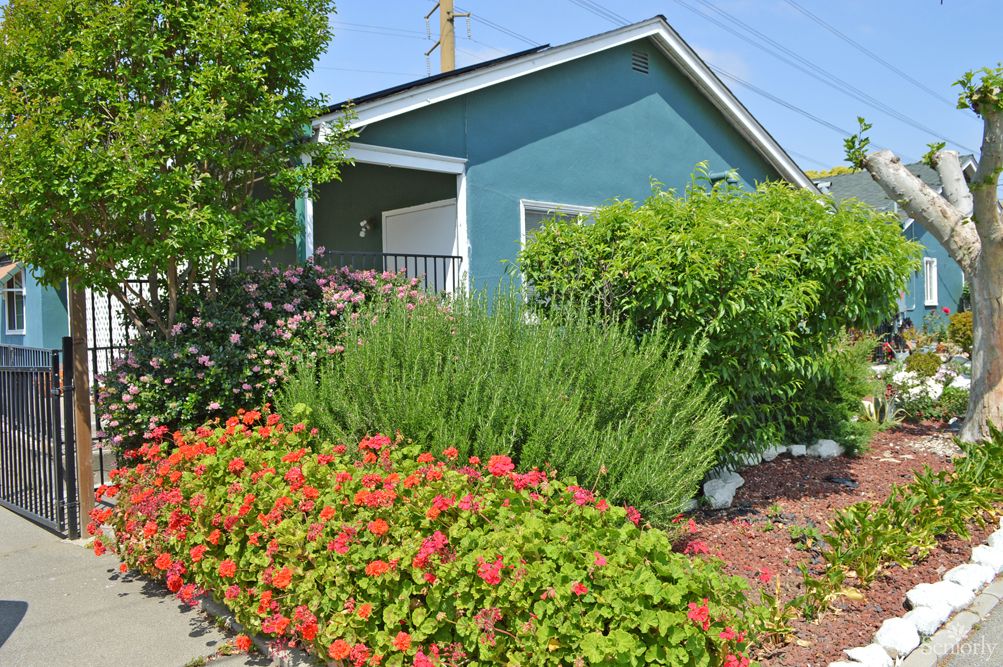
 Garden
 Housekeeping services
 Move-in coordination
 Outdoor space
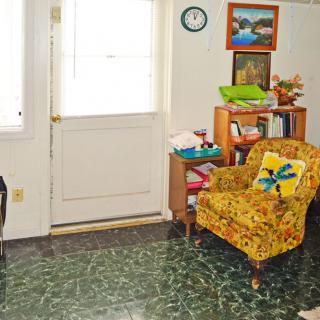
 Small library
 Telephone
 24-hour supervision
 Activities of daily living assistance
 Assistance with bathing
 Assistance with dressing
 Assistance with transfers
 Diabetes diet
 Meal preparation and service
 Medication management
 Special dietary restrictions





 Comprehensive Insights into Activities of Daily Living (ADLs) and Their Assessment
 Medicare Coverage for Assisted Living: An In-Depth Exploration
 Your Comprehensive Guide to Luxury Assisted Living: Elevated Facilities, Amenities, and Costs