Windsor Vallejo Nursing & Rehabilitation Center in Vallejo, CA

Save

  • Interior

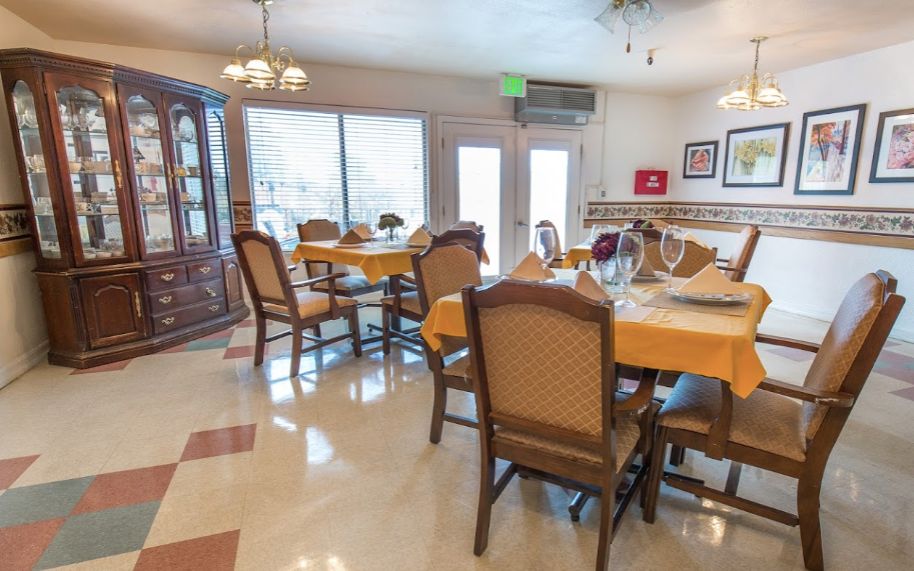
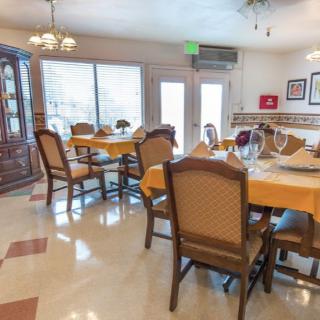
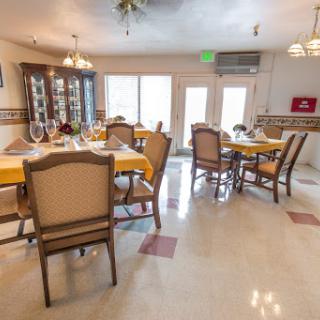
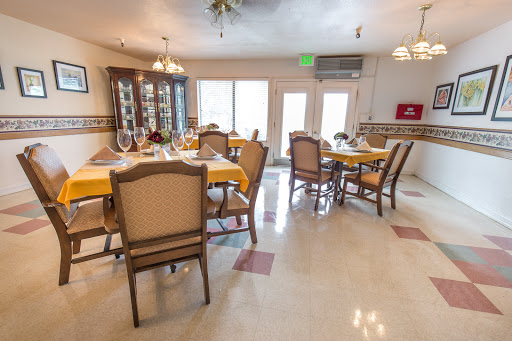
    An inviting dining area with several tables and chairs, well-lit by natural light through large windows.
  • Outdoors

    A vibrant display of tulips blooming in a lush garden surrounded by trees.
  • Decor

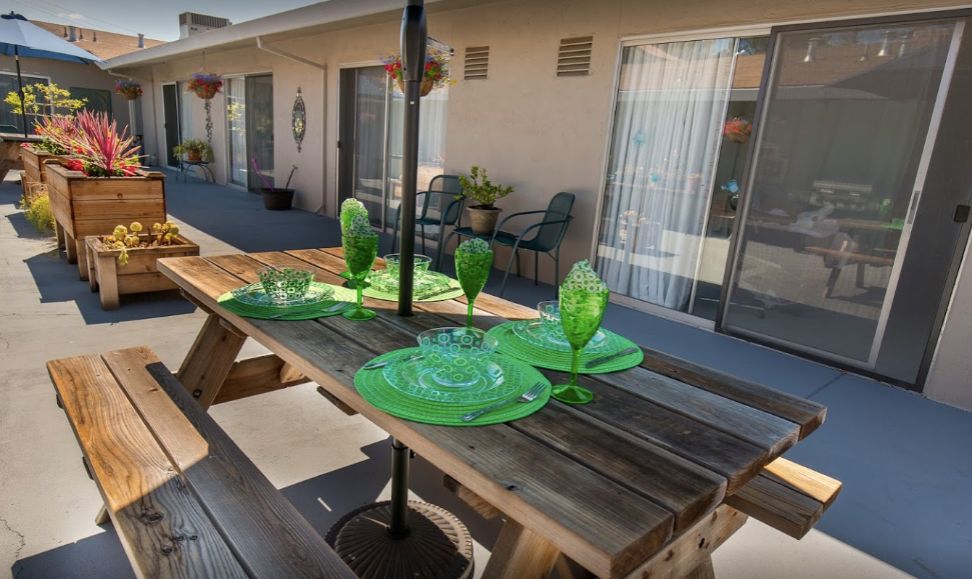
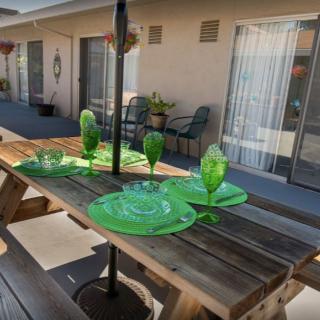
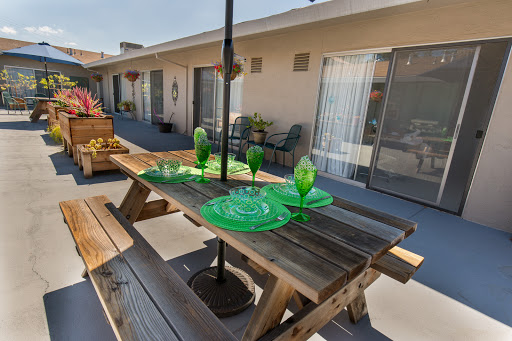
    An outdoor patio setting with green glasses and placemats on a wooden table.
  • Building

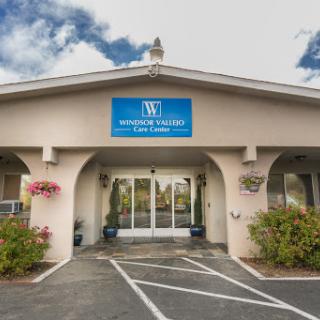
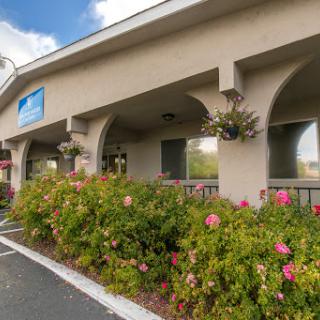
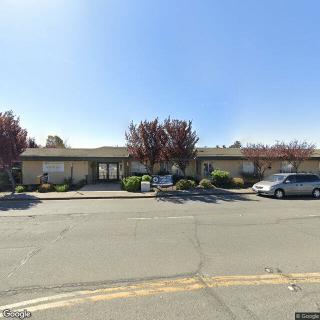
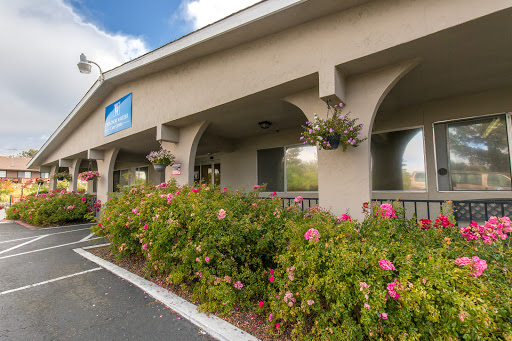
    The entrance of a professional office building, featuring clear signage and landscaped surroundings.
  • Architecture

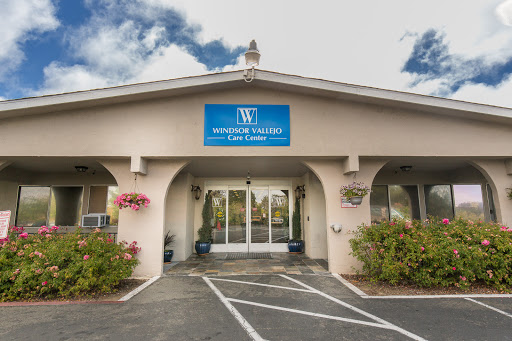
    A welcoming hotel entrance framed by vibrant flowers and a well-maintained landscape.
  • Bedroom

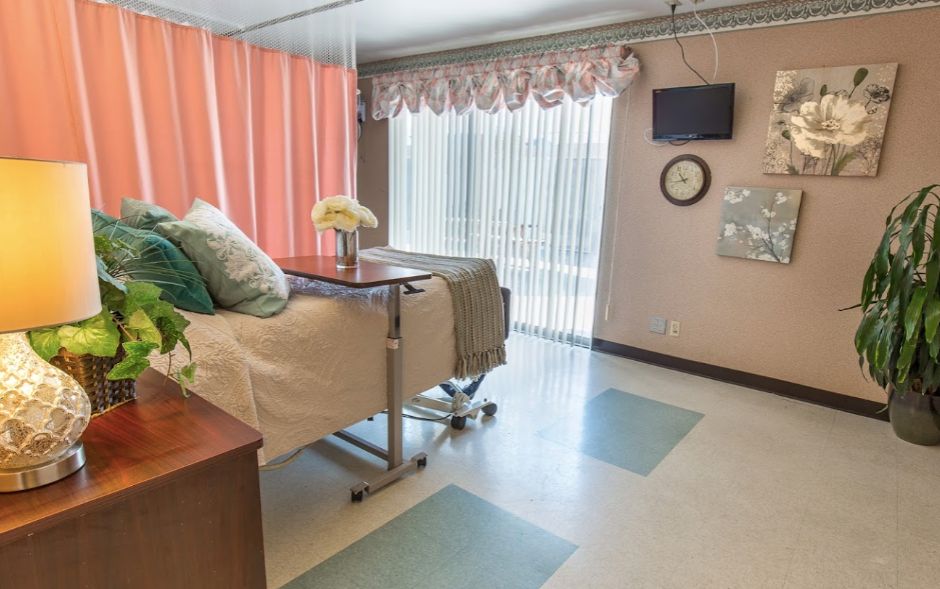
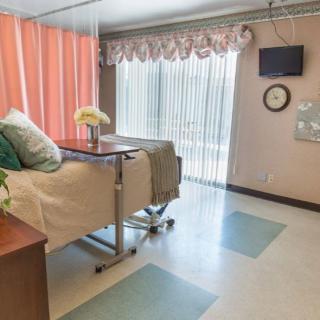
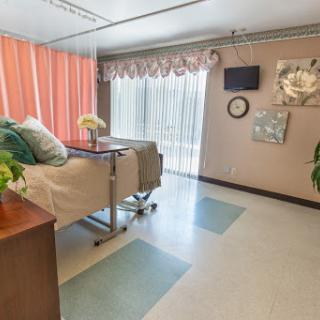
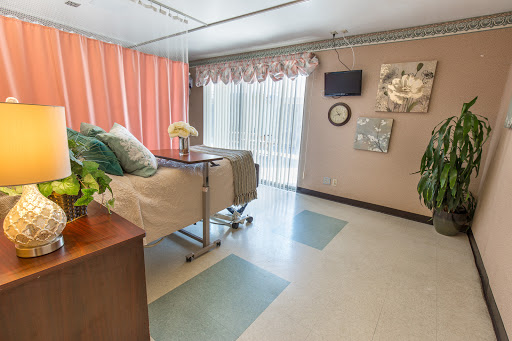
    A hospital room featuring a bed, curtains, and a television, with flowers on the bedside table.
  • Dining

    A spacious and well-lit dining area, designed for comfort and social gatherings.
  • Lighting

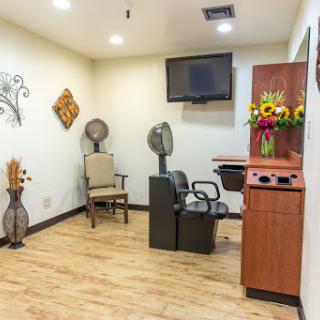
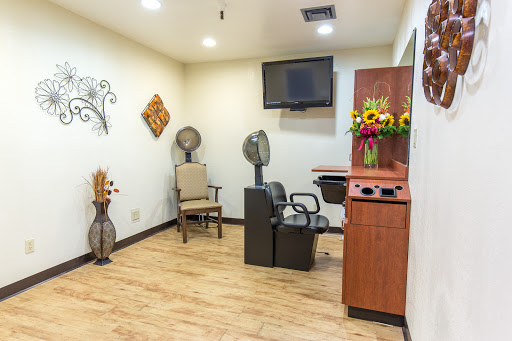
    A modern hair salon interior featuring comfortable seating and decorative elements.
  • Outdoor

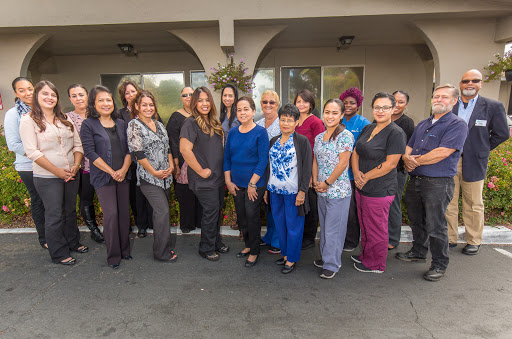
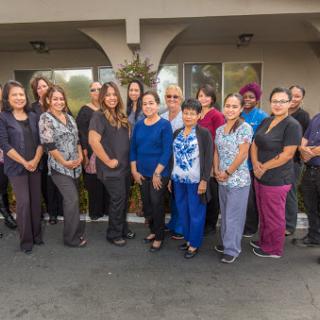
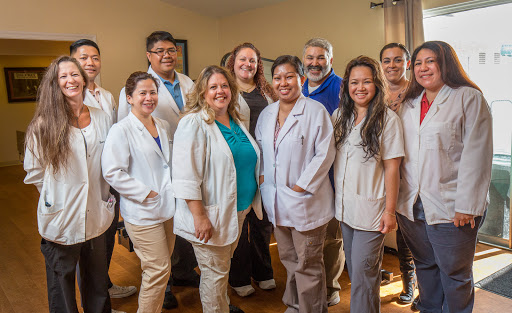
    Team gathering featuring a diverse group of women in a professional setting.
  • Gym

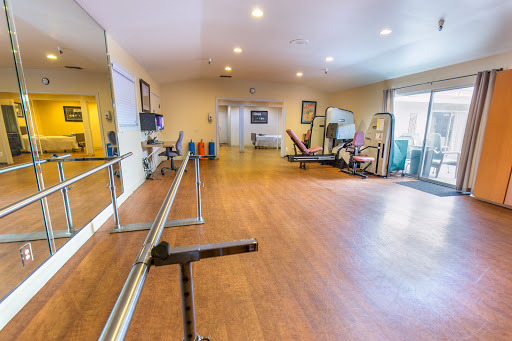
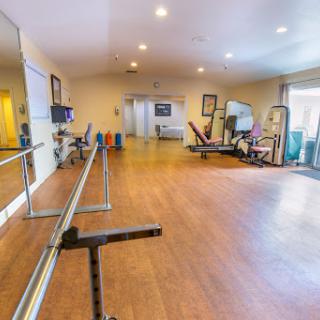
    A well-equipped fitness and rehabilitation gym with a spacious layout.
  • Healthcare

    A serene hospital room designed for patient comfort, featuring warm colors and natural elements.

Windsor Vallejo Nursing & Rehabilitation Center in Vallejo, CA

2200 Tuolumne Street, Vallejo, CA 94589

For more information about senior living options: (844) 490-3973

2.2 from 59 reviews
5 stars
12
4 stars
1
3 stars
7
2 stars
3
1 stars
36

Skilled Nursing Facility

What level of care are you interested in?

Assisted Living

Memory Care

Independent Living

Skilled Nursing Facility

Continuing Care Retirement Community (CCRC)CCRC

Other


Request a tour at Windsor Vallejo Nursing & Rehabilitation Center

    Overall Review of Windsor Vallejo Nursing & Rehabilitation Center

    Pros

    • pro The staff were helpful and caring to residents.
    • pro The building's new management has brought better leadership.
    • pro Tiffany Simmons was wonderful and readily available for questions and needs concerning the stay.
    • pro The physical therapy and occupational therapy are five-star.
    • pro The CNAs and staff were great, with Shawna as a standout supervisor.
    • pro The administrator Kirk is praised for friendly customer service.
    • pro The care and rehab services received by the grandfather/father were amazing.
    • pro Front desk staff, like Angela, were described as sweet and helpful.

    Cons

    • pro They describe Windsor Vallejo Care Center as severely understaffed and poorly managed.
    • pro They report neglect and abuse, with call lights going unanswered and patients left waiting for assistance.
    • pro They allege valuables are stolen and that staff or administration show little accountability.
    • pro They claim residents are left in soiled diapers, not bathed for long periods, and deprived of adequate nutrition.
    • pro They accuse management of lacking transparency and avoiding authorities after incidents.
    • pro They complain of dirty, unclean conditions and persistent odors throughout the facility.
    • pro They say patients' health deteriorates due to care lapses, including falls and unattended wounds.
    • pro They report rude, unprofessional, and sometimes discriminatory behavior by staff.

    Review

    Windsor Vallejo Care Center is best suited for families seeking short-term rehabilitation close to home who can commit to vigilant oversight and ongoing advocacy as a condition for meaningful improvement. This community can deliver tangible progress in therapy when engagement remains strong and staff respond promptly, but the arrangement works best for those who are prepared to be present, ask hard questions, and intervene when care slips. For families prioritizing predictability, minimal caregiver turnover, and a consistently clean, well-run environment, alternatives in the Vallejo area should be considered more carefully.

    The strongest positives this center offers are in the rehabilitation realm. Several reviews highlight capable physical and occupational therapy teams and nurses who are genuinely helpful when engaged. In some patient experiences, the therapy staff and front-desk personnel created a stabilizing, responsive touchpoint that helped residents regain strength and regain a sense of home. There are anecdotes praising individual caregivers and certain leaders who communicate clearly and coordinate well with families. These pockets of care demonstrate that, with the right staff and management alignment, tangible rehabilitation gains are possible.

    Yet the consensus across a large portion of feedback is that the main downsides overwhelm the potential gains. Widespread reports of understaffing, slow call-light response times, and perceived indifference from administration recur in many accounts. Allegations of neglect, rough treatment, and even safety incidents have left families convinced that, in practice, the facility struggles to provide reliable daily care. Cleanliness issues, odor, and inconsistent housekeeping compound the risk, while accusations of theft and a perceived lack of accountability further erode trust. In short, the facility's inconsistencies create a high-stress environment that undermines the potential value of the rehab program.

    Those contrasting experiences mean the pros do not consistently offset the cons. When rehab teams are strong and management appears engaged, some residents make meaningful strides and families feel reassured by visible progress. However, those gains are uneven and often temporary if staffing gaps widen, if communication falters, or if safety protocols and dignity in everyday care are not consistently observed. The negative experiences - chronic understaffing, delayed assistance, and environmental concerns - tersist as a core risk for anyone considering long or short stays. In practical terms, the decision hinges on whether the patient's rehab trajectory can be supported by a vigilant family or advocate who will push for daily improvements.

    Alternatives warrant consideration for anyone who cannot tolerate the repeated reports of neglect or operational chaos described by numerous reviewers. If long-term safety, predictable staffing, and consistently clean, respectful care are non-negotiable, other facilities in or near Vallejo should be explored. For those who still prioritize immediate rehab after a hospitalization, but want a more transparent, accountable environment, weighing options with state ombudsman insights, recent survey results, and first-hand visits will be essential. Areas to compare include staffing ratios, response times, rate of incidents, nutrition quality, and the availability of specialized wound-care and therapy services.

    Prudent preparation before making a decision is essential. Schedule comprehensive tours that include direct observation of call-light responsiveness, patient-to-staff ratios during peak hours, and the cleanliness of rooms and common areas. Request meetings with the therapy team, wound-care nurse, and dietitian to understand current protocols and how individualized plans are executed. Probe management on accountability - ask about recent corrective actions, how theft complaints are handled, and how family members are kept informed. Bring a list of resident rights questions, and consider speaking with an ombudsman to compare Windsor Vallejo's practices with comparable facilities. Honest, on-the-ground intelligence will determine whether the rehab potential can truly be realized here.

    The bottom line is clear: Windsor Vallejo Care Center can deliver meaningful rehabilitation under the right conditions, but its track record for daily care and safety creates significant risk for families seeking stability and peace of mind. It is a facility that rewards active, persistent advocacy and careful monitoring, rather than passive reliance. For families willing to stay closely involved, push for rapid responsiveness, and demand transparent leadership, the center may serve as a workable option. For those unable to tolerate recurring concerns about neglect, cleanliness, and consistent staffing, exploring stronger alternatives is not only prudent, it is advisable.

    Features

    Housing

    • 166 resident community capacity 166 resident community capacity

    Types of Care

    • Skilled Nursing Facility Skilled Nursing FacilitySkilled Nursing Facilities are crucial for seniors as they provide round-the-clock medical care, rehabilitation services, and assistance with daily activities. These facilities ensure that seniors receive the specialized care they need to maintain their health and well-being as they age.

    Amenities

    • Air-conditioning Air-conditioningAir conditioning is important for seniors as they are more vulnerable to heat-related illnesses and may have underlying health conditions that make it difficult for them to regulate their body temperature. It helps to keep them comfortable, safe, and healthy in hot weather.
    • Beauty salon Beauty salonBeauty salons are important for seniors because they provide a space for them to feel pampered, socialize, and maintain their personal grooming and hygiene. Regular visits to a beauty salon can help boost seniors' self-esteem and overall well-being.
    • Cable or satellite TV Cable or satellite TVCable or satellite TV is important for seniors because it provides entertainment, news, and companionship, helping to combat loneliness and boredom. It also offers a wide range of programming options tailored to different interests and preferences.
    • Computer center Computer centerA computer center is essential for seniors as it provides access to technology, communication tools, and resources that can enhance their daily lives. It allows them to stay connected with loved ones, engage in online activities, and learn new skills, ultimately promoting socialization and mental stimulation.
    • Dining room Dining roomDining rooms are important for seniors as they provide a space for socialization, connection, and nutritious meals. They offer opportunities for residents to bond over shared meals, foster a sense of community, and promote healthy eating habits. Dining rooms also ensure that seniors have access to well-balanced meals tailored to their dietary needs and preferences.
    • Fitness room Fitness roomHaving a fitness room in a senior living community is essential for seniors to stay active, maintain their physical health, and improve their overall well-being. Regular exercise can help prevent falls, reduce the risk of chronic diseases, and promote mental sharpness. It also provides social opportunities for residents to connect with others and enjoy a sense of community.
    • Fully furnished Fully furnishedFully furnished senior living communities are important for seniors because they provide convenience, comfort, and a hassle-free moving experience. Seniors can easily settle into their new living space without the stress of having to buy and move furniture. This allows them to focus on enjoying their new home and community.
    • Gaming room Gaming roomGaming rooms are important for seniors as they provide a fun and engaging environment for socializing, cognitive stimulation, and physical activity. Games can improve memory, problem-solving skills, and overall mental well-being while fostering friendships and reducing feelings of isolation.
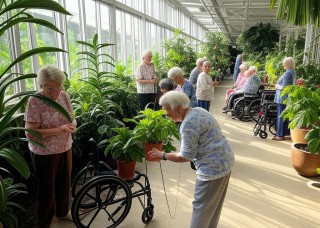
    • Garden GardenGardens are important for seniors as they provide a peaceful and therapeutic environment for relaxation, physical activity, and socialization. Being in nature has been shown to reduce stress, improve mood, and promote overall well-being. Gardens also offer opportunities for seniors to engage in gardening activities, which can improve mobility, flexibility, and cognitive function. Additionally, gardens create a sense of community and connection with others who share a passion for plants and outdoor spaces.
    • Housekeeping services Housekeeping servicesHousekeeping services are important for seniors because they help maintain a clean and safe living environment, promote independence, and reduce the risk of accidents or illnesses. Additionally, having assistance with household chores can alleviate physical strain and allow seniors to focus on other aspects of their well-being.
    • Kitchenette KitchenetteKitchenettes are important for seniors living in senior living communities because they provide the convenience and independence of being able to prepare simple meals and snacks in the comfort of their own living space. This can help promote a sense of autonomy and well-being for seniors, allowing them to maintain some level of control over their dietary choices and daily routines.
    • Move-in coordination Move-in coordinationMove-in coordination is important for seniors because it helps ease the transition into their new living environment. It ensures that all logistics, such as packing, organizing movers, and setting up utilities are taken care of, allowing seniors to focus on settling in and adjusting to their new home. Having a smooth move-in process can alleviate stress and anxiety, making the transition smoother and more enjoyable for seniors.
    • Outdoor space Outdoor spaceOutdoor spaces are important for seniors as they provide opportunities for physical activity, social interaction, exposure to natural light and fresh air, and a sense of connection to nature. Having access to outdoor spaces can improve overall well-being and quality of life for older adults living in senior communities.
    • Private bathrooms Private bathroomsPrivate bathrooms are important for seniors in senior living communities because they provide independence, dignity, and comfort. Having a private bathroom allows seniors to maintain their personal hygiene routines without the need for assistance, promoting a sense of autonomy and privacy. Additionally, private bathrooms help prevent the spread of infections and provide a safe and clean environment for seniors to navigate safely.
    • Restaurant-style dining Restaurant-style diningRestaurant-style dining is important for seniors because it allows them to enjoy delicious, nutritious meals in a social and upscale setting. This enhances their dining experience, promotes healthy eating habits, and fosters socialization with fellow residents, ultimately contributing to their overall well-being and quality of life.
    • Small library Small librarySmall libraries are important for seniors as they provide access to a variety of reading materials, including books, newspapers, and magazines. This can help stimulate their minds, keep them engaged, and provide a sense of community through book clubs and other social activities. Additionally, reading has been shown to improve cognitive function and overall mental well-being in older adults.
    • Telephone TelephoneTelephones are important for seniors as they provide a lifeline for communication with loved ones, emergency services, and healthcare providers. They offer a sense of security and independence, enabling seniors to stay connected and access assistance when needed.
    • Wellness center Wellness centerWellness centers are important for seniors because they offer a variety of programs and services that promote physical, mental, and emotional well-being. These centers provide opportunities for exercise, socialization, education, and relaxation, helping seniors maintain their overall health and quality of life.
    • Wi-Fi/high-speed internet available Wi-Fi/high-speed internet availableWi-Fi/high-speed internet is important for seniors to stay connected with loved ones, access online resources, and participate in virtual activities to combat feelings of loneliness and isolation. It also allows them to easily manage healthcare needs, access entertainment, and engage in lifelong learning opportunities.

    Transportation

    • Community operated transportation Community operated transportationCommunity operated transportation is crucial for seniors as it provides them with the means to access essential services, social activities, and medical appointments. It allows seniors to maintain their independence and quality of life by ensuring they can participate in activities outside of their homes. Additionally, community-operated transportation services offer a safe and reliable way for seniors to travel without having to rely on family or friends for assistance.
    • Transportation arrangement Transportation arrangementTransportation arrangements are crucial for seniors as they may face challenges with driving, mobility, or access to public transportation. Having reliable transportation services ensures that seniors can easily attend appointments, social activities, and maintain their independence and quality of life.
    • Transportation arrangement (non-medical) Transportation arrangement (non-medical)Transportation arrangements are essential for seniors as they provide access to essential services, activities, and social interactions outside the home. This service helps maintain independence, mobility, and overall well-being for seniors who may have limited transportation options.
    • Transportation to doctors appointments Transportation to doctors appointmentsTransportation to doctors appointments is crucial for seniors as it ensures they have access to necessary medical care and support, promoting their health and well-being. It allows them to receive timely treatment, monitor existing conditions, and address any new health concerns efficiently. Additionally, transportation services can help seniors maintain their independence and quality of life by enabling them to stay connected with their healthcare providers.

    Care Services

    • 12-16 hour nursing 12-16 hour nursing12-16 hour nursing care is crucial for seniors in order to ensure around-the-clock monitoring, timely medication administration, and prompt response to any health concerns or emergencies. This level of care helps to promote the overall well-being and safety of seniors living in senior living communities.
    • 24-hour call system 24-hour call system24-hour call systems are important for seniors because they provide peace of mind and immediate assistance in case of emergencies. This technology ensures that help is always available, promoting safety and security for elderly individuals living alone or in assisted living facilities.
    • 24-hour supervision 24-hour supervision24-hour supervision is important for seniors to ensure their safety, well-being, and access to immediate assistance in case of emergencies or health issues. This constant support provides peace of mind for both seniors and their loved ones, allowing them to age in place with dignity and security.
    • Activities of daily living assistance Activities of daily living assistanceActivities of daily living assistance are important for seniors because they provide essential support with tasks such as eating, bathing, dressing, and mobility. This assistance helps seniors maintain their independence, dignity, and overall quality of life as they age.
    • Assistance with bathing Assistance with bathingAssistance with bathing is crucial for seniors as it helps maintain personal hygiene, prevents infections, and ensures their overall well-being and comfort. It also provides a sense of dignity and independence for seniors who may struggle with this task on their own.
    • Assistance with dressing Assistance with dressingAssistance with dressing is important for seniors because it helps maintain their independence, promotes personal hygiene, prevents accidents and injuries, and improves overall quality of life. This service ensures that seniors can continue to dress comfortably and confidently, despite any physical limitations they may have.
    • Assistance with transfers Assistance with transfersAssistance with transfers is crucial for seniors as it helps prevent falls and injuries, maintains their independence, and ensures they can safely navigate their living environment. It also provides peace of mind for both seniors and their loved ones.
    • Diabetes diet Diabetes dietA diabetes diet is crucial for seniors as it helps manage blood sugar levels, reduce risks of complications, and improve overall health and well-being. By following a balanced and nutritious diet tailored to their specific needs, seniors can better control their diabetes and enhance their quality of life.
    • Meal preparation and service Meal preparation and serviceMeal preparation and service are crucial for seniors as they may have limited mobility or energy to cook nutritious meals. Having access to healthy and convenient food options can ensure they are getting the proper nutrition needed to maintain their overall health and well-being.
    • Medication management Medication managementMedication management is crucial for seniors to ensure they are taking the right medications at the correct dosages and times. This helps prevent adverse drug interactions, reduces the risk of medication errors, and promotes overall health and well-being. Proactive management also allows for adjustments as needed based on changing health conditions or new prescriptions.
    • Mental wellness program Mental wellness programMental wellness programs are essential for seniors as they promote cognitive stimulation, emotional support, and social engagement. These programs help prevent isolation, depression, and cognitive decline, ultimately enhancing the overall quality of life for older adults.
    • Special dietary restrictions Special dietary restrictionsSpecial dietary restrictions are important for seniors because age-related changes in metabolism and health conditions can make it difficult for their bodies to process certain foods. By following a diet tailored to their specific needs, seniors can maintain their overall health and well-being, manage chronic conditions, and reduce the risk of complications such as malnutrition or food interactions with medications.

    Dining

    • Diabetes diet Diabetes dietA diabetes diet is crucial for seniors as it helps manage blood sugar levels, reduce risks of complications, and improve overall health and well-being. By following a balanced and nutritious diet tailored to their specific needs, seniors can better control their diabetes and enhance their quality of life.
    • Special dietary restrictions Special dietary restrictionsSpecial dietary restrictions are important for seniors because age-related changes in metabolism and health conditions can make it difficult for their bodies to process certain foods. By following a diet tailored to their specific needs, seniors can maintain their overall health and well-being, manage chronic conditions, and reduce the risk of complications such as malnutrition or food interactions with medications.

    Activities

    • Community-sponsored activities Community-sponsored activitiesCommunity-sponsored activities are important for seniors as they provide opportunities for social interaction, mental stimulation, and physical activity. These activities can help improve overall well-being, combat loneliness and isolation, and promote a sense of belonging and purpose among older adults.
    • Concierge services Concierge servicesConcierge services are essential for seniors as they provide assistance with daily tasks and errands, enhance their quality of life by offering convenience and personalized care, and promote a sense of safety and security.
    • Fitness programs Fitness programsFitness programs are crucial for seniors as they help improve strength, flexibility, balance, and overall well-being. Staying active can reduce the risk of chronic diseases, improve mental health, and enhance quality of life in older adults.
    • Planned day trips Planned day tripsPlanned day trips are important for seniors because they offer opportunities for socialization, mental stimulation, and physical activity. They provide a change of scenery and help seniors stay engaged and connected to their community, promoting overall well-being and quality of life.
    • Resident-run activities Resident-run activitiesResident-run activities are important for seniors as they encourage social interaction, creativity, and a sense of autonomy. These activities empower seniors to stay engaged and active in their community while fostering meaningful connections with their peers.
    • Scheduled daily activities Scheduled daily activitiesScheduled daily activities are important for seniors because they provide structure, socialization, mental stimulation, and physical activity. Engaging in regular activities can improve overall well-being and quality of life for seniors living in a community setting.

    Description

    The Windsor Vallejo Nursing & Rehabilitation Center in Vallejo, CA is a premier assisted living community that offers a wide range of amenities and care services to ensure the well-being and comfort of its residents.

    For the convenience and enjoyment of the residents, the community provides a beauty salon for hair and grooming needs, as well as cable or satellite TV for entertainment. Community-operated transportation is available to help residents get around town, while a computer center allows them to stay connected with loved ones.

    The dining room offers restaurant-style dining where nutritious meals are served, prepared by experienced staff who can accommodate special dietary restrictions. Housekeeping services ensure that the living spaces are kept clean and comfortable.

    Residents can make use of the fitness room to stay active and maintain their physical well-being. The fully furnished gaming room provides opportunities for socialization and recreation. The outdoor space features a beautiful garden where residents can relax and enjoy nature.

    To cater to intellectual interests, there is a small library where residents can find books to read and stimulate their minds. Telephone service is provided for easy communication with family and friends, while high-speed Wi-Fi allows access to the internet.

    The care services at Windsor Vallejo Nursing & Rehabilitation Center are comprehensive, with 24-hour call systems in place to address any emergencies promptly. Trained staff provide assistance with activities of daily living such as bathing, dressing, and transfers. Medication management ensures that residents receive their medications accurately and on time, while diabetes diets are available for those with specific dietary needs.

    Mental wellness programs are offered to support emotional well-being, along with transportation arrangements for non-medical purposes such as shopping or social outings. Transportation to doctors' appointments is also provided for added convenience.

    In terms of nearby amenities, there are cafes, parks, pharmacies, physicians, restaurants, and hospitals all within close proximity of the community.

    At Windsor Vallejo Nursing & Rehabilitation Center, residents can experience exceptional care, a vibrant community, and a comfortable living environment.

    Nearby Places of Interest

    This particular area of Vallejo, California offers a convenient and diverse range of amenities for senior living. With several hospitals and medical centers in close proximity, residents have easy access to healthcare services. There are also numerous pharmacies nearby for medication needs. In terms of dining options, there are popular chains like Denny's, In-N-Out Burger, and Chick-Fil-A within a short distance. For leisure activities, there are parks for outdoor recreation as well as cafes for socializing. Transportation options include Napa Jet Center and Martinez Station for travel convenience. Additionally, there are places of worship nearby for spiritual fulfillment and a theater for cultural entertainment. Overall, this area provides a comfortable and well-rounded living environment for seniors looking to settle down in Vallejo.

    Hospitals

    • Sutter Regional Medical Center (0.1 miles)
    • Sutter Solano Medical Center (0.1 miles)
    • Kaiser Permanente Vallejo Medical Center (0.5 miles)
    • Sutter Health (8.3 miles)
    • NorthBay Healthcare Foundation (8.8 miles)
    • Sutter Fairfield Medical Campus (11.1 miles)
    • Sutter Regional Medical Foundation (11.2 miles)

    Physicians

    • Gregory M. Coe, MD (0.1 miles)
    • North Bay Orthopaedic Associates (0.2 miles)
    • Redwood Eye Center (1 miles)
    • Vallejo Foot & Ankle Clinic (1.2 miles)
    • North Bay Pediatrics (2 miles)
    • North Bay Pediatrics (4.4 miles)
    • Solano Primary Care (4.4 miles)

    Restaurants

    • Denny's (0.7 miles)
    • In-N-Out Burger (0.7 miles)
    • Century Theaters 14 (1.1 miles)
    • Chick-Fil-A (1.4 miles)
    • Sonic Drive-In (3.6 miles)
    • Dead Fish (5.2 miles)
    • Bear (8.6 miles)

    Pharmacies

    • Walgreens (0.8 miles)
    • Walmart Pharmacy (0.9 miles)
    • CVS Pharmacy (1.4 miles)
    • Rite Aid (1.8 miles)
    • Walgreens (2.5 miles)
    • CVS Pharmacy (4.2 miles)
    • Rite Aid (7 miles)

    Parks

    • Hanns Park (1.1 miles)
    • Hiddenbrooke Park (3.8 miles)
    • Southampton Park (5.8 miles)
    • Waterfront Park (9.5 miles)
    • Shurtleff Park (10.6 miles)
    • Fuller Park (11.7 miles)
    • Esther Deaver Park (12.4 miles)

    Cafes

    • Starbucks (3.2 miles)
    • Starbucks (7.7 miles)
    • Starbucks (8.7 miles)
    • Starbucks (9.5 miles)
    • Valley Cafe (10.1 miles)
    • Journey Coffee (11.2 miles)
    • Jelly Belly Cafe (11.5 miles)

    Transportation

    • Napa Jet Center (6.3 miles)
    • Martinez Station (MTZ) (9.4 miles)
    • Fairfield Transportation Center (12.4 miles)

    Places of Worship

    • Trinity Faith Baptist Church (6.7 miles)
    • St Patrick's Youth Ministry (7.2 miles)
    • Bridge Ministry (12 miles)
    • Napa Community Seventh-day Adventist Church (12.5 miles)

    Theaters

    • Century Theatres (11.2 miles)

    Frequently Asked Questions

    Where is Windsor Vallejo Nursing & Rehabilitation Center?
    What photos are available for Windsor Vallejo Nursing & Rehabilitation Center in Vallejo, California?

    Nearby Communities

    • Crestwood Hope Center

      Crestwood Hope Center

      Vallejo, CA


      pro 24/7 supervision with respite care and on-site activities
    • Cogir Of North Bay

      Cogir Of North Bay

      Vallejo, CA

      4.2 from 58 reviews
      $2,000 to $4,000 / month

    • Vista Prado

      Vista Prado

      Vallejo, CA

      4.6 from 49 reviews
      $4,250 to $6,250 / month

      pro Strong memory-care focus with attentive staff and engaging activities.

    • Excel Care

      Excel Care

      Vallejo, CA

      3 from 2 reviews
       

      pro Affordable, quiet living with friendly staff and good meals.

    • Astoria Gardens

      Astoria Gardens

      Vallejo, CA

      4 from 100 reviews
       

      pro Convenient access to cafes, parks, pharmacies, restaurants, and hospitals.

    • Isabel Care Home

      Isabel Care Home

      Vallejo, CA

      5 from 1 review
       

      pro Attentive, thorough care in a small, intimate setting with strong family communication.

    • Springs Road Living Ctr

      Springs Road Living Ctr

      Vallejo, CA

      4.1 from 15 reviews
       

      pro Prime Vallejo location with easy access to cafes, parks, pharmacies, physicians, restaurants, and hospitals for a vibrant lifestyle.

    • Heartwood Avenue Healthcare

      Heartwood Avenue Healthcare

      Vallejo, CA

      4.1 from 14 reviews
      $3,000 to $3,900 / month

      pro Extensive on-site amenities and 24/7 care.

    • A&A Health Services

      A&A Health Services

      San Pablo, CA

      3.3 from 12 reviews
       

      pro 24/7 supervision with medication management and restaurant-style dining.

    Related Resources

    • palliative care vs hospiceUnderstanding the Nuances of Palliative Care and Hospice: A Comprehensive Exploration

      Palliative care focuses on alleviating distress at any stage of a serious illness and can accompany curative treatments, while hospice care is for those nearing the end of life with a prognosis of six months or less, emphasizing comfort over curative measures. Both prioritize holistic care for patients and families but differ in timing, goals, and scope.

    • is home health care tax deductibleIs In-Home Healthcare Tax Deductible? Your Comprehensive Guide
      The guide details the tax deductibility of in-home healthcare expenses according to IRS guidelines, differentiating between medically necessary services and non-medical assistance, while emphasizing the need for proper documentation and itemization requirements. It also highlights state-level variations, the importance of record-keeping, and encourages seeking professional tax help to understand evolving regulations.

    • gardening for seniorsNurturing Well-Being Through Gardening: A Detailed Guide for Senior Enthusiasts
      Gardening provides seniors with physical exercise, mental and emotional support, and social interaction opportunities, while accommodating their needs through raised beds and ergonomic tools. It promotes health benefits like improved dexterity and cardiovascular health, encourages sustainable practices, and allows for manageable upkeep with low-maintenance plants.


    Get Pricing Ask A Question Schedule A Tour Contact Senior Advisor