
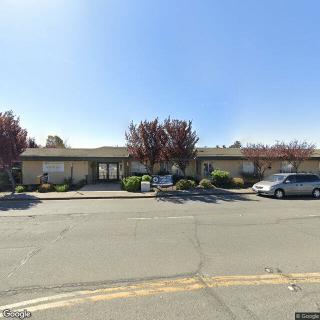
1728 Sereno Drive, Vallejo, CA 94589
For more information about senior living options: (866) 208-4318
Overall Review of Excel Care
Pros
 The staff are described as friendly.
- The environment is quiet.
- The food is quite good.
- Excel Care was chosen for its price and quality, suggesting good value.
- The reviewer feels they are getting a good deal for the money.
Cons
 The facility is not equipped to handle dementia patients, despite assurances.
 - The owner claimed dementia experience but evicted the father after only four hours.
- The intake process was not thorough; paperwork arrived after move-in, and copies were not provided.
- They did not ask about the dad's routine, likes/dislikes, or what food he eats.
- There was no daily schedule for residents.
- There were no medical staff on site to administer medications.
- There are zero amenities aside from a gated pool that is half-filled with green, rotten water.
- Staff directed the dad to use the bedside commode instead of helping him to the real bathroom, and the hospital bed mattress/topper needed replacement.
- Covid precautions were lacking; there were no masks or gloves worn, contradicting mentions of Covid restrictions.
Review
Excel Care in Vallejo is best suited for seniors who want a low-cost, relatively quiet living option and can manage daily routines with minimal staff intervention. The care model, however, shows a sharp mismatch for memory care or any resident requiring structured supervision. Reports from a family indicate the facility is not equipped to handle dementia, despite assurances to the contrary, and the onboarding process allowed a move-in before a thorough needs assessment was completed. In short, the environment may fit largely independent residents who do not rely on regular medical oversight or dementia-specific programming, but it struggles to deliver safe, consistent care for memory-impaired individuals.
For families facing cognitive impairment, reliance on routine, or anyone counting on on-site medical staffing and meaningful daily programming, alternatives should be strongly considered. The absence of on-site medical staff to administer medications or respond to episodes of confusion is a foundational gap. A rushed, incomplete intake process raises serious questions about how needs are evaluated and matched to services. Moreover, the lack of defined daily schedules or common-area programming signals a mismatch for residents who value social engagement or who require predictable, structured activities to stay engaged.
On the positive side, residents describe a quiet atmosphere, friendly staff, and decent-appearing meals, all at a price point that can be appealing to budget-conscious families. These factors can reduce stress for someone who is largely independent and does not expect extensive amenities. Yet these advantages do not meaningfully offset the central care gaps. The absence of dementia-ready care, limited medical oversight, and a facility environment that appears ill-prepared to handle behavioral changes or emergencies undercut overall safety and reliability. The note of maintenance needs, such as aging windows, further erodes confidence in long-term livability, particularly for seniors who rely on a comfortable, well-maintained setting.
Safety and dignity concerns come to the fore when memory issues are present. One account describes a dementia patient being confronted with stress and a harsh interaction, raising alarms about how care is delivered at moments of confusion. Additional specifics, a hospital bed in need of a newer mattress, directives to use a bedside commode rather than the real bathroom, and inconsistent lighting or access to meaningful activities, signal a care environment that can exacerbate disorientation and distress. Without consistent, attentive supervision and a proactive approach to room setup, mobility, and daily routines, the risk of falls, agitation, and withdrawal increases. In short, the experience suggests that what is offered on the surface, quiet, low cost, and a small staff footprint, will not translate into reliable, person-centered care for residents who require more than basic companionship.
Prospective residents should demand concrete assurances before committing. Require evidence of licensed on-site nursing or medical staff, a formal dementia-care policy, and a documented intake process with a real needs assessment. Seek a written daily timetable, planned activities, and clearly defined meal programs that accommodate dietary restrictions. Verify safety features, medication administration protocols, and fall-prevention measures, along with a commitment to facility maintenance and upgrades. Insist on a trial period or observation window to see how staff respond to real-time needs, and meet with administration to review a care plan that aligns with cognitive or behavioral requirements. Clarify how changes in health status would be managed and what costs might accompany additional levels of care.
The bottom line is pragmatic and narrow. Excel Care may serve a specific subset, independent or minimally assisted seniors who prioritize affordability and a quiet, low-key setting. For anyone with dementia, significant cognitive challenges, or a need for reliable on-site medical oversight and robust activities, this community is not the right long-term match. The positives, quietness, approachable staff, and acceptable meals at a favorable price, won’t compensate for the core deficits in dementia readiness, medical supervision, and a consistently structured environment. Families weighing Vallejo options should foreground memory-care capability, clear intake procedures, and proven safety and daily-program offerings when the decision hinges on safety, dignity, and sustained routine.
 6 resident community capacity
 Assisted Living
 Board and Care Home
 Respite Care
 Cable or satellite TV
 Dining room
 Fully furnished
 Garden
 Housekeeping services
 Move-in coordination
 Outdoor space
 Telephone
 Wi-Fi/high-speed internet available
 24-hour supervision
 Activities of daily living assistance
 Assistance with bathing
 Assistance with dressing
 Assistance with transfers
 Diabetes diet
 Meal preparation and service
 Medication management
 Special dietary restrictions
 Transportation arrangement (medical)
 Transportation to doctors appointments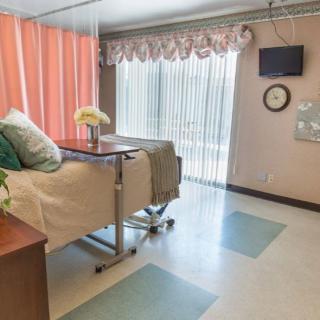




 Assisted Living Expenses and Long-Term Care Insurance: A Comprehensive Exploration
 Securing Financial Support for Assisted Living: A Comprehensive Overview
 Social Security Benefits and Assisted Living: Navigating Options Across the U.S.