Isabel Care Home in Vallejo, CA

Information last verified:

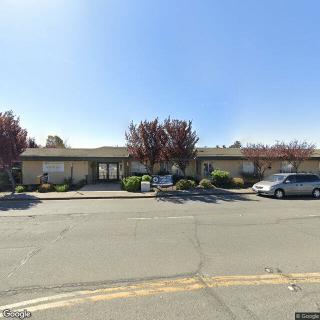
441 North Camino Alto, Vallejo, CA 94590

For more information about senior living options: (844) 490-3973

5 from 1 review

Overall Review of Isabel Care Home

Pros

  • pro The care providers were thorough during the interview, and the family is pleased with the care he has received.
  • pro He is always perfectly groomed and well fed.
  • pro The staff proactively informs the family about his blood glucose levels and insulin management.
  • pro They consistently call when his levels are normal, showing attentive communication.
  • pro They prepackage everything needed for outings, making it easy to take him out.
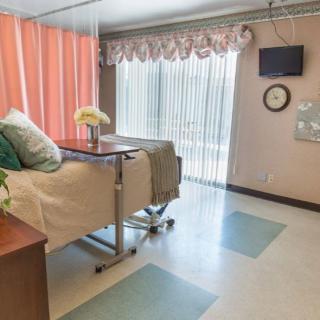
  • pro The rooms are private, comfortable, and functional, with a thoughtful layout.
  • pro The open layout keeps staff visible and available, and the staff are friendly and above excellent.

Cons

  • pro The rooms are small.
  • pro The brother is only 72 years old, so he is very young to be in a home.

Review

Isabel Care Home in Vallejo is best suited for families seeking a small, home-like setting where daily oversight, individualized attention, and close family partnership drive care. The community fits a relatively active senior who does not require hospice-level services and benefits from proactive monitoring for conditions such as diabetes and early dementia. Single-occupancy rooms, visible common spaces, and an open layout keep supervision high and participation easy. This model prioritizes privacy and dignity, avoiding the constraints of shared rooms or oversized campuses, making it an ideal match for residents who value independence within a clearly managed, intimate environment.

Those considering alternatives should note that this home may not meet needs requiring intensive medical management or expansive programming. A larger campus with higher staffing ratios, on-site physicians, and formal rehab or memory-care units often suits residents with complex medical schedules or those who crave a broad, structured activity calendar. Families seeking robust end-of-life care, hospice-oriented services, or highly specialized dementia programming may find the resources here too limited. For residents who equate social engagement with frequent group activities or campus-wide events, the intimate setting could feel constraining.

The strongest asset is the care team’s thoroughness and unusually proactive communication with families. The interview process is meticulous, and caregivers consistently translate day-to-day care into easily understood updates. In a diabetic resident with dementia, the staff handle blood glucose monitoring attentively, with caregivers personally supporting the resident during procedures and promptly notifying family of results. Meal quality is reliable, and the team coordinates logistics for outings, including packing necessary supplies in advance. This level of attentiveness creates a trustworthy care loop where families feel connected to the resident’s daily well-being.

The layout and room configuration reinforce a sense of safety and inclusion. Rooms are single-occupancy, preserving privacy and reducing the friction common in shared accommodations. The kitchen nook and large dining table promote social interaction, while the adjacent, open TV area outside the dining room keeps the community visually connected and never isolated. Two restrooms on site support convenience for residents and visiting families. The staff structure, gender-specific roles for personal care, appears designed to respect privacy and comfort, and the open, unsegmented common areas ensure caregivers remain reachable and residents stay visible, which is especially advantageous for those navigating cognitive decline.

Yet the trade-offs are real. Space is compact, which naturally limits sprawling common-area programming and may curb some forms of recreation or therapy that larger facilities offer. The smaller footprint means more reliance on family involvement to maintain a richly varied daily life, and there’s less redundancy in supervision during peak times simply due to scale. Importantly, the home is oriented away from hospice-centric care, so families must be prepared to arrange additional supports if a resident’s medical needs escalate or end-of-life planning becomes necessary. Prospective residents should verify emergency protocols and transportation options for medical appointments to ensure seamless continuity of care.

Bottom-line: Isabel Care Home represents a pragmatic, anticipatory choice for a mid-stage senior who values intimate staff attention, a privacy-forward environment, and an actively engaged family partnership. It excels for residents who wish to maintain daily routines within a small, predictable setting and who appreciate transparent, ongoing communication with caregivers. For families prioritizing heavy clinical oversight, expansive programming, or comprehensive end-of-life services, larger facilities will likely deliver a better fit. When the resident aligns with the home’s strengths, privacy, personalized care, and a collaborative daily rhythm, Isabel Care Home offers a trusted, comfortable path to daily living in Vallejo.

Features

Housing

  • 6 resident community capacity 6 resident community capacity

Types of Care

  • Assisted Living Assisted LivingAssisted living facilities provide crucial support and care for seniors who may need help with daily tasks such as medication management, bathing, and meal preparation. These communities offer a safe and comfortable environment where seniors can maintain their independence while receiving the assistance they need to thrive in their golden years.
  • Board and Care Home Board and Care HomeBoard and care homes provide a smaller, more intimate setting for seniors who require assistance with daily tasks but do not need the level of care offered by a nursing home. They offer personalized care, meals, and social activities in a homelike environment, ensuring that seniors receive individualized attention and support in their golden years.
  • Respite Care Respite CareRespite care provides temporary relief for caregivers, allowing them to recharge and attend to their own needs. It also gives seniors the opportunity to socialize, receive professional care, and experience a change of scenery, promoting overall well-being and reducing feelings of isolation.

Amenities

  • Cable or satellite TV Cable or satellite TVCable or satellite TV is important for seniors because it provides entertainment, news, and companionship, helping to combat loneliness and boredom. It also offers a wide range of programming options tailored to different interests and preferences.
  • Dining room Dining roomDining rooms are important for seniors as they provide a space for socialization, connection, and nutritious meals. They offer opportunities for residents to bond over shared meals, foster a sense of community, and promote healthy eating habits. Dining rooms also ensure that seniors have access to well-balanced meals tailored to their dietary needs and preferences.
  • Fully furnished Fully furnishedFully furnished senior living communities are important for seniors because they provide convenience, comfort, and a hassle-free moving experience. Seniors can easily settle into their new living space without the stress of having to buy and move furniture. This allows them to focus on enjoying their new home and community.
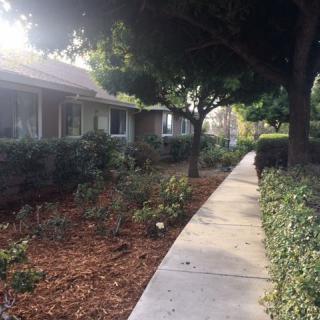
  • Garden GardenGardens are important for seniors as they provide a peaceful and therapeutic environment for relaxation, physical activity, and socialization. Being in nature has been shown to reduce stress, improve mood, and promote overall well-being. Gardens also offer opportunities for seniors to engage in gardening activities, which can improve mobility, flexibility, and cognitive function. Additionally, gardens create a sense of community and connection with others who share a passion for plants and outdoor spaces.
  • Housekeeping services Housekeeping servicesHousekeeping services are important for seniors because they help maintain a clean and safe living environment, promote independence, and reduce the risk of accidents or illnesses. Additionally, having assistance with household chores can alleviate physical strain and allow seniors to focus on other aspects of their well-being.
  • Move-in coordination Move-in coordinationMove-in coordination is important for seniors because it helps ease the transition into their new living environment. It ensures that all logistics, such as packing, organizing movers, and setting up utilities are taken care of, allowing seniors to focus on settling in and adjusting to their new home. Having a smooth move-in process can alleviate stress and anxiety, making the transition smoother and more enjoyable for seniors.
  • Outdoor space Outdoor spaceOutdoor spaces are important for seniors as they provide opportunities for physical activity, social interaction, exposure to natural light and fresh air, and a sense of connection to nature. Having access to outdoor spaces can improve overall well-being and quality of life for older adults living in senior communities.
  • Telephone TelephoneTelephones are important for seniors as they provide a lifeline for communication with loved ones, emergency services, and healthcare providers. They offer a sense of security and independence, enabling seniors to stay connected and access assistance when needed.
  • Wi-Fi/high-speed internet available Wi-Fi/high-speed internet availableWi-Fi/high-speed internet is important for seniors to stay connected with loved ones, access online resources, and participate in virtual activities to combat feelings of loneliness and isolation. It also allows them to easily manage healthcare needs, access entertainment, and engage in lifelong learning opportunities.

Care Services

  • 24-hour supervision 24-hour supervision24-hour supervision is important for seniors to ensure their safety, well-being, and access to immediate assistance in case of emergencies or health issues. This constant support provides peace of mind for both seniors and their loved ones, allowing them to age in place with dignity and security.
  • Activities of daily living assistance Activities of daily living assistanceActivities of daily living assistance are important for seniors because they provide essential support with tasks such as eating, bathing, dressing, and mobility. This assistance helps seniors maintain their independence, dignity, and overall quality of life as they age.
  • Assistance with bathing Assistance with bathingAssistance with bathing is crucial for seniors as it helps maintain personal hygiene, prevents infections, and ensures their overall well-being and comfort. It also provides a sense of dignity and independence for seniors who may struggle with this task on their own.
  • Assistance with dressing Assistance with dressingAssistance with dressing is important for seniors because it helps maintain their independence, promotes personal hygiene, prevents accidents and injuries, and improves overall quality of life. This service ensures that seniors can continue to dress comfortably and confidently, despite any physical limitations they may have.
  • Assistance with transfers Assistance with transfersAssistance with transfers is crucial for seniors as it helps prevent falls and injuries, maintains their independence, and ensures they can safely navigate their living environment. It also provides peace of mind for both seniors and their loved ones.
  • Coordination with health care providers Coordination with health care providersCoordination with health care providers is crucial for seniors to ensure proper medical care, medication management, and overall well-being. This collaboration helps prevent overlapping treatments, track progress more effectively, and provide comprehensive support tailored to individual needs.
  • Diabetes diet Diabetes dietA diabetes diet is crucial for seniors as it helps manage blood sugar levels, reduce risks of complications, and improve overall health and well-being. By following a balanced and nutritious diet tailored to their specific needs, seniors can better control their diabetes and enhance their quality of life.
  • Meal preparation and service Meal preparation and serviceMeal preparation and service are crucial for seniors as they may have limited mobility or energy to cook nutritious meals. Having access to healthy and convenient food options can ensure they are getting the proper nutrition needed to maintain their overall health and well-being.
  • Medication management Medication managementMedication management is crucial for seniors to ensure they are taking the right medications at the correct dosages and times. This helps prevent adverse drug interactions, reduces the risk of medication errors, and promotes overall health and well-being. Proactive management also allows for adjustments as needed based on changing health conditions or new prescriptions.
  • Special dietary restrictions Special dietary restrictionsSpecial dietary restrictions are important for seniors because age-related changes in metabolism and health conditions can make it difficult for their bodies to process certain foods. By following a diet tailored to their specific needs, seniors can maintain their overall health and well-being, manage chronic conditions, and reduce the risk of complications such as malnutrition or food interactions with medications.
  • Transportation arrangement (medical) Transportation arrangement (medical)Transportation arrangements for medical purposes are essential for seniors as they may have difficulty driving themselves to appointments or accessing public transportation. Having reliable and safe transportation options ensures that seniors can receive timely medical care and maintain their health and well-being.
  • Transportation to doctors appointments Transportation to doctors appointmentsTransportation to doctors' appointments is crucial for seniors as it ensures they have access to necessary medical care and support for their health needs. Without reliable transportation, seniors may struggle to attend important appointments, leading to potential delays in treatment and health complications. Providing transportation services helps seniors maintain their overall well-being and quality of life.

Dining

  • Diabetes diet Diabetes dietA diabetes diet is crucial for seniors as it helps manage blood sugar levels, reduce risks of complications, and improve overall health and well-being. By following a balanced and nutritious diet tailored to their specific needs, seniors can better control their diabetes and enhance their quality of life.
  • Special dietary restrictions Special dietary restrictionsSpecial dietary restrictions are important for seniors because age-related changes in metabolism and health conditions can make it difficult for their bodies to process certain foods. By following a diet tailored to their specific needs, seniors can maintain their overall health and well-being, manage chronic conditions, and reduce the risk of complications such as malnutrition or food interactions with medications.

Activities

  • Community-sponsored activities Community-sponsored activitiesCommunity-sponsored activities are important for seniors as they provide opportunities for social interaction, mental stimulation, and physical activity. These activities can help improve overall well-being, combat loneliness and isolation, and promote a sense of belonging and purpose among older adults.
  • Scheduled daily activities Scheduled daily activitiesScheduled daily activities are important for seniors because they provide structure, socialization, mental stimulation, and physical activity. Engaging in regular activities can improve overall well-being and quality of life for seniors living in a community setting.

Description

Isabel Care Home in Vallejo, CA is a welcoming and well-equipped assisted living community that offers a range of services and amenities to provide residents with a comfortable and fulfilling lifestyle. As a board and care home, it offers personalized assistance and support to seniors who may require help with their daily activities.

The community boasts a variety of amenities, including a spacious dining room where residents can enjoy delicious meals prepared by the staff. The fully furnished accommodations ensure that residents feel at home right away, and the outdoor space and garden provide opportunities for relaxation and fresh air. Housekeeping services are provided regularly to maintain cleanliness and orderliness.

Isabel Care Home takes care of all the details when it comes to moving in, offering move-in coordination services to ease the transition for new residents. To keep everyone connected, telephone services as well as Wi-Fi/high-speed internet access are available throughout the community.

Residents receive comprehensive care services to assist with their everyday needs. These include assistance with bathing, dressing, and transfers, ensuring their comfort and safety. The dedicated staff also coordinates with healthcare providers to ensure that residents receive appropriate medical attention when needed. Special dietary restrictions are carefully catered for, including diabetes diets, while meal preparation and service take into account each resident's individual preferences.

Transportation arrangements for medical appointments are arranged by the community, providing convenience for residents who need assistance getting around. In addition, there are numerous cafes, parks, pharmacies, physicians' offices, restaurants, and hospitals located nearby for easy access to additional amenities and healthcare services.

To keep residents engaged and entertained, there are scheduled daily activities offered within the community. These activities provide socialization opportunities and promote overall wellbeing.

Overall, Isabel Care Home in Vallejo offers a supportive environment where seniors can thrive while receiving personalized care in a warm setting.

Nearby Places of Interest

Pharmacies

  • Walgreens (0.3 miles)
  • Walmart Pharmacy (0.6 miles)
  • Rite Aid (1.3 miles)
  • CVS Pharmacy (2 miles)
  • Walgreens (3.1 miles)
  • CVS Pharmacy (4 miles)
  • Rite Aid (6.7 miles)

Hospitals

  • Kaiser Permanente Vallejo Medical Center (0.4 miles)
  • Sutter Regional Medical Center (0.8 miles)
  • Sutter Solano Medical Center (0.8 miles)
  • Sutter Health (9 miles)
  • NorthBay Healthcare Foundation (9.5 miles)
  • Sutter Fairfield Medical Campus (11.8 miles)
  • Sutter Regional Medical Foundation (11.8 miles)

Physicians

  • Gregory M. Coe, MD (0.8 miles)
  • Vallejo Foot & Ankle Clinic (0.8 miles)
  • North Bay Orthopaedic Associates (0.9 miles)
  • Redwood Eye Center (1.2 miles)
  • North Bay Pediatrics (1.8 miles)
  • North Bay Pediatrics (3.9 miles)
  • Solano Primary Care (3.9 miles)

Restaurants

  • Denny's (0.8 miles)
  • In-N-Out Burger (1 miles)
  • Century Theaters 14 (1.6 miles)
  • Chick-Fil-A (2 miles)
  • Sonic Drive-In (4.2 miles)
  • Dead Fish (4.6 miles)
  • McDonald's (7.9 miles)

Parks

  • Hanns Park (1.2 miles)
  • Hiddenbrooke Park (4.3 miles)
  • Southampton Park (5.7 miles)
  • Waterfront Park (9.2 miles)
  • Shurtleff Park (11.3 miles)
  • Fuller Park (12.2 miles)
  • Wildcat Canyon Regional Park (12.5 miles)

Cafes

  • Starbucks (2.6 miles)
  • Starbucks (8.5 miles)
  • Starbucks (8.8 miles)
  • Starbucks (9.4 miles)
  • Valley Cafe (10.9 miles)
  • Journey Coffee (11.9 miles)
  • Starbucks (11.9 miles)

Places of Worship

  • Trinity Faith Baptist Church (6 miles)
  • St Patrick's Youth Ministry (6.5 miles)
  • Bridge Ministry (11.3 miles)

Transportation

  • Napa Jet Center (6.8 miles)
  • Martinez Station (MTZ) (9.1 miles)
  • Fairfield Transportation Center (13.1 miles)

Theaters

  • Century Theatres (10.4 miles)

Frequently Asked Questions

Where is Isabel Care Home?

Nearby Communities

  • Isabel's Care Home

    Isabel's Care Home

    Vallejo, CA

    4.3 from 8 reviews
    $2,500 to $4,000 / month

    pro Caring staff in a clean, supportive environment with responsive fee communication.

  • Isabel's Care Home II

    Isabel's Care Home II

    Vallejo, CA

     
    $1,300 to $2,000 / month

    pro Affordable pricing for semi-private and private rooms compared to county and state averages.

  • Ramirez Care Home

    Ramirez Care Home

    Vallejo, CA

    4.4 from 17 reviews
     

    pro Warm, homelike setting with 24/7 supervision, ADL support, and engaging activities.

  • Crestwood Hope Center

    Crestwood Hope Center

    Vallejo, CA


    pro 24/7 supervision with respite care and on-site activities

  • Windsor Vallejo Nursing & Rehabilitation Center

    Windsor Vallejo Nursing & Rehabilitation Center

    Vallejo, CA

    2.2 from 59 reviews
     

    pro Friendly staff with strong physical therapy and affordable care.

  • Vista Prado

    Vista Prado

    Vallejo, CA

    4.6 from 49 reviews
    $4,250 to $6,250 / month

    pro Strong memory-care focus with attentive staff and engaging activities.

  • Springs Road Living Ctr

    Springs Road Living Ctr

    Vallejo, CA

    4.3 from 19 reviews
     

    pro Prime Vallejo location with easy access to cafes, parks, pharmacies, physicians, restaurants, and hospitals for a vibrant lifestyle.

  • Heartwood Avenue Healthcare

    Heartwood Avenue Healthcare

    Vallejo, CA

    4.3 from 18 reviews
    $3,000 to $3,900 / month

    pro Extensive on-site amenities and 24/7 care.

  • A&A Health Services

    A&A Health Services

    San Pablo, CA

    3.3 from 12 reviews
     

    pro 24/7 supervision with medication management and restaurant-style dining.

Related Resources

  • independent living vs assisted livingExploring the Path to Senior Living: A Comprehensive Look at Independent Living and Assisted Living

    The article examines senior housing options, detailing the distinctions between independent living and assisted living, along with the emerging "independent assisted living" model that blends both approaches. It highlights the importance of assessing individual needs, preferences, and financial factors in making informed decisions about suitable living arrangements for seniors.

  • is assisted living tax deductibleIs Assisted Living Deductible on Your Taxes? Understanding the Complexities of Assisted Living Expenses and Deductions

    The deductibility of assisted living expenses on taxes hinges on factors like the individual's medical condition and service nature, typically requiring the resident to be "chronically ill" per IRS definitions. Taxpayers may deduct eligible medical expenses related to personal care services but generally not rent unless primarily for medical care, and they should maintain thorough documentation to support claims while considering itemizing versus standard deductions.

  • va benefits for assisted livingAssisted Living Support for Veterans: A Complete and Detailed Overview

    The guide highlights the importance of assisted living facilities for aging veterans needing daily support, discusses unique challenges they face, and outlines available financial assistance from the VA, including the Aid and Attendance program. It emphasizes understanding eligibility criteria and navigating the VA system to access necessary benefits effectively.