

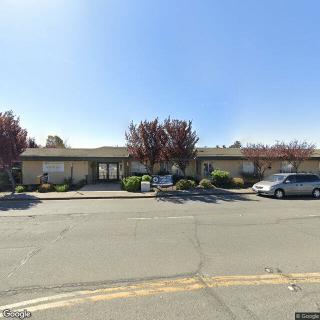
388 Valle Vista, Vallejo, CA 94590
For more information about senior living options: (866) 208-4318
Overall Review of Ramirez Care Home
Pros
 The food at Vista Prado is the best thing about the place.
- Vista Prado is described as the best place for memory care in the area, with an amazing manager, staff, and activities director.
- The staff are caring and kind, providing excellent care.
- Vista Prado feels like family, with staff who know each resident by name and keep families informed.
- Residents are happy, well cared for, and well fed, enjoying daily activities and chef-prepared meals.
- The staff are friendly and often go above expectations to help with transitions.
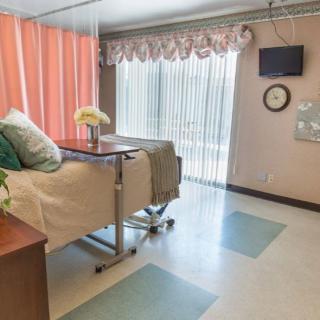
- The facility is clean, spacious, and greets visitors with smiling faces.
- The staff maintain a positive attitude and provide compassionate, professional care for residents with Alzheimer's.
- Vista Prado offers a variety of activities, such as games, music, special meals and parties.
Cons
 The reviewer says the mother’s year there has been a nightmare.
- Unreported falls resulted in a hairline fracture in her back.
- The facility is always short-staffed.
- There were a few employees who truly cared about the residents, but they have left.
- The mother had lived in three other places where she was left on the floor for hours after a fall, developed a wound that led to bone infection, and staff even slept on the job.
Review
This community is best suited for families seeking memory-care support in a small-to-mid-sized setting where staff know residents by name, and there is a steady stream of activities and chef-prepared meals that feel home-like. The Vista Prado memory-care program stands out for families who want a warm, engaged atmosphere, where daily routines are designed around reminiscence, social interaction, and meaningful meals. When memory care is the priority, and a personal, attentive touch matters, this option frequently delivers.
Those who should consider alternatives include families prioritizing rock-solid staffing stability and near-flawless safety oversight. Several reviews raise red flags about staffing levels and safety incidents, including unreported falls and turnover that leaves residents with inconsistent supervision. For residents with higher medical complexity or behaviors that require constant monitoring, a larger facility with proven, high caregiver-to-resident ratios and formalized incident- and fall-prevention protocols may be a better match. If predictable staffing and rigorous safety practices are non-negotiables, look elsewhere.
The core advantages center on a small-but-capable memory-care environment that feels personal and well managed. The community is praised for staff who know residents and treat them with warmth and respect, creating a family-like atmosphere. Activities are plentiful enough to sustain engagement, from bingo and classic films to in-house events and special meals, so residents stay mentally and socially stimulated. Cleanliness is consistently highlighted, with spacious rooms and a welcoming front-door experience that reinforces a sense of home. The combination of attentive caregivers and a strong focus on Alzheimer’s care logic underpins everyday quality for many families.
Yet the most significant cautions revolve around staffing and safety stability. Reports of chronic understaffing and concerns about falls paint a picture of variability in day-to-day care. Some families recount experiences where care gaps led to injuries or required escalation, while others insist that several staff members genuinely go above and beyond. The discordance suggests that outcomes may hinge on shift coverage and individual caregivers, rather than on a uniformly consistent standard. In practice, this means higher nightly vigilance is advisable for families, and decisions should rest on direct observations and current staff dynamics.
Balancing the pros with the cons requires a clear rubric: engaged memory-care programming, personal attention, and a home-like environment versus the risk of inconsistent supervision. If leadership can demonstrate reliable staffing coverage, transparent communication with families, and a solid falls-prevention protocol, the positives become compelling enough to justify the setting. Prospective residents should demand concrete metrics, current caregiver-to-resident ratios by shift, recent incident logs, staff tenure, and the exact training the memory-care team receives. Tours should be timed to reveal how staff interact during peak activity periods and how family updates are delivered.
The bottom-line recommendation hinges on priorities. For families who prize customized memory-care routines, meaningful daily activities, and a setting that feels like a welcoming home, this community provides substantial value. For those whose decision hinges on absolute consistency in supervision and the absence of safety incidents, cautious comparison with facilities that emphasize metal-forged staffing stability is prudent. Practical next steps include requesting a meeting with the memory-care director, asking for a recent staffing schedule to verify ratios, reviewing incident and fall logs, and observing interactions during a typical afternoon activity. If the answers align with strong staffing reliability and transparent care plans, Vista Prado at Ramirez Care Home becomes a compelling choice for memory-care-focused families. If not, alternatives with steadier safety records deserve serious consideration.
 6 resident community capacity
 Assisted Living
 Board and Care Home
 Cable or satellite TV
 Dining room
 Fully furnished
 Garden
 Housekeeping services
 Move-in coordination
 Outdoor space
 Telephone
 Wi-Fi/high-speed internet available
 24-hour supervision
 Activities of daily living assistance
 Assistance with bathing
 Assistance with dressing
 Assistance with transfers
 Diabetes diet
 Meal preparation and service
 Medication management
 Special dietary restrictions
 Transportation arrangement (medical)
 Transportation to doctors appointments






 Social Security Benefits and Assisted Living: Navigating Options Across the U.S.
 An Extensive Exploration of the VA Aid and Attendance Benefit
 Senior Transition Services: Understanding Their Role, Cost, and Importance