
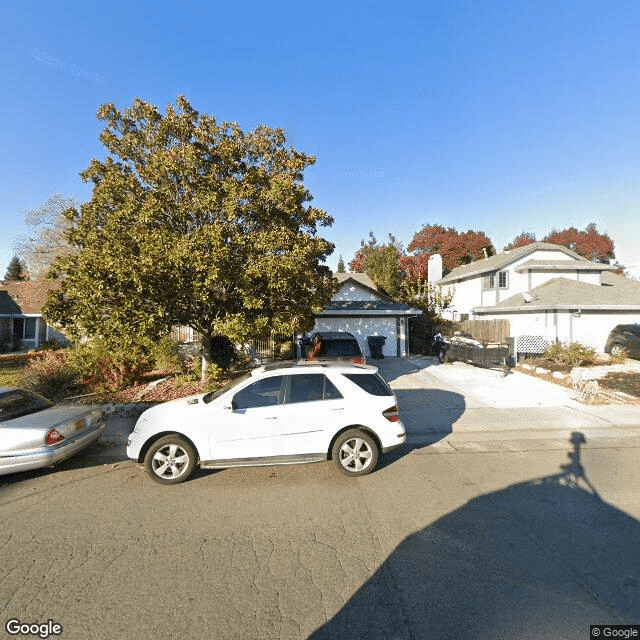
1030 Haman Way, Roseville, CA 95678
For more information about senior living options: (866) 208-4318
Greening's Care Home Costs & Pricing
Greening's Care Home offers competitive pricing for its services compared to both Sacramento County and the broader state of California. For semi-private rooms, Greening's rates are set at $3,000 per month, which is slightly below the county average of $3,106 and considerably lower than the state average of $3,333. Meanwhile, for private rooms, Greening's price stands at $4,000 per month - this is higher than Sacramento County's average of $3,686 but still less than the statewide figure of $3,939. Overall, Greening's Care Home positions itself as an attractive option for those seeking affordable yet quality care in the region.
| Floor plans | Greening's Care Home | Sacramento County | California |
|---|---|---|---|
| Semi-Private | $3,000 | $3,106 | $3,333 |
| Private | $4,000 | $3,686 | $3,939 |
Assisted Living communities with a similar price nearby
-
from -$500 / mo
Sunrise Senior Care
$2,500 to $3,500 / month5.3 miles away -
About the same
Afable Care Home
$3,000 to $3,500 / month4.0 miles away -
from -$500 / mo

Gina's Home Care
$2,500 / month8.8 miles away -
About the same

Love & Care for Elder
$3,000 to $4,500 / month3.6 miles away -
About the same

Hear Seniors
$3,005 to $3,870 / month9.2 miles away
Overall Review of Greening's Care Home
Pros
 Greening's Care Home is a great place to bring a loved one who needs a loving place to live.
- The caregivers at Greening's Care Home are really good, attentive, and helpful on many levels.
- The home is kept clean.
- The care home comes highly recommended.
- The director seems very nice.
Cons
 They do not offer a lot of activities for the residents.
Review
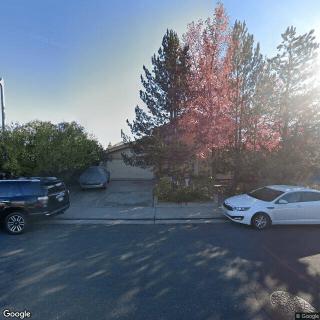
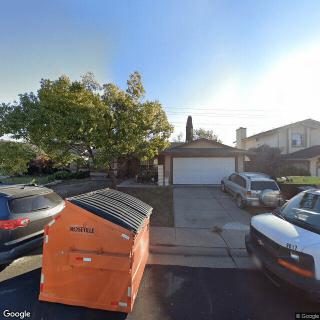
Greening's Care Home in Roseville is best suited for families seeking a small, home-like setting where a loved one can receive highly personalized, compassionate care in a warm, intimate environment. Reviewers repeatedly point to a loving atmosphere, with caregivers who are attentive and helpful on many levels, and a clean, well-kept home that feels comfortable rather than clinical. The director is described as nice and approachable, which matters when coordinating care plans and daily routines. For seniors who value warmth, steady routine, and close caregiver relationships over formal programming, Greening's offers a reassuring, low-stress option.
Those who may want to consider alternatives are residents who require robust daily activities, extensive social programming, or higher levels of medical oversight. The reviews note that the home does not offer a lot of activities, which can leave more active seniors or residents with specific interests under-stimulated. Transitioning into care is another factor; one review mentions ongoing adjustment, suggesting families should expect a period of acclimation. For elders who crave diverse outings, fitness classes, memory-therapy programs, or a campus with multiple amenities, a larger assisted living community or memory-care setting may deliver what Greening's does not provide.
The strongest positives are the caregiving team’s attentiveness, the thorough cleanliness, and the sense of being cared for as a person rather than a checkbox. Attentive staff who “help out on all different levels” can translate into reliable help with mobility, daily tasks, medication reminders, and emotional support, which can offset the absence of a full calendar of activities. Cleanliness reinforces comfort and safety, while a director who is approachable can facilitate problem solving and personalized care planning. However, the lack of structured programming is a legitimate trade-off, particularly for residents who thrive on scheduled interaction and diverse engagement.
Together, the pros create a dependable, low-stress home environment that supports dignity and stability, vital for spouses or adults transitioning from independent living. The intimate setting also enables caregivers to notice subtle changes in health and mood quickly. Yet the same intimacy can be a limitation when needs include more social contact, stimulation, or specialized therapies. For some, the comfort of a single, consistent care team may offset the minimal activity level; for others, it will not compensate for a dull day-to-day routine. The balance will tilt depending on the resident’s personality, health status, and activity preferences.
When evaluating Greening's, prospective families should insist on clear conversations about daily structure, what activities are feasible, and how care plans adapt to changing needs. Ask about staffing ratios, caregiver turnover, and the availability of licensed supervision for medical tasks. Seek specifics on meals, housing costs, what is included, and whether respite stays are possible during transitions. Inquire about how the home handles mobility aids, medication management, and coordination with external healthcare providers. Finally, arrange an in-person visit to observe staff interactions, meet the director, and request a trial period to gauge fit.
Greening's Care Home stands out for families prioritizing a loving, intimate atmosphere with dedicated caregiving and a clean, comfortable living space. It is a compelling choice for residents who do not require heavy programming or advanced medical oversight and who value the reassurance of consistent caregiver attention. For those needing frequent social activities, varied enrichment, or robust clinical services, alternatives in larger assisted living or memory-care environments will likely offer a better match. The final call should hinge on the resident’s desired pace, engagement level, and medical needs; a candid in-person tour and frank conversations with the director will reveal whether this small, care-focused home truly meets expectations.
 5 resident community capacity
 Assisted Living
 Board and Care Home
 Activities off-site
 Bath tubs
 Cable or satellite TV
 Devotional services off-site
 Dining room
 Fully furnished
 Garden
 Housekeeping services
 Indoor common areas
 Move-in coordination
 Outdoor common areas
 Private
 Private bathrooms
 Telephone
 Wheelchair accessible showers
 Wi-Fi/high-speed internet available
 Sacramento International (16 miles away)
 24-hour supervision
 Ambulatory care
 Assistance with bathing
 Assistance with dressing
 Assistance with transfers
 Diabetes diet
 Diabetic care
 Meal preparation and service
 Medication management
 Special dietary restrictions
 Transportation arrangement (medical)
 Transportation to doctors appointments
 Christian services



 Exploring the Contrasts Between Assisted Living and Skilled Nursing
 8 Key Indicators That Suggest It May Be Time to Transition from Assisted Living to Skilled Nursing Care
 Vibrant Senior Living: A Comprehensive Guide for Active Older Adults