
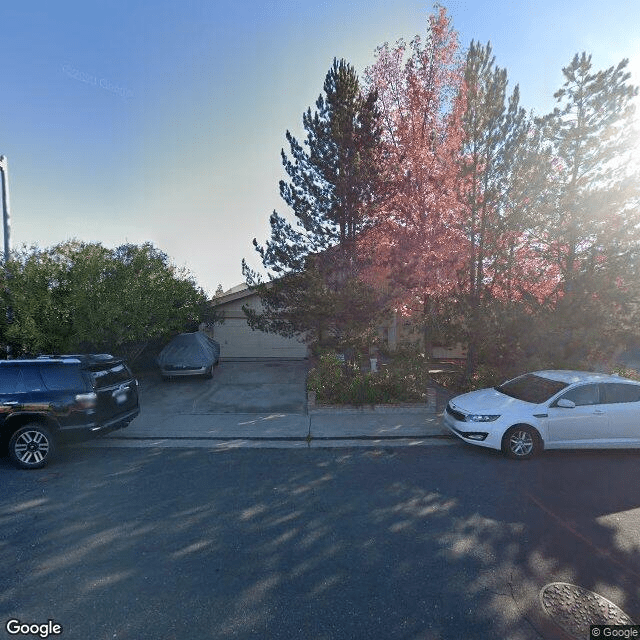
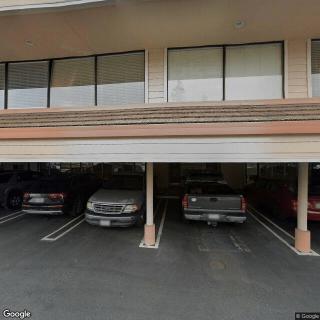
1434 Elm Street, Roseville, CA 95678
For more information about senior living options: (866) 208-4318
Golden Hills Care Home Costs & Pricing
Golden Hills Care Home offers competitive pricing for its services, with costs significantly lower than both Sacramento County and the broader California market. For a semi-private room, residents pay $1,800 per month, which is notably less than the county average of $3,106 and the state average of $3,333. Similarly, those selecting a private room at Golden Hills will find their monthly fee of $2,000 to be substantially below the Sacramento County rate of $3,686 and the state's higher average of $3,939. This affordability positions Golden Hills Care Home as an attractive option for families seeking quality care without the financial strain often associated with assisted living facilities in California.
| Floor plans | Golden Hills Care Home | Sacramento County | California |
|---|---|---|---|
| Semi-Private | $1,800 | $3,106 | $3,333 |
| Private | $2,000 | $3,686 | $3,939 |
Assisted Living communities with a similar price nearby
-
from +$200 / mo
Antelope Hills Home Care
$2,000 to $2,500 / month3.6 miles away -
from -$300 / mo

Flora Care Home
$1,500 to $2,000 / month7.1 miles away -
from -$200 / mo
Gormley's Retirement Home
$1,600 to $2,400 / month23.5 miles away -
from +$200 / mo
A & C Care Home
$2,000 to $3,000 / month9.3 miles away -
from +$195 / mo
Blissful Gardens
$1,995 to $3,500 / month20.3 miles away
Overall Review of Golden Hills Care Home
Pros
 They have been great.
- They are wonderful with her.
- The caregivers have all been just great with her.
- They are very attentive and concerned about her needs.
- Everything has been going great.
Review
Golden Hills Care Home in Roseville is best suited for seniors who want a warm, small‑scale living environment where caregiving is deeply personal and staff consistently demonstrate attentiveness to daily needs. The two prospective residents’ families emphasize that caregivers are wonderful with the resident, highly attentive, and genuinely concerned about individual needs. In short, this community shines for those who value a steady, compassionate caregiving presence and a setting that feels more like a home than a clinical residence. The emphasis on relationship-building between staff and residents makes it an attractive option for families seeking peace of mind through visible, ongoing caregiver engagement.
Those weighing options should consider alternatives if the priority is more intensive medical oversight, specialized memory care, or a broader menu of on-site services and social programming. Larger facilities or hospital‑affiliated communities often promise stronger clinical coverage, more structured memory‑care programming, and a wider array of activities. Price dynamics and access to a broader network of medical professionals can also steer families toward different models. If the decision hinges on robust clinical support or a highly varied activity calendar, alternatives merit serious consideration.
From the reviews, the clearest pros are the warmth and attentiveness of the caregiving team. Residents are described as wonderful with the mother, with staff who are consistently attuned to needs and quick to respond. That degree of personalized attention translates into reliable daily routines, prompt assistance with activities of daily living, and a sense of safety that is hard to match in more impersonal settings. When a family places trust in staff to monitor comfort, safety, and dignity, these human‑to‑human strengths can offset the desire for more formal medical scaffolding, because the resident’s well‑being becomes a transparent, continually observed priority.
There are no explicit, stated cons in the available feedback, which is itself a meaningful signal. However, the small number of reviews means potential gaps in understanding how the community handles more complex medical needs, staff turnover, or long‑term social programming. Families should proactively verify practical details that matter in decision making: staff‑to‑resident ratios across shifts, the process for routine medical coordination and medication management, how emergencies are handled after hours, and what the daily activity schedule looks like for residents with different energy levels. These questions will help determine whether the current strengths will endure as needs evolve.
To turn these impressions into a concrete choice, approach Golden Hills with a practical, decision‑driven lens. If caregiver warmth and consistent attentiveness align with the resident’s needs, arrange an in‑person visit to observe interactions during a typical shift, and ask to meet the care team and the administrator. Request specifics on care planning, how often plans are updated, and how changes in health status are communicated to family members. Compare this with alternative communities that offer more formal medical oversight or dementia‑specific programming, and weigh whether the additional structure is worth potential trade‑offs in personalization and day‑to‑day warmth.
Overall, Golden Hills Care Home stands as a strong option for Roseville families seeking a small, intimate setting where caregivers demonstrate exceptional attentiveness and a genuine concern for the resident’s daily comfort. It delivers tangible reassurance through consistent, compassionate care that many families value above all else. For those whose criteria include advanced medical oversight, specialized memory care, or a highly active, expansive social calendar, alternatives should be evaluated to ensure alignment with long‑term needs. When the priority is dependable, humane caregiving in a home‑like atmosphere, Golden Hills earns a confident recommendation.
 6 resident community capacity
 Assisted Living
 Board and Care Home
 Respite Care
 Activities off-site
 Cable or satellite TV
 Dining room
 Fully furnished
 Garden
 Housekeeping services
 Indoor common areas
 Move-in coordination
 Outdoor common areas
 Private
 Private bathrooms
 Telephone
 Wheelchair accessible showers
 Wi-Fi/high-speed internet available
 Sacramento International (16 miles away)
 24-hour supervision
 Ambulatory care
 Assistance with bathing
 Assistance with dressing
 Assistance with transfers
 Diabetes diet
 Diabetic care
 High acuity care
 Incontinence care
 Meal preparation and service
 Medication management
 Special dietary restrictions
 Transportation arrangement (medical)
 Transportation to doctors appointments



 Beyond the Bingo Hall: 50+ Enriching Activities for Seniors in Assisted Living
 Understanding the Distinctions: Assisted Living and Memory Care Explained
 Guiding Elderly Parents Who Refuse Assisted Living: 6 Practical Steps