
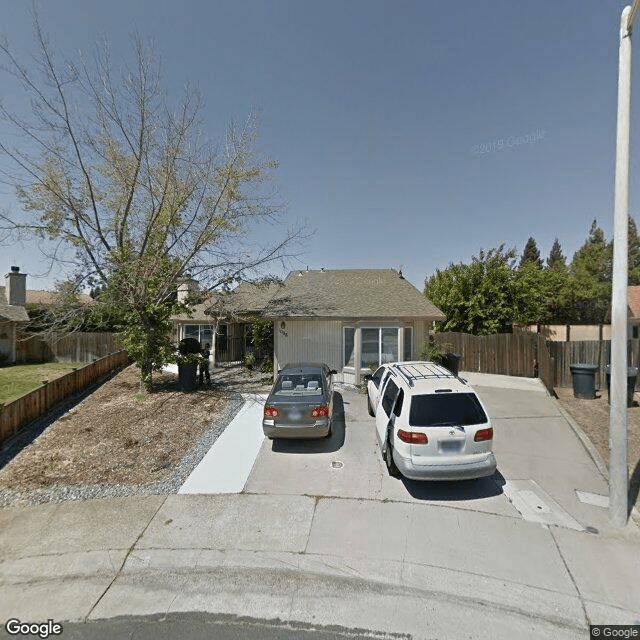
1008 Zephyr Court, Roseville, CA 95678
For more information about senior living options: (866) 208-4318
Sierra Foothill Rcfe II Costs & Pricing
Sierra Foothill Rcfe II offers competitive pricing in the realm of assisted living, with a monthly cost of $3,500 for private rooms. This rate is notably lower than the average cost in Sacramento County, which stands at approximately $3,686. Additionally, it is more economical compared to the overall state average of $3,939 for similar accommodations in California. By providing quality care at such a reasonable rate, Sierra Foothill Rcfe II positions itself as an attractive option for families seeking supportive living solutions without overspending.
| Floor plans | Sierra Foothill Rcfe II | Sacramento County | California |
|---|---|---|---|
| Private | $3,500 | $3,686 | $3,939 |
Assisted Living communities with a similar price nearby
-
from -$500 / mo
Afable Care Home
$3,000 to $3,500 / month3.5 miles away -
from +$650 / mo
Ferrari
$4,150 to $5,500 / month7.7 miles away -
from -$500 / mo
Love & Care for Elder
$3,000 to $4,500 / month2.7 miles away -
from -$495 / mo

Hear Seniors
$3,005 to $3,870 / month8.4 miles away -
from +$500 / mo
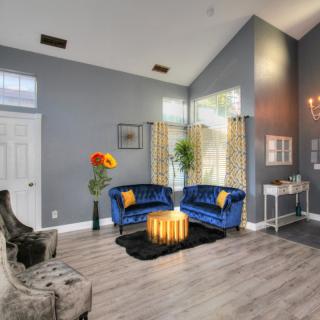
A Bright Future
$4,000 / month3.5 miles away
Overall Review of Sierra Foothill Rcfe II
Pros
 Families are happy to have found Joy's Care Home.
- The care provided to residents is satisfactory.
- The resident is well taken care of and very happy to be there.
- The staff are kind and patient, providing safety and comfort.
- Families have peace of mind knowing their loved ones are safe, comfortable, and well treated.
Review
Sierra Foothill Rcfe II in Roseville is best suited for families seeking a small, home-like setting where an elderly loved one can receive individualized, attentive care from patient, hands-on staff. The two five-star reviews underline a calm, safe environment where residents are described as well cared for and genuinely happy. This community tends to resonate with families who prioritize daily routines, warm interpersonal connections, and the reassurance that a familiar, intimate setting provides. In short, it is a strong fit for seniors who flourish on personalized attention rather than on extensive on-site programming or large-scale services.
For those weighing alternatives, this setting may not be ideal for residents who require robust medical oversight or memory-care specialization within a large campus. If medical complexity, frequent physician involvement, 24/7 nursing coverage, or a broad slate of structured activities are non-negotiable, it makes sense to compare with larger assisted living facilities or dedicated memory-care communities. The home-like model delivers exceptional day-to-day warmth but may fall short for care plans that hinge on advanced clinical infrastructures or specialized therapeutic programs.
The clearest upside rests on safety, comfort, and the consistent kindness of the caregiving team. When families hear that a loved one is “well taken care of” and “very happy,” those phrases translate into reliable supervision, responsive support, and gentle, patient interactions that can ease anxiety for both resident and family. The peace of mind described by reviewers is a meaningful metric: a low-stress daily environment where staff appear attentive to changing needs can markedly improve mood, reduce agitation, and support longer, calmer days for seniors who value predictability and personal connection.
Yet, there is a tangible concern tied to the breadth of publicly available feedback. With only two reviews, there is limited evidence about consistency across shifts, weekend coverage, or how the home handles health fluctuations or emergencies. The review’s reference to a different-sounding facility name, “Joy’s Care Home”, signals a need for careful verification of the exact property and branding before any binding decisions. Prospective families should insist on a formal tour, request current staffing ratios, and explore whether medical staff are available on-site, how medications are managed, and what level of clinical support is truly built into the daily operations.
In balancing pros and the apparent data gaps, the core value proposition remains clear: a warm, safe, home-like environment can deliver meaningful emotional and respite benefits that large campuses may struggle to replicate. The positive caregiver–resident dynamics and the resulting resident happiness can offset a lack of expansive amenities or highly specialized programming for many seniors seeking dignity and familiarity. For families prioritizing intimate engagement and reliable daily routines over breadth of services, Sierra Foothill Rcfe II can exceed expectations.
The practical path forward is anchored in due diligence and deliberate visits. Scheduling an in-person assessment to observe daily life, touring living spaces, and reviewing current caregiver schedules will illuminate how the home functions day to day. Asking for sample care plans, clarifying medication management, and probing emergency procedures are essential. Confirm licensing status and the facility’s capability to adapt care as health needs evolve. If the environment aligns with the resident’s personality and care preferences, the combination of safety, warmth, and attentive staff offers a solid, defensible choice for families navigating the senior-living landscape.
 6 resident community capacity
 Assisted Living
 Board and Care Home
 Activities on-site
 Cable or satellite TV
 Devotional services off-site
 Dining room
 Fully furnished
 Garden
 Housekeeping services
 Indoor common areas
 Move-in coordination
 Outdoor common areas
 Private
 Private bathrooms
 Respite or short term stays offered
 Telephone
 Wheelchair accessible showers
 Wi-Fi/high-speed internet available
 Sacramento International (16 miles away)
 24-hour supervision
 Ambulatory care
 Assistance with bathing
 Assistance with dressing
 Assistance with transfers
 Diabetes diet
 High acuity care
 Incontinence care
 Meal preparation and service
 Medication management
 Special dietary restrictions
 Transportation arrangement (medical)
 Transportation to doctors appointments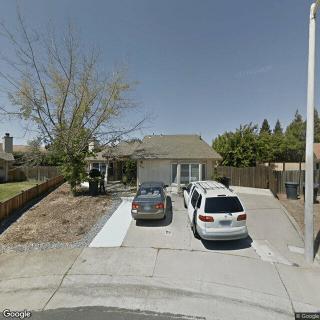


 Understanding Medicaid Coverage for Assisted Living: A Comprehensive Guide
 How and When Medicaid May Cover Assisted Living Costs
 A Detailed Exploration of Assisted Living Medicaid Waivers Across the United States