
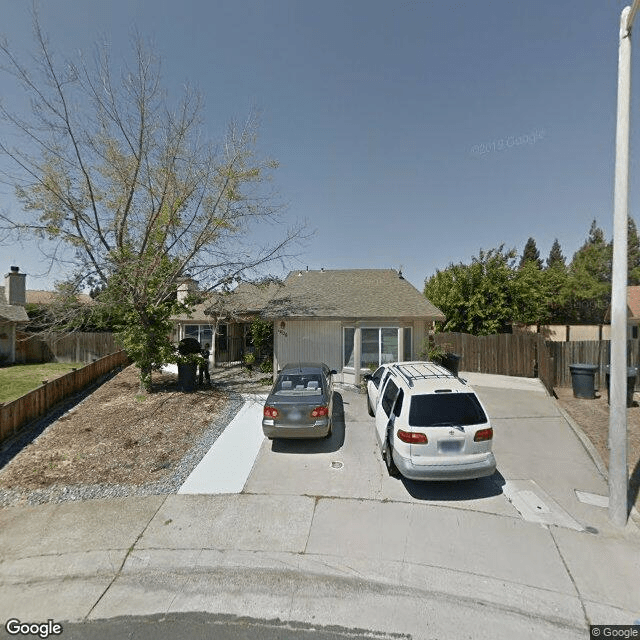
1008 Zephyr Ct., Roseville, CA 95678
To contact a resident: (916) 770-5378
For more information about senior living options: (866) 208-4318
Joy's Care Home III Costs & Pricing
Joy's Care Home III offers competitive pricing for its care services, with monthly costs that are notably below both Sacramento County and California state averages. For example, the private room rate at Joy's Care Home III is set at $3,500, which is approximately $186 lower than the county average of $3,686 and significantly less than the state average of $3,939. Similarly, the cost for a studio room mirrors this trend, priced at $3,500 compared to $3,865 in Sacramento County and $4,145 statewide. This pattern continues with the one-bedroom option as well; Joy's Care Home III charges $3,500 while the county and state averages rise to $3,758 and $4,340 respectively. Overall, Joy's Care Home III provides an appealing alternative for individuals seeking quality care without compromising their budget.
| Floor plans | Joy's Care Home III | Sacramento County | California |
|---|---|---|---|
| Private | $3,500 | $3,686 | $3,939 |
| Studio | $3,500 | $3,865 | $4,145 |
| 1 Bedroom | $3,500 | $3,758 | $4,340 |
Memory care communities with a similar price nearby
-
from +$500 / mo
Sungarden Villa II
$4,000 / month4.1 miles away -
from +$650 / mo
Ferrari
$4,150 to $5,500 / month7.7 miles away -
from -$500 / mo
Love & Care for Elder
$3,000 to $4,500 / month2.7 miles away -
from +$500 / mo

Ashley Villa
$4,000 / month7.7 miles away -
from +$500 / mo
A Bright Future
$4,000 / month3.5 miles away
Overall Review of Joy's Care Home III
Pros
 Joy's Care Home has kind and patient staff.
- She is well taken care of and very happy to be there.
- She is safe, comfortable, and well treated.
- There is peace of mind about her safety and well-being.
Review
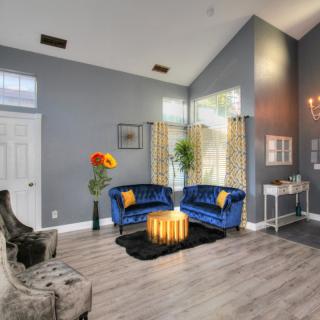
Joy's Care Home III in Roseville is best suited for families seeking a small, home-style setting where a loved one receives highly personalized attention, consistent safety, and a warm, non-institutional atmosphere. This community appears ideal for seniors who thrive on steady routines, patient caregiving, and the sense that caregivers truly know their needs and preferences. It suits those who value peace of mind over a broad menu of high-end amenities, prioritizing daily comfort, respectful treatment, and a secure living environment over large-scale programming. For families that want to avoid a clinical, impersonal feel, Joy's offers a grounded, approachable alternative that can make the aging-in-place transition smoother.
That said, there are clear reasons some families might want to explore alternatives. Those with acute medical needs requiring round-the-clock skilled nursing, complex wound care, or intensive on-site therapy may find the footprint of a small residential home less capable of meeting every medical demand. Similarly, families seeking extensive dementia-specific programming, highly structured social activities, or campuses with numerous on-site specialists may prefer larger communities with more visible clinical resources and a wider array of services. Cost structures, meal plans, and transportation options also shift in larger operations, which can steer decision-makers toward different options based on priorities beyond daily care.
The core strengths here, kind, patient staff; a sense of safety; and daily life that feels comfortable and dignified, significantly offset concerns about a facility that operates on a more intimate scale. In homes like this, caregivers often develop meaningful relationships with residents, enabling tailored care that responds to subtle changes in mood, appetite, or routine. The evident emphasis on humane treatment translates into fewer disruptions for residents, less agitation, and more predictable days. For families, that translates into palpable peace of mind: a loved one is not just supervised, but known, treated with respect, and kept in a comforting, familiar rhythm.
Another major upside is the way a small, homelike environment can buffer loneliness and confusion, particularly for seniors who resist larger, more impersonal settings. The perception that a resident is “well cared for” and “very happy to be there” speaks to a quality of life that can be hard to quantify but is highly valuable in long-term planning. When staff members are described as kind and patient, it often means more individualized attention during meals, activities, and daily tasks, which supports better mood, appetite, and overall well-being. In practical terms, this kind of care reduces family anxiety about neglect or sudden declines by presenting a steady, compassionate daily experience.
Nevertheless, potential buyers should acknowledge the trade-offs inherent in a smaller operation. If a loved one requires frequent clinical interventions, rapid access to specialists, or structured wellness programming that rivals larger campuses, those needs may be more efficiently met somewhere with broader medical staffing and a wider activity slate. The upside, quiet reliability, personal connection, and a home-like mood, will remain a strong offset for many, but not all. Families should weigh the comfort of consistent, compassionate care against the possibility of fewer on-site medical resources and fewer formal program options.
Practical steps in evaluating Joy's Care Home III should include an on-site visit focused on caregiver-resident interactions, staffing patterns, and the daily schedule from morning through evening. Ask about caregiver turnover, specific care-planning processes, medication management, and how emergencies are handled. Compare these findings with nearby facilities that offer larger campuses or specialized memory care programs to ensure alignment with the resident’s medical needs, activity preferences, and funding expectations. With a clear view of both the intimate strengths and the potential gaps, families can decide confidently whether Joy's Care Home III is the right fit or if a larger, more resource-rich environment would better serve their loved one.
 Board and Care Home
 Memory Care
 Activities on-site
 Devotional services off-site
 Indoor common areas
 Private
 Sacramento International (16 miles away)
 Diabetic care
 Incontinence care
 Medication management
 Meals provided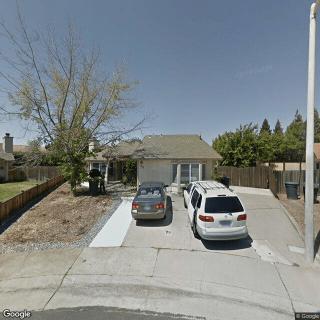




 Understanding Medicaid Coverage for Assisted Living: A Comprehensive Guide
 How and When Medicaid May Cover Assisted Living Costs
 A Detailed Exploration of Assisted Living Medicaid Waivers Across the United States