
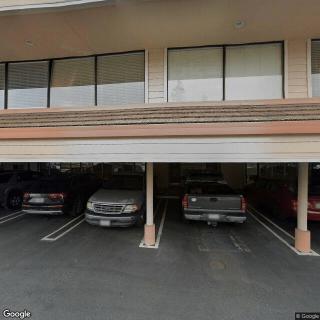
1080 Porter Drive, Roseville, CA 95678
For more information about senior living options: (866) 208-4318
Loredana Care Home 2 Costs & Pricing
Loredana Care Home 2 offers competitive pricing for its semi-private and private rooms compared to the broader market in Sacramento County and California as a whole. With a monthly cost of $3,500 for a semi-private room, Loredana Care Home 2 is slightly above the county average of $3,106 but remains in line with the state's average of $3,333. For those seeking private accommodations, the monthly fee is set at $4,000, which is higher than both the Sacramento County average of $3,686 and California's state average of $3,939. These costs reflect Loredana Care Home 2's commitment to providing quality care and amenities that cater to the needs of its residents while still being mindful of regional pricing trends.
| Floor plans | Loredana Care Home 2 | Sacramento County | California |
|---|---|---|---|
| Semi-Private | $3,500 | $3,106 | $3,333 |
| Private | $4,000 | $3,686 | $3,939 |
Assisted Living communities with a similar price nearby
-
from -$500 / mo
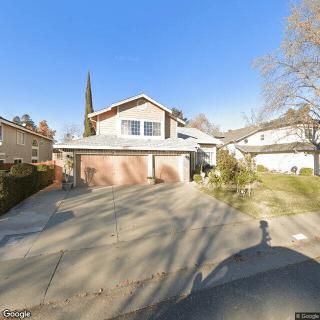
Afable Care Home
$3,000 to $3,500 / month4.1 miles away -
from +$650 / mo
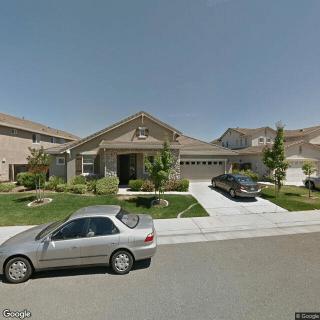
Ferrari
$4,150 to $5,500 / month7.1 miles away -
from -$500 / mo
Love & Care for Elder
$3,000 to $4,500 / month3.4 miles away -
from -$495 / mo

Hear Seniors
$3,005 to $3,870 / month9.1 miles away -
from +$500 / mo
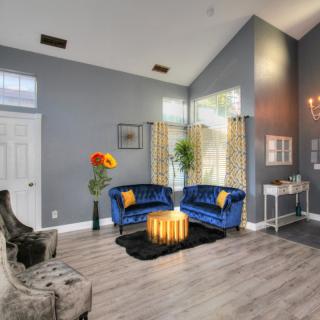
A Bright Future
$4,000 / month4.0 miles away
Overall Review of Loredana Care Home 2
Pros
 The facility feels like home, with a warm, welcoming atmosphere that is beautifully kept.
- The administrator is a nurse, a feature that sets the facility apart.
- The staff are extremely caring, friendly, and patient.
- The home is clean, comfortable, and welcoming to visit.
- Families can rest assured that their loved ones will receive wonderful care and be very comfortable.
- The family-owned facility exudes warmth and compassion, giving families peace of mind.
- It is highly recommended for families to tour the facility when seeking a place for their loved ones.
Cons
 One reviewer regrets that their parents chose to be closer to family out of state, saying they would have felt more confident about placing them at Aldereen Senior Care if not for the distance.
Review
This community is best suited for seniors who thrive in a small, home-like setting where caregivers know residents by name, and where planning is guided by a nurse-administrator who keeps medical oversight close at hand. Families seeking a warm, residential ambiance, with clean, inviting spaces, predictable routines, and consistently patient, caring staff, will find this model especially compelling. The emphasis on a welcoming atmosphere, transparent communication with families, and a family-owned, personally invested approach makes it a strong fit for residents who value personal attention, dignity, and daily reassurance that their loved ones are comfortable and well-cared for.
Those who may want to consider alternatives are primarily families needing proximity to relatives or requiring deeper medical infrastructure than a small board-and-care typically provides. If family members must be within a short drive or plane ride, distance can become a real constraint; the same concern applies if frequent visits are important for the resident’s wellbeing. For seniors with complex medical needs, highly specialized memory-care programming, or a demand for on-site physicians and advanced therapeutic services, a larger, more medically equipped community could be a better match. In short, proximity and medical breadth are the decisive factors that might push families toward other options.
The strongest pros here, an authentic home feel, meticulous upkeep, and a genuinely welcoming environment, translate into tangible benefits that offset common drawbacks of smaller facilities. A nurse-led administrator brings a level of medical accountability that reassures families and can streamline communication about health changes. The staff’s demonstrated patience, attentiveness, and willingness to address preferences create a lived experience that feels individually tailored, reducing the stress many families experience when a loved one transitions into care. Clean, orderly spaces and an atmosphere that invites visits further enhance peace of mind, making daily life for residents predictable and comforting.
Crucially, the caregiving tone in these settings tends to be deeply person-centered, with staff often going the extra mile to meet a resident’s preferences and needs. For residents living with dementia, this approach, characterized by consistent staffing, calm routines, and patient, compassionate interaction, can materially improve mood, reduce agitation, and support ongoing communication with families. The combination of warmth, reliability, and a clear point of medical contact helps families feel informed and involved, which is a powerful offset to the trade-offs that come with smaller-scale operations, such as fewer on-site specialists or formal programming you might find in larger communities.
When evaluating Loredana Care Home 2, use a practical checklist that centers on daily life and health management. Probe the level of nurse involvement in everyday care planning, confirm the approximate staff-to-resident ratio during peak hours, and review how changes in health status are communicated to families. Inquire about dementia care protocols, wandering and safety measures, and how activities are tailored to cognitive ability. Ask for a tour of typical meals, medication management routines, and how respite stays or short-term transitions are handled. Compare these aspects with other options that offer more extensive medical services or broader programming to ensure the chosen path aligns with the resident’s needs and the family’s capacity for ongoing involvement.
In sum, Loredana Care Home 2 presents a compelling choice for families prioritizing a homey environment, compassionate care, and clear family communication, backed by a nurse-directed oversight framework. It stands out for its warmth, attentiveness, and dignity-centered approach to daily living, which together deliver meaningful peace of mind. However, if proximity to kin and access to more extensive medical resources are non-negotiables, or if the resident requires highly specialized programming beyond what a small board-and-care typically provides, it would be prudent to explore alternatives. For families weighing options, this community deserves a top spot on the shortlist, with the caveat that the fit hinges on the balance between personalized, home-style care and the level of medical infrastructure the resident will require.
 6 resident community capacity
 Assisted Living
 Cable or satellite TV
 Dining room
 Fully furnished
 Garden
 Housekeeping services
 Move-in coordination
 Outdoor space
 Telephone
 Wi-Fi/high-speed internet available
 Sacramento International (16 miles away)
 24-hour supervision
 Activities of daily living assistance
 Assistance with bathing
 Assistance with dressing
 Assistance with transfers
 Diabetes diet
 Meal preparation and service
 Medication management
 Special dietary restrictions
 Transportation arrangement (medical)
 Transportation to doctors appointments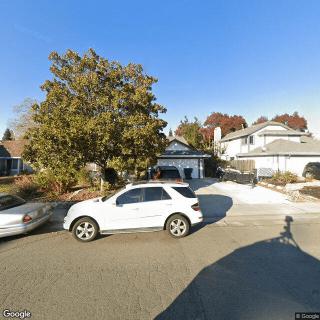



 Exploring the Path to Senior Living: A Comprehensive Look at Independent Living and Assisted Living
 Is Assisted Living Deductible on Your Taxes? Understanding the Complexities of Assisted Living Expenses and Deductions
 Assisted Living Support for Veterans: A Complete and Detailed Overview