
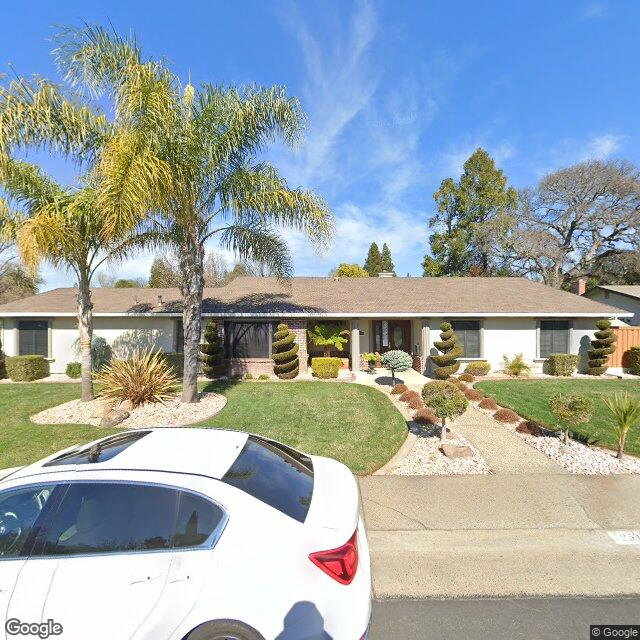
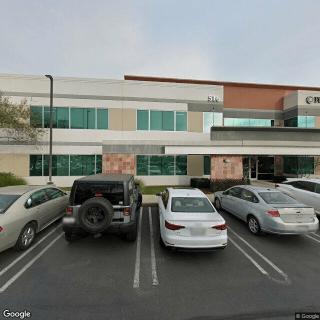
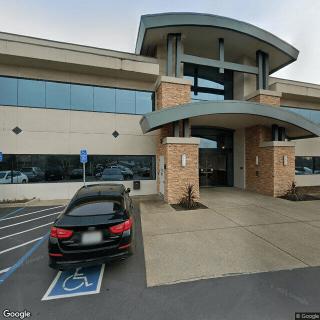
251 Diamond Oaks Road, Roseville, CA 95678
For more information about senior living options: (866) 208-4318
Advanced Healthcare Costs & Pricing
When evaluating the costs associated with Advanced Healthcare, it's essential to compare these figures against local and state averages. For a semi-private room, Advanced Healthcare's monthly fee is $3,500, which is notably higher than Sacramento County's average of $3,106 but slightly below California's statewide average of $3,333. In the case of a one-bedroom suite, Advanced Healthcare charges $4,500 - this represents a premium compared to Sacramento County's average of $3,758 yet remains competitive against California's average rate of $4,340. Lastly, the cost for a private room at Advanced Healthcare is also set at $4,500; this exceeds both the county's average of $3,686 and the state's average of $3,939. Overall, while Advanced Healthcare does present higher prices in most categories compared to local rates, they offer services that may justify these costs depending on individual preferences and care needs.
| Floor plans | Advanced Healthcare | Sacramento County | California |
|---|---|---|---|
| Semi-Private | $3,500 | $3,106 | $3,333 |
| 1 Bedroom | $4,500 | $3,758 | $4,340 |
| Private | $4,500 | $3,686 | $3,939 |
Memory care communities with a similar price nearby
-
from +$500 / mo
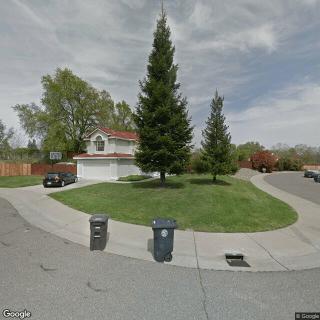
Sungarden Villa II
$4,000 / month5.1 miles away -
from +$650 / mo
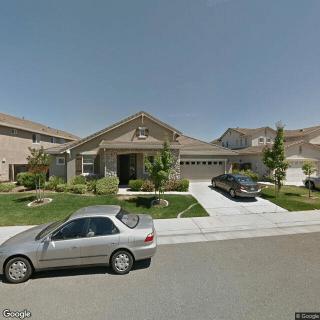
Ferrari
$4,150 to $5,500 / month6.3 miles away -
from -$500 / mo
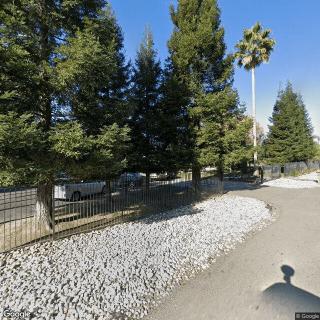
Love & Care for Elder
$3,000 to $4,500 / month4.5 miles away -
from +$500 / mo

Ashley Villa
$4,000 / month9.1 miles away -
from +$500 / mo
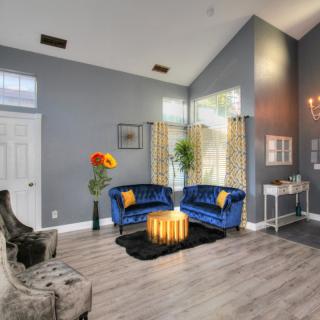
A Bright Future
$4,000 / month5.0 miles away
Overall Review of Advanced Healthcare
Pros
 The place is clean and very organized.
- It offers a spacious backyard with a walking path for morning walks, gardening, and outdoor activities.
- Maria is experienced in the medical field, and her husband Richard is a professional chef who provides healthy meals for families.
- Diamond Oaks Home Care in Roseville is a good place, ideal for loved ones, especially those with dementia.
- Maria and her caretakers are kind, personable, and very professional.
- The home presents a calm, welcoming setting and employs a highly qualified HCA team ready to provide 24/7 care and compassion to all residents.
Review
Best suited for families seeking a warm, home-style care setting with around-the-clock support, Diamond Oaks Home Care in Roseville stands out for dementia care and consistent, personal attention. The residence presents a clean, organized, human-scale environment rather than a detached institutional campus. A spacious backyard with a walking path invites daily activity, outdoor time, and light gardening, factors that support mobility, mood, and routine. What makes this option distinctive is the combination of a medically informed leadership presence and a caregiving team that operates with a clear, patient-centric approach. For families who want continuous, non-institutionalized care at home, this setup delivers on reliability and familiarity.
Alternatives are worth considering for loved ones whose needs exceed what a home-based model can safely sustain. Traditional assisted living communities with on-site licensed nursing staff, broader round-the-clock programming, and more formal memory-care sections may be better for individuals requiring higher acuity oversight or more extensive social opportunities. Larger campuses can provide more structured activities, a wider network of specialists, and the reassurance of regulated supervision. If a resident’s needs include frequent medical procedures, complex medication management, or rapid escalation of health concerns, exploring these options early helps avoid gaps in care.
Key strengths start with cleanliness, organization, and a calm, home-like atmosphere. The staff are described as kind, personable, and professional, with a strong emphasis on compassionate, 24/7 care. The leadership profile, what appears to be Maria’s medical background and her husband Richard’s culinary expertise, adds practical value: medical insight guiding daily routines and nutritious, well-prepared meals tailored to a family’s needs. The combination of experienced caregiving plus reliable meal service can offset the absence of a large medical team, delivering consistent supervision, predictable routines, and a sense of safety that is often hard to achieve in larger facilities.
Residents dealing with dementia benefit from the near-constant presence of a highly qualified home-care team working around the clock. The reviews highlight 24/7 care and compassion as a core feature, not after-hours experimentation. The home setting supports familiar rituals, predictable meal times, and comfort in a space that does not feel like a hospital. The presence of a chef-founder partner providing wholesome meals, along with trained caregivers, reduces the risk of malnutrition and dietary confusion, common stress points for families managing dementia at home. In short, the practical blend of medical know-how, attentive staffing, and nurturing meals creates a credible, sustainable care rhythm.
However, some families should weigh potential trade-offs. A private-home model has inherent limits on scale, specialist coverage, and formal nursing oversight that larger campuses can offer. Staffing continuity and turnover can influence day-to-day consistency, and there may be fewer opportunities for the wide range of social activities or on-site medical services found in bigger communities. For residents whose health needs intensify, such as frequent hospital-level nursing tasks, injections, or rapid changes in cognition, the lack of an on-site medical hub could introduce delays or require transitions. These are not deal-breakers for many families, but they are meaningful considerations when planning long-term care.
The practical conclusion is clear: for dementia-focused seniors who thrive in a quiet, home-like setting with dependable 24/7 supervision and a nutritionally thoughtful approach to meals, Diamond Oaks Home Care represents a strong, low-friction option. Families evaluating choices should verify licensure specifics, staffing ratios, and dementia-care training, and should request a sample day plan to observe routines in action. It is wise to discuss contingency plans for emergencies, and to confirm how care plans informed by medical insight are translated into daily practice. For those needing more formal medical oversight, or broader social programming, alternatives deserve serious consideration; otherwise, this option provides a credible, practical path to safe, dignified aging at home.
 6 resident community capacity
 Assisted Living
 Board and Care Home
 Memory Care
 Beautician on-site
 Cable or satellite TV
 Dining room
 Fully furnished
 Garden
 Ground floor units
 Housekeeping services
 Move-in coordination
 Outdoor space
 Private
 Telephone
 Wheelchair accessible showers
 Wi-Fi/high-speed internet available
 Sacramento International (17 miles away)
 24-hour supervision
 Activities of daily living assistance
 Assistance with bathing
 Assistance with dressing
 Assistance with transfers
 Diabetes diet
 High acuity care
 Meal preparation and service
 Medication management
 Special dietary restrictions
 Transportation arrangement (medical)
 Transportation to doctors appointments
 BBQs or picnics
 Birthday parties
 Forever fit
 Karaoke
 Live dance or theater performances
 Live musical performances
 Stretching classes
 Trivia games
 An In-Depth Look at Reminiscence Therapy in Dementia Care
 Dementia-Related Hallucinations: Causes, Experiences, and Practical Approaches
 Illuminating Insights About Alzheimer's Disease: Ten Crucial Realities