

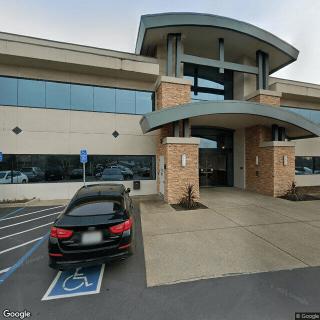
516 Gibson Dr Ste 280, Roseville, CA 95678
To contact a resident: (916) 515-7142
For more information about senior living options: (866) 208-4318
Overall Review of 24 Hour Home Care - Roseville
Pros
 The staff provided attentive, prompt care during the transition from hospital to home.
- They offered individualized support and helped with physical and occupational therapy.
- They assisted with continence management and mobility, improving daily routines.
- The team worked hard to minimize coverage gaps and ensure that the loved one’s needs were met.
- Overall, the reviewer was very pleased with the staff and the service.
Cons
 There were times when the service did not have coverage to take care of the loved one, and family members had to stand in.
- One shift was not covered.
- Covid-related staffing shortages were noted as impacting the reliability of the service.
Review
Best suited for families seeking a practical bridge between hospital discharge and a formal assisted living placement, 24 Hour Home Care - Roseville excels when personalized, prompt in-home support is the priority. It runs best for a loved one who needs hands-on daily assistance and rehabilitation guidance while managing a recent transition, particularly around incontinence management and physical/occupational therapy, before moving into an apartment-based setting. This service is most effective as a short-term, transition-focused solution that builds a care pattern, preserves dignity, and reduces the stress of a rushed move.
For families weighing long-term, around-the-clock needs, alternatives should be on the radar. If 24/7 on-site coverage with guaranteed staffing is non-negotiable, an on-site assisted living environment or a full-time in-home agency with stronger staffing guarantees may serve more reliably. Those aiming to stay at home indefinitely, with consistent predictability in caregivers, may find the variability in coverage less compatible with their long-range plans. In short, this option shines as a bridge, not as a perpetual, all-hours solution.
The core strengths are clear and meaningful. The service delivers highly individualized attention and integrates rehabilitation with daily living support, helping a loved one progress from routine diaper changes to more independent toileting management as recovery advances. The ability to bring therapy into the home during the transition can preserve momentum, improve comfort, and shorten the path to a stepped-down living arrangement. When gaps arise, the team generally reallocates resources and extends other shifts to minimize disruption, underscoring a responsive, problem-solving approach.
Yet the arrangement carries observable limitations. The most notable risk is occasional coverage gaps, with at least one shift not covered in the experiences reviewed. This creates moments of uncertainty in daily routines and therapy schedules, which can be destabilizing for someone already adjusting to a new environment. While staff efforts to cover shortfalls are evident, the reality remains that no program can promise perfect continuity every hour of every day. Families should weigh the cost of occasional gaps against the value of in-home, therapy-supported transition.
Despite these cons, the pros can outweigh the drawbacks when the goal is a well-orchestrated, short-term transition. The emphasis on tailored therapy and hands-on daily care supports meaningful progress toward greater independence, while the home-based setting minimizes the stress of a hospital or facility move. The contract’s short-term nature provides clarity about timelines and expectations, enabling careful planning for the eventual move to an assisted living community. For families prepared to tolerate occasional scheduling variability in exchange for a more personalized, at-home start, this service remains a strong facilitator of a smoother, more dignified transition.
In decision terms, this Roseville option is a pragmatic fit for those prioritizing a hands-on bridge to assisted living with a clear focus on rehabilitation and daily comfort. If the priority shifts toward guaranteed, uninterrupted 24/7 coverage, or toward a longer-term in-home arrangement, it is prudent to explore alternatives and compare guaranteed staffing commitments and contingency plans. Before committing, insist on a concrete care plan, define coverage expectations for all shifts, confirm backup options, and establish how long the short-term arrangement will extend if additional time is needed. With those guardrails in place, the team can deliver a largely reliable, transition-friendly pathway that supports a dignified move into the next phase of care.
 Sacramento International (17 miles away)







 Supportive Employee Benefits That Help Caregivers Attain Better Work-Life Harmony
 Top Cars for Senior Drivers and Essential Safety Innovations
 A Closer Look at Private Pay Home Care