For more information about senior living options: (866) 208-4318
2.6 from 84 reviews
5 stars
24
4 stars
11
3 stars
2
2 stars
4
1 stars
43
Zelzah Home Care Costs & Pricing
Zelzah Home Care offers competitive pricing compared to both Los Angeles County and the broader California market. For semi-private rooms, the monthly cost at Zelzah is $1,800, significantly lower than the county average of $3,349 and even below the state average of $3,333. When it comes to private rooms, Zelzah's rate of $2,800 still presents a more affordable option in contrast to Los Angeles County's average of $4,197 and California's state average of $3,939. This makes Zelzah Home Care an attractive choice for families seeking quality care without the financial strain often associated with similar facilities in the area.
Floor plans
Zelzah Home Care
Los Angeles County
California
Semi-Private
$1,800
$3,349
$3,333
Private
$2,800
$4,197
$3,939
Senior living communities with a similar price nearby
About the same
Fountain Home Care Services - Reseda, CA
5 from 17 reviews
$1,800 / month
1.7 miles away
from -$300 / mo
Sunnyside Res. Assist. Living For The Elderly
5 from 17 reviews
$1,500 to $6,357 / month
7.0 miles away
About the same
Green Valley Home Care
5 from 12 reviews
$1,800 to $2,000 / month
14.2 miles away
from -$200 / mo
Laigo-Zanders Home for the Elderly
5 from 10 reviews
$1,600 to $2,000 / month
11.9 miles away
from -$75 / mo
Burbank Senior Artists Colony
4.9 from 103 reviews
$1,725 to $2,495 / month
12.8 miles away
Overall Review of Zelzah Home Care
caveat8 reviews mention this
Call buttons and nurse response
Residents describe long waits or missed responses after using call buttons.
A recurring complaint is that call buttons and similar requests take a long time to result in care. Some reviewers say they had to call repeatedly, wait close to an hour, or get help from family or others to address basic needs. Others also describe being left without timely help for meals, hydration, or toileting needs. A smaller set of reviews contrasts this by saying staff are attentive, but the call-response issue still comes up often enough to be a major concern.
caveat7 reviews mention this
Medication and treatment follow-through
Several reviewers report medication delays, missed doses, or treatment not being carried out.
Multiple residents and family members describe problems with medication management, including not maintaining medications, refusing diet changes, or failing to give antibiotics and pain medications. A few reviews also mention medication timing concerns and questions about how prescriptions are handled after discharge. There are also accounts of care plans not being followed as expected, such as therapies not delivered despite being described as part of the plan. While some reviews praise care teams as attentive, the medication follow-through complaints are among the most serious themes in the feedback.
common16 reviews mention this
Staff care can feel inconsistent
Some families say the staff is compassionate and attentive, while others strongly disagree.
Many reviews highlight caring, professional staff who are patient with residents and responsive to families during visits and recovery. Several mention specific team members and describe communication and support as helpful. At the same time, a substantial number of reviewers report rude or neglectful interactions, including gossipping, yelling, and dismissive behavior when help is requested. Overall, the reviews suggest staff approach and follow-through vary widely by experience.
caveat9 reviews mention this
Cleanliness, odors, and upkeep
Reviews mention both a clean facility and troubling sanitation or odor issues.
Some reviewers describe the facility as clean and well-kept, including positive comments about cleanliness on visits and during stays. Others report run-down conditions, dirty rooms, and unpleasant smells, including accounts involving soiled items or inadequate room cleaning after arrival. Several complaints also connect condition and sanitation to delayed or incomplete care, such as being left dirty for hours. Taken together, cleanliness appears to vary, with negative experiences outweighing the positive ones in the written feedback.
How we summarize
Counts show how many written reviews mention each theme; a review can touch several themes, and only frequently mentioned themes are displayed.
Features
Types of Care
Board and Care Home
Amenities
Private
Transportation
Burbank-Glendale-Pasadena (9 miles away)
Los Angeles International (20 miles away)
Nearby Places of Interest
This part of Reseda, California offers a convenient location with easy access to essential amenities such as pharmacies, cafes, restaurants, transportation options, parks, hospitals, places of worship, physicians, and theaters. The area is well-served by multiple CVS and Walgreens pharmacies for medication needs. There are also several cafes like Starbucks and Porto's Bakery & Cafe for socializing and enjoying a cup of coffee. A variety of dining options are available including In-N-Out Burger, Vinh Loi Tofu, and Brent's Delicatessen & Restaurant. For healthcare needs, there are nearby hospitals like Veterans Administration and Kaiser Permanente Emergency. Additionally, the area provides opportunities for leisure activities with parks such as Lake Balboa Park and Shadow Ranch Park. Overall, this part of Reseda offers a diverse range of services that cater to the needs of seniors looking for a comfortable living environment.
Pharmacies
CVS Pharmacy (0.8 miles)
CVS Pharmacy (1.2 miles)
Walgreens (1.5 miles)
CVS Pharmacy (1.7 miles)
Rite Aid (1.8 miles)
CVS Pharmacy (2.6 miles)
Walgreens (2.8 miles)
Cafes
Starbucks (1.1 miles)
Porto's Bakery & Cafe (2.3 miles)
Starbucks (2.5 miles)
Starbucks (3.1 miles)
Winnetka Bowl (3.3 miles)
Starbucks (3.9 miles)
Starbucks (5.1 miles)
Restaurants
Vinh Loi Tofu (1.6 miles)
In-N-Out Burger (1.7 miles)
In-N-Out Burger (1.9 miles)
La Corona Mexican Grill (2 miles)
McDonald's (2.1 miles)
Wendy's (2.2 miles)
Brent's Delicatessen & Restaurant (2.2 miles)
Transportation
Van Nuys Airport (VNY) (2.2 miles)
Van Nuys FlyAway Bus Terminal to LAX (2.4 miles)
Parks
Lake Balboa Park (2.6 miles)
Encino Bike Path (2.6 miles)
Parthenia Park (4.4 miles)
Serrania Park (5.6 miles)
Holleigh Bernson Memorial Park (5.7 miles)
Shadow Ranch Park (5.8 miles)
Chatsworth Park North (5.9 miles)
Hospitals
Veterans Administration (2.9 miles)
Rinaldi Convalescent Hospital (4.5 miles)
Kaiser Permanente Emergency (5.3 miles)
Tebi, Sina Dr - Providence Holy Cross Medical Center Diabetes Education (5.5 miles)
Places of Worship
Immanuel Bible Church (3.7 miles)
Physicians
Southern California Orthopedic Institute (3.9 miles)
Mid-Valley Comprehensive Health Center (4.3 miles)
Zelzah Home Care offers competitive pricing compared to both Los Angeles County and the broader California market. For semi-private rooms, the monthly cost at Zelzah is $1,800, significantly lower than the county average of $3,349 and even below the state average of $3,333. When it comes to private rooms, Zelzah's rate of $2,800 still presents a more affordable option in contrast to Los Angeles County's average of $4,197 and California's state average of $3,939. This makes Zelzah Home Care an attractive choice for families seeking quality care without the financial strain often associated with similar facilities in the area.
Palliative care enhances the quality of life for seriously ill patients by providing comprehensive support at home through a multidisciplinary team, addressing various needs and prioritizing comfort over curative treatments. While it offers personalized care and involves family in decision-making, challenges like caregiver stress and logistical issues persist, with growing demand prompting advancements in technology and healthcare policies to improve access.
Palliative home care focuses on improving the quality of life for individuals with serious illnesses by providing comfort, symptom management, and emotional support in their own homes. This approach includes personalized care plans, regular assessments, and resources for family caregivers, all while prioritizing person-centered treatment that aligns with patients' goals.
Skilled nursing facilities (SNFs) provide high-level medical care and rehabilitation for short-term recovery, typically covered by Medicare after hospitalization, while nursing homes focus on ongoing custodial care for chronic conditions, mainly funded by Medicaid or private payments. The staffing and regulatory structures differ significantly between the two, necessitating clarity for families in choosing appropriate long-term care options.
Get PricingAsk A QuestionSchedule A TourContact Senior Advisor
By clicking submit, you agree to our Partner's Terms of Use. You
also consent to receive calls and texts, which may be autodialed, from our Partner. Your consent is not a condition to
using our Partner's service. Please visit our Partner's Privacy Policy for information about their privacy practices.

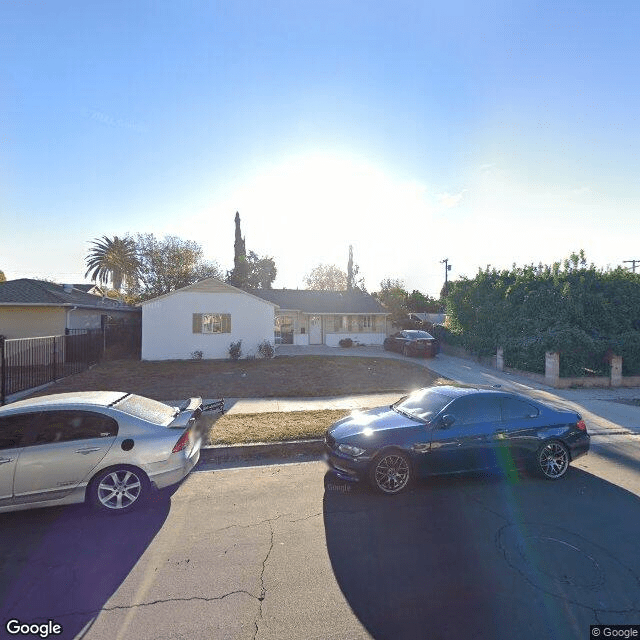
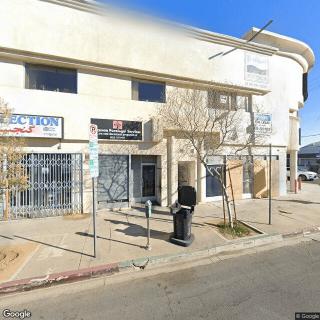
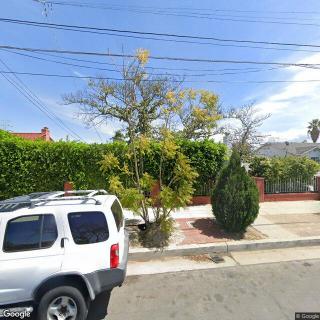
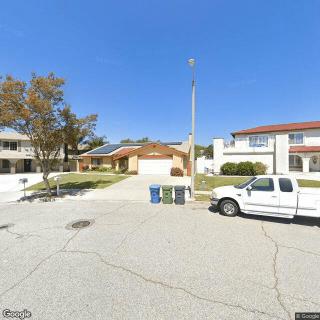
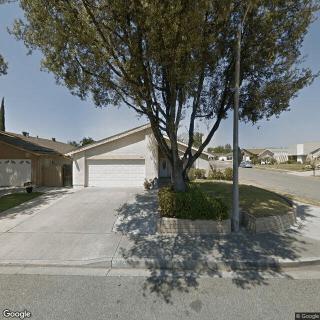
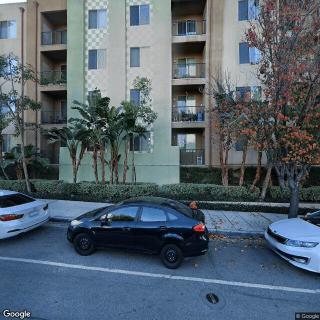
 Board and Care Home
 Private
 Burbank-Glendale-Pasadena (9 miles away)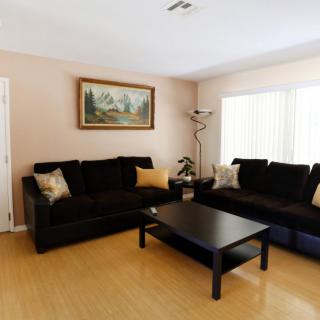
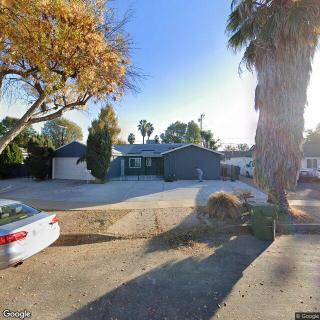
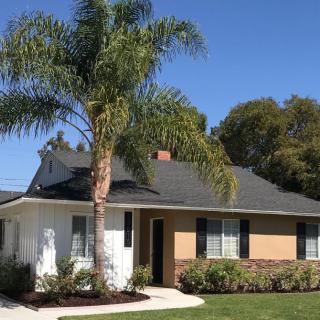
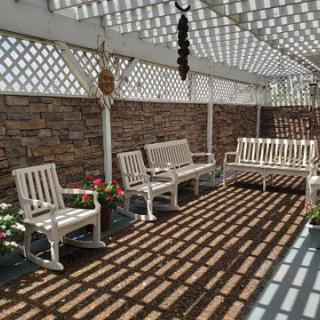
 Clean facility with caring staff and proactive communication in a welcoming atmosphere.
 Exploring Palliative Care in the Home: A Comprehensive Overview
 Comprehensive Insights into Palliative Home Care: What It Is and What to Expect
 Skilled Nursing Facilities vs. Nursing Homes: Making Sense of the Differences