
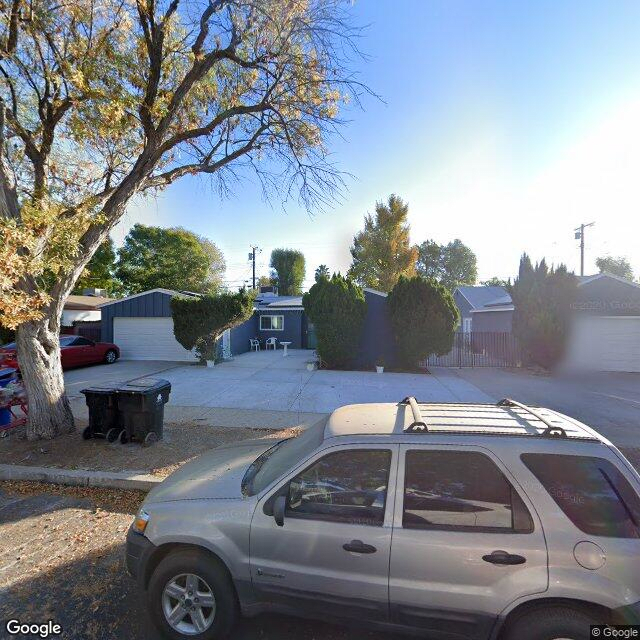
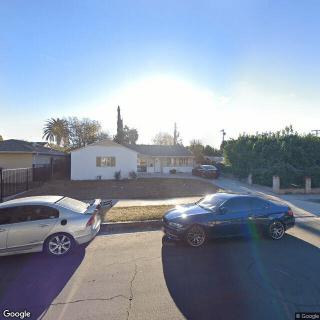
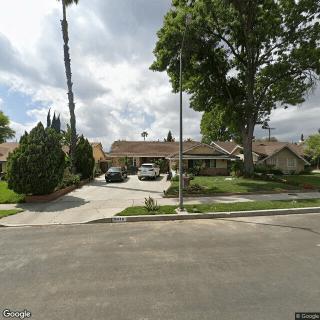
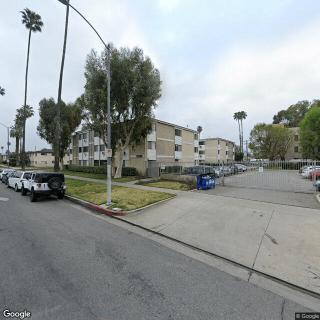
17734 Baltar Street, Reseda, CA 91335
For more information about senior living options: (866) 208-4318
Manila Manor I Costs & Pricing
Manila Manor I offers competitive pricing for its accommodations compared to both Los Angeles County and the broader California market. For a semi-private room, residents can expect to pay $3,000 per month, which is notably lower than the county average of $3,349 and the state benchmark of $3,333. Private rooms at Manila Manor I are priced at $3,500, providing a more affordable option than Los Angeles County's average of $4,197 and California's overall figure of $3,939. Similarly, their one-bedroom units also stand out at $3,500 each month against higher costs in the county ($4,603) and statewide ($4,340). This pricing structure positions Manila Manor I as an attractive choice for those seeking quality care without straining their budget.
| Floor plans | Manila Manor I | Los Angeles County | California |
|---|---|---|---|
| Semi-Private | $3,000 | $3,349 | $3,333 |
| Private | $3,500 | $4,197 | $3,939 |
| 1 Bedroom | $3,500 | $4,603 | $4,340 |
Memory care communities with a similar price nearby
-
from +$500 / mo

Paradise Senior Living 1
$3,500 to $4,500 / month2.0 miles away -
from -$250 / mo
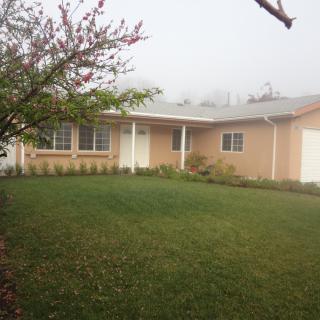
Dignity Care Home 1
$2,750 to $4,150 / month2.1 miles away -
from +$500 / mo
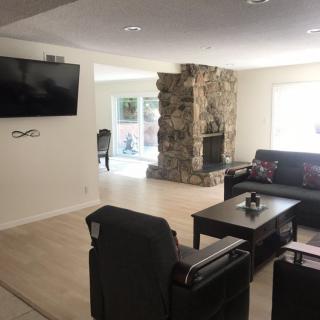
Hollywood Healthy Living
$3,500 to $5,000 / month10.0 miles away -
from +$500 / mo

California Senior Of Sherman Oaks
$3,500 to $4,000 / month5.4 miles away -
from +$500 / mo

Assisted Comfort Home
$3,500 to $6,000 / month7.8 miles away
Overall Review of Manila Manor I
Pros
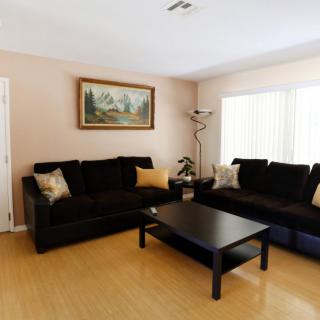
 Manila Manor is described as very nice, with cheerful rooms and a welcoming environment.
- The caregivers are kind and genuinely care for residents, creating a loving atmosphere.
- The owner Jasmine, along with caregivers Rita and Maura, are lovely, thoughtful, and efficient in managing the residence.
- The home is very clean, and meals cater to residents' special diets.
- Residents have opportunities to go outside and use exercise equipment, promoting activity.
- Families note the staff provide affectionate, personalized care and spend time with their loved ones.
- The setting feels like a home rather than an institution, offering comfort and a sense of belonging, sometimes at an affordable, all-inclusive price.
Cons
 The community was not the top pick for the loved one.
- The caregivers barely speak English.
- The home serves only Filipino food.
- Activities are very limited.
- The place was dark and not inviting.
- The staff member lacked professionalism and did not know when they would return.
- That lack of professionalism made the reviewer nervous.
- The rooms were small.
- There was no garden or greenery.
- One room was too hot to be used in the summer.
- The caregivers are small, and there is concern they cannot adequately prevent falls.
- The house did not impress the reviewer during the tour.
- There should never be anyone ignored.
- A resident calling for help in the bath received no assistance.
- The staff is untrained, and the owner is rarely on site.
- The staff did not provide pain medications and gave aspirin instead; an employee mishandled pills.
- Manila Manor is terrible.
- Care services are limited.
- The temperature in the community seems hot.
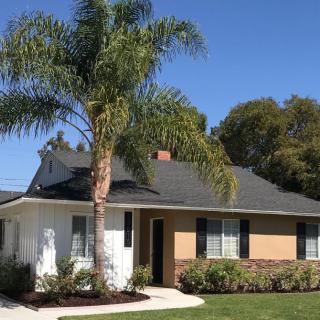
- The interior does not have curb appeal and needs painting.
Review
Manila Manor I in Reseda is best suited for families seeking a warm, intimate, home-like setting where care is personal, affectionate, and affordable. The community operates like a small-house residence, with the owner (Jasmine) very much on-site and a close-knit team of caregivers (notably Rita and Maura) who prioritize daily grooming, home-cooked meals, and a sense of belonging. For residents who can thrive on a domestic routine, and for families prioritizing emotional connection and budget-friendly, all-inclusive pricing, this setting delivers a comforting, non-institutional alternative to larger facilities. The vibe is clearly centered on quiet, familiar routines, and many families report that their loved ones feel safe, clean, and well tended in this environment.
Those most likely to want alternatives are families pursuing robust clinical oversight, broad activity programming, or a more modern, larger campus with professionalized staffing patterns. Several reviews flag language and cultural mismatches, with caregivers described as primarily Filipino and meals sometimes limited to Filipino fare; for residents who require diverse cuisine or stronger English-language communication, this can feel restrictive. The property has been described as dark or dreary, with small rooms and limited greenery, and a few tour experiences highlighted unprofessional or inconsistent first contact. For higher-acuity care, more formal shifts, or a setting where safety supervision is visibly constant across the day and night, other communities will generally perform more reliably.
Key pros, personal warmth, visibility of the owner, strong caregiver rapport, and a home-like routine, do offset many of the main cons when the resident’s priority is companionship, daily attentiveness, and a low-stress environment. The cleaning standard is repeatedly praised, meals meet dietary needs, and residents are dressed, groomed, and engaged with meaningful care. Families also value the ability to observe affection and consistent, hands-on care, plus the reassurance that loved ones are not simply “in a facility” but in a caring home. The affordability angle, especially for solo rooms and all-inclusive pricing, helps families avoid sticker shock and maintain financial stability while providing regular personal care and medication administration, which can be a meaningful win for many households.
Nevertheless, the gaps are real and should be weighed against needs. For residents who require frequent, proactive safety monitoring, immediate responsiveness, or a highly structured daily schedule, Manila Manor I can feel limited by its small staff and occasional lapses in prompt attention. Temperature control and a lack of outdoor space can affect comfort, particularly in warmer months, and ongoing concerns about activity variety underscore the need for residents to have meaningful engagement beyond passive time in front of the TV. Language or cultural preferences matter to some families, especially if communication with staff or dietary choices become a daily or weekly priority.
From a practical decision-making standpoint, prospective residents should insist on a thorough, candid tour that probes staffing levels, shift structure (or their absence), and how emergencies are handled when the owner is not on the floor. Ask specifically about English-language proficiency among caregivers, trigger points for escalating care, pain management practices, and how medications are dispensed and monitored. Request a clear view of the activity calendar and the opportunities for outside time, socialization, and cognitive stimulation, and insist on a fresh, objective assessment of temperatures, room sizes, and the presence of any outdoor space or gardens. These questions will reveal how well the home-like appeal translates into daily safety and engagement for a given resident.
Success stories do exist and carry serious weight here. When the fit is right, Manila Manor I delivers a level of tenderness, continuity, and personalized attention that families cherished during long-term stays and hospice phases. Loved ones described feeling valued, well-groomed, and genuinely cared for, with caregivers who knew daily routines, celebrated small milestones, and treated residents with a human warmth that families found transformative. For families prioritizing a rescue-from-institutional settings feel, plus a setting that feels like home and respects budget, Manila Manor I stands out as a credible, compassionate option worth serious consideration.
In the end, Manila Manor I is a practical choice for families prioritizing warmth, affordability, and a residential atmosphere over clinical polish. It excels when the resident’s needs align with affectionate, hands-on care, strong family involvement, and a preference to avoid a hospital-like environment. If that combination matches the elder’s personality and level of independence, a careful tour, clear conversations about staffing and safety, and perhaps a trial period can confirm this community as a genuine fit. If a resident requires more robust medical oversight, a broader activity program, or a larger, more modern setting, it is wise to compare other options with stronger clinical supports and more expansive campuses.
 6 resident community capacity
 Assisted Living
 Board and Care Home
 Memory Care
 Cable or satellite TV
 Dining room
 Fully furnished
 Garden
 Housekeeping services
 Move-in coordination
 Outdoor space
 Private
 Private bathrooms
 Telephone
 Wi-Fi/high-speed internet available
 Burbank-Glendale-Pasadena (9 miles away)
 24-hour supervision
 Activities of daily living assistance
 Assistance with bathing
 Assistance with dressing
 Assistance with transfers
 Diabetes diet
 High acuity care
 Meal preparation and service
 Medication management
 Special dietary restrictions
 Transportation arrangement (medical)
 Transportation to doctors appointments



 Choosing the Right Senior Care: A Detailed Exploration of Assisted Living and Nursing Homes
 Safeguarding Your Memory Through the Golden Years: Eight Ways to Preserve Cognitive Health
 Comprehensive Insights into Activities of Daily Living (ADLs) and Their Assessment