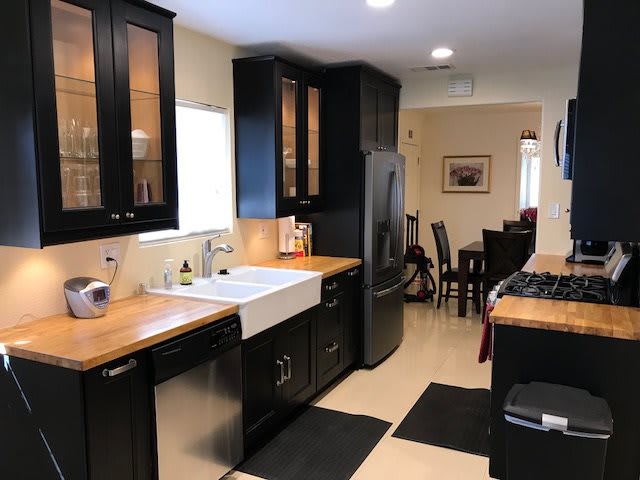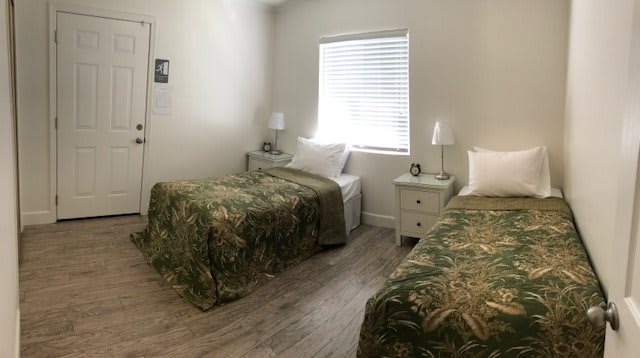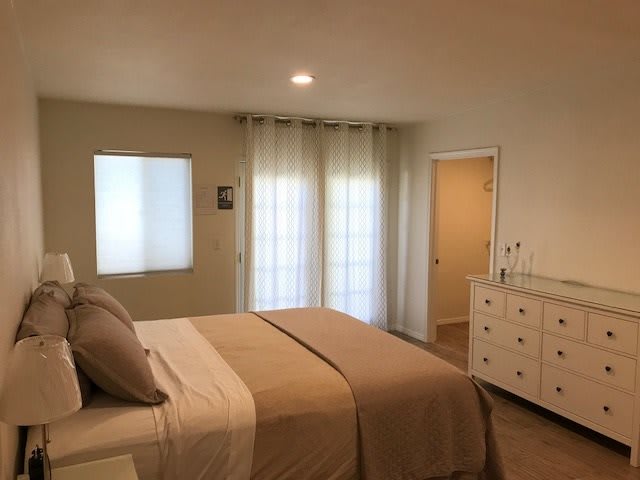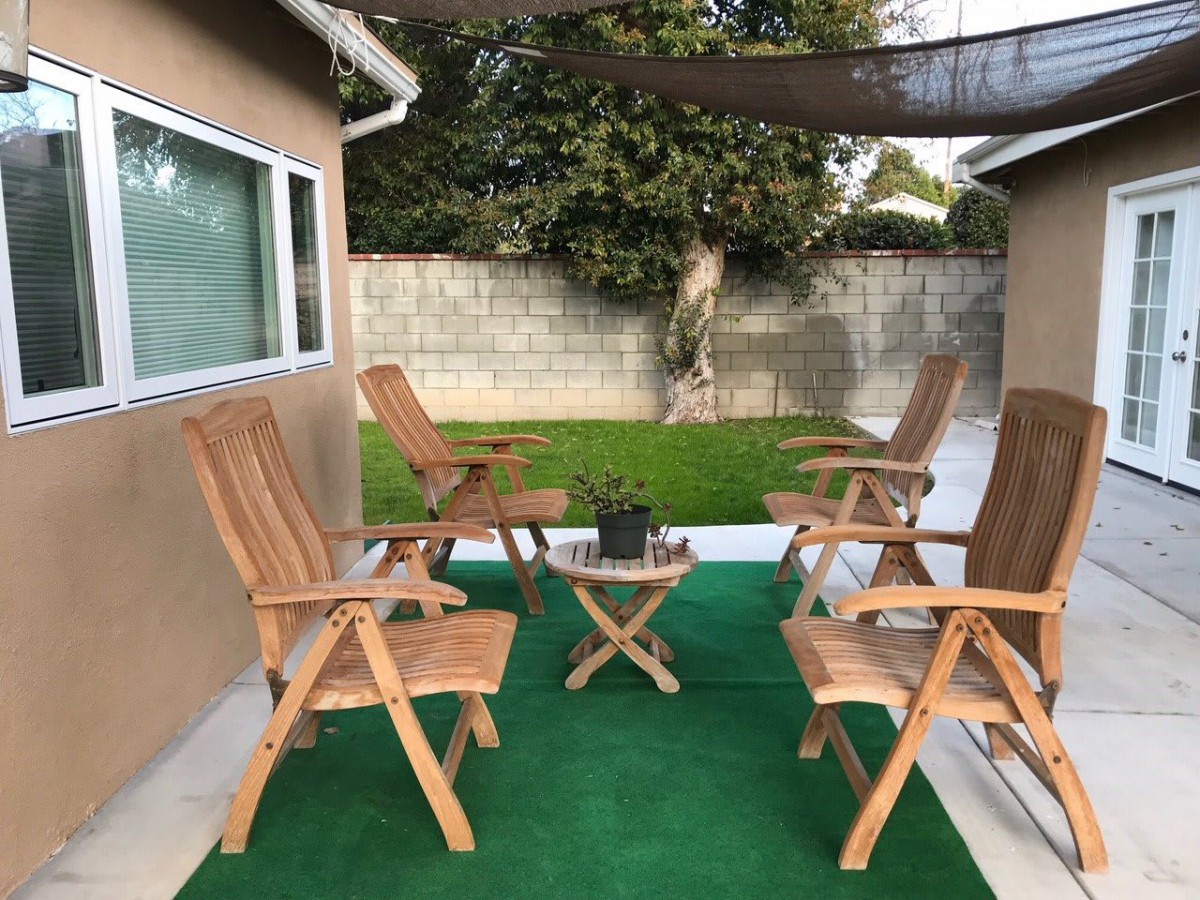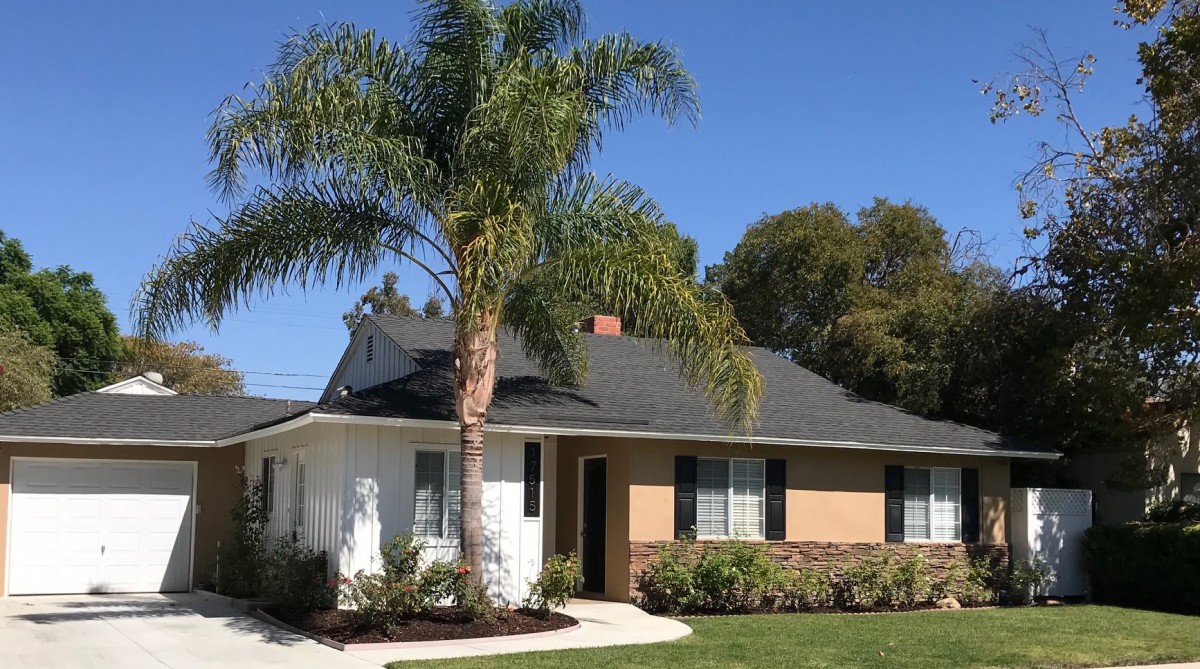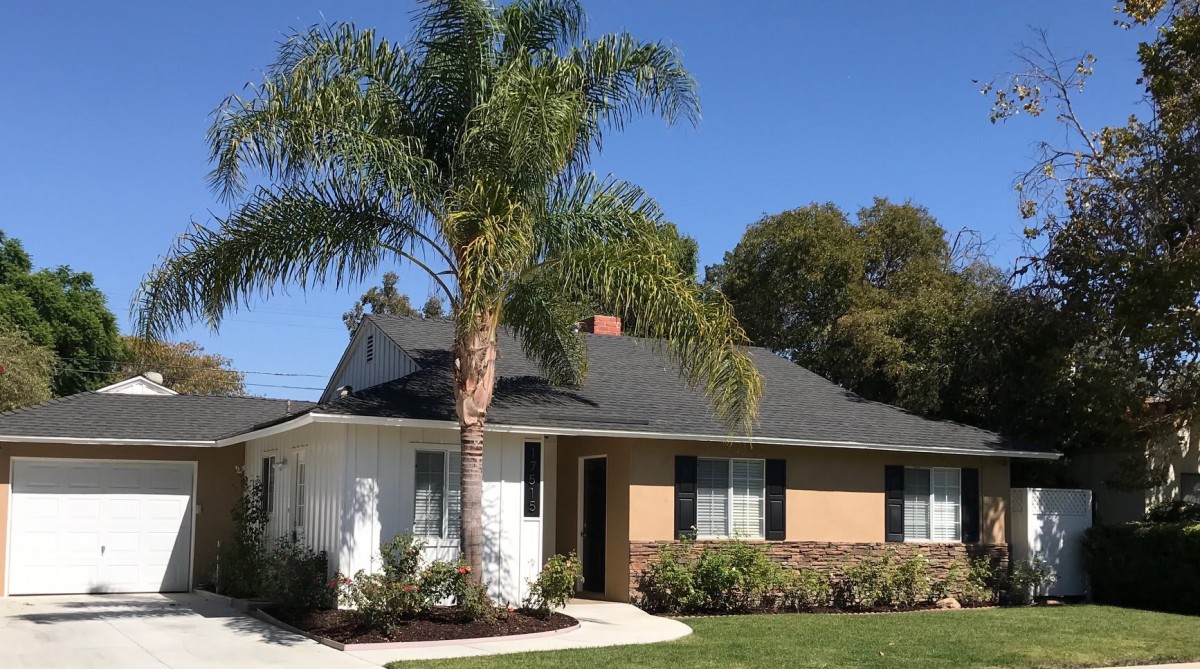
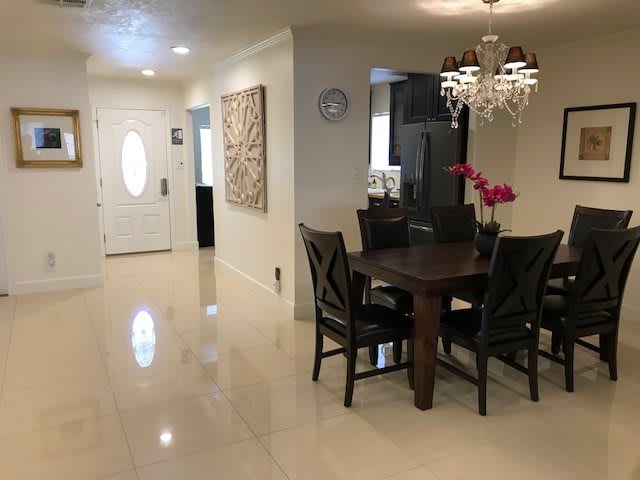
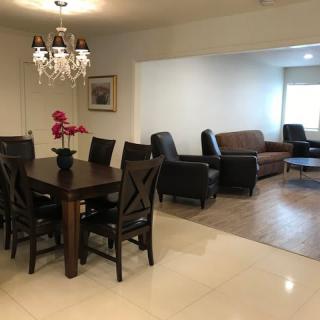
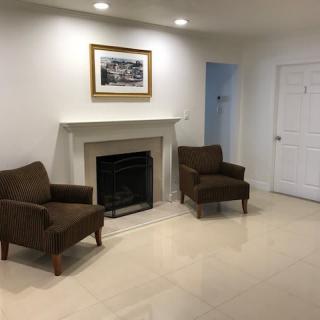
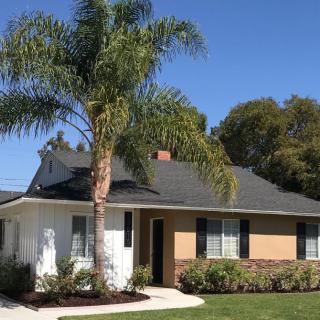
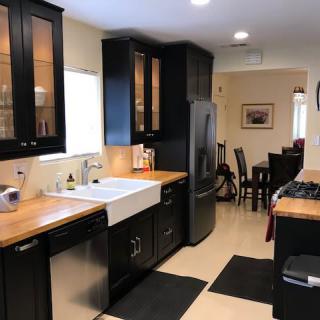
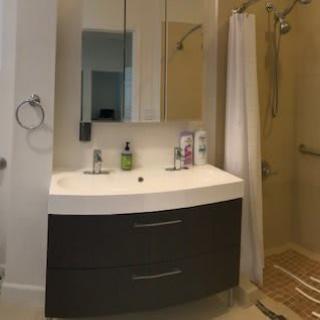
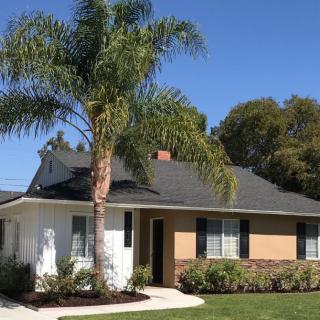
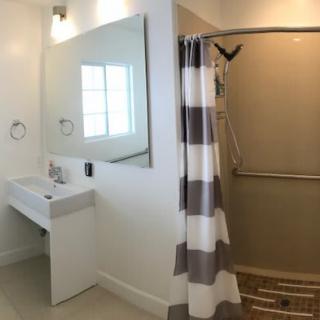
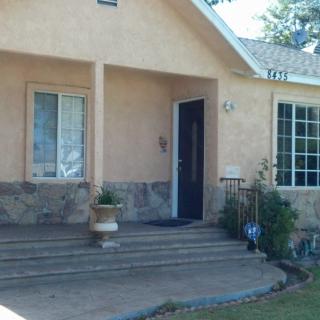
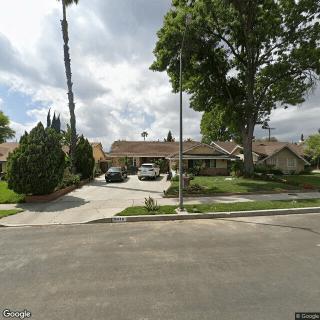
17515 Blythe Street, Northridge, CA 91325
To contact a resident: (213) 447-7888
For more information about senior living options: (866) 208-4318
Northstar Assisted Living, LLC Costs & Pricing
Northstar Assisted Living, LLC offers competitive pricing for its accommodation options within the context of Los Angeles County and California as a whole. For semi-private rooms at Northstar, residents can expect to pay $3,800 per month, which is notably higher than the county average of $3,349 and slightly above the state average of $3,333. When it comes to private rooms and studios, Northstar maintains a consistent price point at $4,500; this is higher than the county's private room rate of $4,197 but still falls within proximity to the state's average of $3,939 for private accommodations. Similarly, studio units are priced at $4,500 compared to county offerings around $4,172 and state averages near $4,145. Overall, while Northstar's rates may be on the upper end of the spectrum for certain categories, they reflect a commitment to quality care and supportive living tailored to meet individual resident needs.
| Floor plans | Northstar Assisted Living, LLC | Los Angeles County | California |
|---|---|---|---|
| Semi-Private | $3,800 | $3,349 | $3,333 |
| Private | $4,500 | $4,197 | $3,939 |
| Studio | $4,500 | $4,172 | $4,145 |
Memory care communities with a similar price nearby
-
from -$300 / mo
Paradise Senior Living 1
$3,500 to $4,500 / month2.4 miles away -
from +$700 / mo
Ardenville Home Care I
$4,500 / month9.7 miles away -
About the same
America's Care Manor
$3,800 to $4,000 / month10.0 miles away -
from +$200 / mo
Land of Peace 6
$4,000 to $5,500 / month6.2 miles away -
from -$300 / mo
Hollywood Healthy Living
$3,500 to $5,000 / month9.7 miles away
Overall Review of Northstar Assisted Living, LLC
Pros
 Northstar has a positive, laughter-filled culture.
- The workplace at Northstar is full of positivity and laughter.
- Everyone at Northstar roots for one another.
- Northstar demonstrates a genuine commitment to helping people succeed.
- The Northstar team helps employees develop valuable skills.
Review
Northstar Assisted Living in Northridge, CA is best suited for families that prize a strong, positive team culture and staff-driven care. The reviews point to a workplace where positivity, humor, and mutual support prevail, and where staff appear invested in one another’s success. That translates into a care environment where residents are likely to experience steady, personable interactions, with caregivers who know their routines, preferences, and stories. For families, this suggests a facility where consistency in how care is delivered is anchored in a motivated staff, rather than solely in rigid protocols or impersonal turnover.
However, there is a clear reason to consider alternatives. The community carries a 3/5 rating from two reviews, with one 5-star endorsement and one 1-star rating. The mixed public feedback signals potential variability in resident experiences that may hinge on factors such as specific care needs, shift coverage, or individual staff dynamics. Families evaluating Northstar should scrutinize not only the general climate but also concrete measures of daily resident life, response times, meal quality, activity engagement, and personalized care planning, through direct tours and candid conversations with current residents and their families.
The strongest pro is the culture within the organization. A supportive, collaborative atmosphere among staff tends to reduce burnout, improve consistency of caregiving, and foster better communication with residents and families. When caregivers feel valued, they are more likely to stay engaged over time, which supports continuity of care, a critical factor for seniors who rely on familiar faces and dependable routines. This can translate into more attentive dementia care, more thoughtful activity scheduling, and a greater sense of safety and belonging for residents.
The primary con to watch for is the limited public visibility of resident experiences. With only two reviews published, there is insufficient verification of day-to-day resident satisfaction across diverse needs and acuity levels. The presence of a low rating alongside the positive review raises legitimate questions about variability in service quality, responsiveness, and the consistency of programming. Families should probe for specifics during visits: how quickly staff respond to call bells, how meals are customized to dietary restrictions, what level of medical oversight exists, and how well memory or mobility support is integrated into daily life.
Proponents argue that Northstar’s strong culture can offset some drawbacks by strengthening staff accountability and responsiveness. A motivated team tends to be more reliable, fosters timely communication with families, and maintains higher morale during challenging shifts. Yet culture alone cannot fix structural gaps such as under-staffing during peak hours, limited access to medical oversight, or constrained programming for residents with higher care needs. Families should weigh the internal benefits of a positive work environment against any tangible indicators of care quality gaps uncovered in tours and references.
For families serious about selecting the right match, practical steps are essential. Schedule in-depth tours with a focus on day-to-day routines: meal service quality, activity calendars, transportation options, and the cadence of medical or restorative care. Ask for recent staff turnover rates, CNA-to-resident ratios during various shifts, and examples of individualized care plans. Request resident references and, if possible, observe a mealtime or activity to gauge engagement. Clarify costs, contract terms, and what happens if care needs escalate. If culture and staff engagement align with a resident’s preferences and the facility can demonstrate consistent, high-quality care in line with those preferences, Northstar becomes a compelling option. If not, or if resident-specific needs require a higher level of medical oversight or resident-reported satisfaction, pursuing alternatives remains prudent.
 Board and Care Home
 Memory Care
 Activities on-site
 Air-conditioning
 Bath tubs
 Cable or satellite TV
 Indoor common areas
 Outdoor common areas
 Private
 Private bathrooms
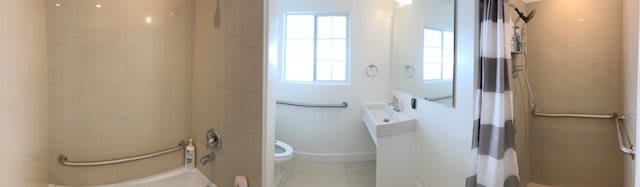
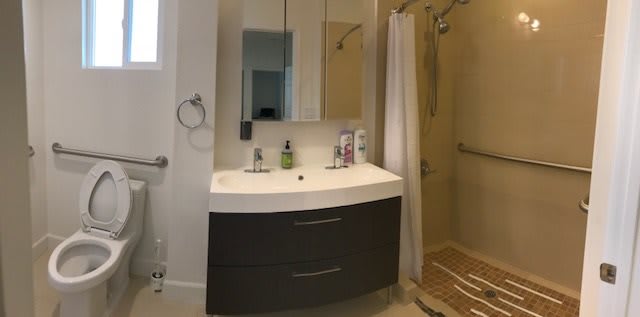
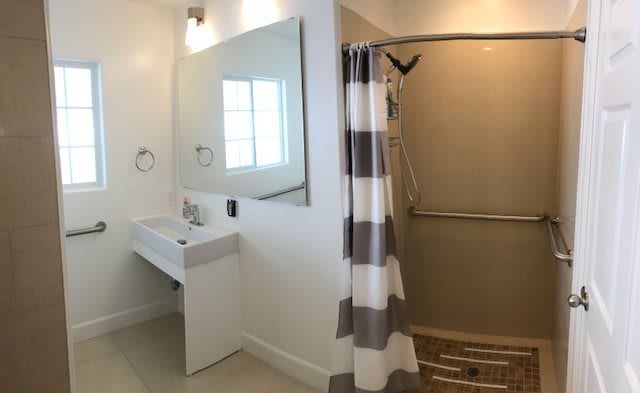
 Wheelchair accessible showers
 Wi-Fi/high-speed internet available
 Burbank-Glendale-Pasadena (9 miles away)
 Incontinence care
 Medication management
 Anytime dining
 BBQs or picnics
 Birthday parties
 Delving into the Inner World of Dementia: Insights into Thoughts and Awareness
 Five Subtle Dementia Indicators to Observe: An In-Depth Guide to Understanding “Does My Mom Have Dementia?”
 Dementia, Paranoia, and Caregiver Guidance: Understanding the Connection